
Pashupatinath Temple
The Pashupatinath Temple, located in Kathmandu, Nepal, is one of the most sacred Hindu temples dedicated to Lord Shiva. It is often regarded as complementary to the Kedarnath Temple in Uttarakhand, India, as both are considered vital in the worship of Lord Shiva. Pilgrims often visit both sites as part of their spiritual journey. Pashupatinath, situated on the banks of the Bagmati River, holds great religious significance for followers of Hinduism, with rituals such as cremation ceremonies and the daily evening aarati being integral to the temple’s religious life.
The holy temple of Pashupatinath is just 5 km distance from the main Kathmandu city towards the east. A large complex in Nepal extends on both sides from the holy Bagmati River with an area of 0.64 hectares.

The premises include 518 small shrines, temples, and monuments with a small lovely woodland. Where Rhesus monkeys make their home can be seen all around the temple areas in search of food.
The Pashupatinath temple dedicated to lord Shiva houses two tiered golden roofs and four cardinal silver doors. One of the most magnificent and superb architecture and the oldest Hindu temple in Kathmandu city.
Where a large number of people and pilgrims come together for a holy pilgrimage on the day of Maha Shivaratri. Held during February as per the Hindu Lunar calendar, the birth anniversary of Lord Shiva.
Pashupatinath Temple’s existence is not known when the temple was built, but according to Nepal Mahatmaya and Himvatkhanda. The deity became popular and famous as Pashupatinath and is recorded as early as the 400 Century back.
Pashupatinath Temple was designated a UNESCO World Heritage Site in 1979 as one of the important holy pilgrimages of Hindu sites.
The temple is popular as a sacred site for Hindu devotees all around the world, located in a town called Gaushala of Kathmandu.
Belief to the Hindu religion, Pashupatinath is considered the protector of the universe and the patron deity of Nepalese people. Where every morning and evening time prayer and worship take place, called Pujas, at the main temple compound. The Temple premises more than 3,200 statues, each depicting a different god and goddess.
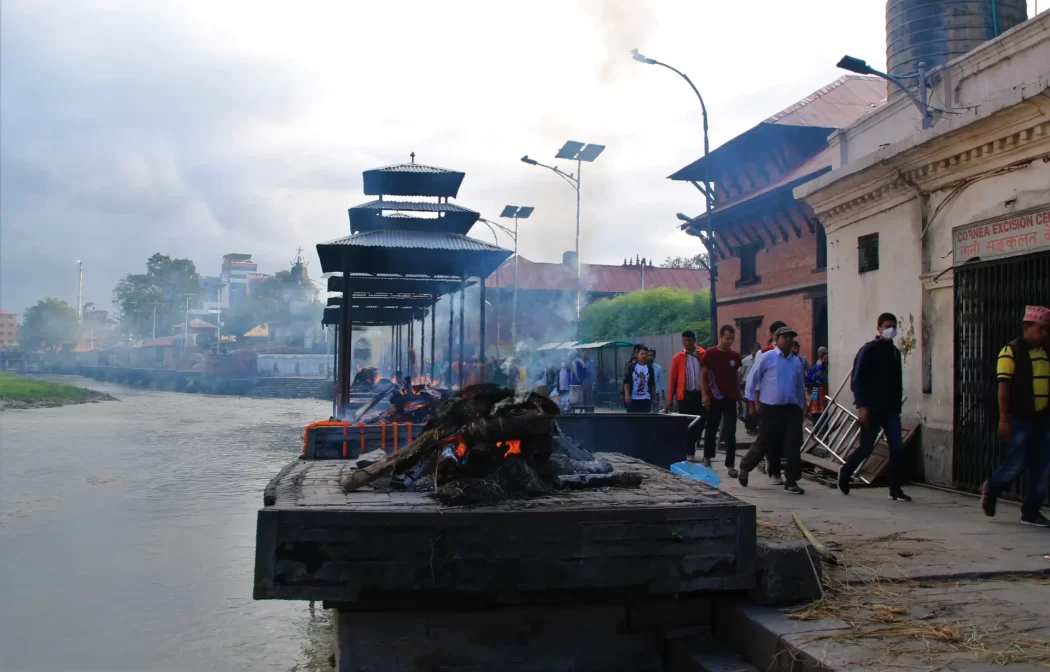
The Pashupatinath Temple and the Bagmati River bank with series of a funeral pyres where human deceased are cremated also.
Although non-Hindu people are not allowed entrance to the main temple areas but can observe the devotees’ religious activities. From the other side of the river, a small area is reserved for visitors. Where one can get wonderful views of the temple and the pilgrims in worship.

The Festival Of Maha Shivaratri:
The festival of Maha Shivaratri usually takes place during the cold month of February, when thousands of devotees, pilgrims, Sadhu’s hermits, and Yogis pay homage on this day annually.
In large mass numbers, followers of Lord Shiva visit from all parts of India and Nepal. Within the town and cities as well as in villages people stay for late nights. Lighting a bonfire to keep them awake all night long, as well as enjoying in a merry mood. Where Sadhu, the hermit or sage, and some Hindus celebrate consuming toxic herbs like bhang or Ganja / Marijuana.
The Bhang and Ganja are also mixed with sweet refreshments and sweets to make the event lively and spectacular. Singing and dancing the whole night in Maha Shivaratri, where most women stay fasting for the longevity of their husbands. As well the devotees and pilgrims take a dip and bathe in the holy Bagmati River to wash the sins of a lifetime.
The legend describes Maha Shivaratri marking the occasion when Shiva first performed the Tandava Nritya, a form of dance. To create primordial, preservation, and destruction. It was through this dance of devotion that Lord Shiva saved the world from destruction.
It is celebrated as the union of Shiva and Shakti, in which masculine and feminine energies balance the world. For all Hindus with their immense culture, marks the remembrance of ‘overcoming darkness and ignorance in life’.
History Of Pashupatinath Temple:
Although the written fact is still unknown it is believed that the temple was built by Lichavi king Supuspa Dev. Who ruled the Kathmandu valley and the cities way back in 464 till 505 A.D. As per the record from saint Gopal Vamshavali’s book, which is the oldest account or journal.
The other story and myth describe that it was constructed as a simple temple in the image of a linga (phallus). But history shows it was way back before the Lichavi king built and added more with gold gilt roofing.
From then on different rulers like Malla kings ruled the country from 1578 until 1620 A.D. Added and remodeled the temple to its present shape, with many statues and smaller shrines around the temple complex.
Whatever the history and legend or belief, Pashupatinath Temple is regarded as the most sacred and important pilgrimage destination; for all wide-world Hindu followers.
The Prayer Activities And Worship In Pashupatinath Temple:
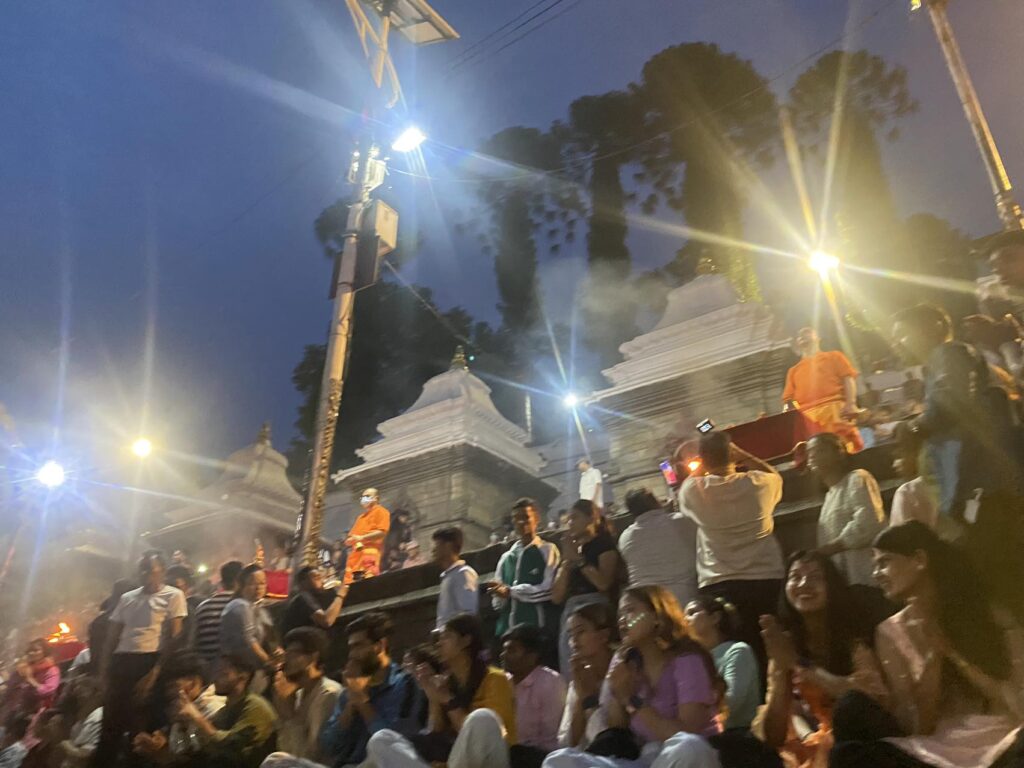
Apart from the main major festivals of Maha Shivaratri and related occasions related to Lord Shiva and his consort Parvati. Daily Morning Prayer and worship are held, as well in the evening time, including Bhajan a Hindu religion Hymns and Recitation.
Devotees and worshippers from India and all parts of Nepal make a once-in-a-lifetime visiting Pashupatinath Temple. The area outside the temple is lined with shops and stalls selling items and offerings like incense and flowers.
A long queue can be seen every morning outside the temple to get a blessing from the main priest. During the main holy time, one can notice more than hundreds of followers that stay in the queue for long hours.
Especially on Saturday, which is also a public holiday in Nepal, great numbers of people are seen. Just to get a glimpse of Lord Shiva Phallus which is the symbol and sign of Lord Shiva. As well as the power and energy for all human beings, and word ‘Pashu-Pati’ means the lord of mammals. Which is mainly worshipped in Nepal and India, Pashu is for animals, and Pati is the supreme one.
It is also the national deity of the country, where cows and ox are regarded as holy animals.
Main Attractions of Pashupatinath Temple:
Main Pashupatinath Temple (Pagoda Style): The two-tiered golden roof and silver doors of the main temple house the sacred four-faced Shiva Lingam, representing different aspects of Shiva. Only practicing Hindus are permitted inside the main temple, but visitors can observe the exterior and the rituals from across the Bagmati River.
Bagmati River and Arya Ghat: The Bagmati River, considered holy, flows alongside the temple. Arya Ghat is a significant cremation site where Hindu funeral rites are performed. Observing these ceremonies offers a profound insight into Hindu beliefs about life and death, though visitors should do so respectfully and from a distance.
Guheswori Temple: Located near the main complex, this temple is dedicated to Parvati, Shiva’s consort, and is one of the Shakti Peeths, highly revered sites for Shakti worship.
Pandra Shivalaya (15 Shrines): A collection of 15 small Shiva shrines built in the 19th century, each with its own unique lingam, adding to the spiritual diversity of the complex.
Gorakhnath Temple: Dedicated to the sage Gorakhnath, a prominent figure in the Nath tradition of Hinduism. Vatsala Devi Temple: Another important temple within the complex, dedicated to the goddess Vatsala Devi.
Kirateshwar Mahadev Temple: Situated on the opposite bank of the Bagmati River, this temple is believed to be where Lord Shiva appeared as a Kirata (hunter).
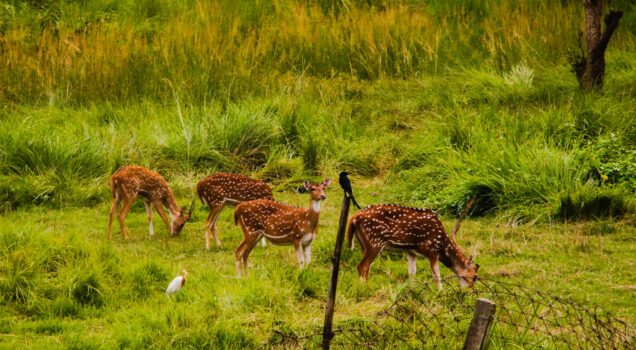
Deer Park Mrigasthali: A serene area within the complex where deer roam freely, believed to be the spot where Shiva transformed into a deer.
Evening Aarati: The daily evening aarati (fire ritual) performed on the banks of the Bagmati River is a captivating and spiritually uplifting experience, open to all visitors, Aarati Time evening 6 to 8 o’clock.
Travel Guide for Pahupatinath Temple:
To make the most of a visit to Pashupatinath Temple, consider the following:
Pashupatinath Temple Opening Hours: The temple complex is generally open from 4:00 AM to 9:00 PM, but the main temple’s inner sanctum has specific opening hours for devotees, typically from 4:00 AM to 12:00 PM and 5:00 PM to 7:00 PM.
Entry Fee: There is 1,000 NRS entry fee for foreign nationals to access the outer complex, which contributes to the temple’s maintenance and development. Nepali and Indian citizens are exempt from this fee.
Dress Code Visiting Pashupatinath Temple: Travelers are advised to dress modestly, covering their shoulders and knees, as a sign of respect for the sacred site.
Photography around Pashupatinath Temple: Photography is generally restricted inside the main temple and at the cremation ghats out of respect for the rituals and privacy of the families. However, photography is usually permitted in other parts of the complex.
Best Time to Visit Pashupatinath Temple: The early morning or late afternoon are ideal times to visit to witness the rituals and avoid the midday heat. The evening aarati is a must-see experience.
Getting Pashupatinath Temple: Pashupatinath Temple is easily accessible by taxi or public transportation from various parts of Kathmandu. It is located approximately 5 to 7 kilometers east of Kathmandu city center.
Respectful Conduct: Visitors should maintain a respectful demeanor, avoid loud conversations, and be mindful of ongoing religious ceremonies. Guides: Hiring a local guide can enhance the experience by providing historical context, explaining rituals, and navigating the complex.
How To Reach Pashupatinath Temple:
The Temple of Pashupatinath is within easy reach and accessible from all directions from Kathmandu city. There are two main entrances one is a regular mostly used by Hindu pilgrims and locals. The other way is from close to the main road near a bridge that is en route to the airport.

Seen from the road, where vehicles are not allowed, walking for a short while, where the entrance ticket counter is situated. Most foreign visitors used the south route rather than the main entrance from the west. As non-Hindu are not allowed in the main entrance of the temple compound. Using the opposite side of the river to observe the temples and the devotees in worship and prayers.
Quick Inquiry

Talk to an Expert
Mr. Samir Simkhada
Online Now


