
Guide to Everest Three-Pass Trek: 19 Days Itinerary
Guide to Everest three pass trek You need to obtain required permits before starting your journey. Trek participants must purchase the Sagarmatha National Park Entry Permit at $ 30, along with the Khumbu Pasang Lhamu Rural Municipality Entrance Permit at $ 20. These permits function as mandates for the Everest region hikes and help preserve the area. The full itinerary lasts between 17 to 22 days unless you need to spend more time adjusting to altitude and walking at different speeds. Among Nepal’s adventurous mountain trails stands the Guide to Everest Three-Pass Trek which delivers trekkers their pinnacle Himalayan expedition.
A mesmerizing loop arises within the Everest Region because trekkers cross all three high-altitude passes which consist of Kongma La (5,550 m), Cho La (5,420 m), and Renjo La (5,360 m). You can start your trek from any point between Lukla, Jiri, Shivalaya, and Phaplu, then journey through the awe-inspiring areas of Sagarmatha National Park where marvelous views and active Sherpa culture prevail. The adventure path delivers complete natural brilliance in combination with physical demanding activities.
Among popular hiking trails, Everest Base Camp and the Annapurna Circuit hikers preferring less-traveled paths should consider doing the Three-Pass Trek. Through its terrains of dramatic beauty and tough climbing challenges, this trek provides an all-encompassing Himalayan tour. Hikers who guide their own trip can skip paying for costly guides or porters rates. High-altitude trekking presents dangerous risks, but approaching it requires trekking expertise and good physical shape for protection. Tourists don’t have to carry camping gear because numerous teahouses across the trail provide lodging and serve meals. Best of al, the low expenses of staying and eating during the trek offset the high cost of traveling to Nepal.
Highlights of the Everest Three-Pass Trek
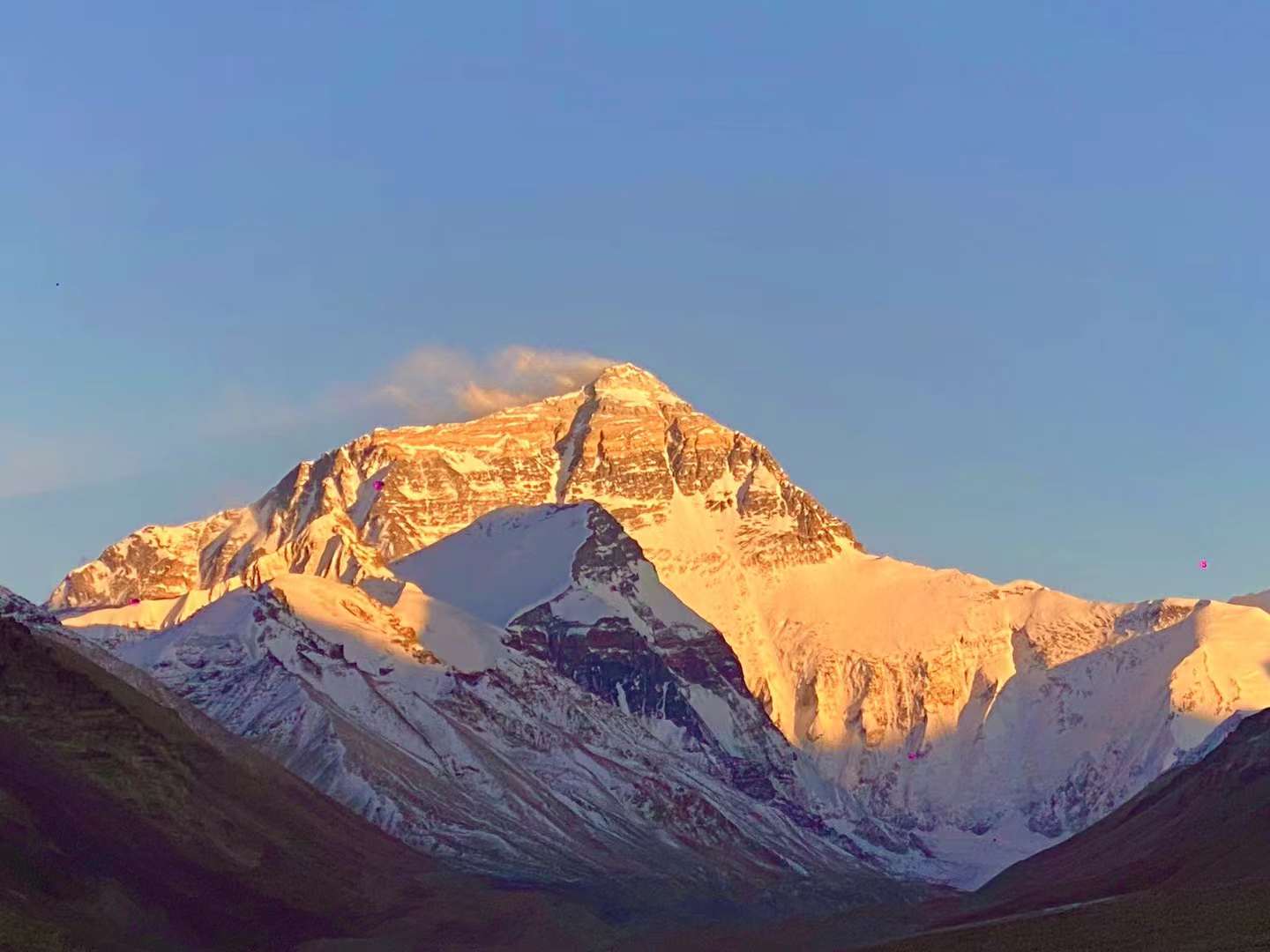
1. Kongma La Pass
- Altitude: 5,535 meters (18,159 feet)
Key Features:
- It is the highest and most challenging of the three passes.
- Offers 360-degree views of Everest, Nuptse, Makalu, and other towering peaks.
- Conquering the Kongma La Pass, the highest and most challenging of the three passes, will fill you with a sense of accomplishment. The 360-degree views of Everest, Nuptse, Makalu, and other towering peaks from this vantage point are a reward that will make your trek genuinely memorable.
2. Cho La Pass
- Altitude: 5,420 meters (17,782 feet)
Key Features:
- This path unites the areas of Everest Base Camp and Gokyo Valley to each other.
- The Cho La Pass measures 5,420 meters and links the Expedition Base Camp area to the Gokyo Valley climbing region. Ashatcho La glacier crosses alongside other glacial terrains on this trail to provide visitors with an astonishing natural connection.
- Views of Ama Dablam and other nearby peaks.
3. Renjo La Pass
Altitude: 5,360 meters (17,585 feet)
Key Features:
- A less crowded and serene route.
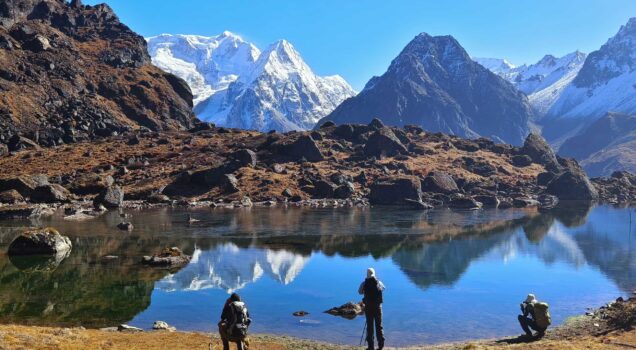
- Magnificent vistas of Gokyo Lakes, Everest, and the surrounding snow-capped peaks.
- The location appeals to photographers seeking silence together with serenity.
Everest Three Pass Trek Must-see Destinations Along the Route
Everest Base Camp
- Stand at the foot of the world’s tallest peak, Mount Everest.
- Capture views of the Khumbu Icefall and surrounding Himalayan giants.
Gokyo Lakes
- A series of six turquoise glacial lakes that capture every visitor.
- Perfect for peaceful reflection and stunning photography.
Namche Bazaar
- A vibrant Sherpa town is known as the gateway to Everest.
- A hub for acclimatization, shopping, and cultural experiences.
Everest Three-Pass Trek: Detailed Itinerary Guide
Thrillingly explore the Everest region by doing the iconic Three-Pass Trek. This ultimate guide is day-by-day, providing you with everything you need to plan your adventure perfectly.
Day 1. Arrive in Kathmandu (1300m), transfer to hotel, and dinner with Nepali cultural program/ Trip Preparation.
Day 2. Fly to Lukla (2804m) and trek to Phakding (2610): walk approx 3-4 hrs.
Day 3. Trek from Phakding to Namche Bazaar (3440m)
Day 4. Acclimatization day at Namche Bazaar -day hiking to Khumjung valley over Everest view point hotel.
Day 5. Trek from Namche Bazaar to Tengboche Monastery (3,860m): walk approx 5 – 6 hrs
Day 6. Trek from Tengboche Monastery to Dingboche (4,350m): walk.
Day 7. Acclimatization day at Dingbouche,
Day 8. Trek from Dingboche to Chukung Valley
Day 9. Cross Khong Ma La Pass to Lobuche
Day 10. Trek Lobuche – Gorak Shep (5,170m) to Everest Base Camp and back to Gorak Shep: walk approx
Day 11. Hike up to Kalapatthar early in the morning and trek down to Dzongla.
Day 12. Chola pass to Thangnak
Day 13. Trek to Gokyo Valley
Day 14. Gokyo Ri and Back To Gokyo Valley
Day 15. Renjo la Pass to Marlung Or Lungden
Day 16. Trek To Namche Bazzar
Day 17. Trek Back to Lukla
Day 18. Fly Back to Kathmandu
Day 19 . Departure
Everest Three Pass Trek Difficulty
Most experts say the Everest Three Pass Trek ranks among the most arduous walks worldwide. Mountain trekkers encounter three pass altitudes and steep rocky paths during changing atmospheric conditions. Understanding the Everest Three Pass Trek’s challenging features must precede your trek planning process.
Difficulty of the Everest Three-Pass Trek
Patagonia provides you with breathtaking Himalayan views from its Everest Three Pass Trek while remaining a vigorous experience. Here’s a breakdown of the key factors that influence the difficulty of the trek:
Altitude
It can be so strenuous for your body while crossing three high-altitude passes-Kongma La (5,535m), Cho La (5,420m), and Renjo La (5,360m)-that the altitude of the Everest Three Pass Trek, at times, goes over 5,500 meters above sea level where oxygen is scant, making travelers suffer from AMS.
Acclimatization is critical in managing these altitude-related health risks. Though the trek will include rest days at strategic camps to help your body adjust to the altitude difference, altitude sickness will be a consideration even with proper acclimatization. Symptoms often include headaches, nausea, vertigo, and shortness of breath, which can impede forward movement.
Terrain
The landscape of the Everest Three Pass Trek varies from steep ascents over rocks to uneven, rocky paths. Some areas have challenging uphill climbs on narrow ridges and boulder-strewn trails. Trekkers must have extreme stamina, agility, and endurance to cross such paths without injury. Steep ascents to passes, such as Kongma La, maybe exhaustive for the knees and legs and require a lot of mental and physical determination.
Weather
Every weather extreme in high altitude locations develops suddenly without notice. Moving along lower trekking areas exposes you to moderate climate conditions yet-ascending in elevation will lead to favorably more extreme conditions. Snowstorms join rain and strong winds as frequent weather occurrences near alpine mountain passes. High-elevation weather that drops enjoyment levels might give rise to time delays alongside an elevated threat of weariness and exhaustion.
Preparation for the Everest Three Pass Trek Difficulty
Successful Everest Three Pass Trek completion demands detailed planning before each trip. With particular importance for experienced trekkers who train for harsh conditions. Here are some helpful tips to navigate the difficulties of the Everest Three Pass Trek:
- Physical Conditioning:
The long days of trekking at high altitudes require 6 to 8 hours of walking on many days. Cardiovascular and endurance training before arriving in Bolivia is highly recommended.
- High-Altitude Experience
Before a trek begins individuals should engage in high-altitude training which helps their bodies adjust to thin air conditions. Training at high altitudes prior to arrival on a trek lowers AMS (Acute Mountain Sickness) risk factors.
- Correct Equipment
Conditions at high elevations can be ruthless, so proper equipment is vital. You should carry a good-quality down jacket, thermal layers, gloves, a hat, and water-resistant trekking boots.
- Guided Trek
A certified high-altitude guide is an excellent companion. A guided trek can help manage the difficulty, pace one appropriately, and undertake the trek at stages of the route when conditions are appropriate and safe.
Everest Three Pass Trek: Best Time for an Unforgettable Experience Adventure
A Mount Everest Three Pass Trek reveals its absolute potential when you pick the right time of year. The unique combination of difficult high-altitude passes and stunning Himalayan landscapes makes timing the key factor for this trek. Your ultimate adventure timeline to the Everest Three Pass Trek starts here.
Spring (March to May): The Peak Trekking Season
Spring is hands down the most popular season for the Everest Three Pass Trek. Here’s why:
- Clear Skies, Perfect Weather: March to May offers stable weather and moderate temperatures, ideal for long days on the trail. Under pristine blue skies, you’ll enjoy clear Everest, Lhotse, and Makalu views.
- Breathtaking natural scenery: With rhododendrons and alpine flowers in bloom, the Khumbu Valley becomes a colorful backdrop for your adventures.
- Safe High-Altitude Crossings: The weather is stable, making the high passes of Kongma La, Cho La, and Renjo La less risky.
Spring is perfect for trekkers seeking vibrant landscapes, ideal weather, and a lively atmosphere.
Autumn (September to November): Crisp Air and Panoramic Views
The autumn months are equally popular, offering unique advantages:
- Crystal-Clear Visibility: Post-monsoon air is crisp and fresh, delivering some of the best mountain panoramas ever. Everest, Ama Dablam, and Nuptse stand tall against deep blue skies.
- Comfortable Temperatures: While evenings can get chilly at higher altitudes, the daytime temperatures are perfect for trekking.
- Peaceful Trails: Although autumn trails are busy, they are never as crowded as spring trails, allowing for a more tranquil experience.
It’s the best time for those who like clear views, quiet trails, and the crisp beauty of the Himalayas.
Avoid the Monsoon (June to August)
The monsoon season is not recommended for the Everest Three Pass Trek due to:
- Slippery and Muddy Trails: Solid rainfall makes trails slippery and hazardous to the trekkers.
- Obstructed Views: Fluffy clouds and gentle fog often hug the mountains, giving them a mysterious charm.
- Landslides and Flooding: Monsoon weather brings hazards, especially in lower altitude parts.
During these times, it’s challenging and less rewarding to go trekking.
Everest Three Pass Trek Map: Navigating the Route

A detailed map is essential for safely navigating the Everest Three Pass Trek. Knowing the layout of the trails, key landmarks, and where you’ll stop overnight can make your journey more enjoyable.
Key Features of the Everest Three Pass Trek Map
- Three High-Altitude Passes: The map points out the positions of the three significant passes you will cross: Kongma La, Cho La, and Renjo La.
- Trekking Routes: This map shows the possible routes, thus linking necessary villages and lodges with popular ones like Everest Base Camp and Kalapatthar.
- Altitude Information: Vital altitude markers on this map keep you updated about your elevation-, which is a significant guide to acclimatization.
How to get the map
From many trekking shops, you can quickly get an Everest Three Pass Trek map in Kathmandu. You can also download digital maps or get a GPS tracker online that will help during the trek. It is advisable to take a guide with you; they will have a good detailed map to keep them on track.
Everest Three Pass Trek Cost: Budgeting for the Trek
The cost of the Everest Three Pass Trek depends on many variables, one being whether you go independently or with a guided group. This trek costs anywhere from $1,500 to USD 2,500.
Trek Costs Breakdown
Permits:
- Sagarmatha National Park Permit: $30 – USD
- TIMS (Trekkers’ Information Management System) Card: $10 – USD
Guide and Porter Fees:
- A guide costs between $25 and $40 daily, while a porter costs between $15 and $20 daily.
Accommodation and Meals:
- During the journey, accommodations are mainly found in tea houses or lodges. They typically cost between $5 and $10 per night. Meal costs vary by the restaurant but generally fall between $5 and $15 per day.
Flights to Lukla:
- The Kathmandu to Lukla flight is around $180–$250 one way in US dollars.
Everest Three Pass Trek Packing List: Essential Gear for Your Trek
Proper packing is crucial for a successful trek in the challenging conditions of the Everest Three Pass Trek. Below is a detailed Everest Three Pass Trek packing list to ensure you’re fully prepared for the adventure.
Clothing
- Waterproof and Windproof Jacket: Essential for protecting against the unpredictable mountain weather.
- Down Jacket: For warmth during cold nights and at higher altitudes.
- Thermal Layers (tops and bottoms): To maintain body heat in chilly temperatures.
- Trekking Pants: Lightweight, durable, and breathable pants for trekking.
- Fleece Jacket: This is for added warmth during rest stops.
- Sun Hat and Sunglasses: Protect your skin and eyes from the sun at high altitudes.
- Waterproof Trekking Boots: Comfortable, durable boots with good ankle support.
Gear
- Trekking Poles: Essential for maintaining balance during steep ascents and descents.
- Sleeping Bag: A high-quality sleeping bag rated for -15°C or lower.
- Daypack (25-30L): A comfortable daypack for carrying your essentials.
- Headlamp with Extra Batteries: For night trekking and lighting up your campsite.
- Water Bottles or Hydration System: Stay hydrated throughout the trek.
- Power Bank: Keep your devices charged in remote areas.
Health & Safety
- First Aid Kit: Include altitude sickness tablets, pain relievers, bandages, and antiseptic cream.
- Sunscreen and Lip Balm: Protect your skin from harmful UV rays at high altitudes.
- Water Purification Tablets or Filter: To ensure safe drinking water throughout the trek.
- Snacks and Energy Bars: Pack light, high-energy snacks for the trail.
Everest Three Pass Trek Altitude and Acclimatization: Managing High Altitudes
One of the most significant challenges of the Everest Three Pass Trek is dealing with high altitudes. As you ascend, you’ll reach considerable altitudes, including Everest Base Camp (5,364m) and Kalapatthar (5,545m), which require proper acclimatization to avoid altitude sickness.
Key Acclimatization Tips
- Ascend Slowly: Take your time and rest every few days to give your body a chance to adjust.
- Stay Hydrated: Drink plenty of water to help prevent dehydration and support acclimatization.
- Eat High-Calorie Foods: Eating a good amount of calories will help your body function better at high altitudes.
- Listen to Your Body: Pay attention to symptoms of altitude sickness (headache, dizziness, nausea) and be ready to descend if needed.
Acclimatization Days
The trek includes several rest days in Namche Bazaar, Dingboche, and Lobuche, strategically placed for proper acclimatization. These days are essential for adjusting your body before heading higher into the mountains.
Conclusion: Preparing for Your Everest Three Pass Trek Adventure
The Everest Three Pass Trek delivers both spectacular mountain vistas together with personal fulfillment through its demanding routes. Physical demands of this experience remain reasonable for anyone who prepares adequately and equips themselves properly and maintains a positive mental outlook.
In this Guide to Everest Three Pass Trek, we’ve covered key information such as the trek’s map, costs, packing list, and altitude management to ensure you’re fully prepared for this once-in-a-lifetime adventure.
The trek which you choose to do in spring or autumn will produce remarkable living experiences. If you need help organizing your Everest Three Pass Trek journey connect with us at Vertex Holiday.
FAQs
- What is the Everest Three Pass Trek?
Everest Three Pass Trek is an adventurous and challenging trek in the Everest region of Nepal that includes three high-altitude mountain passes: Kongma La (5,535 m), Cho La (5,420 m), and Renjo La (5,340 m). The panorama views of Mount Everest, Lhotse, Makalu, Cho Oyu, and other peaks added to a cultural exploration of Sherpa villages and monasteries, making it a comprehensive Khumbu Valley circuit.
- How many days does the Everest Three Pass Trek take?
Generally, it will take 18 to 21 days, depending on route variations, acclimatization days, and personal speed. Rest days are highly recommended to acclimatize to the high altitude and avoid AMS.
- During what seasons does Everest Three Pass Trek offer options?
The best seasons for this trek are:
- Spring ( March to May): Clear skies, rhododendrons in bloom, and suitable temperatures.
- Autumn (September to November): Perfect weather, crystal-clear mountain views, and comfortable walking conditions.
Avoid the monsoon ( June to August), which brings Heavy rainfall. From December to February, Extreme cold and snowfall can block the passes in winter.
- What are the three high passes, and how difficult are they?
The three passes included in the trek are:
- Kongma La Pass (5,535 m): The highest and most strenuous pass, offering panoramic views of the Khumbu Glacier.
- Cho La Pass (5,420 m) has icy trails that require technical skills, especially during snowy conditions.
- Renjo La Pass (5,340 m): The easiest pass, providing spectacular views of Gokyo Lakes and Mount Everest.
All three passes are physically demanding and require excellent fitness and acclimatization.
- Do I need Everest Three Pass Trek permits?
Yes, you need two permits:
- Sagarmatha National Park Permit: Costs NPR 3,000 (approx. USD 25) for foreigners.
- Khumbu Pasang Lhamu Rural Municipality Permit: Costs NPR 2,000 (approx. USD 15).
These permits can be obtained in Kathmandu or Lukla.
- What kind of accommodation and food can I expect during the trek?
- Accommodation: Teahouses and lodges are available along the trail. They offer basic facilities such as shared rooms, common bathrooms, and limited electricity.
- Food: Meals include traditional Nepali dishes like dal bhat and international options like pasta, noodles, and pancakes. Due to transportation costs, prices increase as you ascend.
- How can I prepare for the Everest Three Pass Trek?
- Physical Fitness: Train at least 2–3 months before the trek, focusing on cardio, strength, and endurance exercises.
- Acclimatization: Plan for rest days to adapt to the high altitude.
- Gear: Use quality trekking boots, warm clothing, and a sturdy backpack.
- Mental Preparation: Be ready for physical and weather challenges, as conditions can be unpredictable.
- Is doing the Everest Three Pass Trek solo safe?
Guide to Everest three pass trek Note: Safety becomes much better when you join either a group or hire a guide for your trekking experience. Completing the high passes remains unsafe during bad weather combined with inexperience navigating the uncharted terrain. Guides provide essential help with route navigation and adapt to high altitudes while sharing local culture information.
Quick Inquiry

Talk to an Expert
Mr. Samir Simkhada
Online Now


