
Manaslu Circuit Trek Difficulty
Before joining any treks in Nepal and Himalayas find out difficulty level of journey it will helps you complete trip, The Manaslu Circuit Trek Difficulty ( MCT) is widely considered a strenuous and demanding high-altitude restricted area trek in Nepal, requiring fitness, physical and mental preparation. It is generally rated as “difficult” to “very difficult” on standard trekking scales. While challenging, it is achievable for individuals with good fitness and the right mindset, even for some first-time trekkers with proper guidance and acclimatization.
Several factors contribute to the Manaslu Circuit Trek difficulty, including its remote location, challenging terrain, significant altitude gain, unpredictable weather, and basic infrastructure.
Manaslu Circuit Trek Remote Location and Infrastructure
The Manaslu region is Restricted area more remote and less developed compared to popular trekking areas like Langtang, Everest or Annapurna. There are no airports connecting to the Manaslu region from Kathmandu,pokhara & Chitwan, requiring a 8-9 hour drive on often bumpy and curvy off-roads to reach the trailhead to Machha Khola. This remoteness means limited access to facilities such as electricity, Wi-Fi, and mobile reception, which become increasingly unreliable at higher altitudes. Medical and emergency services are minimal, making immediate professional help difficult to access and often necessitating costly helicopter rescues in case of serious illness or injury.
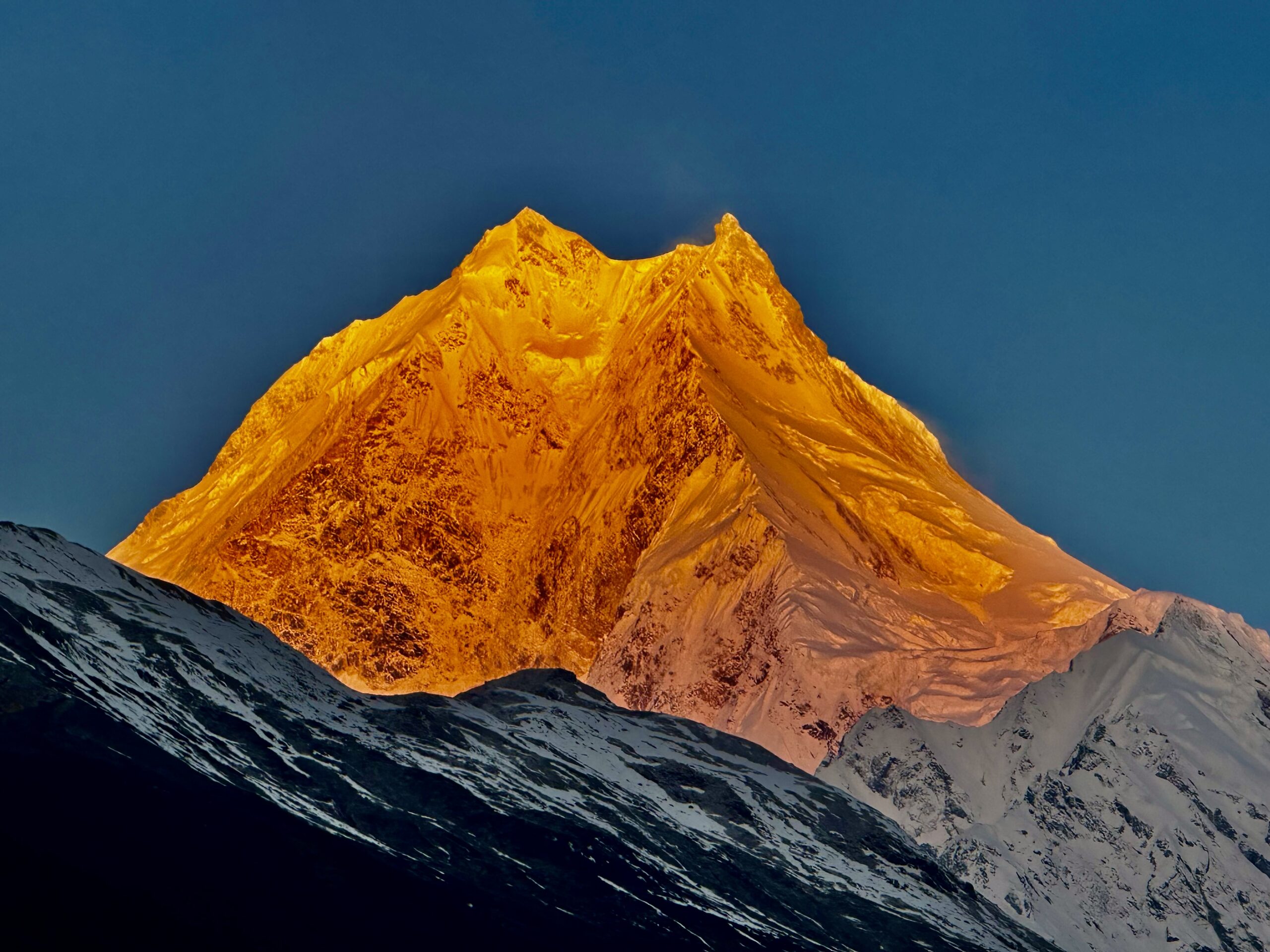
Accommodation, known as “teahouses, Lodge” is basic, offering simple rooms, shared facilities, and often no heating in sleeping Rooms. Food options are Normally local Nepali, simple chinese, some Indian and Tibetan dishes, with limited variety, especially at higher elevations, as supplies must be carried for days.
14 Days Manaslu Circuit Trek Itinerary:
- Arrival In Kathmandu (1300m)
- Drive From Kathamndu to Maachha Khola (900m) 9 hrs / 160km
- Trek to Jagat (1410m) 8 hrs / 22 km
- Trek to Deng (2280m) 7 hrs / 20km
- Trek to Namrung ( 2630m) 7 hrs / 19km
- Trek to Lho gau (3200m) 6 hrs / 11km
- Trek to Samagaon via Pugnen Gumpa (3530m) 7 hrs / 18km
- Rest day Samagaon , Exploration day / Manaslu Base Camp 4800m (8 hrs ) 12km
- Trek to Samdo (3860m) 6 hrs 16km
- Trek to Dharmasala Larkya la Base Camp (4460m) 5 hrs / 6 km
- Trek to Bhimtang via Larke La pass 5160m (3720m) 9 hrs / 16km
- Trek to Tiliche (2300m) 6 hrs / 20km
- Drive to Kathmandu via Besisahar & Dharapani (1300m) 8 hrs /220km
- Departure
Manaslu Circuit Trek Distance and Terrain
The Manaslu Circuit Trek typically covers a distance of 160 to 180 kilometers, depending on the exact itinerary and any side trips. This is longer than the EBC And ABC Trek. Trekkers walk around 6 to 10 hours per day.
The terrain is rugged and varied, featuring steep ascents and descents, rocky trails, narrow mountain paths, and numerous suspension bridge crossings over rivers and gorges. Trekkers will navigate through dense forests, terraced farmlands, and high alpine trails, passing glaciers and moraines. Landslide-prone areas are also a feature of the trail, particularly in lower sections. The final push over the Larkya La Pass often involves loose scree slopes, snow-covered trails, and potentially icy conditions, requiring careful footing and sometimes technical gear like microspikes or crampons.
Manaslu Circuit Trek Altitude and Acclimatization
A significant challenge of the Manaslu Circuit Trek is the rapid and substantial altitude gain. The trek starts from Machha Khola (900 meters) and ascends to its highest point at Larkya La Pass, which stands at 5,160 meters (16,929 feet). This represents a vertical gain of over 4,300 meters in less than two weeks. Spending multiple days above 3,000 meters (9,842 feet) and several days above 4,000 meters (13,123 feet) significantly increases the risk of Acute Mountain Sickness (AMS). Symptoms can range from headaches and fatigue to more severe and life-threatening conditions like High Altitude Pulmonary Edema (HAPE) or High Altitude Cerebral Edema (HACE). To mitigate this risk, itineraries typically include one or two dedicated acclimatization days, usually at Samagaun (3,530 meters / 11,581 feet) and Samdo (3,860 meters / 12,125 feet). These days involve “climbing high and sleeping low” to help the body adjust to reduced oxygen levels. Proper hydration, a slow trekking pace, and avoiding alcohol are crucial for acclimatization.
Manaslu Circuit Trek Difficulty Weather and Seasonal Variations
The weather condition around Manaslu region can be unpredictable and localized, adding to the Manaslu Circuit trek difficulty. Temperatures can vary drastically, from warm days to freezing cold nights, especially at higher altitudes from samagaon.
The best times and seasons to undertake the Manaslu Circuit Trek are during the spring (March to May), autumn (mid-September to mid-November) and During the Winter season (December – February) presents extreme cold heavy snowfall & challenging but suitable for those people who love snow. These seasons offer generally clear skies, stable conditions, and moderate temperatures, making the trek more manageable.
Trekking during the monsoon season (June to August) is not recommended due to heavy rainfall in lower Manaslu Region, which makes trails slippery, increases the risk of landslides, and limits mountain views.
Manaslu Circuit Trek Physical and Mental Fitness
The Manaslu Circuit Trek demands a Good level of physical fitness and mental strength. Trekkers need strong cardiovascular fitness, muscular endurance, and the ability to sustain physical exertion for consecutive days. While prior trekking experience is highly recommended, beginners with a good fitness level and proper preparation can complete it. Training should include, swimming, Yoga, cardiovascular exercises, strength training (especially for legs and core), and practice hikes with a loaded pack.
Mental toughness is equally important to cope with long walking days, basic living conditions, unpredictable weather, and potential discomfort or illness. Staying positive, maintaining determination, and being prepared for challenges are key.
Manaslu Circuit Trek Comparison with Other Treks
While being travel agent in Nepal we provide Manaslu Circuit Trek Difficuly with our opinion and experiense, the worldwide popular trekking route (EBC) Everest Base Camp trek which is reaches a higher maximum altitude (Kala Patthar at 5,550m vs. Larkya La Pass at 5,160m), many consider the Manaslu Circuit Trek to be comparably or even more difficult due to its greater remoteness, less developed infrastructure, longer overall distance, and the technical nature of crossing the Larkya La Pass. The Manaslu Circuit offers a more authentic and less crowded experience compared to the popular EBC and Annapurna routes.
Annapurna Circuit Trek:
Annapurna Circuit Trek with Tilicho lake is a one of the oldest trekking routes, Besides Everest Base Camp, is among the most popular hiking destination in the Gandaki province of Nepal attracting tourists and travelers from all around the world. Scenic Mountain vistas of Dhawalagiri (8167m), Annapurna (8091m), Manaslu (8163 m), Gangapurna(7445m), Nilgiri (7061m), Machapuchhre (6993 m), and many other high snow peaks bejewel the entirety of the trip. Annapurna Circuit trek highst altitude is Thorang La pass 5416m, also challengeable trek, this route can join from Dharapai, 13th day of Manaslu circuit trek.
Everest Base Camp Trek:
One of the finest trekking trips in the entire world, Everest Base Camp Trek is a daring hiking trail in the Everest Himalayan territory of Nepal. With an altitude ranging from Lukla (2860 m) to Kalapathar (5555m), the Everest Base Camp trek is classified as a difficult and strenuous journey.Compare to Manaslu Circuit trek Everest Base camp has a less daily walking distance but higher altitude make changeable.

Overcoming Manaslu Circuit Trek Difficulties
- Proper preparation: Engage in a comprehensive physical training regimen for several months prior.
- Acclimatize properly during the trip: Follow the experience company recommended itinerary with dedicated acclimatization days and trek at a slow, steady pace.
- Pack Essential Equipment: Carry Good-quality, Down Jacket, trekking boots, warm layers, a good sleeping bag, and essential equipment for varying weather conditions.
- Choose Best Travel Agency in Nepal : Company Local quality Guide provide right information, cultural insights, and emergency support, while porters can significantly ease the physical burden of carrying heavy loads.
- Maintain proper nutrition and hydration: Stick to local vegetarian food to minimize health risks and drink plenty of fluids.
- Be mentally prepared Before Starting Trek: Understand route & challenges and cultivate resilience to push through difficult moments.
- Buy a travel insurance before start the trip: Ensure sudden health problem it covers high-altitude trekking and emergency helicopter evacuation.
Vertex Holiday is a well-organized travel agency in Nepal. The agency prides itself on its local knowledge and network, which allows for the creation of unique itineraries and access to off-the-beaten-path experiences. Their services encompass everything from cultural tours and wildlife safaris to high-altitude treks and mountaineering expeditions. Clients receive detailed pre-trip information, including visa requirements, packing lists, and cultural etiquette, ensuring they are fully prepared for their journey. The company emphasizes sustainable tourism practices and works with local communities to ensure responsible travel.
Services Offered
Vertex Holiday provides a comprehensive suite of travel services, meticulously designed to meet the varied needs of international travelers:
- Trip Planning: Tailored itinerary creation based on client preferences, budget, and desired activity level. This includes route optimization, accommodation selection, and activity scheduling.
- Tour Packages: A diverse range of pre-designed and customizable tour packages covering cultural heritage sites, natural landscapes, and spiritual journeys in Nepal, Bhutan, and Tibet. Examples include Kathmandu Valley cultural tours, Pokhara adventure tours, and Bhutanese cultural immersion tours.
- Trekking and Expedition Needs: Full logistical support for trekking and mountaineering expeditions, from popular routes like the Everest Base Camp Trek and Annapurna Circuit to more challenging peak ascents. Services include permits, experienced guides, porters, equipment rental, and safety protocols.
- Information Provision: Comprehensive pre-trip information and ongoing support throughout the journey. This includes details on local customs, weather conditions, health and safety guidelines, and emergency contacts.
Quick Inquiry

Talk to an Expert
Mr. Samir Simkhada
Online Now


