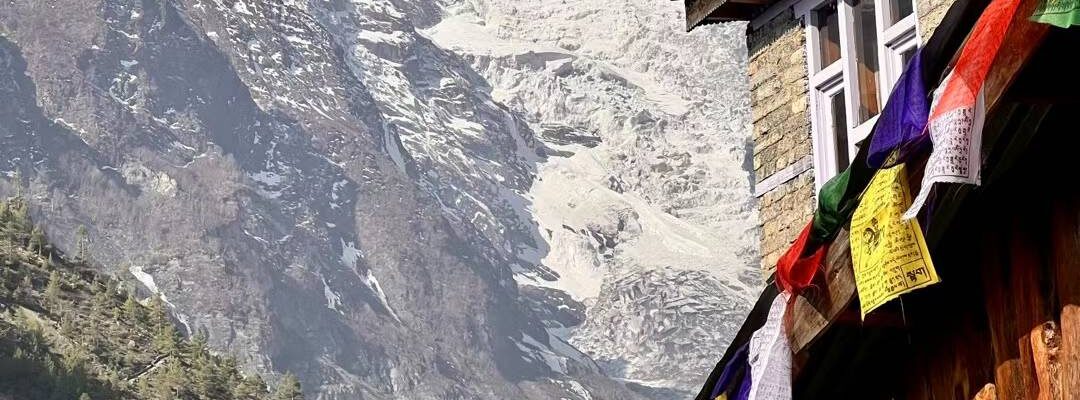
Muktinath Temple
Muktinath Temple is the holiest of all pilgrimage sites, especially for the Hindu followers. Thousands of devotees and pilgrims visit all seasons of the year despite the high altitude, cold weather, and dry barren landscapes.
Muktinath Temple is 3,800 m, or 12,467 feet high, in Mustang and Nepal Far North West. It is close to the Annapurna and Dhaulagiri Himalaya and close to the neighboring district of Manang, bounded by the high Thorang-La Pass. Muktinath, its name, comes from the ancient Sanskrit language, which means ‘Liberation’ or to be free from sin or life cycle. It is also known as Mukti Kshetra, which translates to the ‘place of liberation’ or moksha.
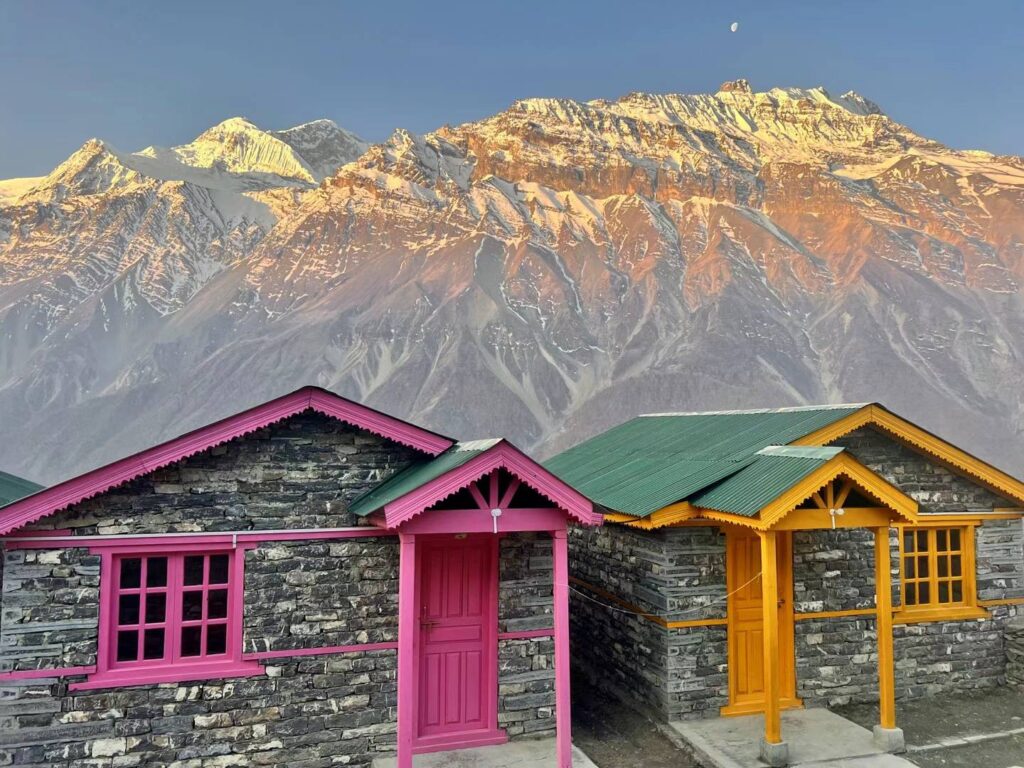
Muktinath temple is a site with 106th among the available 108 Divya Desam (premium temples). According to the ancient Hinde Puran or epics, the country faces charming scenery of the Nilgiri peaks. As well as the stunning view of the massive Dhaulagiri Himal and Tukuche peaks with the mountains of Upper Mustang.
Muktinath Temple stands above the village of Pani Pawa, where all lodges and guest houses are by the motorable road. Muktinath Temple also falls on the famous and popular Annapurna Circuit trekking route to Manang via the high Thorang La Pass. It is about a two-hour drive from Jomsom, the main town and headquarters of the Mustang district. Approx. 18 km/11 miles from the village of Rani-Pawa and Muktinath to Jomsom Town.
Travelers can either hike to Muktinath from Jomsom after reaching by a short flight from Pokhara city or by overland journey.
Some pilgrims and travelers enjoy riding horses to reach Muktinath Temple premises. Once inside the serene location of the Muktinath main compound. To reach the temple, a walk for half an hour from the lodge at Pani Pawa village and the roadside.
To reach the Muktinath Temple from the village lodge, a short climb leads on stone steps to the main entrance gate. Located, south of the temple premises. Inside the temple premises, walk through a small garden with a few trees of junipers and willows. Then enters across a huge Buddhist Prayer Wheels and a small monastery. A walk for a few minutes to enter the main temple with the ancient 108 water spouts.
The water originates from the natural spring, considered holy, here people bathe on each spout with cold water. Then walk to the main temple for prayer and worship and get blessed by the Hindu priest. Inside the temple stands a statue of God Muktinath or the Lord Vishnu in various forms and manifestations.
Seasons For Muktinath Tempe:
To visit Muktinath Temple for all seasons, except in the monsoon times of summer. From mid-June to August, it can be wet with rain, but with green surroundings, the flight to Jomsom can get delayed and canceled. Due to heavy monsoon clouds, en route to Jomsom from Pokhara.
The road might get obstructed by frequent landslides and rock falls during the monsoon. The best times are spring and autumn, including the winter, despite the cold temperatures. Spring from March to May with longer sunlight hours to cover long distances on time before dusk.
The afternoon can be windy around Kaligandaki River Valley between Muktinath and Jomsom. In spring, with cold morning, late afternoon, and shade as well the nighttime. Expect light snowfall sometimes during the springtime. The next best season is autumn/fall from September and lasts till November, one of the best times, around the Himalayas. Most days are fine with clear blue sky for views and to visit Muktinath Temple. But days are short due to limited sunshine hours, and it gets dark from 5:30 p.m. The sunrise is late at 6 a.m. The afternoon can get cloudy sometimes, with chances of snowfall also. Morning, late afternoon, and night are much colder,
but with a clear starry sky during the nighttime.
Muktinath can be visited during winter time from December to February, although it is the coldest season. But with bright sunny days, it gets dark soon with limited sunshine hours and freezing temperatures during morning and night. The Hindu pilgrims visit Muktinath Temple mostly during the auspicious time, as per the Hindu Lunar calendar. The full moon time is considered the auspicious time for worship and religious rites.
The History Of The Muktinath Temple:
The history with religious significance is regarded as sacred by the Sri Vaishnava sect and is the ancient name in Sri Vaishnava literature. From the 10th century, Buddhism was established in 568 BCE (Before Christ emerged). The origin of the holy site is ‘Thiru Saligramam’. Shaligram is known to be the naturally available form of Sriman. Buddhists call it Chumig Gyantse, of Tibetan origin language, which means “Hundred Waters”. For Tibetan Buddhists, Muktinath is a sacred place for the Dakinis. A form of goddesses known as the Sky Dancers, it is one of the 24 Tantric places for early Bon religion pre-Buddhist sects. The belief is that the Idol created in Muktinath is a manifestation of the saint Avalokitesvara, who embodies the compassion of all Buddhahood.
Muktinath history and purity date back to an antiquity of 2,300 years. Both Hindus and Buddhists visit on a holy pilgrimage mission to this sight of natural wonders and powers. Along the way around the Kaligandaki River Valley, pilgrims search for the black glossy fossils.
It is called the Shaligram (ammonite), found in abundance around the banks of Kaligandaki River. Shaligram is associated with Muktinath Temple, the small rounded rocks, but when split open into two parts.
It reveals the imprint of ammonites formed nearly 140 million years ago. Due to the wheel-like shape of a slug, the Shaligram is closely related to the Hindu God Vishnu.
Religion & Importnace:
The temple of Muktinath and its 108 water spouts are also the source of the Kaligandaki River. For the Hindus and Buddhists, the Himalayas are the abodes of holy spirits, God and Goddesses. Most holy pilgrimage sites are around the hidden corners of the massif Himalayan ranges. Muktinath is one of the most important sites for pilgrimage, a place to attain Nirvana. As well as to relinquish and liberate the sins of a hundred lifetimes.
Muktinath, the name comes from Sanskrit, it means ‘Salvation or Liberty’ from birth cycles or bad / evil. It is one of the hidden sacred spots that pilgrims from Nepal and India visit every year in great numbers. Despite the high altitude and Himalayan cold temperatures, visitors can expect snowfall most of the seasons.
At Muktinath Temple and around its holy sites, natural elements are displayed in miraculous form-flickering blue flames. It originates from its natural source of the natural methane gas, which burns on water, stone, and earth. The offering is believed to have been first lit by the Lord Brahma, the Hindu creator of the Universe.
Why The Muktinath Temple A Popular Holy Site In Nepal:
For various reasons, Muktinath Temple is revered as a popular and holy site in Nepal. As well as in the whole Himalayan ranges, that stretch from Afghanistan, Pakistan, India, and Nepal, Bhutan including Tibet, China. Then, it ends in Eastern parts of India around Arunchal Pradesh, close to Myanmar. But most pilgrimage sites are located around Northern India and in Nepal as well in Tibet, China with Mt. Kailash.
Nepal has several holy sites around the high Himalayas, besides Muktinath. The other pilgrimage sites are Damodar Kund and Gosainkunda including Tilicho Lake as well as many other hidden places, of which only a few devotees and pilgrims are aware.
Muktinath Temple is popular during early times, due to its accessibility from Manang, and Pokhara city. As Muktinath is located close en route to the famous Trans Himalayan Trade Routes of Nepal and Tibet, China. Where travelers can enjoy visiting both paying homage to Muktinath Temple en route to their journeys. The main reason is that it is also close to Tilicho Lake and Damodar Kunda, regarded as sacred sites.
Last but not least the areas of Muktinath, situated close to Kagbeni Village and Kaligandaki River Valley. Kagbeni is a Tibetan-style village with a similar culture, located on the ancient Caravan trade route of Nepal and Tibet. Kagbeni is the entrance to Upper Mustang and beyond to Tibet, China borders. Kagbeni means “bolt of the two rivers” and formerly controlled the trade between Nepal & Tibet, once a fortified village. Kagbeni is en route to Muktinath about a few hours hike uphill, the area of Kagbeni is also a holy place. Where Hindus perform their religious rites, perform and offer prayers in memories of the families-relatives and friends departed souls.
Kagbeni in the Hindu Myth story describes the earlier life of Kak Bhushundi, who was a true devotee of Lord Shiva. Reborn as a crow, and came to know about Rama and understood the purpose of Lord Vishnu’s incarnation. Among humans and then composed the great epic Ramayana, the sage-crow came to be as Kak-Bhushundi.
This is why Muktinath Temple is a famous and popular site around the whole Himalayan region. Its past historical stories, fable, and mythological tales make Muktinath an important pilgrimage site. Especially for the Hindu followers, devotees, and pilgrims, at present people can reach by motorable road. As well as flying to Jomsom, with a few hours’ drive to the holy site of Muktinath or Mukti-Chetra.
Accommodation Local Residence Around Muktinath:
The Muktinath Temple stands high above the nearby Rani Pawa Village within the district of Mustang. It is about 2 hours drive from Jomsom, the headquarters town of the district and the gateway to Muktinath. All lodges, restaurants, shops, and stores are in Rani Pawa Village.
Walk in less than half an hour to reach Muktinath from the lodge of Rani Pawa. The village has many good lodges, as it also falls on the main popular Annapurna Circuit trekking routes. During the high times of trekking, this village gets more customers, including pilgrims from Nepal and India. In auspicious times, as per the Hindu calendar, the place is flooded with pilgrims of both Hindu and Buddhist religions.
Rani Pawa Village is on a motorable road with a car park, mostly with a 4WD Jeep or similar available. The lodges are of tourist standard with hotels and guest houses, offering rooms with common or attached toilets and baths. All lodges provide a comprehensive food menu, which is served in a large dining room with Wi-Fi and electricity. The natives of Mustang are of Tibetan origin and follow strong Tibetan Buddhism and similar cultures to their predecessors across the borders. The local people are farmers, raising livestock, trading with Tibet, and running hotels, shops, and restaurants.
Quick Inquiry

Talk to an Expert
Mr. Samir Simkhada
Online Now


