
Trip Difficulty Level
The trip difficulty level is a major factor to consider in terms of selecting an ideal trekking trip. There is a trek suitable for anyone depending upon their interests and capabilities. In order to help you decide which trekking trip will be the best choice for you, this article will help you understand the types of difficulty levels of any trekking trip in terms of their altitude, need for acclimatization, risks of Acute Mountain Sickness and available options for medical and rescue options.

Easy: Trip difficulty Level
Easy-level trekking is those trekking trips, that a beginner with no hiking experience can complete with ease. These treks are short and do not require a lot of endurance and technical skills. Easy treks altitude ranges below 4000 meters of elevation, and acclimatization is not required for these types of treks.
Those bound by time can choose easy treks, and have a glimpse of the Himalayas. Some of the well-known easy treks are the Ghorepani Poonhill Trek, Panchase Trek, Sikles Trek, Langtang Valley Trek, Langtang Valley Trek, Pikey Peak Trek, Everest Panorama Trek, and so on.
Moderate: Trip difficulty Level
Trekking trips with elevations ranging from 3000 to 5000 meters above sea level are categorized as moderate-level trekking. These types of trekking trips have a sufficient amount of uphill and downhills making it slightly challenging. These types of treks require some sort of prior hiking experience, along with good physical conditions as well as mental strength.
Most of the Moderate level treks last for one to two weeks of time and may be stressful for people with heart and respiratory problems. Acclimatization might be necessary in some cases, while you are in the higher elevations. Some of the most popular moderate-level trekking are the Annapurna Circuit Trek, the Manaslu Circuit Trek, the Annapurna Base Camp Trek, and the Langtang Valley & Gosaikunda Trek
Trip difficulty Level: Challenging
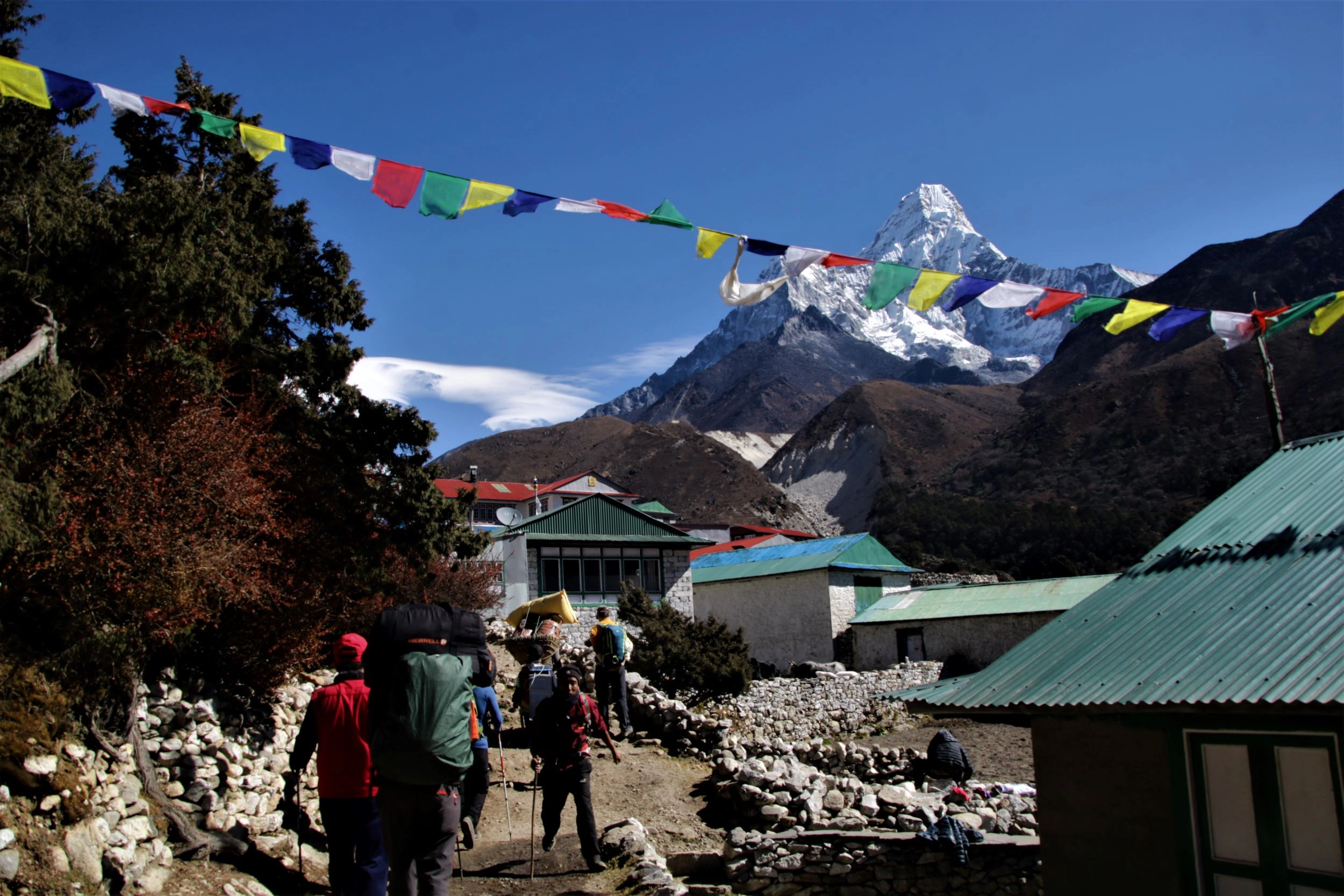
Those treks crossing the 5000 meters altitude are normally categorized as challenging treks as accomplishing these types of treks itself is a challenge. The duration of these treks can last from two to four weeks’ time to complete. It is recommended that you be physically and mentally prepared for this type of trek, and prior experience of trekking and hiking will be of great help. These types of treks are not suitable for people with circulatory and respiratory health problems.
Some technical skills of alpine trekking can be useful, and in some cases, camping gears are required as all of the challenging treks do not have accommodation facilities, due to remoteness and difficult terrain. Some of the popular challenging treks in Nepal are the Everest Base Camp Trek, the Everest Three Passes Trek, and the Dhaulagiri Circuit Trek. Acclimatization is mandatory in order to prepare your body to cope with the newfound environment.
Difficult: Trip difficulty Level
Difficult treks are the type of treks that take you to the most remote and harsh regions of the Himalayas, where the altitude can be as high as 6500 meters above sea level. A complete camping set of gear including food and other essential items is required for these types of treks.
These types of treks require you to be physically and mentally fit with a high level of endurance and stamina. Acclimatization is a must after every couple of days of hiking so that the risks of Acute Mountain Sickness can be minimized. Some of the difficult treks are the Makalu Base Camp Trek, the Kanchenjunga Circuit Trek, and the Sherpini Col Trek.

It is highly recommended that you consider the trip difficulty level based on your level of fitness, experience, and your ability of endurance. For trekkers with no prior experience, it’s better to start with easy-graded treks and then gradually increase the trip difficulty level with the gain in experience. However, for experienced trekkers, challenging and difficult treks will definitely suit you and provide you with a reasonable challenge of trekking.
Even if you choose the trip difficulty level according to your experience and stamina, you should be highly cautious about mountain-related sickness while trekking to higher altitudes. As the level of oxygen decreases with the gain in elevation, and it might be difficult for your body to adapt to the decreased level of oxygen.
Several symptoms like headache, fatigue, nausea, and shortness of breath can be associated with Acute Mountain Sickness (AMS). In order to reduce the risks of AMS, it is advised to acclimatize properly, drink plenty of water, maintain a constant slow speed, and avoid overexertion.
During some cases of any symptoms of illness, it is essential to seek help immediately, for that having a guide is necessary. Guides are well-trained for first aid and for emergency evacuation. Furthermore, your travel and medical insurance will cover your expenses during the time of an emergency evacuation, therefore it is compulsory for you to have travel and medical insurance sorted out.
As you choose the type of trip you want to take, trip difficulty level is a key factor in planning your vacation in order to minimize any potential hazards. With a diverse rugged landscape and jaw-dropping scenery, Nepal offers a plethora of options for your physical fitness and trekking experience.
It is recommended that you get help from a professional tour operator, who will provide you with an experienced and knowledgeable guide and porters. After considering all these different factors, you will have a safe and memorable trekking experience in Nepal.
Quick Inquiry

Talk to an Expert
Mr. Samir Simkhada
Online Now


