
Nepali New Year 2083 BS
The Nepali New Year 2083 BS may seem far off and a wonder for foreign visitors in Nepal. The country with an ancient history and heritage, traditional cultures still intact, as they have been for hundreds of centuries. This makes Nepal one of the most amazing and unique countries in the world. Located in South East Asia, sandwiched between India and Tibet-China, with an area of 147,181 sq. km. Despite the country’s size, it occupies 0.03% of the Earth’s surface and is home to more than 23 million Nepali.
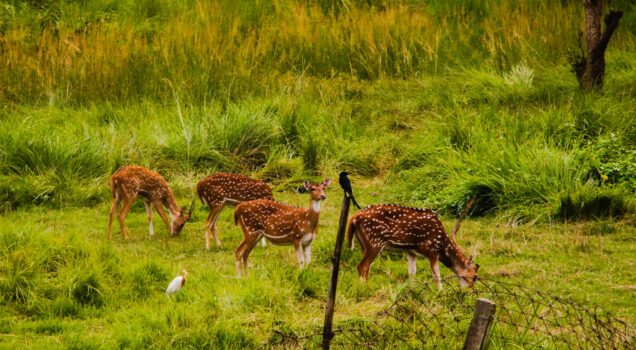
Nepal with 2 % of all the flowering plants in the world, 8 % of the world’s population of birds (more than 857 species), 4 % of mammals on earth, 11 of the world’s 15 families of butterflies (more than 500 species), 600 indigenous plant families, and 319 species of exotic orchids.
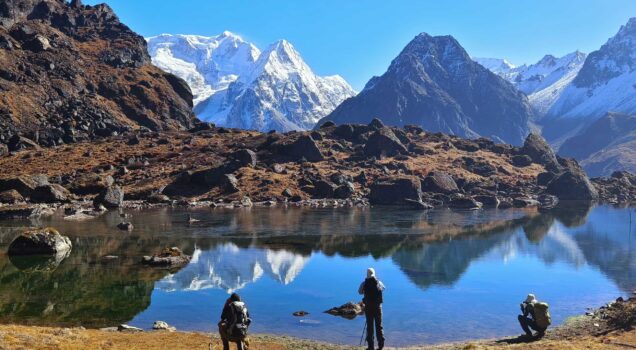
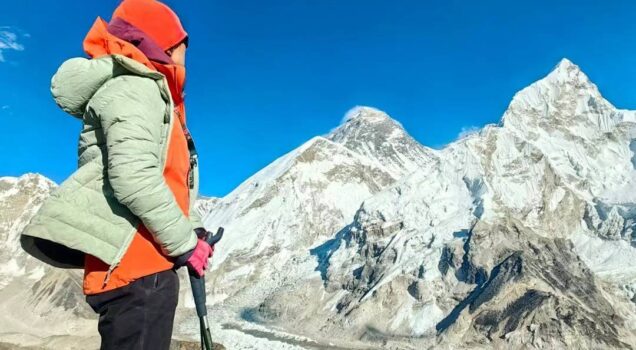
Nepal treasures the 8th-highest peaks out of the 14 in the world.
The country has more than 60 ethnic groups and 70 Native languages, and Nepali is the official language. The other amazing fact about Nepal is that it is the only country in the world. Where both Hindu and Buddhist religions exist in peaceful harmony, Nepal is one of the safest and friendliest countries.
In the world of fast-growing modernization with high technology. Nepal still retains its ancient glories of history, tradition, and cultural heritage of both the great Hindu and Buddhist religions. Following its ancient calendar called Bikram Sambat, which was established in the early days. It is still practiced by all Nepali from the Far East to the remote west, and north and south of the country.
Visitors will certainly enjoy a mesmerizing holiday in Nepal, from cultural and heritage tours to various adventures around the Himalayas.
Travelers will experience a new era, the year 2083 BS, only in Nepal.
According To Nepali Calender New Year Date in AD:
Nepali New Year 2083BS, Visitors from around the world might be astonished upon entering Nepal in the year 2083. It is not AD as in the Gregorian calendar, but the year BS from the Nepali age-old calendar. The official calendar is practiced throughout Nepal by all Nepali.
It is called Bikram Sambat. In short, it is B.S. based on lunar-solar astronomy and the ancient Hindu calendar. In Nepal, it was established by the king Bikram Sambat for religious and cultural purposes and ceremonies. It is still in use as the official calendar in Government offices, schools, and private enterprises.
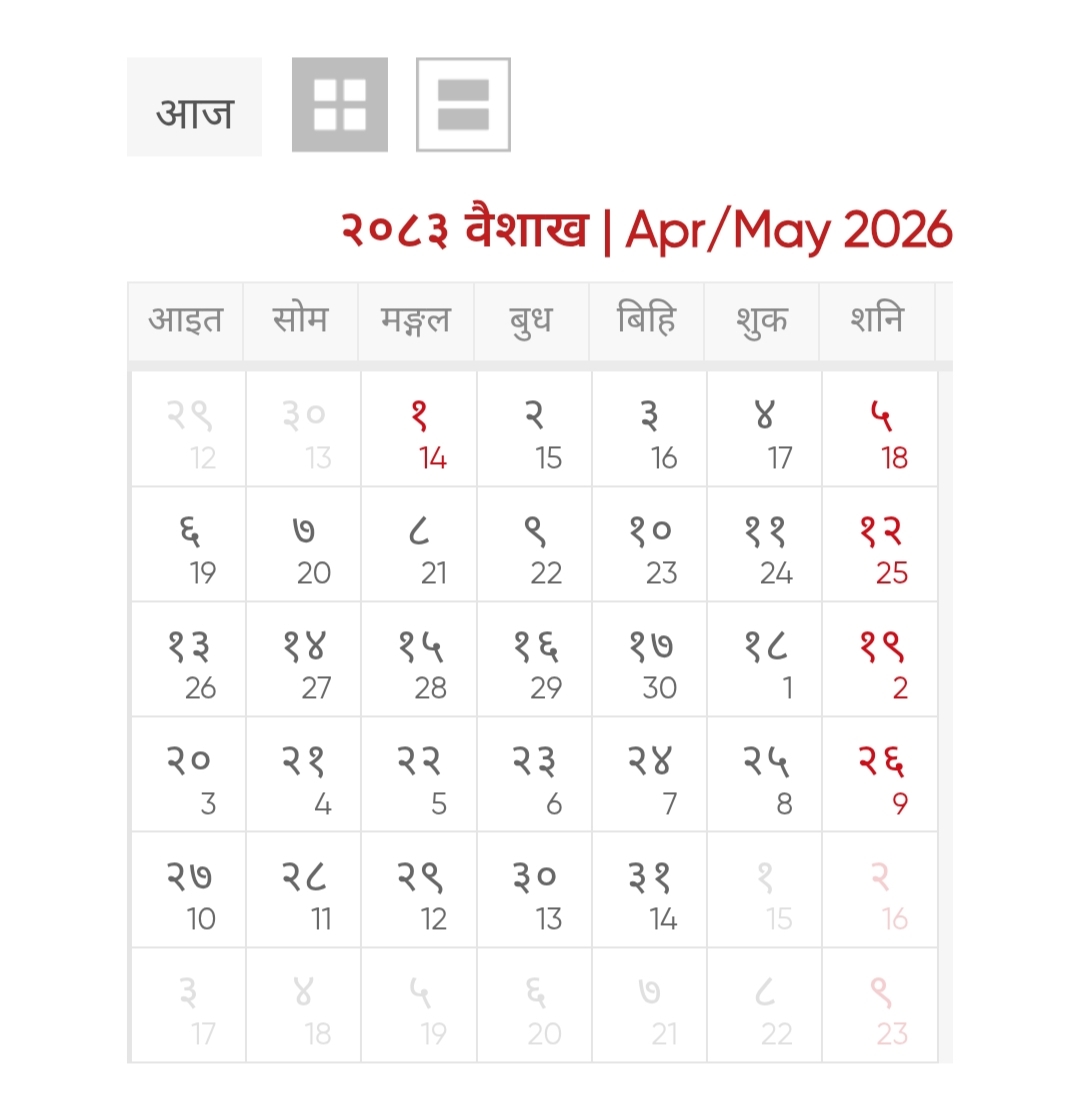
The Gregorian calendar is also used in the tourism industry for foreign visitors. As per the Nepali Calendar, the New Year starts from the first month of the year ‘Baisakh’ 2083 BS. On April 14th of 2026 AD, in the Christian or Gregorian calendar, the New Year is called Nava Varsha/Bharsa. The Nepali year, as per BS, is about 56 years and 8.5 months ahead of the Gregorian calendar. The Nepali BS calendar does not have leap years like February 29, which falls every four years. Instead, Nepal has a maximum of 32 days and a minimum of 30 days in some months as per the BS calendar.
Although the Nepali calendar differs from the Gregorian calendar, it does have 12 months a year with four seasons. The Nepali calendar was originally established by the emperor Vikramaditya of Ujan from Northern India. After his victory in the war over the Sakas kingdom around 56 BC. Later, King Bikram Sambat introduced the Nepali Calendar during his rule in Nepal.
Various New Year’s For Diffrent Tribal Communities Of Nepal:
Nepal has more than 60 ethnic groups, and the Nepali New Year, Bikram Sambat, is celebrated throughout the country. Apart from the country’s official New Year B.S. The mountain tribes around the high hills and the Himalayan regions. For instance, the Sherpa, Bhot people of Manang, Mustang, and Upper Manaslu, including Tamang, Gurung, and Newar. These Tibetan-origin tribes celebrate their own New Year’s, which falls in different months of the Nepali Calendar B.S.
The Newar Nepal Sambat A New Year:
Nepali New Year 2083 BS, The Newars of Kathmandu Valley celebrate their own traditional New Year called Nepal Sambat. Established in 879 AD by Shankhadhar Sakkhwa, the Lunar Calendar is used only by the Newar communities. It falls during mid-October or the first week in November, depending upon the lunar and astrological calendars. In 2026 AD, it will be the 1146th year of the Nepal Sambat.
During the Malla dynasty period, it was the official calendar of Kathmandu Valley and some parts of Nepal. The official use of Nepal Sambat ended in 1769 AD, when all provisions were united into one Nepal. This is when Gorkha
King Prithvinarayan Shah conquered all the provinces of Nepal in the 17th Century.
The Tamu Or Gurung Losar:
The Gurung celebrate Tamu Losar, which the native Gurung call Lochar instead of Losar. It is similar to the Tibetan and Chinese calendars, based on the lunar calendar, but celebrated in different months of the year. It is due to cold climate conditions and the migration of the Gurung communities. The Tamu Losar festival falls during the 9th month of B.S. During the cold winter month at the end of December.
Nepali New Year 2083 BS The “Gurung New Year of Tamu Losar” is a grand festival of the Gurung in Nepal. Tamu Losar marks the beginning of the Tamu Sambat or New Year in the Gurung Calendar Year. The New Year is from the cycle of an animal or bird. At the end of December, the Tamu Losar is held to herald the beginning of the Horse Year, similarly to the Chinese and Tibetan New Year.
Sonam Losar Of The Tamnag Communities:
Sonam Losar, or Lochar, is celebrated by the Himalayan Tamang tribe, one of the largest tribal groups in Nepal. They are settled across Nepal to the border of North East India, Darjeeling, Sikkim, and as far as Bhutan. The Sonam Losar is the same year as the Gurung, Tibetan, or Sherpa New Year Losar. Following the New Year of the animal’s cycles, the Sonam Losar is marked, according to the ancient Uyghur calendar. The same calendar used by the Chinese, Mongolian, Tibetan, and the Sherpa, but celebrated a month apart.
Due to the cold winter migration of mountain tribes, they moved from the high, cooler hills to lower, warmer areas.
The Sonam Losar for 2026 A.D. falls on 19th January, the beginning of a horse year. The Tamang communities celebrate Sonam Losar with great pomp and joy of religious, cultural fervor. It can extend for five to fifteen days from place to place around the hill villages, towns, and cities. The belief is that Lord Buddha was born on the first day of the full moon. It falls in the Nepali B.S. 10th month of Maghe, a day for celebrations, dances, family, and gathering of all Tamang communities, including friends.
Gyalpo Losar Tibetan And Sherpa New Year:
The Gyalpo Losar, celebrated by the Tibetans and Sherpa, Hyalmo Communities. As they are of the same Tibetan origin tribes and follow a similar Chinese zodiac. For 2026, it is the Year of the Horse, as well as the Chinese New Year, which is held on February 17th, 2026. The Sherpa of Nepal’s high Himalaya celebrate Gyalpo Losar for a week, visiting families and friends. Engaged with ritual prayers, worship, and offerings in the monasteries, and celebrations with lavish foods and local brews. Includes dance and songs throughout the day and nights, for a week’s duration.
When Is The Nepali New Year Celebrated?
Nepali New Year celebration takes place with great pomp and glory, especially in large towns and cities. For 2026 A.D., the ‘Baisakh’ of the Nepali first month of the year 2083 B.S, which is April 14 of 2026 A.D.
The Background Behind The Nepali Calender:
Although the Nepali Calendar was brought and started in use in Nepal by the King Bikram Sambat. The Nepali Calendar is still in use in Nepal since the reign of King Bikram Sambat. The calendar is believed to have been established by Emperor Vikramaditya of Ujjain after his victory over the Sakas in 56 BCE. While the exact date is still unknown, it is generally accepted that the calendar was introduced to Nepal.
During the rule of King Vikramaditya, the Bikram Sambat calendar is still practiced today.
How Do Nepali People Celebrate The New Year?
Nepali New Year 2083 BS, While Bikram Sambat is the official calendar of Nepal, Nepal Sambat is also recognized and used, particularly for cultural celebrations.
Most Nepali newspapers and publications use both calendars, as well as the Gregorian calendar. In Kathmandu city, a parade is held by the Police Force and the Nepal Army. A large number of public attendants and dignitaries to observe the impressive parades at Tundikhel, in the hub of Kathmandu. It is a gathering of friends, families, and neighbors exchanging wishes and having get-togethers with joyful parties.
Major Location Of New Year Celebrations:
The major locations are mostly in, large villages, towns like Thamel kathmandu and Pokhara cities. Nepal is enriched with its age-old culture. As well as traditions and customs within various communities and religions. This makes the country and its people lively, enjoyable, and interesting. The old saying is that festivals never end in Nepal.
Where every week or month, some religious rites and celebrations take place, whether small or big. Including various New Years of different tribal communities from the lowland of Terai to the high Himalayan Villages.
Culture Aand Religious Significance Of Nepali B.S. Calender:
Nepali New Year 2083 BS, Nepalese New Year’s Day is observed with great glory. One of the great Bisket Jatra held in Bhaktapur, which is not to be missed.
The Bikram Sambat is a unique ancient calendar that plays a significant role in Nepali culture and religion. All big or small festivals and ceremonies are linked with old traditions are attached to Nepali calendar dates. For example, the Nepali New Year is a major celebration marking the start of the year according to this calendar.
The Newari Nepal Sambat calendar, introduced during the Malla regime, was also used officially in Nepal from 881 to 1769 AD. Later on, from the late 17th Century, the Nepal Sambat was replaced by Bikram Sambat. Since then, Bikram Sambat has been in use, and the government recognized it as a national calendar in 2007.
The Bikram Sambat calendar is a Lunar-solar calendar, a combination of both lunar and solar cycles. It has 12 months, with the number of days in each month varying from 29 to 32.
Nepal Tour & Trekking Packages During The Nepali New Year:
During the Nepali New Year 2083, for those interested in a Nepal tour and trekking experience that includes observing the Nepali New Year 2083 B.S., Vertex Holiday is a reputable travel agency registered with the Nepal Government that can provide short and long duration packages. For the right dare to coincide with the events and happenings all around Nepal. From the bustling city of Kathmandu, Pokhara, to the cooler mid-hill and beyond the high Himalayan regions short Ghorepani poon Hill Trek, Short Annapurna Base Camp Trek is the best option for those who don’t have enough holiday vacation. The Nepali New Year 2083 B.S. tour packages start from Kathmandu city and witness the gathering of friends and families. As well as have time to observe the Nepal Army and Police Force on parade with various drills. A short drive around Patan/ Lalitpur and Bhaktapur cities to enjoy the exciting Bisket Jatra. One of the big events of Bhaktapur, as well as a drive to the cooler and scenic Nagarkot Hill Station. One can enjoy the sunrise, with the first sunlight of the Nepali New Year 2083, in the comfort of a nice hotel.
The other places to visit apart from the Nepali New Year can include other tribal communities’ New Year celebrations. Enjoy visiting the Newari area to observe the Nepal Sambat New Year. The Gurung New Year or Losar in Pokhara and around the mid-hill of the Annapurna Himalayan ranges. Drive to Langtang Himalayan ranges to Dhunche and Gatlang to observe the Tamang Sonam New Year.
The other New Year best to witness is the Tibetan and Sherpa Gyalpo New Year starting from the Bouddhanath Stupa. Then fly or drive to Phaplu and Salleri to observe the Gyalpo Losar; visitors can enjoy the Everest Base Camp trek by Road trip to Namche Bazaar.
A few days pilgrimage tour in Nepal around Manakamana temple, Muktinath, pokhara, Kathmandu, Bhaktapur, and Patan/ Lalitpur is the best package. The Nepali New Year 2083 B.S. Tour and Trek packages for all age groups. Interested people can venture towards the high hill villages of Annapurna, Langtang, and the Everest region. To coincide with the Gurung, Tamang, and Sherpa Losar to observe the beginning of the Horse Year, the Losar.
Quick Inquiry

Talk to an Expert
Mr. Samir Simkhada
Online Now


