
Pilgrimage Sites in Nepal
Pilgrimage Sites in Nepal, Honourable by devotees of Buddhism, Hinduism, and traditional faiths, Nepal is a spiritually rich country known as the Land of the Gods.Nepal small country everyday events and customs are intricately entwined with its sacred geography, which is characterized by tranquil monasteries, historic temples, and divine lakes. In addition to offering a breathtaking natural setting, the magnificent Himalayas heighten the reverence of locations such as Pashupatinath, Lumbini, Muktinath, and Gosaikunda.
For pilgrims and spiritual seekers, Nepal provides life-changing experiences, from the birthplace of Lord Buddha to the sacred sanctuaries of Lord Shiva and Vishnu. Throughout the year ceremonies, events, and blessings foster a lively spiritual environment. Nepal is an universal choice for people looking for inner calm and a link to the holy because of its distinctive fusion of natural beauty, cultural legacy, and devotion to God.
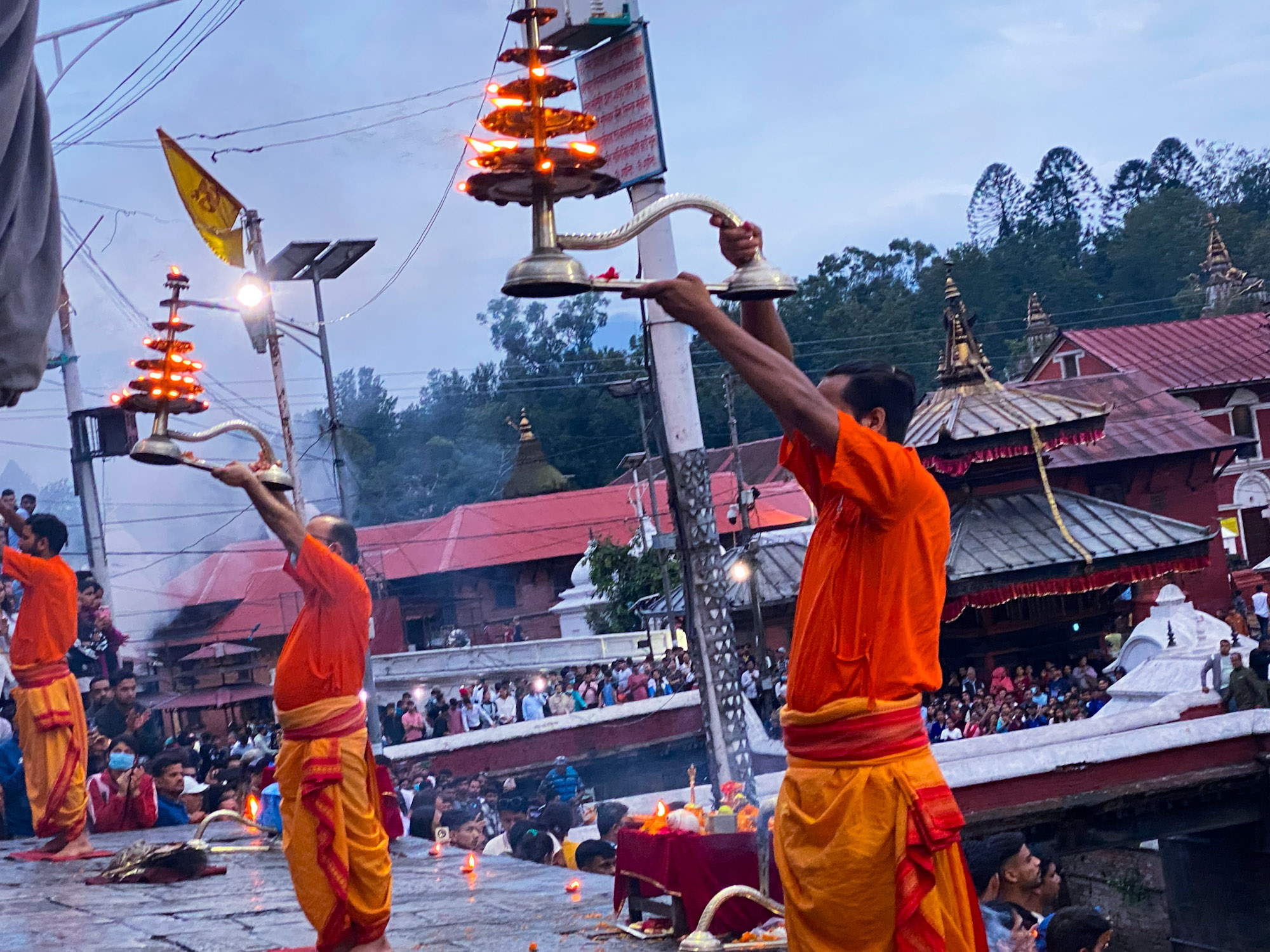
1.Pashupatinath Temple – The Sacred Abode of Shiva
Pilgrimage Sites in Nepal Pashupatinath Temple is a one of the most revered Hindu temples, devoted to Lord Shiva is Pashupatinath Temple, which is situated in Kathmandu on the banks of the Bagmati River. Thousands of devotees visit it every year as a UNESCO World Heritage Site, particularly during Maha Shivaratri, when devotees and believers from all across South Asia assemble. Along the riverbanks, the temple complex serves as both a place of prayer and a location for cremation ceremonies, signifying the life-death cycle. Pashupatinath, with its elaborately crafted wooden structures and gilded roofing, is a symbol of Nepal’s rich spiritual legacy.
2.Temple of Muktinath: Temple of Freedom
Muktinath Temple, located in the Mustang district at an elevation of 3,800 meters, is important to both Buddhists and Hindus. Buddhists view the location as a place where Guru Rinpoche (Padmasambhava) visited, while Hindus think that soaking in its 108 sacred water spouts will bring salvation (moksha). It represents the fusion of the fundamental elements of fire, water, and earth and is referred to locally as Chumig Gyatsa. The temple serves as both a spiritual hub and a picturesque destination for hikers due to its placement on the Annapurna Circuit.
3.The Sacred Himalayan Lake is Gosaikunda Lake.
After ingesting poison at the Samudra Manthan, Lord Shiva is said to have constructed the high-altitude lake Gosaikunda in Rasuwa to assuage his thirst. Thousands of pilgrims travel to the lake for ceremonial bathing during the Janai Purnima festival, which makes it a revered location. The lake, which is surrounded by untamed Himalayan peaks, provides both nature lovers and devotees with a profoundly meditative and peaceful experience.
4.Manakamana Temple: The Goddess Who Fulfills Wishes
The Goddess Bhagwati, a manifestation of Parvati, is worshipped in the Manakamana Temple in the Gorkha district. To have their deepest desires granted, believers go to the temple. Conveniently reachable from Kurintar via Nepal’s first cable car arrangement, the temple is situated atop a hill. The pilgrimage is made more picturesque by the expansive vistas of the river valleys and Himalayas that can be seen from the site of the temple.
5.The Temple of Pathibhara Devi: A Strong Shakti Peeth
One of the most important pilgrimage sites in eastern Nepal is the Pathibhara Devi Temple in the Taplejung district. The believers from India and Nepal travel to this renowned Shakti Peeth to ask for good fortune and have their aspirations fulfilled. Because they believe in the goddess’s magical abilities, pilgrims present her with gold, silver, and animals. Beautiful vistas of Kanchenjunga, the third-highest mountain in the world, may be seen on the hike to the temple.
6.The Cave of Divine Energy: Halesi Mahadev
The Halesi Mahadev Temple in Khotang is revered by Buddhists, Hindus, and Kiratis. Buddhists identify the cave as the Maratika Cave, where Guru Padmasambhava achieved the ability to live forever while Hindus claim Lord Shiva hid there to flee a demon. The temple complex, which draws both pilgrims and scholars, is made up of a number of naturally occurring caverns that are rich in religious and mythical meaning.
7.The Temple of Budhanilkantha: The Sleeping Vishnu
A huge recumbent stone figure of Lord Vishnu resting on a bed of serpents in a cosmic ocean may be found at Budhanilkantha, which is situated just north of Kathmandu. The statue is thought to be more than a thousand years old and was carved from a single black stone. According to a spiritual tale, the king of Nepal does not typically visit, but it is particularly significant to Vaishnav believers.
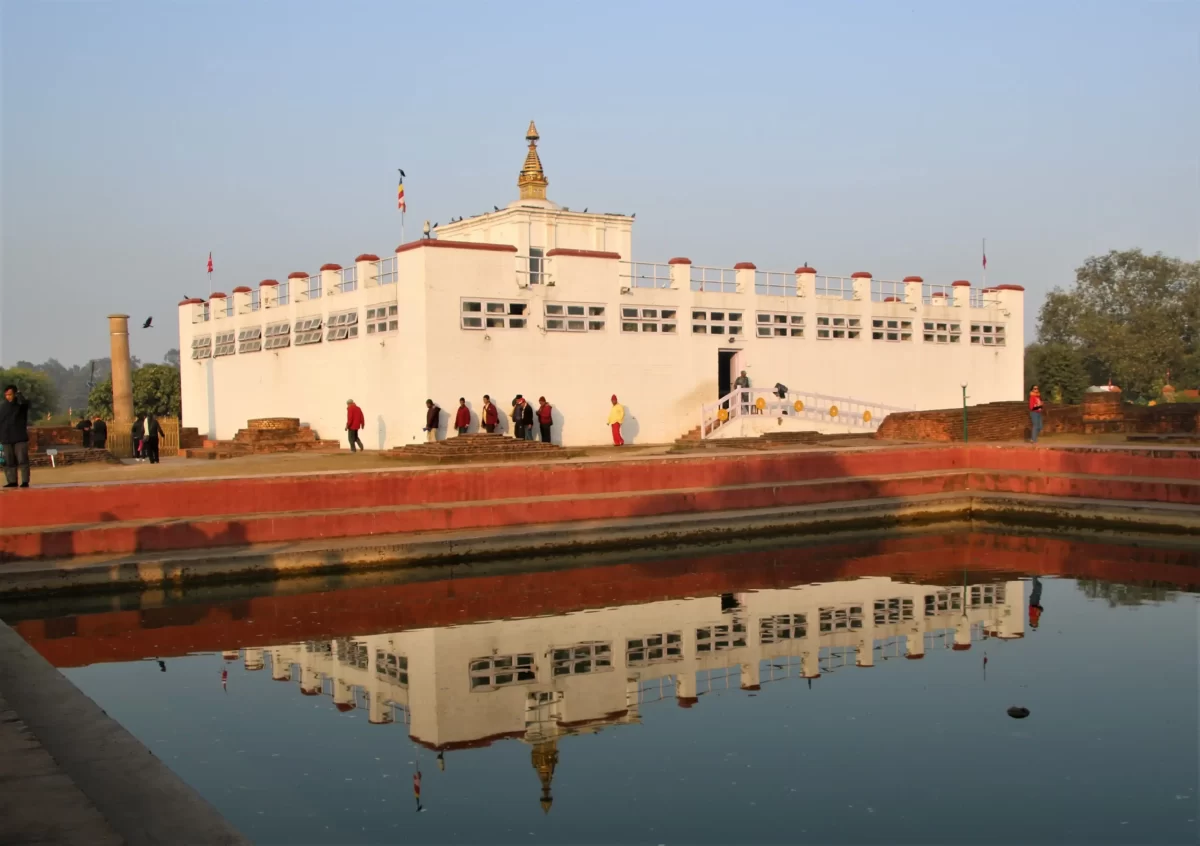
8.Lumbini: The Buddha’s Birthplace
The most revered pilgrimage site for Buddhists worldwide is Lumbini, which is situated in the Rupandehi area and is the birthplace of Lord Siddhartha Gautama Buddha. The Maya Devi Temple, Ashoka Pillar, sacred Bodhi tree, and a monastic zone with stunning foreign monasteries from Thailand, Myanmar, China, Japan, and other places are all part of Lumbini, a UNESCO World Heritage Site. Pilgrimage Sites in Nepal It’s a calm and spiritual hub for meditation, introspection, and the study of Buddhism worldwide.
9.Swayambhunath Stupa: The Light That Exists on Its Own
One of Nepal’s earliest and most recognizable Buddhist monuments is Swayambhunath Stupa, sometimes called the Monkey Temple, which is situated atop a hill in Kathmandu. Pilgrimage Sites in Nepal, The wisdom of Buddha is symbolized by the stupa’s all-seeing eyes. It provides breathtaking views of the Kathmandu Valley and is a gathering place for both Buddhist and Hindu pilgrims, surrounded by temples, prayer wheels, and monkey groups.
10.Nepal’s Tibetan Heart, Boudhanath Stupa
One of the biggest stupas in the world, Boudhanath Pilgrimage Sites in Nepal, is located along the historic trading route from Tibet. Many Tibetan refugees established monasteries near the stupa after the 1959 Tibetan uprising, transforming the region into the mystical centre of Tibetan Buddhism in Nepal. An aura of intense devotion is created when pilgrims and nuns walk around the stupa, reciting mantras and spinning prayer wheels.
11.Namobuddha: The Act of Compassion
Namobuddha is a peaceful hilltop location around 40 kilometres southeast of Kathmandu. It is thought that during a past life, the Buddha sacrificed his flesh to a famished tigress and her pups. It is now home to the magnificent Thrangu Tashi Yangtse Monastery and a Buddhist retreat centre. The site’s serene settings and expansive vistas of the Himalayas heighten its spiritual atmosphere.
12.The City of Goddess Sita is Janakpur.
Hindus revere Janakpur in the southern Terai as the birthplace of Lord Ram’s bride, the goddess Sita. The focal point is the elaborate marble Janaki Temple, which was constructed in the 19th century and combines Rajput and Mughal architectural styles. During Ram Navami and Vivaha Panchami, when the heavenly marriage of Ram and Sita is celebrated with elaborate rites and processions, devotees swarm here.
13.The Gateway to Heaven, Swargadwari
Swargadwari, in the Pyuthan district, is thought to be the location of the Mahabharata Pandavas’ ascent to heaven. Additionally, Swargadwari Mahaprabhu, a famous sage who helped innumerable people, used the location as his meditation place. As a hub for vegetarian, Vedic, and yoga activities, it continues to be a significant spiritual destination today.
14.Dakshinkali Temple: The Goddess in Her Fierce Form
Dakshinkali Temple is a revered Hindu shrine devoted to Goddess Kali, the ferocious and guardian form of Parvati, situated roughly 22 kilometres south of Kathmandu. The temple is situated in a wooded ravine at the meeting point of two rivers, which makes for a mysterious and potent scene. For devotees looking for strength, protection, and an absence of barriers, it is particularly important. As a sign of love and appreciation, animal sacrifices are frequently performed, especially on Tuesdays and Saturdays, especially of cocks and male goats. Thousands of pilgrims swarm Dakshinkali to obtain the goddess’ graces during the Dashain festival, making it a popular destination as well.
15.The oldest Hindu temple still standing is Changu Narayan Temple.
Changu Narayan Temple Pilgrimage Sites in Nepal, which dates to the fourth century, is regarded as the oldest Hindu temple in Nepal and is located close to Bhaktapur on a hilltop east of Kathmandu. It is devoted to Lord Vishnu and contains some of the best sculptures, artwork, and monuments from the Licchavi dynasty. This UNESCO World Heritage Site is valued for its historical history, architectural beauty, and spiritual significance. Experts come to study the elaborate stone and wood sculptures that represent numerous avatars and mythical tales, while pilgrims come to worship Vishnu in his Narayan form.
16.Badhimalika Temple
One of the most potent Shakti Peeths in Nepal, Badimalika Temple is tucked away in the isolated western hills and is devoted to the Goddess Bhagwati. It is a strenuous but spiritually fulfilling hike through alpine meadows and hills covered in wildflowers to get to the temple. Although the temple is quiet and serene for the majority of the year, thousands of pilgrims visit it during the Janai Purnima festival.
17.Dolakha Kalinchowk Bhagwati
Pilgrimage Sites in Nepal, Kalinchowk Bhagwati Temple continues to have a strong sense of unadulterated spirituality despite its increasing popularity. At 3,842 meters above sea level, it provides sweeping views of the Gaurishankar Himalayas in addition to heavenly gifts. Hindus particularly venerate the temple because they think the goddess grants her adherents’ requests. It is very lively during Dashain and may be reached by cable car or off-road jeep.
18.The Mountain Goddess of Doti, Shaileshwari
Shaileshwari, a strong goddess revered as a manifestation of Durga or Parvati, is situated in Nepal’s far western area. In the Doti district, the temple devoted to Shaileshwari is a popular destination for local pilgrims, particularly during holidays like Dashain. Devotees have a peaceful space for prayer and contemplation thanks to the neighbouring terrain, which is characterized by rocky hills and peaceful woodlands.
19.Swargadwari: Pyuthan’s Doorway to Heaven
The fabled pilgrimage spot Swargadwari, which is tucked away in the Pyuthan district’s hills, is regarded as the “gateway to heaven.” Local legend states that during the epic battle in the Mahabharata, the Pandavas ascended to heaven from this location. A renowned monk who dedicated his life to helping pilgrims and disseminating religious principles ultimately turned the location into a spiritual centre. Famous for its vegetarian holiness (no meat nor drink are allowed), Swargadwari is still an essential location for meditation, spiritual retreats, and Ayurveda ceremonies.
20.Gulmi’s Sacred Confluence, Ridi
Known for the Rishikesh Temple, which is devoted to Lord Vishnu, Ridi is a holy pilgrimage site situated in the Gulmi district at the meeting point of the Kali Gandaki and Ridi Khola rivers. During the Maghe Sankranti festival, when hundreds of people visit to take baths in the sacred rivers and carry out ceremonies said to atone for sins and bestow blessings, this location assumes special religious significance. Despite its spiritual significance, Ridi is nonetheless a calm and uncrowded place that is loved for its cultural heritage and beautiful riverbanks.
21.Halesi-Maratika Caves
Pilgrimage Sites in Nepal, Halesi Temple & Maratika Cave, apart from their religious aspect. It is also a great homage site. Hindu and Buddhist devotees from India, Bhutan, Tibet, Japan, and the USA also visit the Halesi and Maratika Caves. This religious area is a natural wonder with four large and several smaller caves. The three main caves represent the three eyes of Lord Shiva. Buddhists call these caves Maratika, the exact spot where Saint and Guru Rinpoche, Padmasambahava. The founder of Tibetan Buddhism of Nyingma, also known as the Red Hat sect. He and his wife, Mandarava, got liberated from the cycle of life and attained Nirvana.
Quick Inquiry

Talk to an Expert
Mr. Samir Simkhada
Online Now


