
Restricted Trekking Areas In Nepal
Restricted Trekking areas in Nepal are the former forbidden regions due to various reasons. The first is to minimize the mass flow of visitors to conserve and preserve the pristine environment and local immense cultures. The other reasons are for eco-logical balance, to save the rare herbs, flora, and fauna, and to make the area exclusive.
Most restricted trekking areas in Nepal also fall close to the borders of Nepal and Tibet, China. Since the annexation of Tibet with mainland China, the borders remain closed, allowing only a few local traders and merchants.
The close borders of both countries make the far corners of Nepal’s Himalayan destination a Restricted Area. Allows only a few groups of interested travelers to enter the former forbidden areas of the Himalayas.
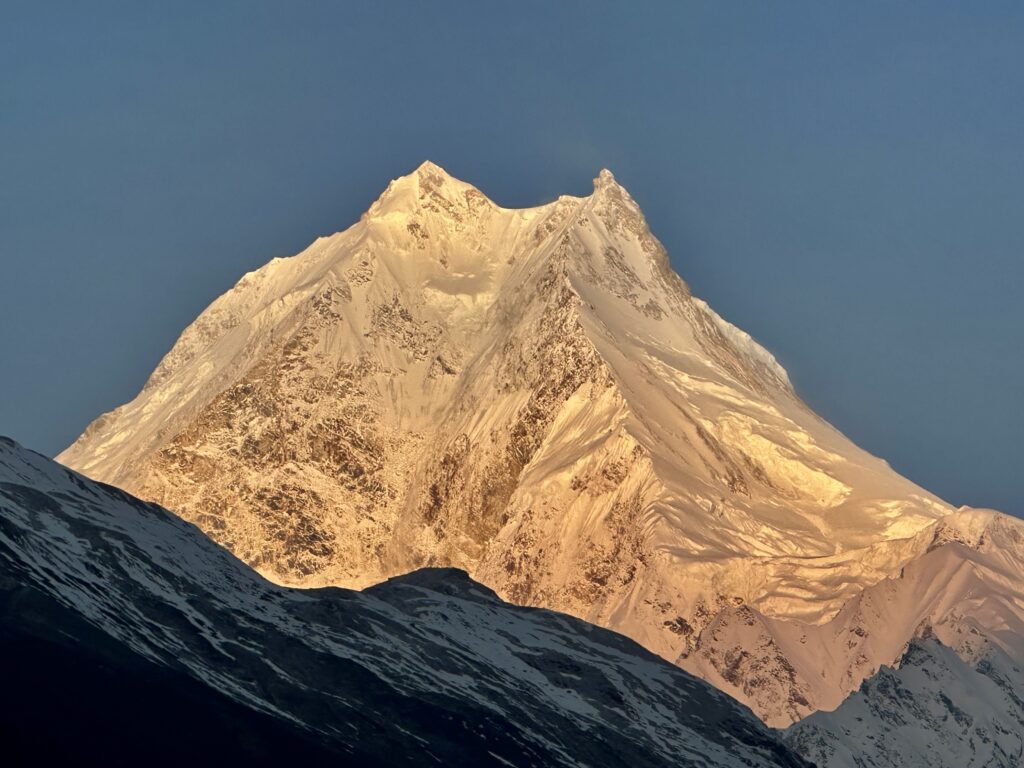
Restricted Trekking areas in Nepal to enter the restricted areas, all trekkers must join a reputable Trekking Agency approved by the Government. The Tourism Department allows groups with a minimum of 2 pax. Require a good guide with a government-approval license.
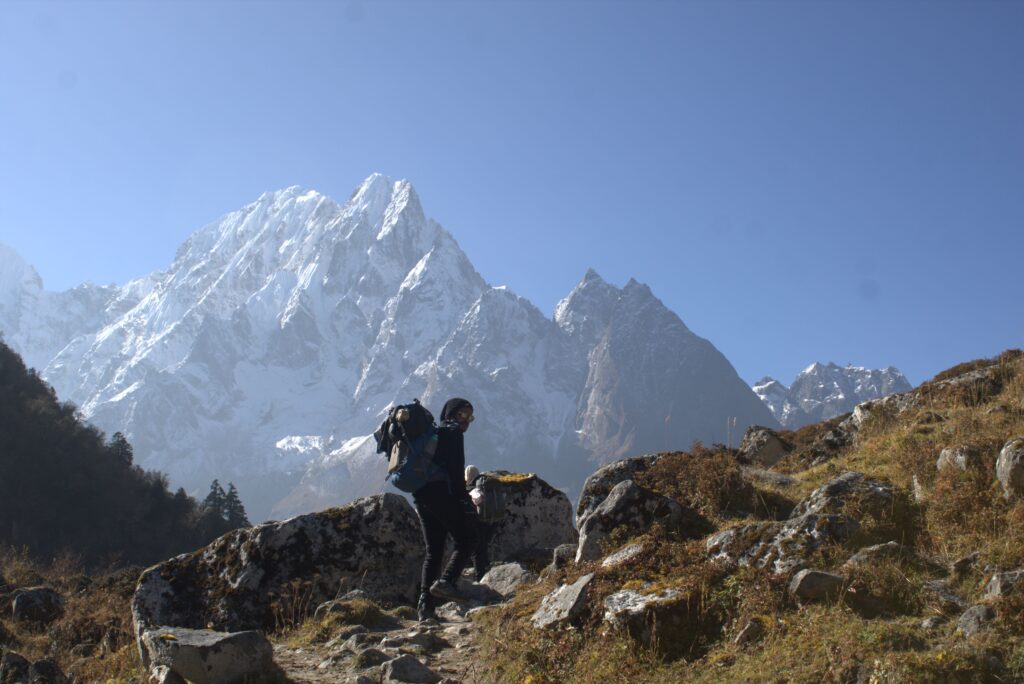
At present, the Nepal Government allows eight restricted areas from the Far West to the Eastern Himalayas, including the Mid-West Himalayan regions. Foreigners require a special permit to enter the restricted areas in Nepal and Conservation and National Park permits.
In the early days, trekking around restricted areas was accompanied by the Government Liaison Officer. Which was more expensive than the actual special permit cost on top of ACAP (Annapurna Conservation Area Project) fees. But in the last few decades, the Liaison Officer was not required. This made the trek affordable to enjoy around the restricted areas in Nepal.
The restricted areas in Nepal are as follows:
01: Upper Mustang.
Restricted Trekking Areas in Nepal Located in Nepal’s Far North West within the district of Mustang, one can enjoy the treks or take an overland drive. The Upper Mustang was once a former forbidden with the walled kingdom of Lo Manthang. It opened its door open for outside visitors from 1992 onwards. Upper Mustang is a highland with picturesque landscapes, geographically an extension of Tibet’s Far South West Plateau.
Upper Mustang Trek Visitors can experience dramatic country landscapes outlined by the canyon walls and towering eroded cliffs. The final destination is the walled kingdom of Lo Manthang, famous for its colorful Tiji Festival.
Upper Mustang to Lo Manthang is the most exciting Himalayan destination steeped with age-old cultures and unique landscapes of windswept terrains.
Include spectacular views of the Western Himalayan snow peaks against the backdrop of barren brown-red colored hills. The journey to Upper Mustang follows the ancient Trans Himalayan Caravan Salt Trade Route. Upper Mustang is the second restricted area opened for outside visitors after Upper Manaslu. It is an exciting and wild country to enjoy and experience the picturesque high country of Upper Mustang. In the last few years, motorable road runs to Upper Mustang. Visitors can drive from Kathmandu and Pokhara in the comfort of a 4WD Jeep or similar vehicle.
At present, many good lodges and guest houses have mushroomed. Visitors can enjoy overnights in nice and cozy lodges and with good food. Interested adventurers and trekkers can explore the Upper Mustang wild country beyond the walled kingdom of Lo Manthang. Visit the windblown valleys of the Luri and Bhairab Kunda areas. To enjoy traveling further towards remote areas of Upper Mustang, trekkers need to be equipped with camping gear and carry food.
02: Nar Phu Valley.
Nar Phu Valley is located in Nepal’s Far North Mid-West around the district of Manang and close to Upper Mustang. Nar Phu Valley was opened for foreign trekkers in 2002. The treks to Nar Phu include crossing over the high Kang-La Pass to reach scenic Manang Valley. The other short option is a return journey on the same route back to Kodo and Dharapani Villages. Which is the starting and ending point of Nar Phu Trekking or continuing trek over Kang-La Pass to Manang Valley.
After visiting Nar Phu Village and crossing Kang-La Pass, the climb over the high Thorang-La Pass at 5,416 m. Thorang-La is the boundary of Manang and Mustang districts, from the last pass, the adventures lead to Mustang areas.
Reaching at holy temple Muktinath and Jomsom Town to complete the journey of Nar Phu Valley and Manang areas.
Nar Phu Valley is an exciting trek with a great diversity of landscapes from forested trails to barren windswept terrains. Nar and Phu Villages and the valley, enclosed by the towering massif peaks of Himlung Himal, Chulu’s, and Annapurna Himalayan ranges. The higher side of Nar Phu borders the remote corners of the eastern Mustang region. Nar Phu Valley trekking offers spectacular scenery of surrounding landscapes and snow mountains. Including the ancient cultures of Tibetan heritage with old monasteries and traditional farm life.
03: Tsum Valley.
The last forbidden hidden country, and a restricted area that was open for foreign visitors in 2008 onwards. for trekkers to enjoy its immense and impressive culture similar to its Tibetan predecessors. Located within the district of Gorkha around Far North Mid-West, close en route to Tibet South West border.
Tsum Valley of Happiness, as it was known from the ancient ‘Beyul Kyimolung’ a Tibetan holy text. Situated far beyond the Manaslu and Ganesh Himal mountain ranges. The great diversity of landscapes, vegetation, and the local immense cultures make the trek to Tsum Valley a unique country. The trek leads to exploring and experiencing the hidden cultures of ancient times retaining its ancient glories till the present. The villages of Tsum Valley are similar to their Tibetan predecessors, where the country extends to the border of Tibet.
Tsum Valley Trek is a great experience from local cultures of a simple and happy life. Includes spectacular scenery of the rolling hills and snow mountains with isolated lovely farm villages steeped with age-old cultures.
04: Upper Manaslu Valley.
Restricted Trekking Areas in Nepal Upper Manaslu Valley, a former forbidden highland until it was opened in 1991, was the first restricted area in Nepal. The trail to Upper Manaslu Valley follows from lower warm farm villages of the Gorkha district. The walk follows the glacial Budi Gandaki River right to its source near higher Manaslu Valley.
Located around Mid-West Nepal within the district of Gorkha, the trek leads in the close shadows of the Manaslu Himalayan ranges. Mt. Manaslu is the world’s 8th highest peak at 8,163 m/26,781 ft. The mountain was first climbed in 1956 by the Japanese Expeditions with the support of Nepali Sherpa guides.
From then on it remained closed due to its close borders with Tibet, China then from 1991. Allowed a few groups of trekkers to enjoy and experience the hidden treasures of high Manaslu Valley. As well as traditional villages adorned with ancient cultures similar to the Tibetans across the border.
The Manaslu Valley was the vantage route of Trans Himalayan Trade, in the early days until the late 1950s. The trek famously known as the Manaslu Circuit trek takes you from low farm land to mid-hills. Then towards Upper Manaslu Valley through the lovely villages of Jagat, Namrung, Lo, and Sama Gaon. The adventure then follows to the end of Manaslu Valley with a climb to the top of Larke-La Pass.
The pass is the boundary between Manaslu, Gorkha, and Manang districts, from the pass heading down to Manang areas. Reaching Dharapani Village, at the junction of the famous Annapurna Circuit trek.
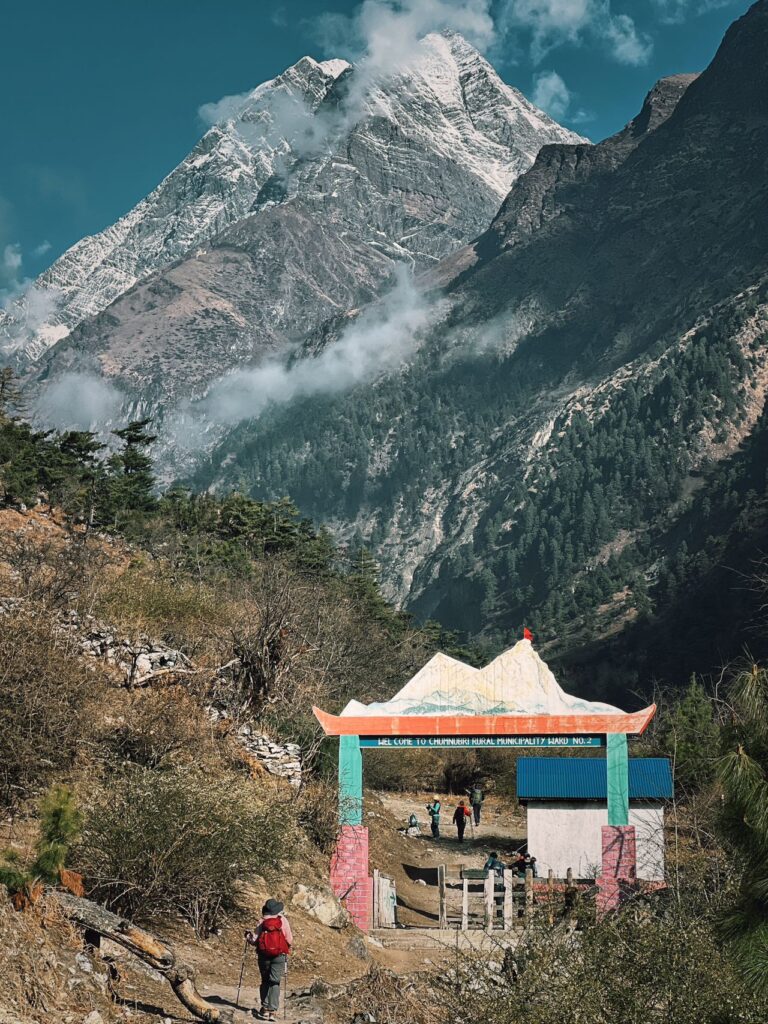
05: Upper Dolpo.
Upper Dolpo one of the first restricted areas in Nepal opened for outside visitors from 1989 onwards. Located in Nepal’s Far West around Karnali zone, within the district of Dolpo, famous for its unspoiled environment. Where few groups of trekkers seldom venture the wild-west of Upper Dolpo.
The Upper Dolpo was made popular and exposed to the world from the famous classic novel ‘The Snow Leopard’. Written by American author Peter Mattheisian, when he first explored the Upper Dolpo back in the late 1970s. Later the movie called Himalaya was produced with the story and background of Upper Dolpo. Which was nominated for an Oscar for the best foreign films, a joint project of French and Nepali producers and artists.
Upper Dolpo trekking leads to more than three weeks to cover the whole trek from Jhupal to Jhupal. A small village with an airport, where flights are involved both ways from Kathmandu to Dolpo via Nepalgunj city.
The trek to Upper Dolpo leads you to scenic Ringmo Village and the turquoise lake of Phokshindo. Then crossing a high Kang-La Pass to Shey Gompa, the Crystal Monastery, a wild isolated country and yet beautiful. From Shey Gompa, return journey towards inner and lower Dolpo through the lovely villages of Saldang, Tokyu, and Tarakot. Then ending the trek at Dunai the headquarters town of Dolpo, with a short drive back to Jhupal.
06: Lower Dolpo.
Lower Dolpo is another restricted area in Nepal that was opened to foreign visitors in 1989. Around the same year as Upper Dolpo, as both areas are close. As well en route to Upper Dolpo via Lower Dolpo, the area around Dolpo falls within the largest national park of Nepal. The Shey Phoksundo National Park covers as far as Mugu and Jumla in the west and Mustang towards the east.
The Lower Dolpo of little more of a week’s adventure to reach the picturesque Phoksundo Lake and Ringmo Village. The walk then leads to traverse two high passes of Baga-La and Numa-La on the return journey to Jhupal.
An exciting and scenic adventure exploring lovely traditional villages, untouched by modernization. The trek to Lower Dolpo is visited by only a few groups of trekkers at the best time of the season. An enjoyable and marvelous adventure to experience on Lower Dolpo.
07: Humla & Limi Valley 2002.
Humla and Limi Valley were opened for interested foreigners to enjoy the wild-west country of Nepal. Humla and Limi Valley are located in the Far West of the Karnali zone and close to the Tibet border. As well as the major Trans Himalayan Trade route of both countries and the gateway to holy Mt. Kailash. The Humla and Limi Valley have been open from the last two decades since 2002. The wild country of Humla and Limi Valley certainly captures your imagination and dreams of the true Himalayan Shangri-La.
Restricted Trekking areas in Nepal Humla and Limi Valley adventure leads you to the far and remote pockets of the Himalayas which few travelers and adventurers seldom visit. In the backdrop of an amazing scenery of high peaks, hills, and valleys. Besides the scenic views of Humla and Limi Valley, the colorful culture of ancient heritage is equally captivating.
The walk follows through the impressive villages of Kermi, Yalbang, Muchu, Yari, Mane-Peme Til with Halji and Jang. As well as visiting interesting monasteries of great religious significance.
Humla and Limi Valley trekking starts taking a scenic flight from Kathmandu to warm low areas of Nepal Far South at Nepalgunj city, and then connecting with another exciting flight to reach Simikot town within Humla.
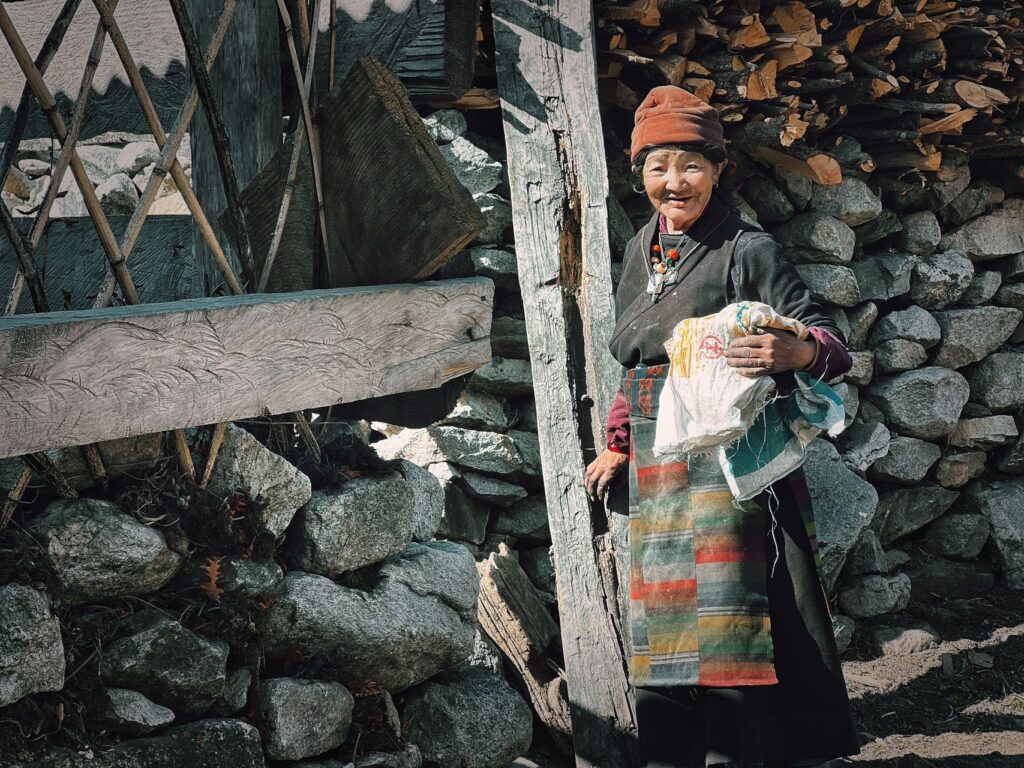
From Simikot the adventure begins and ends after walking to the far end of Nepal close to the Tibet border. The route leads to scenic Limi Valley crossing high passes to reach back at Simikot, where an exciting flight brings you to Kathmandu.
08: Kanchenjunga Around Far East Himalayas 1988.
Kanchenjunga Base Camp Trekking leads you to the foot of the world’s 3rd highest Mt. Kanchenjunga. As well the 2nd highest of all peaks in Nepal Himalayas towers above 8,586 m / 28, 169 feet high. The massif Kanchenjunga or ‘Kanchendzonga’ means five jewels of a peak in Tibet origin language.
Kanchenjunga was established as a restricted area in 1988, the region also shares the borders with Tibet towards the north. As well as with Sikkim (a small state of North East India) in the east. Kanchenjunga leads to both South and North Base Camps. One of the few treks in the Himalayas that takes you to visit two base camps on one single journey.
Restricted Trekking Areas in Nepal Trekkers can enjoy the walk around the hidden trails from one lovely farm village to another. The adventure leads to a beautiful forest lined with tall trees of rhododendrons, pines, firs, and oaks. Then reaching a wide glacial valley at Kanchenjunga South Base Camp. After an amazing and exciting trek around the south base camp. The adventure then leads to the North Base Camp of Mt. Kanchenjunga.
Restricted Trekking areas in Nepal is A great adventure of more than two to three weeks that involves flights and drives both ways to and from Kathmandu.
The Best Seasons For Restricted Trekking Areas in Nepal:
Most Restricted Trekking Areas in Nepal fall around remote northern corners of the Himalayas and close to Tibet borders. Some of the areas like Upper Mustang, Upper Dolpo, Humla, and Limi Valley. These regions can be enjoyed from late spring till autumn/fall that is from April to early November.
Upper Mustang, Upper Dolpo, and Nar Phu as well as Humla and Limi Valley fall within the rain shadow. Where monsoon dark clouds are blocked by the massif Himalayan range of peaks. This is why the landscapes are barren and dry similar to the Tibetan plateau across the borders.
The best times are spring, early summer, and autumn seasons. Spring April and May, early summer around June to middle July, and September to early November.
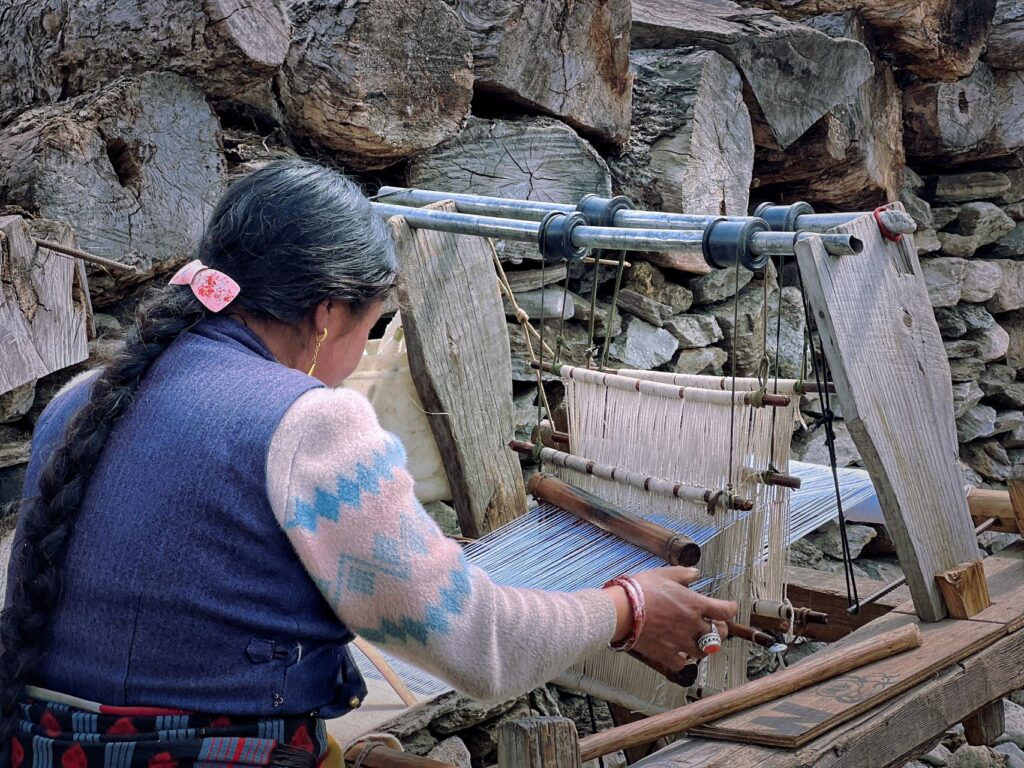
Around Restricted Trekking Areas in Nepal, spring is a lively time for pleasant walks and scenic views. Most days are fine and clear with enough sunshine hours till late afternoon from 6 a.m. to 6 p.m.
It can get overcast in the afternoon sometimes, with chances of light rains and snowfalls. Days are much longer with sunlight hours, but cold morning and late afternoon till nighttime. Depending upon altitude and overnight stops en route to your destinations. Spring is the best time for nature lovers, when wildflowers are in seasonal bloom, especially the rhododendrons of various species. The next best season is autumn/fall, where most days are bright, with sunny days for clear views. The autumn/fall starts from September to November, one of the high seasons in Nepal for trekking. Days are fine with crystal clear blue sky, but gets dark soon due to limited sunshine hours. The morning and late afternoon until the nighttime is cold, and chances of light snowfall above 2,500 m high.
Quick Inquiry

Talk to an Expert
Mr. Samir Simkhada
Online Now


