Lobuche Peak Climbing Route Map – Vertex Holiday

Lobuche-East-Peak-Climb-map

Lobuche Peak Climbing Route Map, Lobuche East Peak at 6,119 meters stands among the most popular trekking peaks in Nepal because it produces panoramic views which include Everest and three other mountains (Lhotse, Nuptse, and Ama Dablam). The Everest Base Camp trek experience becomes more stunning when combined with the climb to reach Lobuche East Peak.

This blog provides a comprehensive Lobuche Peak climbing route map, 20-day itinerary, necessary permits, best seasons, and expert tips for a successful ascent.

Highlights of Lobuche Peak Climb with Everest Base Camp
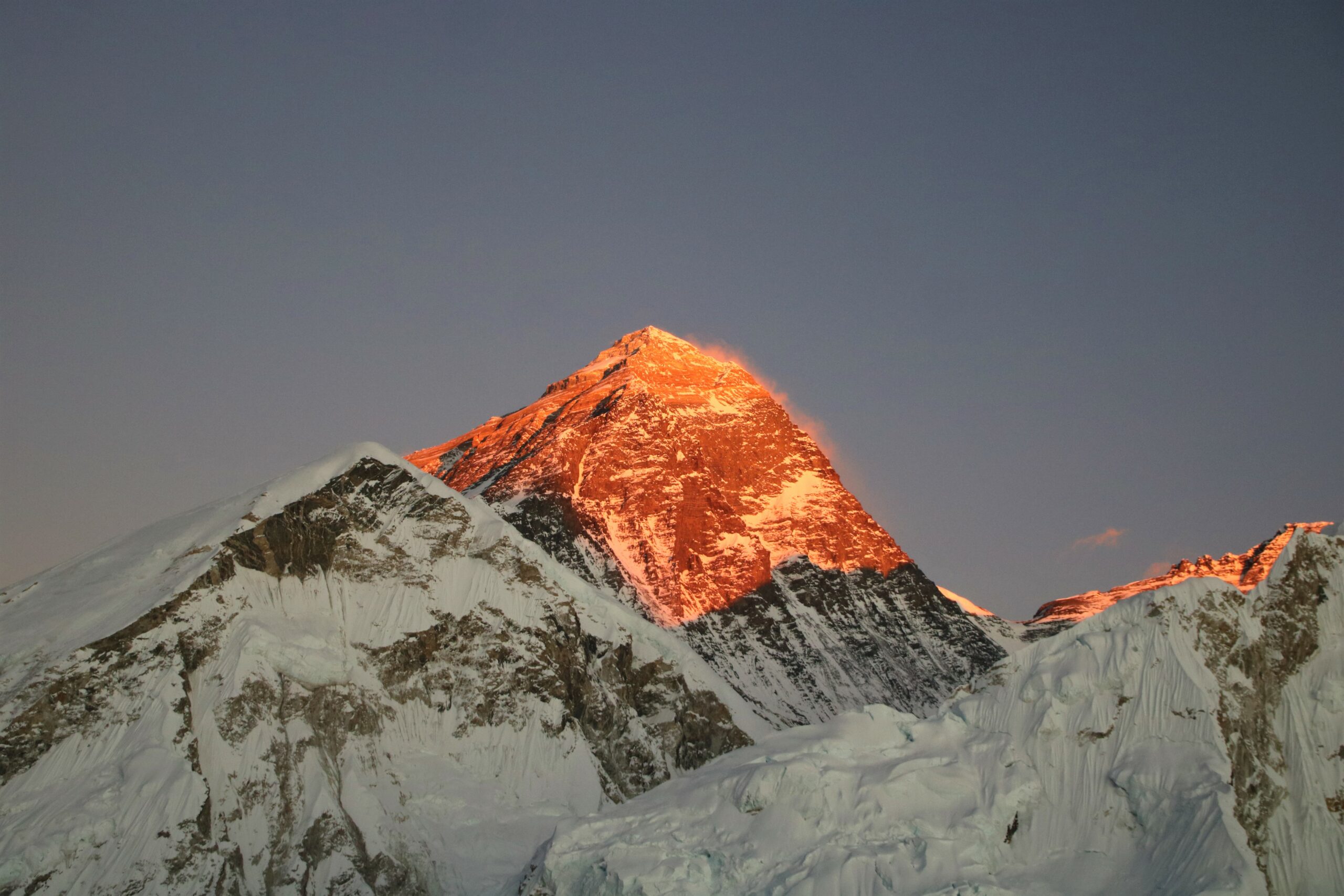
Mount Everest
Mount Everest
  • Trek through the legendary Everest Base Camp route.
  • Experience the Sherpa culture and picturesque villages.
  • Witness the mesmerizing Khumbu Glacier and Icefall.
  • Climb one of Nepal’s most thrilling trekking peaks.
  • Enjoy panoramic Himalayan views, including Mount Everest.

Why Choose Lobuche East Peak Climb?
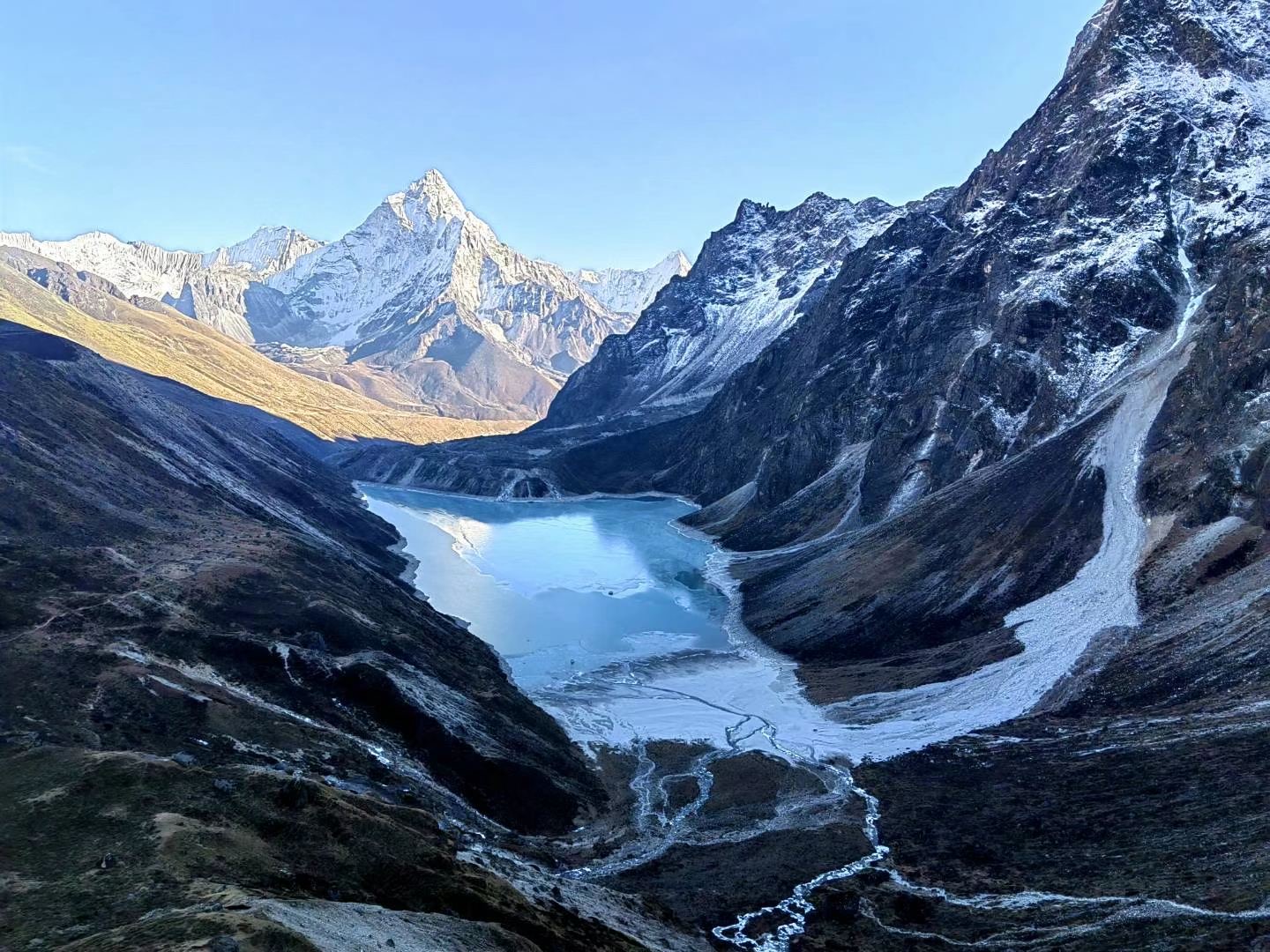
View From Lobuche
View From Lobuche

Lobuche East (6,119m) is an ideal choice for climbers looking to experience Himalayan mountaineering before attempting higher peaks like Island Peak or Mera Peak. This climb offers:

  • Spectacular views of Everest, Lhotse, Nuptse, and Ama Dablam.
  • A thrilling climb with technical sections requiring basic mountaineering skills.
  • An opportunity to acclimatize with an Everest Base Camp trek before the summit push.

Lobuche Peak Climbing Route Map

The Lobuche Peak climbing route follows the classic Everest Base Camp trail before diverging towards Lobuche High Camp. Below is an overview of the route:

Route Overview:

  1. Kathmandu to Lukla – A scenic flight to Lukla (2,860m).
  2. Lukla to Phakding – A short trek to Phakding (2,610m).
  3. Phakding to Namche Bazaar – A steep ascent to Namche Bazaar (3,440m).
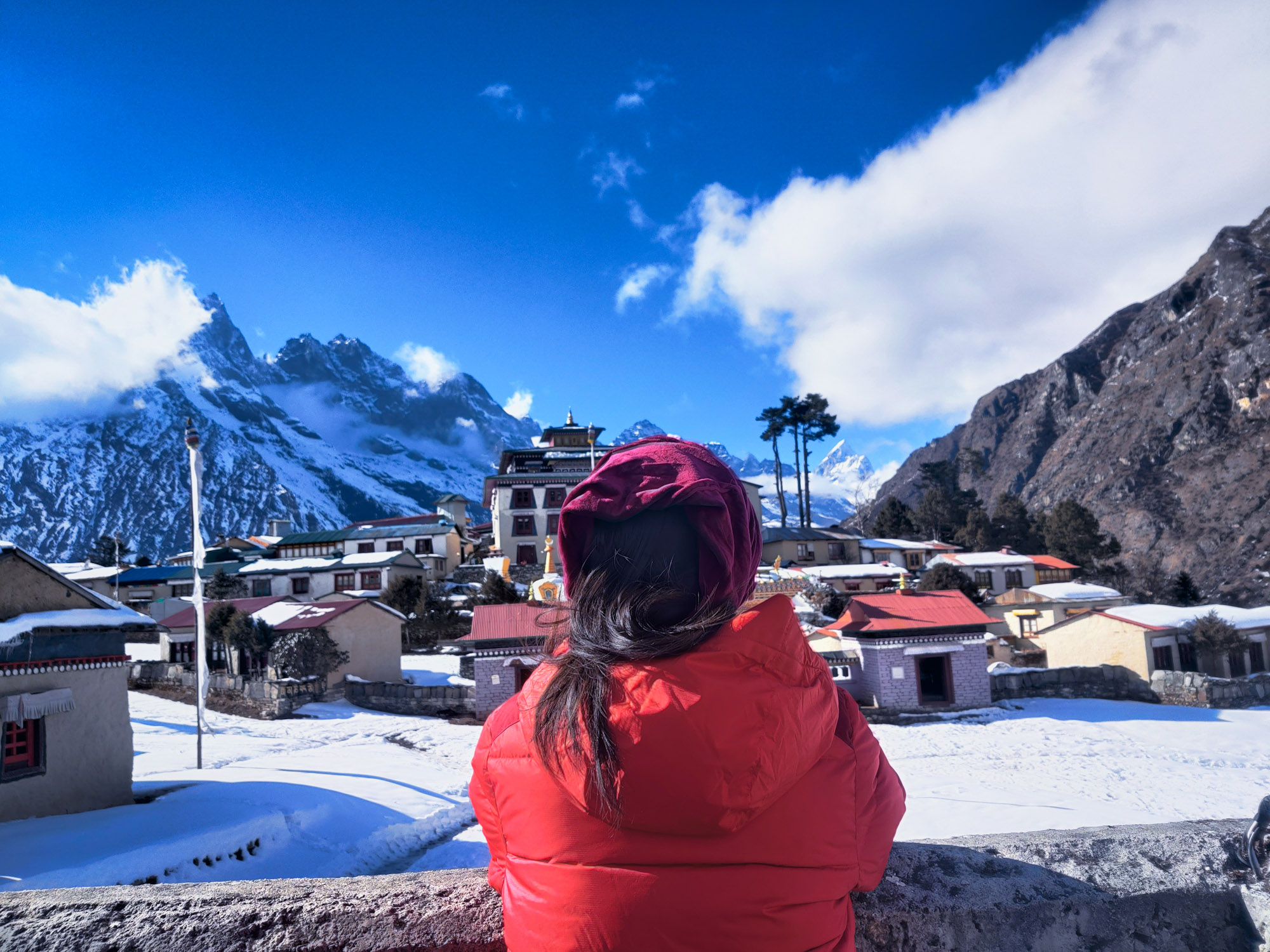
  4. Namche to Tengboche – Trek to Tengboche Monastery (3,860m).
  5. Tengboche to Dingboche – Trek through Pangboche and reach Dingboche (4,410m).
  6. Dingboche to Lobuche – Follow the glacier to Lobuche village (4,940m).
  7. Lobuche to Everest Base Camp & Back to Gorakshep – Visit EBC (5,364m) and return to Gorakshep (5,164m).
  8. Gorakshep to Lobuche High Camp – Move towards Lobuche High Camp (5,400m).
  9. Summit Lobuche East Peak – Early morning summit attempt (6,119m) and descend.
  10. Return to Lukla & Fly to Kathmandu – Descend to Lukla for a flight back.

Lobuche Peak Climbing Itinerary 10-Days

The journey follows the traditional Everest Base Camp trail before heading towards Lobuche Base Camp and summiting Lobuche East. Below is the Lobuche Peak climbing itinerary (20-days) detailing each day’s progression.

Day 1.  Arrival in Kathmandu and transfer to your hotel.

Day 2. In Kathmandu tour of heritage sites and trek preparation.

Day 3. Travellers will fly to Lukla 2 which is located at 820 m and continue to Phakding via walk.

Day 4. You will hike through Namche Bazaar to reach its elevation of 3,440 m which equals 11, 350 feet.

Day 5. At Namche for acclimatization and a short scenic hike.

Day 6. Trek to Tengboche

Day 7. Trek to Dingboche

Day 8. Dingboche for rest and acclimatization and hike.

Day 9. Trek to Lobuche

Day 10. Trek to Mt. Everest Base Camp

Day 11. The journey goes from top Kalapathar 5,545 meters to Lobuche East base camp 4,865 meters.- .

Day 12. At Lobuche base camp rest and preparation for the climb.

Day 13. Climb to High Camp 5,600 m 

Day 14. Team members will attempt Lobuche Peak 6,119 m followed by descent from the peak down to the base level.

Day 15. Trek to Tengboche via Pheriche

Day 16. The journey continues from Monjo 2, 880 m to Namche Bazaar and then finally to Monjo 2, 880 m.

Day 17. Last day trek to Lukla 2,820 m

Day 18. After visiting Kathmandu you will have free time until afternoon before flying back.

Day 19. Free day in Kathmandu spare and contingency day.

Day 20. Departure

Why Choose Vertex Holiday?

Vertex Holiday offers expert-guided Lobuche Peak climbing itineraries (20 days) with:

  • Experienced climbing guides
  • Comprehensive logistics and safety measures
  • Personalized itineraries and acclimatization plans
  • Local Company In Nepal
  • Government Authorized company


Langtang Valley Trek Map – Vertex Holiday

langtang valley trek map

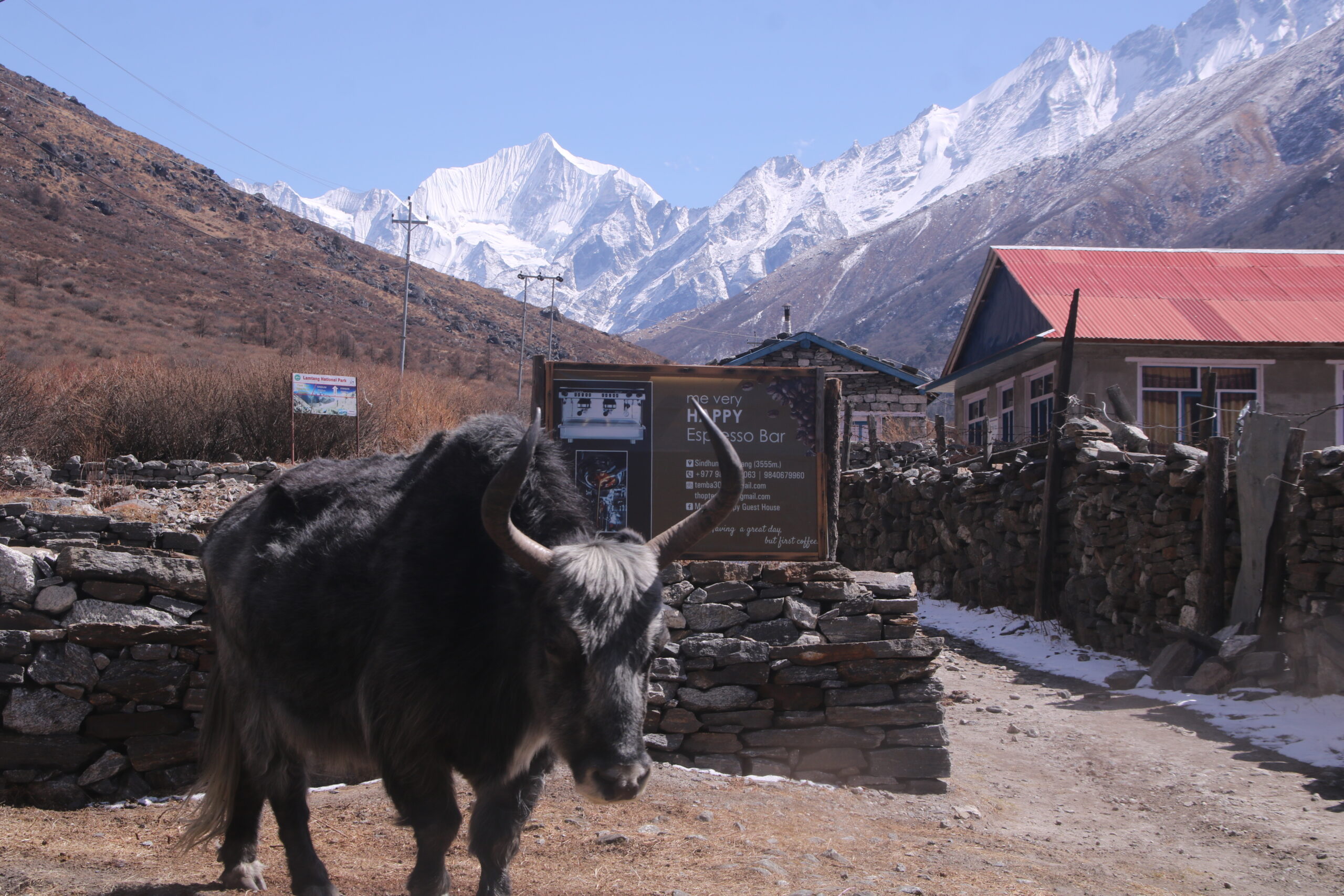
Langtang Valley Trek map, Trekking through the Langtang Valley ranks as Nepal’s top rewarding experience as it supplies combo benefits of awe-inspiring natural sights and adventurous expeditions into cultural heritage spots. The Himalayas’ Langtang territory presents itself as the “Valley of Glaciers” which provides trekkers with a phenomenal alternative to Everest and Annapurna despite its absence of crowds typically found in these more famous regions. 

In this guide, we provide a detailed Langtang Valley Trek Map along with a comprehensive Langtang Valley Trek Itinerary 10-days, ensuring you are well-prepared for your journey. Whether you’re a seasoned trekker or a beginner, this guide will provide you with all the information you need to plan your adventure.

Langtang Valley Trek Map

Every trekker who plans to visit the beautiful area of the Langtang Valley needs the Langtang Valley Trek Map as their essential tool. This map shows in detail all important locations such as landmarks, together with villages and elevation points during the trek. The trek begins in Syabrubes, where roads from Kathmandu reach before leading travelers through forests, Tamang villages, high mountain environments to reach Gosainkunda Lake and Langtang Valley.

langtang valley trek map
langtang-valley-trek-map (1)

The map highlights the following key points along the trek:

  1. Syabrubesi: The starting point of the trek, located at an altitude of 1,550 meters.
  2. Lama Hotel: A popular stopover point at 2,470 meters, surrounded by dense forests.
  3. Langtang Village: The main village in the valley, situated at 3,430 meters, offering stunning views of the surrounding peaks.
  4. Kyanjin Gompa: Kyanjin Gompa stands as both a spiritual symbol and the tallest location at 3,870 meters and contains an ancient monastery and cheese making facilities.
  5. Gosainkunda Lake: A sacred lake at 4,380 meters, surrounded by snow-capped peaks and frequented by pilgrims.

The Langtang Valley Trek Map also indicates the various teahouses and lodges along the route, ensuring that trekkers have access to accommodation and meals throughout their journey. Carrying either a physical map or a digital version through your smartphone constitutes the recommended method to successfully navigate trail paths.

Langtang Valley Trek photo

Langtang Valley Trek Itinerary 10-Days

A well-planned Langtang Valley Trek itinerary 10-days ensures that you make the most of your trekking experience while allowing ample time for acclimatization and exploration. 

Here’s a suggested 10-day itinerary:

Day 1. Arrival day in Kathmandu (1300m).

Day 2. Drive from Kathmandu to Syaprubesi (1600m). 6-7 hrs

Day 3. Trek to Lama Hotel (2470m). 6 hrs

Day 4. Trek to Mundu via Langtang village (3543m). 6.5 hrs

Day 5. Trek to Kyangjin Gompa (3870m), 4-5 hrs

Day 6. Acclimatization and Exploration , Tserko Ri (4984 m) 7-8 hrs

Day 7. Trek back to Lama Hotel. 5-6 hrs

Day 8. Trek to Syaphrubesi 4 hrs

Day 9. Drive back to Kathmandu.

Day 10. Final day : departure.

Travelers who participate in the Langtang Valley Trek experience an ideal combination of thriller exploration and spiritual encounters alongside remarkable views. A Langtang Valley Trek map directs travelers through the trail so they can experience the unmatched Himalayan adventure.

Choose Vertex Holiday to experience a safe and organized Langtang Valley trek.


Mardi Himal Trek Map – Vertex Holiday

mardi-himal-trek-map

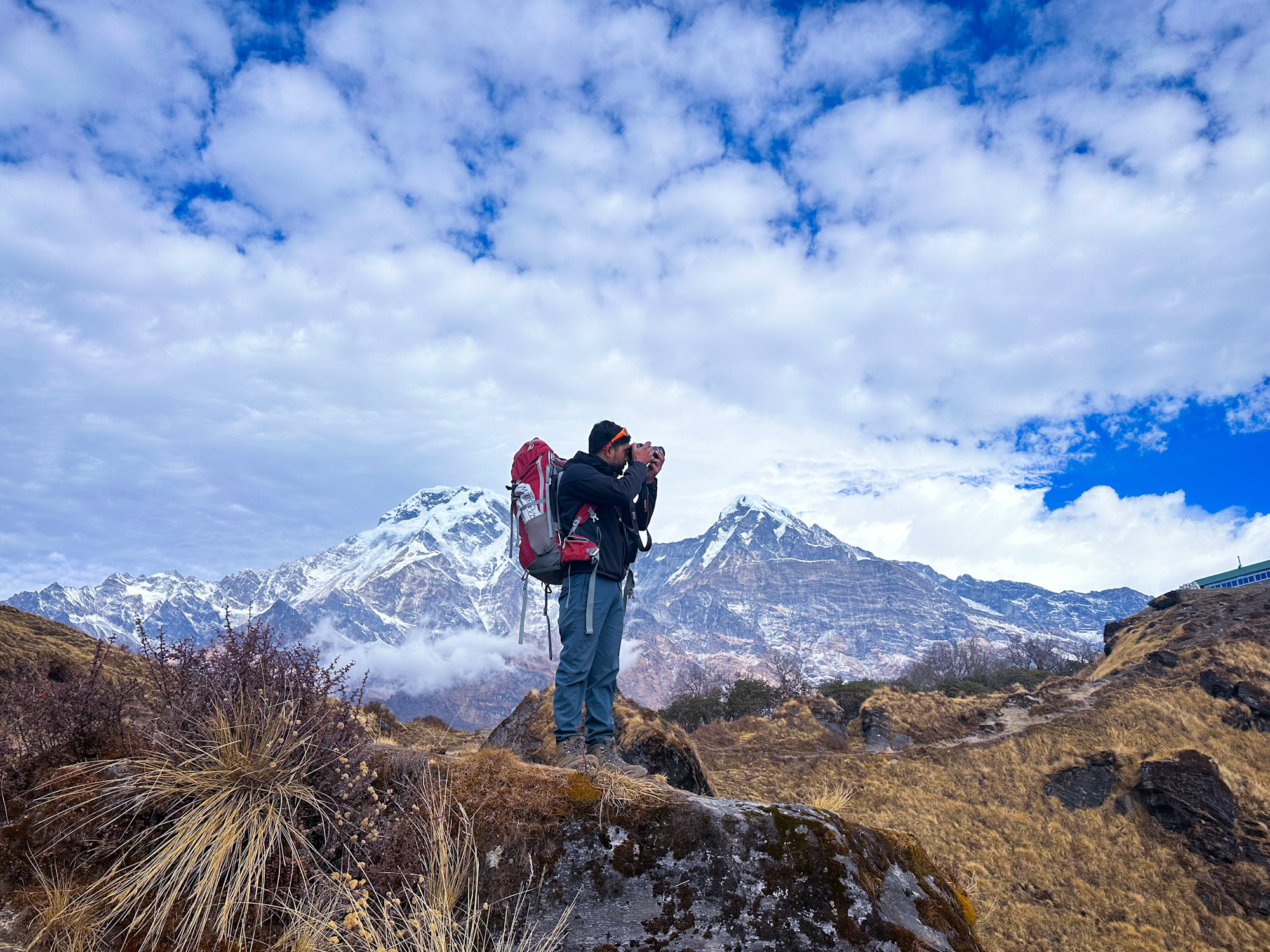
This hidden trek through Nepal’s Annapurna region showcases Himalayan peak vistas together with forest views and peaceful countryside vistas. Due to its untouched natural glory, this trek provides visitors with well-maintained pathways while remaining off the beaten path.

All levels of trekking expertise will benefit from the Mardi Himal Trek route map, which delivers exceptional trekking rewards. During the trek, you can enjoy heavenly natural scenes combined with cultural highlights as you gaze at Annapurna South, Hiunchuli, and Machhapuchhre (Fishtail Mountain).

Mardi Himal Trek
Mardi Himal Trek

Mardi Himal Trek Map 

The Mardi Himal trek route map takes you through various landscapes, from dense rhododendron forests to high-altitude ridge trails. Here’s a general overview:

  • Starting Point: Kande or Dhampus
  • Key Stops: Forest Camp, Low Camp, High Camp, and Mardi Himal Base Camp
  • Final Destination: Mardi Himal Base Camp (4,500 meters)

The route provides several opportunities to immerse yourself in nature, with plenty of scenic spots for photography and relaxation.

9 Days Mardi Himal Trek Itinerary

  • Day 1. Arrive in Kathmandu (1300m), transfer to hotel.
  • Day 2. Kathmandu to Pokhara (910m)
  • Day 3. Drive from Pokhara to Kande and trek to Forest Camp (2500m).
  • Day 4. Trek Forest Camp to Low Camp (3290m)
  • Day 5. Low Camp (2990m) to High Camp (3580m)
  • Day 6. High Camp to Mardi Himal Base Camp (4450m) and back to High Camp
  • Day 7. High Camp to Sidhing (1885m) and drive to Pokhara.
  • Day 8. Pokhara to Kathmandu (1337m)
  • Day 9. Farewell

Highlights of the Mardi Himal Trek

  1. Mardi Himal Base Camp: Witness the awe-inspiring views of Machhapuchhre, Annapurna South, and Mardi Himal.
  2. Rhododendron Forests: Trek through vibrant rhododendron forests, especially colorful during spring.
  3. Panoramic Views: The trek offers sweeping views of the Annapurna Range and surrounding landscapes.
  4. Cultural Encounters: Explore the traditional lifestyle of Gurung and Magar communities.
  5. Off-the-Beaten-Path Adventure: Enjoy the serenity of the less-crowded trail.

Why Choose Vertex Holiday for the Mardi Himal Trek?

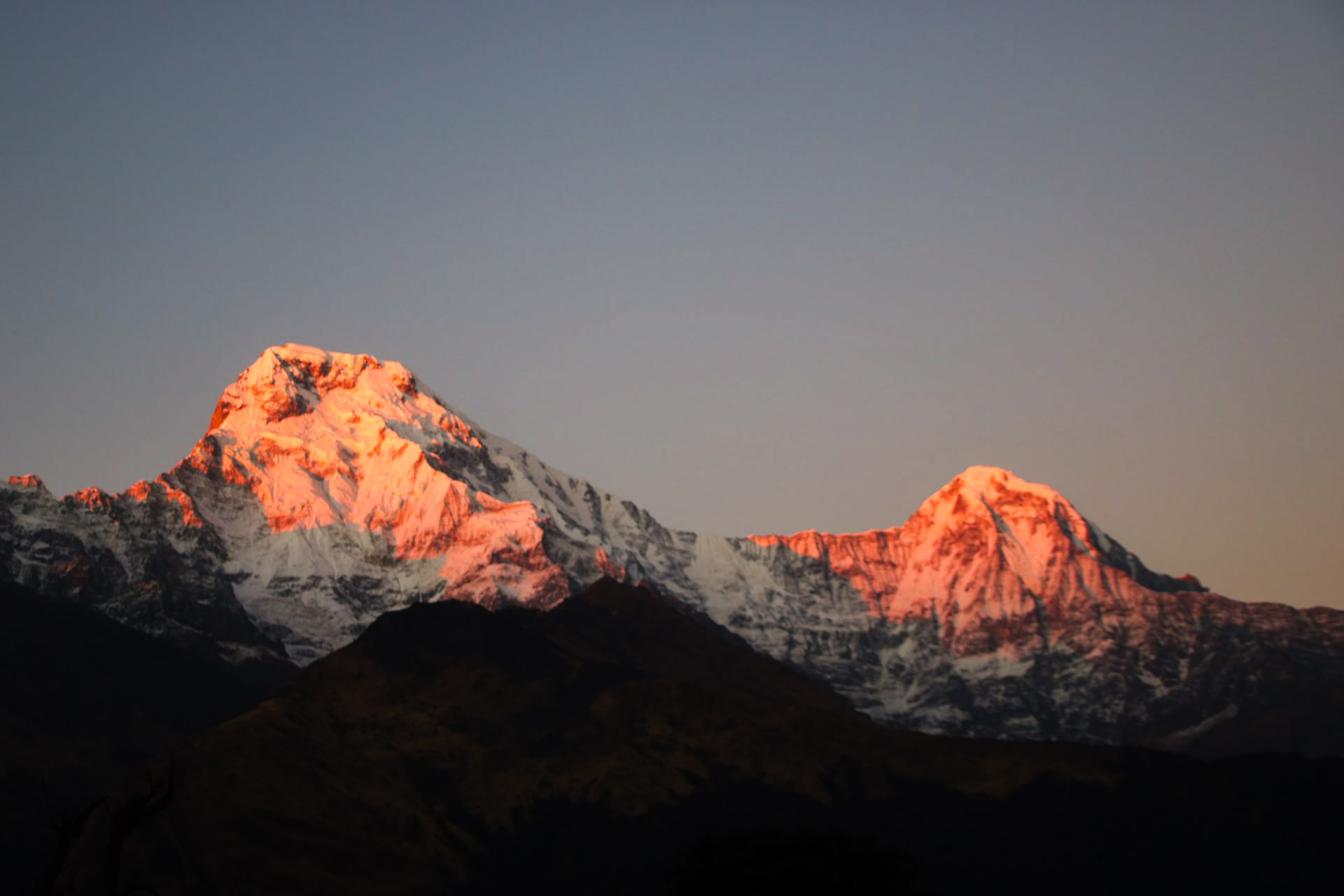
Annapuna South
Mt. Annapuna South & Hiuchuli View

The trusted adventure company Vertex Holiday focuses exclusively on Nepal trekking operations. The professional guides personal itinerary options and commitment to safety create unforgettable trekking opportunities through Vertex Holiday. The Mardi Himal trek map and route expertise make Vertex Holiday the best choice for your trekking adventure.

Choose Vertex Holiday to experience a safe and organized Mardi Himal Trek.

Everest Three Pass Trek Map

everest-three-pass-trek-map

Everest Three Pass Trek map can help trekkers with their itinerary, as you won’t find anything quite like it on the Nepali treks. It has all the features that make this undertaking feel like a real-life adventure: this is a complete map. The trek features three great high passes, namely Kongma La (5,535m), Cho La (5,420m), and Renjo La (5,360m). All the distance, crossing waypoints, elevation changes, and a lot more details will be available in this brochure: the way along the treks from the solitary valleys of the Himalayas, towards Mount Everest, and other towering peaks.

Everest Three Pass Trek map, This is a trekking map of Everest Three Passes Trek by Vertex Holiday, a guide, and a lifesaving safety net. It gives you expert views along with its active route details to keep you safe on this trek. The map has precise representation in terms of heights, distances, and landmarks, which take place as a final buddy for exploring one of the most famous adventures in Nepal. With this map in hand, you could trek with faith that you have done the handy preparation and are safe. This makes this map one of the best and invaluable resources for trekkers making one feel secure and confident since the real-time updates on weather conditions or emergency services.

Key Attractions of Everest Three Passes Trek Map 

Everest Three Passes Trekking View

The Everest Three Pass Trek map opens up an exciting adventure for you! Key milestones mark this incredible journey, each one presenting its own unique experiences:

  • Kongma La Pass (5,535m)

The Highest Pass: Kongma La is the first and most challenging pass; it rewards the trekkers with stunning views of the Khumbu Glacier and the Everest region.

A Glacial Wonderland: Cross icy glaciers and rugged terrain up this demanding but breathtaking pass. 

  • Renjo La Pass5,360m 

The Final Test: The last of three, Renjo La, offers spectacular panoramic views, including Gokyo Lakes and Mount Everest.  

 An Iconic Destination: Rest at the base of the world’s highest mountain, taking in the surreal atmosphere.

  • Kala Patthar (5,545m)

The Best Viewpoint in the Region: Views of Mt. Everest are most spectacular at sunrise or sunset.

Everest Three Pass Trek Map with Distances & Time Estimates

When planning a route, trekkers need to recognize the distances and durations between key points on the trail. Understanding the time required to finish each section helps establish achievable goals for each trekking day. Below is an estimated summary of each segment’s distances and time.

Why Is an Everest Three-Pass Trek Map Essential?

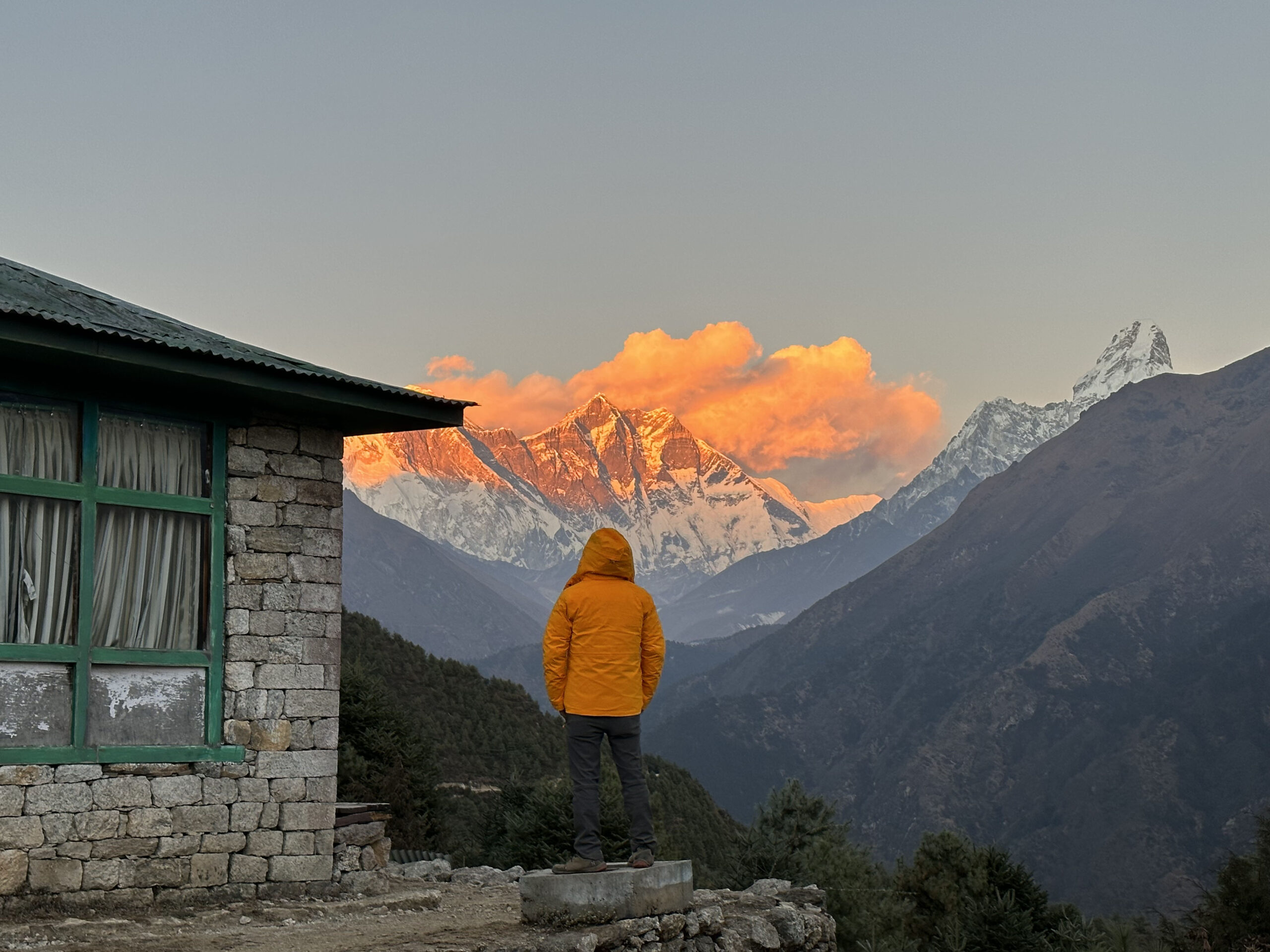
Amadablam & Mount Everest View Near Namche Bazaar
  1. Clarity of Route

The trek has several trails, with other routes leading to different destinations. A detailed map helps you stay on track and avoid detours, enabling you to make informed decisions about your route.

  1. Planning Your Itinerary

A map will help you visualize the trek’s key landmarks, including elevation profiles and distances between stops. This will help you plan your day-to-day journey and set realistic goals for acclimatization and rest.

  1. Safety and Navigation

Most high-altitude areas lack network connectivity, making GPS unreliable. A physical or digital map is a reliable navigation tool that can prevent you from getting lost in remote or unfamiliar areas.

  1. Landmarks and Villages on the Map

A map outlines major landmarks a trekker will pass, including villages like Namche Bazaar, Tengboche, and Gokyo, as well as key viewpoints such as Kala Patthar and Gokyo Ri. It helps you connect with the culture while tracking your progress.

  1. Acclimatization and Contingency Planning

Understanding the elevation at various points of the trek is vital for acclimatization. A map helps you trace routes for emergency exits and locations of medical facilities for altitude sickness or other contingencies.

A Guide to Daily Planning on the Everest Three-Pass Trek Map

Chola Lake
Chola Lake

Everest Three Pass Trek is the most thrilling and adventurous journey in Nepal, offering spectacular views of the Himalayas and a challenging track that one must cross with three high passes: Kongma La (5,535m), Cho La (5,420m), and Renjo La (5,340m). Adequate planning is essential to eliminate any potential risks throughout the trek.

Day-to-Day Itinerary for the Everest Three Pass Trek (Sample 19-Day Itinerary)

Everest Three Pass Trek Map This sample itinerary is adaptable and tailored to your preferences or trekking pace.

Day 1. Arrive in Kathmandu, transfer to the hotel, and have dinner with the Nepali cultural program.

Day 2. Fly to Lukla (2804m) and trek to Phakding (2610): walk approx 3-4 hrs.

Day 3. Trek from Phakding to Namche Bazaar (3440m): walk approx 5 – 6 hrs.

Day 4. Acclimatization day at Namche Bazaar -day hiking to Khumjung valley over Everest view point hotel.

Day 5. Trek from Namche Bazaar to Tengboche Monastery (3,860m): walk approx 5 – 6 hrs.

Day 6. Trek from Tengboche Monastery to Dingboche (4,350m): walk approx 5 – 6 hrs.

Day 7. Dingboche, rest

Day 8. Dingboche to Chhukung valley (4,720m): walk approx 5 hrs.

Day 9. Chhukung – Kongma La (5,535m/18,154ft) – Lobuche

Day 10. Lobuche – Gorak Shep (5,170m) to Everest Base Camp Trek (5,364m) and back to Gorak Shep: walk approx 8-9 hrs.

Day 11. Hike up to Kalapatthar (5,555m) early in the morning and trek down to Dzonglha (4,830m) 8-10 hrs

Day 12. Dzonglha – Cho La pass 5420m) – Thangnak (4,680m) : 7-8 hrs

Day 13. Thangnak (4,680m) – Gokyo (4,800m): 4_5 hrs

Day 14. Gokyo Valley: Climb Gokyo Ri (5357m) 5 – 6 hours.

Day 15. Gokyo – Renjo La (5345m) – Lungden (4,380m) Marulung (4210m): 8-9 hrs

Day 16. Lungden – Namche Bazzar (3,440 m): 8-9 hours

Day 17. Trek from Namche Bazaar to Lukla (2804m): walk approx 6-7 hrs.

Day 18. Fly back to Kathmandu after the Three Passes trek/Rest day.

Day 19. Transfer to the international airport for your final flight departure.

Choose Vertex Holiday to experience a safe and organized Everest Three Pass Trek.

Everest Base Camp Trek Route Map

everest-base-camp-trek-map

The Everest Base Camp Trek  route map is best way to take information for trekkers from various parts of the world. Everyone who makes this dramatic trip is rewarded with a stunning view of the world’s tallest peak, Mount Everest and a wonderful taste of Sherpa life. Thus, the opportunity to complete the EBC trek successfully depends on how much you will know about this route. Detailed Everest Base Camp Trek mapping will better prepare one for planning and navigating this incredible experience, making the journey to the base of Everest safe, enjoyable, and rewarding.

This highly informative guide provides everything one needs to know to navigate the challenging yet rewarding trek—including detailed Everest Base Camp mapping. It helps one understand distances and altitudes, plan daily schedules, and foresee obstacles one might face during such an adventure. Whether you are an experienced trekker or just starting your first Himalayan expedition, this route map will be your vital guide to Everest Base Camp.

The Importance of a Map for Everest Base Camp

Nepal Tours
Everest Region Trek

While an unreliable map is a beautiful thing to behold, a map of the EBC trek is more than beautiful – it’s necessary for safe travel to the region. Here’s why: They give assurance and self-esteem, knowing full well that you have a good guide to lead you through what is ordinarily a difficult though balmy trail.

Staying on Track (Navigation): However, something to be understood is that as much as this circuit does offer a few handy rock cairns offering direction, it does include some very confusing regions particularly during bad weather. Map guides help you avoid getting lost since it most definitely is a vast area to explore in the Himalayas. Also, the map helps identify some of the landmarks lightly recognizable, as well as the point where several trail junctions.

Planning Your Days (Itinerary & Distances): It is possible to determine the distances from one lodge to another on a map; thus, with given information one can easily set possible daily trekking program. This is important in time management as well as owing to the altitude of the area. The distances will assist you estimate the time taken while trekking and prevent over-exhausting yourself.

Understanding the Terrain (Elevation & Acclimatization): Terrains changes are one of the distinguishing features of the EBC trek. The map includes profiles which depicts inclines or declines the gradient of the ascends or descends. This information is crucial for proper acclimatization as it will inform you when you are set to gain altitude and when to best take rest days to avoid altitude sickness.

Prioritizing Safety (Hazards & Emergencies): Single large-scale maps can focus on specific risk factors, including areas that have had landslides, glaciers, or cliffs. This awareness lets you be careful and better geared for this situation. In the event of an emergency, a map can guide you on the evacuation plan and also show the rescuers where you are.

Enhanced Trekking Experience: A map also adds to the experience as a whole, but not merely in terms of functions. It enables one to prepare for the following moves, admire the scenery of the surrounding environment and even feel more influx of the mountains.

Everest Base Camp Trek Route Map: Distance and Elevation

The Everest Base Camp Trek is an approximately 130 km round trip from Lukla to the top of Base Camp, reaching 5,364 meters. It includes famous stops at Namche Bazaar, Tengboche Monastery, and Kala Patthar for a panoramic view of Everest.

Key points on the map include:

  • Lukla: Starting point of the trek.
  • Phakding (2,652m/8,700ft): First overnight for most trekkers.
  • Namche Bazaar (3,440m/11,286ft): A central Sherpa trading hub and acclimatization point.
  • Dingboche (4,360m/14,300ft): Another essential acclimatization stop.
  •  Lobuche (5,170m/16,961ft): The last village before reaching Gorak Shep. 
  • Gorak Shep (5,545m/17,594ft): The previously inhabited settlement before Everest Base Camp.
  • Everest Base Camp: The ultimate destination is Everest Base Camp (5,364m/17,594ft).

Essential Features of the Best EBC Maps

The correct map is essential for a safe and enjoyable Everest Base Camp Trek. Here are the key features to look for:

Accurate Topography (Elevation Profiles): Try and find maps with dense contour lines an clearly labeled elevations. Elevation profiles are essential for understanding the terrain, planning daily ascents and descents, and managing acclimatization.

Marked Accommodation Teahouses & Campsites: Ideally, the maps depict the location of the teahouses, lodges as well as scale of the campsites at the particular trail. Planning where to spend night-time is crucial and it is important to have a plan of where to sleep at night.

Identified Hazards: Hazardous situations have common features which may include landslides, glaciers, drop-offs, and other areas of risk shown by good maps. This makes it easier for you to avoid dangers, and make good decisions while on the trail.

Detailed Trails: The main EBC trail should be noted, but alternatives and side treks should also be included. One example is the Gokyo Lakes trek or routes up Kala Patthar. This will give you options and allow you to be flexible in your itinerary.

Current Details: The map must reflect the current state of the trails, position of teahouses or other useful info and it is better if it was created not a year ago. An old map may decieve and in certain cases may be deadly.

Digital Options: GPS is useful too, especially when visibility is low, maps in digital format are valuable tools. They provide better location identification coupled with offline mapping and commonly have extra bonuses, such as waypoints and altitude.

Easy-to-Read Format: The map must be brief, simple and understandable from a distance and even in the worst weather ever. Prefer simple and clear product labeling which gives straightforward, easily readable text.

A Guide to Daily Planning on the Everest Base Camp Trek

A typical Everest Base Camp trek takes 13 to 16 days, allowing for proper acclimatization.

Day-to-Day Itinerary for the Everest Base Camp Trek (14 Days – Sample)

(Just a sample itinerary can be adjusted based on the needs and preferences of the individual.)

Day 1: Arrival in Kathmandu Nepal

Day 2: Fly to Lukla, Trek to Phakding

Day 3: Trek to Namche Bazaar

Day 4: Acclimatization Day in Namche Bazaar

Day 5: Trek to Tengoche

Day 6: Trek to Dingboche  

Day 7: Acclimatization Day in Dingboche

Day 8: Trek to Lobuche

Day 9: Trek to Gorak Shep, Everest Base Camp, and back to Gorak Shep

Day 10: Hike to Kala Patthar, trek down to Pheriche

Day 11: Trek to Namche Bazaar

Day 12: Trek to Lukla

Day 13: Fly back to Kathmandu

Day 14: Departure

Choose Vertex Holiday to experience a safe and organized Everest Base Camp Trek.