Lobuche Peak Climbing Route Map – Vertex Holiday

Lobuche-East-Peak-Climb-map

Lobuche Peak Climbing Route Map, Lobuche East Peak at 6,119 meters stands among the most popular trekking peaks in Nepal because it produces panoramic views which include Everest and three other mountains (Lhotse, Nuptse, and Ama Dablam). The Everest Base Camp trek experience becomes more stunning when combined with the climb to reach Lobuche East Peak.

This blog provides a comprehensive Lobuche Peak climbing route map, 20-day itinerary, necessary permits, best seasons, and expert tips for a successful ascent.

Highlights of Lobuche Peak Climb with Everest Base Camp
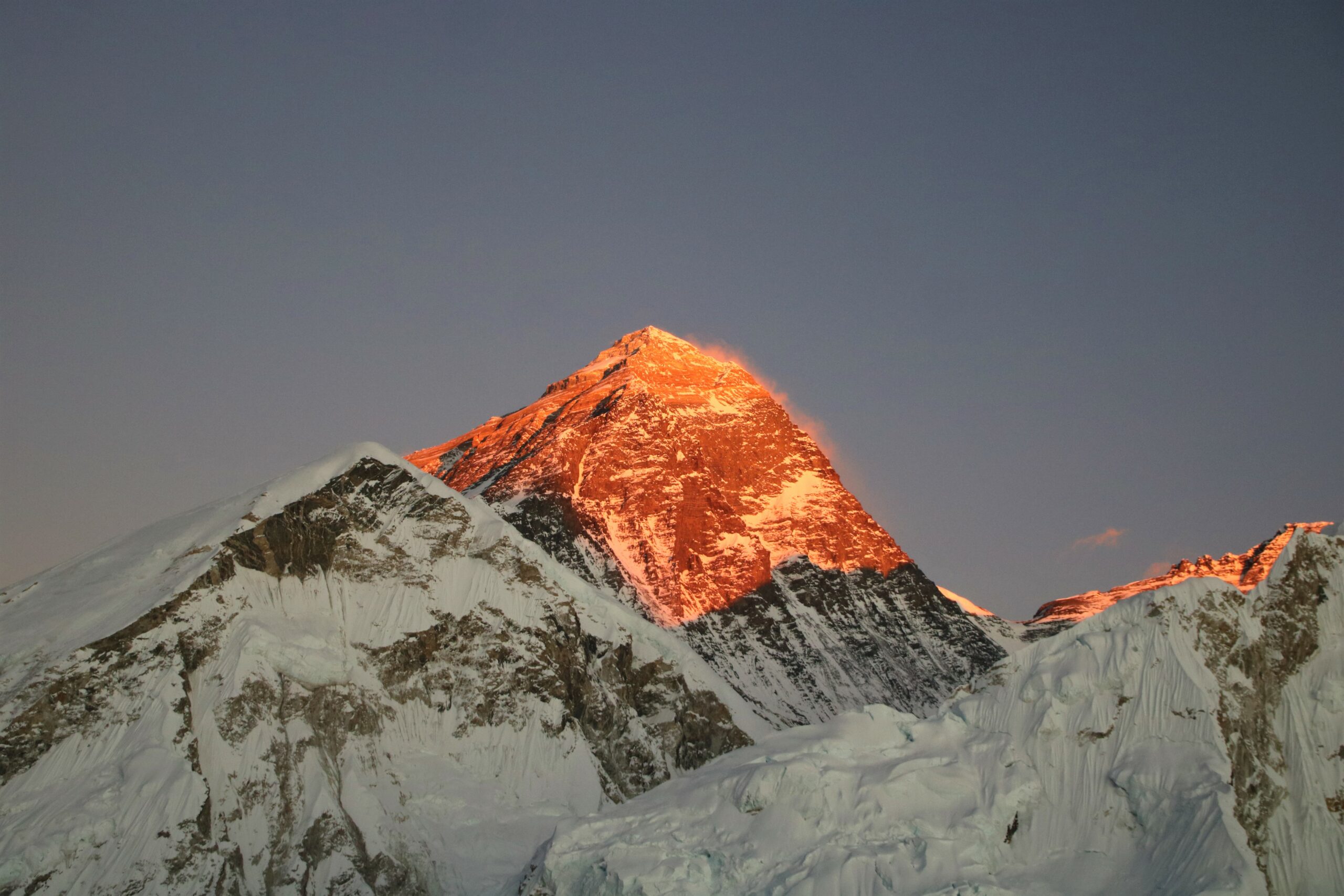
Mount Everest
Mount Everest
  • Trek through the legendary Everest Base Camp route.
  • Experience the Sherpa culture and picturesque villages.
  • Witness the mesmerizing Khumbu Glacier and Icefall.
  • Climb one of Nepal’s most thrilling trekking peaks.
  • Enjoy panoramic Himalayan views, including Mount Everest.

Why Choose Lobuche East Peak Climb?
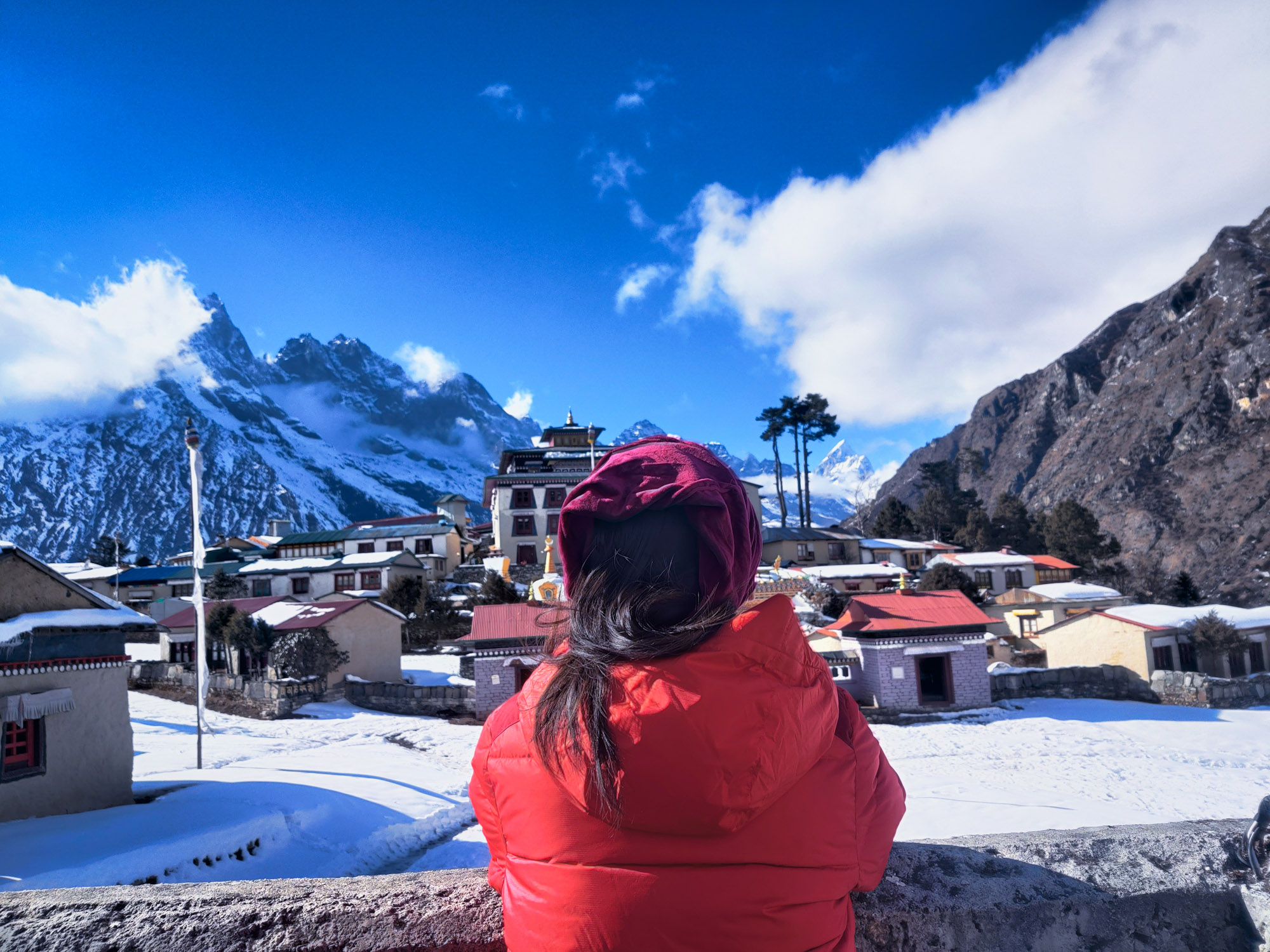
View From Lobuche
View From Lobuche

Lobuche East (6,119m) is an ideal choice for climbers looking to experience Himalayan mountaineering before attempting higher peaks like Island Peak or Mera Peak. This climb offers:

  • Spectacular views of Everest, Lhotse, Nuptse, and Ama Dablam.
  • A thrilling climb with technical sections requiring basic mountaineering skills.
  • An opportunity to acclimatize with an Everest Base Camp trek before the summit push.

Lobuche Peak Climbing Route Map

The Lobuche Peak climbing route follows the classic Everest Base Camp trail before diverging towards Lobuche High Camp. Below is an overview of the route:

Route Overview:

  1. Kathmandu to Lukla – A scenic flight to Lukla (2,860m).
  2. Lukla to Phakding – A short trek to Phakding (2,610m).
  3. Phakding to Namche Bazaar – A steep ascent to Namche Bazaar (3,440m).
  4. Namche to Tengboche – Trek to Tengboche Monastery (3,860m).
  5. Tengboche to Dingboche – Trek through Pangboche and reach Dingboche (4,410m).
  6. Dingboche to Lobuche – Follow the glacier to Lobuche village (4,940m).
  7. Lobuche to Everest Base Camp & Back to Gorakshep – Visit EBC (5,364m) and return to Gorakshep (5,164m).
  8. Gorakshep to Lobuche High Camp – Move towards Lobuche High Camp (5,400m).
  9. Summit Lobuche East Peak – Early morning summit attempt (6,119m) and descend.
  10. Return to Lukla & Fly to Kathmandu – Descend to Lukla for a flight back.

Lobuche Peak Climbing Itinerary 10-Days

The journey follows the traditional Everest Base Camp trail before heading towards Lobuche Base Camp and summiting Lobuche East. Below is the Lobuche Peak climbing itinerary (20-days) detailing each day’s progression.

Day 1.  Arrival in Kathmandu and transfer to your hotel.

Day 2. In Kathmandu tour of heritage sites and trek preparation.

Day 3. Travellers will fly to Lukla 2 which is located at 820 m and continue to Phakding via walk.

Day 4. You will hike through Namche Bazaar to reach its elevation of 3,440 m which equals 11, 350 feet.

Day 5. At Namche for acclimatization and a short scenic hike.

Day 6. Trek to Tengboche

Day 7. Trek to Dingboche

Day 8. Dingboche for rest and acclimatization and hike.

Day 9. Trek to Lobuche

Day 10. Trek to Mt. Everest Base Camp

Day 11. The journey goes from top Kalapathar 5,545 meters to Lobuche East base camp 4,865 meters.- .

Day 12. At Lobuche base camp rest and preparation for the climb.

Day 13. Climb to High Camp 5,600 m 

Day 14. Team members will attempt Lobuche Peak 6,119 m followed by descent from the peak down to the base level.

Day 15. Trek to Tengboche via Pheriche

Day 16. The journey continues from Monjo 2, 880 m to Namche Bazaar and then finally to Monjo 2, 880 m.

Day 17. Last day trek to Lukla 2,820 m

Day 18. After visiting Kathmandu you will have free time until afternoon before flying back.

Day 19. Free day in Kathmandu spare and contingency day.

Day 20. Departure

Why Choose Vertex Holiday?

Vertex Holiday offers expert-guided Lobuche Peak climbing itineraries (20 days) with:

  • Experienced climbing guides
  • Comprehensive logistics and safety measures
  • Personalized itineraries and acclimatization plans
  • Local Company In Nepal
  • Government Authorized company


Tsum Valley Trek Map – Vertex Holiday

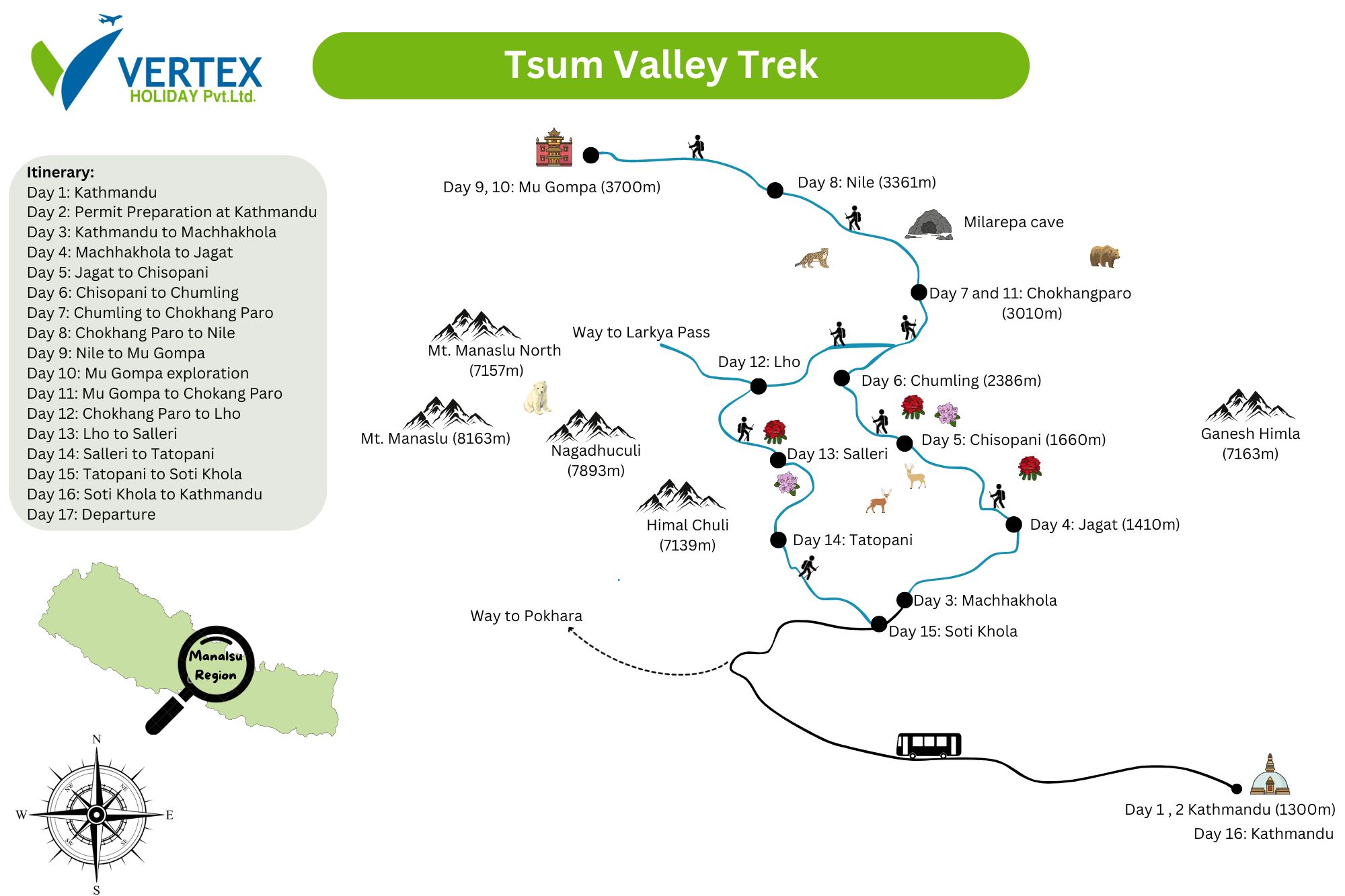
Tsum-Valley-Trek-Map

Tsum Valley Trek Map, The Nepal trekking destination Tsum Valley goes by the local name “Hidden Valley” because it presents pristine natural beauty combined with historical Buddhist shrines together with plentiful cultural traditions. The isolated valley lies across the northern portion of Gorkha district close to Tibet, where all signs of contemporary development remain absent. Organizing a trek will benefit from using a well-planned Tsum Valley Trek Map for efficient trail navigation.

This guide provides essential details about the Tsum Valley Trek itinerary (10 days), route options, and travel logistics from Kathmandu.

Tsum Valley Trek Map: An Overview

The Tsum Valley Trek Map provides essential direction for trekking all the locations and sites throughout this magical valley. Starting from Kathmandu the trek leads travelers through forest landscapes below farmed terraces before crossing rough mountain paths. The map shows important locations starting from Machha Khola and ending at Mu Gompa and including stops at Jagat, Chumling, Chhokang Paro, Nile.

The trek map available at Kathmandu provides detailed information about the complete route, which starts with a scenic transportation from Kathmandu to Soti Khola, marking the official trek beginning. The path progresses through Budhi Gandaki River Valley while passing old monasteries and traditional villages as it continues its journey. The elevation points marked on the map help trekkers maintain awareness of upcoming altitude rises and fall during their trek.

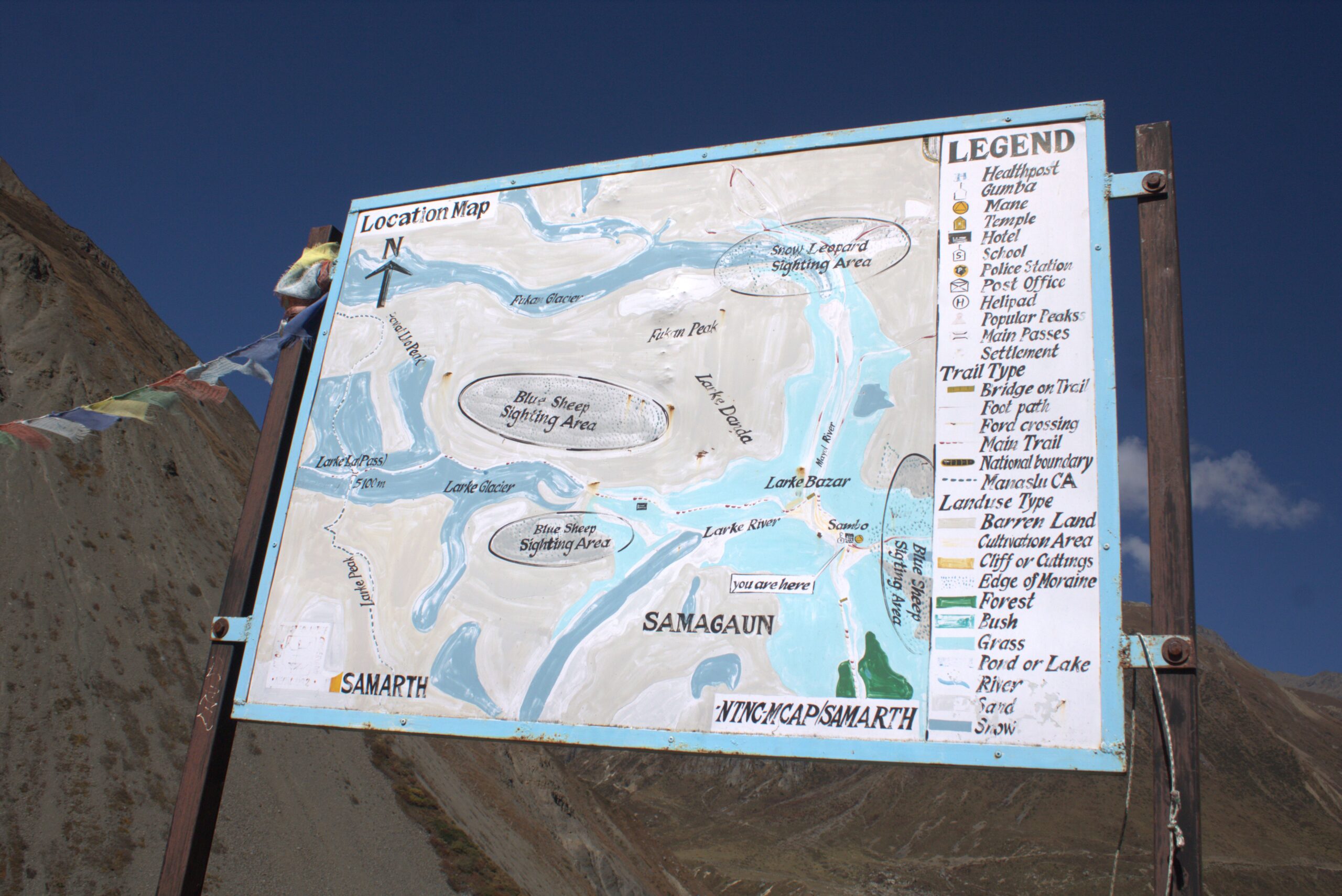
Manaslu Area Map
Manaslu Area Map

Tsum Valley Trek Itinerary 17-Days

Here’s a detailed Tsum Valley Trek itinerary 17-days to help you plan your journey:

Day 1. Arrive in Kathmandu (1300m), transfer to hotel.

Day 2. The schedule includes complete cultural tours throughout Kathmandu valley alongside preparation sessions and essential briefing.

Day 3. Drive from Kathmandu to Machha Khola

Day 4. Trek from Machha Khola to Jagat

Day 5. Jagat to Chisopani

Day 6. Chisopani to Chumling

Day 7. Chumling to Chokhangparo

Day 8. Chokhangparo to Nile (3361m) via Milarepa cave

Day 09. Nile to Mu Gompa

Day 10. Mu Gompa serves as our base for a whole day of rest.

Day 11. Mu Gompa to Chokangparo

Day 12. Chhokangparo to Lho.

Day 13. Lho to Salleri

Day 14. Salleri to Tatopani.

Day 15. Tatopani to Soti Khola.

Day 16. Drive from Soti Khola to Kathmandu.

Day 17. Farewell

Tsum Valley Trek Map from Kathmandu – Route Details

The Tsum Valley Trek Map from Kathmandu starts with a long drive to Machha Khola, followed by a trekking route passing through villages, rivers, forests, and monasteries.

Route Breakdown

  • Kathmandu – Machha Khola (Drive: 7–8 hours)
  • Machha Khola – Jagat – Lokpa (2 days trek)
  • Lokpa – Chumling – Chhokang Paro – Mu Gompa (3 days trek)
  • Mu Gompa – Rachen Gompa – Philim – Machha Khola (4 days trek)
  • Drive back to Kathmandu

This route offers trekkers a unique insight into the Tibetan-influenced culture of Tsum Valley while traversing through breathtaking landscapes.

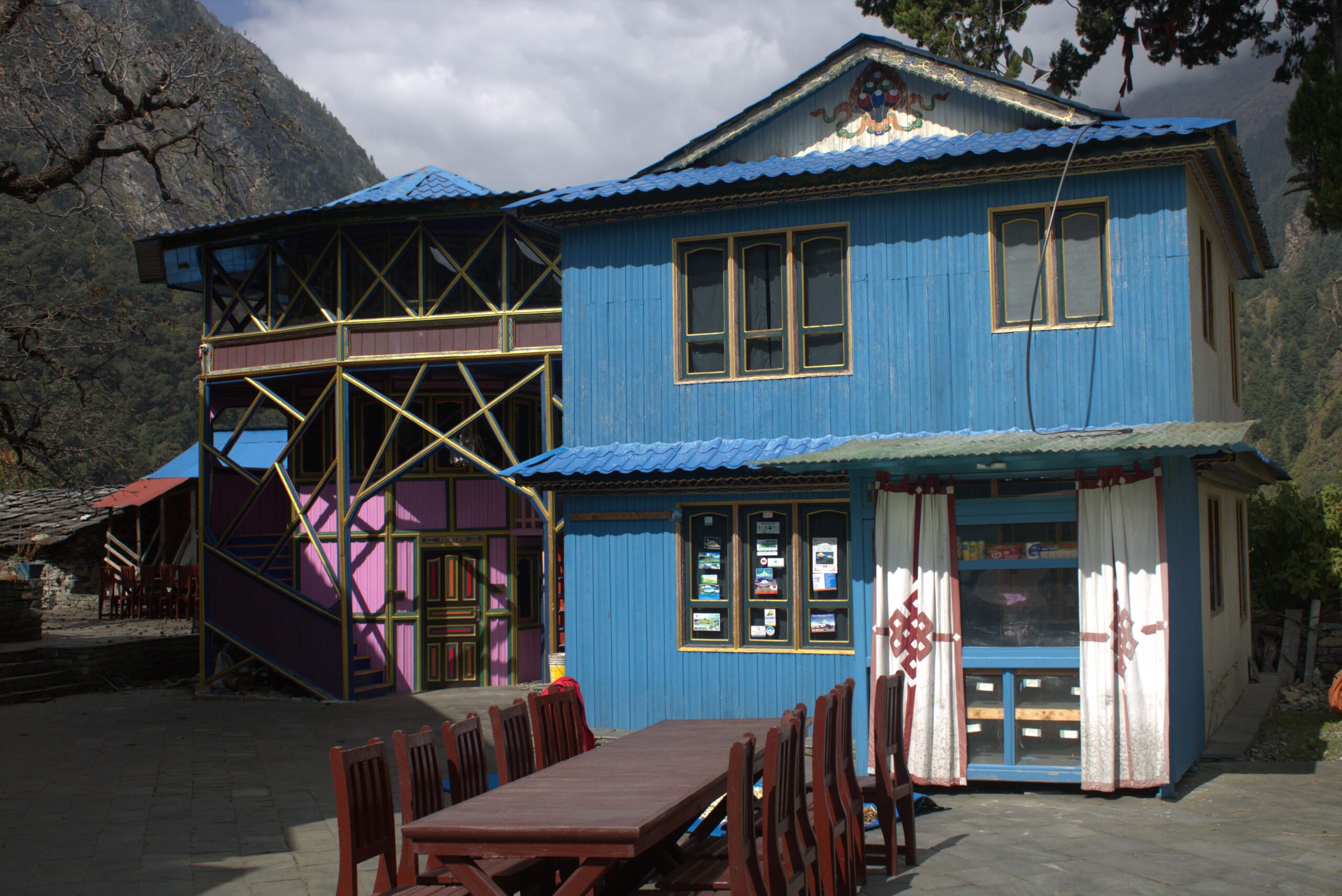
Guest House
Guest House

Why Choose Vertex Holiday for the Tsum Valley Trek?

Vertex Holiday offers:

  • Expert guides with local knowledge
  • Well-planned itineraries and maps
  • Hassle-free permit arrangements
  • Comfortable accommodations and meals
  • Local company In Nepal
  • Government Authorized Company

Choose Vertex Holiday to experience a safe and organized Tsum Valley Trek.


Annapurna Base Camp Trek Map — Vertex Holiday

Annapuna-Base-Camp-Trek-Map

The Annapurna Base Camp Trek map has developed into Nepal’s most popular hiking pathway because it provides sensational viewpoints of the Annapurna mountain clusters. Revelers can explore many types of scenery ranging from forest territory to glacier elevations as they learn about and appreciate local cultural elements. 

A well-executed successful adventure depends on having accurate Annapurna Base Camp Trek Maps. This guide explains both the step-by-step trekking path and vital mapping facts, as well as providing a 14-day schedule for your Annapurna Base Camp adventure.

Annapurna Base Camp Trek Map 

Using a trekking map allows trekkers to map their path while understanding how the terrain spreads out along with how high or low the altitude will be. The Annapurna Base Camp Trek Map shows essential landmarks as well as mountain trails and heights and multiple optional ways.

Key Highlights on the Map

  • Starting Point: Nayapul (1,070m)
  • Popular Stops: Ghandruk, Chhomrong, Bamboo, Deurali
  • Annapurna Base Camp Altitude: 4,130m
  • Alternative Routes: Ghorepani Poon Hill, Mardi Himal trek connections
  • Total Trekking Distance: ~67 km (round trip)

Annapurna Base Camp Trek Itinerary 14-Days

Annapurna Base Camp Trekking

The Annapurna Base Camp Trek itinerary 14-days is designed for those who want a comprehensive and relaxed trekking experience. This extended itinerary includes cultural exploration, acclimatization, and scenic detours.

  • Day 1. Arrival and transfer to Hotel
  • Day 2. A full day cultural tour throughout Kathmandu valley includes essential trip preparation with necessary guidance.
  • Day 3. Kathmandu to Pokhara (910m): 6 hrs drive.
  • Day 4. The way to Tikhedhunga (1570) consists of driving for 1 hour and trekking for 4 hours.
  • Day 5. Tikhedhunga to Ghorepani (2850)-approximately 6 hours trekking. 
  • Day 6. Trekking from Poon Hill (3210) to Tadapani (2610) for about 7 hours.
  • Day 7. Trek To Sinuwa (2360m): About 7 hrs.
  • Day 8. Trek To Deurali (3230m): 4-5 hrs
  • Day 9. Trekking to Annapurna Base Camp (4130) takes about 5-6 hours.
  • Day 10. Trek Back To Dovan (2580m): 4 hrs
  • Day 11. Trek to Jhinu Dada (1760m): 5-6 hrs
  • Day 12. Trek To Nayapul- Drive To Pokhara: about 6 hrs Trek, 1 hour drive.
  • Day 13. Pokhara to Kathmandu (1337m): 6 hrs drive (or 30 min flight).
  • Day 14. Farewell.

Highlights of the Annapurna Base Camp Trek

No more solo treks in Nepal
Annapurna Himalayas is one popular destination for solo treks in Nepal
  1. Diverse Landscapes: Walk through terraced farmlands, lush forests, and high-altitude meadows.
  2. Mountain Views: Stunning panoramas of Annapurna, Machapuchare, and Dhaulagiri.
  3. Cultural Encounters: Experience Gurung and Magar cultures in their traditional villages.
  4. Hot Springs: Relax at natural hot springs in Jhinu Danda.
  5. Annapurna Sanctuary: Witness the dramatic amphitheater of towering peaks at ABC.

Why Choose Vertex Holiday for ABC Trek?

Vertex Holiday is a trusted name in Nepal’s adventure tourism, offering:

  • Experienced guides and porters.
  • Tailored itineraries like the 14-day ABC trek itinerary.
  • Assistance with permits and logistics.
  • Focus on safety and sustainability.

Choose Vertex Holiday to experience a safe and organized Annapurna Base Camp Trek.

Mardi Himal Trek Map – Vertex Holiday

mardi-himal-trek-map

This hidden trek through Nepal’s Annapurna region showcases Himalayan peak vistas together with forest views and peaceful countryside vistas. Due to its untouched natural glory, this trek provides visitors with well-maintained pathways while remaining off the beaten path.

All levels of trekking expertise will benefit from the Mardi Himal Trek route map, which delivers exceptional trekking rewards. During the trek, you can enjoy heavenly natural scenes combined with cultural highlights as you gaze at Annapurna South, Hiunchuli, and Machhapuchhre (Fishtail Mountain).

Mardi Himal Trek
Mardi Himal Trek

Mardi Himal Trek Map 

The Mardi Himal trek route map takes you through various landscapes, from dense rhododendron forests to high-altitude ridge trails. Here’s a general overview:

  • Starting Point: Kande or Dhampus
  • Key Stops: Forest Camp, Low Camp, High Camp, and Mardi Himal Base Camp
  • Final Destination: Mardi Himal Base Camp (4,500 meters)

The route provides several opportunities to immerse yourself in nature, with plenty of scenic spots for photography and relaxation.

9 Days Mardi Himal Trek Itinerary

  • Day 1. Arrive in Kathmandu (1300m), transfer to hotel.
  • Day 2. Kathmandu to Pokhara (910m)
  • Day 3. Drive from Pokhara to Kande and trek to Forest Camp (2500m).
  • Day 4. Trek Forest Camp to Low Camp (3290m)
  • Day 5. Low Camp (2990m) to High Camp (3580m)
  • Day 6. High Camp to Mardi Himal Base Camp (4450m) and back to High Camp
  • Day 7. High Camp to Sidhing (1885m) and drive to Pokhara.
  • Day 8. Pokhara to Kathmandu (1337m)
  • Day 9. Farewell

Highlights of the Mardi Himal Trek

  1. Mardi Himal Base Camp: Witness the awe-inspiring views of Machhapuchhre, Annapurna South, and Mardi Himal.
  2. Rhododendron Forests: Trek through vibrant rhododendron forests, especially colorful during spring.
  3. Panoramic Views: The trek offers sweeping views of the Annapurna Range and surrounding landscapes.
  4. Cultural Encounters: Explore the traditional lifestyle of Gurung and Magar communities.
  5. Off-the-Beaten-Path Adventure: Enjoy the serenity of the less-crowded trail.

Why Choose Vertex Holiday for the Mardi Himal Trek?

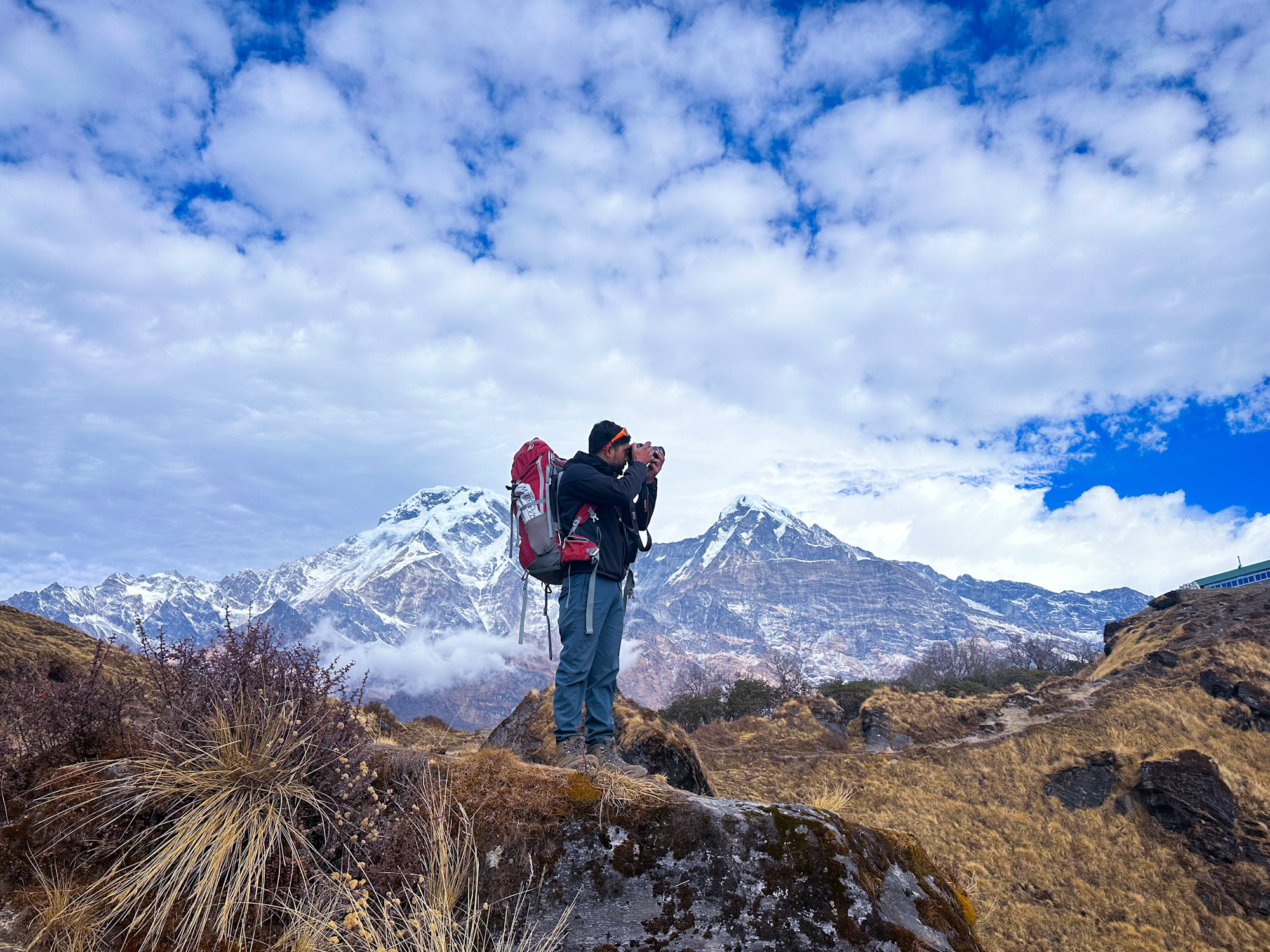
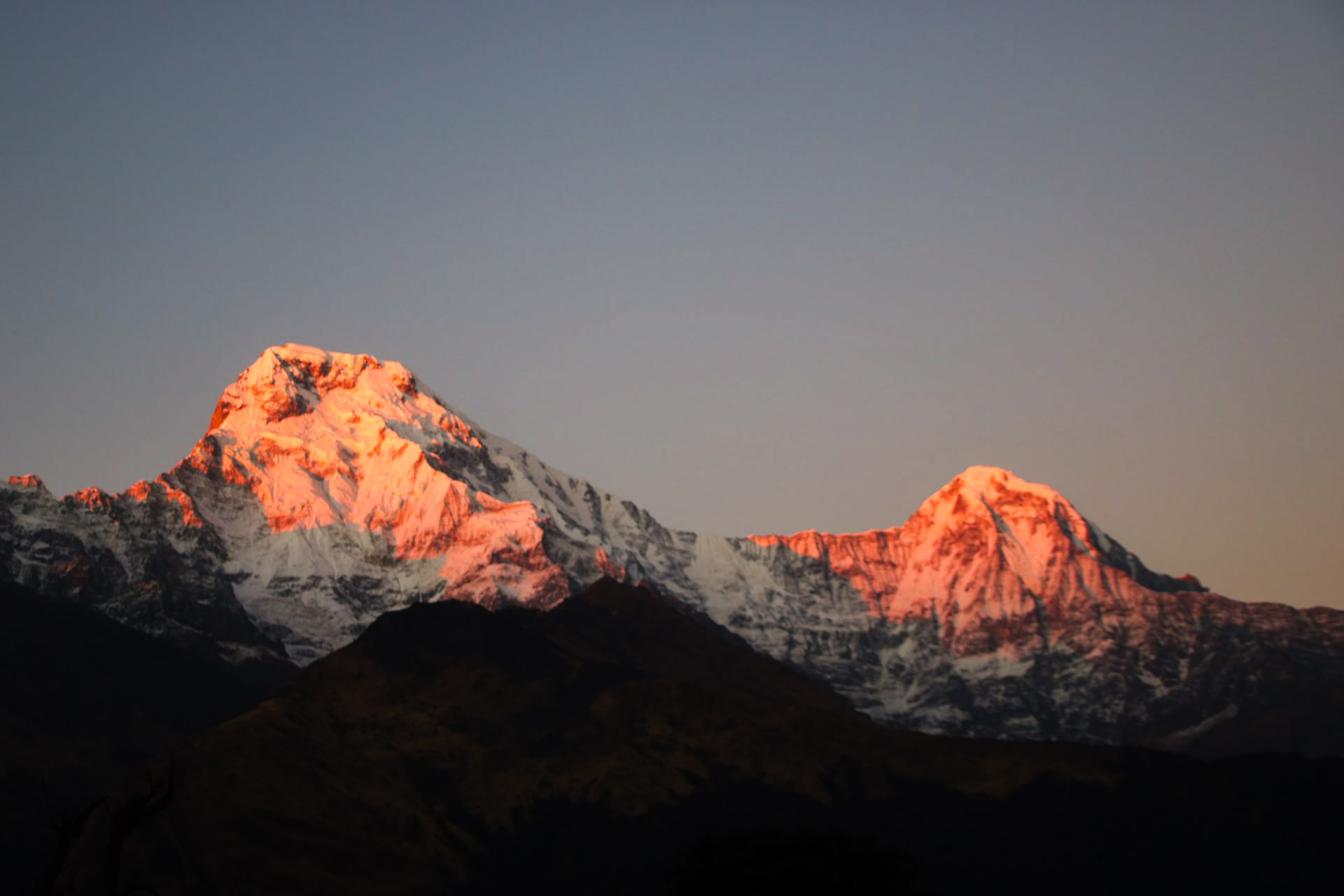
Annapuna South
Mt. Annapuna South & Hiuchuli View

The trusted adventure company Vertex Holiday focuses exclusively on Nepal trekking operations. The professional guides personal itinerary options and commitment to safety create unforgettable trekking opportunities through Vertex Holiday. The Mardi Himal trek map and route expertise make Vertex Holiday the best choice for your trekking adventure.

Choose Vertex Holiday to experience a safe and organized Mardi Himal Trek.

Manaslu Circuit Trek Map

Manaslu-Circuit-Trek-Map

Manaslu Circuit Trek Map , MCT is the one among all treks of Nepal, which takes a love trekker to the best combination of nature and culture and adds merit with some challenges. This surrounds Mount Manaslu, which is known as the world’s eighth highest peak and makes it an unrivaled view and experience.

The carefully designed Manaslu Circuit Trek Map becomes the key to the safe adventure through the entire journey. 

Understanding the Manaslu Circuit Trek

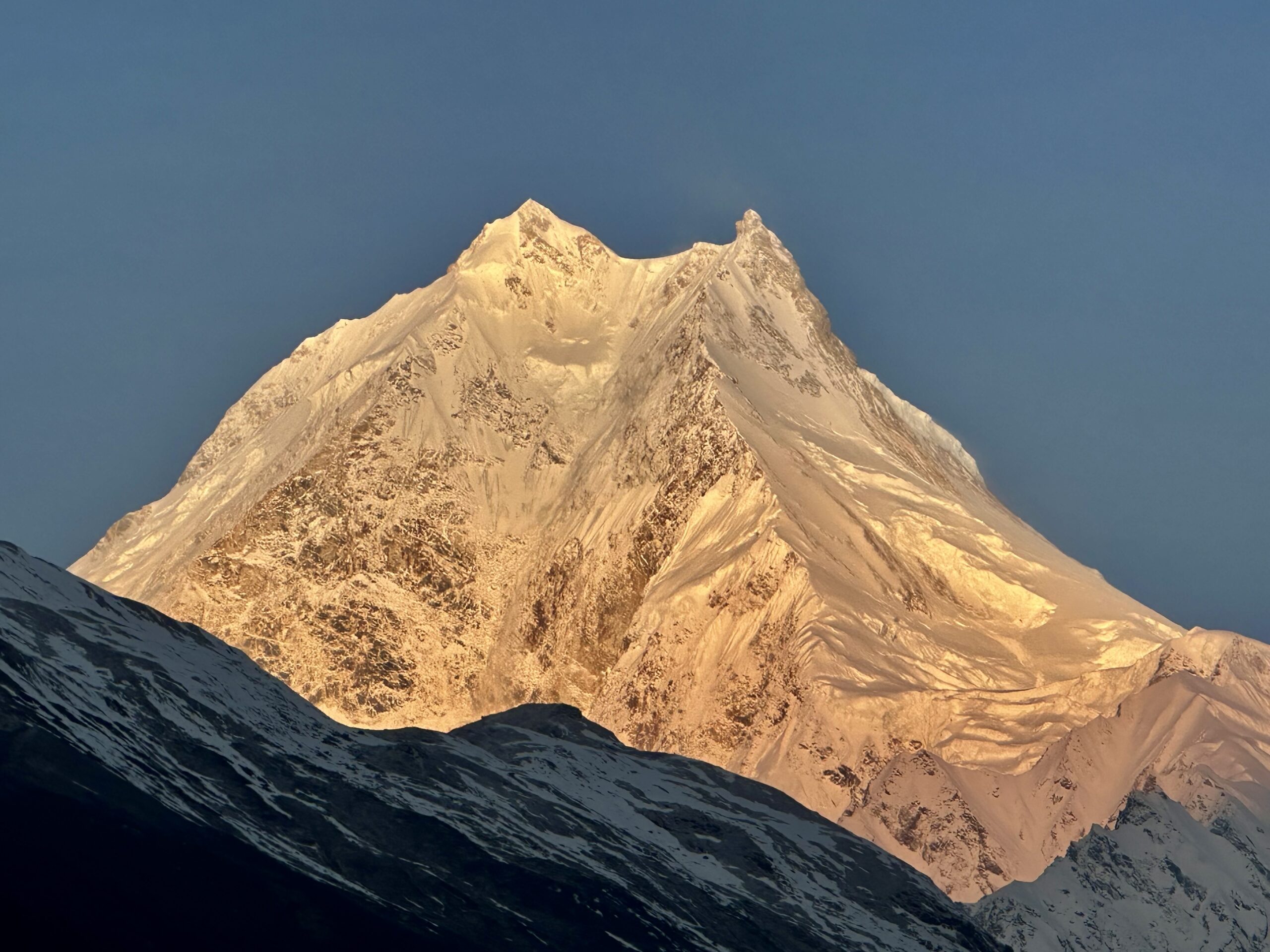
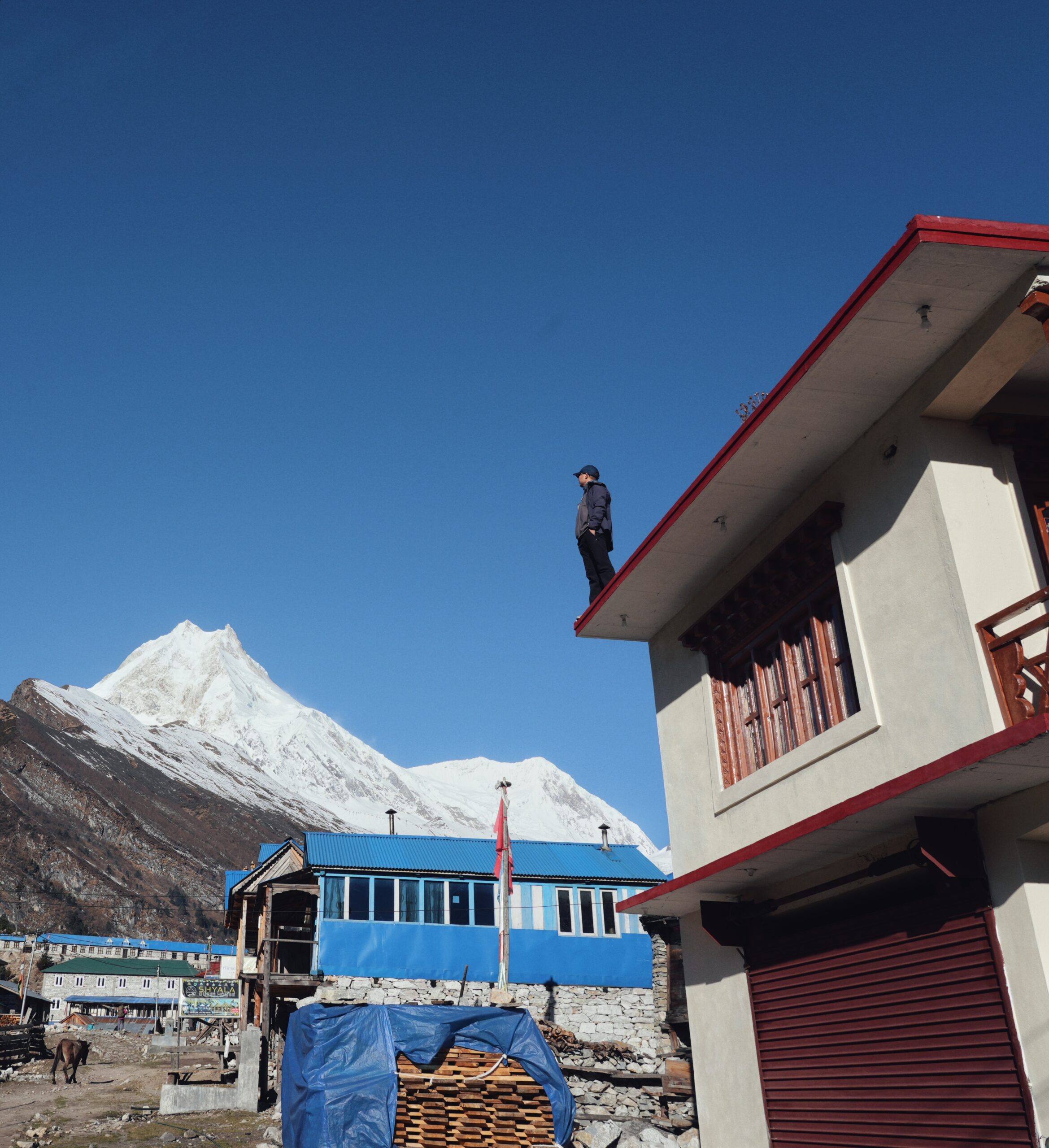
Mt. Manaslu
Mt. Manaslu

The trek is unique in the diversity of its terrain, ranging from subtropical forests to the alpine and the rich tapestry of cultures, very much reflecting the patterns of the Gurung and Tibetan society. 

The most exciting part of the trek is crossing the Larkya La pass that reaches up to a height of 5,160 meters. This is a tough an experience, but also worth it.

Highlights of the Manaslu Circuit Trek

  • Uncrowded Trails: The trek is less commercialized, allowing trekkers to enjoy a peaceful journey.
  • Cultural Exploration: Experience the diverse cultures of Gurung and Tibetan communities.
  • Natural Beauty: Traverse through lush forests, high-altitude alpine meadows, and glacial landscapes.
  • Challenging Passes: Cross high passes like Larkya La (5,160 meters), offering panoramic mountain views.

The Importance of a Manaslu Circuit Trek Map

Tea Houses during Manaslu Circuit Trek

Manaslu Circuit Trek Map, perform the function of a map for trekkers for the terrain as well as the planning of the course and indicates the way to travel in a remote section with confidence. The following are some of the prime reasons why this detailed map is not an option to skip for the adventure:

1. Navigation:

To travel through isolated landscapes, one must know their destination route clearly. A detailed mapping system guides trekkers through the entire route from Soti Khola to Dharapani while providing them reassurance against accidental misdirection.

2. Elevation Awareness:

The Manaslu Circuit Trek rises above more than 5,000 meters. A detailed map helps in tracking altitude gain, highlighting potential acclimatization spots and avoiding altitude sickness.

3. Cultural Insights:

Along the route trekkers discover many cultural points of interest. Tourists can access detailed information through the map about important cultural locations including monasteries and both religious sites and local settlements.

4. Safety and Emergency Support:

When emergencies arise the map helps trekkers to transmit their position to guide services and rescue teams.

5. Route Planning and Flexibility:

Users can edit their itineraries on the map according to both meteorological conditions together with their health capabilities and the available duration.

Detailed Overview of the Manaslu Circuit Trek Map

Manaslu Circuit Trek Map, The trek typically begins with a drive from Kathmandu to Soti Khola, followed by a series of trekking days through various villages and natural landscapes. Key points along the route include:

  • Soti Khola to Machha Khola: A scenic drive leading to the trek’s starting point.
  • Machha Khola to Jagat: Trekking through terraced fields and forests.
  • Jagat to Deng: Passing through traditional villages.
  • Deng to Namrung: Entering the Manaslu Conservation Area.
  • Namrung to Samagaun: Experiencing Tibetan-influenced culture.
  • Samagaun to Larkya La Pass: The challenging ascent and descent.
  • Bhimthang to Dharapani: Concluding the circuit.

13-Day Manaslu Trek Itinerary

A typical 13-day Manaslu Trek itinerary is as follows:

Day 1. Arrive in Kathmandu (1300m), transfer to hotel.

Day 2. Drive from Kathmandu to Macha Khola (900m)

Day 3. Trek from Maccha Khola to Jagat (1410m): walk approx 5-6 hrs.

Day 4. Trek from Jagat To Deng

Day 5. Trek from Deng to Namrung (2,630m): walk approx 6 – 7 hrs

Day 6. Trek from Namrung to Samagaon (3,530m): walk approx 6-7 hrs.

Day 7. Trek from Samagaon to Samdo (3,860m): walk approx 4 – 5 hrs.

Day 8. Rest day at Samdo for acclimatization.

Day 09. Trek from Samdo – Dharamsala to Larkya Base Camp (4,460m): walk approx 4 – 5 hrs.

Day 10. Dharamsala – Cross Larkya la [5,160m] and trek to Bimthang (3,720m): walk approx 8/9 hrs.

Day 11. Trek from Bimthang to Tilche (2,300m): walk approx 5/6 hrs.

Day 12. Tilije to Kathmandu (1,350m)

Day 13. Farewell.

Planning Your Manaslu Circuit Trek with Vertex Holiday

Vertex Holiday offers comprehensive trekking packages for the Manaslu Circuit, including:

  • Guided Tours: Experienced guides familiar with the terrain and culture.
  • Permits and Logistics: Assistance with necessary permits and transportation.
  • Accommodation and Meals: Arrangements in teahouses and local eateries.
  • Safety Measures: Provision of first aid kits and emergency support.

Choose Vertex Holiday to experience a safe and organized Manaslu Circuit Trek.


Everest Base Camp Trek Route Map

everest-base-camp-trek-map

The Everest Base Camp Trek  route map is best way to take information for trekkers from various parts of the world. Everyone who makes this dramatic trip is rewarded with a stunning view of the world’s tallest peak, Mount Everest and a wonderful taste of Sherpa life. Thus, the opportunity to complete the EBC trek successfully depends on how much you will know about this route. Detailed Everest Base Camp Trek mapping will better prepare one for planning and navigating this incredible experience, making the journey to the base of Everest safe, enjoyable, and rewarding.

This highly informative guide provides everything one needs to know to navigate the challenging yet rewarding trek—including detailed Everest Base Camp mapping. It helps one understand distances and altitudes, plan daily schedules, and foresee obstacles one might face during such an adventure. Whether you are an experienced trekker or just starting your first Himalayan expedition, this route map will be your vital guide to Everest Base Camp.

The Importance of a Map for Everest Base Camp

Nepal Tours
Everest Region Trek

While an unreliable map is a beautiful thing to behold, a map of the EBC trek is more than beautiful – it’s necessary for safe travel to the region. Here’s why: They give assurance and self-esteem, knowing full well that you have a good guide to lead you through what is ordinarily a difficult though balmy trail.

Staying on Track (Navigation): However, something to be understood is that as much as this circuit does offer a few handy rock cairns offering direction, it does include some very confusing regions particularly during bad weather. Map guides help you avoid getting lost since it most definitely is a vast area to explore in the Himalayas. Also, the map helps identify some of the landmarks lightly recognizable, as well as the point where several trail junctions.

Planning Your Days (Itinerary & Distances): It is possible to determine the distances from one lodge to another on a map; thus, with given information one can easily set possible daily trekking program. This is important in time management as well as owing to the altitude of the area. The distances will assist you estimate the time taken while trekking and prevent over-exhausting yourself.

Understanding the Terrain (Elevation & Acclimatization): Terrains changes are one of the distinguishing features of the EBC trek. The map includes profiles which depicts inclines or declines the gradient of the ascends or descends. This information is crucial for proper acclimatization as it will inform you when you are set to gain altitude and when to best take rest days to avoid altitude sickness.

Prioritizing Safety (Hazards & Emergencies): Single large-scale maps can focus on specific risk factors, including areas that have had landslides, glaciers, or cliffs. This awareness lets you be careful and better geared for this situation. In the event of an emergency, a map can guide you on the evacuation plan and also show the rescuers where you are.

Enhanced Trekking Experience: A map also adds to the experience as a whole, but not merely in terms of functions. It enables one to prepare for the following moves, admire the scenery of the surrounding environment and even feel more influx of the mountains.

Everest Base Camp Trek Route Map: Distance and Elevation

The Everest Base Camp Trek is an approximately 130 km round trip from Lukla to the top of Base Camp, reaching 5,364 meters. It includes famous stops at Namche Bazaar, Tengboche Monastery, and Kala Patthar for a panoramic view of Everest.

Key points on the map include:

  • Lukla: Starting point of the trek.
  • Phakding (2,652m/8,700ft): First overnight for most trekkers.
  • Namche Bazaar (3,440m/11,286ft): A central Sherpa trading hub and acclimatization point.
  • Dingboche (4,360m/14,300ft): Another essential acclimatization stop.
  •  Lobuche (5,170m/16,961ft): The last village before reaching Gorak Shep. 
  • Gorak Shep (5,545m/17,594ft): The previously inhabited settlement before Everest Base Camp.
  • Everest Base Camp: The ultimate destination is Everest Base Camp (5,364m/17,594ft).

Essential Features of the Best EBC Maps

The correct map is essential for a safe and enjoyable Everest Base Camp Trek. Here are the key features to look for:

Accurate Topography (Elevation Profiles): Try and find maps with dense contour lines an clearly labeled elevations. Elevation profiles are essential for understanding the terrain, planning daily ascents and descents, and managing acclimatization.

Marked Accommodation Teahouses & Campsites: Ideally, the maps depict the location of the teahouses, lodges as well as scale of the campsites at the particular trail. Planning where to spend night-time is crucial and it is important to have a plan of where to sleep at night.

Identified Hazards: Hazardous situations have common features which may include landslides, glaciers, drop-offs, and other areas of risk shown by good maps. This makes it easier for you to avoid dangers, and make good decisions while on the trail.

Detailed Trails: The main EBC trail should be noted, but alternatives and side treks should also be included. One example is the Gokyo Lakes trek or routes up Kala Patthar. This will give you options and allow you to be flexible in your itinerary.

Current Details: The map must reflect the current state of the trails, position of teahouses or other useful info and it is better if it was created not a year ago. An old map may decieve and in certain cases may be deadly.

Digital Options: GPS is useful too, especially when visibility is low, maps in digital format are valuable tools. They provide better location identification coupled with offline mapping and commonly have extra bonuses, such as waypoints and altitude.

Easy-to-Read Format: The map must be brief, simple and understandable from a distance and even in the worst weather ever. Prefer simple and clear product labeling which gives straightforward, easily readable text.

A Guide to Daily Planning on the Everest Base Camp Trek

A typical Everest Base Camp trek takes 13 to 16 days, allowing for proper acclimatization.

Day-to-Day Itinerary for the Everest Base Camp Trek (14 Days – Sample)

(Just a sample itinerary can be adjusted based on the needs and preferences of the individual.)

Day 1: Arrival in Kathmandu Nepal

Day 2: Fly to Lukla, Trek to Phakding

Day 3: Trek to Namche Bazaar

Day 4: Acclimatization Day in Namche Bazaar

Day 5: Trek to Tengoche

Day 6: Trek to Dingboche  

Day 7: Acclimatization Day in Dingboche

Day 8: Trek to Lobuche

Day 9: Trek to Gorak Shep, Everest Base Camp, and back to Gorak Shep

Day 10: Hike to Kala Patthar, trek down to Pheriche

Day 11: Trek to Namche Bazaar

Day 12: Trek to Lukla

Day 13: Fly back to Kathmandu

Day 14: Departure

Choose Vertex Holiday to experience a safe and organized Everest Base Camp Trek.