Manaslu Circuit Trek Difficulty

Before joining any treks in Nepal and Himalayas find out difficulty level of journey it will helps you complete trip, The Manaslu Circuit Trek Difficulty ( MCT) is widely considered a strenuous and demanding high-altitude restricted area trek in Nepal, requiring fitness, physical and mental preparation. It is generally rated as “difficult” to “very difficult” on standard trekking scales. While challenging, it is achievable for individuals with good fitness and the right mindset, even for some first-time trekkers with proper guidance and acclimatization.
Several factors contribute to the Manaslu Circuit Trek difficulty, including its remote location, challenging terrain, significant altitude gain, unpredictable weather, and basic infrastructure.

Manaslu Circuit Trek Remote Location and Infrastructure

The Manaslu region is Restricted area more remote and less developed compared to popular trekking areas like Langtang, Everest or Annapurna. There are no airports connecting to the Manaslu region from Kathmandu,pokhara & Chitwan, requiring a 8-9 hour drive on often bumpy and curvy off-roads to reach the trailhead to Machha Khola. This remoteness means limited access to facilities such as electricity, Wi-Fi, and mobile reception, which become increasingly unreliable at higher altitudes. Medical and emergency services are minimal, making immediate professional help difficult to access and often necessitating costly helicopter rescues in case of serious illness or injury.
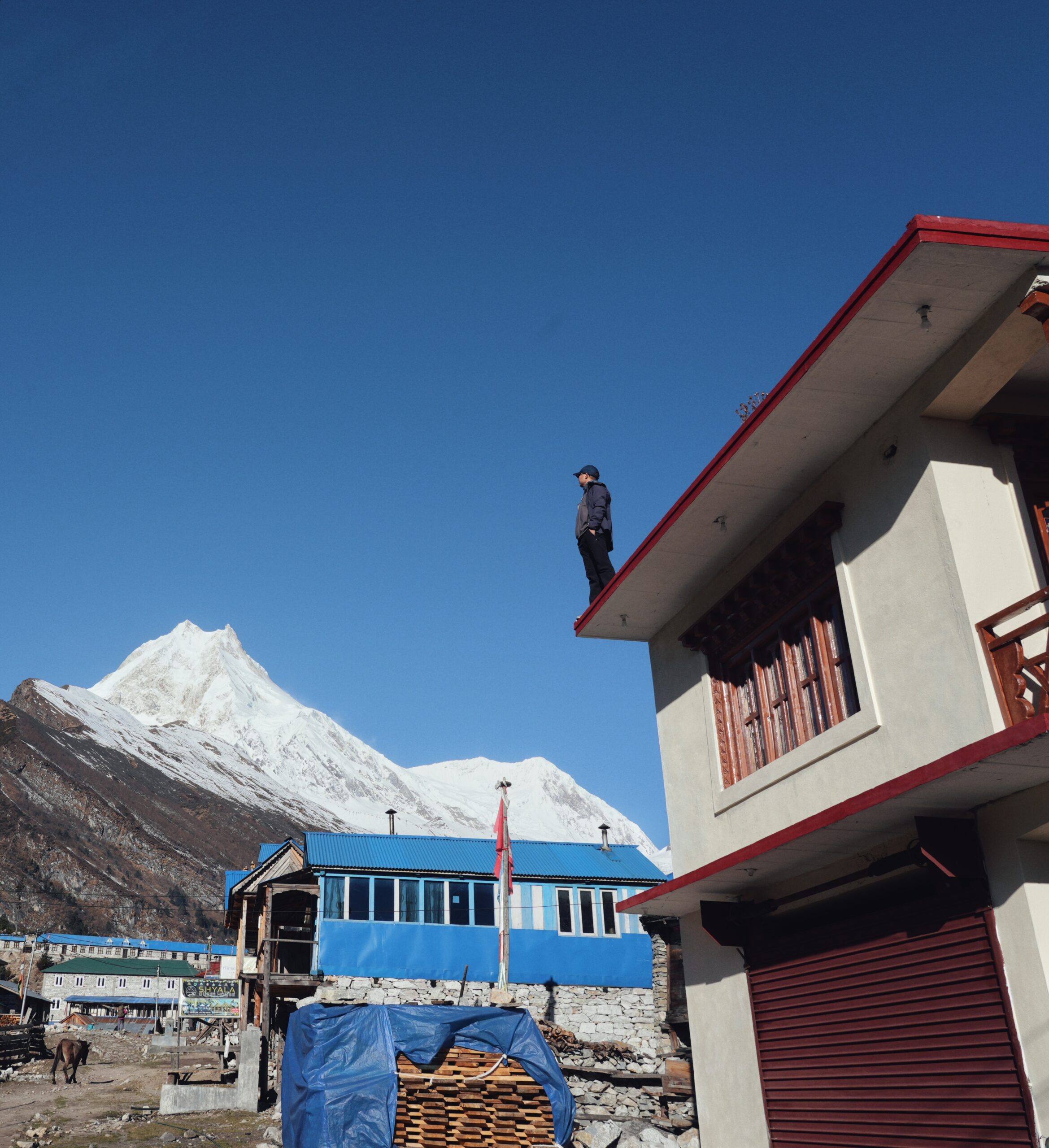
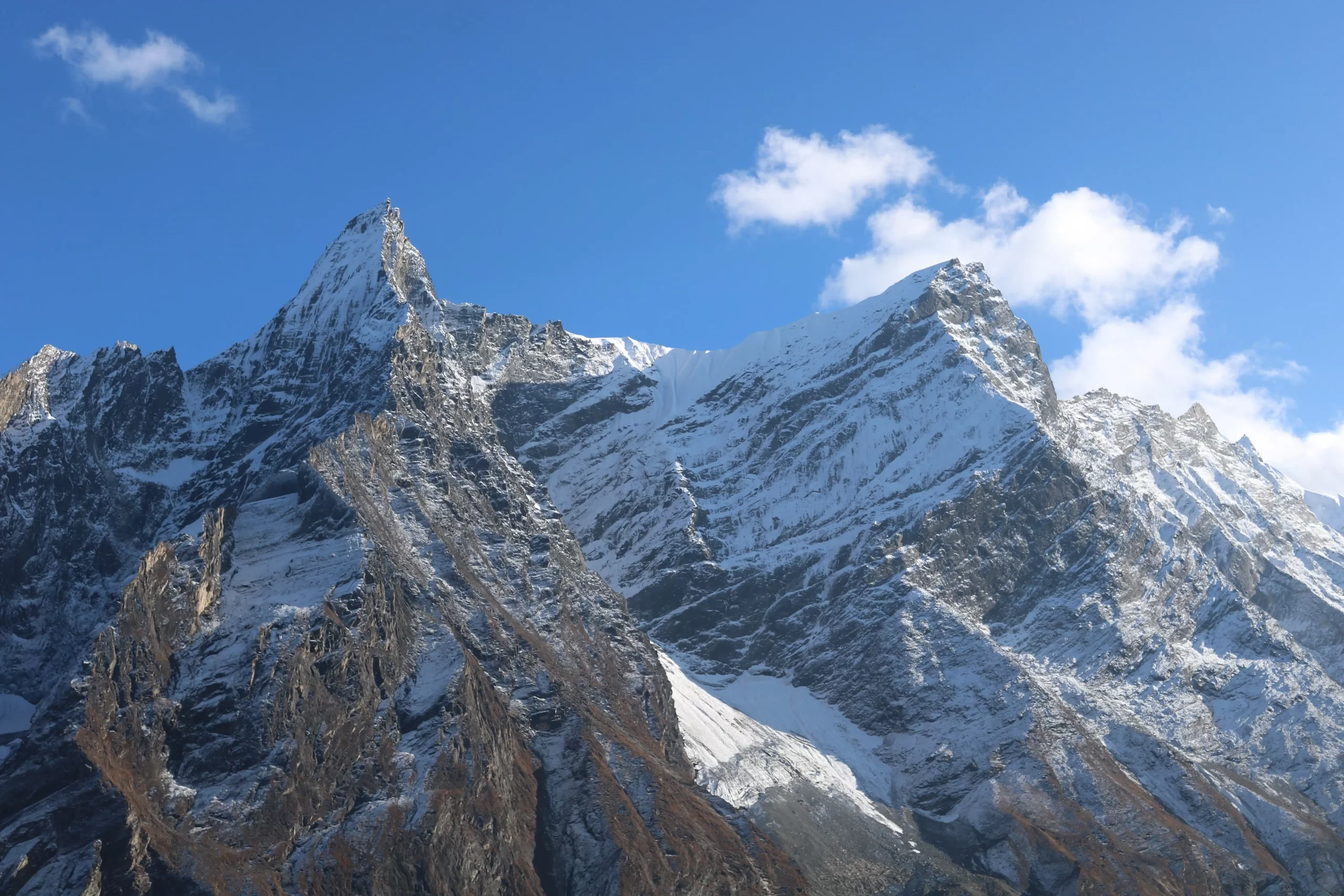
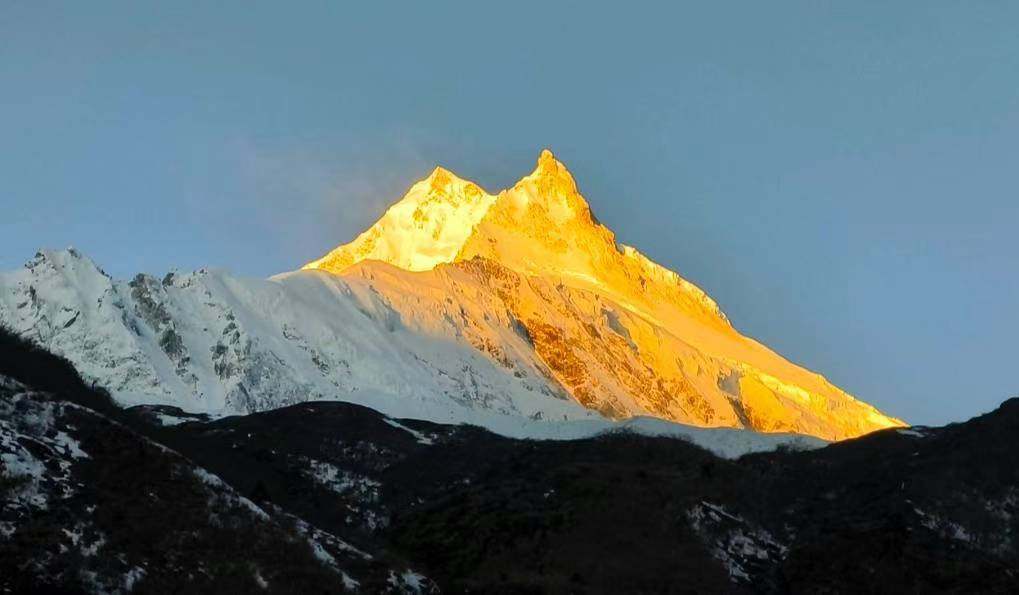
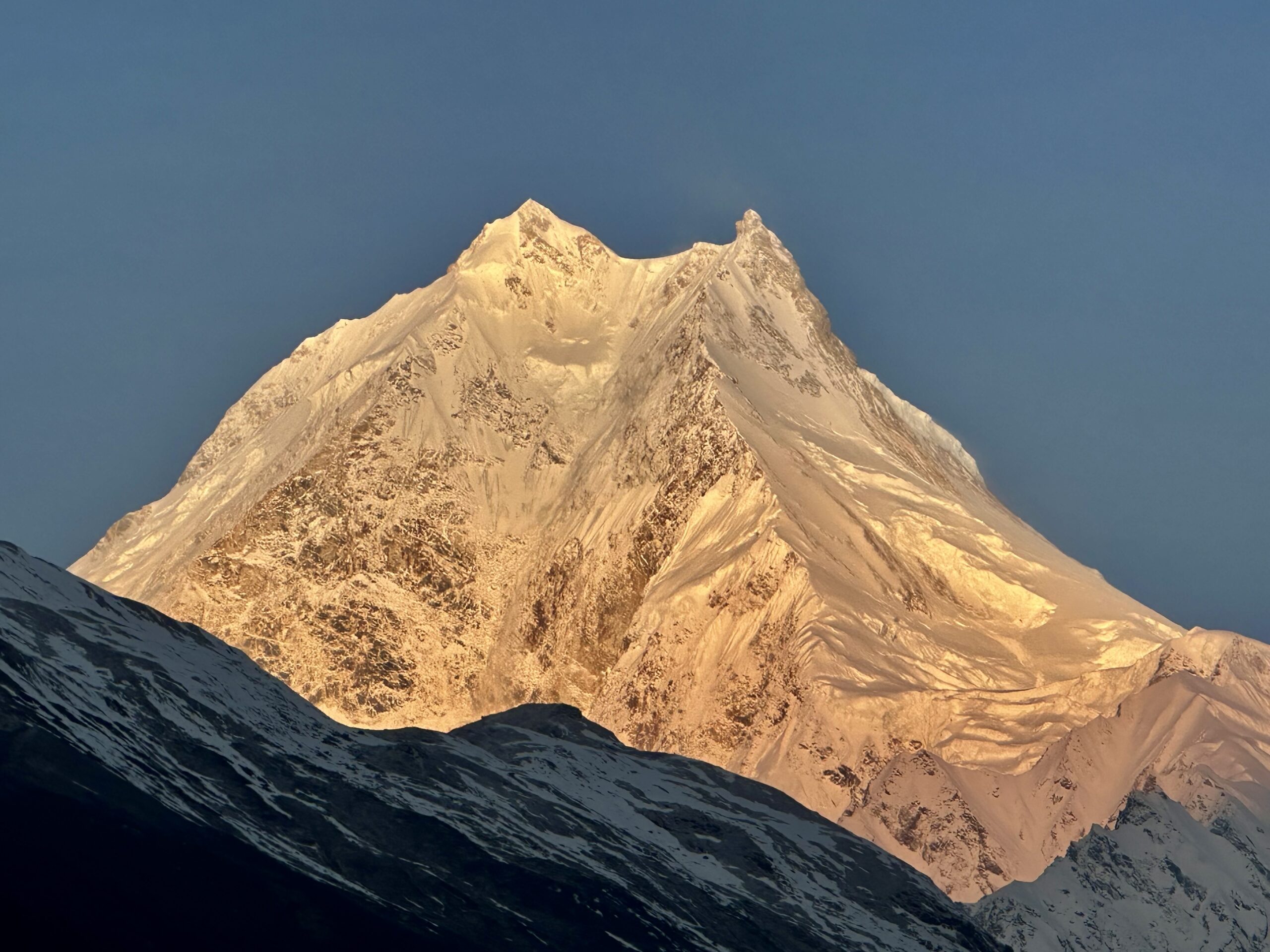
Mount Manaslu
Mount Manaslu

Accommodation, known as “teahouses, Lodge” is basic, offering simple rooms, shared facilities, and often no heating in sleeping Rooms. Food options are Normally local Nepali, simple chinese, some Indian and Tibetan dishes, with limited variety, especially at higher elevations, as supplies must be carried for days.

14 Days Manaslu Circuit Trek Itinerary:

  1.   Arrival In Kathmandu (1300m)
  2.   Drive From Kathamndu to Maachha Khola (900m) 9 hrs / 160km
  3.   Trek to Jagat (1410m) 8 hrs / 22 km
  4.   Trek to Deng (2280m) 7 hrs / 20km
  5.   Trek to Namrung ( 2630m) 7 hrs / 19km
  6.   Trek to Lho gau (3200m) 6 hrs / 11km
  7.   Trek to Samagaon via Pugnen Gumpa (3530m) 7 hrs / 18km
  8.   Rest day Samagaon , Exploration day / Manaslu Base Camp 4800m (8 hrs ) 12km
  9.   Trek to Samdo (3860m) 6 hrs 16km
  10.   Trek to Dharmasala Larkya la Base Camp (4460m) 5 hrs / 6 km
  11.   Trek to Bhimtang via Larke La pass 5160m (3720m) 9 hrs / 16km
  12.   Trek to Tiliche (2300m) 6 hrs / 20km
  13.   Drive to Kathmandu via Besisahar & Dharapani (1300m) 8 hrs /220km
  14.   Departure

Manaslu Circuit Trek Distance and Terrain

The Manaslu Circuit Trek typically covers a distance of 160 to 180 kilometers, depending on the exact itinerary and any side trips. This is longer than the EBC And ABC Trek. Trekkers walk around 6 to 10 hours per day.
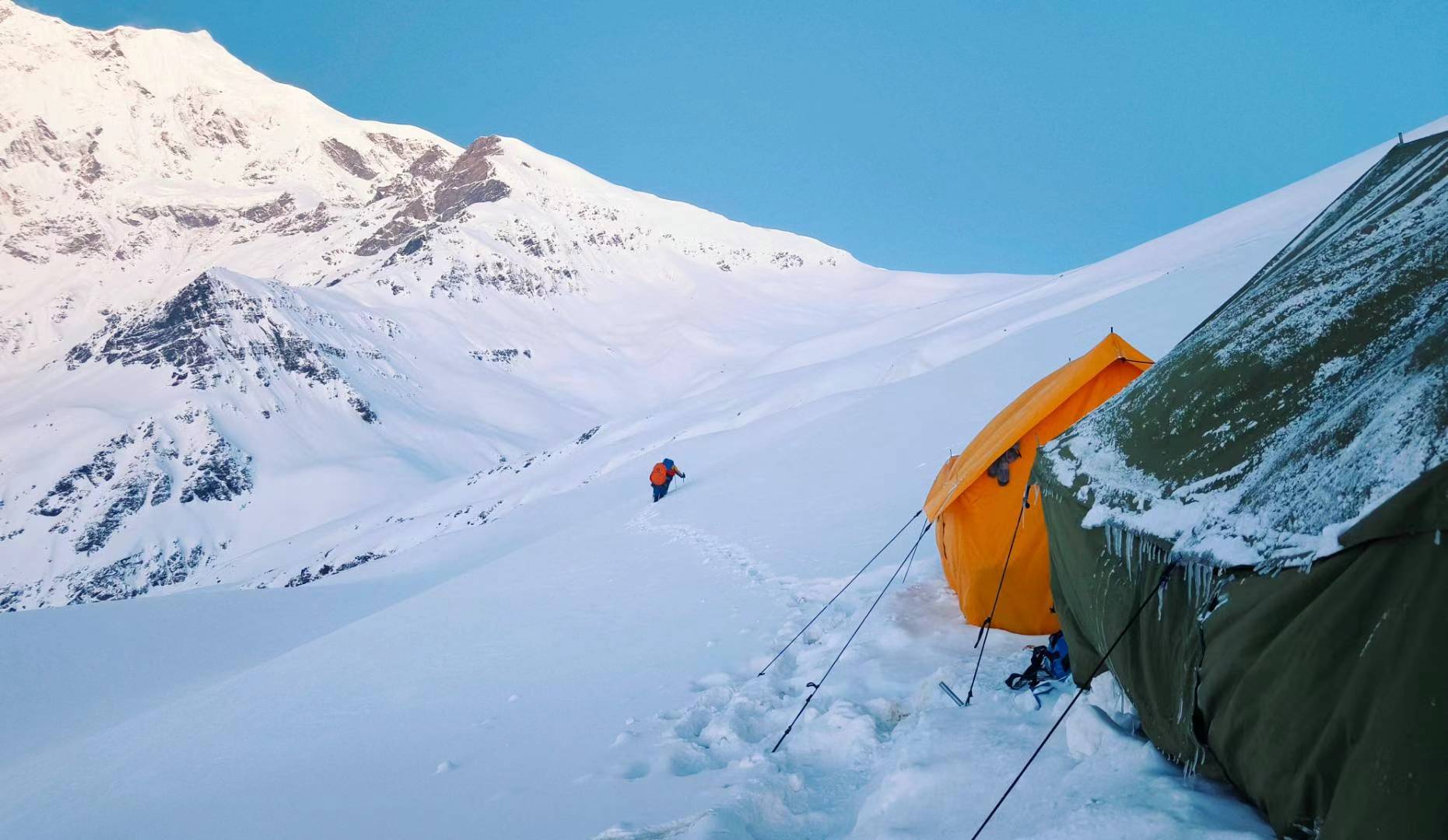
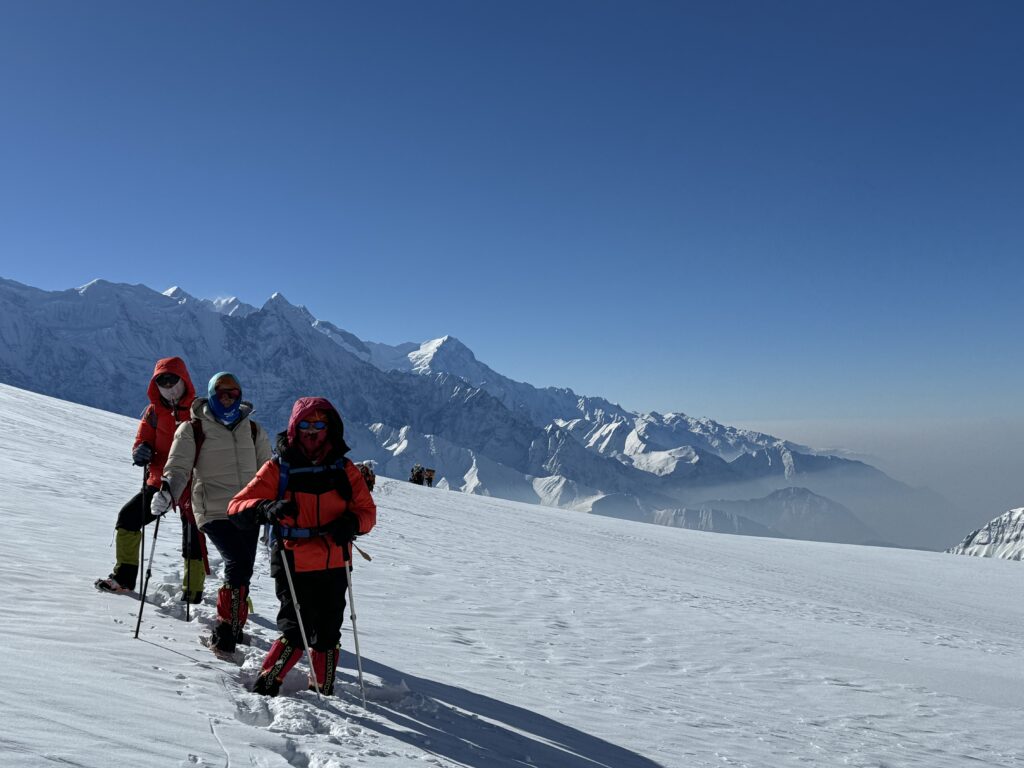
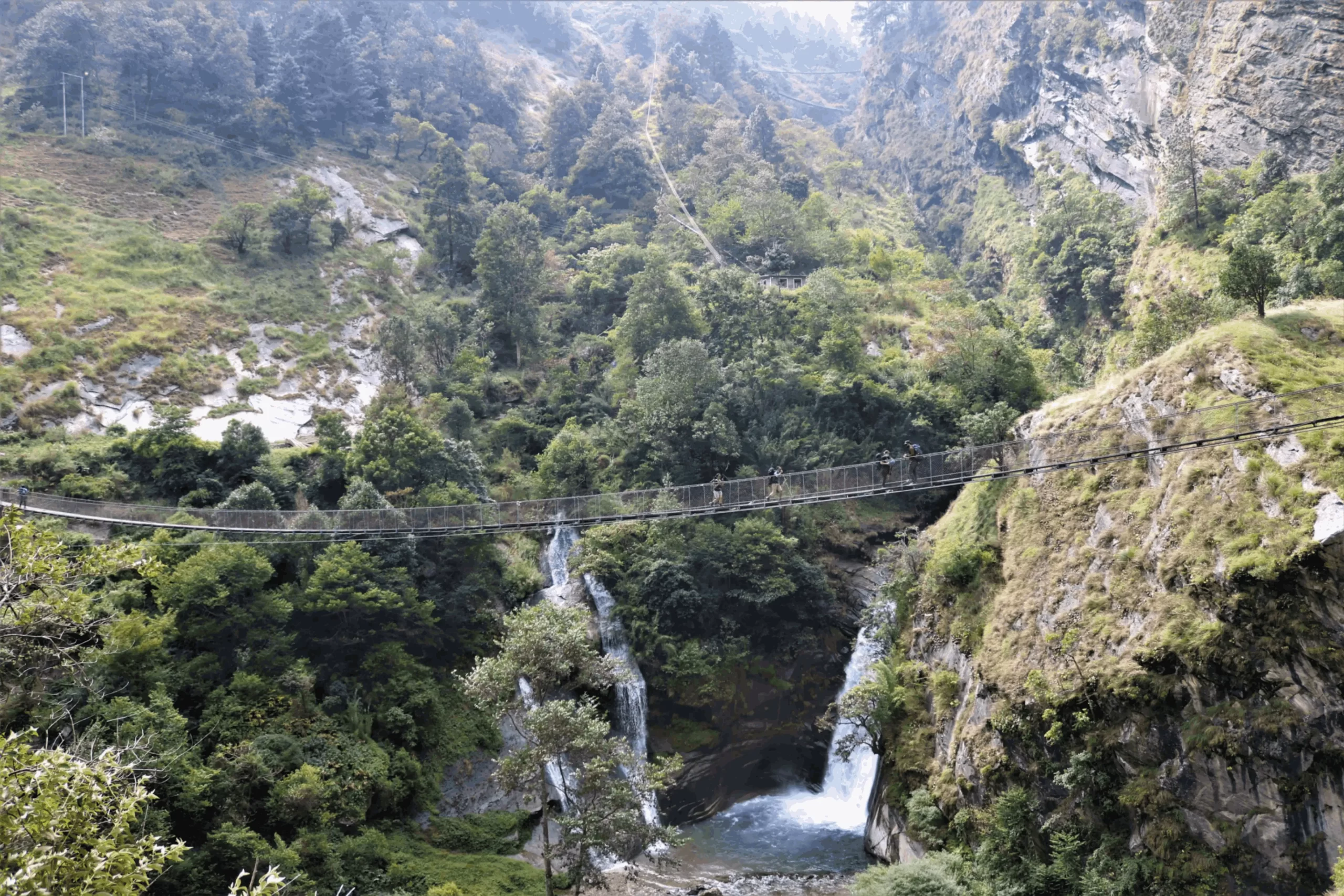
The terrain is rugged and varied, featuring steep ascents and descents, rocky trails, narrow mountain paths, and numerous suspension bridge crossings over rivers and gorges. Trekkers will navigate through dense forests, terraced farmlands, and high alpine trails, passing glaciers and moraines. Landslide-prone areas are also a feature of the trail, particularly in lower sections. The final push over the Larkya La Pass often involves loose scree slopes, snow-covered trails, and potentially icy conditions, requiring careful footing and sometimes technical gear like microspikes or crampons.

Manaslu Circuit Trek Altitude and Acclimatization

A significant challenge of the Manaslu Circuit Trek is the rapid and substantial altitude gain. The trek starts from Machha Khola (900 meters) and ascends to its highest point at Larkya La Pass, which stands at 5,160 meters (16,929 feet). This represents a vertical gain of over 4,300 meters in less than two weeks. Spending multiple days above 3,000 meters (9,842 feet) and several days above 4,000 meters (13,123 feet) significantly increases the risk of Acute Mountain Sickness (AMS). Symptoms can range from headaches and fatigue to more severe and life-threatening conditions like High Altitude Pulmonary Edema (HAPE) or High Altitude Cerebral Edema (HACE). To mitigate this risk, itineraries typically include one or two dedicated acclimatization days, usually at Samagaun (3,530 meters / 11,581 feet) and Samdo (3,860 meters / 12,125 feet). These days involve “climbing high and sleeping low” to help the body adjust to reduced oxygen levels. Proper hydration, a slow trekking pace, and avoiding alcohol are crucial for acclimatization.

Manaslu Circuit Trek Difficulty Weather and Seasonal Variations

The weather condition around Manaslu region can be unpredictable and localized, adding to the Manaslu Circuit trek difficulty. Temperatures can vary drastically, from warm days to freezing cold nights, especially at higher altitudes from samagaon.
The best times and seasons to undertake the Manaslu Circuit Trek are during the spring (March to May), autumn (mid-September to mid-November) and During the Winter season (December – February) presents extreme cold heavy snowfall & challenging but suitable for those people who love snow. These seasons offer generally clear skies, stable conditions, and moderate temperatures, making the trek more manageable.

Trekking during the monsoon season (June to August) is not recommended due to heavy rainfall in lower Manaslu Region, which makes trails slippery, increases the risk of landslides, and limits mountain views.
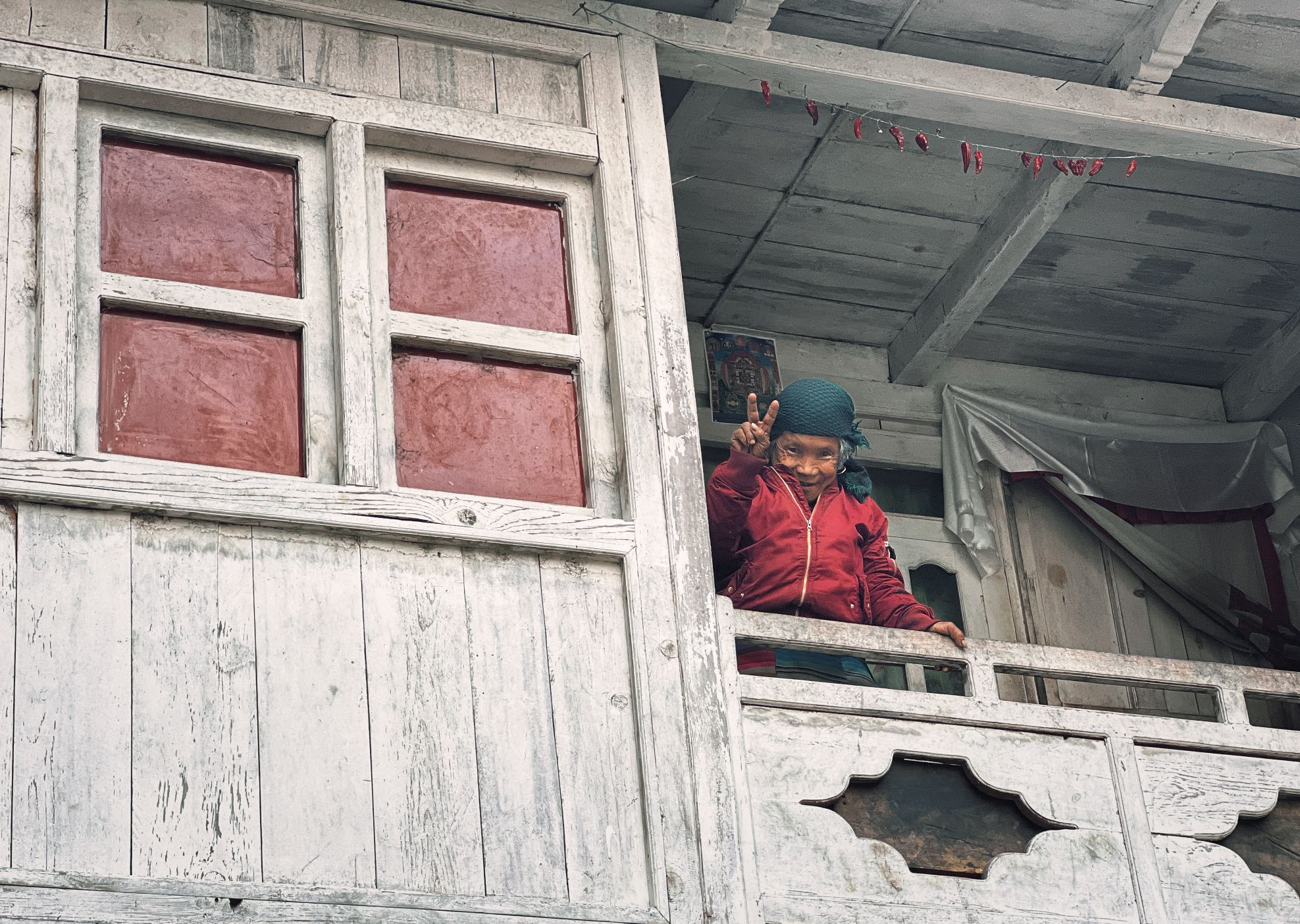
Local people life style around Mansalu region
Life of Local people

Manaslu Circuit Trek Physical and Mental Fitness

The Manaslu Circuit Trek demands a Good level of physical fitness and mental strength. Trekkers need strong cardiovascular fitness, muscular endurance, and the ability to sustain physical exertion for consecutive days. While prior trekking experience is highly recommended, beginners with a good fitness level and proper preparation can complete it. Training should include, swimming, Yoga, cardiovascular exercises, strength training (especially for legs and core), and practice hikes with a loaded pack.
Mental toughness is equally important to cope with long walking days, basic living conditions, unpredictable weather, and potential discomfort or illness. Staying positive, maintaining determination, and being prepared for challenges are key.

Manaslu Circuit Trek Comparison with Other Treks

While being travel agent in Nepal we provide Manaslu Circuit Trek Difficuly with our opinion and experiense, the worldwide popular trekking route (EBC) Everest Base Camp trek which is reaches a higher maximum altitude (Kala Patthar at 5,550m vs. Larkya La Pass at 5,160m), many consider the Manaslu Circuit Trek to be comparably or even more difficult due to its greater remoteness, less developed infrastructure, longer overall distance, and the technical nature of crossing the Larkya La Pass. The Manaslu Circuit offers a more authentic and less crowded experience compared to the popular EBC and Annapurna routes.

Annapurna Circuit Trek:

Annapurna Circuit Trek with Tilicho lake is a one of the oldest trekking routes, Besides Everest Base Camp, is among the most popular hiking destination in the Gandaki province of Nepal attracting tourists and travelers from all around the world. Scenic Mountain vistas of Dhawalagiri (8167m), Annapurna (8091m), Manaslu (8163 m), Gangapurna(7445m), Nilgiri (7061m), Machapuchhre (6993 m), and many other high snow peaks bejewel the entirety of the trip. Annapurna Circuit trek highst altitude is Thorang La pass 5416m, also challengeable trek, this route can join from Dharapai, 13th day of Manaslu circuit trek.

Everest Base Camp Trek:

One of the finest trekking trips in the entire world, Everest Base Camp Trek is a daring hiking trail in the Everest Himalayan territory of Nepal. With an altitude ranging from Lukla (2860 m) to Kalapathar (5555m), the Everest Base Camp trek is classified as a difficult and strenuous journey.Compare to Manaslu Circuit trek Everest Base camp has a less daily walking distance but higher altitude make changeable.

Everest Region Trek
Everest Region Trek

Overcoming Manaslu Circuit Trek Difficulties

  • Proper preparation: Engage in a comprehensive physical training regimen for several months prior.
  • Acclimatize properly during the trip: Follow the experience company recommended itinerary with dedicated acclimatization days and trek at a slow, steady pace.
  • Pack Essential Equipment: Carry Good-quality, Down Jacket, trekking boots, warm layers, a good sleeping bag, and essential equipment for varying weather conditions.
  • Choose Best Travel Agency in Nepal : Company Local quality Guide provide right information, cultural insights, and emergency support, while porters can significantly ease the physical burden of carrying heavy loads.
  • Maintain proper nutrition and hydration: Stick to local vegetarian food to minimize health risks and drink plenty of fluids.
  • Be mentally prepared Before Starting Trek: Understand route & challenges and cultivate resilience to push through difficult moments.
  • Buy a travel insurance before start the trip: Ensure sudden health problem it covers high-altitude trekking and emergency helicopter evacuation.

Vertex Holiday is a well-organized travel agency in Nepal. The agency prides itself on its local knowledge and network, which allows for the creation of unique itineraries and access to off-the-beaten-path experiences. Their services encompass everything from cultural tours and wildlife safaris to high-altitude treks and mountaineering expeditions. Clients receive detailed pre-trip information, including visa requirements, packing lists, and cultural etiquette, ensuring they are fully prepared for their journey. The company emphasizes sustainable tourism practices and works with local communities to ensure responsible travel.

Services Offered

Vertex Holiday provides a comprehensive suite of travel services, meticulously designed to meet the varied needs of international travelers:

  • Trip Planning: Tailored itinerary creation based on client preferences, budget, and desired activity level. This includes route optimization, accommodation selection, and activity scheduling.
  • Tour Packages: A diverse range of pre-designed and customizable tour packages covering cultural heritage sites, natural landscapes, and spiritual journeys in Nepal, Bhutan, and Tibet. Examples include Kathmandu Valley cultural tours, Pokhara adventure tours, and Bhutanese cultural immersion tours.
  • Trekking and Expedition Needs: Full logistical support for trekking and mountaineering expeditions, from popular routes like the Everest Base Camp Trek and Annapurna Circuit to more challenging peak ascents. Services include permits, experienced guides, porters, equipment rental, and safety protocols.
  • Information Provision: Comprehensive pre-trip information and ongoing support throughout the journey. This includes details on local customs, weather conditions, health and safety guidelines, and emergency contacts.

Manaslu Circuit Trek Map

Manaslu-Circuit-Trek-Map

Manaslu Circuit Trek Map , MCT is the one among all treks of Nepal, which takes a love trekker to the best combination of nature and culture and adds merit with some challenges. This surrounds Mount Manaslu, which is known as the world’s eighth highest peak and makes it an unrivaled view and experience.

The carefully designed Manaslu Circuit Trek Map becomes the key to the safe adventure through the entire journey. 

Understanding the Manaslu Circuit Trek

Mt. Manaslu
Mt. Manaslu

The trek is unique in the diversity of its terrain, ranging from subtropical forests to the alpine and the rich tapestry of cultures, very much reflecting the patterns of the Gurung and Tibetan society. 

The most exciting part of the trek is crossing the Larkya La pass that reaches up to a height of 5,160 meters. This is a tough an experience, but also worth it.

Highlights of the Manaslu Circuit Trek

  • Uncrowded Trails: The trek is less commercialized, allowing trekkers to enjoy a peaceful journey.
  • Cultural Exploration: Experience the diverse cultures of Gurung and Tibetan communities.
  • Natural Beauty: Traverse through lush forests, high-altitude alpine meadows, and glacial landscapes.
  • Challenging Passes: Cross high passes like Larkya La (5,160 meters), offering panoramic mountain views.

The Importance of a Manaslu Circuit Trek Map

Tea Houses during Manaslu Circuit Trek

Manaslu Circuit Trek Map, perform the function of a map for trekkers for the terrain as well as the planning of the course and indicates the way to travel in a remote section with confidence. The following are some of the prime reasons why this detailed map is not an option to skip for the adventure:

1. Navigation:

To travel through isolated landscapes, one must know their destination route clearly. A detailed mapping system guides trekkers through the entire route from Soti Khola to Dharapani while providing them reassurance against accidental misdirection.

2. Elevation Awareness:

The Manaslu Circuit Trek rises above more than 5,000 meters. A detailed map helps in tracking altitude gain, highlighting potential acclimatization spots and avoiding altitude sickness.

3. Cultural Insights:

Along the route trekkers discover many cultural points of interest. Tourists can access detailed information through the map about important cultural locations including monasteries and both religious sites and local settlements.

4. Safety and Emergency Support:

When emergencies arise the map helps trekkers to transmit their position to guide services and rescue teams.

5. Route Planning and Flexibility:

Users can edit their itineraries on the map according to both meteorological conditions together with their health capabilities and the available duration.

Detailed Overview of the Manaslu Circuit Trek Map

Manaslu Circuit Trek Map, The trek typically begins with a drive from Kathmandu to Soti Khola, followed by a series of trekking days through various villages and natural landscapes. Key points along the route include:

  • Soti Khola to Machha Khola: A scenic drive leading to the trek’s starting point.
  • Machha Khola to Jagat: Trekking through terraced fields and forests.
  • Jagat to Deng: Passing through traditional villages.
  • Deng to Namrung: Entering the Manaslu Conservation Area.
  • Namrung to Samagaun: Experiencing Tibetan-influenced culture.
  • Samagaun to Larkya La Pass: The challenging ascent and descent.
  • Bhimthang to Dharapani: Concluding the circuit.

13-Day Manaslu Trek Itinerary

A typical 13-day Manaslu Trek itinerary is as follows:

Day 1. Arrive in Kathmandu (1300m), transfer to hotel.

Day 2. Drive from Kathmandu to Macha Khola (900m)

Day 3. Trek from Maccha Khola to Jagat (1410m): walk approx 5-6 hrs.

Day 4. Trek from Jagat To Deng

Day 5. Trek from Deng to Namrung (2,630m): walk approx 6 – 7 hrs

Day 6. Trek from Namrung to Samagaon (3,530m): walk approx 6-7 hrs.

Day 7. Trek from Samagaon to Samdo (3,860m): walk approx 4 – 5 hrs.

Day 8. Rest day at Samdo for acclimatization.

Day 09. Trek from Samdo – Dharamsala to Larkya Base Camp (4,460m): walk approx 4 – 5 hrs.

Day 10. Dharamsala – Cross Larkya la [5,160m] and trek to Bimthang (3,720m): walk approx 8/9 hrs.

Day 11. Trek from Bimthang to Tilche (2,300m): walk approx 5/6 hrs.

Day 12. Tilije to Kathmandu (1,350m)

Day 13. Farewell.

Planning Your Manaslu Circuit Trek with Vertex Holiday

Vertex Holiday offers comprehensive trekking packages for the Manaslu Circuit, including:

  • Guided Tours: Experienced guides familiar with the terrain and culture.
  • Permits and Logistics: Assistance with necessary permits and transportation.
  • Accommodation and Meals: Arrangements in teahouses and local eateries.
  • Safety Measures: Provision of first aid kits and emergency support.

Choose Vertex Holiday to experience a safe and organized Manaslu Circuit Trek.


Popular Base Camps Trekking Around Nepal Himalayas

Popular Base Camp Trekking in Nepal is the foremost country on this planet for all types of adventures and outdoor sports. Interested adventurers, trekkers, and explorers can enjoy the walks from the popular routes to off-the-beaten trails. Where some of the base camps are well hidden from the main trekking trails within absolute wilderness.

Amazing view near the Annapurna base camp

The country with great dramatic contrast and diversity from the low warm sub-tropical of the Terai belt to cooler alpine hills. Which extends towards a higher mountain range and ends at the arctic zone of snow, ice, and glaciers of the great Himalayas. From the 14th world’s highest peaks, Nepal with the most of 8th highest mountain within the Himalayas. The Himalayan Mountain range stretches from the Far East to the West of the country.

The popular base camp trekking Includes Mt. Everest 8,848.86 m, Mt. Kanchenjunga 8,586 m and Lhotse 8,516 m with Mt. Makalu 8,463 m. The list continues with Mt. Cho Oyu 8,201, Mt. Dhaulagiri 8,167 m, and Mt. Manaslu 8,163 m. The last on the list is Mt. Annapurna-I 8,091 m, the 10th highest and Nepal’s most popular base camp. Besides major world highest peaks base camps, there are other popular base camps below 8,000 meters. Like the famous Ama Dablam, Ganesh, Langtang, and Jugal Himal Base Camps above and under 7,000 meters.
The most popular base camps trek are Everest, Annapurna, Dhaulagiri, Makalu, and Kanchenjunga. The Manaslu and Cho Oyu base camps are off the main routes, trekkers seldom visit except for the mountaineers.

Some major mountains have two base camps, like Kanchenjunga and Annapurna where trekkers can visit in one single journey. Especially on Kanchenjunga, the world’s 3rd highest, the treks include both Kanchenjunga North and South Base Camps. The other interesting to know is that Everest and Lhotse share, the same base camps.

List Of Popular Base Camp Trekking:

01: Annapurna Base Camp:

Annapurna Base Camp
Annapurna Base Camp

The shortest and most scenic Annapurna base camp, often referred to as ABC for short. It is a picturesque spot, unlike all the Himalayan region base camps, due to its proximity. Start and end points of trekking from the nearest motorable road to and from Pokhara.

Trekkers can cover the whole trek from Pokhara to Pokhara within a week. The best about the Annapurna Base Camp is that the trekkers do not have problems with HAS or High Altitude Sickness.

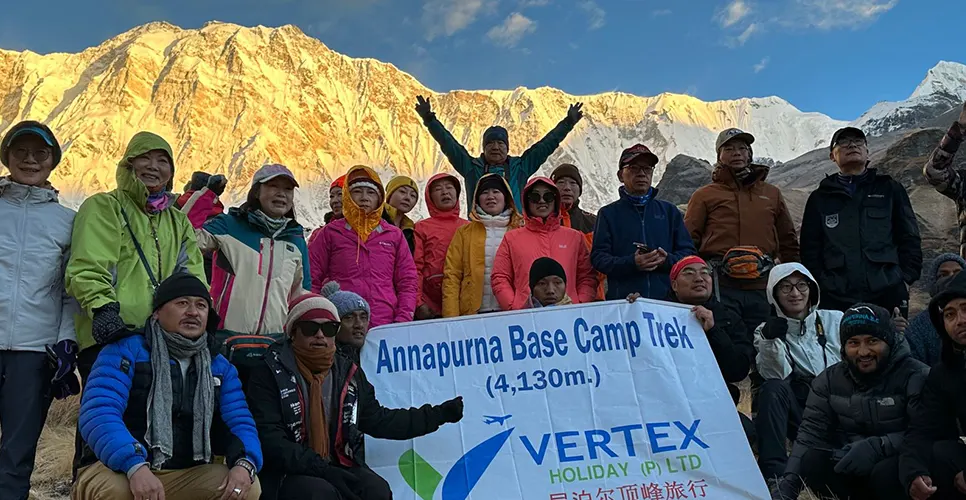
The elevation gains with slow and gradual paces to the highest point at Annapurna Base Camp. It is 4,130 m/13,550 feet, located beneath the towering east face of Mt. Annapurna-I. It is the only base camp around the Himalayas, where trekkers can enjoy the comfort of nice and cozy lodge accommodations.

Annapurna-I is the world’s tenth-highest peak and a massive range of mountain range. It extends as far as Manaslu Himalaya in the east and Mt. Dhaulagiri towards the west.

The Annapurna Base Camp is in the heart of the Sanctuary, around Kaski District and Gandaki Zone, Mid-West Nepal. Mt. Annapurna-I was the first 8,000-meter peak ever climbed in mountaineering history, on June 03rd, 1950. By the French Expeditions, three years before Mt. Everest was summited, on May 29th, 1953. Around the Annapurna Himalayan region and Annapurna Base Camp, trekkers need TIMS (Trekking Information Management Systems) permits.

As well as ACAP (Annapurna Conservation Area Project), entrance fees are obtained by the local trekking agencies in Kathmandu.

02: Everest Base Camp:

Everest Base Camp
Everest Base Camp

Everest base camp lies beneath the world’s number one Mt. Everest. Everest base camp is the most famous and popular of all the base camps around the Himalayan ranges. It is one of the favorite destinations among all trekkers and mountaineers, a dream destination for millions of travelers and adventurers.

Everest Base Camp is located in the Khumbu district around Nepal North Mid-East, with various routes to reach Everest base camp. The earliest and classic route to Everest base camp was from Jiri, also known as Switzerland of Nepal.

It was the original route to high Khumbu through Solo areas to reach Namche Bazaar and then to Everest Base Camp. Since the airport was built in Lukla, for STOL aircraft the classic trail of Jiri is almost forgotten at present. Most trekkers prefer the shortest way taking the flight from Kathmandu to Lukla Town airport.
Then following the scenic trail towards Everest base camp, it takes about 12 days from Lukla to Lukla. Covering a distance of approx. 130 km or 81 miles, exploring the lovely villages of Phakding, Namche Bazaar, and beautiful Tengboche.

Everest Base Camp Trekking, where all visitors need time to get acclimatized, having extra days at certain heights. As well as to enjoy the surrounding stunning scenery of landscapes and snow-capped peaks.
The route to Everest Base Camp is well maintained with a straightforward route, as well as crossing bridges over glacial rivers. The Everest and high Khumbu region is located within Sagarmatha National Park, the name Sagarmatha for Everest in Nepal. The native Sherpa calls Chomolungma for Everest, from Tibetan origin language. For the trek to Everest Base Camp, the permits are controlled by the Khumbu village community. Includes entrance fee for Sagarmatha National Park, at Lukla or Monjo or from the park entrance post.
The trek to Everest Base Camp follows on winding scenic trail with constant views of giant snow-capped peaks. From Namche Bazaar onwards views of Mt. Everest are seen most of the time during the walks. Until Everest base camp is reached, where you will stand beneath the towering peaks of Everest, Lhotse, and Nuptse. As well with close views of Khumbu Ice Fall and the glaciers, the base camp is flooded with tented camps. During the peak mountaineering season of spring from March to May, with various camps of different nationalities mountaineering expeditions.

Everest base camp at 5,364 m / 17,599 feet high, the views of Mt. Everest are obstructed by adjoining peaks. For the best closest views of Mt. Everest and surrounding mountains climb up to the high Kalapathar rocky hilltop.

Kalapathar is a high black rocky ridge, close en route to Everest base camp and above Gorakshep.  The highest points of the adventure, at 5,643 m /18,514 feet, offer a spectacular panorama of giant snow peaks. The closest views of Mt. Everest at a mere distance with incredible scenery of towering mountain ranges.

After completing the adventure to Everest base camp and climb of Kalapathar, heading back to Lukla. Then, on a short sweeping flight to Kathmandu, with unparalleled views of the Himalayan peaks.

03: Kanchenjunga Base Camp:

Mt. Kanchenjunga is the world’s 3rd highest peak with a massive range, located in Far Eastern Nepal. Around the district of Taplejung, one of the less visited base camps of Mt. Kanchenjunga. Due to its remote locations and lack of good accommodation and food facilities, then on other popular base camp treks.

Despite the remote country of Kanchenjunga areas, it is one of the most interesting and exciting adventures to experience. Mt. Kanchenjunga the original name is Kanchendzonga, which means mountains with five jewels, referring to its five adjoining peaks. Mt. Kanchenjunga at 8,586 m/ 28,169 feet high, first ascent to the summit of Mt. Kanchenjunga on May 25th, 1955.

Climbed by the British Expeditions, since then the mountain is often climbed by various nationalities mountaineers.
Kanchenjunga with two base camps the North and South Base Camps.

The North Base Camp is higher at 5,150 m/16,896 feet, located at the small settlement of Lhonak and Pang-Pema.
The trek to Kanchenjunga is a full circuit visiting both base camps the south and the north. Where South Base Camp is popular among the mountaineers, due to its accessible route to the summit.

Most mountaineers use the original route for the climb from South Base Camp at Oktang. The treks to Kanchenjunga both base camps, is an adventure of a three-week duration. It involves flights both ways with drives on the hilly rough road to the starting point of the treks. As well as on the way back, on completing the whole Kanchenjunga circuit, trekking to both base camps.

Kanchenjunga Base Camp Trekking is an adventurous walk from mid-hill farm villages to dense lovely forest. Covered in tall rhododendrons, magnolia, oaks, pine, and fir trees, then reaching the arctic zone amidst snow, ice, and glaciers.

A remarkable adventure, where trekkers can enjoy the pristine wilderness, in less visited areas by the main flow of trekkers.

04: Lhotse Base Camp:

Lobuche Base Camp
Lobuche Base Camp

Mt. Lhotse is the world’s 4th highest peak at 8,516 m/27,940 feet. Mt. Lhotse, might not be a famous and popular peak, among the trekkers and mountaineers. But most trekkers are unaware that Mt. Lhotse shares the same base camp as Mt. Everest.

Mt. Lhotse is the adjoining peak of Mt. Everest, it is separated by the South Col. When visiting the Everest base camp, you will be standing at the base of Everest and Lhotse as well.

05: Makalu Base Camp:

Makalu Base Camp is in the district of Sankha Sabha, of Koshi Zone in Nepal Far East, around the Khumbukarna Himalayan range. Mt. Makalu is the world’s 5th highest peak at 8,463 m/27,766 feet high.

The first ascent was on May 15th, 1955, by the French Expeditions, and since then, often visited by mountaineers.
Makalu Base Camp, at 4,870 m/15,978 feet high at the western end of Barun Valley. The trek to Makalu Base Camp involves flights and drives from Tumlingtar to Tumlingtar, a moderate town.

It is the start and ending points of Makalu Base Camp Trekking after flying in from Kathmandu. Then, on the drive for a few hours to the Num Village, the trek leads to several farm villages. From the last Tashi-Gaon village, there are no permanent villages except temporary settlements. The lodges are small and very simple en route to Makalu Base Camp.

Barun Valley and Makalu Base Camp are less ventured by the mass flow of trekkers. Due to its remote location, it leads to a perfect country walk around the mountain wilderness. An adventure starts from low sub-tropical areas to a cooler alpine hill covered in dense pine and rhododendrons forest.

The walk follows to traverse and crossing the small pass of Keke, Shipton, and Tutu-La. The views of the snow-capped mountain remain constant as the walk reaches Makalu Base Camp.

At Makalu Base Camp, stand amidst remorseless fields of moraines filled with ice, snow, and glaciers. Makalu Base Camp is famous for its views of the rare Khansung or East Face of Mt. Everest.

Makalu Base Camps is protected by the Makalu and Barun National Park and Conservation. Makalu Base Camp Trek is of a two-week duration with drives and flights from Num to Tumlingtar and towards Kathmandu.

06: Cho Oyu Base Camp:

Cho Oyu Base Camp
Cho Oyu Base Camp

Mt. Cho Oyu, the world’s 6th highest peak, like Everest, straddles the borders between Nepal and Tibet-China. Mt. Cho Oyu towers high at 8,201 m/26,906 feet and most of the climb is done from Tibet.

The North side of Mt. Cho Oyu is much more accessible to reach the summit than from Nepal. Which is tough, difficult, and technical from Nepal, situated around the high Khumbu at the far end of Gokyo Valley. Mt. Cho Oyu was climbed on October 19th, 1954 from Tibet by the Austrian Expeditions.

Cho Oyu Base Camp in Nepal side is the least visited by mountaineers and trekkers. The mountain is located in the far northwest of the Gokyo Valley close to the 5th and 6th Gokyo lakes. The Cho Oyu Base Camp is at 5,600 m / 18, 372 feet high.
Trekkers on a visit to Gokyo Valley, where only a few groups seldom dare to venture to Cho Oyu Base Camp. Due to its remote and isolated location, the views from Cho Oyu Base Camp offer a magnificent panorama of surrounding high peaks. The views include Mt. Cho Oyu, and Gyachung Kang, with both the north and south face of Mt. Everest.
The walk from Gokyo Lodge around the 3rd lake takes more than 6 hours. Trekkers need to carry tents and sleeping bags, including food for overnight halt. From the main Gokyo areas, there are no lodges and human settlements, which is why most trekkers hike up to 5th Lake only. Due to its long distance as well as the rise in altitude. Interested people can enjoy the trek to Cho Oyu Base Camp of two-week duration hikes from Lukla to Lukla.

07: Dhaulagiri Base Camp:

Mt. Dhaulagiri is the 7th highest peak at 8,167 m high. It is one of the adventurous walks to reach the base camp of Mt. Dhaulagiri.

The treks require more than 12 days to cover the Dhaulagiri Circuit. Includes drives to reach the starting point of the treks around Mygdi District, around the Nepal Far West, of Gandaki Zone, then the treks end at Lower Mustang in Jomsom.

From Jomsom, on a short flight or a long drive to Pokhara, which is the starting and ending points. The trek to Dhaulagiri, camping equipment, and food required to carry for a week.

Dhaulagiri Base Camp

Dhaulagiri Base Camp is 4,740 meters high and situated around the moraine of rocks and glaciers. Right beneath the northwest face of Mt. Dhaulagiri and its massive Ice Fall and glaciers are the source of the Mygdi River.  Although a challenging trek, it leads to an enjoyable and exciting walk on a tranquil path. Away from the mainstream and human habitations and villages for a week till the walks reach Kaligandaki Valley.

The trek takes you from low sub-tropical farm areas and isolated villages, then towards complete mountain wilderness. Walk through a lovely forest amidst dense rhododendrons, oaks, firs, and pine trees. Then, the walk heads beyond the lush green vegetation, entering the wild arctic zone landscapes covered in ice, rocks, and glaciers.

Walk past the glaciated valley to reach Dhaulagiri Base Camp, and cross French Pass to scenic Hidden Valley. From Hidden Valley, the walk leads to traverse the last Thapa or Dhampus to reach charming Marpha Village.
The walk follows to the large town of Jomsom, the headquarters of Mustang district, for an exciting flight back to Pokhara.

08: Manaslu Base Camp:

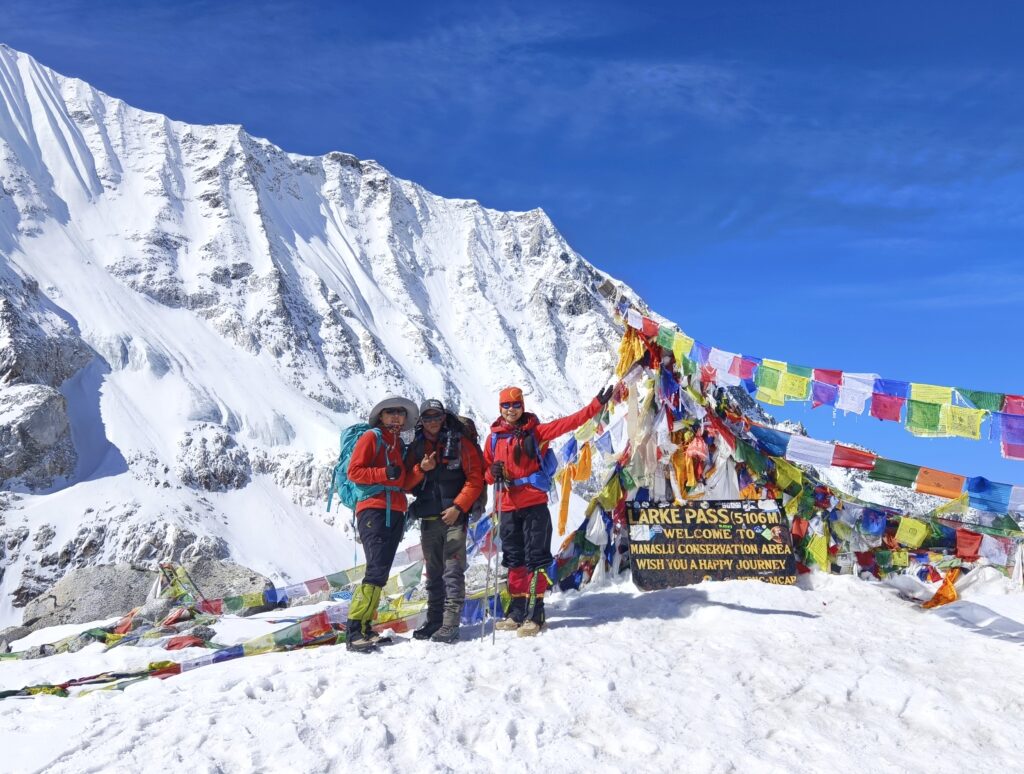
Manaslu Base Camp Larke la pass

Manaslu Base Camp treks take you to the bottom of the world’s 8th-highest Mt. Manaslu. The base camp is at 4,800 m/15,748 feet high, the mountain was first climbed in 1956 by the Japanese Expeditions.

From then on, the mountaineers mostly visit for the summit bid at 8,163 m/26,781 feet high. Manaslu Base Camp is situated far away from the main Manaslu Circuit route. Only a few interested trekkers often visit the Manaslu base camp for a long day hike from Sama Gaon.

The Manaslu base camp is well hidden and away from the main trekking trail. It is visited only by groups of mountaineering expeditions during the best climbing seasons. For the trekkers, it is a long day hike while spending a rest day for acclimatization at Sama Gaon.

Manaslu Base Camp is located on the far corners of Manaslu Valley, close to the beautiful Birendra glacial Lake. Most trekkers on the Manaslu Circuit trekking sometimes visit on rest days up to Birendra Tal/Lake.
From this spot trekkers can enjoy the view of Manaslu Base Camp, the ice falls and glaciers, and the towering peaks of Manaslu.

To enjoy a hike to Manaslu Base Camp, trekkers need to carry tents and food to spend an overnight. The hike takes more than 5-6 hours one way from Sama Gaon. This is why only a few trekkers hardly visit the Manaslu Camp, only if they are involved with the expedition group.

An amazing with beautiful scenery on the walks to Manaslu Base Camp. Trekkers can experience the dramatic contrast of green forest against the white snow-capped peaks. The journey to Manaslu Base Camp with a full circuit takes about two weeks.

It includes drives from Kathmandu to the starting point of the treks and at the end of the adventure, after crossing Larke-La Pass to reach Manang areas at Dharapani Village, and for the drive back to Kathmandu.

The popular base camp trekking Conclusion:

The popular base camps trekking around the Nepal Himalayas are just information for interested adventurers and trekkers. Some of the base camps are highly popular among the trekkers.

Only a few 8,000-meter mountain base camps are rarely visited by trekkers, other than mountaineers. Due to its remote location and lack of accommodation facilities for overnight stops, after the long strenuous walks.

The most popular base camps are Annapurna and Everest base camps, where thousands of trekkers and mountaineers visit every season.

It is due to the facilities, availability of the lodge accommodations, and the good foods to enjoy, with the picturesque mountain views.

Besides Annapurna and Everest, Makalu and Kanchenjunga base camps are gradually getting more visitors over the past few years. As the influx of trekkers has increased, and as well as the local lodge en route to base camps has been built. To cater to the trekkers, with the good foods and warm traditional hospitality.

Mt. Manaslu and Mt. Cho Oyu are the only base camps with the least number of visitors, except for the mountaineering expeditions.

The other base camps, like Dhaulagiri, are getting quite popular, as the Dhaulagiri Circuit trek itinerary includes base camp also. For interested trekkers and adventurers, an opportunity to choose from the popular or enjoy the less ventured base camps treks.

Annapurna base camp trek

Reason To Choose Manaslu Circuit Trek

Reason To Choose Manaslu Circuit Trek, by trekkers and adventurers, those who are interested in less visited trails. Manaslu Circuit Trek has its own charm and beauty beyond, in comparison to other scenic Himalayan destinations.

The Upper Manaslu region, at one time, remained a forbidden country, isolated and hidden from the rest of the world. Then it flung the door open in 1992 for foreign visitors to experience its glorious cultures of age-old heritage.

As well as to observe the traditional customs of the Upper Manaslu village of immense and impressive colorful cultures.

Reason To Choose Manaslu Circuit Trek Since the Upper Manaslu was allowed for outside travelers, it still remains a Restricted area of Nepal. Trekkers heading for Upper Manaslu, require a special permit and MCA, (Manaslu Conservation Area) similarly ACAP (Annapurna Conservation Area Project) entry fees.

Reason to choose Manaslu Circuit Trek
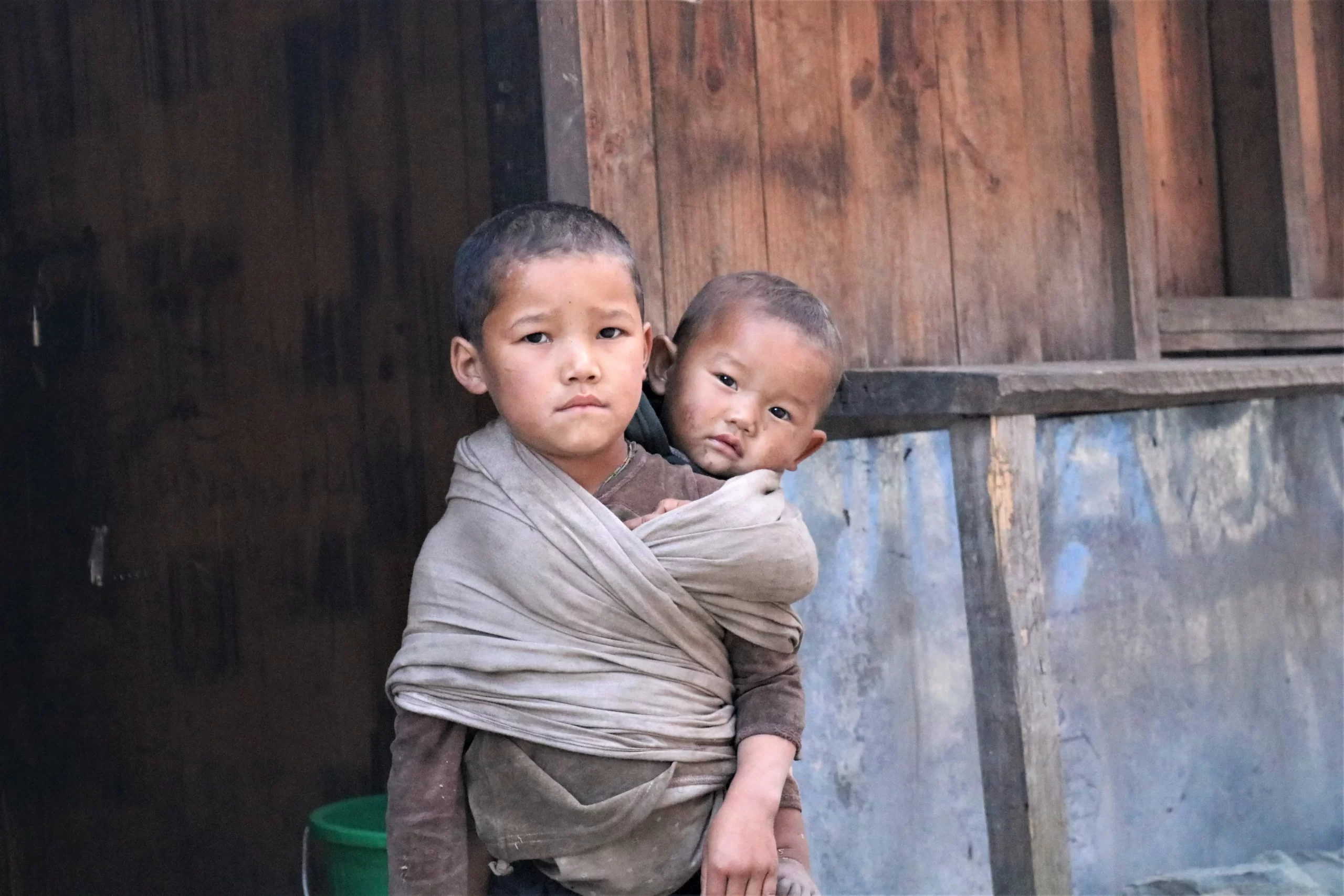
A child carrying his sibling

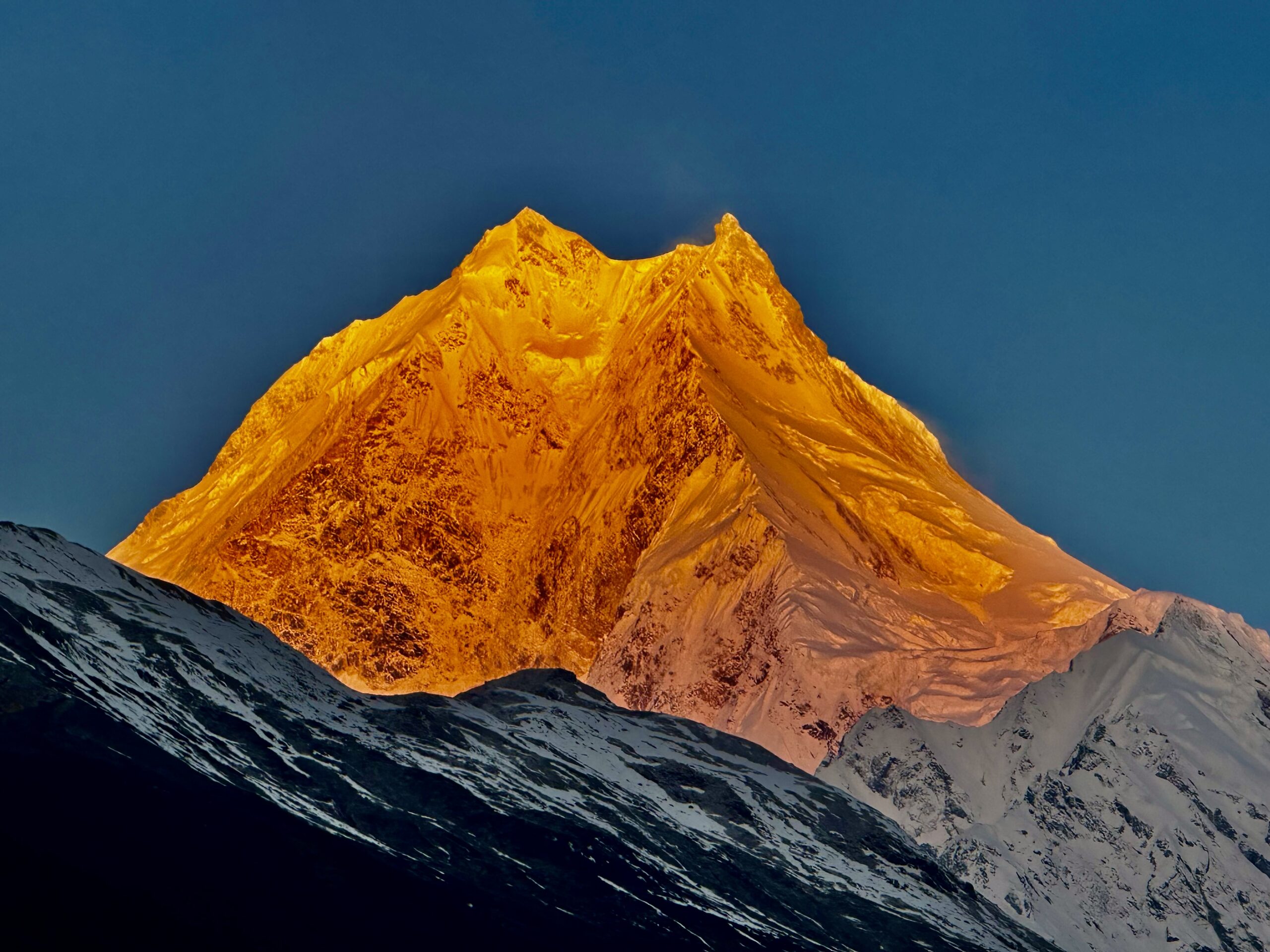
Mountain peaks in the Manaslu region. The reason is to safeguard its pristine natural environment and limit the mass flow of trekkers. As well as making the area quite special from other popular regions of Nepal Himalayas. The important reason is due to its close border with South West Tibet / China.

Reason To Choose Manaslu Circuit Trek, The Manaslu Upper region provides visitors exceptional views of the surrounding spectacular scenery of towering white peaks, and its scenic landscapes. Besides the picturesque vista, the local culture is equally fascinating making Manaslu Circuit Trek, the best choice for visitors.

The scenic landscapes and impressive cultures are the main reasons Reason To Choose Manaslu Circuit Trek.

Various Routes And Destinations to Enjoy Manaslu Circuit Trek:

Manaslu Circuit Trek, apart from the main straightforward route, there are several options for interested trekkers and explorers. One of the main reasons to choose the Manaslu Circuit Trek, trekkers can combine the Manaslu Circuit with the hidden Tsum Valley. Adding a week more to enjoy the blissful country of the upper remote corners of the Gorkha district.

An enjoyable and exciting walk to the Valley of Happiness as the Tsum area is known for its special cultures and glorious scenery.

The other route that one can explore is taking a drive to Barphak lovely village of Gurung hill tribes. Which is away from the main trail for a few days and then joining back on the route of the Manaslu Circuit.

The next alternative is an adventure from Rupina-la pass, where trekkers hardly venture. An exciting walk away from the main villages and human settlements for a week. Then reaching the main trail of Manaslu Circuit, after being in complete wilderness. Combining the Manaslu Circuit with the Rupina-La pass will be a great option for trekkers in search of pure mountain wilderness.

On Rupina-La route, trekkers can also visit Boudha Himal base camp one of the major peaks of Manaslu Himalaya range. The main straightforward route is taking a long drive from Kathmandu to Machha-Khola village. Located around a low warm valley, and as the walk progresses reaching cooler hills, and then heads towards Upper Manaslu Valley, a main Reason To Choose Manaslu Circuit Trek.

Reason To Choose Manaslu Circuit Trek One of the few treks around the Himalayas, which follows the great Budi-Gandaki River right up to its near glacial source. Which is close to Sama-Gaon en route to Mt. Manaslu Base Camp, where the glaciers feed the Budi-Gandaki River. The treks from Machha-Khola lead to several interesting low farm villages and towards the high hills at Jagat. The village and the main entrance to the Forbidden and Restricted Country of Upper Manaslu Valley.

The adventure leads toward strong Buddhist cultural settlements and villages, adorned with interesting religious monuments of prayer walls and flags. The walk leads higher through the lovely villages of Namrung, Lo-Gaon to enter scenic Manaslu Valley and then reach Sama-Gaon, which is one of the reasons To Choose Manaslu Circuit Trek

Located in the heart of Manaslu Valley, as well as on the route to the base camp of Mt. Manaslu. Staying in Sama-Gaon for acclimatization, where one can take a short or long hike to Manaslu base camp. As well as Pungyen Monastery and the famous Birendra Tal a glacial lake, enclosed amidst beautiful forest surroundings. The adventure continues heading past Samdo to Dharmasala or Phedi, at the base of the high Larke-La Pass. An early steep climb takes you to the top of Larke-La at 5,106 m /16,752 feet. On the highest point of the adventure, overlooking the breathtaking panorama of the Snow Mountains that surround Larke-La Pass.

The pass forms the boundary between Gorkha and Manang districts. Finally, the long walk ends, walk past Bhimthang to Dharapani village, where the great adventure Manaslu Circuit Trek completes.

The next morning an interesting drive leads to Kathmandu on a long exciting mountainous road. After a wonderful adventure on Manaslu Circuit Trek.

The Best Reason To Choose Manaslu Circuit Trek:

Besides various routes, and reasons to choose Manaslu Circuit Trek, after ending the walks at Dharapani village in Manang district. One can combine the trek with the popular Annapurna Circuit Trek, heading towards the main Manang village.

Reason to choose Manaslu Circuit Trek

Where adventure continues towards the high Thorang-La pass at 5,416 m to reach another beautiful area in the Mustang district. Then take a drive to scenic Pokhara or enjoy a short flight from Jomsom town to reach Pokhara.

The other option is to trek to Nar-Phu hidden valley, crossing Kang-La pass to reach the main picturesque Manang Valley. Trekkers can continue walking towards the world’s highest Tilicho Lake, and then over Thorang-La pass to Jomsom town.

Reason To Choose Manaslu Circuit Trek, Manaslu Circuit Trek offers various options to choose from before or after completing the trek, ending at Dharapani village in Manang. This is why one of the best reasons to choose Manaslu Circuit or an adventure ‘Around Manaslu’.

To cover Manaslu Circuit is approx. 177 km or 110 miles, which can differ from the itinerary chosen. The average day is about 12 nights and 13 days or less depending upon the fitness of the trekkers. The Manaslu Circuit Trek involves exciting long drives both ways to and from Kathmandu.

The other reason to choose Manaslu Circuit Trek is its immense culture of age-old heritage. Which is of strong Tibetan culture of Buddhism religion, where trekkers can observe along the walks through lovely villages.

A suspension Bridge during the Manaslu Circuit Trek

The Culture & Religion Makes Manaslu Circuit One Of The Best Reasons.

Another Reason To Choose the Manaslu Circuit Trek is that trekkers can witness two different religions before and after the treks on the Manaslu Circuit, which makes the walk more interesting. The lower hills around the Gorkha district are mostly inhabited by mixed hill tribes, the Gurung, Magar, Chettries, and Bharamins. The Gurung and higher Manaslu Bhotias follow Buddhism, and the Magar, Chettries, and Bharamins are interwoven with the Hindu religion.

The adventure leads beyond Jagat village entering the Restricted Areas of Upper Manaslu fully dominated by Tibetan Buddhism. The tribes of Upper Manaslu Valley, who have migrated from southwest Tibet some centuries ago. The indigenous tribes of Upper Manaslu and Tsum Valley with strong Mongolic, and Tibetan features, can be seen till Dharapani village.

The name Manaslu, although comes from an ancient Sanskrit word which means ‘Manas’ the soul of mighty spirits or god. Similar to the holy Lake Manasarover, located in Far South West Tibet near Mt. Kailash, the native of Manaslu is called Kutang. Which means a flourishing land, yielding good harvests for high-altitude crops like wheat, buckwheat, and barley. As well for raising and breeding livestock of sheep, goats, and yaks, the country provides wide lovely grazing pastures.

On this trek Manaslu Circuit, trekkers will have the opportunity to enjoy exploring and visiting traditional villages. The best settlements are Lo and Sama Gaon for a tour of the monasteries, with religious monuments of prayer walls. Includes a series of spinning wheels, Stupas, and a huge Chaitiya with a traditional welcome gate, at the village entrance. Where all houses are festooned with Buddhist colorful prayer flags, and on top of high ridges including at Larke-La pass.

As per the local spiritual values, every high hilltop and pass is the abode of holy spirits, thus prayers and offerings are a means to respect gods and goddesses, which in turn is a fascinating Reason To Choose Manaslu Circuit Trek.

Fresh New Himalayan Destination Are The Reason To Choose:

Apart from various wide destinations around Nepal Himalaya region with the most popular treks of Annapurna, Everest, and Langtang range. Manaslu Circuit is slowly gaining popularity among trekkers in search of raw and fresh Himalayan destinations. Besides following the main trails of the Manaslu Circuit, trekkers can explore the hidden pockets of Manaslu Valley.

Reason To Choose Manaslu Circuit Trek There are more exciting scenic and amazing areas within Manaslu Valley yet to be ventured, into for interested travelers and explorers.

The History Of Manaslu Valley:

From ancient times of glory days, the Upper Manaslu Valley was the most important transit route to Tibet. Where Old Trans Himalayan Salt Trade Trail follows through Sama-Gaon and Samdo villages towards the frontier of Nepal and Tibet. Yaks and mules laden with goods from both sides passed through Manaslu Valley, and the trade with Tibet was nearly extinct. At present, only a few exchanges and bartering take place across the borders of Nepal and Tibet.

Reason To Choose Manaslu Circuit Trek Mt. Manaslu at 8,163 m or 26,781 feet stands as the world’s 8th-highest peak. The mountain was first conquered by the Japanese Expedition on May 9th, 1956 with the support of Nepalese Sherpa climbers. At present draws more wide-world mountaineers for the challenging feat to the summit of Mt. Manaslu.

Reason to Choose Manaslu Circuit Trek

The Best Seasons To Choose For Manaslu Circuit Trek:

Manaslu Circuit trek involves a high pass, traversing from one end of the Manaslu valley of the Gorkha district to reach the Manang areas. The best time of the season is much more important for trekkers to enjoy the Manaslu Circuit adventure. The clear and sunny weather of the region is probably the main reason to choose Manaslu Circuit Trek.

The best and most favorable season is from late spring of April to May or early month of June. Where days are much longer with sunlight hours and clear sunny days for walks and views. The forest around the mid-hills will be alive and bright with wildflowers in seasonal bloom, especially the rhododendron. Can be cold morning, late afternoon till nighttime with chances of snowfall around higher elevations.

The next best time is autumn/fall, which starts from September to November the right season for scenic walks. However, days are much shorter due to sunlight hours, but it is an enjoyable time from September till early November months. Cold morning, late afternoon, and nights, the chance of snowfall sometimes.

Trekkers need to trek before the beginning of November, as most villages’ lodges and guest houses will be closed for winter. The villagers migrate to lower warm areas to escape the cold winter months until mid-March.