Restricted Trekking Areas In Nepal

Restricted Trekking areas in Nepal are the former forbidden regions due to various reasons. The first is to minimize the mass flow of visitors to conserve and preserve the pristine environment and local immense cultures. The other reasons are for eco-logical balance, to save the rare herbs, flora, and fauna, and to make the area exclusive.

Most restricted trekking areas in Nepal also fall close to the borders of Nepal and Tibet, China. Since the annexation of Tibet with mainland China, the borders remain closed, allowing only a few local traders and merchants.
The close borders of both countries make the far corners of Nepal’s Himalayan destination a Restricted Area. Allows only a few groups of interested travelers to enter the former forbidden areas of the Himalayas.
Mount Manaslu
Mount Manaslu

Restricted Trekking areas in Nepal to enter the restricted areas, all trekkers must join a reputable Trekking Agency approved by the Government. The Tourism Department allows groups with a minimum of 2 pax. Require a good guide with a government-approval license.
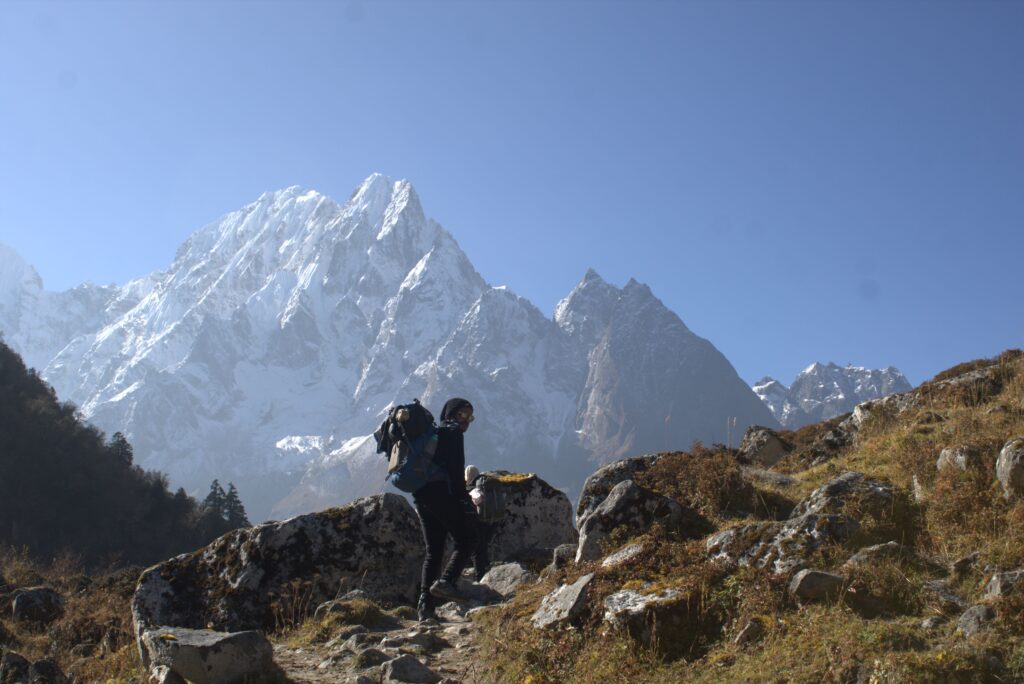
Restricted Trekking areas in Nepal

At present, the Nepal Government allows eight restricted areas from the Far West to the Eastern Himalayas, including the Mid-West Himalayan regions. Foreigners require a special permit to enter the restricted areas in Nepal and Conservation and National Park permits.

In the early days, trekking around restricted areas was accompanied by the Government Liaison Officer. Which was more expensive than the actual special permit cost on top of ACAP (Annapurna Conservation Area Project) fees. But in the last few decades, the Liaison Officer was not required. This made the trek affordable to enjoy around the restricted areas in Nepal.

The restricted areas in Nepal are as follows:

01: Upper Mustang.

Restricted Trekking Areas in Nepal Located in Nepal’s Far North West within the district of Mustang, one can enjoy the treks or take an overland drive. The Upper Mustang was once a former forbidden with the walled kingdom of Lo Manthang. It opened its door open for outside visitors from 1992 onwards. Upper Mustang is a highland with picturesque landscapes, geographically an extension of Tibet’s Far South West Plateau.

Upper Mustang Trek Visitors can experience dramatic country landscapes outlined by the canyon walls and towering eroded cliffs. The final destination is the walled kingdom of Lo Manthang, famous for its colorful Tiji Festival.
Upper Mustang to Lo Manthang is the most exciting Himalayan destination steeped with age-old cultures and unique landscapes of windswept terrains.

Include spectacular views of the Western Himalayan snow peaks against the backdrop of barren brown-red colored hills. The journey to Upper Mustang follows the ancient Trans Himalayan Caravan Salt Trade Route.  Upper Mustang is the second restricted area opened for outside visitors after Upper Manaslu. It is an exciting and wild country to enjoy and experience the picturesque high country of Upper Mustang. In the last few years, motorable road runs to Upper Mustang. Visitors can drive from Kathmandu and Pokhara in the comfort of a 4WD Jeep or similar vehicle.

At present, many good lodges and guest houses have mushroomed. Visitors can enjoy overnights in nice and cozy lodges and with good food. Interested adventurers and trekkers can explore the Upper Mustang wild country beyond the walled kingdom of Lo Manthang. Visit the windblown valleys of the Luri and Bhairab Kunda areas. To enjoy traveling further towards remote areas of Upper Mustang, trekkers need to be equipped with camping gear and carry food.

02: Nar Phu Valley.

Nar Phu Valley is located in Nepal’s Far North Mid-West around the district of Manang and close to Upper Mustang. Nar Phu Valley was opened for foreign trekkers in 2002. The treks to Nar Phu include crossing over the high Kang-La Pass to reach scenic Manang Valley. The other short option is a return journey on the same route back to Kodo and Dharapani Villages. Which is the starting and ending point of Nar Phu Trekking or continuing trek over Kang-La Pass to Manang Valley.

After visiting Nar Phu Village and crossing Kang-La Pass, the climb over the high Thorang-La Pass at 5,416 m. Thorang-La is the boundary of Manang and Mustang districts, from the last pass, the adventures lead to Mustang areas.
Reaching at holy temple Muktinath and Jomsom Town to complete the journey of Nar Phu Valley and Manang areas.
Nar Phu Valley is an exciting trek with a great diversity of landscapes from forested trails to barren windswept terrains. Nar and Phu Villages and the valley, enclosed by the towering massif peaks of Himlung Himal, Chulu’s, and Annapurna Himalayan ranges. The higher side of Nar Phu borders the remote corners of the eastern Mustang region. Nar Phu Valley trekking offers spectacular scenery of surrounding landscapes and snow mountains. Including the ancient cultures of Tibetan heritage with old monasteries and traditional farm life.

03: Tsum Valley.

The last forbidden hidden country, and a restricted area that was open for foreign visitors in 2008 onwards. for trekkers to enjoy its immense and impressive culture similar to its Tibetan predecessors. Located within the district of Gorkha around Far North Mid-West, close en route to Tibet South West border.

Tsum Valley of Happiness, as it was known from the ancient ‘Beyul Kyimolung’ a Tibetan holy text. Situated far beyond the Manaslu and Ganesh Himal mountain ranges. The great diversity of landscapes, vegetation, and the local immense cultures make the trek to Tsum Valley a unique country. The trek leads to exploring and experiencing the hidden cultures of ancient times retaining its ancient glories till the present. The villages of Tsum Valley are similar to their Tibetan predecessors, where the country extends to the border of Tibet.

Tsum Valley Trek is a great experience from local cultures of a simple and happy life. Includes spectacular scenery of the rolling hills and snow mountains with isolated lovely farm villages steeped with age-old cultures.

04: Upper Manaslu Valley.

Restricted Trekking Areas in Nepal Upper Manaslu Valley, a former forbidden highland until it was opened in 1991, was the first restricted area in Nepal. The trail to Upper Manaslu Valley follows from lower warm farm villages of the Gorkha district. The walk follows the glacial Budi Gandaki River right to its source near higher Manaslu Valley.

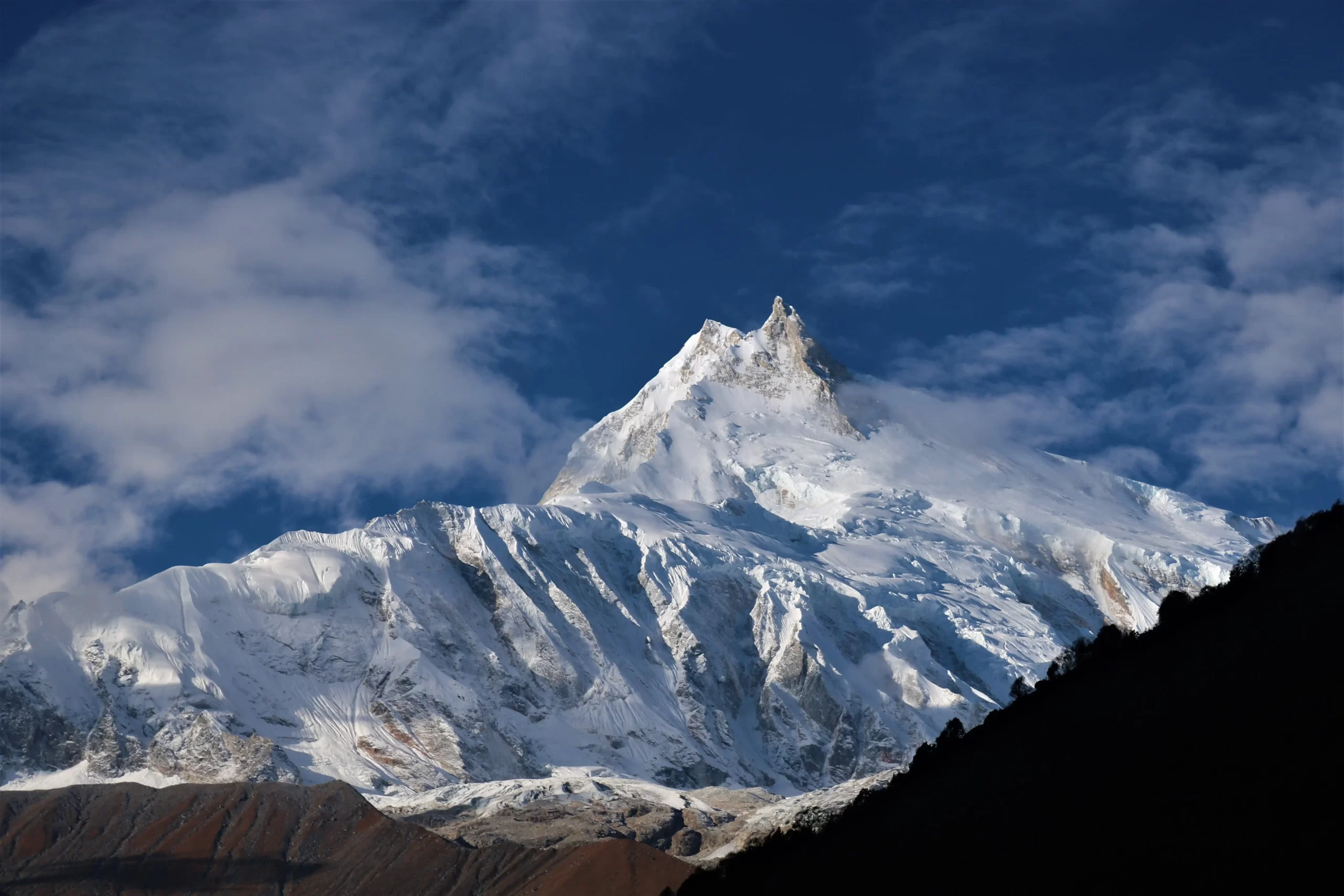
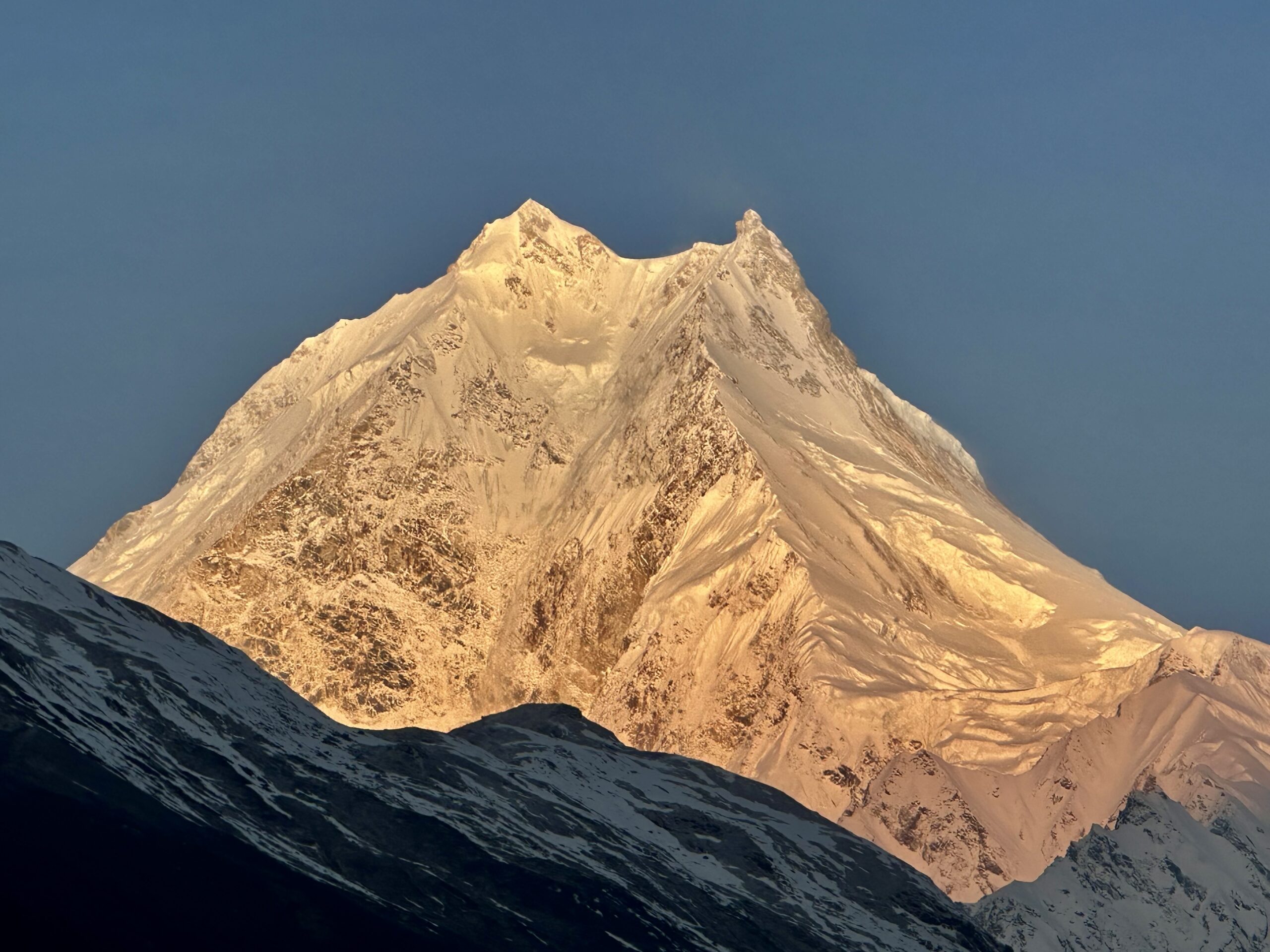
Located around Mid-West Nepal within the district of Gorkha, the trek leads in the close shadows of the Manaslu Himalayan ranges. Mt. Manaslu is the world’s 8th highest peak at 8,163 m/26,781 ft. The mountain was first climbed in 1956 by the Japanese Expeditions with the support of Nepali Sherpa guides.

From then on it remained closed due to its close borders with Tibet, China then from 1991. Allowed a few groups of trekkers to enjoy and experience the hidden treasures of high Manaslu Valley. As well as traditional villages adorned with ancient cultures similar to the Tibetans across the border.

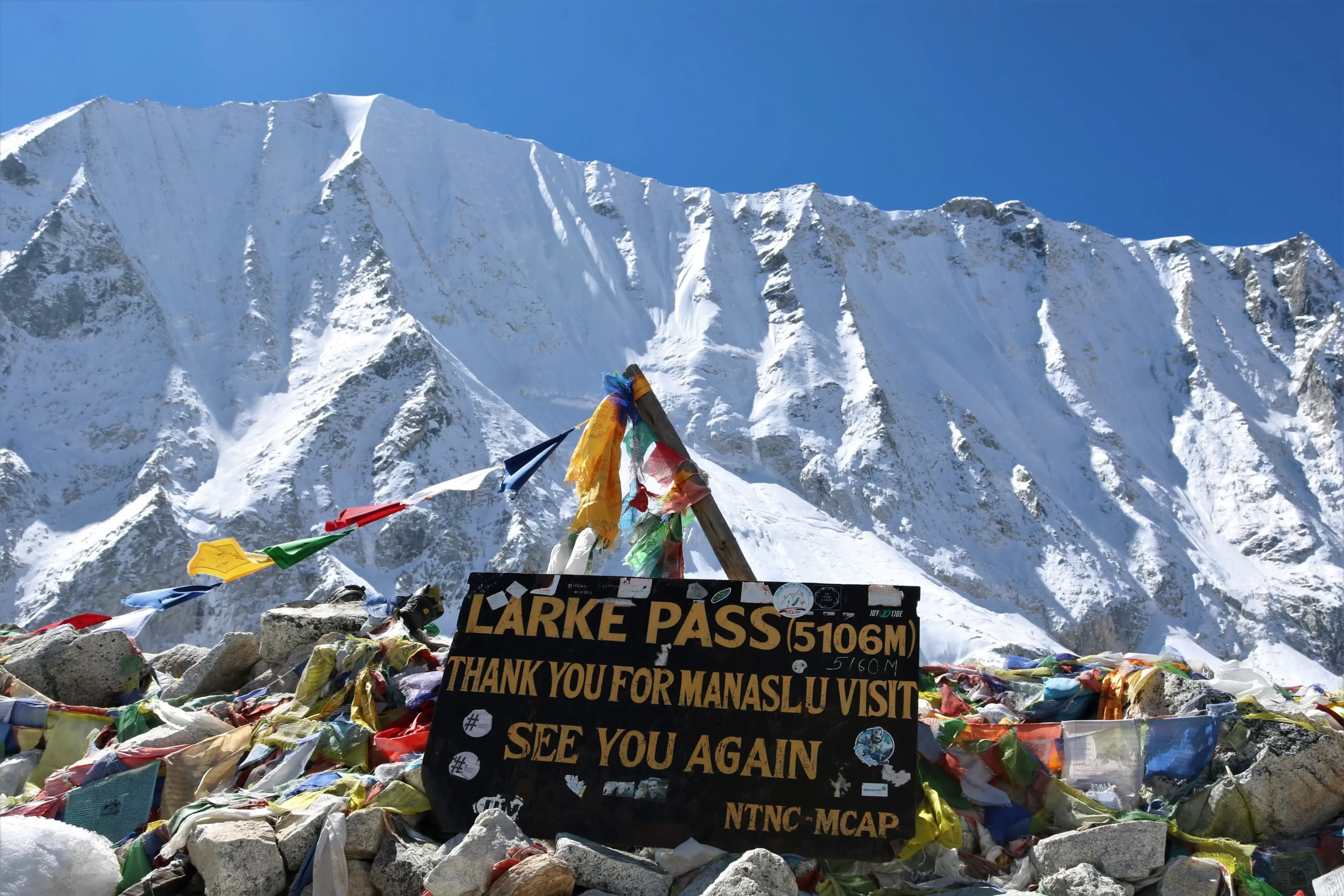
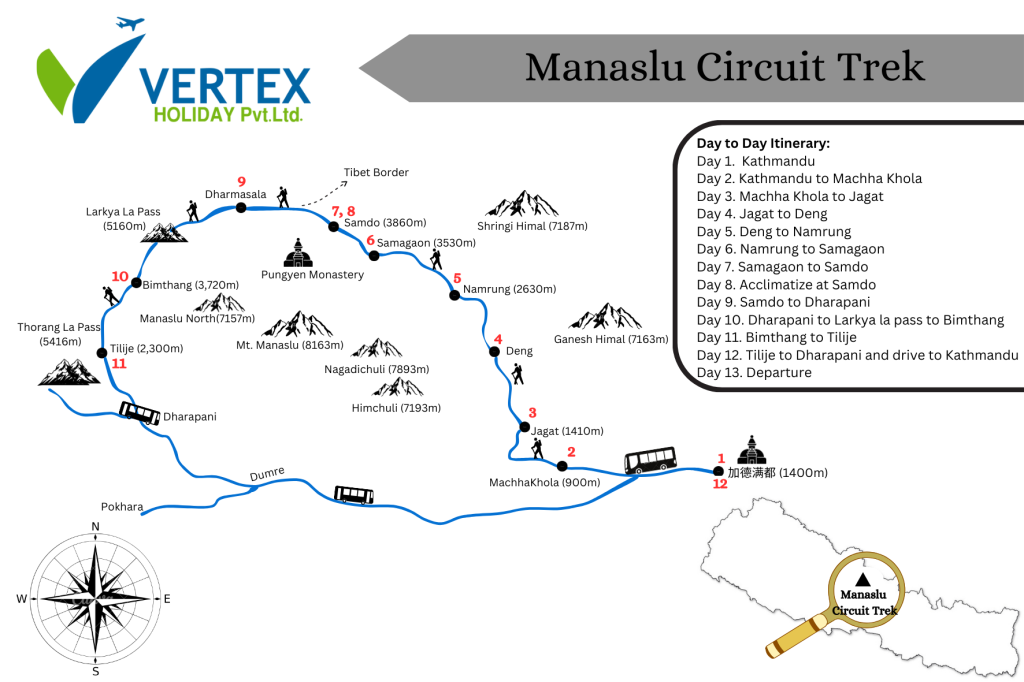
The Manaslu Valley was the vantage route of Trans Himalayan Trade, in the early days until the late 1950s. The trek famously known as the Manaslu Circuit trek takes you from low farm land to mid-hills. Then towards Upper Manaslu Valley through the lovely villages of Jagat, Namrung, Lo, and Sama Gaon. The adventure then follows to the end of Manaslu Valley with a climb to the top of Larke-La Pass.

The pass is the boundary between Manaslu, Gorkha, and Manang districts, from the pass heading down to Manang areas. Reaching Dharapani Village, at the junction of the famous Annapurna Circuit trek.
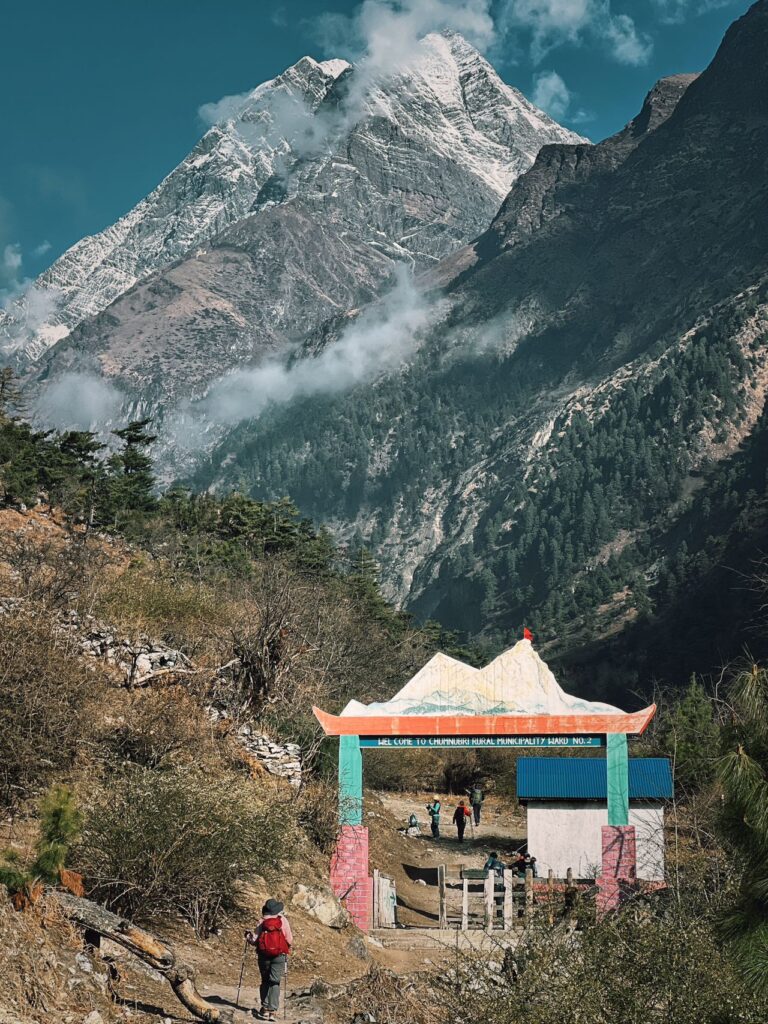
Manaslu Circuit Trek

05: Upper Dolpo.

Upper Dolpo one of the first restricted areas in Nepal opened for outside visitors from 1989 onwards. Located in Nepal’s Far West around Karnali zone, within the district of Dolpo, famous for its unspoiled environment. Where few groups of trekkers seldom venture the wild-west of Upper Dolpo.

The Upper Dolpo was made popular and exposed to the world from the famous classic novel ‘The Snow Leopard’. Written by American author Peter Mattheisian, when he first explored the Upper Dolpo back in the late 1970s. Later the movie called Himalaya was produced with the story and background of Upper Dolpo. Which was nominated for an Oscar for the best foreign films, a joint project of French and Nepali producers and artists.

Upper Dolpo trekking leads to more than three weeks to cover the whole trek from Jhupal to Jhupal. A small village with an airport, where flights are involved both ways from Kathmandu to Dolpo via Nepalgunj city.

The trek to Upper Dolpo leads you to scenic Ringmo Village and the turquoise lake of Phokshindo. Then crossing a high Kang-La Pass to Shey Gompa, the Crystal Monastery, a wild isolated country and yet beautiful. From Shey Gompa, return journey towards inner and lower Dolpo through the lovely villages of Saldang, Tokyu, and Tarakot. Then ending the trek at Dunai the headquarters town of Dolpo, with a short drive back to Jhupal.

06: Lower Dolpo.

Lower Dolpo is another restricted area in Nepal that was opened to foreign visitors in 1989. Around the same year as Upper Dolpo, as both areas are close. As well en route to Upper Dolpo via Lower Dolpo, the area around Dolpo falls within the largest national park of Nepal. The Shey Phoksundo National Park covers as far as Mugu and Jumla in the west and Mustang towards the east.

The Lower Dolpo of little more of a week’s adventure to reach the picturesque Phoksundo Lake and Ringmo Village. The walk then leads to traverse two high passes of Baga-La and Numa-La on the return journey to Jhupal.
An exciting and scenic adventure exploring lovely traditional villages, untouched by modernization. The trek to Lower Dolpo is visited by only a few groups of trekkers at the best time of the season. An enjoyable and marvelous adventure to experience on Lower Dolpo.

07: Humla & Limi Valley 2002.

Humla and Limi Valley were opened for interested foreigners to enjoy the wild-west country of Nepal. Humla and Limi Valley are located in the Far West of the Karnali zone and close to the Tibet border. As well as the major Trans Himalayan Trade route of both countries and the gateway to holy Mt. Kailash. The Humla and Limi Valley have been open from the last two decades since 2002. The wild country of Humla and Limi Valley certainly captures your imagination and dreams of the true Himalayan Shangri-La.

Restricted Trekking areas in Nepal Humla and Limi Valley adventure leads you to the far and remote pockets of the Himalayas which few travelers and adventurers seldom visit. In the backdrop of an amazing scenery of high peaks, hills, and valleys. Besides the scenic views of Humla and Limi Valley, the colorful culture of ancient heritage is equally captivating.

The walk follows through the impressive villages of Kermi, Yalbang, Muchu, Yari, Mane-Peme Til with Halji and Jang. As well as visiting interesting monasteries of great religious significance.

Humla and Limi Valley trekking starts taking a scenic flight from Kathmandu to warm low areas of Nepal Far South at Nepalgunj city, and then connecting with another exciting flight to reach Simikot town within Humla.
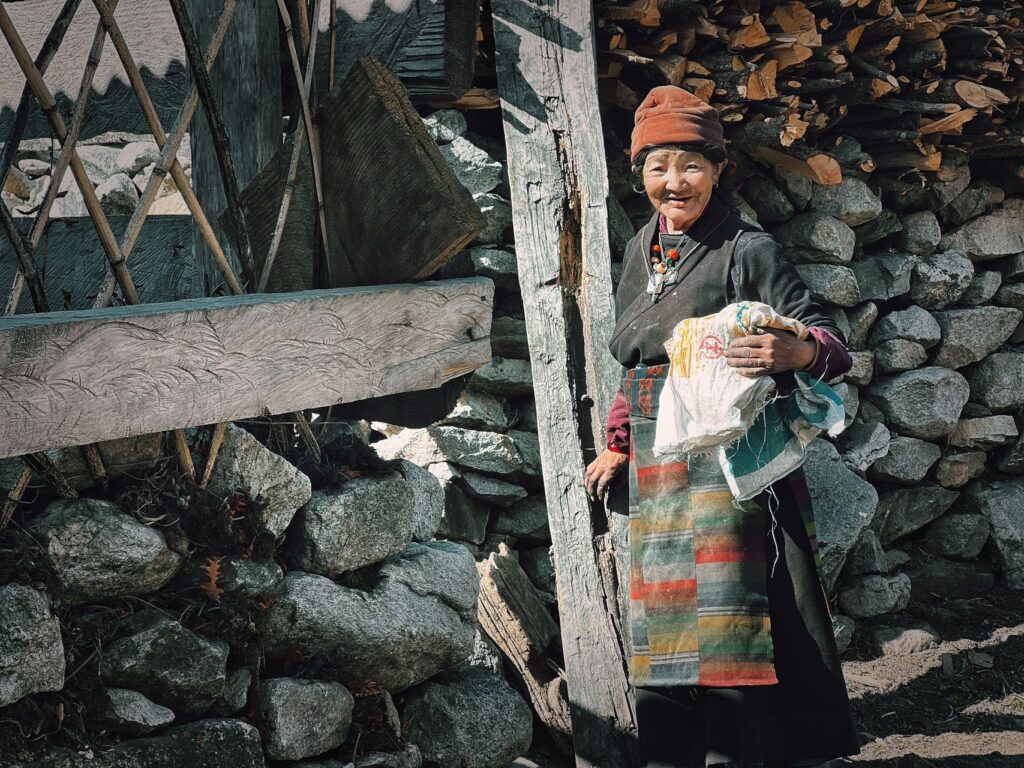
Local People of Restricted Trekking Areas in Nepal

From Simikot the adventure begins and ends after walking to the far end of Nepal close to the Tibet border. The route leads to scenic Limi Valley crossing high passes to reach back at Simikot, where an exciting flight brings you to Kathmandu.

08: Kanchenjunga Around Far East Himalayas 1988.

Kanchenjunga Base Camp Trekking leads you to the foot of the world’s 3rd highest Mt. Kanchenjunga. As well the 2nd highest of all peaks in Nepal Himalayas towers above 8,586 m / 28, 169 feet high. The massif Kanchenjunga or ‘Kanchendzonga’ means five jewels of a peak in Tibet origin language.

Kanchenjunga was established as a restricted area in 1988, the region also shares the borders with Tibet towards the north. As well as with Sikkim (a small state of North East India) in the east. Kanchenjunga leads to both South and North Base Camps. One of the few treks in the Himalayas that takes you to visit two base camps on one single journey.

Restricted Trekking Areas in Nepal Trekkers can enjoy the walk around the hidden trails from one lovely farm village to another. The adventure leads to a beautiful forest lined with tall trees of rhododendrons, pines, firs, and oaks. Then reaching a wide glacial valley at Kanchenjunga South Base Camp. After an amazing and exciting trek around the south base camp. The adventure then leads to the North Base Camp of Mt. Kanchenjunga.

Restricted Trekking areas in Nepal is A great adventure of more than two to three weeks that involves flights and drives both ways to and from Kathmandu.

The Best Seasons For Restricted Trekking Areas in Nepal:

Most Restricted Trekking Areas in Nepal fall around remote northern corners of the Himalayas and close to Tibet borders. Some of the areas like Upper Mustang, Upper Dolpo, Humla, and Limi Valley. These regions can be enjoyed from late spring till autumn/fall that is from April to early November.

Upper Mustang, Upper Dolpo, and Nar Phu as well as Humla and Limi Valley fall within the rain shadow. Where monsoon dark clouds are blocked by the massif Himalayan range of peaks. This is why the landscapes are barren and dry similar to the Tibetan plateau across the borders.

The best times are spring, early summer, and autumn seasons. Spring April and May, early summer around June to middle July, and September to early November.
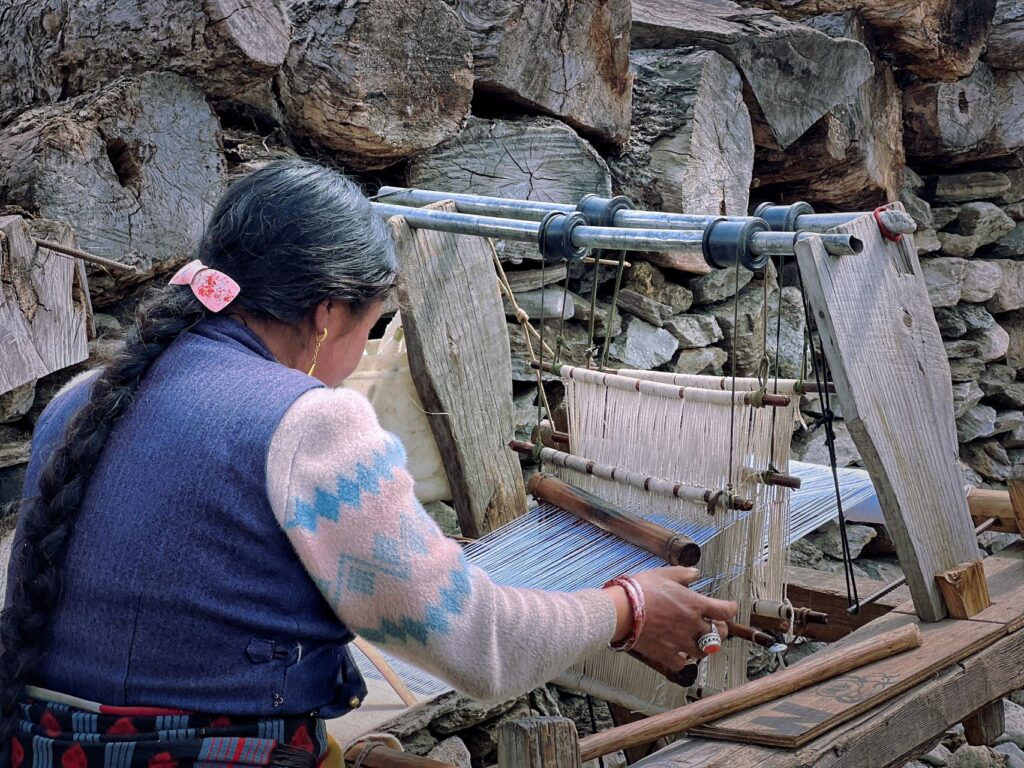
Culture In Nepal
Culture In Nepal

Around Restricted Trekking Areas in Nepal, spring is a lively time for pleasant walks and scenic views. Most days are fine and clear with enough sunshine hours till late afternoon from 6 a.m. to 6 p.m.

It can get overcast in the afternoon sometimes, with chances of light rains and snowfalls. Days are much longer with sunlight hours, but cold morning and late afternoon till nighttime. Depending upon altitude and overnight stops en route to your destinations. Spring is the best time for nature lovers, when wildflowers are in seasonal bloom, especially the rhododendrons of various species. The next best season is autumn/fall, where most days are bright, with sunny days for clear views. The autumn/fall starts from September to November, one of the high seasons in Nepal for trekking. Days are fine with crystal clear blue sky, but gets dark soon due to limited sunshine hours. The morning and late afternoon until the nighttime is cold, and chances of light snowfall above 2,500 m high.
Popular Base Camps Trekking Around Nepal Himalayas

Popular Base Camp Trekking in Nepal is the foremost country on this planet for all types of adventures and outdoor sports. Interested adventurers, trekkers, and explorers can enjoy the walks from the popular routes to off-the-beaten trails. Where some of the base camps are well hidden from the main trekking trails within absolute wilderness.

Amazing view near the Annapurna base camp

The country with great dramatic contrast and diversity from the low warm sub-tropical of the Terai belt to cooler alpine hills. Which extends towards a higher mountain range and ends at the arctic zone of snow, ice, and glaciers of the great Himalayas. From the 14th world’s highest peaks, Nepal with the most of 8th highest mountain within the Himalayas. The Himalayan Mountain range stretches from the Far East to the West of the country.

The popular base camp trekking Includes Mt. Everest 8,848.86 m, Mt. Kanchenjunga 8,586 m and Lhotse 8,516 m with Mt. Makalu 8,463 m. The list continues with Mt. Cho Oyu 8,201, Mt. Dhaulagiri 8,167 m, and Mt. Manaslu 8,163 m. The last on the list is Mt. Annapurna-I 8,091 m, the 10th highest and Nepal’s most popular base camp. Besides major world highest peaks base camps, there are other popular base camps below 8,000 meters. Like the famous Ama Dablam, Ganesh, Langtang, and Jugal Himal Base Camps above and under 7,000 meters.
The most popular base camps trek are Everest, Annapurna, Dhaulagiri, Makalu, and Kanchenjunga. The Manaslu and Cho Oyu base camps are off the main routes, trekkers seldom visit except for the mountaineers.

Some major mountains have two base camps, like Kanchenjunga and Annapurna where trekkers can visit in one single journey. Especially on Kanchenjunga, the world’s 3rd highest, the treks include both Kanchenjunga North and South Base Camps. The other interesting to know is that Everest and Lhotse share, the same base camps.

List Of Popular Base Camp Trekking:

01: Annapurna Base Camp:

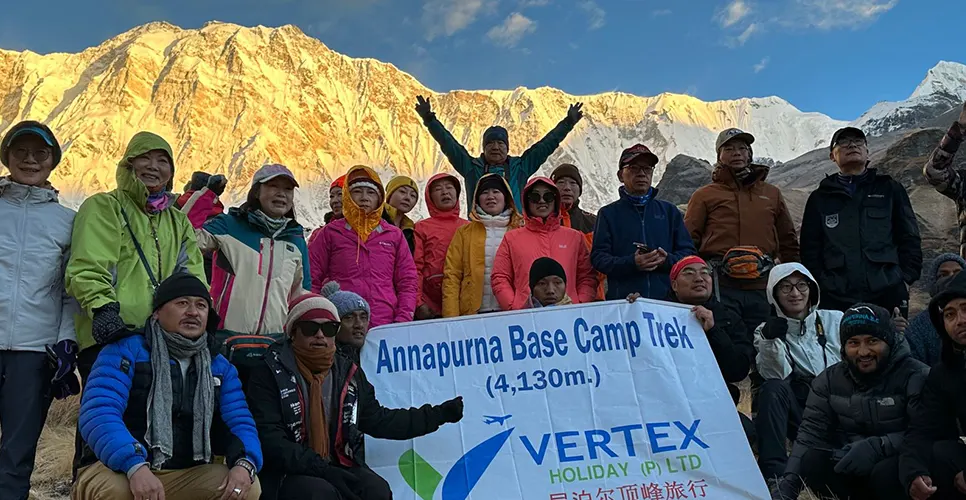
Annapurna Base Camp
Annapurna Base Camp

The shortest and most scenic Annapurna base camp, often referred to as ABC for short. It is a picturesque spot, unlike all the Himalayan region base camps, due to its proximity. Start and end points of trekking from the nearest motorable road to and from Pokhara.

Trekkers can cover the whole trek from Pokhara to Pokhara within a week. The best about the Annapurna Base Camp is that the trekkers do not have problems with HAS or High Altitude Sickness.

The elevation gains with slow and gradual paces to the highest point at Annapurna Base Camp. It is 4,130 m/13,550 feet, located beneath the towering east face of Mt. Annapurna-I. It is the only base camp around the Himalayas, where trekkers can enjoy the comfort of nice and cozy lodge accommodations.

Annapurna-I is the world’s tenth-highest peak and a massive range of mountain range. It extends as far as Manaslu Himalaya in the east and Mt. Dhaulagiri towards the west.

The Annapurna Base Camp is in the heart of the Sanctuary, around Kaski District and Gandaki Zone, Mid-West Nepal. Mt. Annapurna-I was the first 8,000-meter peak ever climbed in mountaineering history, on June 03rd, 1950. By the French Expeditions, three years before Mt. Everest was summited, on May 29th, 1953. Around the Annapurna Himalayan region and Annapurna Base Camp, trekkers need TIMS (Trekking Information Management Systems) permits.

As well as ACAP (Annapurna Conservation Area Project), entrance fees are obtained by the local trekking agencies in Kathmandu.

02: Everest Base Camp:

Everest Base Camp
Everest Base Camp

Everest base camp lies beneath the world’s number one Mt. Everest. Everest base camp is the most famous and popular of all the base camps around the Himalayan ranges. It is one of the favorite destinations among all trekkers and mountaineers, a dream destination for millions of travelers and adventurers.

Everest Base Camp is located in the Khumbu district around Nepal North Mid-East, with various routes to reach Everest base camp. The earliest and classic route to Everest base camp was from Jiri, also known as Switzerland of Nepal.

It was the original route to high Khumbu through Solo areas to reach Namche Bazaar and then to Everest Base Camp. Since the airport was built in Lukla, for STOL aircraft the classic trail of Jiri is almost forgotten at present. Most trekkers prefer the shortest way taking the flight from Kathmandu to Lukla Town airport.
Then following the scenic trail towards Everest base camp, it takes about 12 days from Lukla to Lukla. Covering a distance of approx. 130 km or 81 miles, exploring the lovely villages of Phakding, Namche Bazaar, and beautiful Tengboche.

Everest Base Camp Trekking, where all visitors need time to get acclimatized, having extra days at certain heights. As well as to enjoy the surrounding stunning scenery of landscapes and snow-capped peaks.
The route to Everest Base Camp is well maintained with a straightforward route, as well as crossing bridges over glacial rivers. The Everest and high Khumbu region is located within Sagarmatha National Park, the name Sagarmatha for Everest in Nepal. The native Sherpa calls Chomolungma for Everest, from Tibetan origin language. For the trek to Everest Base Camp, the permits are controlled by the Khumbu village community. Includes entrance fee for Sagarmatha National Park, at Lukla or Monjo or from the park entrance post.
The trek to Everest Base Camp follows on winding scenic trail with constant views of giant snow-capped peaks. From Namche Bazaar onwards views of Mt. Everest are seen most of the time during the walks. Until Everest base camp is reached, where you will stand beneath the towering peaks of Everest, Lhotse, and Nuptse. As well with close views of Khumbu Ice Fall and the glaciers, the base camp is flooded with tented camps. During the peak mountaineering season of spring from March to May, with various camps of different nationalities mountaineering expeditions.

Everest base camp at 5,364 m / 17,599 feet high, the views of Mt. Everest are obstructed by adjoining peaks. For the best closest views of Mt. Everest and surrounding mountains climb up to the high Kalapathar rocky hilltop.

Kalapathar is a high black rocky ridge, close en route to Everest base camp and above Gorakshep.  The highest points of the adventure, at 5,643 m /18,514 feet, offer a spectacular panorama of giant snow peaks. The closest views of Mt. Everest at a mere distance with incredible scenery of towering mountain ranges.

After completing the adventure to Everest base camp and climb of Kalapathar, heading back to Lukla. Then, on a short sweeping flight to Kathmandu, with unparalleled views of the Himalayan peaks.

03: Kanchenjunga Base Camp:

Mt. Kanchenjunga is the world’s 3rd highest peak with a massive range, located in Far Eastern Nepal. Around the district of Taplejung, one of the less visited base camps of Mt. Kanchenjunga. Due to its remote locations and lack of good accommodation and food facilities, then on other popular base camp treks.

Despite the remote country of Kanchenjunga areas, it is one of the most interesting and exciting adventures to experience. Mt. Kanchenjunga the original name is Kanchendzonga, which means mountains with five jewels, referring to its five adjoining peaks. Mt. Kanchenjunga at 8,586 m/ 28,169 feet high, first ascent to the summit of Mt. Kanchenjunga on May 25th, 1955.

Climbed by the British Expeditions, since then the mountain is often climbed by various nationalities mountaineers.
Kanchenjunga with two base camps the North and South Base Camps.

The North Base Camp is higher at 5,150 m/16,896 feet, located at the small settlement of Lhonak and Pang-Pema.
The trek to Kanchenjunga is a full circuit visiting both base camps the south and the north. Where South Base Camp is popular among the mountaineers, due to its accessible route to the summit.

Most mountaineers use the original route for the climb from South Base Camp at Oktang. The treks to Kanchenjunga both base camps, is an adventure of a three-week duration. It involves flights both ways with drives on the hilly rough road to the starting point of the treks. As well as on the way back, on completing the whole Kanchenjunga circuit, trekking to both base camps.

Kanchenjunga Base Camp Trekking is an adventurous walk from mid-hill farm villages to dense lovely forest. Covered in tall rhododendrons, magnolia, oaks, pine, and fir trees, then reaching the arctic zone amidst snow, ice, and glaciers.

A remarkable adventure, where trekkers can enjoy the pristine wilderness, in less visited areas by the main flow of trekkers.

04: Lhotse Base Camp:

Lobuche Base Camp
Lobuche Base Camp

Mt. Lhotse is the world’s 4th highest peak at 8,516 m/27,940 feet. Mt. Lhotse, might not be a famous and popular peak, among the trekkers and mountaineers. But most trekkers are unaware that Mt. Lhotse shares the same base camp as Mt. Everest.

Mt. Lhotse is the adjoining peak of Mt. Everest, it is separated by the South Col. When visiting the Everest base camp, you will be standing at the base of Everest and Lhotse as well.

05: Makalu Base Camp:

Makalu Base Camp is in the district of Sankha Sabha, of Koshi Zone in Nepal Far East, around the Khumbukarna Himalayan range. Mt. Makalu is the world’s 5th highest peak at 8,463 m/27,766 feet high.

The first ascent was on May 15th, 1955, by the French Expeditions, and since then, often visited by mountaineers.
Makalu Base Camp, at 4,870 m/15,978 feet high at the western end of Barun Valley. The trek to Makalu Base Camp involves flights and drives from Tumlingtar to Tumlingtar, a moderate town.

It is the start and ending points of Makalu Base Camp Trekking after flying in from Kathmandu. Then, on the drive for a few hours to the Num Village, the trek leads to several farm villages. From the last Tashi-Gaon village, there are no permanent villages except temporary settlements. The lodges are small and very simple en route to Makalu Base Camp.

Barun Valley and Makalu Base Camp are less ventured by the mass flow of trekkers. Due to its remote location, it leads to a perfect country walk around the mountain wilderness. An adventure starts from low sub-tropical areas to a cooler alpine hill covered in dense pine and rhododendrons forest.

The walk follows to traverse and crossing the small pass of Keke, Shipton, and Tutu-La. The views of the snow-capped mountain remain constant as the walk reaches Makalu Base Camp.

At Makalu Base Camp, stand amidst remorseless fields of moraines filled with ice, snow, and glaciers. Makalu Base Camp is famous for its views of the rare Khansung or East Face of Mt. Everest.

Makalu Base Camps is protected by the Makalu and Barun National Park and Conservation. Makalu Base Camp Trek is of a two-week duration with drives and flights from Num to Tumlingtar and towards Kathmandu.

06: Cho Oyu Base Camp:

Cho Oyu Base Camp
Cho Oyu Base Camp

Mt. Cho Oyu, the world’s 6th highest peak, like Everest, straddles the borders between Nepal and Tibet-China. Mt. Cho Oyu towers high at 8,201 m/26,906 feet and most of the climb is done from Tibet.

The North side of Mt. Cho Oyu is much more accessible to reach the summit than from Nepal. Which is tough, difficult, and technical from Nepal, situated around the high Khumbu at the far end of Gokyo Valley. Mt. Cho Oyu was climbed on October 19th, 1954 from Tibet by the Austrian Expeditions.

Cho Oyu Base Camp in Nepal side is the least visited by mountaineers and trekkers. The mountain is located in the far northwest of the Gokyo Valley close to the 5th and 6th Gokyo lakes. The Cho Oyu Base Camp is at 5,600 m / 18, 372 feet high.
Trekkers on a visit to Gokyo Valley, where only a few groups seldom dare to venture to Cho Oyu Base Camp. Due to its remote and isolated location, the views from Cho Oyu Base Camp offer a magnificent panorama of surrounding high peaks. The views include Mt. Cho Oyu, and Gyachung Kang, with both the north and south face of Mt. Everest.
The walk from Gokyo Lodge around the 3rd lake takes more than 6 hours. Trekkers need to carry tents and sleeping bags, including food for overnight halt. From the main Gokyo areas, there are no lodges and human settlements, which is why most trekkers hike up to 5th Lake only. Due to its long distance as well as the rise in altitude. Interested people can enjoy the trek to Cho Oyu Base Camp of two-week duration hikes from Lukla to Lukla.

07: Dhaulagiri Base Camp:

Mt. Dhaulagiri is the 7th highest peak at 8,167 m high. It is one of the adventurous walks to reach the base camp of Mt. Dhaulagiri.

The treks require more than 12 days to cover the Dhaulagiri Circuit. Includes drives to reach the starting point of the treks around Mygdi District, around the Nepal Far West, of Gandaki Zone, then the treks end at Lower Mustang in Jomsom.

From Jomsom, on a short flight or a long drive to Pokhara, which is the starting and ending points. The trek to Dhaulagiri, camping equipment, and food required to carry for a week.

Dhaulagiri Base Camp

Dhaulagiri Base Camp is 4,740 meters high and situated around the moraine of rocks and glaciers. Right beneath the northwest face of Mt. Dhaulagiri and its massive Ice Fall and glaciers are the source of the Mygdi River.  Although a challenging trek, it leads to an enjoyable and exciting walk on a tranquil path. Away from the mainstream and human habitations and villages for a week till the walks reach Kaligandaki Valley.

The trek takes you from low sub-tropical farm areas and isolated villages, then towards complete mountain wilderness. Walk through a lovely forest amidst dense rhododendrons, oaks, firs, and pine trees. Then, the walk heads beyond the lush green vegetation, entering the wild arctic zone landscapes covered in ice, rocks, and glaciers.

Walk past the glaciated valley to reach Dhaulagiri Base Camp, and cross French Pass to scenic Hidden Valley. From Hidden Valley, the walk leads to traverse the last Thapa or Dhampus to reach charming Marpha Village.
The walk follows to the large town of Jomsom, the headquarters of Mustang district, for an exciting flight back to Pokhara.

08: Manaslu Base Camp:

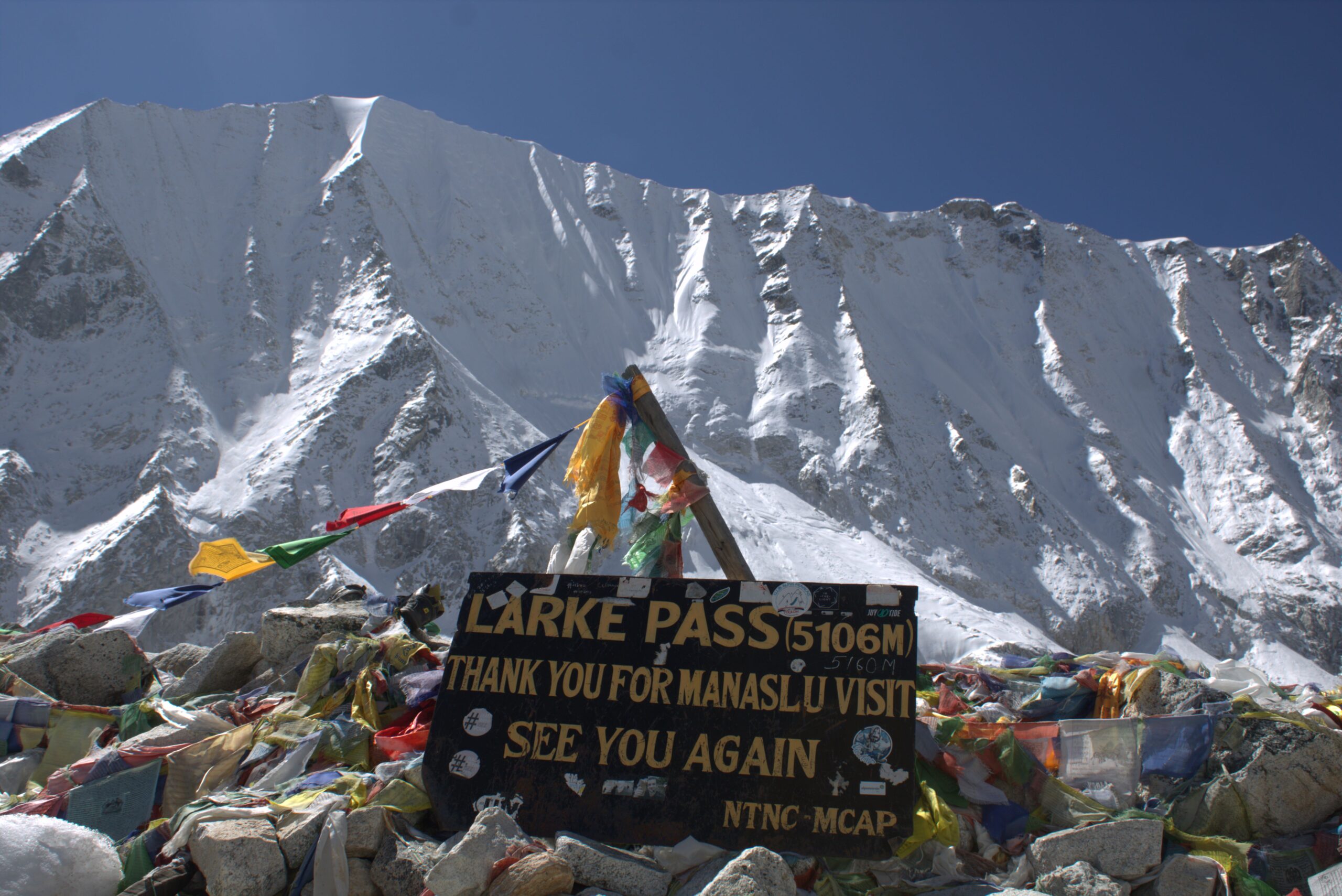
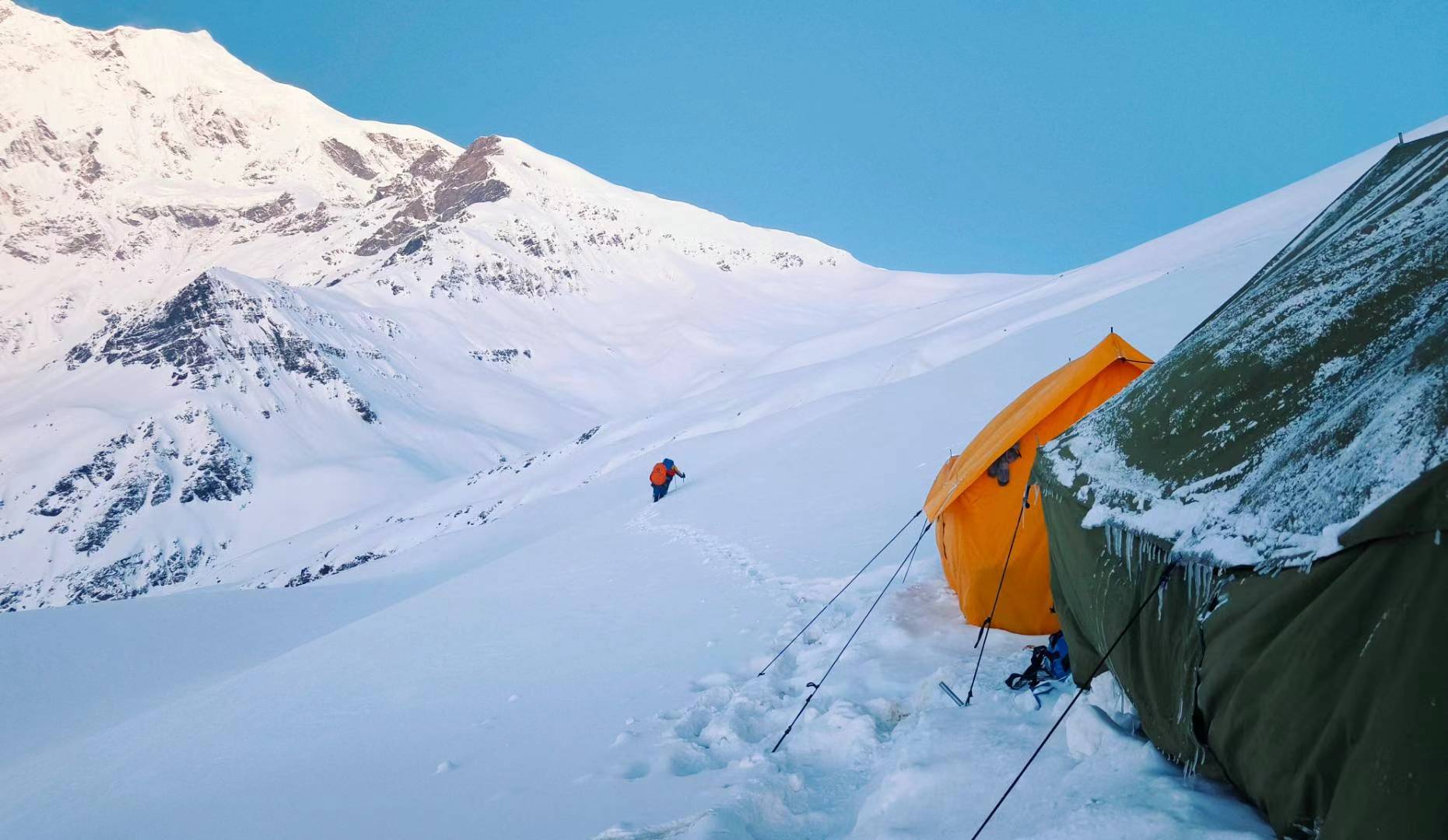
Manaslu Base Camp Larke la pass

Manaslu Base Camp treks take you to the bottom of the world’s 8th-highest Mt. Manaslu. The base camp is at 4,800 m/15,748 feet high, the mountain was first climbed in 1956 by the Japanese Expeditions.

From then on, the mountaineers mostly visit for the summit bid at 8,163 m/26,781 feet high. Manaslu Base Camp is situated far away from the main Manaslu Circuit route. Only a few interested trekkers often visit the Manaslu base camp for a long day hike from Sama Gaon.

The Manaslu base camp is well hidden and away from the main trekking trail. It is visited only by groups of mountaineering expeditions during the best climbing seasons. For the trekkers, it is a long day hike while spending a rest day for acclimatization at Sama Gaon.

Manaslu Base Camp is located on the far corners of Manaslu Valley, close to the beautiful Birendra glacial Lake. Most trekkers on the Manaslu Circuit trekking sometimes visit on rest days up to Birendra Tal/Lake.
From this spot trekkers can enjoy the view of Manaslu Base Camp, the ice falls and glaciers, and the towering peaks of Manaslu.

To enjoy a hike to Manaslu Base Camp, trekkers need to carry tents and food to spend an overnight. The hike takes more than 5-6 hours one way from Sama Gaon. This is why only a few trekkers hardly visit the Manaslu Camp, only if they are involved with the expedition group.

An amazing with beautiful scenery on the walks to Manaslu Base Camp. Trekkers can experience the dramatic contrast of green forest against the white snow-capped peaks. The journey to Manaslu Base Camp with a full circuit takes about two weeks.

It includes drives from Kathmandu to the starting point of the treks and at the end of the adventure, after crossing Larke-La Pass to reach Manang areas at Dharapani Village, and for the drive back to Kathmandu.

The popular base camp trekking Conclusion:

The popular base camps trekking around the Nepal Himalayas are just information for interested adventurers and trekkers. Some of the base camps are highly popular among the trekkers.

Only a few 8,000-meter mountain base camps are rarely visited by trekkers, other than mountaineers. Due to its remote location and lack of accommodation facilities for overnight stops, after the long strenuous walks.

The most popular base camps are Annapurna and Everest base camps, where thousands of trekkers and mountaineers visit every season.

It is due to the facilities, availability of the lodge accommodations, and the good foods to enjoy, with the picturesque mountain views.

Besides Annapurna and Everest, Makalu and Kanchenjunga base camps are gradually getting more visitors over the past few years. As the influx of trekkers has increased, and as well as the local lodge en route to base camps has been built. To cater to the trekkers, with the good foods and warm traditional hospitality.

Mt. Manaslu and Mt. Cho Oyu are the only base camps with the least number of visitors, except for the mountaineering expeditions.

The other base camps, like Dhaulagiri, are getting quite popular, as the Dhaulagiri Circuit trek itinerary includes base camp also. For interested trekkers and adventurers, an opportunity to choose from the popular or enjoy the less ventured base camps treks.

Annapurna base camp trek

Reason To Choose Manaslu Circuit Trek

Reason To Choose Manaslu Circuit Trek, by trekkers and adventurers, those who are interested in less visited trails. Manaslu Circuit Trek has its own charm and beauty beyond, in comparison to other scenic Himalayan destinations.

The Upper Manaslu region, at one time, remained a forbidden country, isolated and hidden from the rest of the world. Then it flung the door open in 1992 for foreign visitors to experience its glorious cultures of age-old heritage.

As well as to observe the traditional customs of the Upper Manaslu village of immense and impressive colorful cultures.

Reason To Choose Manaslu Circuit Trek Since the Upper Manaslu was allowed for outside travelers, it still remains a Restricted area of Nepal. Trekkers heading for Upper Manaslu, require a special permit and MCA, (Manaslu Conservation Area) similarly ACAP (Annapurna Conservation Area Project) entry fees.

Reason to choose Manaslu Circuit Trek
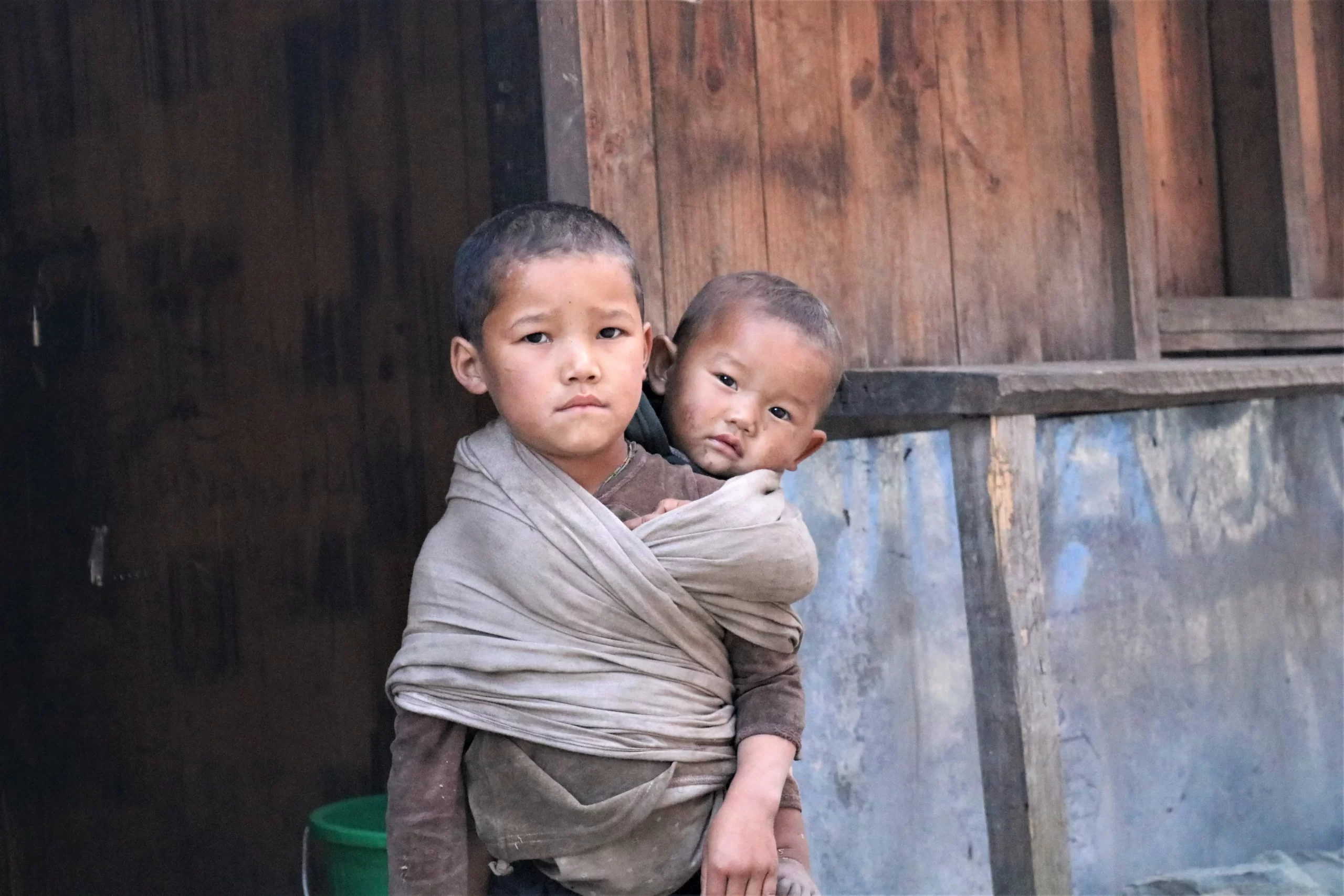
A child carrying his sibling

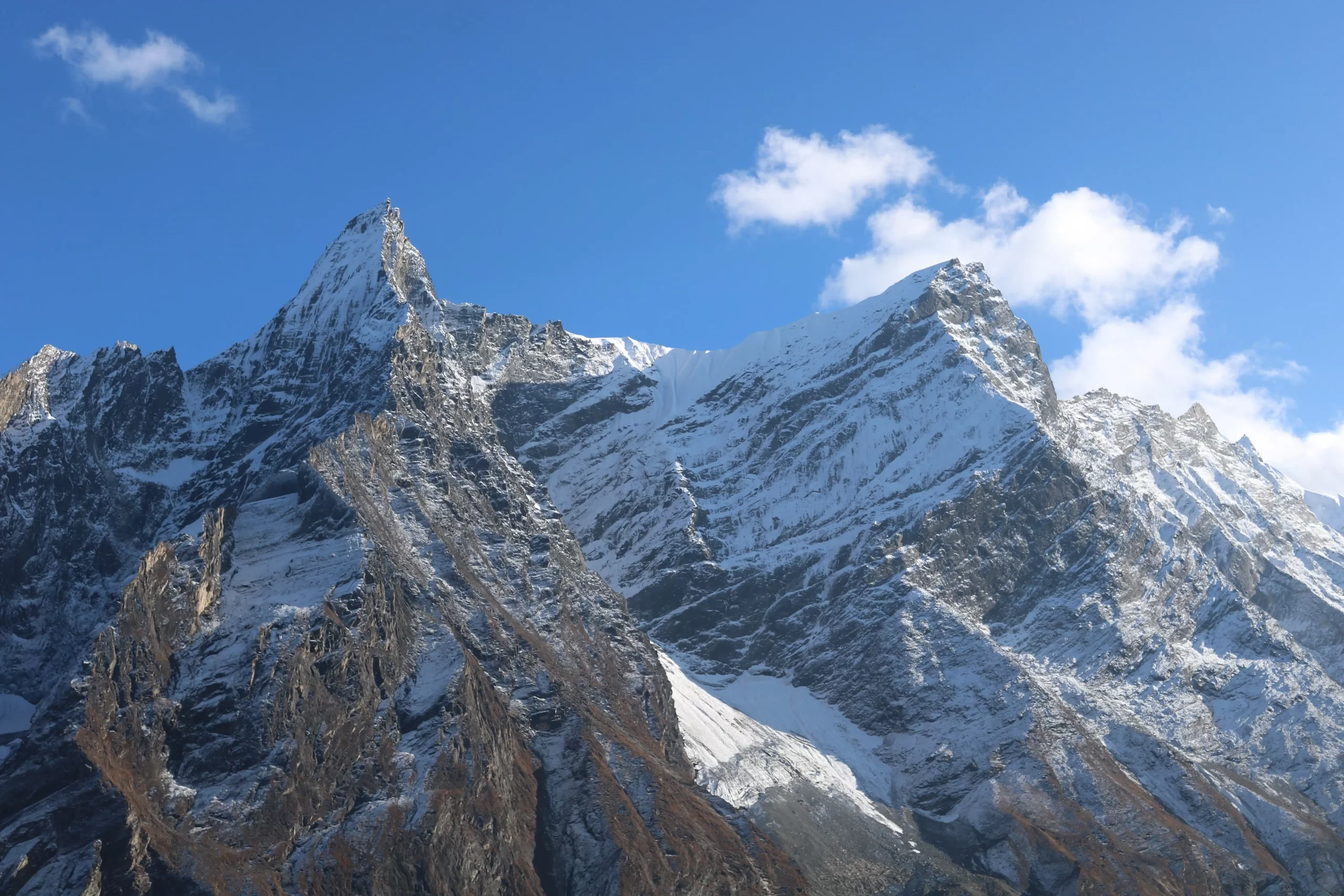
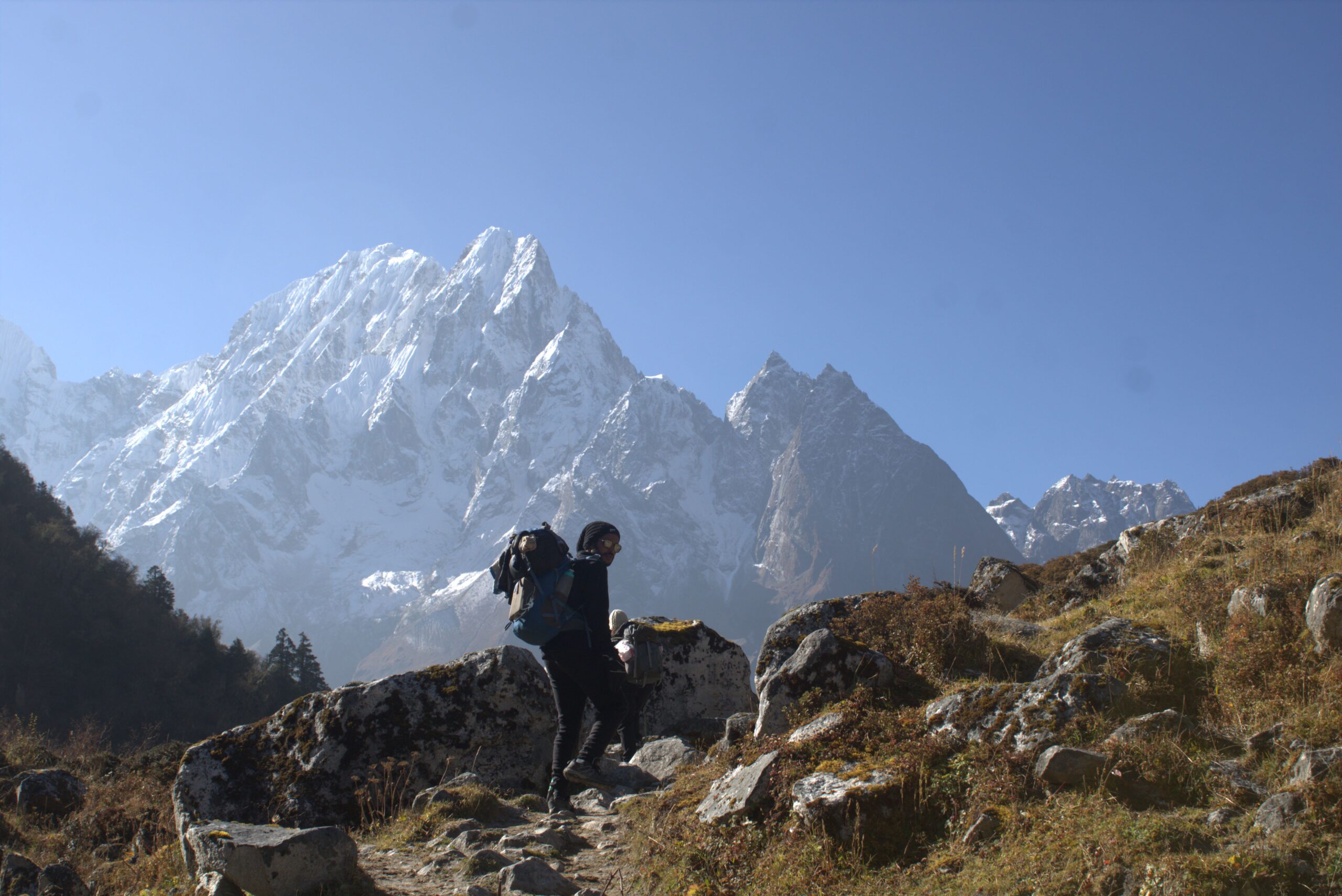
Mountain peaks in the Manaslu region. The reason is to safeguard its pristine natural environment and limit the mass flow of trekkers. As well as making the area quite special from other popular regions of Nepal Himalayas. The important reason is due to its close border with South West Tibet / China.

Reason To Choose Manaslu Circuit Trek, The Manaslu Upper region provides visitors exceptional views of the surrounding spectacular scenery of towering white peaks, and its scenic landscapes. Besides the picturesque vista, the local culture is equally fascinating making Manaslu Circuit Trek, the best choice for visitors.

The scenic landscapes and impressive cultures are the main reasons Reason To Choose Manaslu Circuit Trek.

Various Routes And Destinations to Enjoy Manaslu Circuit Trek:

Manaslu Circuit Trek, apart from the main straightforward route, there are several options for interested trekkers and explorers. One of the main reasons to choose the Manaslu Circuit Trek, trekkers can combine the Manaslu Circuit with the hidden Tsum Valley. Adding a week more to enjoy the blissful country of the upper remote corners of the Gorkha district.

An enjoyable and exciting walk to the Valley of Happiness as the Tsum area is known for its special cultures and glorious scenery.

The other route that one can explore is taking a drive to Barphak lovely village of Gurung hill tribes. Which is away from the main trail for a few days and then joining back on the route of the Manaslu Circuit.

The next alternative is an adventure from Rupina-la pass, where trekkers hardly venture. An exciting walk away from the main villages and human settlements for a week. Then reaching the main trail of Manaslu Circuit, after being in complete wilderness. Combining the Manaslu Circuit with the Rupina-La pass will be a great option for trekkers in search of pure mountain wilderness.

On Rupina-La route, trekkers can also visit Boudha Himal base camp one of the major peaks of Manaslu Himalaya range. The main straightforward route is taking a long drive from Kathmandu to Machha-Khola village. Located around a low warm valley, and as the walk progresses reaching cooler hills, and then heads towards Upper Manaslu Valley, a main Reason To Choose Manaslu Circuit Trek.

Reason To Choose Manaslu Circuit Trek One of the few treks around the Himalayas, which follows the great Budi-Gandaki River right up to its near glacial source. Which is close to Sama-Gaon en route to Mt. Manaslu Base Camp, where the glaciers feed the Budi-Gandaki River. The treks from Machha-Khola lead to several interesting low farm villages and towards the high hills at Jagat. The village and the main entrance to the Forbidden and Restricted Country of Upper Manaslu Valley.

The adventure leads toward strong Buddhist cultural settlements and villages, adorned with interesting religious monuments of prayer walls and flags. The walk leads higher through the lovely villages of Namrung, Lo-Gaon to enter scenic Manaslu Valley and then reach Sama-Gaon, which is one of the reasons To Choose Manaslu Circuit Trek

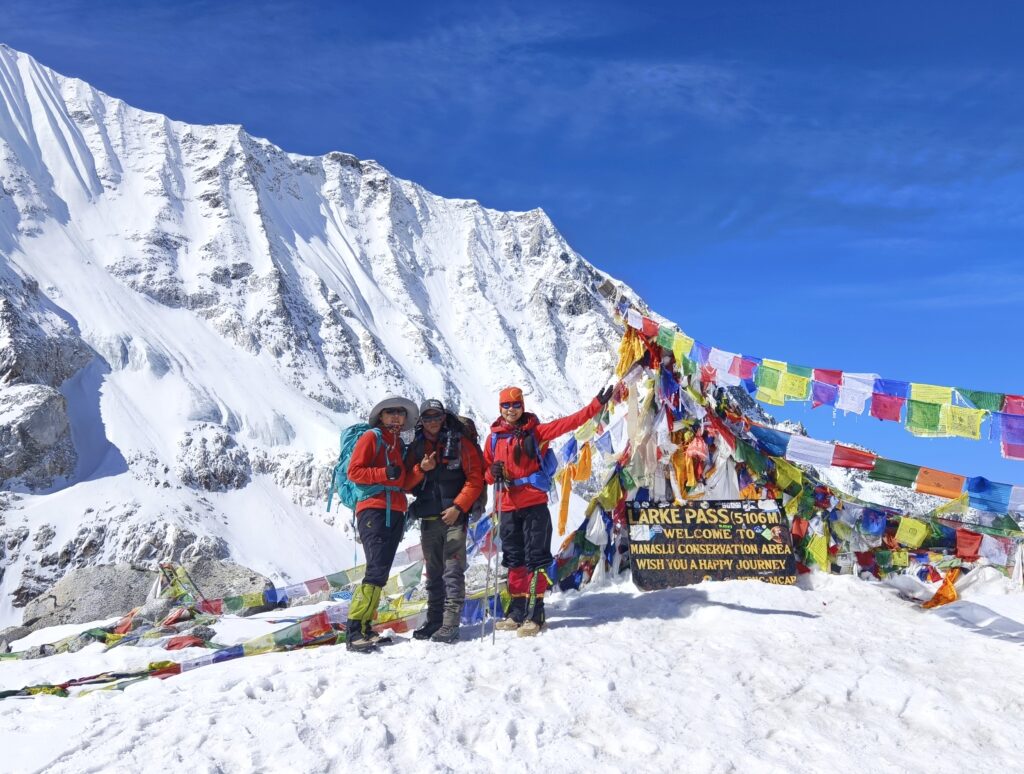
Located in the heart of Manaslu Valley, as well as on the route to the base camp of Mt. Manaslu. Staying in Sama-Gaon for acclimatization, where one can take a short or long hike to Manaslu base camp. As well as Pungyen Monastery and the famous Birendra Tal a glacial lake, enclosed amidst beautiful forest surroundings. The adventure continues heading past Samdo to Dharmasala or Phedi, at the base of the high Larke-La Pass. An early steep climb takes you to the top of Larke-La at 5,106 m /16,752 feet. On the highest point of the adventure, overlooking the breathtaking panorama of the Snow Mountains that surround Larke-La Pass.

The pass forms the boundary between Gorkha and Manang districts. Finally, the long walk ends, walk past Bhimthang to Dharapani village, where the great adventure Manaslu Circuit Trek completes.

The next morning an interesting drive leads to Kathmandu on a long exciting mountainous road. After a wonderful adventure on Manaslu Circuit Trek.

The Best Reason To Choose Manaslu Circuit Trek:

Besides various routes, and reasons to choose Manaslu Circuit Trek, after ending the walks at Dharapani village in Manang district. One can combine the trek with the popular Annapurna Circuit Trek, heading towards the main Manang village.

Reason to choose Manaslu Circuit Trek

Where adventure continues towards the high Thorang-La pass at 5,416 m to reach another beautiful area in the Mustang district. Then take a drive to scenic Pokhara or enjoy a short flight from Jomsom town to reach Pokhara.

The other option is to trek to Nar-Phu hidden valley, crossing Kang-La pass to reach the main picturesque Manang Valley. Trekkers can continue walking towards the world’s highest Tilicho Lake, and then over Thorang-La pass to Jomsom town.

Reason To Choose Manaslu Circuit Trek, Manaslu Circuit Trek offers various options to choose from before or after completing the trek, ending at Dharapani village in Manang. This is why one of the best reasons to choose Manaslu Circuit or an adventure ‘Around Manaslu’.

To cover Manaslu Circuit is approx. 177 km or 110 miles, which can differ from the itinerary chosen. The average day is about 12 nights and 13 days or less depending upon the fitness of the trekkers. The Manaslu Circuit Trek involves exciting long drives both ways to and from Kathmandu.

The other reason to choose Manaslu Circuit Trek is its immense culture of age-old heritage. Which is of strong Tibetan culture of Buddhism religion, where trekkers can observe along the walks through lovely villages.

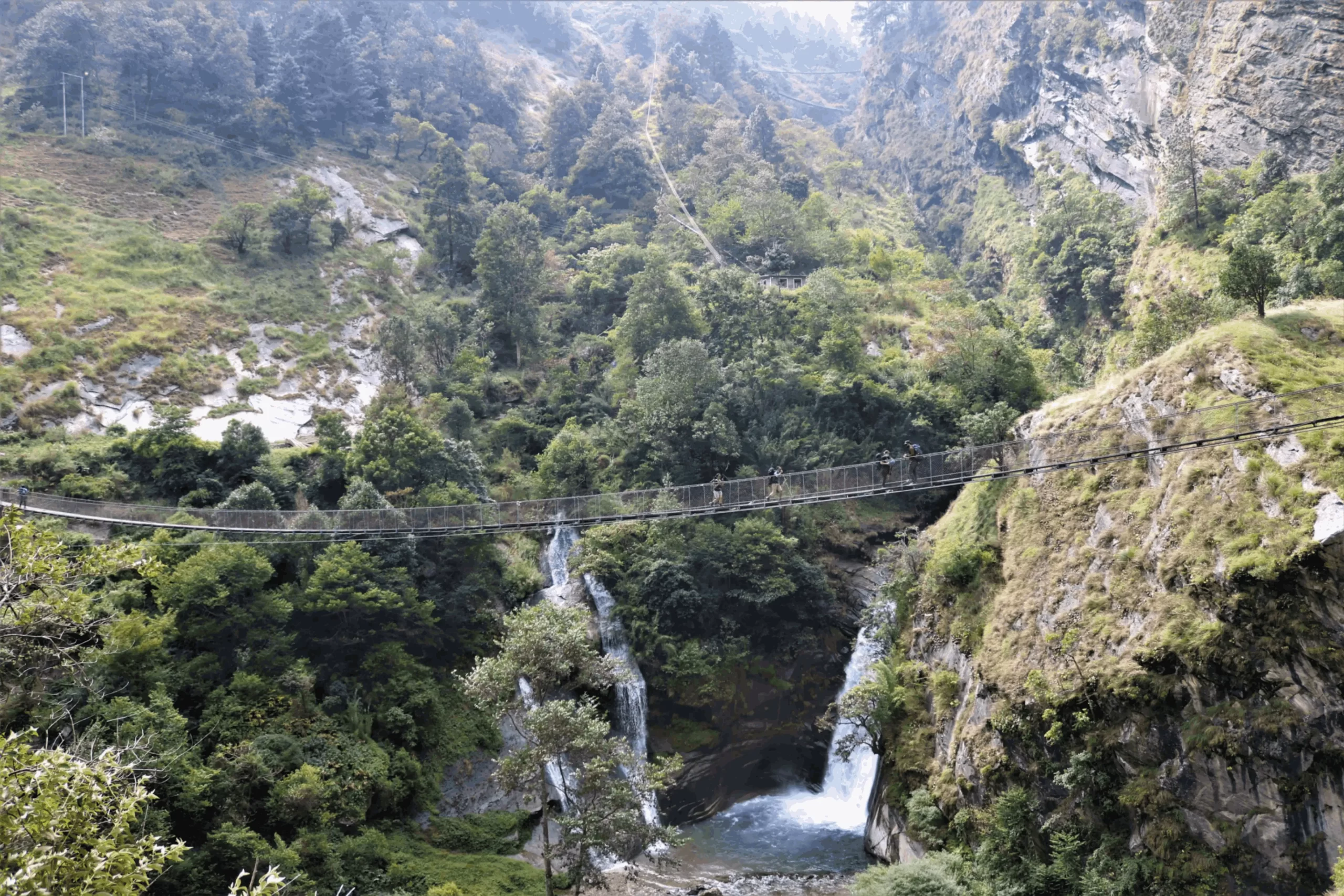
A suspension Bridge during the Manaslu Circuit Trek

The Culture & Religion Makes Manaslu Circuit One Of The Best Reasons.

Another Reason To Choose the Manaslu Circuit Trek is that trekkers can witness two different religions before and after the treks on the Manaslu Circuit, which makes the walk more interesting. The lower hills around the Gorkha district are mostly inhabited by mixed hill tribes, the Gurung, Magar, Chettries, and Bharamins. The Gurung and higher Manaslu Bhotias follow Buddhism, and the Magar, Chettries, and Bharamins are interwoven with the Hindu religion.

The adventure leads beyond Jagat village entering the Restricted Areas of Upper Manaslu fully dominated by Tibetan Buddhism. The tribes of Upper Manaslu Valley, who have migrated from southwest Tibet some centuries ago. The indigenous tribes of Upper Manaslu and Tsum Valley with strong Mongolic, and Tibetan features, can be seen till Dharapani village.

The name Manaslu, although comes from an ancient Sanskrit word which means ‘Manas’ the soul of mighty spirits or god. Similar to the holy Lake Manasarover, located in Far South West Tibet near Mt. Kailash, the native of Manaslu is called Kutang. Which means a flourishing land, yielding good harvests for high-altitude crops like wheat, buckwheat, and barley. As well for raising and breeding livestock of sheep, goats, and yaks, the country provides wide lovely grazing pastures.

On this trek Manaslu Circuit, trekkers will have the opportunity to enjoy exploring and visiting traditional villages. The best settlements are Lo and Sama Gaon for a tour of the monasteries, with religious monuments of prayer walls. Includes a series of spinning wheels, Stupas, and a huge Chaitiya with a traditional welcome gate, at the village entrance. Where all houses are festooned with Buddhist colorful prayer flags, and on top of high ridges including at Larke-La pass.

As per the local spiritual values, every high hilltop and pass is the abode of holy spirits, thus prayers and offerings are a means to respect gods and goddesses, which in turn is a fascinating Reason To Choose Manaslu Circuit Trek.

Fresh New Himalayan Destination Are The Reason To Choose:

Apart from various wide destinations around Nepal Himalaya region with the most popular treks of Annapurna, Everest, and Langtang range. Manaslu Circuit is slowly gaining popularity among trekkers in search of raw and fresh Himalayan destinations. Besides following the main trails of the Manaslu Circuit, trekkers can explore the hidden pockets of Manaslu Valley.

Reason To Choose Manaslu Circuit Trek There are more exciting scenic and amazing areas within Manaslu Valley yet to be ventured, into for interested travelers and explorers.

The History Of Manaslu Valley:

From ancient times of glory days, the Upper Manaslu Valley was the most important transit route to Tibet. Where Old Trans Himalayan Salt Trade Trail follows through Sama-Gaon and Samdo villages towards the frontier of Nepal and Tibet. Yaks and mules laden with goods from both sides passed through Manaslu Valley, and the trade with Tibet was nearly extinct. At present, only a few exchanges and bartering take place across the borders of Nepal and Tibet.

Reason To Choose Manaslu Circuit Trek Mt. Manaslu at 8,163 m or 26,781 feet stands as the world’s 8th-highest peak. The mountain was first conquered by the Japanese Expedition on May 9th, 1956 with the support of Nepalese Sherpa climbers. At present draws more wide-world mountaineers for the challenging feat to the summit of Mt. Manaslu.

Reason to Choose Manaslu Circuit Trek

The Best Seasons To Choose For Manaslu Circuit Trek:

Manaslu Circuit trek involves a high pass, traversing from one end of the Manaslu valley of the Gorkha district to reach the Manang areas. The best time of the season is much more important for trekkers to enjoy the Manaslu Circuit adventure. The clear and sunny weather of the region is probably the main reason to choose Manaslu Circuit Trek.

The best and most favorable season is from late spring of April to May or early month of June. Where days are much longer with sunlight hours and clear sunny days for walks and views. The forest around the mid-hills will be alive and bright with wildflowers in seasonal bloom, especially the rhododendron. Can be cold morning, late afternoon till nighttime with chances of snowfall around higher elevations.

The next best time is autumn/fall, which starts from September to November the right season for scenic walks. However, days are much shorter due to sunlight hours, but it is an enjoyable time from September till early November months. Cold morning, late afternoon, and nights, the chance of snowfall sometimes.

Trekkers need to trek before the beginning of November, as most villages’ lodges and guest houses will be closed for winter. The villagers migrate to lower warm areas to escape the cold winter months until mid-March.

Manaslu Circuit & Larke-La Pass Adventure

Manaslu Circuit & Larke-La Pass Adventure is ‘an adventurous traverse from one scenic valley to another beautiful location and adventurers around the world must have trekked and explored most of the popular areas of the Nepal Himalayas. Over the past decades and present Nepal’s Himalayas still stands as the number one trekking destination, as well for various adventures.

Trekkers in search of fresh new destinations around the Himalayas. Vertex Holiday suggests scenic and cultural treks around the Manaslu Himalaya range. Where one can enjoy Manaslu Circuit crossing high Larke-La Pass a traverse from the picturesque valley of Manaslu to beautiful Manang. For this exciting and wonderful adventure, Vertex Holiday provides full information on how and when to book with other useful details.

For travelers interested in providing the important, necessary information to make your adventure holiday memorable, enjoyable, as well worth the experience.

01: Useful Tips for Manaslu Circuit Adventure:

Staying healthy and physically fit. Book with the right and reliable local or overseas trekking agencies.
Make sure the company is registered with the Nepal Government’s respective Tourism Department.
Get information about the trek departure dates.

Larke La Adventure
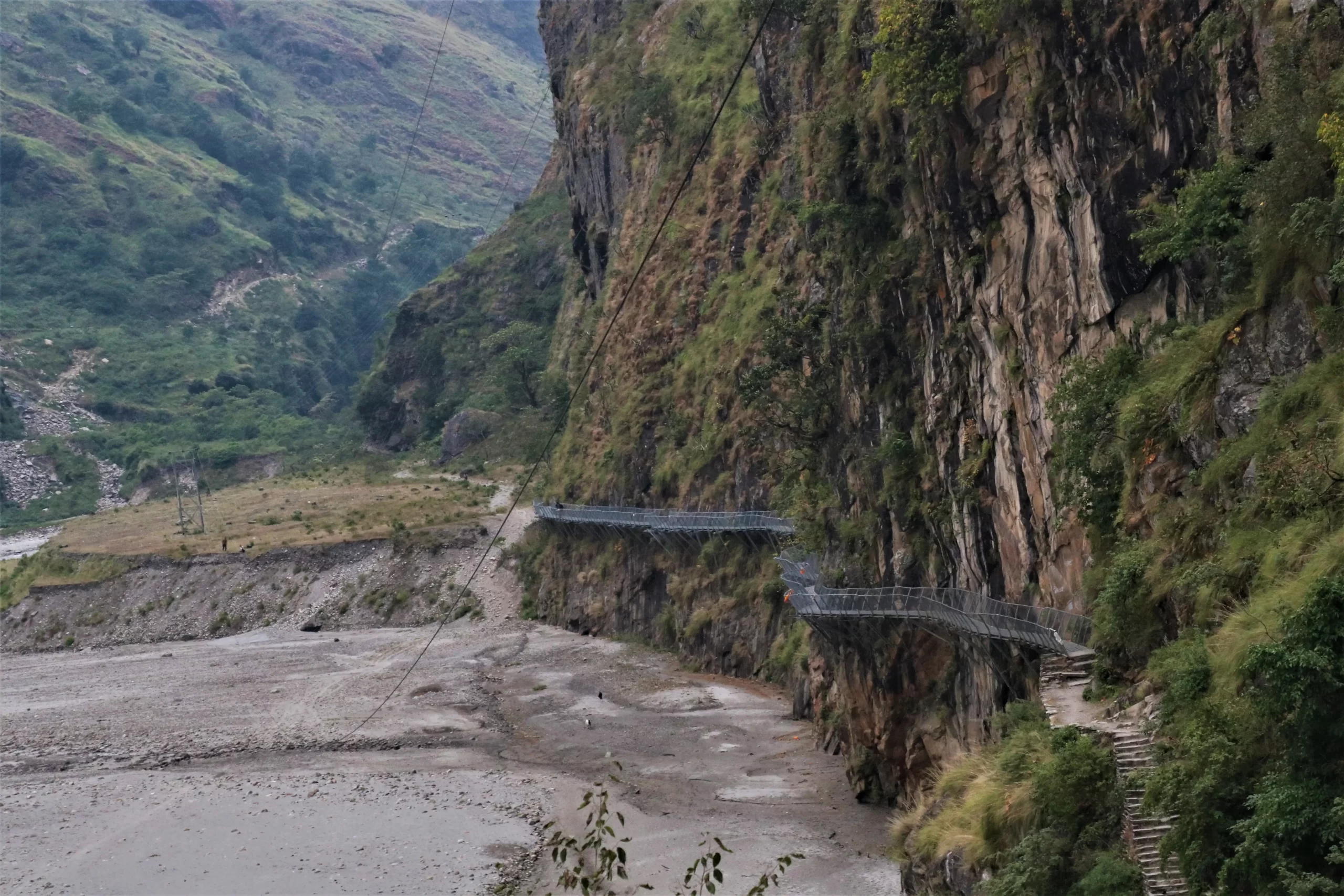
Hanging Trail during Manaslu Circuit and Larke La trek

Check the date of departure that fits with your holiday from work. Search the website to choose the company of your interest and choice. On booking acquire much information regarding the trip. Purchase the trekking gear required according to the season. Understand the nature of trekking and the group size to join. Get to know about the trip cost with includes and excludes.

02: How to stay fit before and after booking the Larke-La Pass Adventure:

Know about the terrain and trails including the altitude of the trek before departure for Larke-La Pass Adventure. Practice some light exercise few hours of walks ups and downhill. Jogging, swimming, aerobics, and Zumba or Yoga exercise. Check with your family doctor regarding AMS symptoms (Acute Mountain Sickness) or other common sickness. Know about your past medical history to be aware of. Check which food is right and best for you to keep fit. Get information on what types of food, and meals are available on trekking.

Inquire regarding the local hospitals and health posts available on treks. Be prepared for the standard itinerary that suits your time in Nepal. In case of server sickness and accidents, what are the means to get back?

03: Packing and buying the right gear for the trek:

Make sure your passport does not expire within 6 months of travel. Legal passports and carry at least 6-8 PP. size photos if required. Carry all necessary documents required for the treks. Purchase Travel & Medical Insurance it’s a must and important. Know the shortest air route to Kathmandu, when buying airline tickets. Get the right clothing and trekking gear required as seasonal wise. Make sure if sleeping bags and duffel bags are provided by the local agents.
Buy perfect-fitting trekking boots that can withstand rain and snow. Inquire about the things that can be bought in Kathmandu for the trek including trekking maps of the area. Get the visa from your own country from the Nepal Embassy or Consulate if not available. On arrival at Kathmandu International Airport can obtain the visa. Carry US$, Euro, Sterling Pounds, or any other foreign convertible currency in cash also to get a visa from the airport. As well as to pay the remaining balance to local agents or by credit card, where a 5 % surcharge is added. Get to know the location and standard of hotels in Kathmandu.

04: Things To Know About Local Culture during Larke-La Pass Adventure :

The upper Manaslu of the Larke-La Pass Adventure is populated by Buddhist religion and culture. Respect the local heritage and culture.
On trekking or traveling anywhere take care of local ecology. Follow the rules as maintained by the local villagers.
Ask your guide or village person when taking photos of people or inside the monasteries. Maintain hygiene and take care of litter and the fragile environment. Be happy and show your right positive attitude to enjoy the holiday.

05: Trekking Routes, Trails & Village Including Local Lodge:

Using hot showers and re-charging electronics ask the price first. Maintain the rules and customs of the villages and lodges on the route. Never bargain on food and accommodation except when buying souvenirs. Check the food menu and order as per your delight. Always be thankful to the villagers and lodge owners depending upon the
services.

Use only boiled filtered water for drinking and ask for the price per liter. Interacting with locals feel safe and enjoy their culture and customs. Make sure what types of transportation are provided for the drive start of
the trek and at the end.

01: Staying Healthy And Physically Fit As Well As Being Aware Of The Trekking With Full Information:

01: Useful Tips for Manaslu Circuit  and Larke-La Pass Adventure :

Always best to make yourself fit and healthy to enjoy the rest of your life as well for the trek in the Himalayas.

  •  First and most important is staying fit sound, and healthy to cope with the Himalayan high-altitude terrain.
    Being fit and in good health physically then search for the best local agents in Kathmandu, Nepal. For instance, Vertex Treks & Expeditions is a company known for reliable and best services and affordable prices.
  • All reliable local companies to choose from should be recognized by the Government of Nepal Tourism Department, as well as by TAAN. (Trekking Agents Association of Nepal). Including trekking guides holding government-approved licenses to guide.
  •  Check the date of departure that fits with your holiday from work.
    Get information about the trek departure dates. Make sure that you have picked the right dates and itineraries as per your holiday duration for the trek.
  •  Search the website to choose the company of your interest and choice.
    Before booking the trip of your interest and choice surf the websites to find the right local company. As well as the standard of the services that are provided according to the trip price, checking the dates for trek departures. If not joining with the group inquire if it’s possible to join the trek as an individual or solo.
  •  On booking acquire a lot of information regarding the trip.
    Before booking the trip get to know much of the trek itineraries, with all information and details related to Manaslu Trekking and Larke-La.
  • Being aware nature of the trekking trails, and altitude with safety measures required for the trek. As well as information on the guide to lead the trek, and how safe and responsible the company can take care of.
  •  Purchase of the trekking gear required according to the season.
    Make sure of the trekking list and items to buy from home before the trek departure and flying to Kathmandu. Inquire if it’s too much to carry from home, and ask if it can be bought or hired in Kathmandu.
  •  Understand the nature of trekking and the group size to join.
    It is important to know the trail condition and route of the treks, as well as the number of trekkers in the group. Making sure the nationality of each person joins makes the trek more enjoyable knowing the members for the trip. Remember Manaslu is a Restricted Area, where a minimum of 2 people is required, solo and individual trekkers are not allowed.
    Where trekkers for Manaslu Circuit must join with a reliable local company led by Government authorized and licensed guide.
  •  Get to know about the trip cost with includes and excludes.
    After paying much of the trip cost, must be fully aware of what’s included and excluded in the trip cost. So that they won’t be any misunderstanding between you and the company. If in doubt there is always time to discuss with the respective companies if something is missing in the trip cost. Must declare before the trek departures, as the guide only follows the rules of the company.

As well as guiding the trekkers safely and soundly offering information on the respective areas of trekking.

Larke La Pass adventure
Larke La Pass

02: Staying Fit For Manaslu Circuit and Larke-La Pass Adventure :

A physically fit person can enjoy the best of holidays, as well as being healthy and wise taking the right types of food to stay fit. Therefore the following points must be taken care of before taking on the Manslu Circuit and Larke-La Pass Adventure.

  • (a): Know about the terrain and trails including the altitude of the trek.
    Staying fit will be a great advantage to enjoy the whole trekking. As well as to rejoice in the harmony of local cultures and scenic views. The first thing is to know the trail conditions how steep up to climb and descent as well. Including gain in altitude every day before reaching the overnight stop.
  • (b): Practice some light exercise few hours of walks ups and downhill.
    A simple exercise will be great to start with a walk of a few hours walking or running ups and downhill. But do not overdo it to make yourself tired and breathless, take it easy at a normal safe pace and get advice from the concerned agents or medical experts.
  • (c): Jogging, swimming, aerobics, and Zumba or Yoga exercises.
    A short Jogging around your hometown or in the park, daily an hour jog in the morning or late afternoon. Besides jogging exercises, swimming aerobics or Zumba are best to keep yourself fit and healthy, including some Yoga practice for breathing and leg and lung exercise.
  • (d): Check with your family doctor regarding AMS symptoms (Acute Mountain Sickness) or other common sicknesses.
    Before and after booking the trip, get a medical checkup even though you are fit and able. But altitude sickness or AMS can occur to any fit person at any time if one is not careful. Where your doctors or friends who have trekked in the Himalayas will help you with information regarding the AMS.
  • The company that you have booked will also provide information and details of altitude sickness symptoms and how to take precautionary measures.
  •  Know about your past medical history to be aware of.
    Most people being busy at work might be unaware of some hidden medical problem that you do not realize. If some people have done some minor or major operation or surgery, and taking pills as per the medical advice.  Better to know your past illness so that on treks the old symptoms won’t occur, and your guide and leaders should know also about your medical history. So that they can take extra attention and care for you if needed.
  •  Check which food is right and best for you to keep fit.
    One of the most important is your diet, and what you consume and eat most as at present more western people are vegetarian. If you have a special diet or are allergic to some foods, let the company know beforehand then the guide will provide you with food of your choice during the trek.
  •  Get information on types of food, and meals available on trekking.
    It is better to know and be aware of what types of food are served on route trekking on overnight and lunch stops. Most standard lodges around bigger villages and settlements serve a full comprehensive food menu.
  • From Continental, Indian, Chinese, Nepali, and Tibetans some places serve Italian, Mexican, Japanese, or Korean cuisine also. Including fresh bakeries’ products as well. Order according to the menu where most foods are cooked hygienic, some smaller villages have basic lodges, and provide simple meals but good, but especially the Nepalese famous Dal Bhat, or noodles and Tibetan bread or Chapattis, unleavened bread.
    (i): Inquire regarding local hospitals and health posts available on treks.
    Best to know about medical facilities available on route treks around the main villages, and what precautionary measures are taken by the local company or guides. As accidents and unfortunate incidents can happen anywhere and at any time.
  • Be prepared for the standard itinerary that suits your time in Nepal.
    Always know the full itinerary details, about precautions, and the route of trekking and places for overnight stops. Regarding the local culture and custom as well the itinerary have enough days for acclimatization and exploring the local villages. As well the itinerary suits your international flight schedule and the duration of your holidays for the trek.
  •  In case of server sickness and accidents means of transportation?
    One of the most important is knowing, what means of transportation are available on route trekking. If someone has to return home earlier breaking the trip halfway, due to a personal problem. As well as if someone gets very sick or gets wounded by unfortunate accidents.
  • Right to know the types of fastest transport for emergency evacuation, which will be walking back to a road-head getting on local vehicles, or using the helicopter services. This is why you’re medical and travel insurance comes in handy and important to claim the cost incurred by sudden illness or accidents.

03: Packing & Buying The Right Gear For The Larke-La Pass Adventure Trek:

Packing and buying the right kinds of equipment and clothing will make it worth trekking during the Larke-La Pass Adventure, as well as carrying the necessary documents and papers required for Nepal and trekking.

  • Make sure your passport does not expire within 6 months of travel.
    The first thing is to check your main ID and passport, which should not exceed the expiry date minimum of 6 months. For dual citizen passports, use only one country passport. It will create problems in acquiring a Nepal visa and necessary trekking permits.
  • Legal passports and carry at least 6-8 PP. size photos if required.
    Make sure to carry a passport with dates that do not expire within 6 months of traveling overseas. Carry at least 6-8 recent passport-size photos, required to obtain the Nepal visa as well as trekking permits.
  •  Carry all necessary documents required for the treks.
    Check that you have all the necessary documents required for the treks and travel when leaving your home country.
  •  Purchase Travel & Medical Insurance it’s a must and important.
    Most importantly getting the best Travel & Medical Insurance should cover all medical bills incurred. Including expenses on emergency evacuation by various means of transportation from private vehicles to Helicopter services if required.
  •  Packing and buying the right gear for the trek:
    The other important is buying the right types of trekking gear as per the list provided by Vertex Holiday. At present, most of the trekking gear can be hired or can be bought in Kathmandu as well. If it’s too much to carry from home at a reasonable price.
  •  Know the shortest air route to Kathmandu, when buying airline tickets.
    To make it easier find the airlines with the cheapest and best shortest route to Kathmandu from your home country. Normally transit is mostly in Middle Eastern countries when traveling from Europe for the flight to land at Kathmandu-Nepal International Airport.
  •  Get the right clothing and trekking gear required seasonal-wise.
    When buying warm and light clothing season-wise, where spring is quite warm in the lower areas of Manaslu. But be prepared for the cold climate around Upper Manaslu till the end of trekking.
  •  Make sure sleeping bags, duffel bags are provided by the local agents.
    Important to know if sleeping bags and duffles is included in the trip cost.
    If not one can bring a four-season sleeping bag with an inner linear, necessary to use a sleeping bag of your own. Even though spending overnights in the comfort of a nice local lodge. Duffel or kit bags, are best to have semi-waterproof, one can buy them in Kathmandu as well of good quality.
  • Buy perfect-fitting trekking boots that can withstand rain and snow.
    The first important thing when buying trekking gear is trekking boots, buy a little larger. So that it can fit with thick socks required in cold mountain terrains. As well as a few centimeters of space for the movement of your toes from the cold freezing temperatures. The boot to buy that is snow or water-proof, if not carry a wax to put on boots in snow-rain conditions.
  •  Inquire about the things that can be bought in Kathmandu including trekking
    maps of the area.
  • Besides normal gear to bring from home, due to flight weight allowance. If it’s too much to carry. Where most items required for trekking are available in the stores and shops in Kathmandu as per your choice of brands. Make sure with your booking agents the things that can be bought in Kathmandu.
  • Do not forget to buy the best trekking maps in Kathmandu of the trekking area and routes.
  •  Get the visa from your own country from the Nepal Embassy or Consulate if not available. On arrival at Kathmandu International Airport can obtain the visa.
    On booking with Vertex Treks & Expeditions, obtain the Nepal entry visa for the number of days or more required for the Manaslu Circuit trek. Can get a visa from your home country through Nepalese Embassies and Consulates.
    If not, can get on arrival at Kathmandu and Nepal International Airport at the Immigration Desk.
  • Make sure to carry extra cash and photos required for the visa on arrival at Kathmandu airport.
  •  Carry US$, Euro, Sterling Pounds, or any other foreign convertible currency in cash also to get a visa from the airport. As well as to pay the remaining balance to local agents or by credit card, where a 5 % surcharge is added.
    On paying the advance trip cost to the local agents in Kathmandu, the rest of the remaining trek payment can be paid on arrival, before the trek departures.
  • All balances should be made in cash with convertible foreign currencies like US$ or Euro, if not can be paid with an applicable Credit Card. On Credit Cards, 3-5 % extra is added as a surcharge on top of the main remaining trip cost.
  •  Get to know the location and standard of hotels in Kathmandu.
    It is always best to know about the hotel location in Kathmandu. Although the company provides transportation with representatives, staff, or guides to pick up the guest on arrival. But sometimes the international connecting flight can get delayed without notice. You might land in Kathmandu on short notice in this situation it will be good to know the hotel and its location. So, you can take a taxi to the hotel where your room will be at your disposal.
  •  Know the shortest route to Kathmandu, buying airline tickets.
    When booking for the trek first make sure which airline is the best to connect flight to Kathmandu. Cheap and the best that can reach and land in Kathmandu a few days ahead before the trek departure dates. As well for flying back home on time taking the best shortest and easiest route.

04: Things To Know About Local Cultures And Trekking Routes for Larke-La Pass Adventure :

It’s always good and best to be aware of the local cultures of Nepal, as well as for the Manaslu Circuit trek and Larke-La Pass Adventure Where there are norms on certain religions’ mode of dress and respect entering religious temples and shrines.

  •  The upper Manaslu is populated by Buddhist religion and culture.
  • The lower areas of Manaslu till mid hills to Jagat, are populated by a mixed group of hill tribes with Hindu and Buddhist religions.
  • Respect the local heritage and culture.
    Always follow the guide’s advice of do’s and don’ts walking around villages with shrines and religious monuments. The villages from Jagat with more Buddhism, encountering rows of prayer walls and spinning bells. Walking clockwise of the Mani-Prayer walls and monuments is a sign of respect following the local culture and customs.
  • On trekking or traveling anywhere take care of local ecology.
    All trekkers should follow the norms as Responsible Travelers, taking of pristine nature. Always walking on the right path, and not disturbing the ecosystems and wildlife, respecting the local culture and customs.
  • Not picking flowers or herbs without the advice and permission of the local villagers.
  •  Follow the rules as maintained by the local villagers.
    The villagers on the route are cheerful and friendly like in all parts of Nepal Himalaya region. Welcomes visitors with warm smiles and is humble and polite but does not take for granted doing wrong with a negative act of attitude. Where the trails and lodges foods, and rooms are well maintained by the village communities.
  • Where you can interact and know the depth of local cultures customs and rules maintained by the villagers for visitors.
  •  Ask the guide or village person when taking photos of people or inside
    the monasteries.
    Never take a snap or photos of elderly people and families without permission from the concerned person. Your guide will advise regarding taking photos of a person, as well as visiting the monasteries’ interior.
  • Some monasteries may charge some fee or donations for taking photos inside.
  • Maintain hygiene and take care of litter and the fragile environment.
    Upper Manaslu from Jagat village is a restricted area till you cross the high Larke-La pass to the Manang region. The guide on treks as well as trekkers should use the designated dumping or disposal site for rubbish and litter, especially around the villages. If not carry it with you till a proper disposal site is found on route trekking.
  •  Be happy and show your right positive attitude to enjoy the holiday.
    Feel happy and show gratitude and the right attitude while exploring the villages and monasteries. Have time to chat and interact with the cheerful locals, enjoy having refreshments, and learn more about the local impressive cultures and customs.

05: Trekking Routes, Trails & Village Including Local Lodge:

Be aware that Manaslu Circuit and Larke-La Pass Adventure fall within the Manaslu Conservation Area which is categorized as a Restricted Areas of Nepal. Where special permits are required. It was closed to outside visitors but opened from 1992 onwards. Restricted is maintained to control the flow of trekkers and to maintain its pristineness as it has been for hundreds of years.

  •  Using hot showers and re-charging electronically ask the price first.
    Every lodge and tea house on the route is well equipped with hydroelectricity or solar power. Where visitors can re-charge their electronic items and gadgets, paying a fee for every hour per item used for charging.
  • To enjoy hot showers or buckets of warm water to refresh oneself needs to pay some amount. Better know the price first before taking a shower and a bath from the respective lodges and inns.
  •  Never bargain on food, or accommodation except for buying souvenirs. While staying in lodges on route trekking, where all food and accommodation are included on the trip cost. However, some trekkers might order extra foods and snacks, where all prices are fixed as recommended by the village committees.
  • So, there is no issue of bargaining the price, except if you are buying local souvenirs. You can bargain sometimes slightly for a lower price if interested in the items you intend to buy.
  •  Check the food menu and order as per your delight. In the big group of more than 4-6 and above, a set of meals will be served of various types of items. Set meals for groups saves time and fuel energy, as well as makes it much better to serve by the lodge. For vegetarian and special dietary needs inform the company and guides beforehand.
  •  Be thankful to villagers and lodge owners regarding the services. Most meals served on lodges are hygienic, good nutritious, and healthy from continental, Chinese, Indian Tibetan, or Nepali. Be thankful and show kind gratitude that will encourage the local chef or lodge owners to serve better and keep the standard and qualities.
  •  Use only boiled filtered water for drinking, ask the price per liter.
    On trekking, the best is to use boiled and filtered for drinking and taking caution as water is the main reason for sickness. We do not encourage bottled water due to eco-trekking commitment, as plastic bottle creates garbage unless it is recycled. Few places have water filling stations which cost much cheaper than the lodge. Check it with your guide, all safe-boiled drinking water needs to be bought from the lodge or restaurants throughout the trek as per liter wise.
  •  Interacting with locals fee safe and enjoy the culture and customs.
    One of the best ways of traveling to foreign countries especially the Himalayan areas of Nepal. Trekkers will be amazed and surprised by the friendliness and hospitality of Nepalese people. A good way of understanding the local simple farm life and interacting with the friendly villagers on route trekking. Makes a wonderful way to enjoy the Larke-La Pass Adventure on the Manaslu Circuit or all around the Himalayas.
  • Make sure the types of transportation are provided for the drive from the start
    and at the end of trekking. On this trek, the Manaslu Circuit overland journey involves both ways, due to the rough dirt country road. Using four-wheel drives or similar types of vehicles at the beginning of the trek and the end from Dharapani village.

Make sure what types of vehicles are included, private chartered or on a sharing basis with other trekkers and locals before taking the Manaslu Circuit and the Larke-La Pass Adventure . From Kathmandu to Gorkha town on a good road, then starts with winding downhill dirt tracks to Arughat and Maccha-Khola to begin the treks. Similarly the end of the trek at Dharapani village around Manang district, the drive on rough winding downhill till Besisar town.

Reaching Besisar town on the same vehicles driving along the main highway or might transfer into a local bus for an exciting drive back to Kathmandu.

Things To Know Before Manaslu Circuit Trekking

Things To Know Before Manaslu Circuit Trekking, It is one of the most exciting adventures around the Himalayas, the mountain soars high as the world’s 8th highest peak.

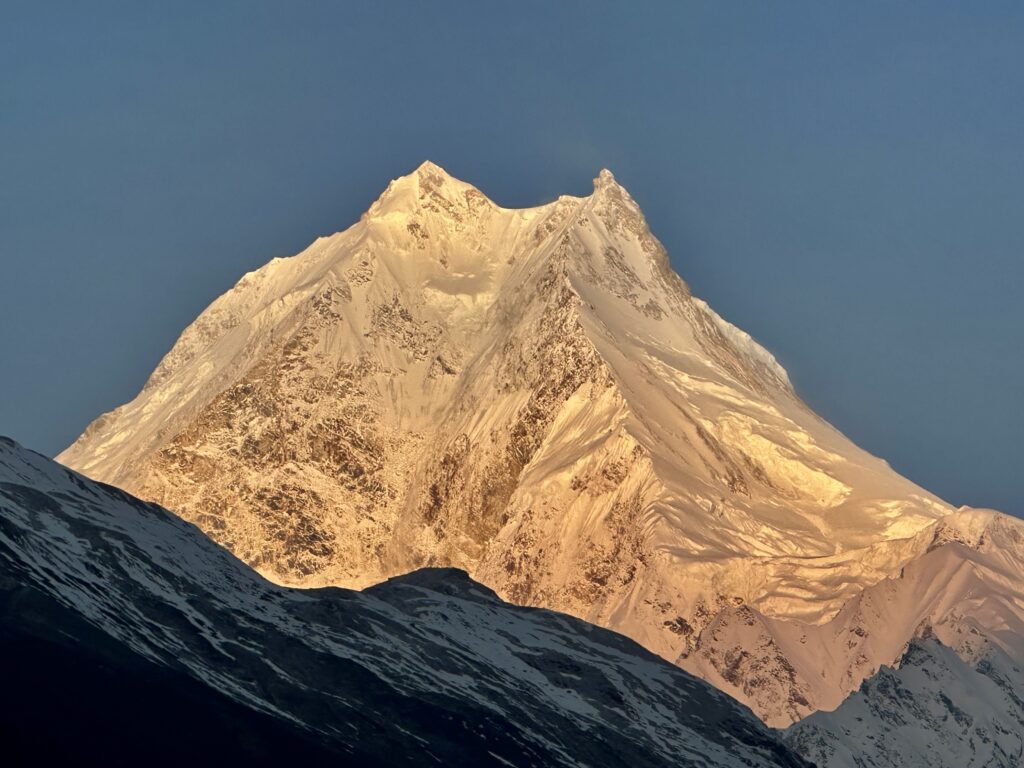
Mount Manaslu 8163m At a height of 8,163 m / 26,781 feet, located around the Mansri Himal range of Nepal’s North Mid-West Himalayas. East of massive Annapurna and Lamjung Himal and west of Ganesh Himal, Mt. Manaslu, with a group of ten peaks. Namely Ngadi Chuli, Himal Chuli, and Boudha, with many adjoining peaks that make up the Manaslu range.

The Upper Manaslu area was closed to outside visitors, which was opened from 1992 onwards. Where a special permit is required to enter the Upper Manaslu region from the village of Jagat, the other permits require MCAP (Manaslu Conservation Area Project) as well as ACAP (Annapurna Conservation Area Project).

Mt. Manaslu
Mt. Manaslu

The name Manaslu is derived from an ancient Sanskrit word that means the Soul or Mind of a god, like Lake Manasarover in Tibet. The local natives call Kutang of Tibetan origin language, which means a prosperous or flourishing land.

Although a high country can yield and harvest high-altitude crops, like barley, buckwheat, and common wheat. Besides other vegetables that are grown in good seasons of the year, the land is rich for cattle to graze, like yaks and normal domesticated cattle, a country of strong Buddhist heritage customs, and culture.

The upper Manaslu valley is also a vantage point for trade to Tibet; the border is near Nepal and Tibet. In the early days, the Old Trans Himalaya Salt Trade was very active, as well as other goods trade. Where caravans of mules and yaks passed through to and from Nepal and Tibet. Before Tibet was annexed by mainland China in the late 1950s to 60, trade still existed but in smaller ways.

Due to the close border with Tibet, the upper Manaslu remains a Restricted Area of Nepal. In the early days, when it was first opened for outside visitors, a Government Liaison Officer accompanied the trekkers. In the last few decades, Liaison Officer is not required, which makes the trip cost much less than it was before.

However special permit is still required for the Upper Manaslu Trekking, which is to control the main flow of trekkers also. Preserving and conserving its fragile environment from destruction is one reason why Manaslu Circuit trekking gets fewer visitors than other areas.

Best time for Manaslu Circuit Trekking:

The best time for Manaslu Circuit Trekking is the spring and autumn/fall seasons. March to May and September to November are favorable times for trekking. In the springtime, when days are much longer due to sun-light hours, most days are clear with enough sun shining. Where one can enjoy grand views of snow-capped peaks and have pleasant walks, but late afternoon can get overcast. It could get cloudy with light rains and snowfall around the higher region above 2,500 m. Cold in the morning, late afternoon, and nighttime with an extra wind-chill factor but one of the best times.

The next best time is autumn/fall begins from September to November, one of the finest seasons. For Manaslu Circuit Trekking as well as for other Himalayan regions to visit, most days are sunny and bright. But days are much shorter due to sunlight hours, as the sun reaches late morning and sets earlier by late afternoon.

However, the days are much more pleasant with crystal clear blue sky for views and walks. Much colder morning, late afternoon, and nighttime, chances of snowfall sometimes above 3,000 m and at Larke-La Pass.

Manaslu Circuit trek guide:

All trekkers must be accompanied by a government-registered and Licensed Guide for the Manaslu Circuit trek. From respective local Trekking Agencies in Kathmandu or Pokhara, the Trekking Company should be reliable and fully government-registered. As well recognized and approved by the Government and semi-government Tourism departments like TAAN (Trekking Agencies Associations of Nepal). As well as NMA (Nepal Mountaineering Agency), PAC (Porters Association Concern),  and some other departments related to Tourism and Responsible Tourism.

Around Manaslu or any Restricted Areas of Nepal, solo or individual trekkers are not allowed; you must book with the company where an expert and authorized guide of the agency will lead the treks, which is much safer and enjoyable.

Larke pass
Larke pass

The guide will be a good companion, showing you the wonders of local places. It also takes care of you and the group throughout the trip and makes you feel secure to enjoy the trek. All guides are knowledgeable of the areas from culture, religion, history, flora/fauna, and the trekking routes.

The guides know every place and village on the route and choose the best available lodges for overnight and lunch stops. In emergencies, the guide can handle his experience of trekking, assuring the clients to the best of his knowledge.

Manaslu Circuit Trekking Difficulty:

Where all visitors are aware that Nepal is a Himalayan country with high hills and downhill, having less flat land, the area of trekking involves steep climbs for a few hours or less for some days.

It is normal to encounter steep uphill and downhill, where some trails can be wider or narrow. Taking slow with few stops in between will be the best, and take the advice of your guide and leaders.

The only major difficulty is climbing to Larke-La Pass at above 5,106 meters high, but it leads to exciting good walks. Having much rest and not being breathless is important in high-altitude trekking. Taking things slowly will overcome the difficulty.

The hardest sections of the adventure are the steep climb to Larke-La Pass and the long downhill after the pass. Taking slowly and steadily having short rest with an easy pace is the best way to tackle the high-altitude climb.

Depending upon the itinerary days, make the trekking enjoyable or tough and hard also. Where some have limited itinerary days, which makes the walk much longer to reach the designated overnight halt. To enjoy more of the Manaslu Circuit Trek without much difficulty is to have enough days on the itinerary.

Manaslu Circuit Trek vs. Annapurna Circuit Trek:

Comparing the Manaslu Circuit Trek vs. Annapurna Circuit Trek, the walk is quite similar as well with terrain and landscapes. Culture, trails, and climate are almost the same; the only difference is that Manaslu Circuit falls within a Restricted Area. Annapurna Circuit is not included as a restricted area where travelers can do solo or individual trekking. Not needing a special permit makes Annapurna Circuit more cost-effective to trek than Manaslu Circuit Trekking.

The other comparison is the Annapurna Circuit, with well-established trekking routes for many decades; the Manaslu Circuit was just opened in 1992, which makes much difference in the quality of lodges, guest houses, and food between Manaslu and Annapurna Circuit trekking.

Annapurna Circuit is much popular trekking region that is listed as the world’s top ten adventure destination Annapurna Circuit can be trekked in various ways depending upon one’s limited time in Nepal. Can do a semi-circuit and fly or drive from Jomsom town to Pokhara and then towards Kathmandu.

Manaslu Circuit with few choices for trekkers can trek a minimum of 2 weeks or less, as well as make it longer. Including Tsum Valley with Manaslu Circuit, which makes the trek more than three weeks. An interesting and exciting place to enjoy covering both scenic and cultural areas of the Manaslu and Gorkha districts. Manaslu Circuit trek ends at Dharapani village around Manang district, where Annapurna Circuit starts at the same spot at Dharapani.

The Manaslu trekking highest point is Larke-La at 5,106 m, the boundary between Gorkha and Manang districts. Likewise, the tallest spot on the Annapurna Circuit is crossing the high Thorang-La Pass at 5,416 m, which divides the areas of Manang and Mustang districts to reach the southern hills and valleys of Annapurna Himalayas.

Both Manaslu & Annapurna Circuit Trekking, located in Mid-West Nepal, provide excellent trekking adventures. But Annapurna Circuit with more options for trekkers making the itinerary days longer or shorter. As well, one can extend to beautiful Tilicho Lake and continue towards Mesokanto-La pass, reaching Jomsom town or via Thorang-La.

Annapurna Circuit Trek offers the best lodges, as the area has been well-established for more than four decades. While Manaslu Circuit, compared to Annapurna Circuit, is quite new, and the raw country opened just three decades ago.

Where Annapurna Circuit gets a greater volume of trekkers than Manaslu Circuit due to its restricted area, both regions of Manaslu & Annapurna are protected by MCAP & ACAP, where conservation entry fees are required.

Manaslu circuit trekking without a Guide:

Manaslu Circuit Trekking without a guide is impossible. All interested travelers need to join the Government Regisrated Company. The agency will provide a good guide to lead and accompany the trek. Requires a minimum of 2-3 people to run the Manaslu Circuit Trek as well as obtaining special permits for the restricted area.

Manaslu Circuit Trekking Map

Manaslu Circuit Trekking Price:

The cost of the Manaslu Circuit Trekking price is quite dear and more costly than other treks around Nepal Himalayas. Upper Manaslu from the village of Jagat is a restricted area of Nepal, where an extra special permit is required.

For the autumn/fall season from September to November, US $ 100 per person for the first seven days. An additional US$ 10 per day onwards from Jagat to Dharapani villages. December to August US $ 75 per person for the first seven days with an additional US $ 10 per person from the 8th day onwards till Dharapani village.

The additional MCAP entry fee is US$ 30 per person, as well as an extra ACAP entry fee of US$ 30 per person, on entering Manang areas to Dharapani after crossing Larke-La Pass on leaving Manaslu and the high Gorkha district.

The above cost is only for fees of special and conservation permits; the rest will be as the trip cost, where different local companies have slightly different prices as per the itinerary days. From US $ 60 to US $ 80 per day per person, including accommodation and meals throughout the treks. Accompanied by guides and porters, where their daily wages are included. Besides the daily charge, extra charges will be for types of transportation according to group size.

Hotels in Kathmandu depend upon the choice of accommodation, from standard tourist hotels to deluxe-star hotels. The other cost includes depending on the trip packages from Arrival to Final Departure transfer and sightseeing tour.