Best Things To Do In kathmandu

Best Things To Do In kathmandu Natural, Historical and cultural Sites around Kathmandu Valley’s three cities take you to amazing places that Kathmandu has to offer.

Historical and cultural Sites around Kathmandu Valley’s

01: TOUR OF SWAYAMBHUNATH STUPA (Monkey Temple):

It is 3 k.m west of Kathmandu city, and is situated on a hillock about 7 meters above the Valley. The hill is a mosaic of small Stupas and pagoda temples.

A grand view of Kathmandu city from the top of Swyambhunath, with the snow-capped mountains in the north on a clear day.
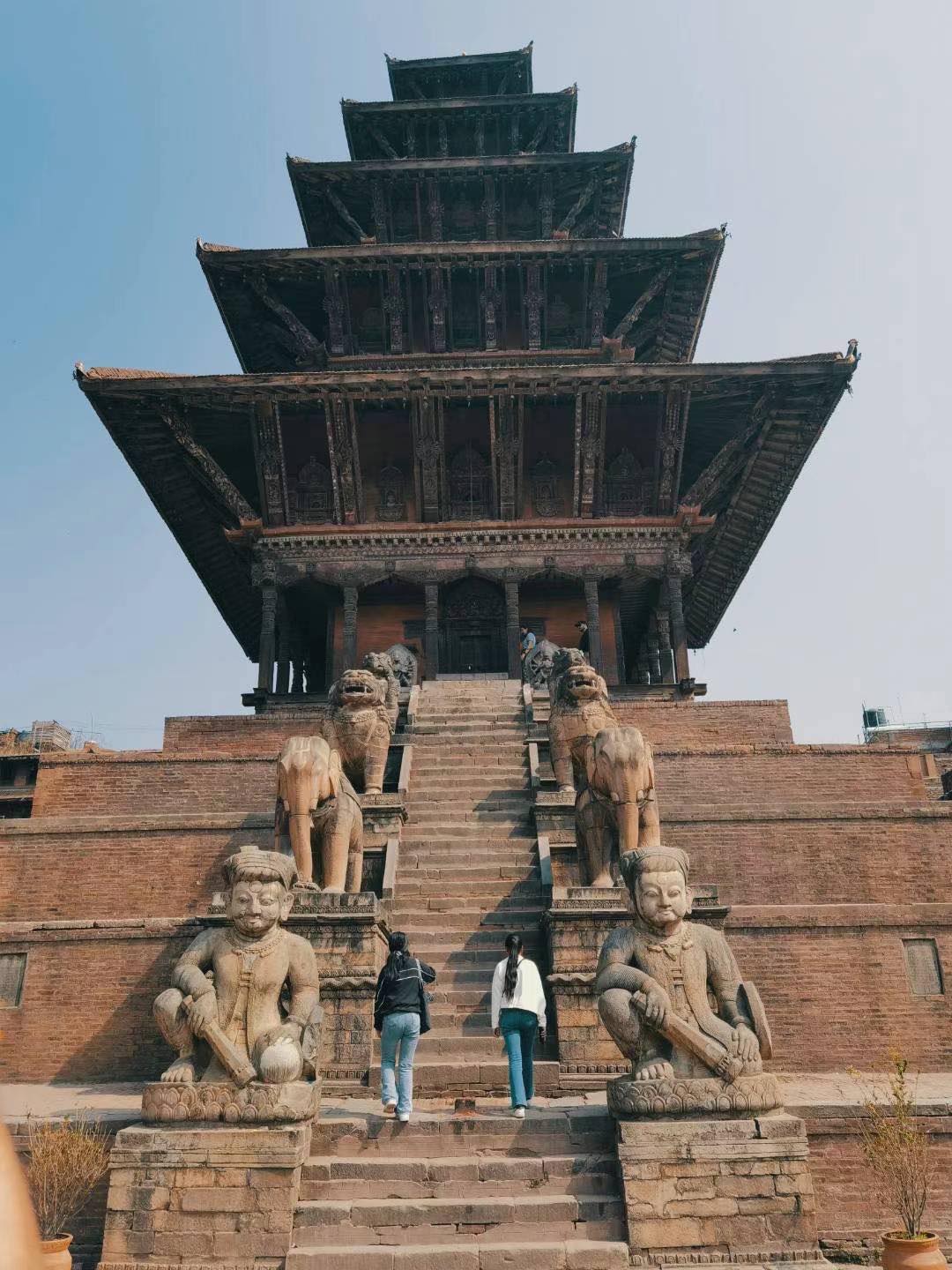
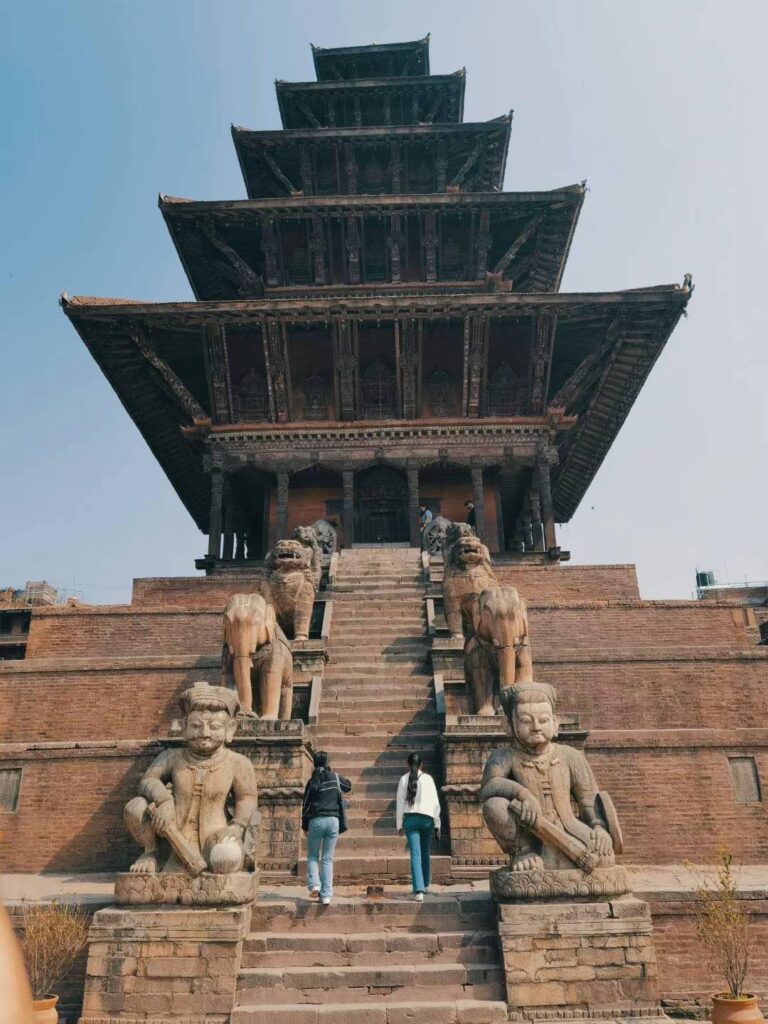
Bhaktapur Durbar Square

The Great Stupa of Swayambhu is a wonder and the glory of Nepal, past and present. It is listed as a UNESCO World Heritage Site, and it is the nerve for all faiths and religions. Especially for Buddhist followers, it is also a place for the devout philosophy of Vajrayana in particular and honors Lord Adi Buddha.
Swyambhunath and its beautiful dome stupa are dedicated to the self-originating flame God.  This is one of the world’s most glorious Buddhist stupas, with a
history of more than 2,500 years. It is also popularly known as the “Monkey Temple”, due to the Rhesus species monkeys that dwell around the complex.
The stupa forms the main structure, a solid hemisphere of bricks and clay supporting a lofty conical spire capped by a pinnacle of copper gilt. Painted on the four sides of the spire are the all-seeing eyes of Lord Buddha.

Swyambhunath is a place of worship for the five great Mahayana (Lamaism) and one Hinyana (Therbadist). Include an important Buddhist shrine; it is called Manjushree. This Chinese Buddha is the God of Knowledge.

02: EXPLORE THE WORLD’S LARGEST STUPA OF BOUDDHANATH:

The large and unique stupa of Bouddhanath lies 8 k.m east of Kathmandu. Bouddhanath stupa is the biggest in the world, and the all-seeing eyes of Lord Buddha. It was built in the 5th A.D. by the Lichhavi King Mana Dev, on an octagonal base inset with prayer wheels, as the largest Buddhist shrine in Asia.
The colossal stupa rests on three terraces.

The relevant shape of a lotus flower, when looking from a bird-eye view, and remains a holy object for all Buddhist followers. The chortens are surrounded by a circular market, which forms a part of a small Tibetan town.

The area around Bouddhanath is also known as “Little Tibet,” watched by the Buddha’s eyes. It gives a vivid flash to the four cardinal directions, meaning to keep a diligent watch over the people. The chortens embrace the authentic philosophy of Mahayana, the faith. Which is known as Lamaism in Nepal,
Sikkim, Ladakh, Bhutan, and Tibet. An exciting and interesting complex of Bouddhanath is lined with colorful souvenir shops, magnificent monasteries,
with tourist-standard restaurants.

03: VISIT OF PASHUPATINATH TEMPLE:

Pashupatinath is the holiest of all holy temples for Hindu followers and devotees. This religious town of Debpatan, where the Pashupatinath is situated, is about 5 kilometers east of Kathmandu city.

Where only Hindus are permitted to enter the main courtyard of the temple. Alien tourists can observe the temple with religious rites and worship from the eastern side of the Baghmati River. A pagoda-style Hindu temple with gilt roofing and richly carved silver doors dedicated to Lord Shiva. The main temple stands above the bank of the Baghmati River. One of the most sacred temples in the entire Hindu world. Pashupatinath Temple is the nerve center of pilgrimage on the day of Shivaratri, the birth anniversary of Lord Shiva.

04: TOUR OF KATHMANDU DURBAR SQUARE:

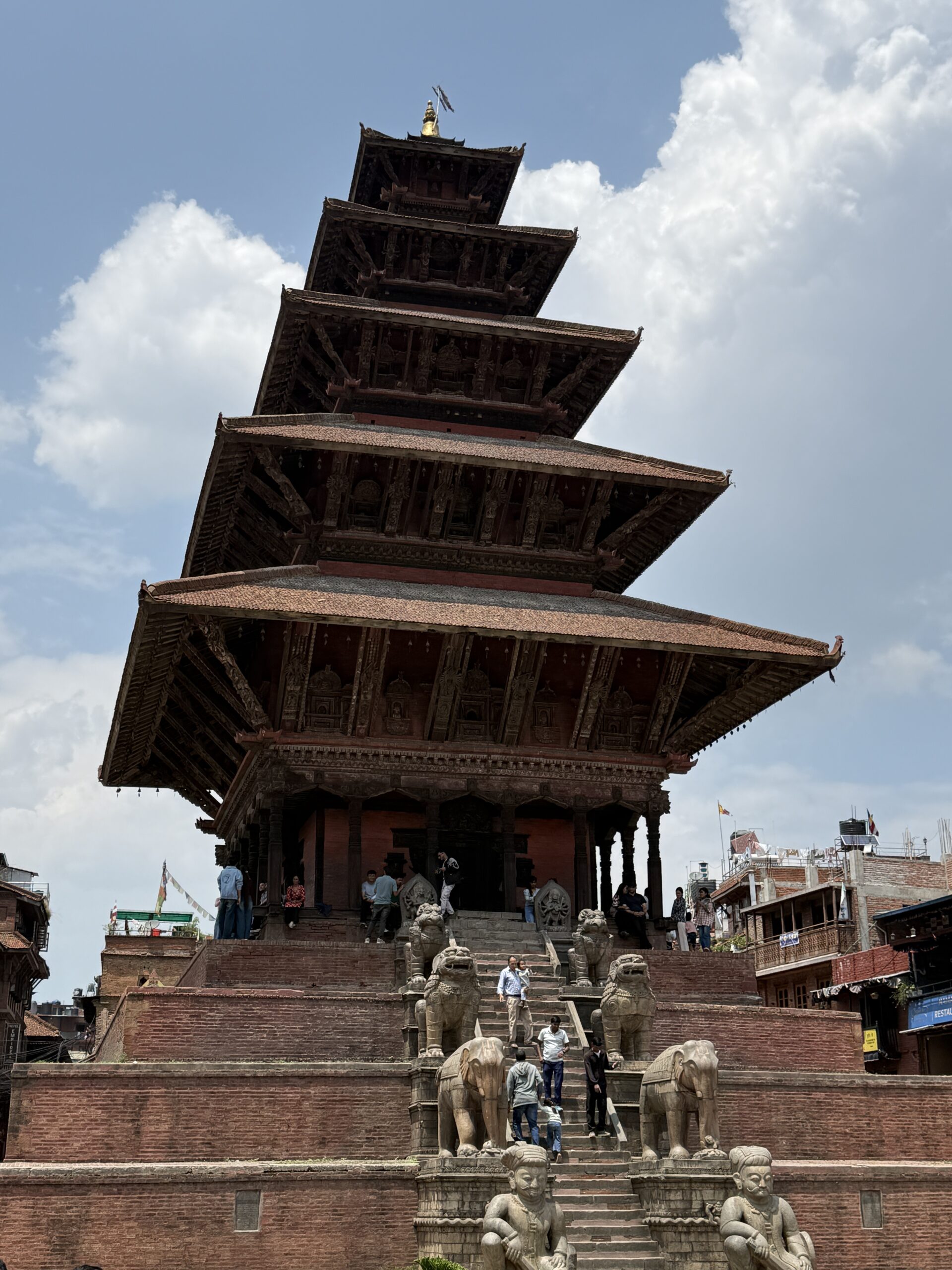
Located in the heart of Kathmandu city, the old Durbar Square houses an ancient palace and royal courtyard. An amazing place where one can be overwhelmed by the countless monuments in the Kathmandu Durbar Square.

The house of the Living Goddess (Kumari Ghar), the ferocious Kal Bhairab, the red monkey god, and hundreds of erotic carvings are a few examples of the sights at the Square! The buildings are the greatest achievements of the Malla dynasty from the 12th to the end of the 17th century. The medieval period is known for significant cultural and artistic achievements; it was the golden era of arts and architecture.
Best places to visit in Kathmandu

Visit the old Kasthamandap, a rest house, built from the wood of a single tree, the name Kathmandu of which is derived from. The woodcarvings, statues, and architecture in this area are exceptionally fine. Kathmandu Durbar Square is among the most important sights for travelers to experience. The complex also houses the Tribhuwan Museum that carries the mementoes of different Shah Kings.

This old palace, where past and former kings’ coronations were held, is within the Durbar Square. Visit Kumari Ghar/ House of the Living Goddesses, built in 1757 A.D. by King Jaya Prakash Malla. It is a masterpiece of architecture with the carving of gods and auspicious symbols.

The Kumari or Living Goddess tradition is a significant part of native Newar cultures since the 6th century. The Kumari is a young girl believed to embody the divine female energy, Shakti, and represents the goddess Taleju Bhawani.

05:    TOUR OF ANCIENT PATAN DURBAR SQUARE:

Patan, also known as Lalitpur, is a district of Lalitpur, situated south of Kathmandu city. Lalitpur, the name for city of arts and crafts.
Patan-Lalitpur is an adjoining city of the Kathmandu Valley; these two cities are bounded by the Baghmati River. Lalitpur and Patan are the second-largest cities within the Kathmandu Valley. During the Malla Dynasty from the 6th to the 17th Century until it was annexed into greater Nepal.
Patan- Lalitpur city is famous for its arts, history, culture, and craftsmanship.

The tour takes you around the renowned heritage sites that Patan/ Lalitpur is famous for. The beautiful Durbar Square and Royal Courtyard, with temples, monasteries, and Stupas. Including the local impressive cultures and customs, along with views of snow-capped peaks towards the north.

06: TOUR OF BHAKTAPUR DURBAR SQUARE:

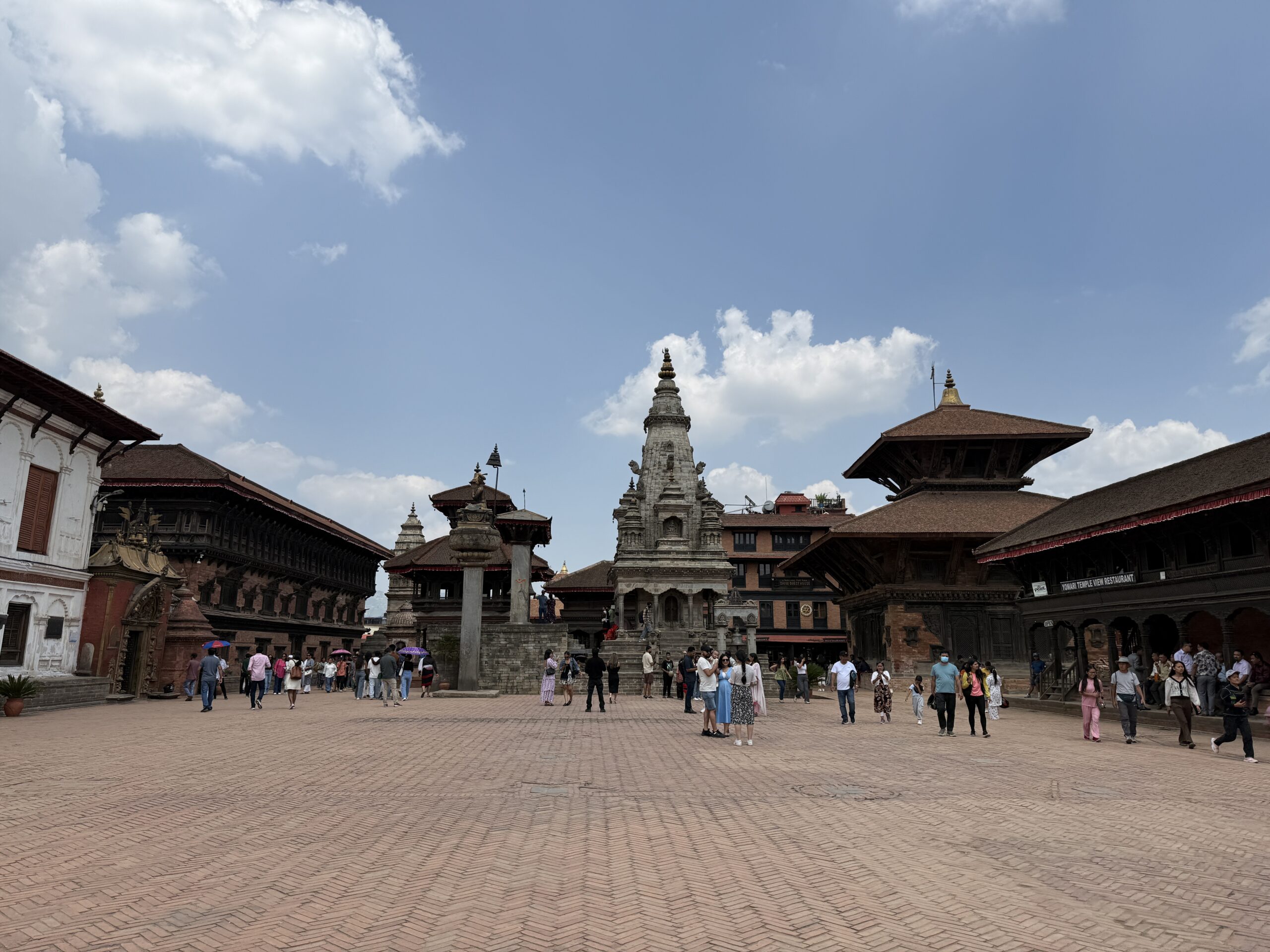
Bhaktapur City, located east of Kathmandu city at approx.16 km/10 miles en route Arniko Highway. Bhaktapur, the old name is Bhadgaon, meaning a city of Devotees, truly a great place to observe local cultures. It is the best Durbar Square as listed in UNESCO World Heritage Sites. This old city takes you back to the medieval period, as you enter the Bhaktapur city and the Durbar Square.

Visitors can explore the whole day to experience the local impressive traditional culture, arts, and cultural heritage of the local Newar. The indigenous tribes of Kathmandu Valley are interwoven with both Hindu and Buddhist religions.

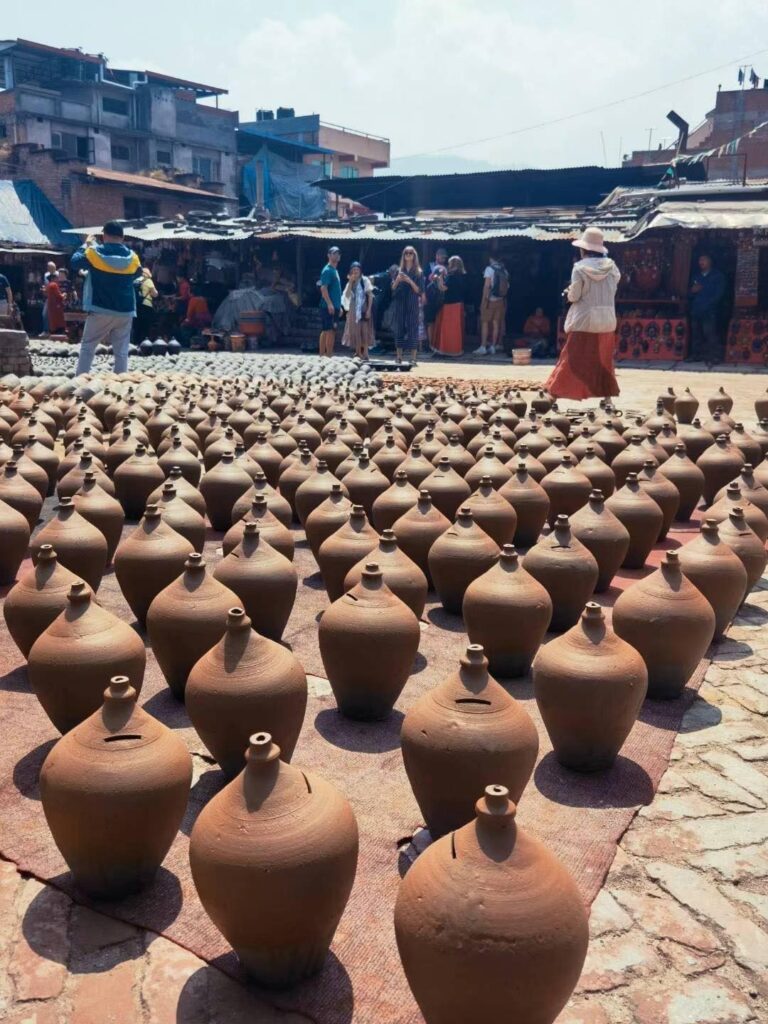
Bhaktapur offers a beautiful royal courtyard and temples, and the famous Pottery Square. Witness the ancient arts and skills of pottery making.
Bhaktapur City includes the magnificent Peacock Window, one of the charms of Bhaktapur City.

07: TOUR OF ANCIENT CHANGU NARAYAN TEMPLE: 

Changunarayan Temple, the oldest Hindu temple in Nepal, was listed in the UNESCO World Heritage Sites in 1979. It is close to Bhaktapur city outskirts on the hills of Changu and its quaint town. Built during the 5th Century stands on a hillock 15 km away from Bhaktapur city.

The temple and its complex are adorned with masterpieces of artistic works of metal and wood. The inscription dates back to 464 AD and with the first epigraphic evidence of Nepalese history.

SCENIC VIEWS AROUND KATHMANDU’S NATURAL SURROUNDING GREEN HILLS:

08: MOUNTAIN FLIGHT WITH VIEWS OF THE HIMALAYAS & MT. EVEREST:

One of the leisure and exciting activities is taking an hour mountain flight. The daily schedule mountain flight, offers mind-blowing panorama of the Himalayan arrays of snow peaks with views of Mt. Everest.

The plane takes off early morning on a fine, clear day in the best time of the season. In spring, autumn, and winter also, the spacious seated aircraft fly parallel to the Himalayan snow mountain ranges.

All passengers will be on the window seat the aircraft fly vice-versa from Kathmandu airport. From the moment of take-off passengers will be excited overlooking grand panorama of Kathmandu city and the valley.

As the plane flies higher, views of Manaslu, Ganesh, Langtang, and the Jugal Himal range. Heading towards mid-east with grand views of Mt. Everest, Lhotse, Makalu, as far as Kanchenjunga in the far east.

Mountain Flight is the easiest way of enjoying the world’s highest mountain range, with Mt. Everest. Interested people can enjoy the Mountain and Everest flight on a Helicopter also.

Contact Vertex Holiday, either for chartering the helicopter or in a group, for the breathtaking flights on a Helicopter. On Helicopter Everest Flight lands at the base of a high Kalapathar rocky hill, close to Everest base camp.

Where passengers can enjoy the closest views of majestic Mt. Everest at a mere distance. It is worth the experience of a lifetime amidst the world’s tallest mountain ranges.

09: NAGARKOT HIKING FOR SUNRISE & SUNSETS OVER THE HIMALAYAS:

Nagarkot Hiking for a day or of few days more, it is a refreshing walk around the eastern valley rim. The options for the two routes are either to drive from the old town of Changu, near the ancient temple of Changunarayan. The walk follows on a pleasant path within a lovely, cool forest of blue pines and rhododendron trees.

The trail leads with grand aerial views of Kathmandu Valley and Bhaktapur city to reach a small village at Telkot. From here steep climb for few hours to scenic hills of Nagarkot at 2,195 m/7,202 feet high. Nagarkot is famous for sunrise and sunset views over the chain of Himalayan peaks. The panorama of the Himalayan peaks extends from west Manaslu, Ganesh to central Langtang and Jugal Himal.

Stretch as far as towards Everest in the far eastern horizon, the early morning views of sunrise the stunning. Visitors can enjoy the views of the surrounding beautiful landscapes with a chain of Himalayan peaks, along with the sunrises
and sunsets.

The other route from Sundarijal town, east of Kathmandu city rim, leads to an exciting climb to Chisapani ridge. At a height of 2,165 m/ 7,103 feet high, it offers spectacular views of the mid-west and the Central Himalayan ranges.

Chisapani is best for sunrises and sunsets also along with the gorgeous panorama of the Himalayan peaks. From Chisapani the next morning, enjoying the sunrise views, the walk leads up and downhill through lovely rhododendrons and pine forest.

An interesting hike through nice rural farm villages to reach Nagarkot, after a scenic hike from Chisapani. Nagarkot offers various standards of hotels and lodges, from budget, moderate to deluxe luxury hotels and resorts.

Enjoying the hikes and walks, drive back to Kathmandu via the Bhaktapur city outskirts for a less than 2-hour ride.

10: SHIVAPURI HILLS FOR PANORAMA OF KATHMANDU & SNOW MOUNTAINS:

Around Kathmandu Valley offers several exciting outdoor destinations for a day hike of 3 to 5 hours. Of all the scenic hills that surround Kathmandu city and the valley is Shivapuri Hill hike. Which is at a height of above 2,732 m / 8,963 feet, offers a pleasant hike for 3-4 hours both ways.

Shivapuri Hill is located north of Kathmandu city suburbs on around the valley rim. The drive takes you past the famous Hindu temple areas and the town of Narayanthan or Buddhanilkanta. A drive of less than an hour to reach the entrance of Shivapuri National Park. Leaving the parking lot, a short pleasant walk, then the route leads to a steep climb.

The walk follows through the cool shade of nice rhododendron and pine forest. Slowly, the hike reaches you on top of Shivapuri Hill, a place with a small shrine of Lord Shiva. Enjoy the panorama of Kathmandu valley with an array of Himalayan peaks in the north. The spectacular views of rolling green hills and valleys with peaks of Ganesh-Langtang and Jugal Himal ranges.

After a wonderful refreshing hike, descend to Nagi Gompa a Buddhist nunnery, an interesting monastery to enjoy a short tour. After a refreshing day hike walk to the park gate, and drive back to Kathmandu. Visitors can enjoy a short tour of Narayanthan, temple of sleeping Vishnu on a bed of serpent.

11: GARDEN OF DREAMS:

Garden of Dreams is a place for leisure and a pleasant way to relax for a few hours. It is a peaceful retreat and a tranquil sanctuary amidst the bustling city life of Kathmandu. Where visitors can experience a world of their own for some hours, having time for short walks or just relaxing.
The Garden of Dreams, famous as a Six Seasons serene spot.

Which was founded by the late Field Marshal Kaiser Sumsher Rana (1892-1964) in the early 1920. After the completion of the Garden, it was considered one of the most sophisticated private gardens of that time. The garden covers about 76,000 square feet with a neoclassical-style garden and Victorian-style monuments and statues. The Garden provides a serene environment, making an ideal for all visitors and couples.
The Garden’s design has much in common with formal European or Victorian style gardens. It is close to the tourist hub of Thamel area, a short walking distance from your hotel in Thamel.

SPIRITUAL & RELIGIOUS EXPLORATION IN KATHMANDU

12: Circumambulate the Bouddhanath Stupa:

Bouddhanath and its huge stupa are the main attractions for all Buddhist followers and foreign visitors. It is an exciting site to practice meditation, worship, and prayer. The Bouddhanath Stupa and its surroundings are lined with souvenirs and religious offerings, with shops and stores. It includes several great, magnificent monasteries, which make Bouddhanath an exciting place for worship.

The Mahayana faith of Tibetan Buddhism exists in Nepal, Tibet, Sikkim, and Ladakh in India. Visitors of all faiths and religions are welcome to pray and to observe the religious activities.

Religious Tour in Kathmandu

When entering the southern main entrance of Bouddhanath, visitors will be amazed at the huge dome stupa. As well as the mystical eyes of the Lord Buddha in the four cardinal directions. As you step inside the complex, the best and right way of respect is doing a Kora, Parikrama, or Circumambulation.

As well as spinning the prayer wheels attached to the stupa, the right position is to use the clockwise direction. One can notice Buddhist pilgrims with prayer chanting ‘OM MANI PADME OM’, translated as ‘Oh Jewel on the Lotus’. The jewel stands for Lord Buddha, and the Lotus flower stands for purity.
Rotate the spinning wheels as you walk along, participating in the spiritual activities, and feel serenity. As you circulate the stupa, visit the nearby monasteries of great religious and cultural interest.

13: TOUR OF KOPAN MONASTERY WITH PHARPING AND DAKSHINKALI TEMPLE:

Kopan Monastery is close to the exciting holy spot of Bouddhanath. It is a Tibetan Buddhist monastery of the Mahayana sect of Buddhism.
It is an international network of Gelugpa dharma centers; the tour leads on a high green hill. The Kopan Monastery complex offers grand views of Kathmandu city, It is an exciting place to visit. Explore the Buddhist religion with impressive cultures, the right place to practice and study Mahayana Buddhism.
It is based on the Tibetan Gelugpa sect, following the teachings of the founder Tsong Khapa of Tibet. The monastery was built in 1969 on top of Kopan Hill above the valley floor, a pleasant spot for meditation.

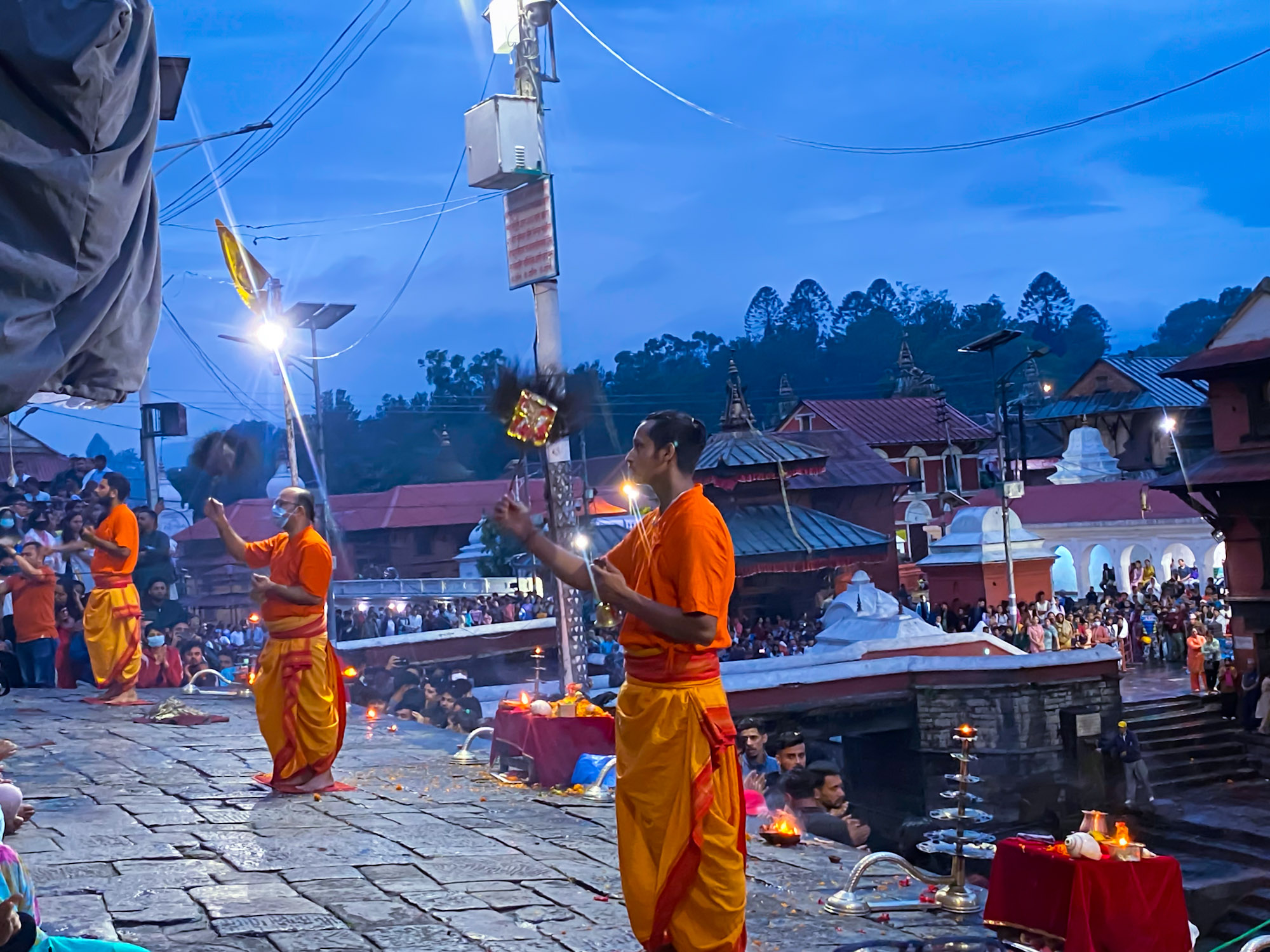
14: EVENING RELIGIOUS EVENT OF AARATI AT PASHUPATINATH TEMPLE: 

For interested visitors, visit the Pashupatinath temple complex. Pilgrims, devotees, and all Hindus can observe and take part in the event
called AARATI. It is a prayer ritual and worship of the gods and goddesses.

The waving of a lighted wick lamp before a deity, and to pray for blessings. It is a ceremony of light, love, and reverence, symbolizing the removal of darkness and the presence of divine light. The devotees sing Hindu hymns with choruses with a deep sense of reverence, adoration, and meditative awareness.

CULTURE AND ARTS:

15: VISIT THE NATIONAL MUSEUM OF NEPAL:

Best Things To Do In kathmandu The National Museum displays traditional artifacts, handicrafts, weapons, and armor from the past. It includes ancient statues of both Hindu and Buddhist religions, artwork, murals, and collections of various natural species.

Treasures Nepal’s age-old cultural and natural heritage, which is nearly forgotten by most generations. The museum holds a huge collection of the country’s history and culture from the early medieval era. It has different varieties of doll collection, second-century BC coins and stuffed animals with relics from the 1934 earthquakes.

The National Museum was established in 1926 by Rana Prime Minister Chandra. It was opened to the public in 1939. Enjoy the interesting and leisurely tour of the National Museum, which takes about a few hours to visit and see the treasures of ancient times.

16: EXPERIENCE TRADITIONAL NEWARI AND NEPALI COOKING CLASSES:

All types of Nepali food are closely linked with traditional heritages passed from one generation to another. The quality and standard of food in Nepal are
of various types, from snacks to main courses. The most popular and basic meals are the Dhal-Bhat, served with different kinds of lentil beans.

Best Things To Do In kathmandu Includes seasonal vegetables cooked with various spices, which can be hot or mild depending on the area and different tribes. In Kathmandu, visitors can enjoy the best authentic Newari food with great variations. Includes breads like small pancakes, beaten rice, grilled spicy meats, and various types of hot and mild pickles. Includes home-made alcoholic drinks, the traditional part of the Newari foods. Visitors interested in Nepali and Newari food can join in for cooking courses. Kathmandu city offers many best cooking classes for a few days to more than a week.

17: ENJOY THE THANKA RELIGIOUS ARTS AND PAINTINGS:

Thangka is an old Tibetan Buddhist religious art and painting, done on canvas with images of Lord Buddha, Buddha’s life.Best Things To Do In kathmandu It includes paintings of the high Lama and priests with Mandala designs, the wheels of life. Thangka paintings are done by the scholar monks, with present commercial use and value.
It is largely done by common artists and painters, and the original form of paint was made from vegetable extracts. It includes natural stones of different colors, silver, and gold dust are also added. Most commercial value is used in chemical paints. In Kathmandu, there are many private institutions to learn the art of Thangka paintings. All interested people can join in this art, and with your innovations, but the original background is based on Buddhist history.

18: ENJOY THE LOVELY AUTHENTIC NEPALI DINNER WITH CULTURAL PROGRAMS:

Best Things To Do In kathmandu , Visitors in Kathmandu can enjoy the evening dining in an authentic Nepali restaurant to experience the food and culture. Most tourist and local areas in Kathmandu offer many typical Nepali restaurants, like the Bhojan Griha or Gokarna House. A lively place for delicious Nepali cuisine to enjoy in the harmony of Nepali Folk Cultural programs. Dances and music are performed from different parts of the Nepali ethnic tribes and cultures.

SHOPPING IN KATHMANDU

19: SHOPPING AROUND THAMEL

Thamel is a tourist hub in Nepal, located in the heart of Kathmandu city in the Thamel area. Thamel Street is steeped with shops and stores, where visitors can buy and rent various gear. For Trekking and mountaineering equipment,
as well as locally made garments from typical Nepali fabrics.

An interesting place to explore, with international standard hotels, restaurants, and cafés.

20: EXPLORE LOCAL AASAN BAZAAR:

It is one of the most interesting places to experience the daily life and routine of the local people. The Aasan Bazaar teems with a lively environment, observe and buy local stuff. Located at a walking distance from Thamel, in the heart of the city, is a vibrant market and a bazaar. The area with small shops, vendors, and stores selling mostly food and domestic items. Nearby is an old temple of Annapurna, the goddess of harvest. Anna means food/crops, and Purna is enough/fulfilling.

21: VISIT AND BUY INDIGENOUS HANDICRAFTS AT TIBETAN REFUGEE CAMP: 

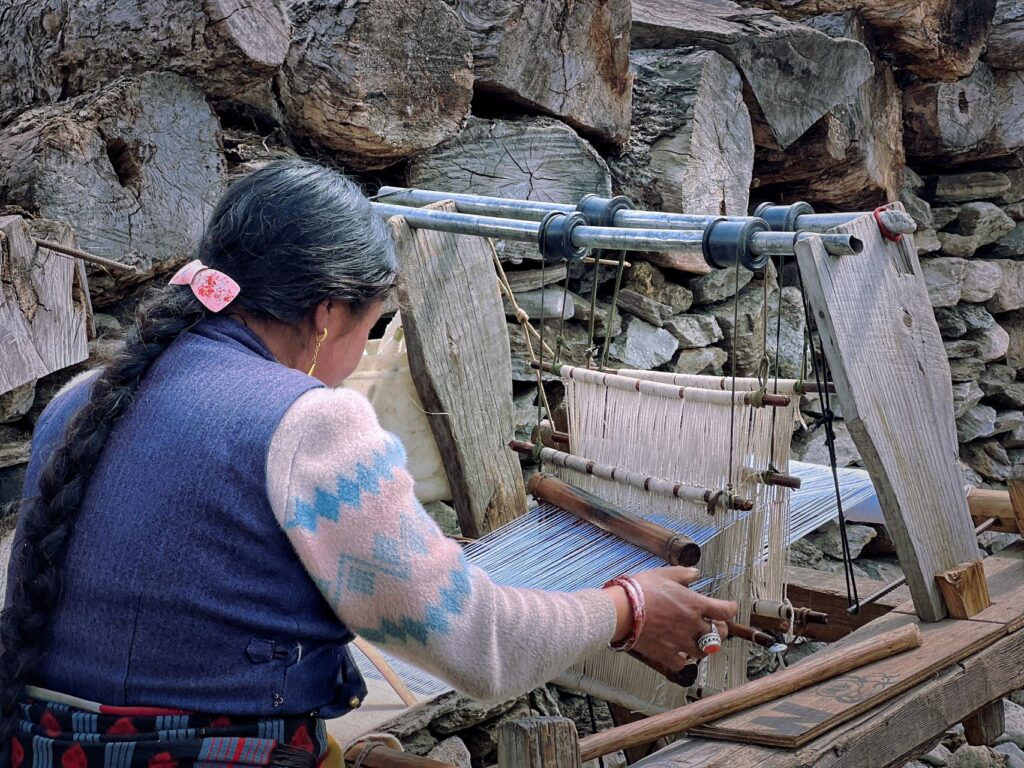
The best handicraft for souvenirs of Nepal to buy is visiting the Tibetan Refugee Camp in Patan/Lalitpur city. Visitors can also observe the local Tibetans making carpets and other traditional handicrafts. The Tibetan Refugee camp was established in the mid-1960s for the Tibetan immigrants.

Visitors can enjoy a tour of the handicrafts and carpet workshops/factory. and buy indigenous handicrafts at the refugee camp shops.

WELLNESS & LEARNING SPIRITUAL ARTS AND EXERCISES: 

22: JOIN YOGA OR MEDITATION CLASSES:

As per one’s interest, before or after traveling around Nepal. Can join in for blissful Yoga & Meditation class and course, in a complete ambiance environment. The Yoga & Meditation class is guided by the expert Yoga Guru and instructors. Practice the Yoga’s and meditation class with veteran Guru and instructors, and enjoy the art of singing bowls.

23: VOLUNTEER WITH LOCAL TRAVEL AGENCIES OR NGO:

Over the past few decades, Nepal has been a favorite country for volunteering or social work, particularly in rural areas of Nepal. As well as the suburbs of Kathmandu City. Most trekking or tour agencies like Vertex Holidays organize Volunteering programs by a Non-Governmental Organization (NGO).
The best places for volunteering or social work with village communities are in schools. Maintain walking paths, working on pure drinking water, hygiene, and sanitation to uplift the standard of poor villages.

ADVENTURE TO EXPERIENCE:

24: Enjoy Mountain Biking around Kathmandu Valley.

In the Kathmandu Valley outskirts, various best places to enjoy a day or more of mountain biking. The thrill of biking on main or off-trail, exploring the rural farm villages and towns. Where few foreign visitors seldom venture, bikers can enjoy the dramatic landscapes with views of snow-capped peaks.

25: Join in for white water river rafting.

Besides trekking and mountaineering, white water river rafting is another popular adventure to enjoy the thrills on Nepal’s glacial rivers. Nepal, due to its world’s 8th highest peaks, and an array of snow mountains that feed the rivers.

Make Nepal is the best country in Asia for white-water or leisurely and moderate rafting. In Kathmandu, there are more than dozens of rafting companies to choose from; all agencies offer the best rafting guides and equipment. The most popular rivers for rafting are Trisuli, Bhote, and Sun Koshi, including Seti and Kali Gandaki Rivers. Enjoy the white water river rafting for a day or more, for a few days.
Paddling through the mighty, exciting rapids and bouncy waves.

26: Activities of Rock/ wall climbing, indoor or outdoor:

In and around Kathmandu, there are several places outskirts of the city, for exciting rock climbing. A short drive and hike uphill to Nagarjun or Jamcho Hill, expert mountaineering instructors guide you with the climb. The area with steep rocky cliffs, located amidst lovely, cool, dense forest, offers the climb as well as abseiling. The climbing gear provided by the respective agencies, likewise, the climbing ropes, slings, Jumar, Ceiling, Karabiner, and gloves.

27: Bungee Jumping or Paragliding:

Bungee Jumping and paragliding are popular adventure sports thrills in Kathmandu. Bungee Jumping leads you beyond Kathmandu, a few hours’ drive near to Nepal and Tibet borders. The Bungee platform is on a bridge, at Last Resort, above the raging Bhote Koshi River.

This remarkable 160 m and 500 ft drop into a gorge of the raging Bhote Koshi River. One of the longest world Free falls, this Ultimate Bungee Jumping is a great adventure sport to experience.

Another popular sport is Paragliding, which started in Pokhara, at present can now be done in Kathmandu valley. An hour drive to the Lalitpur area at Godavari near Phul Chowki hills at 2,750 m. Run and jump and then glide above the Kathmandu Valley with awesome scenery. The adventure lasts from 45 minutes to an hour, landing by the green fields at Godavari with the famous Botanical Garden.

UNIQUE EXPERIENCES AROUND KATHMANDU:

28: Join in at Nepal Festivals.

In Nepal, visitors can enjoy and observe 12 major festivals, a blend of Hindu and Buddhist religions. Make Nepal one of the most unique countries, with more of the Hindu religion and culture. Followed by the Buddhist religious festivals held around the high Himalayan hills and mountainous regions.

The 12 major festivals of Nepal are joyous events for all Nepalese, and have
Public holidays for celebrations. Various occasions, festivals, and religious events are celebrated across the country, according to the community.

Most festivals are held around public hot spots, and some big events are celebrated among families and relatives. But all festivals are great occasions
that extends from a day to a week, as the Nepalese Lunar calendar.

29: Visit local homes to observe the daily life of the Nepali families:

Interested people can make friends and interact with the locals, as Nepali people are world-renowned for their traditional hospitality. The native of Kathmandu are happy to show you their homes and to catch a glimpse of the Nepali domestic living. All guests are welcome, and the host will be glad to show you the Nepalese’ traditional daily life. As well as get introduced to the family members, and remember to follow the rules of responsible tourism.
Respecting the religions, cultures, and way of living of the simple and happy Nepali families.

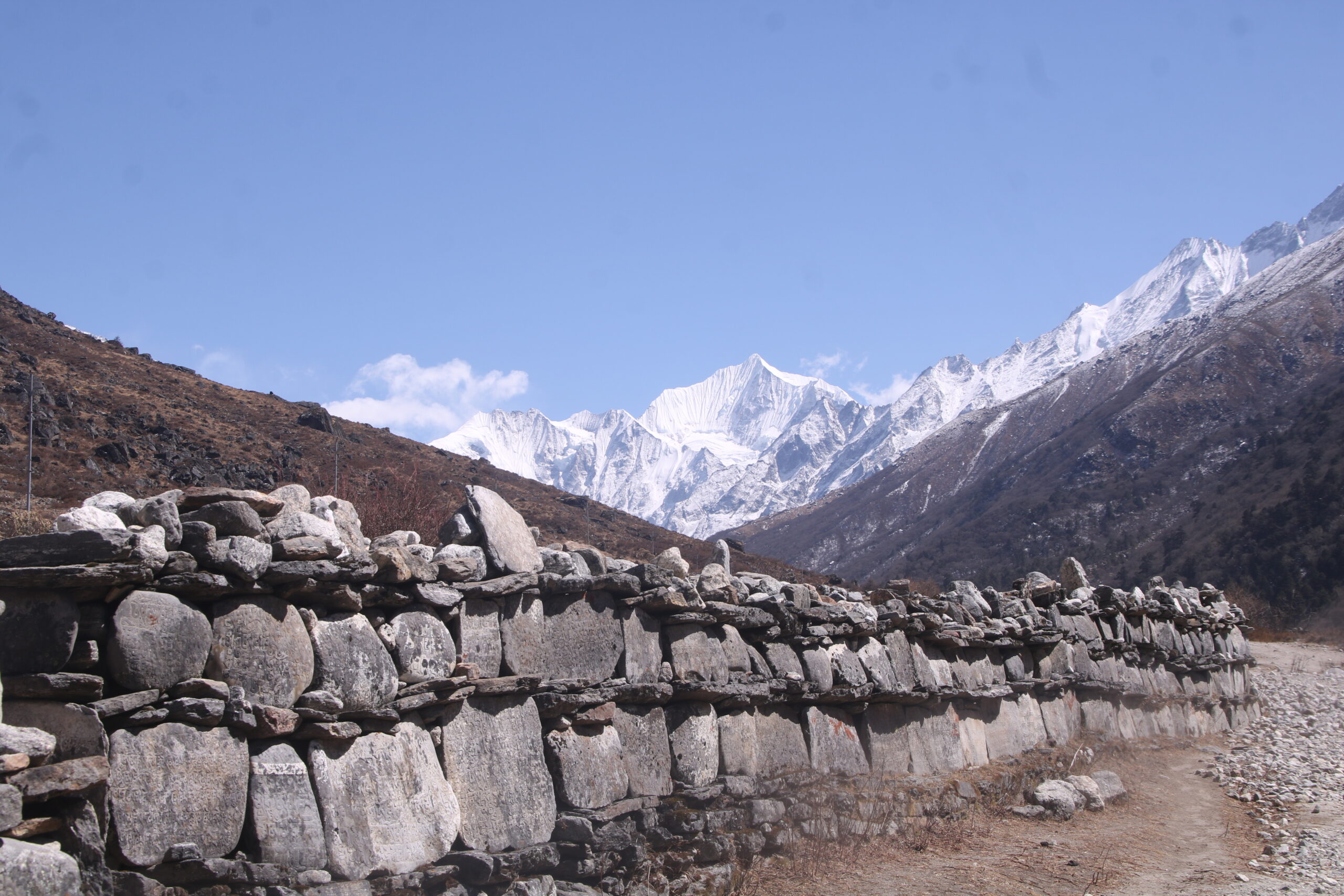
Langtang Valley and Gosainkunda Trek Map – Vertex Holiday

langtang-gosaikundatrek-map

Langtang Gosaikunda Trek map combines all the sheer natural beauty of the Langtang region with the sacred lakes of Gosainkunda. The flavor of trek is an exclusive one for nature, culture, and spiritual serenity.

If people want the real flavor of the Himalayas, they should know how to read the Langtang Gosaikunda Trek Map before starting planning and heading out. 

Overview of Langtang Valley and Gosainkunda Trek

The Langtang Gosaikunda trek map guides trekkers through lush forests, alpine meadows, traditional Tamang villages, and high-altitude sacred lakes. The journey covers Langtang Valley, Kyanjin Gompa, and Gosainkunda before descending to Sundarijal. This trek is considered moderately challenging and suitable for trekkers with good fitness levels.

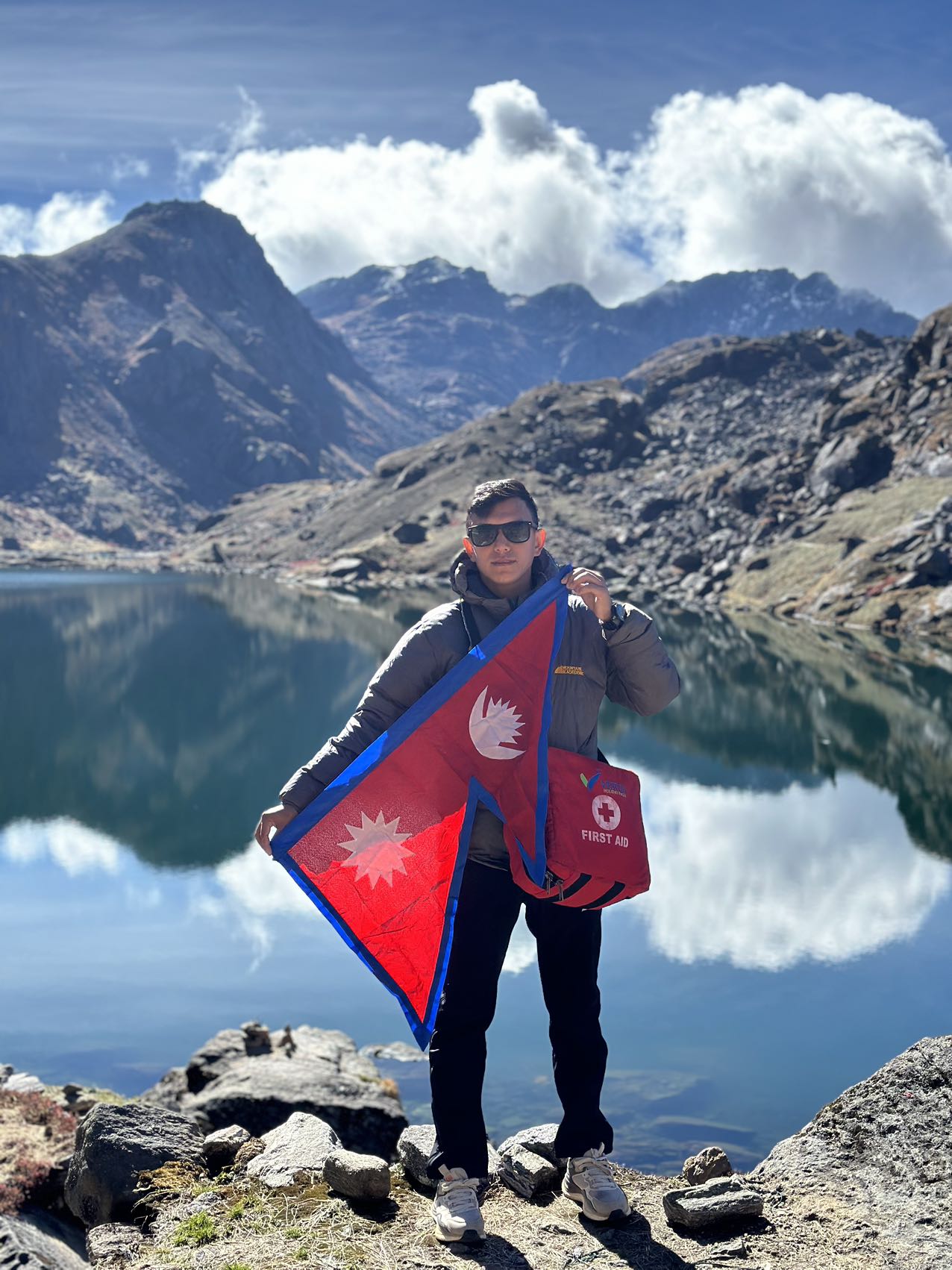
Gosaikunda Lake
Gosaikunda Lake

Highlights of Langtang Gosaikunda Trek

  • Scenic trails through lush forests, alpine meadows, and high mountain passes.
  • Exploration of Langtang National Park, home to diverse flora and fauna.
  • Visits to traditional Tamang and Sherpa villages.
  • Sacred Gosainkunda Lake, revered by Hindu and Buddhist pilgrims.
  • Panoramic views of Langtang Lirung, Ganesh Himal, and other peaks.

Langtang Gosaikunda Trek Map and Route Details

The Langtang Gosaikunda trek map follows a scenic route starting from Syabrubesi and leading to Kyanjin Gompa, Gosainkunda, and finally to Sundarijal. The trek spans 16 days, covering various terrains and altitudes.

The Langtang Gosaikunda Trek Itinerary 16 Days is designed to provide a well-paced and immersive trekking experience. Below is the detailed itinerary:

Langtang Valley Trekking
Langtang Gosaikunda trek with Vertex Holiday

Langtang Gosaikunda Trek Itinerary 16 Days

Day 1. Arrival in Kathmandu via respective airlines and transfer to your hotel.

Day 2. At Kathmandu for trek preparation and tour of heritage sites.

Day 3. Drive to Syabrubesi village 1,420 m – 06 hours.

Day 4. Trek to Lama Hotel 2, 380 m – 06 hours.

Day 5. Trek to Langtang Village 3, 480 m – 05 hours.

Day 6. Trek to Kyanjin Gomba 3, 870 m – 04 hours.

Day 7. At Kyanjin Gomba with rest day for hike and excursion.

Day 8. Trek back to Lama Hotel on downhill – 07 hours

Day 9. Trek to Thulo Syabru Village 1, 900 m – 06 hours.

Day 10. Trek to Chandanbari / Sing Gomba 3, 330 m – 05 hours

Day 11. Trek to Gosainkunda 4, 460 m – 05 hours

Day 12. Trek to Ghopte 3, 440 m crossing Laraubinaya- La – 07 hours

Day 13. Trek to Kutumsang 2, 440 m – 06 hours.

Day 14. Trek to Chisapani 2, 190 m – 07 hours.

Day 15. Trek to Sundarijal 1,520 m short drive to Kathmandu – 04 hours.

Day 16. Depart Nepal for international departure homeward bound

Choose Vertex Holiday to experience a safe and organized Langtang Gosaikunda Trek Map

Guide to Everest Three-Pass Trek: 19 Days Itinerary

Guide to Everest three pass trek You need to obtain required permits before starting your journey. Trek participants must purchase the Sagarmatha National Park Entry Permit at $ 30, along with the Khumbu Pasang Lhamu Rural Municipality Entrance Permit at $ 20. These permits function as mandates for the Everest region hikes and help preserve the area. The full itinerary lasts between 17 to 22 days unless you need to spend more time adjusting to altitude and walking at different speeds. Among Nepal’s adventurous mountain trails stands the Guide to Everest Three-Pass Trek which delivers trekkers their pinnacle Himalayan expedition. 

A mesmerizing loop arises within the Everest Region because trekkers cross all three high-altitude passes which consist of Kongma La (5,550 m), Cho La (5,420 m), and Renjo La (5,360 m). You can start your trek from any point between Lukla, Jiri, Shivalaya, and Phaplu, then journey through the awe-inspiring areas of Sagarmatha National Park where marvelous views and active Sherpa culture prevail. The adventure path delivers complete natural brilliance in combination with physical demanding activities. 

Among popular hiking trails, Everest Base Camp and the Annapurna Circuit hikers preferring less-traveled paths should consider doing the Three-Pass Trek. Through its terrains of dramatic beauty and tough climbing challenges, this trek provides an all-encompassing Himalayan tour. Hikers who guide their own trip can skip paying for costly guides or porters rates. High-altitude trekking presents dangerous risks, but approaching it requires trekking expertise and good physical shape for protection. Tourists don’t have to carry camping gear because numerous teahouses across the trail provide lodging and serve meals. Best of al, the low expenses of staying and eating during the trek offset the high cost of traveling to Nepal.

Highlights of the Everest Three-Pass Trek

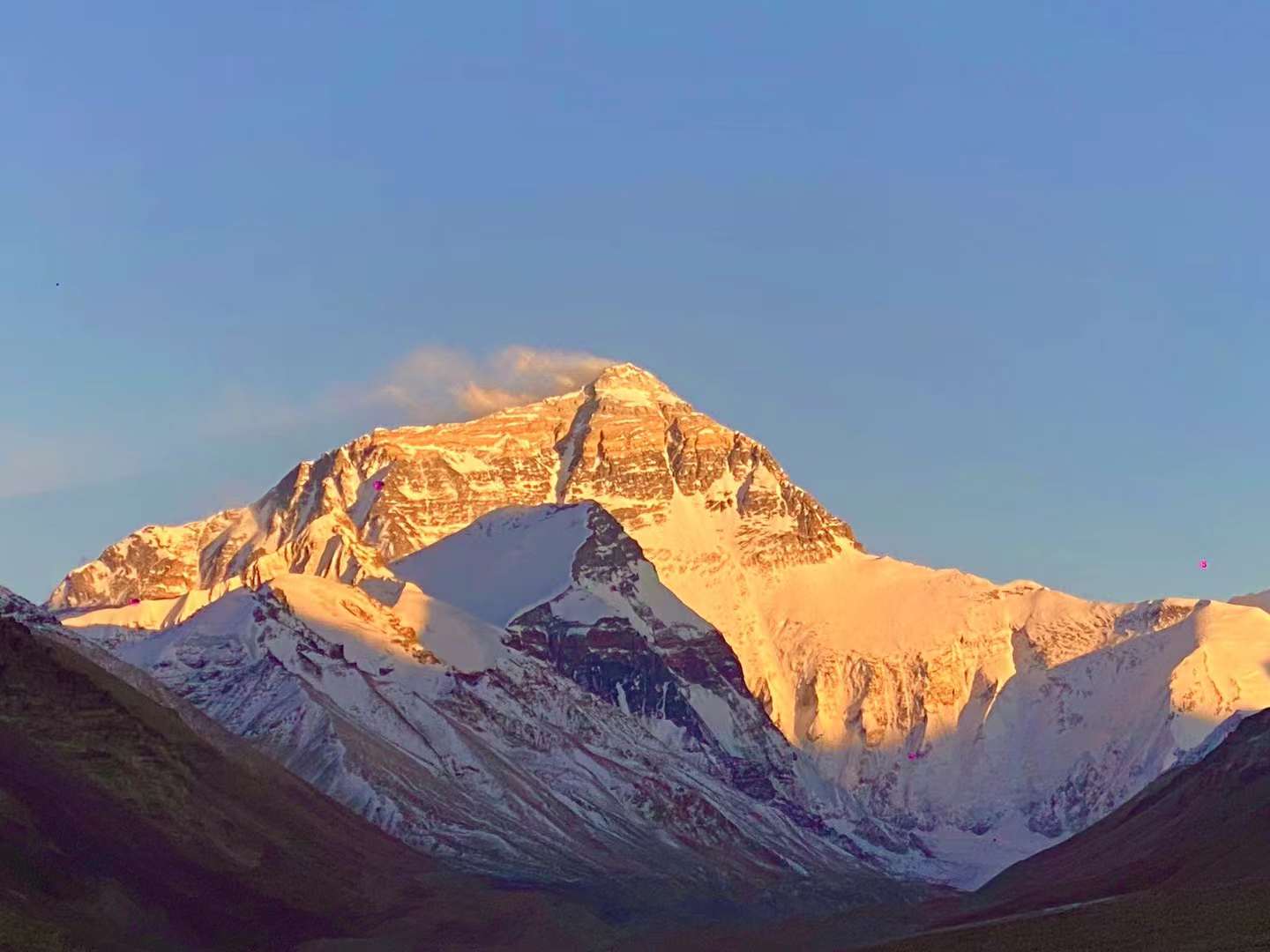
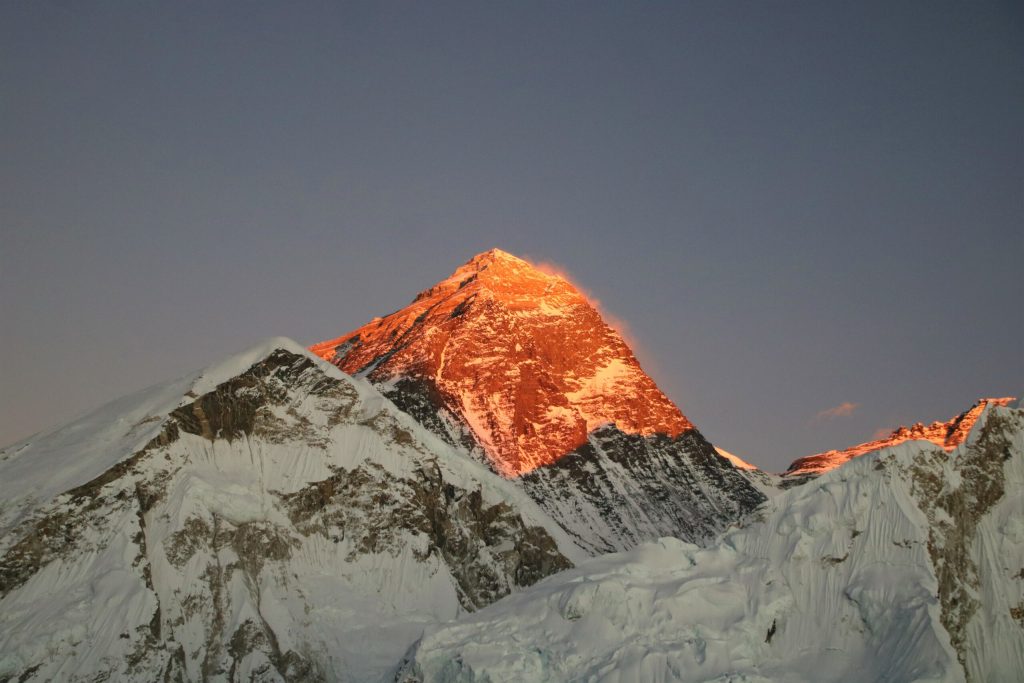
Mount Everest View In Tibet

1. Kongma La Pass

  • Altitude: 5,535 meters (18,159 feet)

Key Features:

  • It is the highest and most challenging of the three passes.
  • Offers 360-degree views of Everest, Nuptse, Makalu, and other towering peaks.
  • Conquering the Kongma La Pass, the highest and most challenging of the three passes, will fill you with a sense of accomplishment. The 360-degree views of Everest, Nuptse, Makalu, and other towering peaks from this vantage point are a reward that will make your trek genuinely memorable.

2. Cho La Pass

  • Altitude: 5,420 meters (17,782 feet)

Key Features:

  • This path unites the areas of Everest Base Camp and Gokyo Valley to each other.
  • The Cho La Pass measures 5,420 meters and links the Expedition Base Camp area to the Gokyo Valley climbing region. Ashatcho La glacier crosses alongside other glacial terrains on this trail to provide visitors with an astonishing natural connection.
  • Views of Ama Dablam and other nearby peaks.

3. Renjo La Pass

Altitude: 5,360 meters (17,585 feet)

Key Features:

  • A less crowded and serene route.
  • Magnificent vistas of Gokyo Lakes, Everest, and the surrounding snow-capped peaks.
  • The location appeals to photographers seeking silence together with serenity.

Everest Three Pass Trek Must-see Destinations Along the Route

Everest Base Camp

  • Stand at the foot of the world’s tallest peak, Mount Everest.
  • Capture views of the Khumbu Icefall and surrounding Himalayan giants.

Gokyo Lakes

  • A series of six turquoise glacial lakes that capture every visitor.
  • Perfect for peaceful reflection and stunning photography.

Namche Bazaar

  • A vibrant Sherpa town is known as the gateway to Everest.
  • A hub for acclimatization, shopping, and cultural experiences.

Everest Three-Pass Trek: Detailed Itinerary Guide

Thrillingly explore the Everest region by doing the iconic Three-Pass Trek. This ultimate guide is day-by-day, providing you with everything you need to plan your adventure perfectly.

Day 1. Arrive in Kathmandu (1300m), transfer to hotel, and dinner with Nepali cultural program/ Trip Preparation.

Day 2. Fly to Lukla (2804m) and trek to Phakding (2610): walk approx 3-4 hrs.

Day 3. Trek from Phakding to Namche Bazaar (3440m)

Day 4. Acclimatization day at Namche Bazaar -day hiking to Khumjung valley over Everest view point hotel.

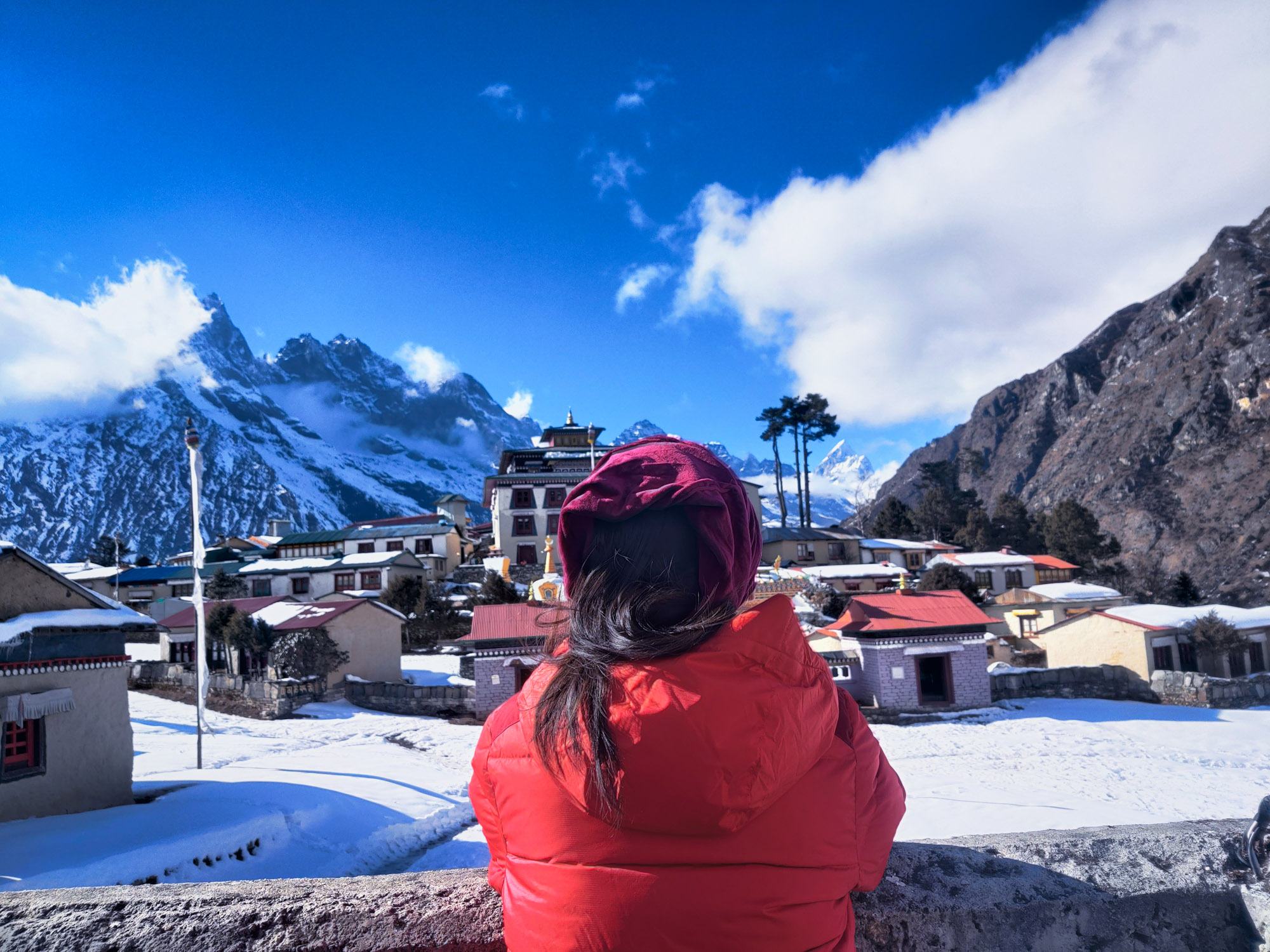
Day 5. Trek from Namche Bazaar to Tengboche Monastery (3,860m): walk approx 5 – 6 hrs

Day 6. Trek from Tengboche Monastery to Dingboche (4,350m): walk.

Day 7. Acclimatization day at Dingbouche,

Day 8. Trek from Dingboche to Chukung Valley

Day 9. Cross Khong Ma La Pass to Lobuche

Day 10. Trek Lobuche – Gorak Shep (5,170m) to Everest Base Camp and back to Gorak Shep: walk approx

Day 11. Hike up to Kalapatthar early in the morning and trek down to Dzongla. 

Day 12. Chola pass to Thangnak

Day 13. Trek to Gokyo Valley

Day 14. Gokyo Ri and Back To Gokyo Valley

Day 15. Renjo la Pass to Marlung Or Lungden

Day 16. Trek To Namche Bazzar

Day 17. Trek Back to Lukla 

Day 18. Fly Back to Kathmandu

Day 19 . Departure

Everest Three Pass Trek Difficulty

Most experts say the Everest Three Pass Trek ranks among the most arduous walks worldwide. Mountain trekkers encounter three pass altitudes and steep rocky paths during changing atmospheric conditions. Understanding the Everest Three Pass Trek’s challenging features must precede your trek planning process.

Difficulty of the Everest Three-Pass Trek

Patagonia provides you with breathtaking Himalayan views from its Everest Three Pass Trek while remaining a vigorous experience. Here’s a breakdown of the key factors that influence the difficulty of the trek: 

Altitude

It can be so strenuous for your body while crossing three high-altitude passes-Kongma La (5,535m), Cho La (5,420m), and Renjo La (5,360m)-that the altitude of the Everest Three Pass Trek, at times, goes over 5,500 meters above sea level where oxygen is scant, making travelers suffer from AMS.

Acclimatization is critical in managing these altitude-related health risks. Though the trek will include rest days at strategic camps to help your body adjust to the altitude difference, altitude sickness will be a consideration even with proper acclimatization. Symptoms often include headaches, nausea, vertigo, and shortness of breath, which can impede forward movement.

Terrain

The landscape of the Everest Three Pass Trek varies from steep ascents over rocks to uneven, rocky paths. Some areas have challenging uphill climbs on narrow ridges and boulder-strewn trails. Trekkers must have extreme stamina, agility, and endurance to cross such paths without injury. Steep ascents to passes, such as Kongma La, maybe exhaustive for the knees and legs and require a lot of mental and physical determination.

Weather

Every weather extreme in high altitude locations develops suddenly without notice. Moving along lower trekking areas exposes you to moderate climate conditions yet-ascending in elevation will lead to favorably more extreme conditions. Snowstorms join rain and strong winds as frequent weather occurrences near alpine mountain passes. High-elevation weather that drops enjoyment levels might give rise to time delays alongside an elevated threat of weariness and exhaustion.

Preparation  for the Everest Three Pass Trek Difficulty

Successful Everest Three Pass Trek completion demands detailed planning before each trip. With particular importance for experienced trekkers who train for harsh conditions. Here are some helpful tips to navigate the difficulties of the Everest Three Pass Trek:

  • Physical Conditioning: 

The long days of trekking at high altitudes require 6 to 8 hours of walking on many days. Cardiovascular and endurance training before arriving in Bolivia is highly recommended.

  • High-Altitude Experience

Before a trek begins individuals should engage in high-altitude training which helps their bodies adjust to thin air conditions. Training at high altitudes prior to arrival on a trek lowers AMS (Acute Mountain Sickness) risk factors.

  • Correct Equipment

Conditions at high elevations can be ruthless, so proper equipment is vital. You should carry a good-quality down jacket, thermal layers, gloves, a hat, and water-resistant trekking boots.

  • Guided Trek

A certified high-altitude guide is an excellent companion. A guided trek can help manage the difficulty, pace one appropriately, and undertake the trek at stages of the route when conditions are appropriate and safe.

Everest Three Pass Trek: Best Time for an Unforgettable Experience Adventure

A Mount Everest Three Pass Trek reveals its absolute potential when you pick the right time of year. The unique combination of difficult high-altitude passes and stunning Himalayan landscapes makes timing the key factor for this trek. Your ultimate adventure timeline to the Everest Three Pass Trek starts here.

Spring (March to May): The Peak Trekking Season

Spring is hands down the most popular season for the Everest Three Pass Trek. Here’s why:

  • Clear Skies, Perfect Weather: March to May offers stable weather and moderate temperatures, ideal for long days on the trail. Under pristine blue skies, you’ll enjoy clear Everest, Lhotse, and Makalu views.
  • Breathtaking natural scenery: With rhododendrons and alpine flowers in bloom, the Khumbu Valley becomes a colorful backdrop for your adventures.
  • Safe High-Altitude Crossings: The weather is stable, making the high passes of Kongma La, Cho La, and Renjo La less risky.

Spring is perfect for trekkers seeking vibrant landscapes, ideal weather, and a lively atmosphere.

Autumn (September to November): Crisp Air and Panoramic Views

The autumn months are equally popular, offering unique advantages:

  • Crystal-Clear Visibility: Post-monsoon air is crisp and fresh, delivering some of the best mountain panoramas ever. Everest, Ama Dablam, and Nuptse stand tall against deep blue skies.
  • Comfortable Temperatures: While evenings can get chilly at higher altitudes, the daytime temperatures are perfect for trekking.
  • Peaceful Trails: Although autumn trails are busy, they are never as crowded as spring trails, allowing for a more tranquil experience.

It’s the best time for those who like clear views, quiet trails, and the crisp beauty of the Himalayas.

Avoid the Monsoon (June to August)

The monsoon season is not recommended for the Everest Three Pass Trek due to:

  • Slippery and Muddy Trails: Solid rainfall makes trails slippery and hazardous to the trekkers.
  • Obstructed Views: Fluffy clouds and gentle fog often hug the mountains, giving them a mysterious charm.
  • Landslides and Flooding: Monsoon weather brings hazards, especially in lower altitude parts.

During these times, it’s challenging and less rewarding to go trekking.

Everest Three Pass Trek Map: Navigating the Route

everest-three-pass-trek-map

A detailed map is essential for safely navigating the Everest Three Pass Trek. Knowing the layout of the trails, key landmarks, and where you’ll stop overnight can make your journey more enjoyable.

Key Features of the Everest Three Pass Trek Map

  • Three High-Altitude Passes: The map points out the positions of the three significant passes you will cross: Kongma La, Cho La, and Renjo La.
  • Trekking Routes: This map shows the possible routes, thus linking necessary villages and lodges with popular ones like Everest Base Camp and Kalapatthar.
  • Altitude Information: Vital altitude markers on this map keep you updated about your elevation-, which is a significant guide to acclimatization.

How to get the map

From many trekking shops, you can quickly get an Everest Three Pass Trek map in Kathmandu. You can also download digital maps or get a GPS tracker online that will help during the trek. It is advisable to take a guide with you; they will have a good detailed map to keep them on track.

Everest Three Pass Trek Cost: Budgeting for the Trek

The cost of the Everest Three Pass Trek depends on many variables, one being whether you go independently or with a guided group. This trek costs anywhere from $1,500 to USD 2,500.

Trek Costs Breakdown

Permits:

  • Sagarmatha National Park Permit: $30 – USD
  • TIMS (Trekkers’ Information Management System) Card: $10 – USD

Guide and Porter Fees:

  • A guide costs between $25 and $40 daily, while a porter costs between $15 and $20 daily. 

Accommodation and Meals:

  • During the journey, accommodations are mainly found in tea houses or lodges. They typically cost between $5 and $10 per night. Meal costs vary by the restaurant but generally fall between $5 and $15 per day. 

Flights to Lukla:

  • The Kathmandu to Lukla flight is around $180–$250 one way in US dollars.

Everest Three Pass Trek Packing List: Essential Gear for Your Trek

Proper packing is crucial for a successful trek in the challenging conditions of the Everest Three Pass Trek. Below is a detailed Everest Three Pass Trek packing list to ensure you’re fully prepared for the adventure.

Clothing

  • Waterproof and Windproof Jacket: Essential for protecting against the unpredictable mountain weather.
  • Down Jacket: For warmth during cold nights and at higher altitudes.
  • Thermal Layers (tops and bottoms): To maintain body heat in chilly temperatures.
  • Trekking Pants: Lightweight, durable, and breathable pants for trekking.
  • Fleece Jacket: This is for added warmth during rest stops.
  • Sun Hat and Sunglasses: Protect your skin and eyes from the sun at high altitudes.
  • Waterproof Trekking Boots: Comfortable, durable boots with good ankle support.

Gear

  • Trekking Poles: Essential for maintaining balance during steep ascents and descents.
  • Sleeping Bag: A high-quality sleeping bag rated for -15°C or lower.
  • Daypack (25-30L): A comfortable daypack for carrying your essentials.
  • Headlamp with Extra Batteries: For night trekking and lighting up your campsite.
  • Water Bottles or Hydration System: Stay hydrated throughout the trek.
  • Power Bank: Keep your devices charged in remote areas.

Health & Safety

  • First Aid Kit: Include altitude sickness tablets, pain relievers, bandages, and antiseptic cream.
  • Sunscreen and Lip Balm: Protect your skin from harmful UV rays at high altitudes.
  • Water Purification Tablets or Filter: To ensure safe drinking water throughout the trek.
  • Snacks and Energy Bars: Pack light, high-energy snacks for the trail.

Everest Three Pass Trek Altitude and Acclimatization: Managing High Altitudes

One of the most significant challenges of the Everest Three Pass Trek is dealing with high altitudes. As you ascend, you’ll reach considerable altitudes, including Everest Base Camp (5,364m) and Kalapatthar (5,545m), which require proper acclimatization to avoid altitude sickness.

Key Acclimatization Tips

  • Ascend Slowly: Take your time and rest every few days to give your body a chance to adjust.
  • Stay Hydrated: Drink plenty of water to help prevent dehydration and support acclimatization.
  • Eat High-Calorie Foods: Eating a good amount of calories will help your body function better at high altitudes.
  • Listen to Your Body: Pay attention to symptoms of altitude sickness (headache, dizziness, nausea) and be ready to descend if needed.

Acclimatization Days

The trek includes several rest days in Namche Bazaar, Dingboche, and Lobuche, strategically placed for proper acclimatization. These days are essential for adjusting your body before heading higher into the mountains.

Conclusion: Preparing for Your Everest Three Pass Trek Adventure

The Everest Three Pass Trek delivers both spectacular mountain vistas together with personal fulfillment through its demanding routes. Physical demands of this experience remain reasonable for anyone who prepares adequately and equips themselves properly and maintains a positive mental outlook.

In this Guide to Everest Three Pass Trek, we’ve covered key information such as the trek’s map, costs, packing list, and altitude management to ensure you’re fully prepared for this once-in-a-lifetime adventure.

The trek which you choose to do in spring or autumn will produce remarkable living experiences. If you need help organizing your Everest Three Pass Trek journey connect with us at Vertex Holiday

FAQs

  1. What is the Everest Three Pass Trek?

Everest Three Pass Trek is an adventurous and challenging trek in the Everest region of Nepal that includes three high-altitude mountain passes: Kongma La (5,535 m), Cho La (5,420 m), and Renjo La (5,340 m). The panorama views of Mount Everest, Lhotse, Makalu, Cho Oyu, and other peaks added to a cultural exploration of Sherpa villages and monasteries, making it a comprehensive Khumbu Valley circuit.

  1. How many days does the Everest Three Pass Trek take?

Generally, it will take 18 to 21 days, depending on route variations, acclimatization days, and personal speed. Rest days are highly recommended to acclimatize to the high altitude and avoid AMS.

  1. During what seasons does Everest Three Pass Trek offer options?

The best seasons for this trek are:

  • Spring ( March to May): Clear skies, rhododendrons in bloom, and suitable temperatures. 
  • Autumn (September to November): Perfect weather, crystal-clear mountain views, and comfortable walking conditions. 

Avoid the monsoon ( June to August), which brings Heavy rainfall. From December to February, Extreme cold and snowfall can block the passes in winter.

  1. What are the three high passes, and how difficult are they?

The three passes included in the trek are:

  • Kongma La Pass (5,535 m): The highest and most strenuous pass, offering panoramic views of the Khumbu Glacier.
  • Cho La Pass (5,420 m) has icy trails that require technical skills, especially during snowy conditions.
  • Renjo La Pass (5,340 m): The easiest pass, providing spectacular views of Gokyo Lakes and Mount Everest.

All three passes are physically demanding and require excellent fitness and acclimatization.

  1. Do I need Everest Three Pass Trek permits?

Yes, you need two permits:

  1. Sagarmatha National Park Permit: Costs NPR 3,000 (approx. USD 25) for foreigners.
  2. Khumbu Pasang Lhamu Rural Municipality Permit: Costs NPR 2,000 (approx. USD 15).
    These permits can be obtained in Kathmandu or Lukla.
  1. What kind of accommodation and food can I expect during the trek?
  • Accommodation: Teahouses and lodges are available along the trail. They offer basic facilities such as shared rooms, common bathrooms, and limited electricity.
  • Food: Meals include traditional Nepali dishes like dal bhat and international options like pasta, noodles, and pancakes. Due to transportation costs, prices increase as you ascend.
  1. How can I prepare for the Everest Three Pass Trek?
  • Physical Fitness: Train at least 2–3 months before the trek, focusing on cardio, strength, and endurance exercises.
  • Acclimatization: Plan for rest days to adapt to the high altitude.
  • Gear: Use quality trekking boots, warm clothing, and a sturdy backpack.
  • Mental Preparation: Be ready for physical and weather challenges, as conditions can be unpredictable.
  1. Is doing the Everest Three Pass Trek solo safe?

Guide to Everest three pass trek Note: Safety becomes much better when you join either a group or hire a guide for your trekking experience. Completing the high passes remains unsafe during bad weather combined with inexperience navigating the uncharted terrain. Guides provide essential help with route navigation and adapt to high altitudes while sharing local culture information.

A Complete Guide to Ghorepani Poon Hill Trek — 2025

The complete guide to Ghorepani Poon Hill trek is highly famous among tourist as it cover The Annapurna and Dhaulagiri ranges of Nepal Trekking. This trek is relatively easy, and is therefore suitable for novices as well as experienced hikers. In 2025, the trek continues to attract adventurers from around the world, thanks to its stunning landscapes, culturally rich villages, and the iconic sunrise view from Poon Hill.

All about the Ghorepani Poon Hill Trek is included in this guide – everything you might want to know; from the Ghorepani Poon Hill Trek day by day plan to the best tips and other helpful information that will help you make your experience – be it a once-in-a-lifetime or tenth – perfect.

For the traveler who wants to embrace native culture and traditions, get amazing photos, or just get lost in nature, this trek is definitely for you, so I want you to add it to your list.

Highlights of Ghorepani Poon Hill Trek


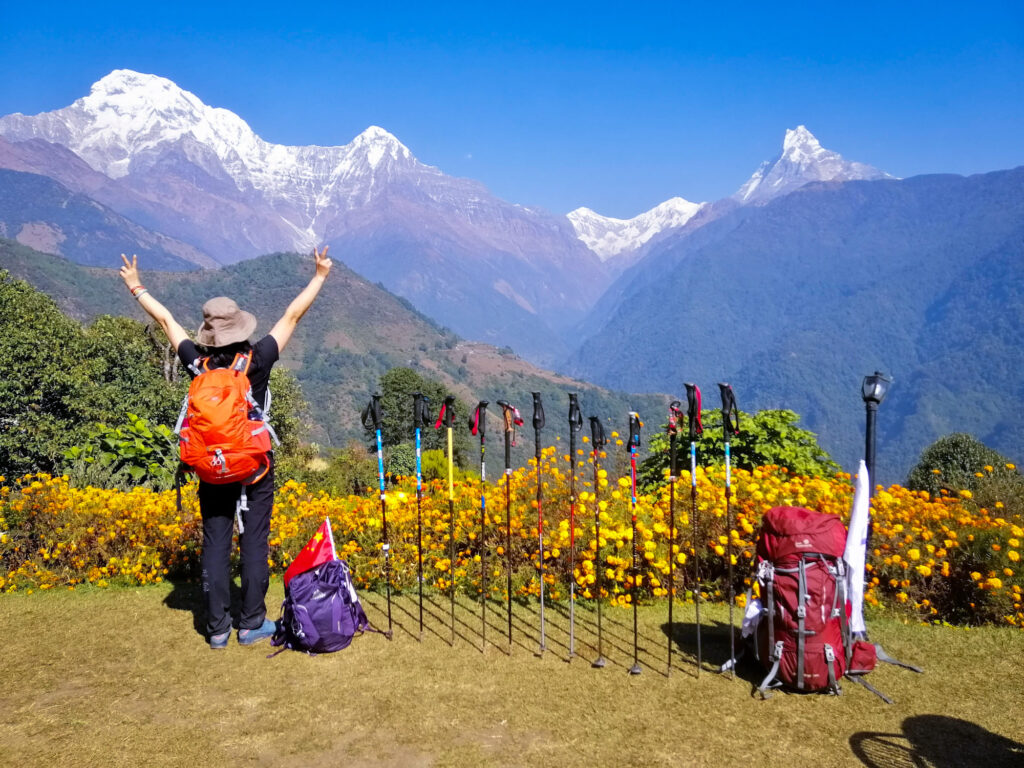
Best View From Ghandruik Village

The Ghorepani Poon Hill Trek is one of the most beautiful and easy treks in Nepal, so you will see lots of sights and enjoy the culture. Known for its breathtaking sunrise views over the Annapurna and Dhaulagiri ranges, this trek attracts adventurers from around the globe.

As you traverse the ghorepani poon hill trek itinerary, you’ll explore the unique lifestyle of the Gurung and Magar communities, surrounded by vibrant forests of rhododendrons that come alive during spring. Lying at a comfortable range of 32-40 kilometers for the entire journey, this trek is for everyone and does not require any prior trekking experience.

Importance of Poon Hill in Trekking Culture

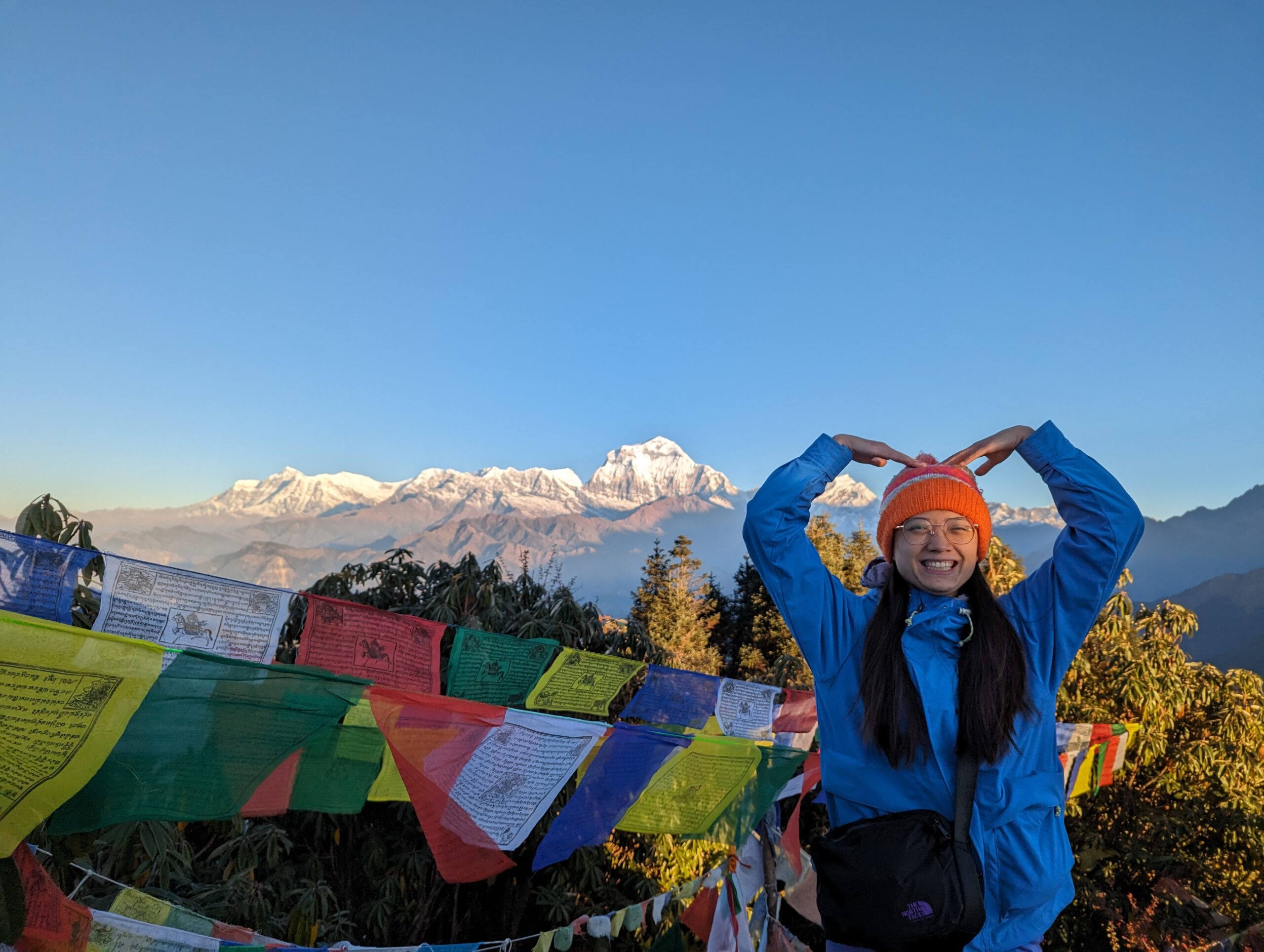
Poon Hill, rising to an altitude of 3,210 meters (10,531 feet), is probably the most famous view point for this trek. From there, you get to see the whole Himalayan range from Annapurna South, Macchapucchre (Fish Tail) to Hiunchuli. The sunrise from Poon Hill is special as the light that filters through the sky paints the towering mountains glistening white, a magical sight to behold.

The trek is part of the Annapurna Conservation Area Project (ACAP), and Poon Hill itself is a hotspot for photography and nature enthusiasts. With over 30,000 trekkers visiting the region each year, it has become a symbol of Nepal’s trekking culture and a must-see for travelers seeking adventure.

Why It’s Popular Among Trekkers

The Ghorepani Poon Hill Trek is moderate in terms of difficulty, short in terms of days, and slightly easier in terms of geography, because of which it is suitable for all types of trekkers, especially those who are based in Pokhara.

Key Data Points:

  • Duration: Typically 4–5 days, depending on the pace and route.
  • Ghorepani Poon Hill Trek Distance: Approximately 32–40 kilometers (20–25 miles) round trip.
  • Starting Point: Nayapul, about a 1.5-hour drive from Pokhara.
  • Max Elevation: 3,210 meters (Poon Hill).
  • Difficulty Level: Moderate.

The trek passes through charming Gurung and Magar villages, where trekkers can experience authentic Nepali hospitality, local traditions, and delicious food. The trails are adorned with rhododendron forests that bloom vibrantly during spring (March–April), adding a splash of color to the journey.

Ghorepani Poon Hill Trek Itinerary

The Ghorepani Poon Hill Trek is a relatively short and easy trek but offers terrific views of the Annapurna region in Nepal. This trek is rich with views of the Annapurna and Dhaulagiri ranges, beautiful forests, and beautiful Gurung village settlements. It is a moderate trek suitable for any kind of junk looking for adventure, cultures ,and nature. In this guide, we’ll take you through a detailed Ghorepani Poon Hill Trek itinerary, highlighting each day of the journey, the distances you’ll cover, and key points of interest along the way.

Ghorepani Poon Hill Trek Itinerary from Kathmandu

Day 1: Arrive in Kathmandu (1300m) and transfer to your hotel.

Day 2: Drive to Pokhara (860m).

Day 3: Drive to Ulleri and Trek to Ghorepani village (2,874m / 9,429 feet).

Day 4: Morning hike to Poon Hill (3,210m), trek to Tadapani (2,645m).

Day 5: Trek to Nayapul via Ghandruk village (1,950m), and drive to Pokhara (860m).

Day 6: Fly back from Pokhara to Kathmandu (1,337m).

Day 7: International departure for homeward bound.

Your experience ends when you exit Kathmandu after a wonderful trek and marvelous view of mountains.

The below is the actual schedule of this Ghorepani Poon Hill Trek which, indeed, helps you cover the main attractions while enjoying an ideal time for acclimatization. The total distance of the trek is moderate, so it is an excellent suggestion for trekkers who travel for fewer days in Nepal.

For a detailed itinerary and to book your adventure, visit Vertex Holiday’s Annapurna Base Camp Trek Package

Best Time to Visit Ghorepani Poon Hill

complete-guide-to-ghorepani-poon-hill-trek

Ghorepani Poon Hill Trekking is among the famous trekking routes in the world, which is located in the northern part of Nepal and provides a stunning view of Annapurna and Dhaulagiri ranges. However, timing of the best time for the journey is the key to optimizing this incredible experience. Seasons play significant roles in determining the scenic and ease of trek undertaking. The seasons have their characteristics, which make the trek to be different.

The most favorable conditions to attend Ghorepani Poon Hill are spring period which is from March up to May, and autumn period, which is from September up to November. 

These months are suitable for trekking in terms of weather, visibility and the beautiful sceneries throughout the country. Spring is best for viewing the carpets of rhododendrons, while autumn provides clear visibility for those mountains.

Trekking Permits Required for Ghorepani Poon Hill

When planning your Ghorepani Poon Hill Trek, one of the essential steps is obtaining the necessary trekking permits. These permits ensure your safety and help preserve the Annapurna region’s natural beauty and environment. Two key licenses are required for the Ghorepani Poon Hill Trek: the TIMS Card (Trekkers’ Information Management System) and the ACAP (Annapurna Conservation Area Permit).

TIMS Card (Trekkers’ Information Management System):

TIMS, an acronym for Trekking Information Management System, is a compulsive authority for trekking in Nepal and aims to increase safety and orderliness in the running of treks. It assists authorities in monitoring the trekkers’ movements and offers an information base in case of rescue.

Annapurna Conservation Area Permit (ACAP):

The ACAP is valid for the entrance into the Annapurna Conservation Area, in which the Ghorepani Poon Hill Trek is located. This permit serves the purpose of preserving this area’s species and helping out local populations.

How and Where to Obtain These Permits:

The TIMS Card and ACAP can be obtained at Kathmandu and Pokhara’s Nepal Tourism Board (NTB) offices. Alternatively, they can be acquired through registered trekking agencies. They include completing an application form, provide a valid passport, two passport-size photographs, and fees. It is recommended to have copies of permits at any time on the trek because they may be required at several checkpoints along the trail.

Difficulty Level and Trek Preparation

Ghorepani Poon Hill Trek is one of the famous treks in the Annapurna region where people love to trek because this trek is a little more complex than other regular treks. This is a perfect trek for those travelers who want to get started with trekking in the Himalayas for the first time. But getting the most out of your adventure will require a lot of planning before the trek takes place in the park. They offer insight into the kind of stress the actual trek will put through, essential fitness and training details and recommendations, and a guideline on what to carry.

Moderate Difficulty Level – Ideal for Beginners

The Ghorepani Poon Hill Trek is a moderate trek that is suitable for beginner trekker who have no high-altitude trekking experience with enough experience of day hiking. The trek is usually completed in 3/5 days, with totals of roughly 50/60 km per day, constantly ascending and descending from various villages and forests. The highest point of the trek is poon hill, which is at an altitude of 3,210m, and trekkers get classic views of the Annapurna and Dhaulagiri ranges.

However, the Ghorepani Poon Hill Trek is not physically rigorous, and individuals with average physical health can quickly complete it, but they may feel some problems due to high altitude. The trekking distance progressively climbs high, and for the short distances covered each day, this could be suitable for novices or individuals who wish to build up the physical strength in order to take on more challenging treks in the Himalayas. However, knowing how to prepare for such a trekking is necessary to avoid dramatics and get only the most positive emotions from the walk.

Fitness and Training Tips for Trekkers

It has been classified as a moderate trek, yet significant effort and energy are required when approaching the Ghorepani Poon Hill Trek. Some tips on how to prepare physically for the trek follow:

  1. Cardiovascular Fitness: Trekking involves walking for hours, often uphill, so improving your cardiovascular fitness is crucial. Activities such as brisk walking, hiking, running, or cycling can help build endurance. Try to incorporate 30-45 minutes of cardiovascular exercise into your routine, 3-4 times a week, for at least 4-6 weeks before your trek.
  2. Strength Training: Strengthening your legs, core, and upper body will help you handle the uneven terrain and long hours of walking. Exercises like squats, lunges, calf raises, and step-ups will help improve leg strength. Don’t forget your core muscles—planks, sit-ups, and leg raises can enhance your stability on the trail.
  3. Hiking with a Loaded Backpack: If possible, train by hiking with a loaded backpack, as carrying a pack during the trek will engage your muscles differently. Start with a lighter load and gradually increase the weight to get used to carrying your gear over long distances.
  4. Altitude Preparation: While the Ghorepani Poon Hill Trek does not attain very high altitudes, preparation of your body for the changed elevation is highly important. Where possible, training in higher altitudes will begin the acclimatization of your body. Staying hydrated and avoiding overexertion will help prevent altitude sickness during your trek.
  5. Mental Preparation: Hiking the Himalayas requires a great deal of mental fortitude. Be prepared to push through some difficult moments, embracing the challenge, and enjoy it in anticipation of knowing that at the end of each day, the reward will be spectacular.

Packing Essentials for the Ghorepani Poon Hill Trek

Packing the right gear is an art that plays an important role in comfort during your trekking activity. Below, please find a description of essentials you will want to bring on your Ghorepani Poon Hill Trek.

Gear:

  • Backpack: Choose a comfortable, sturdy backpack with enough space to carry your essentials, such as water, snacks, and extra layers of clothing.
  • Trekking Poles: Trekking poles will be good for balance and taking off the pressure on the knees during steep ascents and descents.
  • Headlamp/Flashlight: Useful in early morning starts or evening treks in areas with poor lighting.
  • Water Bottle/Hydration System: One must have water to stay hydrated. A refillable water bottle or hydration system, so they can avoid too much plastic would be nice.

Clothing:

  • Layered Clothing: The weather in the Annapurna region can change rapidly. Opt for moisture-wicking base layers, an insulating mid-layer, and a waterproof, windproof outer layer.
  • Trekking Shoes: Comfortable and well-broken-in trekking boots with good ankle support are a must. Waterproof shoes are recommended as the weather can be unpredictable.
  • Hat and Gloves: Even though the trek is moderate, temperatures can be cold at higher elevations, so pack a warm hat and gloves.
  • Socks: Choose moisture-wicking and comfortable trekking socks to avoid blisters.

First Aid and Personal Items:

  • First Aid Kit: A basic first-aid kit should be carried with one at all times, comprising band-aids, antiseptic cream, pain relievers, and any prescription medication.
  • Sunscreen and Lip Balm: The sun at higher altitudes can be strong; use sunscreen with SPF and lip balm with SPF to protect your skin from the sun.
  • Hand Sanitizer: Hygiene is important, especially when trekking in remote areas. Carry hand sanitizer to clean your hands before meals and rest breaks.

Accommodation and Food on the Trek

Embarking on the Ghorepani Poon Hill Trek in 2025 offers not only an adventure through the stunning Himalayan landscapes but also an opportunity to experience the unique culture and hospitality of the local communities. One of the highlights of this trek is the cozy accommodation and hearty meals that will sustain you throughout the journey. Below, we dive into what you can expect in terms of lodging, food, and tips to stay healthy during the trek.

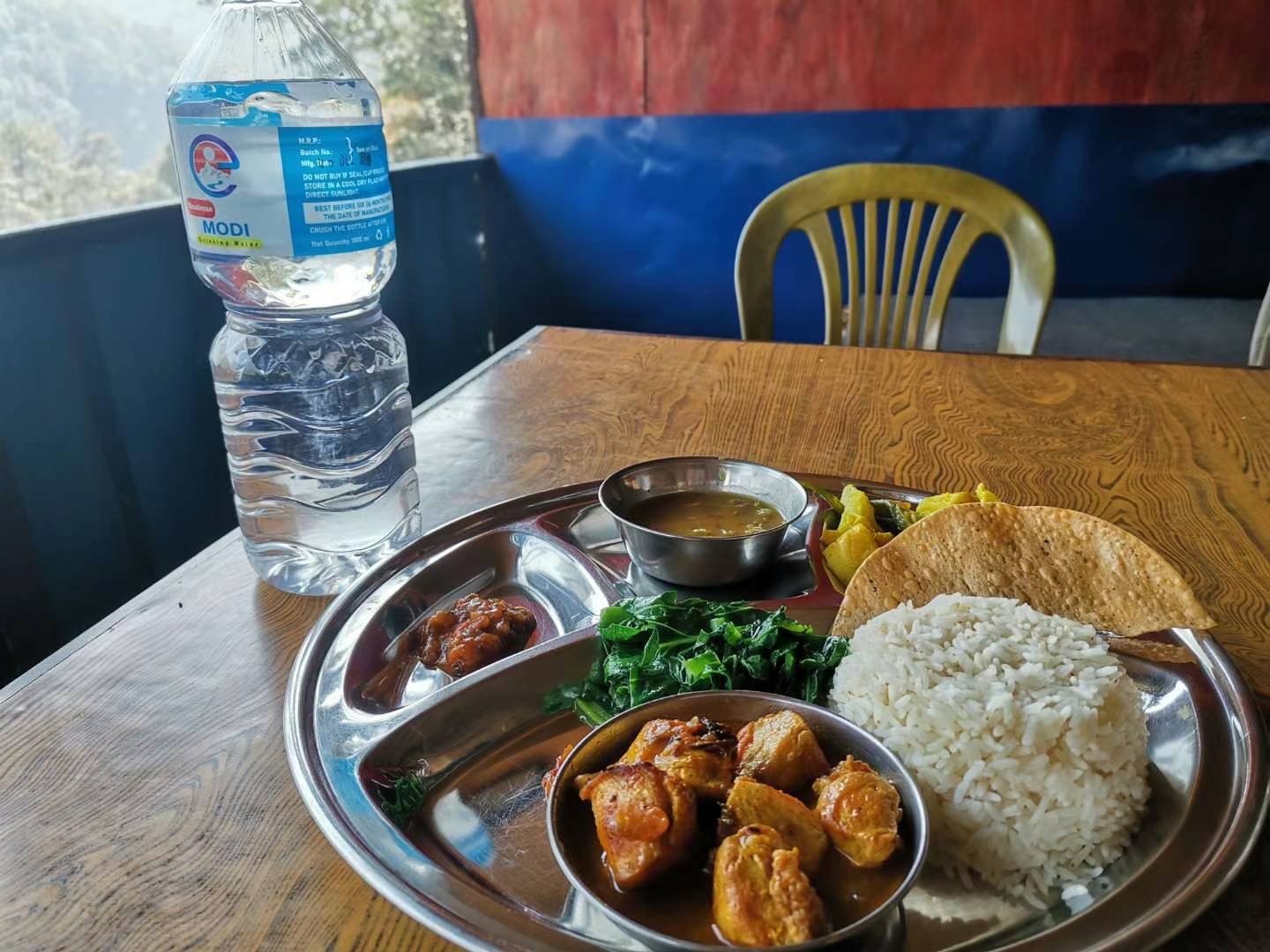
Authentic Nepali Khana

Overview of Teahouse Lodges Along the Trail

Teahouse lodges offering basic shelter to trekkers can be found along the trek route to Ghorepani Poon Hill. Teahouses or simple lodges dotted along the trail offer safety, warmth, and rest after a whole day of trekking.

They are usually family-run teahouses that provide a very homely and friendly environment. Basic but comfortable rooms, with a timber floor and blankets to keep you warm, is what teahouses typically provide. While not the modern luxury one gets elsewhere, teahouses do give one a home environment to rest in and enjoy time with other trekkers. They have shared rooms, although private rooms are possible at extra costs.

In addition to lodging, teahouses are equipped with common areas where you can gather around a stove, drink tea, and enjoy the company of other trekkers. Most of these teahouses have charging facilities (for a fee), Wi-Fi (in select places), and hot showers (in some lodges). However, be prepared for limited amenities as you ascend higher in altitude.

Typical Food Menu and Costs

Speaking of food on Ghorepani Poon Hill Trek, the teahouses serve delicious and nutritious local food to keep you energized for the whole day’s trip.

Common Food Options:

  • Dal Bhat: This traditional Nepali dish consists of lentil soup (dal) served with steamed rice (bhat). It’s a staple in most teahouses and provides the necessary carbohydrates and protein to keep you energized.
  • Momo: These Nepali dumplings are filled with meat or vegetables and are perfect for a snack after a long day of trekking.
  • Fried Rice: Another popular option for trekkers, fried rice is often paired with vegetables, eggs, or meat.
  • Pasta and Noodles: For variety, you will also find basic pasta and noodle dishes that can be a good choice for lighter meals.
  • Chapati: Flatbreads served alongside lentils or vegetables.
  • Vegetarian and Non-Vegetarian Options: Most teahouses offer both vegetarian and meat-based dishes, though vegetarian food is more common due to the predominance of local farming.

Typical Meal Costs: Meals along the Ghorepani Poon Hill Trek route are fairly priced, though you may notice that costs tend to rise as you ascend to higher altitudes. Expect to pay around:

  • Dal Bhat: NPR 400-1000
  • Momo: NPR 450-800
  • Pasta or Fried Rice: NPR 450-900
  • Snacks and Drinks: Tea, coffee, and biscuits can cost around NPR 100-750.

It’s worth noting that prices tend to get higher the higher you go because of the challenge in logistics concerning the transportation of food and supplies. It’s a good idea to bring some extra cash for meals, as not all teahouses may accept card payments.
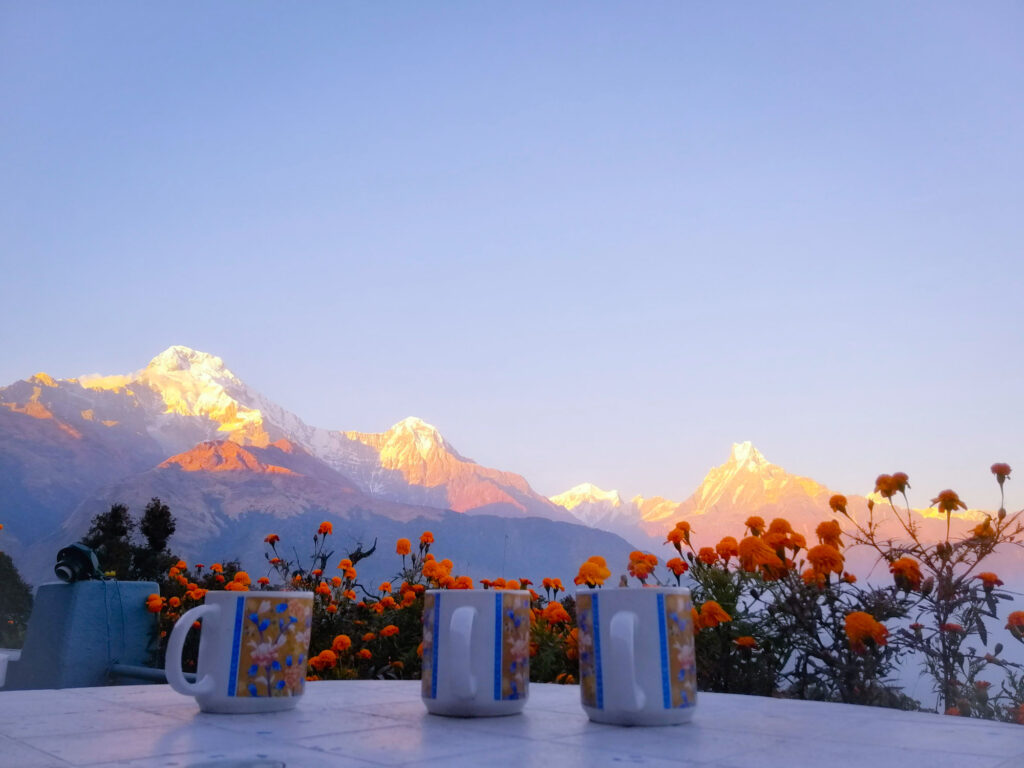
Tips for Staying Healthy During the Trek

complete-guide-to-ghorepani-poon-hill-trek

Staying healthy and energized during the Ghorepani Poon Hill Trek is essential for having an enjoyable and successful journey. Below are some useful tips to maintain your health while trekking.

  1. Stay Hydrated: The trek can be physically demanding, so it’s important to drink plenty of water to stay hydrated. While bottled water is available at teahouses, it’s also a good idea to carry a reusable water bottle and purifying tablets to avoid relying on plastic bottles.
  2. Eat Balanced Meals: Make sure to eat a mix of carbohydrates, proteins, and fats to keep your energy levels stable. Stick to the hearty meals like dal bhat that are rich in nutrients, and consider having light snacks such as nuts or energy bars during breaks.
  3. Avoid Overeating: While the food is delicious, overeating, especially at high altitudes, can lead to discomfort or digestive issues. Eat in moderation to ensure your stomach stays settled, especially if you’re not used to trekking at altitude.
  4. Pack Snacks: While teahouses provide meals along the way, bringing along some snacks, such as trail mix or energy bars, can be a great way to keep your energy up between meal stops.
  5. Stay Warm and Rest Well: Ensure you’re dressed appropriately for the changing weather, especially as you gain altitude. Layers are key to maintaining warmth, and make sure you get enough rest each night to help your body recover from the day’s exertion.
  6. Avoid Alcohol: While it may be tempting to enjoy a drink after a day of trekking, alcohol can dehydrate you and impair your energy levels. It’s best to avoid alcohol to stay in good health during the trek.
  7. Altitude Awareness: As you ascend the trail, your body may start to feel the effects of higher altitudes, such as fatigue, headaches, or nausea. If you begin feeling symptoms of altitude sickness, it’s important to descend to a lower elevation and rest.

Cultural Insights Along the Trail

Ghorepani Poon Hill Trek is more than just beautifully changeable scenery; it’s about culture. While you make your way up through steep woods and field terracing, you come across very lively customs and the accommodating nature of locals. It goes right into the middle of the Annapurna area, where one feels completely acquainted with the unique cultures of the main inhabitants of the place: Gurungs and Magars.

Gurung and Magar Ethnic Groups

The indigenous ethnic groups from the Annapurna region are the Gurung and Magar, which belong to very deeply rooted traditions, shaping the culture and way of life in the Ghorepani area. Both these groups are noted for their rich history, pulsating customs, and warm hospitality. Ghorepani Poon Hill Trek presents an opportunity whereby trekkers relate to these communities, learn about their customs, and gain insights into the ways of livelihood.

  • The Gurung People: The Gurungs are one of the most popular ethnic groups in Nepal. They are renowned for their bravery and contribution to the Nepalese army. The houses are mainly of stone and wood, with villages usually having traditional architecture. Their festivals and rituals are so colorful.
  • The Magar People: Another ethnic group in the Annapurna region, rich in cultural heritage, are the Magars. The Magars are well known for their music, dance, and strong warrior tradition. The cultural tapestry of the region has a very unique flavor from the Magars.

Local Traditions and Festivals

Along the Ghorepani Poon Hill Trek, trekkers are exposed to a variety of local festivals and traditions that provide a glimpse into the life of the Gurung and Magar people.

  • Tihar: It is one of the most popular festivals in the region. This festival is called the Festival of Lights. On this festival, houses are decorated with oil lamps, candles, and colorful rangolis.
  • Dashain: It is the longest festival and the most important for the Gurung and Magar people. It is a festival of family reunions, feasting and some traditional rituals, symbolizing victory over evil.
  • Local Ceremonies: In many villages along the trek, you might witness traditional rituals that mark important life events, such as weddings or religious ceremonies. The Ghorepani Poon Hill area is rich in ancient traditions, and trekkers often have the chance to observe or even take part in these ceremonies.
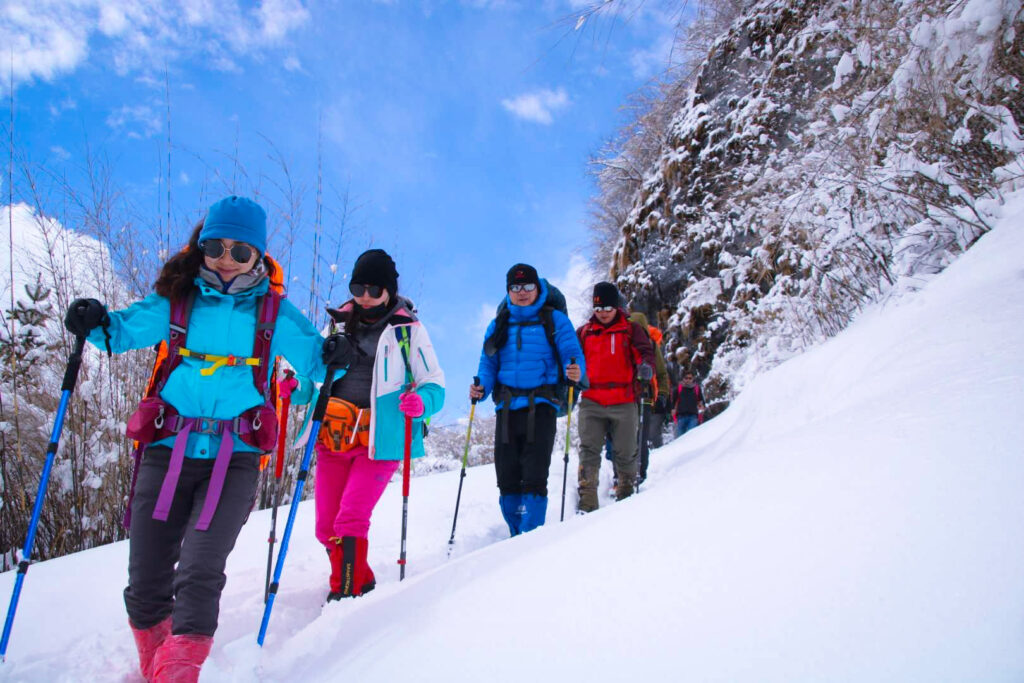
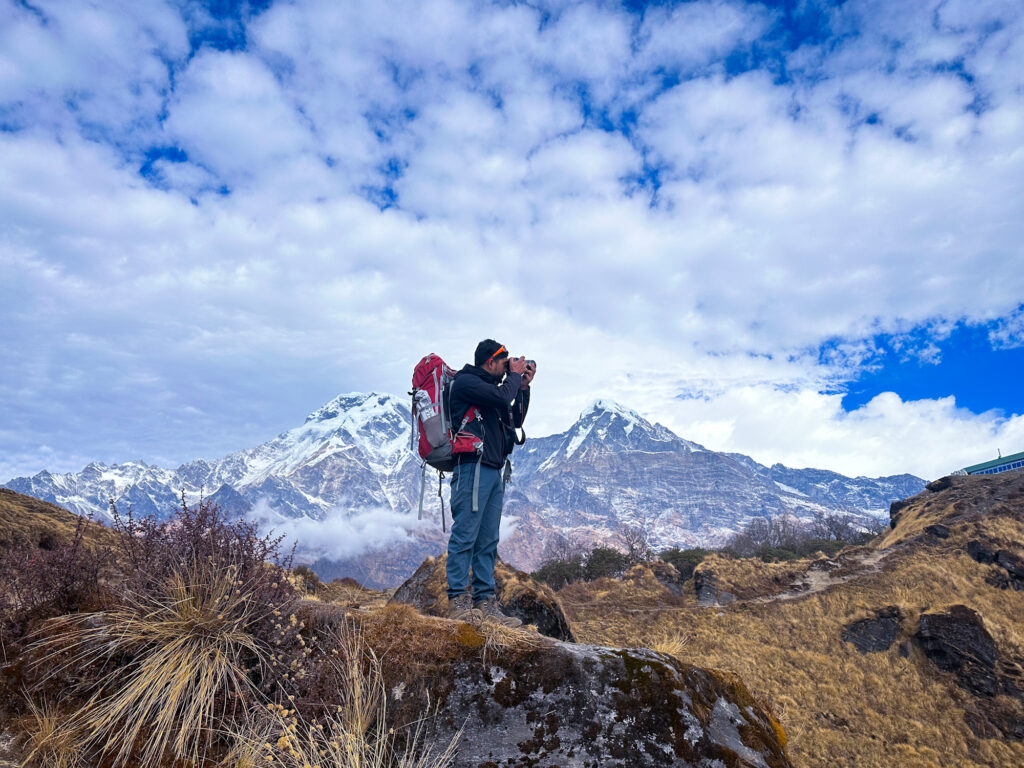
Responsible Tourism Practices

Taking responsible tourism practice on a hike through the scenic Ghorepani Poon Hill will be respectful of local culture and environment. This will ensure that such beauty and cultural heritage are kept intact for generations to come. Here’s how you can contribute:

  • Respect Local Customs: Always seek permission before clicking pictures of any person or property. Dress appropriately according to the local customs like not entering the house or temples without proper clothes.
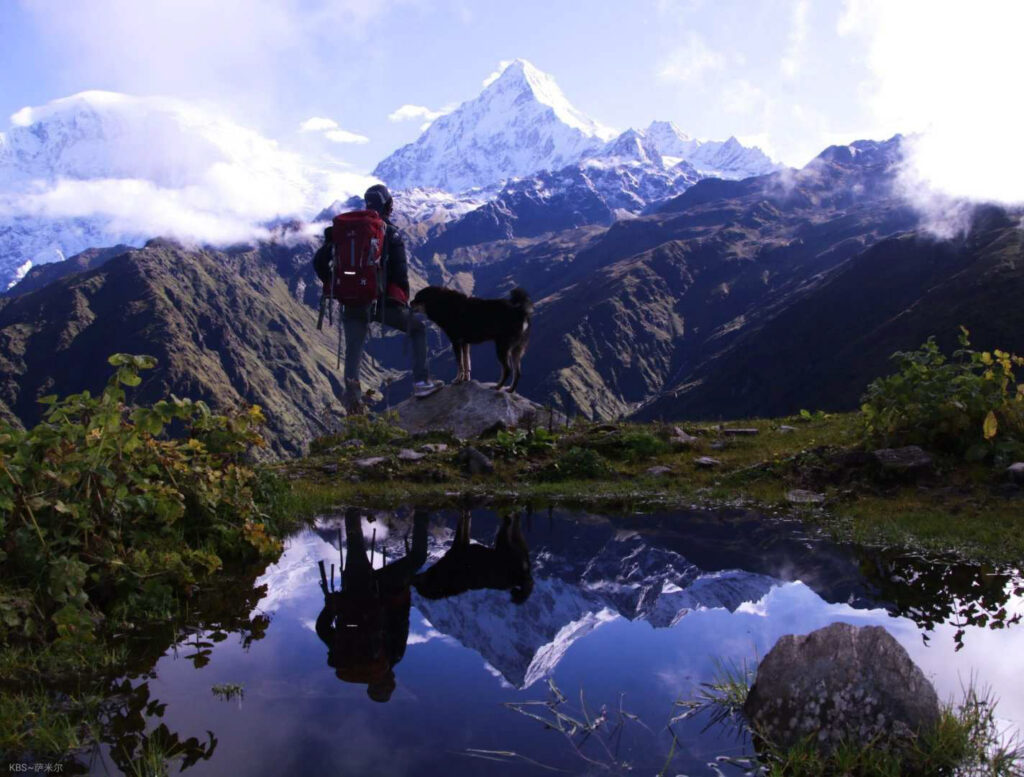
  • Support Local Businesses: Purchasing handmade crafts, local produce, or staying in locally owned guesthouses helps support the communities along the trek. This allows you to enjoy authentic cultural experiences while contributing to the local economy.
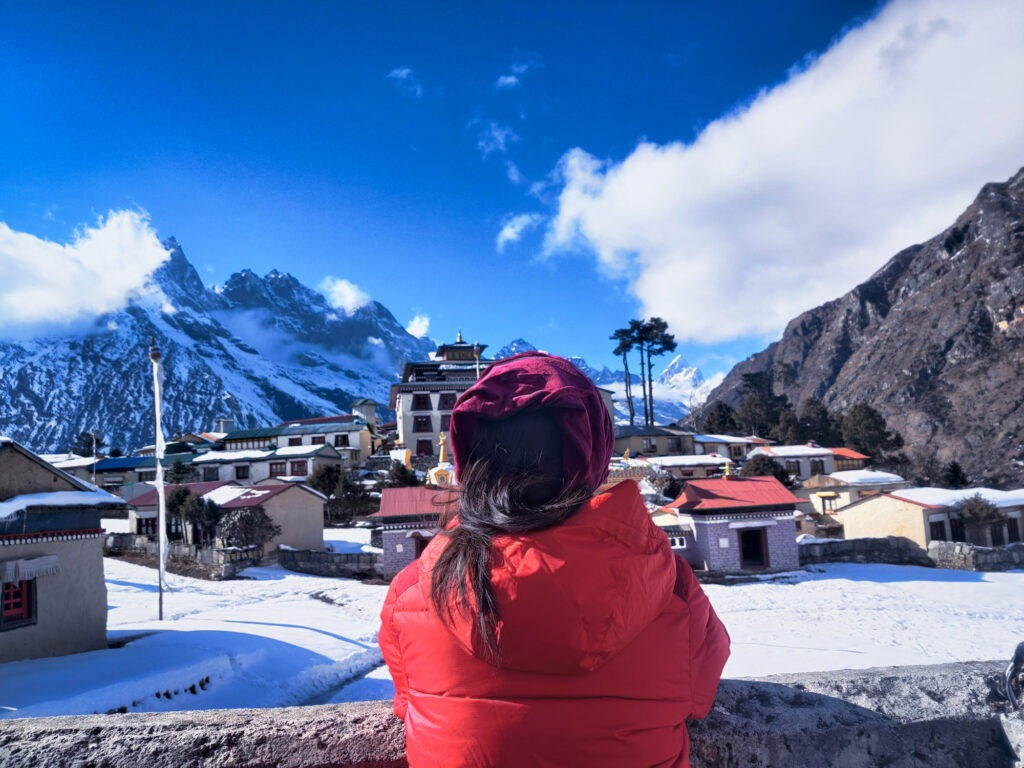
  • Minimize Environmental Impact: Stick to marked trails, avoid littering, and use eco-friendly products during your trek. Reducing your environmental footprint ensures that the natural beauty of the Ghorepani Poon Hill Trek remains intact for years to come.

Essential Tips for Ghorepani Poon Hill Trek

One of the most popular short treks in Nepal is the Ghorepani Poon Hill Trek, which offers one breathtaking mountain views, charming villages, and varied landscapes. It is very essential to prepare oneself before embarking on this trek so that you will not have any major problems during the journey. Therefore, here are some essential tips for trekking in Nepal, how to deal with altitude sickness, and budgeting for your Ghorepani Poon Hill Trek.

Best Practices for Trekking in Nepal

Choose the Right Season:

The best seasons for the Ghorepani Poon Hill Trek are during spring-from March to May, and autumn-from September to November. The weather is usually stable, and you will have clear skies for excellent views. Train Before You Trek: This Ghorepani Poon Hill Trek is not a very challenging one, but still, you need to prepare your body. Do some regular cardio and leg-strengthening exercises to build stamina and endurance.

Train Before You Trek:

Overpacking can weigh you down and generally slow you down on the move. Just make sure to carry a good trekking boot, waterproof jacketing, and some hats. It would also be wise to include in the list a lightweight sleeping bag and some basic hygiene items.

Pack Light but Smart:

Overpacking can slow you down and add unnecessary weight to your journey. Stick to essential items such as a good pair of trekking boots, a waterproof jacket, and a hat. A lightweight sleeping bag and basic hygiene items should also make it to your packing list.

Stay Hydrated and Nourished:

Keep your energy levels up by drinking enough water and eating local food along the trek. Nepali cuisine is both delicious and nutritious, with rice, dal (lentils), and vegetables providing great sustenance.

Respect Local Culture and Customs:

Nepal is home to diverse ethnic groups with unique traditions. Be respectful when passing through villages, and always ask for permission before taking photos of locals.

How to Deal with Altitude Sickness

As the height goes up to Poon Hill, lying at an altitude of 3,210 meters (10,531 feet above sea level), even altitude sickness may affect trekkers. Here are a few tips that will help in preventing and managing altitude sickness during the Ghorepani Poon Hill Trek: The first thing to bear in mind is to avoid ascending too rapidly. Plan rest days and gain elevation at a rate that will slowly help your body acclimate to the thin air.

Keep Your Body Hydrated:

  1. Ascend Slowly:
  2. It’s crucial to avoid rapid ascents. Plan for rest days and gradual elevation gain to help your body adjust to the thinner air.
  3. Stay Hydrated:
  4. Lack of water in the body can be one of the many factors that cause altitude sickness.
  5. Know the Symptoms:
  6. Some symptoms include dizziness, nausea, headache, and shortness of breath. The key is to act immediately by descending to a lower altitude.
  7. Rest and Acclimatize:
  8. If you are feeling unwell, stop and take a rest for at least a day or two at the same altitude. The key to reducing the risk of AMS is proper acclimatization.
  9. Consider Medication:
  10. Some trekkers use Diamox (acetazolamide) to prevent altitude sickness. It’s advisable to consult with a doctor before trekking if you’re considering this option.

Budgeting for the Trek (Cost Breakdown)

Budgeting for the Ghorepani Poon Hill Trek is important to ensure you can enjoy the trek without any financial worries. Here’s a general breakdown of the costs involved:

  1. Trekking Permit Fees:
    • ACAP (Annapurna Conservation Area Permit): NPR 3,000 (approximately USD 25)
    • TIMS (Trekkers’ Information Management System) Card: NPR 1,000 (approximately USD 8)
    • These permits are mandatory for all trekkers and can be obtained at the ACAP office in Pokhara or Kathmandu.

Accommodation:

Tea houses along the Ghorepani Poon Hill Trek are basic but comfortable. Prices range from NPR 300-700 per night (USD 3-7) for a basic room with shared facilities. Prices may vary depending on the season and location.

Food and Drinks:

Food and beverages around NPR 1,500-2,500 per day – USD 12-20 is charged. For a fairly well selection of dishes from local as well as from the West, especially rice, noodles, soup, tea house has been reasonably good.

Guide and Porter Fees (Optional):

Hiring a guide or porter is highly recommended, especially for first-time trekkers.

Guide Fee: NPR 2,500-4,500 per day (USD 18-30)

    • Porter Fee: NPR 2,500-3000 per day (USD 20-25)
    • A guide will ensure you know the trail inside out, while a porter will help carry your luggage, making your trek a lot more comfortable.

Transport to Pokhara:

If you’re traveling from Kathmandu to Pokhara, budget for transport. A tourist bus will cost around NPR 100-5000 (USD 10-30) for a one-way trip. Private transport or flights will be more expensive.

Miscellaneous Expenses:

You will also have to pay extra money for souvenirs, snacks, hot showers, and phone recharge. Though ATMs are a few on the trek, it is always good to carry some cash.

Conclusion

Ghorepani Poon Hill Trek is an unforgettable adventure that merges fantastic natural beauty with a cultural experience. With these necessary tips, one can be assured of a successful and enjoyable trek that will remain safe and comfortable throughout. 

Doing proper preparations will make the whole endeavor all the more worthwhile, including knowledge on how to deal with altitude sickness and maintaining one’s budget in order.

Frequently Asked Questions (FAQs)

Is Ghorepani Poon Hill Trek suitable for beginners?

Yes, the trek is considered moderate, with gradual ascents and well-established trails, making it perfect for beginners.

How long does it take to complete the Ghorepani Poon Hill Trek?

The trek usually takes 4-8 days, depending on your pace and the itinerary.

What is the altitude of Poon Hill?

Poon Hill stands at 3,210 meters, 10,531 feet above sea level.

What should I pack for the Ghorepani Poon Hill Trek?

Essentials include warm clothing, trekking shoes, water bottles, snacks, and a good camera for the views.

Do I need a guide or porter for the trek?

A guide is optional but highly recommended, especially if unfamiliar with the terrain. A porter can also help carry your gear, making the trek easier.

Langtang Valley Trekking Information

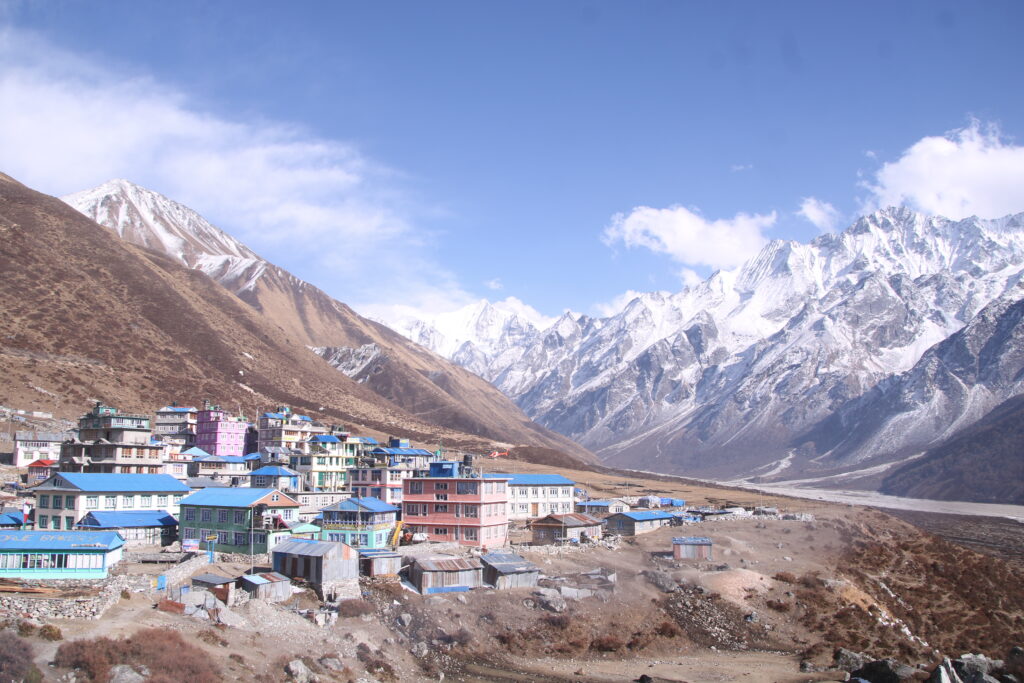
Langtang Valley Trekking is the first mountainous and Himalayan Langtang National parks of Nepal’

The  Langtang Valley Trekking information provided on Langtang Valley Trekking will be a great support and help for all interested visitors to Nepal. Especially for travelers with limited time for major adventures around Nepal Himalaya’s high destinations.

Langtang Valley will be the perfect and ideal place to enjoy the Himalayan holiday adventure within a week’s duration.

Langtang Valley is one of the most popular and famous trekking destinations as well for various adventures. Due to its easy accessibility being the closest mountain range to the capital city of Kathmandu. Where one covers the whole scenic trek within a week or more time frame, enjoying the best Himalayan country walks.

Langtang Valley is located within the massif range of Langtang Himal with a series of peaks that enclose the picturesque Langtang Valley. One can enjoy the adventure trekking, staying overnights in the comfort of its many good cozy lodges with warm hospitality.

Langtang Valley’s Longitude of 85 0 33′ 98 0 4″ East and its Latitude is 28 0 12′ 47 0 4″ North. Which is about 32 k.m. of aerial distance from Kathmandu city, extending towards the Nepal and Tibet / China borders. Located within Central Himalaya in between the massif Ganesh Himal in the west with Jugal Himal towards the east.

It is close to the world’s 14th highest peak Shisapangma in the north across the border in Tibet / China.

Langtang Valley and its mountain range fall within Langtang National Park, the first country’s mountainous national park ever established.

The park was declared in 1976 and covers an area of 1710 sq. km with a buffer zone of 420 sq. km. Situated in the district of Rasuwa extends as far as Nuwakot towards the southeast and Sindhupalchowk in the east.

Langtang Valley trekking provides moderate walks with a touch of high altitude reaching the highest spot at Kyanjin. Which is at a height of 3,830 m / 12,565 feet high, and offers several high viewpoints. Like the Kyanjin-Ri or Tserko-Ri at 4,773 m / 15,655 feet high, where one can marvel at jaw-dropping Himalayan views.

The highest in the Langtang Himal range is Mt. Langtang Lirung 7,234 m with Ghengu Liru / Langtang-II 6, 571 m. Includes Kimshun Peak at 6,745 m and Shalbachum at 6,918 m, the view extends as far as Jugal Himal in the east.

The most famous, popular trekking peak is Yala at 5,520 m / 18,110 feet, a non-technical peak to climb. The varied landscapes of the country make the trek more interesting along with the local immense and impressive Buddhist cultures.

The Langtang Valley walk takes you to a beautiful forested trail lined with
Oaks, Chir pine, maple, fir, blue pine, hemlock. Includes spruce and various species of rhododendron which makes the main forest species.

During springtime from March to May, the hills and valleys are bright and lively with wildflowers in bloom. Especially the rhododendron of various species the national flower of Nepal decorates the forest with different shades of colors.

Langtang Valley Trek photo

Langtang Valley Trekking Religion & Culture to Expect:

Around Langtang Valley Trekking Tamang is the main tribe of Langtang Valley and Rasuwa district around Langtang Himal range follows Buddhism. The indigenous and ancient mountain tribes that have migrated from Inner Mongolia through Tibet, more than 2000 years ago.

Where custom and heritage culture is similar to its Tibetan predecessor, which you can notice and observe. As you explore the villages on route Langtang Valley and at the end of a trek at Syabrubesi.

In 2015 most of the villages around Nepal Mid-West and East including the Langtang area. It was badly affected by the earthquake, many locals lost their lives, and villages were destroyed.

The villages on route Langtang Valley are slowly returning to normal life, reconstructing the houses and lodges.
Besides farming and raising livestock, tourism has become the main economy for the villagers around Langtang Valley and Rasuwa areas.

Best seasons for Langtang Valley Trekking:

The best time is in spring from March to May, when the daylights are longer with enough sunshine. But can be cold from late afternoon till the next morning before the sun comes, could get snowfall sometimes. Spring is lively with wildflowers in seasonal bloom making the whole area an Eden Garden.

Kaynjin Gompa
Kaynjin Gompa

The next best and high season is autumn/fall starting from September to November. Although cold morning and night times, days are clear for views and walks with sunny days. But on shorter days due to sunlight hours, might snow sometimes.

Traveling Distance on Drives and trekking:

Drive from Kathmandu by local regular bus, or private transportation takes about 4 to 6 hrs. Reaching Syabrubesi is the start and endpoint of 6 / 7 days of trekking covering 65 km or 40 miles both ways. The driving distance of approx. 68 km. takes more than four hours due to the hilly winding and zig-zag road to drive.

Requirement for Langtang Valley Trekking:

Langtang Valley Trekking

All foreign visitors require trekking permits which is TIMS (Trekking Information Management Systems). Includes Langtang National Park entry tickets/permits to enter from Dhunche town and beyond.

10 Best Winter Treks In Nepal

The 10 best winter treks in Nepal are for trekkers and adventurers to enjoy scenic and exciting Himalayan destinations.

Nepal is a unique country with the world’s 8th highest peaks and hundreds of giant mountains. Make Nepal one of the sought-after adventure premier destinations around the Himalayas.

Mount Everest
Mount Everest

The 10 best winter treks in Nepal are for trekkers Nepal is a country of great charm and beauty with a diverse topography of landscapes. From the lower land of Terai, with mid-hills and deep verdant valleys, to the higher mountainous region and the great Himalayas. Nepal is a blessed country with a unique geographical position and altitude variations, where elevation ranges from 60 m above sea level.

Extending to the highest point on earth, the top of Mt. Everest at 8,848.86 m. All within a distance of 150 km, resulting in climatic changes from sub-tropical alpine to Arctic temperatures.

Nepal is a country of various ethnic tribes of people of mixed religions and different cultures from one area to another region. Make Nepal a fascinating country for its picturesque scenery landscapes and Snow Mountains, with an impressive varied heritage and cultures. Including diverse exotic flora and fauna and 2 % of all the flowering plants on earth. As well as 08 % of the birds with more than 857 species, with 4 % of mammals on earth.
The best 10 winter treks are for all types of people and age groups.

The altitude gains slowly and gradually as you walk from one place to another before completing the trek.
Adventure in Nepal is for all seasons, but winter treks are short and exclusive. It leads to exciting walks with fewer groups of trekkers to encounter than in the busy high seasons of spring and autumn.

Vertex Holiday provides the best ten winter treks in Nepal with various destinations around the Himalayas.

Annapurna Region Trek:

01: Annapurna Base Camp  Trek.

The best and shortest 8,000 meters base camp in all the Himalayan ranges, due to its proximity to Pokhara city. An adventure that leads you to the heart of the world’s tenth highest Mt. Annapurna-I (8,091m/26,545 ft.).
Annapurna base camp trek is located within a picturesque sanctuary enclosed by amphitheaters of gigantic peaks of the Annapurna Himalayas.

View from Annaprna Base Camp lodge
View from Annapurna Base Camp Lodge

Visitors can enjoy the adventure of the Short Annapurna Base Camp trek within a week or more. The walk leads to ups and downhill through lovely rhododendrons and pines forest, exploring mountain traditional farm villages. The highest spot of the trek is walking to Annapurna Base Camp at 4,130 m /13,550 ft. Starts with short drives from Pokhara, and vice-versa on concluding the treks.

02: Mardi Himal Trek.

Mardi Himal trek, also known as the ‘Other Sanctuary by early pioneers and explorers, due to its close distances. From the original Annapurna Sanctuary, bounded by a deep gorge of the Modi River and high cliff walls. The adventure takes you to Mardi Viewpoint, the highest spot of the trek at 4,500 m/ 14,850 feet.

The Mardi Himal trek is often known as off-the-beaten-tracks, but in present from past few decades, it has become more popular among trekkers. A scenic walk on the high ridges through a lovely forest of rhododendrons and pine trees.

Mardi Himal Trek of 7 days or more as per the itinerary chosen from respected local trekking agencies. Mardi Himal the Other Sanctuary Trek includes drives both ways from Pokhara to Pokhara.

03: Ghorepani Poon Hill Trek.

Ghorepani and Poon Hill trek are the most popular and favored country walks around the southern hills of the Annapurna Himalayan ranges. Due to its charming scenery of surrounding landscapes in the backdrops of towering Dhaulagiri and Annapurna Himalayas.

The Ghorepani  Poon Hill trek is one of the shortest treks around the Annapurna region. As well as with various options of routes to start and end the trekking. But the shortest itinerary of only a minimum of 3-4 days or more, as per the itinerary chosen. The Ghorepani and Poon Hill Trek takes you around the high scenic hills to reach Ghorepani Mountain Village. Located amidst beautiful rhododendrons forest surroundings at the base of Poon Hill.
The next early morning hike of an hour takes you to the top of Poon Hill at 3,210 m/
10,531 ft. The highest point of the trekking offers stunning views of sunrise over a chain of Himalayan peaks. The panorama of the Mid-West Himalayas includes the world’s three highest peaks Mt. Dhaulagiri, Mt. Manaslu, and Mt. Annapurna.

Nepal Tours
Nepal Tours

Includes arrays of snow peaks with majestic Machhapuchare Himal, the famous Fish-Tail Peak, which dominates the southern Annapurna hills and valleys.

04: Annapurna Semi-Circuit Trek.

Annapurna Semi Circuit trek is one of the most popular adventures, the walk follows around the northern massif Annapurna Himalayas.

The journey of more than a week includes rest days in Manang at 3,550 m for acclimatization. Before the big climb to cross over Thorang-La Pass at 5,416 m/
17,769 ft. The highest point of the adventure offers a spectacular panorama of the surrounding towering peaks of Dhaulagiri, Annapurna, and Chulu.

As far as Damodar Himal in the north with Manaslu towards the east horizon, from the pass a long descent. To reach the Mustang area at the holy pilgrimage site of Muktinath, revered as a sacred place with a Hindu Temple. From Muktinath either drive for a few hours or walk to Jomsom Town, located around Kaligandaki River Valley. Jomsom is a big town and headquarters of Mustang district, with a small airport for the short flight to Pokhara.
Annapurna Semi Circuit includes drives from Kathmandu to Dharapani Village at Manang via Bhesishar Town, to start the trek. The ends at Jomsom with a flight to the scenic city of Pokhara.

Everest Region Trek :

01: Everest base camp trek.

The Everest base camp trek is the most popular and favored adventure around the whole Himalayan regions. Where walk takes you to the foot of the world’s highest peak Mt. Everest at base camp. An adventure of 11 to 12 days as per the standard itinerary, includes ample time for rest days. It is important to have extra days at certain heights for acclimatization before reaching Everest Base Camp.

Winter treks in Nepal Everest base camp trek involve a scenic short flight both ways from Kathmandu-Lukla and back to Kathmandu. An exciting walk following through nice traditional Sherpa villages then heading high to the famous Namche Bazaar. The hub of Khumbu Sherpa Villagers, as well as the trekkers, offers various facilities.
From good lodges, restaurants, shops, and stores with banks, including ATMs, a perfect height for acclimatization day. Spending time in Namche Bazaar the walk follows a higher scenic trail facing the grand vista of Everest, Lhotse, and Ama Dablam.

The trail follows uphill through the lovely alpine forest to the beautiful spot of Tengboche and the monastery. Then heading further high, on leaving the green vegetation and trees for sheer mountain wilderness. The walk continues through the Dingboche and Lobuche settlements to reach the Everest base camp.

Everest base camp covered in remorseless fields of moraine, ice, and glaciers at
5,364 m / 17, 598 feet. Standing beneath the towering peaks of Lhotse and Nuptse and massif Khumbu Ice-Fall. After the visit to the Everest base camp trek, an adventure then takes you to the top of Kalapathar the best viewpoints. As you stand on the highest spot of Kalapathar Hill, at 5,643 m /18,514 feet. The most popular and best viewpoints for close views of Mt. Everest with surrounding towering giant snow mountains. After a great experience down to Namche Bazaar and back to Lukla for a flight to Kathmandu.

02: Everest Panorama Trek.

Everest Panorama Trek is a short moderate adventure of a week duration. Involves a panoramic flight of half an hour from Kathmandu to Lukla both ways. The trek follows the same route from Everest base camp to Tengboche Monastery at 3,867m/12,687 feet high.

Everest Panorama Trek

winter treks in Nepal An exciting and picturesque spot of Tengboche, located on a small plateau amidst a beautiful forest of rhododendrons, pines, and firs. Great place for a stunning panorama of towering gigantic peaks of Mt. Everest, Lhotse, and Nuptse.Includes magnificent peaks of Ama Dablam, Kangtiga, Thamarsaku, and Kwangde Himal ranges. Tengboche beside its spectacular mountain panorama is also famous for its colorful monastery, and a great Mani Rimdu Festival held annually. From Tengboche back to Lukla follow the downhill trail past Namche Bazaar to reach Lukla. For early morning swift flight to Kathmandu, with grand last panorama of Everest during flights.

03: Pikey Peak Trek.

Pikey peak trek at 4,302 m/14,114 feet high. Located around the district of lower Solu-Khumbu district. The southern hills of the Everest region and home to various mixed tribes of eastern Nepal. The trek to Pikey Viewpoint is also referred to as Pikey Peak trek, a scenic hilltop. One of the best viewpoints around the Himalayas offers more than 360° panorama of the Himalayan peaks with Mt. Everest, Mt. Lhotse, and Mt. Makalu. The views from Pikey ridge top offer stunning sunrise over the chain of snow-capped peaks. From Manaslu, Ganesh, and Langtang Himal towards the west, and Jugal Himal with Gaurishankar and Numbur straight north.

Pikey Peak Trek in Winter

Winter Treks in Nepal pikey peak trek offers Snowcoverd Mountain Views Including Mt. Everest, Lhotse, Nuptse, and Makalu with Kanchenjunga Himal on the far eastern horizon. Pikey Viewpoint Ridge is surrounded by dense forest of tall rhododendrons, oaks, pines, and fir trees.

The Pikey Peak trek was the least visited in the early days. But at present from last few years attracting more trekkers every best season of the year.

Pikey Peak Trek includes an exciting overland journey both ways in the comfort of a 4WD Jeep or similar vehicle.

04: Gokyo Lake & Gokyo Ri Trek.

Gokyo Lake & Gokyo Ri Trek is located in one of the picturesque areas around the high Khumbu and Everest regions. The Gokyo Lake & Gokyo Ri Trek of 11 to 12 days, one of the most exciting adventures around the central part of Khumbu. Which is on the midways of the two highest passes of Cho-la and RenjoLa Pass. Gokyo is famous as the valley of lakes, enclosed by towering peaks with mass mountain ranges. Which is also en route to Mt. Cho-Oyu base camp, the world’s 6th highest peak.

Winter trek in Nepal, Gokyo Lake & Gokyo Ri Trek is a beautiful scenery with glacial lakes, it is also famous for its viewpoints. A high scenic ridge Gokyo-Ri 5,357 m/17, 575 feet high, offers a striking sunrise with a panorama of the world’s four highest peaks.

Winter Treks In Nepal Gokyo Lake & Gokyo Ri Trek offers amazing views of Mt. Everest, Mt. Lhotse, and Mt. Makalu with Mt. Cho Oyu, with an array of snow peaks. As well as a panorama of the Gokyo Valley and the lakes with Ngozumpa the longest glaciers in Nepal Himalayas.

Winter Treks in Nepal After an enjoyable moment at Gokyo Valley, enjoy the walk back to Namche Bazaar and down to Lukla.

Langtang Region Trek:

View from Annaprna Base Camp lodge
View from Annapurna Base Camp Lodge

01: Langtang Valley Trek.

Langtang Valley Trek is the third most popular adventure destination around Nepal Himalayas. An enjoyable and exciting trek towards Langtang Valley at the highest spot Kyanjin Gompa. The last lovely settlements and overnight stops for the trekkers at 3,870 m /12,697 feet high. The valley is surrounded by massif mountain ranges of Langtang Himal, the closest mountains to Kathmandu city.

Winter Treks in Nepal Langtang Valley is a short trek of a week duration and includes drives both ways from Kathmandu to Syabrubesi Village. The walk leads through a lovely forest of rhododendrons and pines with some bamboo. As the trek continues reaching the beautiful Langtang Valley above the tree lines. At Kyanjin Gompa have an extra day for an exciting activities hike to the top of Tserko or Kyanjin-Ri.

These two viewpoints Kyanjin-Ri at 4,773 m/15, 655 feet, and Tserko-Ri at 5,033 m/16,500 ft. Both scenic ridges offer a breathtaking panorama of the whole Langtang Himal ranges, as far as Jugal Himal towards the east.
After an enjoyable and exciting at Langtang Valley and Kyanjin Gompa, return journey on the same route to Syabrubesi Village.

02: Langtang Valley and Gosainkunda Trek.

Langtang Valley and Gosainkunda Trek is a combination of the best two scenic areas of the Langtang Himal range. Located in the district of Rasuwa and within Nepal’s first national park around the Himalayan regions. An enjoyable and exciting scenic adventure of moderate grade with a slight touch of altitude gain.

The first part of the trek takes you through lovely dense woodland of tall rhododendrons and pine trees. Then reaching at Kyanjin Gompa a moderate-sized settlement amidst picturesque Lang Valley. A great place for an extra day of hike to high Kyanjin-Ri or Tserko-Ri offers incredible mountain panorama.

Includes all of Langtang and the Central Himalayan range of peaks as far as mountains across the border in Tibet. Also a good climb for acclimatization before heading towards the Gosainkunda area, which is higher than Kyanjin Gompa and Langtang Valley. The next part of the walk leads northeast around the high ridges of Langtang Himal. The walk with stunning views of Manaslu, Ganesh, and Langtang Himal as well as far towards Annapurna Himalayas. The climb leads you to a serene glacial pond of Gosainkunda at 4,381 m / 14,375 feet high.

The Gosainkunda is regarded as the holiest site for Hindu followers, where once a year a religious fair is held. Hindu pilgrims visit for worship, and a prayer as well as a bath in the holy icy pond of Gosainkunda. After visiting both exciting and scenic areas of Langtang Himal return walk downhill to Dhunche. The headquarters town of Rasuwa district and entrance to Langtang National Park. From Dhunche an interesting drive to Kathmandu, after a mesmerizing adventure around Langtang Valley and Gosainkunda Trekking.

This Langtang Valley and Gosainkunda Trek covers 14 to 16 days, one of the best trekking during winter as well as around all seasons.

Why Winter Treks In Nepal:

The 10 Best Winter Treks in Nepal, allows trekkers to enjoy more of the lovely scenery with pleasant trekking. The busy and peak times are spring and autumn seasons with the main flow of trekkers encountering along the trail. In winter times due to the low seasons of tourists in Nepal and around the Himalayas. Which makes the scenario of trekking much different than in other high main seasons.

Annapurna base camp view

Winter Treks in Nepal The weather is at its best nice with crystal clear blue sky most days, an enjoyable time. During the winter months of December to February, with less crowd of trekkers, and fewer people to come across. Winter can be the best way to enjoy the adventures around the Nepal Himalayas despite the cold.
However Himalayan region is always cold around all seasons of the year, especially in the morning, late afternoon, and night.

The only difference in winter is as per temperatures and sunlight hours, during winter it is a little more freezing temperatures. During the morning, in the shade, and the night times, days are much shorter as it gets dark by 5:30 p.m. The sunrise is late by 5:30 a.m. or 6 a.m., but an enjoyable season.

Especially trekkers enjoy snow-covered landscape views during the Winter Treks in Nepal and people who prefer less crowded trekkers enjoy the walks without many visitors to encounter.

Restricted Trekking Areas In Nepal

Restricted Trekking areas in Nepal are the former forbidden regions due to various reasons. The first is to minimize the mass flow of visitors to conserve and preserve the pristine environment and local immense cultures. The other reasons are for eco-logical balance, to save the rare herbs, flora, and fauna, and to make the area exclusive.

Most restricted trekking areas in Nepal also fall close to the borders of Nepal and Tibet, China. Since the annexation of Tibet with mainland China, the borders remain closed, allowing only a few local traders and merchants.
The close borders of both countries make the far corners of Nepal’s Himalayan destination a Restricted Area. Allows only a few groups of interested travelers to enter the former forbidden areas of the Himalayas.

Mount Manaslu
Mount Manaslu

Restricted Trekking areas in Nepal to enter the restricted areas, all trekkers must join a reputable Trekking Agency approved by the Government. The Tourism Department allows groups with a minimum of 2 pax. Require a good guide with a government-approval license.

Restricted Trekking areas in Nepal

At present, the Nepal Government allows eight restricted areas from the Far West to the Eastern Himalayas, including the Mid-West Himalayan regions. Foreigners require a special permit to enter the restricted areas in Nepal and Conservation and National Park permits.

In the early days, trekking around restricted areas was accompanied by the Government Liaison Officer. Which was more expensive than the actual special permit cost on top of ACAP (Annapurna Conservation Area Project) fees. But in the last few decades, the Liaison Officer was not required. This made the trek affordable to enjoy around the restricted areas in Nepal.

The restricted areas in Nepal are as follows:

01: Upper Mustang.

Restricted Trekking Areas in Nepal Located in Nepal’s Far North West within the district of Mustang, one can enjoy the treks or take an overland drive. The Upper Mustang was once a former forbidden with the walled kingdom of Lo Manthang. It opened its door open for outside visitors from 1992 onwards. Upper Mustang is a highland with picturesque landscapes, geographically an extension of Tibet’s Far South West Plateau.

Upper Mustang Trek Visitors can experience dramatic country landscapes outlined by the canyon walls and towering eroded cliffs. The final destination is the walled kingdom of Lo Manthang, famous for its colorful Tiji Festival.
Upper Mustang to Lo Manthang is the most exciting Himalayan destination steeped with age-old cultures and unique landscapes of windswept terrains.

Include spectacular views of the Western Himalayan snow peaks against the backdrop of barren brown-red colored hills. The journey to Upper Mustang follows the ancient Trans Himalayan Caravan Salt Trade Route.  Upper Mustang is the second restricted area opened for outside visitors after Upper Manaslu. It is an exciting and wild country to enjoy and experience the picturesque high country of Upper Mustang. In the last few years, motorable road runs to Upper Mustang. Visitors can drive from Kathmandu and Pokhara in the comfort of a 4WD Jeep or similar vehicle.

At present, many good lodges and guest houses have mushroomed. Visitors can enjoy overnights in nice and cozy lodges and with good food. Interested adventurers and trekkers can explore the Upper Mustang wild country beyond the walled kingdom of Lo Manthang. Visit the windblown valleys of the Luri and Bhairab Kunda areas. To enjoy traveling further towards remote areas of Upper Mustang, trekkers need to be equipped with camping gear and carry food.

02: Nar Phu Valley.

Nar Phu Valley is located in Nepal’s Far North Mid-West around the district of Manang and close to Upper Mustang. Nar Phu Valley was opened for foreign trekkers in 2002. The treks to Nar Phu include crossing over the high Kang-La Pass to reach scenic Manang Valley. The other short option is a return journey on the same route back to Kodo and Dharapani Villages. Which is the starting and ending point of Nar Phu Trekking or continuing trek over Kang-La Pass to Manang Valley.

After visiting Nar Phu Village and crossing Kang-La Pass, the climb over the high Thorang-La Pass at 5,416 m. Thorang-La is the boundary of Manang and Mustang districts, from the last pass, the adventures lead to Mustang areas.
Reaching at holy temple Muktinath and Jomsom Town to complete the journey of Nar Phu Valley and Manang areas.
Nar Phu Valley is an exciting trek with a great diversity of landscapes from forested trails to barren windswept terrains. Nar and Phu Villages and the valley, enclosed by the towering massif peaks of Himlung Himal, Chulu’s, and Annapurna Himalayan ranges. The higher side of Nar Phu borders the remote corners of the eastern Mustang region. Nar Phu Valley trekking offers spectacular scenery of surrounding landscapes and snow mountains. Including the ancient cultures of Tibetan heritage with old monasteries and traditional farm life.

03: Tsum Valley.

The last forbidden hidden country, and a restricted area that was open for foreign visitors in 2008 onwards. for trekkers to enjoy its immense and impressive culture similar to its Tibetan predecessors. Located within the district of Gorkha around Far North Mid-West, close en route to Tibet South West border.

Tsum Valley of Happiness, as it was known from the ancient ‘Beyul Kyimolung’ a Tibetan holy text. Situated far beyond the Manaslu and Ganesh Himal mountain ranges. The great diversity of landscapes, vegetation, and the local immense cultures make the trek to Tsum Valley a unique country. The trek leads to exploring and experiencing the hidden cultures of ancient times retaining its ancient glories till the present. The villages of Tsum Valley are similar to their Tibetan predecessors, where the country extends to the border of Tibet.

Tsum Valley Trek is a great experience from local cultures of a simple and happy life. Includes spectacular scenery of the rolling hills and snow mountains with isolated lovely farm villages steeped with age-old cultures.

04: Upper Manaslu Valley.

Restricted Trekking Areas in Nepal Upper Manaslu Valley, a former forbidden highland until it was opened in 1991, was the first restricted area in Nepal. The trail to Upper Manaslu Valley follows from lower warm farm villages of the Gorkha district. The walk follows the glacial Budi Gandaki River right to its source near higher Manaslu Valley.

Located around Mid-West Nepal within the district of Gorkha, the trek leads in the close shadows of the Manaslu Himalayan ranges. Mt. Manaslu is the world’s 8th highest peak at 8,163 m/26,781 ft. The mountain was first climbed in 1956 by the Japanese Expeditions with the support of Nepali Sherpa guides.

From then on it remained closed due to its close borders with Tibet, China then from 1991. Allowed a few groups of trekkers to enjoy and experience the hidden treasures of high Manaslu Valley. As well as traditional villages adorned with ancient cultures similar to the Tibetans across the border.

The Manaslu Valley was the vantage route of Trans Himalayan Trade, in the early days until the late 1950s. The trek famously known as the Manaslu Circuit trek takes you from low farm land to mid-hills. Then towards Upper Manaslu Valley through the lovely villages of Jagat, Namrung, Lo, and Sama Gaon. The adventure then follows to the end of Manaslu Valley with a climb to the top of Larke-La Pass.

The pass is the boundary between Manaslu, Gorkha, and Manang districts, from the pass heading down to Manang areas. Reaching Dharapani Village, at the junction of the famous Annapurna Circuit trek.

Manaslu Circuit Trek

05: Upper Dolpo.

Upper Dolpo one of the first restricted areas in Nepal opened for outside visitors from 1989 onwards. Located in Nepal’s Far West around Karnali zone, within the district of Dolpo, famous for its unspoiled environment. Where few groups of trekkers seldom venture the wild-west of Upper Dolpo.

The Upper Dolpo was made popular and exposed to the world from the famous classic novel ‘The Snow Leopard’. Written by American author Peter Mattheisian, when he first explored the Upper Dolpo back in the late 1970s. Later the movie called Himalaya was produced with the story and background of Upper Dolpo. Which was nominated for an Oscar for the best foreign films, a joint project of French and Nepali producers and artists.

Upper Dolpo trekking leads to more than three weeks to cover the whole trek from Jhupal to Jhupal. A small village with an airport, where flights are involved both ways from Kathmandu to Dolpo via Nepalgunj city.

The trek to Upper Dolpo leads you to scenic Ringmo Village and the turquoise lake of Phokshindo. Then crossing a high Kang-La Pass to Shey Gompa, the Crystal Monastery, a wild isolated country and yet beautiful. From Shey Gompa, return journey towards inner and lower Dolpo through the lovely villages of Saldang, Tokyu, and Tarakot. Then ending the trek at Dunai the headquarters town of Dolpo, with a short drive back to Jhupal.

06: Lower Dolpo.

Lower Dolpo is another restricted area in Nepal that was opened to foreign visitors in 1989. Around the same year as Upper Dolpo, as both areas are close. As well en route to Upper Dolpo via Lower Dolpo, the area around Dolpo falls within the largest national park of Nepal. The Shey Phoksundo National Park covers as far as Mugu and Jumla in the west and Mustang towards the east.

The Lower Dolpo of little more of a week’s adventure to reach the picturesque Phoksundo Lake and Ringmo Village. The walk then leads to traverse two high passes of Baga-La and Numa-La on the return journey to Jhupal.
An exciting and scenic adventure exploring lovely traditional villages, untouched by modernization. The trek to Lower Dolpo is visited by only a few groups of trekkers at the best time of the season. An enjoyable and marvelous adventure to experience on Lower Dolpo.

07: Humla & Limi Valley 2002.

Humla and Limi Valley were opened for interested foreigners to enjoy the wild-west country of Nepal. Humla and Limi Valley are located in the Far West of the Karnali zone and close to the Tibet border. As well as the major Trans Himalayan Trade route of both countries and the gateway to holy Mt. Kailash. The Humla and Limi Valley have been open from the last two decades since 2002. The wild country of Humla and Limi Valley certainly captures your imagination and dreams of the true Himalayan Shangri-La.

Restricted Trekking areas in Nepal Humla and Limi Valley adventure leads you to the far and remote pockets of the Himalayas which few travelers and adventurers seldom visit. In the backdrop of an amazing scenery of high peaks, hills, and valleys. Besides the scenic views of Humla and Limi Valley, the colorful culture of ancient heritage is equally captivating.

The walk follows through the impressive villages of Kermi, Yalbang, Muchu, Yari, Mane-Peme Til with Halji and Jang. As well as visiting interesting monasteries of great religious significance.

Humla and Limi Valley trekking starts taking a scenic flight from Kathmandu to warm low areas of Nepal Far South at Nepalgunj city, and then connecting with another exciting flight to reach Simikot town within Humla.

Local People of Restricted Trekking Areas in Nepal

From Simikot the adventure begins and ends after walking to the far end of Nepal close to the Tibet border. The route leads to scenic Limi Valley crossing high passes to reach back at Simikot, where an exciting flight brings you to Kathmandu.

08: Kanchenjunga Around Far East Himalayas 1988.

Kanchenjunga Base Camp Trekking leads you to the foot of the world’s 3rd highest Mt. Kanchenjunga. As well the 2nd highest of all peaks in Nepal Himalayas towers above 8,586 m / 28, 169 feet high. The massif Kanchenjunga or ‘Kanchendzonga’ means five jewels of a peak in Tibet origin language.

Kanchenjunga was established as a restricted area in 1988, the region also shares the borders with Tibet towards the north. As well as with Sikkim (a small state of North East India) in the east. Kanchenjunga leads to both South and North Base Camps. One of the few treks in the Himalayas that takes you to visit two base camps on one single journey.

Restricted Trekking Areas in Nepal Trekkers can enjoy the walk around the hidden trails from one lovely farm village to another. The adventure leads to a beautiful forest lined with tall trees of rhododendrons, pines, firs, and oaks. Then reaching a wide glacial valley at Kanchenjunga South Base Camp. After an amazing and exciting trek around the south base camp. The adventure then leads to the North Base Camp of Mt. Kanchenjunga.

Restricted Trekking areas in Nepal is A great adventure of more than two to three weeks that involves flights and drives both ways to and from Kathmandu.

The Best Seasons For Restricted Trekking Areas in Nepal:

Most Restricted Trekking Areas in Nepal fall around remote northern corners of the Himalayas and close to Tibet borders. Some of the areas like Upper Mustang, Upper Dolpo, Humla, and Limi Valley. These regions can be enjoyed from late spring till autumn/fall that is from April to early November.

Upper Mustang, Upper Dolpo, and Nar Phu as well as Humla and Limi Valley fall within the rain shadow. Where monsoon dark clouds are blocked by the massif Himalayan range of peaks. This is why the landscapes are barren and dry similar to the Tibetan plateau across the borders.

The best times are spring, early summer, and autumn seasons. Spring April and May, early summer around June to middle July, and September to early November.

Culture In Nepal
Culture In Nepal

Around Restricted Trekking Areas in Nepal, spring is a lively time for pleasant walks and scenic views. Most days are fine and clear with enough sunshine hours till late afternoon from 6 a.m. to 6 p.m.

It can get overcast in the afternoon sometimes, with chances of light rains and snowfalls. Days are much longer with sunlight hours, but cold morning and late afternoon till nighttime. Depending upon altitude and overnight stops en route to your destinations. Spring is the best time for nature lovers, when wildflowers are in seasonal bloom, especially the rhododendrons of various species. The next best season is autumn/fall, where most days are bright, with sunny days for clear views. The autumn/fall starts from September to November, one of the high seasons in Nepal for trekking. Days are fine with crystal clear blue sky, but gets dark soon due to limited sunshine hours. The morning and late afternoon until the nighttime is cold, and chances of light snowfall above 2,500 m high.

The Nyatapola Temple

‘Nyatapola Temple is the pride and masterpiece landmark of Bhaktapur. The Nyatapola Temple stands in the heart of beautiful old Bhaktapur city, a mere distance from the capital Kathmandu city. Nytapola Temple is one of the charms and beauty and a masterpiece and unique art of architectural craftsmanship. It is a famous landmark of Bhaktapur city and, as well as the country, with magnificent monuments to observe and experience.

 Nytapola Temple
Nyatapola Temple

The Bhaktapur city, also known by its ancient name Bhadgaon, means the city of devotees. At one time, Bhaktapur stood as the capital city of the Kathmandu Valley, although a semi-modern city. But retains its old-time glory of arts, craftsmanship, history, religion, and cultures of bygone days.

Bhaktapur City takes you to the medieval era, and the city itself is a living museum. Around the nooks and corners of Bhaktapur city from narrow alleys to beautiful squares. Visitors come across the shrines, temples, stupas, and lively cultures of the Bhaktapur Newari people.

Nyatapola Temple is the original form of Newari and Nepali architecture with pagoda roofed designs. Which, has flourished from Nepal around all parts of Asia, by the master artist and craftsman called Arniko.
He built the first White Pagoda in Beijing, China during the time of Kublai Khan in 1260 AD. The masterwork of intricate design and Nepali art still exists around the three cities of Kathmandu Valley. Especially, in Bhaktapur city, visitors can enjoy the great works of art, cultures, history, and masterpiece monuments.
Bhaktapur Durbar Square and the royal courtyard are regarded as the best UNESCO Heritage Sites of Nepal. Includes the famous landmark monument the temple of Nytapola dedicated to the Tantric Goddess Sidhhi Lakshmi. The goddess is considered the ancestral deity of former Malla Royals and the deity of the Bhaktapur Newars. Nyatapola Temple,
is located at Taumadhi Square close to the main Bhaktapur famous Durbar Square and the old palace courtyard complex.

The History & Culture Of Nyatapola Temple:

The magnificent Nyatapole is a five-tiered pagoda-roofed temple with pairs of stone images and statues. They each start from the floor amidst Taumadhi Square, with the idol of wrestlers, snow lions, griffins, and garuda. Each image represents the stronger of the strongest, apart from all the goddesses and the deities inside the temple. Symbolize as the supreme and strongest of them all, where visitors can climb up the steps to the main temple.

Nyatapole Temple is the tallest monument in Bhaktapur city and around Nepal. This temple was commissioned by early King Bhupatindra Malla, the construction of which took more than six months to complete. Which was around 1701 to 1702 AD, at 33 meters or 109 feet tall, stands in the heart of Bhaktapur city.

The Bhaktapur at one time stood as a major kingdom within the Kathmandu Valley. Populated by the indigenous Newar tribe, renowned for traditional architects and artisans. The builders of the famous temples, Stupas, monuments, and shrines as well as palaces of Kathmandu.

During the 10th to 16th Century the arts, sculptures, and intricate carvings flourished among the Newar people. Including wood and metal crafts, as well as pottery and paper production to metallurgy. In the last few decades, archaeologists and researchers have been keen and interested in the workmanship of the Nyatapole Temple. It is a great wonder of the crafts and masterpiece architecture of Nytapole Temple during the medieval period.

To Reach Bhaktapur City And Nyatapole Temple:

Bhaktapur the historical name is Bhadgaon, for the local is Khwopa, located east of Kathmandu city and the valley. At 14 km /8.5 miles driving distance takes less than an hour on the main Tibet and Nepal Friendship Highway.
Also called Arniko Highway, the legendary craftsman and artist, was the first Nepali to visit China. Bhaktapur is the smallest city in the country and densely populated surrounded by tiers of rolling green hills. Bhaktapur is at a height of 1,401 m or 4,596 feet high. After a short drive, the route diverts from the main highway heading uphill to enter the city gate of Bhaktapur. Enjoy visiting the masterpiece monuments around the great Durbar Square of Bhaktapur, steeped with historical and religious monuments. Including the palace of 55 windows the Great Golden Gate, after an exciting time walk towards Taumadhi Square.

An interesting short walk around the alley lined with fancy shops and stores then stand beneath the towering Nytapole Temple. Next to the Nyatapole Temple stands Bhairavnath Temple, the Taumadhi small square is full of life and human activities.

Besides Nyatapole Temple Other Places Of Interest Around Bhaktapur:

Hnadicraft Around Bhaktapur
Handicraft Around Bhaktapur

Places to visit in Bhaktapur:

  • Bhaktapur Durbar Square:
  • Bhaktapur Nyatapola Temple
  • The Bhaktapur National Art Gallery
  • Dattatraya Square with famous peacock window
  • Pottery Square and market
  • Old Changunarayan Temple.
  • Picturesque Nagarkot hilltop for views

Bhaktapur Durbar Square:

Bhaktapur Durbar Square is Rich in historical monuments, one of the world’s best Nepal heritage sites reflecting the city’s rich culture, art, and architectural design, it is also the central setting of the city for architectural monuments and arts.
Famous golden gate entrance to the main courtyard of the Palace of 55 windows; the gate is regarded as the world’s most beautiful and richly carved specimen of its kind.

Bhaktapur Nyatapola Temple:

One of the highlights of Bhaktapur and the landmark Nytapola Temple is the 5-story temple 30 meters high, the tallest temple in Kathmandu Valley. It was built by King Bhupatindra Malla in 1708 AD. Each of its five terraces holds a pair of figures, starting from bottom wrestlers, elephants, lions, griffins, and goddesses.

The Bhaktapur National Art Gallery:

Located within Bhaktapur Durbar Square treasures rare paintings and manuscripts with painted covers and illustrations are found in this museum. The gallery contains brass, bronze, stone, and wooden images of the medieval art tradition of Nepal. The gallery is closed on Thursdays and public holidays.

Bhairavnath Temple of Bhaktapur:

Originally built as a one-story pagoda during King Jagat Jyoti Malla’s period, later changed into a three-story temple in 1718 A.D. by King Bhupatindra Malla, this temple now stands for its artistic grandeur. Bhairavnath temple is dedicated to Lord Bhairab – the god of Terror.

Dattatraya Temple:

Built-in 1427 AD, the temple is said to have been built from a single tree visit a monastery having exquisitely carved peacock windows located near the temple area.

Pottery Square and market:

Pottery Square
Pottery Square

Around Bhaktapur, there are two main pottery areas, the first pottery square is at Suryamadhi east of Dattatraya Temple Square, which is the oldest pottery square, another pottery place leads south of the Nyatapola square at Talako’s Potter’s Square walking along interesting markets side streets the pottery is in full blaze, the wide open brick courtyard with a mix of small grey and brownish red clay pots, where each pot is examined by hand before being turned to face the sun at a new angle or dipped into a bucket of colored water. Observe the craftsman on wheels shaping the clay in a finely tuned system of human pottery rotation from past centuries of old tradition.

Top Seven Short Trekking Destination in Nepal

The top seven short trekking destinations in Nepal allow all types of travelers to experience the Himalayan scenic country. It is an ideal and perfect country walk in harmony with pristine natural surroundings within the backdrops of stunning snow-mountain ranges.

As well as trekkers can soak into local impressive cultures, observing rural Nepali’s farm life and activities.

The top short Seven Trekking Destinations in Nepal is especially for travelers with limited holidays. But with great interest in short duration of hiking on the foothills of the Himalayas. It is an enjoyable and exciting walk following the country trail from one lovely village to another nice settlement. In and around the Nepal Himalayas, there are more than hundreds of scenic exotic destinations. Vertex Holidays has chosen the best seven trekking regions where trekkers can enjoy and experience the local cultures. Being in the close shade of the spectacular views of the Himalayas and its dramatic landscapes with towering snow-capped mountain ranges.

The top seven short trekking destinations are an enjoyable moderate adventure. Trekkers can enjoy the walks without the problem of catching HAS or High Altitude Sickness.

The best, Top Seven Short Trekking Destinations are around the Mid-West and Mid-Eastern Nepal Himalayas. Most of the treks involve exciting drives both ways, including short scenic flights as well.

The top seven short trekking are for all age groups, including families with young kids and elderly folks. It will be the best for school and college groups of students to experience a good knowledge. Experience the country’s beautiful geographical landscapes, exotic flora, and fauna, including the ancient cultures.

The Top Seven Short Trekking Routes:

01:The Ghorepani Poon Hill Trek:

Ghorepani Poon Hill Trek

Trek Short Profile:
Mode of Trekking: In the best available Tea-House and Lodges.
Trekking Grade: Moderate with Ups and Downhill walks.
Highest point: On top Poon Hill 3,210 m/10, 531 feet.
Areas of Trekking: Nepal Mid-West, Gandaki Zone, Annapurna Himalayas.
Start and Ending Point: Thirkhedhunga to Ghandruk Village.
Trekking Duration: 02 Nights and 03 Days with drives from Pokhara to Pokhara.

The Ghorepani Poon Hill Trek is one of the most famous and popular short trekking destinations around the Nepal Himalayas.

It is located in Mid-West Nepal, around the high green hills of the massif Annapurna Himalayan range of peaks.
A moderate trek of steep ups and downhill, an adventure of a short duration of 3 to 4 days walks. The trek begins from scenic Pokhara city, a renowned tourist destination, blessed with natural beauty mountains, and lakes.
The Ghorepani and Poon Hill trek follows the ancient Trans Himalayan Salt Trade of Nepal and Tibet. Extend towards Upper Mustang, beyond Ghorepani, where mules and horses laden with goods passed through Ghorepani. Hence the name Ghorepani, the right spot for watering the thirsty horses and mules.

top seven short trekking Ghorepani is a moderate-sized village amidst a beautiful forest of pine and rhododendron trees. Ghorepani’s main charm and attraction is the scenic Poon Hill at 3,210 m /10, 531 feet.

The highest point of this short trek, Ghorepani is 2,885 m high, located beneath Poon Hill. An early morning climb of an hour or more to Poon Hill to catch the first rays of sunrise. As it reflects on a 360° wide panorama, of the world’s three highest mountain ranges. Mt. Dhaulagiri, Mt. Manaslu, and Mt. Annapurna include arrays of peaks with majestic Machhapuchare Himal the famous Fishtail peak.

The charm and beauty of Ghorepani and Poon Hill Trek is its lush rhododendrons forest. Ghorepani is listed as the world’s natural rhododendrons garden, which blooms in springtime from March till May. Ghorepani and Poon Hill Trek is a small circuit of a few day’s treks to and from beautiful Pokhara city.

This moderate-grade short adventure, suitable for all travelers and age groups, can be enjoyed during all seasons. Except for the wet monsoon time of mid-June to August, best in spring, autumn, and winter seasons.

02: Short Annapurna Base Camp Trek:

Short Annapurna Base Camp Trek

Mode of Trekking: In the best available Tea-House and Lodges.
Trekking Grade: Moderate and Adventurous.
Highest point: At Annapurna Base Camp 4,130 meters or 13,550 feet.
Areas of Trekking: Nepal Mid-West, Gandaki Zone, Annapurna Himalayas.
Start and Ending Point: Ghandruk to Chomrong ends at Jhinu Village.
Trekking Duration: 07 Nights and 08 Days with drives from Pokhara to Pokhara.

Short Annapurna Base Camp Trekking is different than other 8,000 meters, the world’s highest mountain base camps. It is due to its proximity to the nearest motorable roadhead, which makes the treks shorter and more enjoyable.

The remarkable feature of the Annapurna Base Camp is following the Modi River, right up to its glacial source. Annapurna Base Camp is an adventure of a week or more, depending upon the itinerary days. But it is one of the best adventures, where all types of people can enjoy and experience, being right on the foot of the world’s tenth highest peak.

Annapurna Base Camp stands in the heart of the renowned Annapurna Sanctuary within amphitheaters of towering snow-capped peaks. Most people are unaware that Mt. Annapurna-I is 8,091 m/26,545 feet high and the world’s 10th highest peak. The first ascent was on June 03rd, 1950, by the French Expedition, three years before the conquest of Mt. Everest in 1953.

The history of mountaineering makes Annapurna Base Camp special and unique, and the trek is much easier and shorter. Annapurna Base Camp is one of the most favorable and enjoyable adventures around the Himalayas.
It is the only base camp trek without worries of getting altitude sickness. Which is the only base camp where trekkers can find the comfort of a mountain lodge. Trekkers can enjoy overnights in a cozy room with fantastic views of towering snow-capped mountain ranges, along with good food.

Annapurna base camp is at 4,130 meters or 13,550 feet high, the trek is for all seasons of the year. Except for the wet monsoon times of mid-June to August, the best seasons are spring and autumn.

03: Mardi Himal Trek:

Mardi Himal Trek
Mardi Himal Trek

Mode of Trekking: In the best available Tea-House and Lodges.
Trekking Grade: Moderate to Adventurous with a touch of altitude.
Highest point: On top of Mardi Viewpoint Hill at 4,500 m/14,850 feet.
Areas of Trekking: Nepal Mid-West, Gandaki Zone, Annapurna Himalayas.
Start and Ending Point: Dhampus to Siding village with the drive to Pokhara.
Trekking Duration: 06 Nights and 07 Days with drives from Pokhara to Pokhara.

Mardi Himal Trek, the area is also known as the Other Sanctuary. It is close towards the main Annapurna Sanctuary separated by the deep gorge of the Modi River. That flows between the high ridges and rocky wall of Mardi Himal and Annapurna Sanctuary.

The Mardi Himal route in the early days, was unknown to many trekkers, but over the last few decades. Mardi Himal has become one of the most popular adventure destinations due to its proximity. From the motorable road, trekkers can drive for a few hours to reach the starting point of the trek.

This wonderful adventure takes about a week to complete the whole trek from the beautiful city of Pokhara.
Mardi Himal Trek follows on a high scenic ridge through lovely serene woods of rhododendrons and pine trees. The walk progresses heading high above the tree lines to reach High Camp at 3,700 m. From the High Camp, a day hike takes you to the highest point of the adventure at Mardi Himal Viewpoint. Located at 4,500 m/14,850 feet high, from the top enjoy the spectacular panorama of surrounding snow peaks of the Annapurna Himalayan ranges.

The Mardi Viewpoint is close, to the staggering Machhapuchare Himal the famous Fish Tail Peak. It is a dominant peak and shadows the southern hills of the massive Annapurna Himalayas, after an exciting moment.
The return journey is on an alternative route to reach the bottom of Mardi Himal high ridges at Siding farm village. An hour’s drive brings you back to scenic and beautiful Pokhara city, after, an enjoyable week’s trek around Mardi Himal pristine wilderness.

04: Khopra Trek:

Khopra Ridge Community Trek
Khopra Trek View

Mode of Trekking: In the best available Tea-House and Lodges.
Trekking Grade: Moderate to Adventurous with the touch of altitude.
Highest point: On top of Khopra Ridge 3,870 m/12,697 feet.
Including Khair Lake 4,247 m/13,934 feet.
Areas of Trekking: Nepal Mid-West, Gandaki Zone, Annapurna Himalayas.
Start and Ending Point: Thirkhedhunga to Ghandruk with a drive to Pokhara.
Trekking Duration: 07 Nights and 08 Days with drives from Pokhara to Pokhara.

Khopra trek takes you to hidden corners of southern Annapurna on the least visited areas by only a few trekkers.

The Khopra Ridge stands high at 3,870 m/12,697 feet high, above the main trail of Ghorepani and Poon Hill. The Khopra Ridge is located between the towering Mt. Dhaulagiri and Annapurna Himalayan range of peaks. It is situated beneath the lofty peak of Annapurna South towards the east and includes views of Tukuche, Nilgiri’s, and Vara Shikar Himal.

This is a perfect trek for people who want to avoid the crowd of trekkers for a few days. This route leads to complete isolation amidst the sheer wilderness of mountains and lush green forests.

Khopra Trek is made accessible by the local villagers who have established teamwork, in taking care of maintaining the trails and building guest houses and lodges for the comfort of trekkers.
Khopra Ridge is also famous for the holy Khair Lake, which is about 5-6 hours walk both ways. Khayar Lake where an annual religious festival is held in the monsoon time of August.

Hundreds of devotees and pilgrims visit for prayer, worship, and bathe in the holy icy pond. The Hindu believes taking a bath in Khair Lake, relinquishes the sins of a hundred lifetimes. Khopra Ridge is an adventure of a week or a little more depending upon the itineraries and fitness of the trekkers.

The walk leads first on the main trail to Ghorepani and Poon Hill to enjoy the stunning sunrises. Includes an array of snow peaks from the east to west horizons of Dhaulagiri, Annapurna, and Manaslu Himalayas.

From Poon Hill and Ghorepani, the route diverts from the main trail, heading towards off-the-beaten-track with a climb to the scenic Khopra trek. Have an extra day for an exciting hike to holy Khair Lake amidst the stunning scenery of snow mountain ranges.

The return walk follows to join the main trail at Tadapani and Ghandruk’s lovely Gurung Village. To complete the adventurous walks, with an interesting drive to beautiful Pokhara city.

The highest point on the Khopra Trek is a day hike to the holy lake of Khair at 4,247 m/13,934 feet. This wonderful adventure is best in the spring and autumn seasons the perfect time with a clear day for views.

05: Everest Panorama Trek:

Everest Panorama Trek

Mode of Trekking: In the best available Lodges.
Trekking Grade: Moderate with a touch of altitude.
Highest point: At Tengboche Monastery 3,867 m/ 12,687 feet high.
Areas of Trekking: Nepal North Mid-East, Khumbu and Everest Region.
Start and Ending Point: Lukla to Lukla Town.
Trekking Duration: 07 Nights and 08 Days with flights from Kathmandu to
Lukla and vice-versa.

Everest Panorama Trek leads to the picturesque location at Tengboche with a majestic Buddhist Monastery. Tengboche is the most famous and popular adventure destination for a week duration.

top seven short trekking Visitors to Nepal, with limited holidays, and dreams to catch a glimpse of the world’s highest peak Mt. Everest. This is the perfect and ideal trek, where altitude gains at a gradual pace, as the adventure progresses on daily walks.
Everest Panorama Trek where all travelers can enjoy this moderate adventure with a slight touch of altitude. The walk follows the scenic trail from the beginning to the end of the trek. This makes Everest Panorama Trek one of the favorites among the wide-world travelers. The high Khumbu region is steeped with glorious scenery to enjoy pleasant walks.

Everest Panorama Trek commences with a short panoramic flight to land at Lukla Town’s Tenzing & Hillary Airport. The walk starts towards the famous Namche Bazaar the first part of the adventure leads on a gradual winding path.
The walk follows past the lovely Sherpa villages of Ghat, Phakding lined with Buddhist prayer walls and monuments. Then enter Sagarmatha National Park designated as a UNESCO World Heritage Site, regarded as one of the world’s highest conservation parks.

The word Sagarmatha is for Mt. Everest in Nepal, and the local native Sherpa calls Chomolungma of the Tibetan language. The trail follows crossing exciting bridges and walking into a serene forest of rhododendrons and pine trees.

On leaving the river bed behind heading for an undulating climb to Namche Bazaar. The hub of Khumbu villagers, where once a week a colorful and busy Saturday market takes place. Namche Bazaar provides facilities of good lodges, hotels, and resorts, including banks, and ATMs with fancy restaurants, shops, and stores.
Namche Bazaar is a perfect spot and the right altitude for trekkers to spend an extra day for acclimatization. As well as explore its scenic viewpoints and the immense cultures of the Sherpa native.

The highlanders of Everest and eastern Himalayas, are known as famous natural mountaineers, and mountain guides. From Namche Bazaar the walk follows a scenic winding trail with short ups and downs. Then the final climb of the adventure leads to the top of a high and picturesque small plateau.
Where, Tengboche and the monastery are located amidst beautiful forest surrounding, encircled by towering snow mountain ranges.

Short trek in Nepal Enjoy the stunning panorama of Everest, Lhotse, and Nuptse with a close look at the magnificent Mt. Ama Dablam. Includes grand views of Kangtiga, Thamarsaku, and Kongde peaks with dramatic landscapes of mountainous terrains.  At Tengboche, a tour of the monastery interior is enriched with ancient artifacts and idols of Buddhist Gurus and saints. Includes a huge statue of Lord Buddha in the main prayer walls adorned with colorful religious art and paintings.

Tengboche is also famous for a religious festival called Mani Rimdu, which falls during the autumn times of October and November. As per the Buddhist Lunar calendar, a vibrant event to observe, Tengboche is located, en route to Everest Base Camp. After an exciting and enjoyable moment at Tengboche on the highest spot of the adventure at 3,867 m/ 12,687 feet. At Tengboche, after a wonderful experience in Tengboche, return journey to Lukla on the same scenic trail, to enjoy the last overnight around Khumbu and Everest region.

06: Pikey Peak Trek:

Pikey Peak Trek
Pikey Peak Trek

Mode of Trekking: In the best available Tea-House and Lodges.
Trekking Grade: Moderate with a touch of high altitude.
Highest point: On top Pikey Peak Viewpoint Hill 4,302 m/14,114 feet.
Areas of Trekking: Nepal North Mid-East, around Solu-Khumbu district.
Start and Ending Point: Dhap to Phaplu with drives both ways.
Trekking Duration: 06 Nights and 07 Days from Kathmandu to Kathmandu.

top seven short trekking Pikey Peak Trek of about a week duration leads around the hidden trails located southern green hills of Everest. This adventure leads to one of the most elusive trekking destinations around the Mid-East Himalayas of Solu-Khumbu district.

Pikey Peak Trek is a moderate-grade adventure with a slight touch of altitude, but one will overcome. All trekkers will be well acclimatized as the walk progresses reaching the highest point at 4,302 m/14,114 feet. On top of Pikey Peak Viewpoint Ridge for glorious sunrise with spectacular panorama of the Himalayan Peaks.
Enjoy the 360° wide range of Himalayan mountains ranges from Ganesh, Langtang, and Jugal Himal with Mt. Everest. As far as Mt. Makalu and Kanchenjunga towards the Far East horizon in the harmony of pristine forest surroundings.

Pikey Peak Trek begins with an exciting long interesting drive to reach the starting point of the trekking. Reaching remote farm towns and villages is one of the best opportunities to observe Nepalese rural farm life and activities.
The trek starts from a small Dhap farm village at 2,413 m high.

Then walks follow towards cooler highest alpine hills covered in lush green forest pines and rhododendrons trees.
The trail leads to pleasant scenic walks with gradual climbs facing grand views of the snow mountain range. To reach an isolated small settlement, where Pikey Peak Base Camp is located at 3,640 m high. Spending overnight in a serene location amidst dense forest, an early morning hike with a climb to Pikey Peak.

It is one of the best viewpoints around the Himalayan region for an exceptional panorama of Mt. Everest. The views extend from the
Far East towards western Himalayan peaks with stunning sunrise, as it reflects on the Snow Mountains. After a refreshing morning glory, the return journey leads to a lovely Junbesi Village, a perfect spot to observe local culture.
The Junbesi village, inhabited by the Sherpa natives, is steeped in traditional customs of Buddhist heritage. From Junbesi, the walk follows a pleasant scenic trail to Phaplu Village to conclude the Pikey Peak trek.

07: Langtang Valley Trek:

Mode of Trekking: In the best available Lodges and Guest House.
Trekking Grade: Moderate walks with a touch of High Altitude.
Highest point: At Kyanjin Gompa 3,870 m / 12,697 feet.
Areas of Trekking: Nepal North Central Himalaya around Langtang Himal.
Rasuwa District.
Start and Ending Point: Syabrubesi to Syabrubesi.
Trekking Duration: 07 Nights and 08 Days with drives both ways

top seven short trekking Langtang Valley Trekking is one of the most popular short adventure destinations of a week duration. Enjoyable and exciting country walks that lead to lovely settlements at Kyanjin Gompa. It is in the heart of picturesque Langtang Valley amidst towering snow peaks that encircle the green valley. Langtang Himal is also the closest mountain range to the capital of Kathmandu city. On a clear day, views of the Langtang Himalayan ranges are seen towards the north of Kathmandu.

top seven short trekking Langtang Valley Trekking leads to moderate walks after an exciting drive from Kathmandu to Syabrubesi Village. Syabrubesi is on the midways of various trekking destinations to Ganesh Himal, Tamang Heritage Trail, and the Tibet border. As well as towards Langtang Valley, the walk commences with a gradual climb through lovely rhododendrons and pine forests.

The trail follows through deep river gorges past serval smaller settlements of Lama Hotel and Langtang Village to Kyanjin Gompa.

The ultimate destination of the Langtang Valley trek is a moderate-sized settlement that offers simple lodge accommodations for trekkers.

top seven short trekking Kyanjin Gompa, the highest overnight spot of the trek, offers a grand vista of Central and Langtang Himal arrays of peaks. Kyanjin Gompa within Langtang Valley is a magnificent place to enjoy an extra day.

On rest day at Kyanjin Gompa, options for short and long hikes and climbs to Kyanjin-Ri. Reaching the height of 4,773 m/15, 655 feet high, or enjoy the long climb to Tserko-Ri. The high ridge of Tserko-Ri stands high at 4,985 m/16,355 feet, these high viewpoints offer a breathtaking panorama of the surrounding giant snow peaks. Includes views of mountains in Tibet, where Langtang Himal forms the boundary of both Nepal and Tibet/China.  After enjoyable moments around Langtang Valley, the return treks lead on the same scenic route to Syabrubesi.
At Syabrubesi, the Langtang Valley Trekking completes and takes an exciting drive back to Kathmandu.

A History Of Religion in Nepal

The history of religion in Nepal dates back to ancient times when Nepal was isolated from the rest of the world. The country remained a mystical haven of the Himalayan high mountains, where sage and hermits visited to meditate. People from the neighboring countries began to migrate to the Himalayas, although the country’s name was unknown.

Lord Shiva
Lord Shiva

Every group of tribes who settled far and wide in present Nepal named the land. As per their ethnic tribal language, and for centuries, the country remained with provinces and principalities. Kirat ruled in the east, the Newars in the Kathmandu Valley, while Gurung and Magars occupied the mid-west. The Kirats ruled from 300 BC, and during their reign, emperor Asoka arrived from India to build the pillar at Lumbini in memory of Lord Buddha.

The Kirats, and then followed by the Lichhavi whose descendants today believed, as the Newars of the Kathmandu Valley. During this period, arts and crafts thrived in Nepal, many of the beautiful woodcarvings and sculptures. Which exists today belongs to this era. With the end of the Lichhavi dynasty, the Malla kings came to power in 1200 AD, and they also contributed tremendously to Nepal’s art and culture. However, after almost 600 years of rule, the kings were not united by themselves during the late 18th century. Prithvi Narayan Shah, King of Gorkha (a small kingdom in the mid-west of Nepal) conquered Kathmandu and united Nepal into one kingdom. Recognizing the threat of the British Raj in India, dismissed European missionaries from the country, and for more than a century, Nepal remained in isolation.

During the mid-19th century, Jung Bahadur Rana became Nepal’s first prime minister to wield absolute power.  He set up an oligarchy, and the Shah Kings remained figureheads. The Ranas regime was overthrown in a democratic movement of the early 1950’s.

Today, Nepal enjoys a multi-party democratic system and is a Republic country. Nepal is probably the only country in the world where Hinduism and Buddhism exist in close harmony. Despite the religious and cultural differences. The temples and monasteries stand close to each other.

Nepal with more than 125 ethnic groups and 123 native spoken languages, the cultures and religions are divided. Mostly with the Hindu religion and followed by Buddhism, with other minority religious sects.
Like, the Kirat, Jain, Sikhism, Islam, and Christianity, including a few groups of animists.

01: What is the main religion of Nepal?

More than 81% of Nepalese follow the Hindu religion and culture, similar to their Indian predecessors. The Hindu God Shiva is the Guardian deity of the country. The oldest Hindu temple in Nepal and one of the most holy sites in Hinduism is the Pashupatinath Temple. It is on the bank of the holy Baghmati River, built in the 5th century. The Hinduism majority is due to a large population of Aryan and Dravidian origins. The next main religion, Buddhism, traces back its roots to Lumbini in Nepal, the birthplace of Lord Buddha. They are the clan of the Shakyas caste, who supported the spread of Buddhism in Nepal and neighboring countries and states.

The Kathmandu valley and then Buddhist religion flourished during the reign of Emperor Asoka. By the 18th Century, the king of Gorkha was after the unification of Nepal. From the Shah Dynasty followed Hinduism, and Buddhism existed among smaller tribal groups. The Newars of Kathmandu and highlanders of the Himalayas, the Tamang, Gurung, Thakali, and Sherpa interwoven with the Buddhist religion. As well as other minor tribes of the Nepal Himalayas follow Buddhist principles and cultures. Similar to their Tibetan predecessors across the borders and beyond the Himalayas.

02: Is Nepal A Hindu Country:

The main history of religion in Nepal is Hinduism, practiced by almost 81% of the country. Nepal is the most religious Hindu country in the world, home to most of the important Hindu pilgrimage centers, the main being the world-famous Pashupatinath Temple. The people of Nepal consider Lord Shiva as the guardian deity, while the cow is considered the national animal of Nepal. As per the ratios from the population, of little over 23 million people. More than half of the population practice Hindu religion. Making Nepal almost a Hindu Country. The majority of Hindu Nepali are fighting to make Nepal a Hindu country. However, being a democracy, Nepal is a multi-ethnic, multi-lingual and multi-religious country.

Nepali culture
Nepali culture

The other major religions followed in Nepal are Buddhism, Islam, Kiratism, Christianity, Sikhism, Baha’i, and some minority religions. Yet it is on the pipeline to become Nepal as a Hindu country.

03: Which Is The No. 1 Caste In Nepal?

The country, with more than 23 million people, includes more than 125 different ethnic groups and 123 native spoken languages. But the Khas, known as Bahun (Brahmin), and the Chettries are the majority spread throughout the country. From the east to west, and north towards south, are populated by the Hindu Chettries known as Khas. Chettries ranks as number one due to the population. Then comes the Magar Hill tribes. History of religion in Nepal For the Hindus the language is Nepali, it is the country’s official language. It was originally spoken by the Khas. Traditionally, the Bahun are priests and are better educated than most ethnic groups. In many high places, the important government and educational posts, are dominated by the Bahun and Chettries.

04: What is the percentage of religion in Nepal?

History of religion in Nepal At present, the number over 23 million population in Nepal. The Hindu ranks first at 81.19%, followed by Buddhists at more than 4.39 %, and Muslims at 3.17 %. Kirats of eastern Nepal, an indigenous ethnic tribal religion of 1.76% and Christian at 0.01 %. Includes the Sikhs and Jains, a minority of 0.1 %, as well as fewer atheist minimum groups of tribes.

05: What are the top three religions in Nepal?

According to the History of religion in Nepal, The top three religions are Hinduism 81.9%, with a large population of over 23. 678 hundred thousand. Then next is Buddhism, with 8.2 % of more than 2.394 hundred thousand. Then Islam at 5.02 % with over 1,483 hundred thousand. history of religion in Nepal, as per law for Religious and cultural rights of freedom. Along with the protection of the heritage culture and custom as per religion, as fundamental rights.

Conclusion Of caste and Religion In Nepal:

The inhabitants of the hill flanks that surround Kathmandu Valley and other parts of Nepal from east to mid-west. Extending to the north and south are mostly Tamang, nowadays also known by their family name Lama.
Who make up one of the largest Tibeto-Burman ethnic groups in the Kingdom of Nepal. In the Tibetan language, Tamang means “horse soldier” which provides an idea about their past occupation. Today, they farm and work as mountain guides and porters and are second to Sherpa in mountaineering skills. Tamangs practice Tibetan Lamaism and the Bon religion of pre-Buddhist and have their tribal language. Much similar to the language of the Sherpa and other hill tribes Gurung and Thakali of the northwest.

The Magars of the western and central hills of Nepal. They had their independent kingdoms. Until the 18th century, and were closely associated with the Hindu Indo-Aryans in the west. Much of their cultural practices have been influenced by Chettries, and today it is difficult to make any difference. Like in the housing, dressing, and farming practices of the two. Another ethnic group closely resembling the Magars in many aspects is the Gurung.
They also live in the western and central hills of the country although further to the east. Religion in Nepal Tibeto-Burman stock and practice Tibetan Lamaism, have their tribal language, and the Gurung also practice shamanism. Apart from being farmers and shepherds, many find employment in the British and Indian armies.

Stupa and Culture
Stupa and Culture

The Khas are the Bahun (Brahmin) and Chettries who formed their, kingdoms in the far west. They are Hindus, and the language is Nepali, which is the country’s official language, it was originally spoken, by the Khas. Religion in Nepal Traditionally, the Bahun are priests and are better educated than most ethnic groups. The Chettries have traditionally, been known as warriors. Those living in the higher hills in the far western region lead hard lives because of lack of fertile soil and farming is practiced in the river valleys and on the hill flanks.