
A Complete Guide to Ghorepani Poon Hill Trek — 2025
The complete guide to Ghorepani Poon Hill trek is highly famous among tourist as it cover The Annapurna and Dhaulagiri ranges of Nepal Trekking. This trek is relatively easy, and is therefore suitable for novices as well as experienced hikers. In 2025, the trek continues to attract adventurers from around the world, thanks to its stunning landscapes, culturally rich villages, and the iconic sunrise view from Poon Hill.
All about the Ghorepani Poon Hill Trek is included in this guide – everything you might want to know; from the Ghorepani Poon Hill Trek day by day plan to the best tips and other helpful information that will help you make your experience – be it a once-in-a-lifetime or tenth – perfect.
For the traveler who wants to embrace native culture and traditions, get amazing photos, or just get lost in nature, this trek is definitely for you, so I want you to add it to your list.
Highlights of Ghorepani Poon Hill Trek
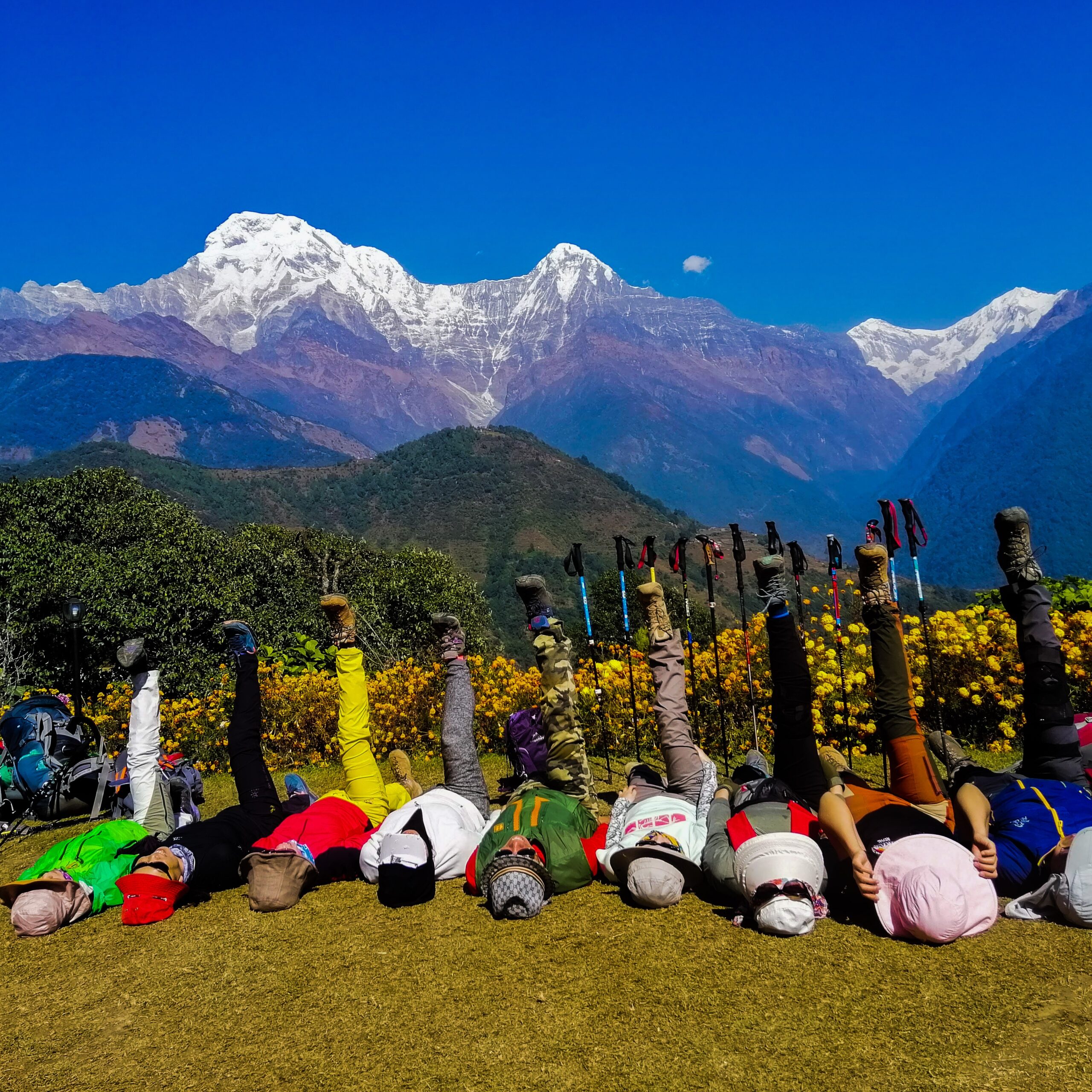
The Ghorepani Poon Hill Trek is one of the most beautiful and easy treks in Nepal, so you will see lots of sights and enjoy the culture. Known for its breathtaking sunrise views over the Annapurna and Dhaulagiri ranges, this trek attracts adventurers from around the globe.
As you traverse the ghorepani poon hill trek itinerary, you’ll explore the unique lifestyle of the Gurung and Magar communities, surrounded by vibrant forests of rhododendrons that come alive during spring. Lying at a comfortable range of 32-40 kilometers for the entire journey, this trek is for everyone and does not require any prior trekking experience.
Importance of Poon Hill in Trekking Culture
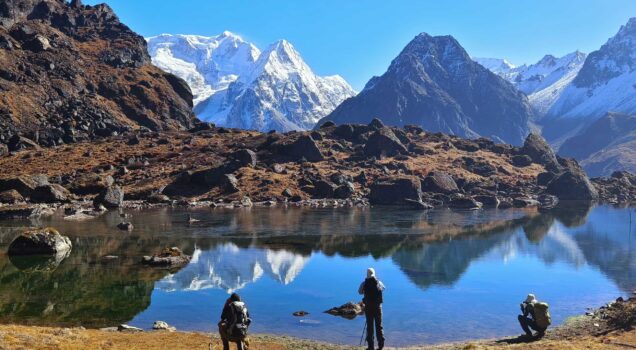
Poon Hill, rising to an altitude of 3,210 meters (10,531 feet), is probably the most famous view point for this trek. From there, you get to see the whole Himalayan range from Annapurna South, Macchapucchre (Fish Tail) to Hiunchuli. The sunrise from Poon Hill is special as the light that filters through the sky paints the towering mountains glistening white, a magical sight to behold.
The trek is part of the Annapurna Conservation Area Project (ACAP), and Poon Hill itself is a hotspot for photography and nature enthusiasts. With over 30,000 trekkers visiting the region each year, it has become a symbol of Nepal’s trekking culture and a must-see for travelers seeking adventure.
Why It’s Popular Among Trekkers
The Ghorepani Poon Hill Trek is moderate in terms of difficulty, short in terms of days, and slightly easier in terms of geography, because of which it is suitable for all types of trekkers, especially those who are based in Pokhara.
Key Data Points:
- Duration: Typically 4–5 days, depending on the pace and route.
- Ghorepani Poon Hill Trek Distance: Approximately 32–40 kilometers (20–25 miles) round trip.
- Starting Point: Nayapul, about a 1.5-hour drive from Pokhara.
- Max Elevation: 3,210 meters (Poon Hill).
- Difficulty Level: Moderate.
The trek passes through charming Gurung and Magar villages, where trekkers can experience authentic Nepali hospitality, local traditions, and delicious food. The trails are adorned with rhododendron forests that bloom vibrantly during spring (March–April), adding a splash of color to the journey.
Ghorepani Poon Hill Trek Itinerary
The Ghorepani Poon Hill Trek is a relatively short and easy trek but offers terrific views of the Annapurna region in Nepal. This trek is rich with views of the Annapurna and Dhaulagiri ranges, beautiful forests, and beautiful Gurung village settlements. It is a moderate trek suitable for any kind of junk looking for adventure, cultures ,and nature. In this guide, we’ll take you through a detailed Ghorepani Poon Hill Trek itinerary, highlighting each day of the journey, the distances you’ll cover, and key points of interest along the way.
Ghorepani Poon Hill Trek Itinerary from Kathmandu
Day 1: Arrive in Kathmandu (1300m) and transfer to your hotel.
Day 2: Drive to Pokhara (860m).
Day 3: Drive to Ulleri and Trek to Ghorepani village (2,874m / 9,429 feet).
Day 4: Morning hike to Poon Hill (3,210m), trek to Tadapani (2,645m).
Day 5: Trek to Nayapul via Ghandruk village (1,950m), and drive to Pokhara (860m).
Day 6: Fly back from Pokhara to Kathmandu (1,337m).
Day 7: International departure for homeward bound.
Your experience ends when you exit Kathmandu after a wonderful trek and marvelous view of mountains.
The below is the actual schedule of this Ghorepani Poon Hill Trek which, indeed, helps you cover the main attractions while enjoying an ideal time for acclimatization. The total distance of the trek is moderate, so it is an excellent suggestion for trekkers who travel for fewer days in Nepal.
For a detailed itinerary and to book your adventure, visit Vertex Holiday’s Annapurna Base Camp Trek Package
Best Time to Visit Ghorepani Poon Hill
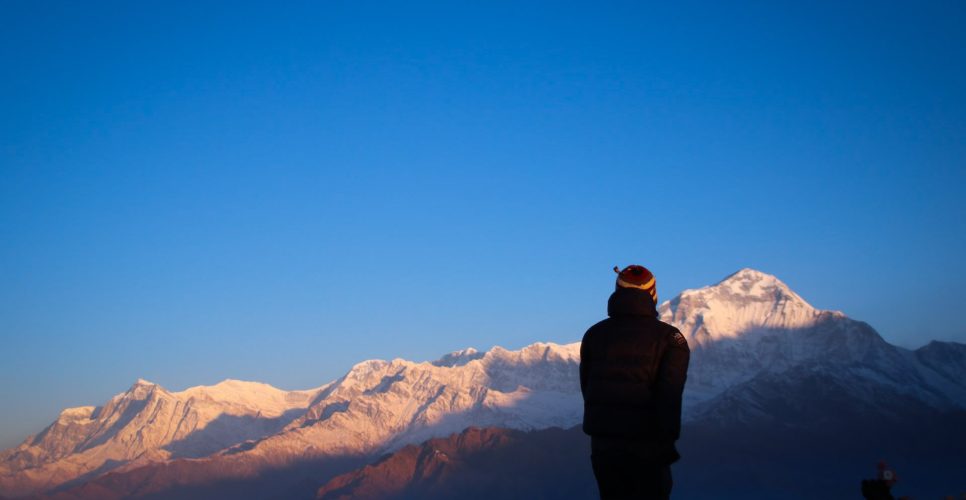
Ghorepani Poon Hill Trekking is among the famous trekking routes in the world, which is located in the northern part of Nepal and provides a stunning view of Annapurna and Dhaulagiri ranges. However, timing of the best time for the journey is the key to optimizing this incredible experience. Seasons play significant roles in determining the scenic and ease of trek undertaking. The seasons have their characteristics, which make the trek to be different.
The most favorable conditions to attend Ghorepani Poon Hill are spring period which is from March up to May, and autumn period, which is from September up to November.
These months are suitable for trekking in terms of weather, visibility and the beautiful sceneries throughout the country. Spring is best for viewing the carpets of rhododendrons, while autumn provides clear visibility for those mountains.
Trekking Permits Required for Ghorepani Poon Hill
When planning your Ghorepani Poon Hill Trek, one of the essential steps is obtaining the necessary trekking permits. These permits ensure your safety and help preserve the Annapurna region’s natural beauty and environment. Two key licenses are required for the Ghorepani Poon Hill Trek: the TIMS Card (Trekkers’ Information Management System) and the ACAP (Annapurna Conservation Area Permit).
TIMS Card (Trekkers’ Information Management System):
TIMS, an acronym for Trekking Information Management System, is a compulsive authority for trekking in Nepal and aims to increase safety and orderliness in the running of treks. It assists authorities in monitoring the trekkers’ movements and offers an information base in case of rescue.
Annapurna Conservation Area Permit (ACAP):
The ACAP is valid for the entrance into the Annapurna Conservation Area, in which the Ghorepani Poon Hill Trek is located. This permit serves the purpose of preserving this area’s species and helping out local populations.
How and Where to Obtain These Permits:
The TIMS Card and ACAP can be obtained at Kathmandu and Pokhara’s Nepal Tourism Board (NTB) offices. Alternatively, they can be acquired through registered trekking agencies. They include completing an application form, provide a valid passport, two passport-size photographs, and fees. It is recommended to have copies of permits at any time on the trek because they may be required at several checkpoints along the trail.
Difficulty Level and Trek Preparation
Ghorepani Poon Hill Trek is one of the famous treks in the Annapurna region where people love to trek because this trek is a little more complex than other regular treks. This is a perfect trek for those travelers who want to get started with trekking in the Himalayas for the first time. But getting the most out of your adventure will require a lot of planning before the trek takes place in the park. They offer insight into the kind of stress the actual trek will put through, essential fitness and training details and recommendations, and a guideline on what to carry.
Moderate Difficulty Level – Ideal for Beginners
The Ghorepani Poon Hill Trek is a moderate trek that is suitable for beginner trekker who have no high-altitude trekking experience with enough experience of day hiking. The trek is usually completed in 3/5 days, with totals of roughly 50/60 km per day, constantly ascending and descending from various villages and forests. The highest point of the trek is poon hill, which is at an altitude of 3,210m, and trekkers get classic views of the Annapurna and Dhaulagiri ranges.
However, the Ghorepani Poon Hill Trek is not physically rigorous, and individuals with average physical health can quickly complete it, but they may feel some problems due to high altitude. The trekking distance progressively climbs high, and for the short distances covered each day, this could be suitable for novices or individuals who wish to build up the physical strength in order to take on more challenging treks in the Himalayas. However, knowing how to prepare for such a trekking is necessary to avoid dramatics and get only the most positive emotions from the walk.
Fitness and Training Tips for Trekkers
It has been classified as a moderate trek, yet significant effort and energy are required when approaching the Ghorepani Poon Hill Trek. Some tips on how to prepare physically for the trek follow:
- Cardiovascular Fitness: Trekking involves walking for hours, often uphill, so improving your cardiovascular fitness is crucial. Activities such as brisk walking, hiking, running, or cycling can help build endurance. Try to incorporate 30-45 minutes of cardiovascular exercise into your routine, 3-4 times a week, for at least 4-6 weeks before your trek.
- Strength Training: Strengthening your legs, core, and upper body will help you handle the uneven terrain and long hours of walking. Exercises like squats, lunges, calf raises, and step-ups will help improve leg strength. Don’t forget your core muscles—planks, sit-ups, and leg raises can enhance your stability on the trail.
- Hiking with a Loaded Backpack: If possible, train by hiking with a loaded backpack, as carrying a pack during the trek will engage your muscles differently. Start with a lighter load and gradually increase the weight to get used to carrying your gear over long distances.
- Altitude Preparation: While the Ghorepani Poon Hill Trek does not attain very high altitudes, preparation of your body for the changed elevation is highly important. Where possible, training in higher altitudes will begin the acclimatization of your body. Staying hydrated and avoiding overexertion will help prevent altitude sickness during your trek.
- Mental Preparation: Hiking the Himalayas requires a great deal of mental fortitude. Be prepared to push through some difficult moments, embracing the challenge, and enjoy it in anticipation of knowing that at the end of each day, the reward will be spectacular.
Packing Essentials for the Ghorepani Poon Hill Trek
Packing the right gear is an art that plays an important role in comfort during your trekking activity. Below, please find a description of essentials you will want to bring on your Ghorepani Poon Hill Trek.
Gear:
- Backpack: Choose a comfortable, sturdy backpack with enough space to carry your essentials, such as water, snacks, and extra layers of clothing.
- Trekking Poles: Trekking poles will be good for balance and taking off the pressure on the knees during steep ascents and descents.
- Headlamp/Flashlight: Useful in early morning starts or evening treks in areas with poor lighting.
- Water Bottle/Hydration System: One must have water to stay hydrated. A refillable water bottle or hydration system, so they can avoid too much plastic would be nice.
Clothing:
- Layered Clothing: The weather in the Annapurna region can change rapidly. Opt for moisture-wicking base layers, an insulating mid-layer, and a waterproof, windproof outer layer.
- Trekking Shoes: Comfortable and well-broken-in trekking boots with good ankle support are a must. Waterproof shoes are recommended as the weather can be unpredictable.
- Hat and Gloves: Even though the trek is moderate, temperatures can be cold at higher elevations, so pack a warm hat and gloves.
- Socks: Choose moisture-wicking and comfortable trekking socks to avoid blisters.
First Aid and Personal Items:
- First Aid Kit: A basic first-aid kit should be carried with one at all times, comprising band-aids, antiseptic cream, pain relievers, and any prescription medication.
- Sunscreen and Lip Balm: The sun at higher altitudes can be strong; use sunscreen with SPF and lip balm with SPF to protect your skin from the sun.
- Hand Sanitizer: Hygiene is important, especially when trekking in remote areas. Carry hand sanitizer to clean your hands before meals and rest breaks.
Accommodation and Food on the Trek
Embarking on the Ghorepani Poon Hill Trek in 2025 offers not only an adventure through the stunning Himalayan landscapes but also an opportunity to experience the unique culture and hospitality of the local communities. One of the highlights of this trek is the cozy accommodation and hearty meals that will sustain you throughout the journey. Below, we dive into what you can expect in terms of lodging, food, and tips to stay healthy during the trek.
Overview of Teahouse Lodges Along the Trail
Teahouse lodges offering basic shelter to trekkers can be found along the trek route to Ghorepani Poon Hill. Teahouses or simple lodges dotted along the trail offer safety, warmth, and rest after a whole day of trekking.
They are usually family-run teahouses that provide a very homely and friendly environment. Basic but comfortable rooms, with a timber floor and blankets to keep you warm, is what teahouses typically provide. While not the modern luxury one gets elsewhere, teahouses do give one a home environment to rest in and enjoy time with other trekkers. They have shared rooms, although private rooms are possible at extra costs.
In addition to lodging, teahouses are equipped with common areas where you can gather around a stove, drink tea, and enjoy the company of other trekkers. Most of these teahouses have charging facilities (for a fee), Wi-Fi (in select places), and hot showers (in some lodges). However, be prepared for limited amenities as you ascend higher in altitude.
Typical Food Menu and Costs
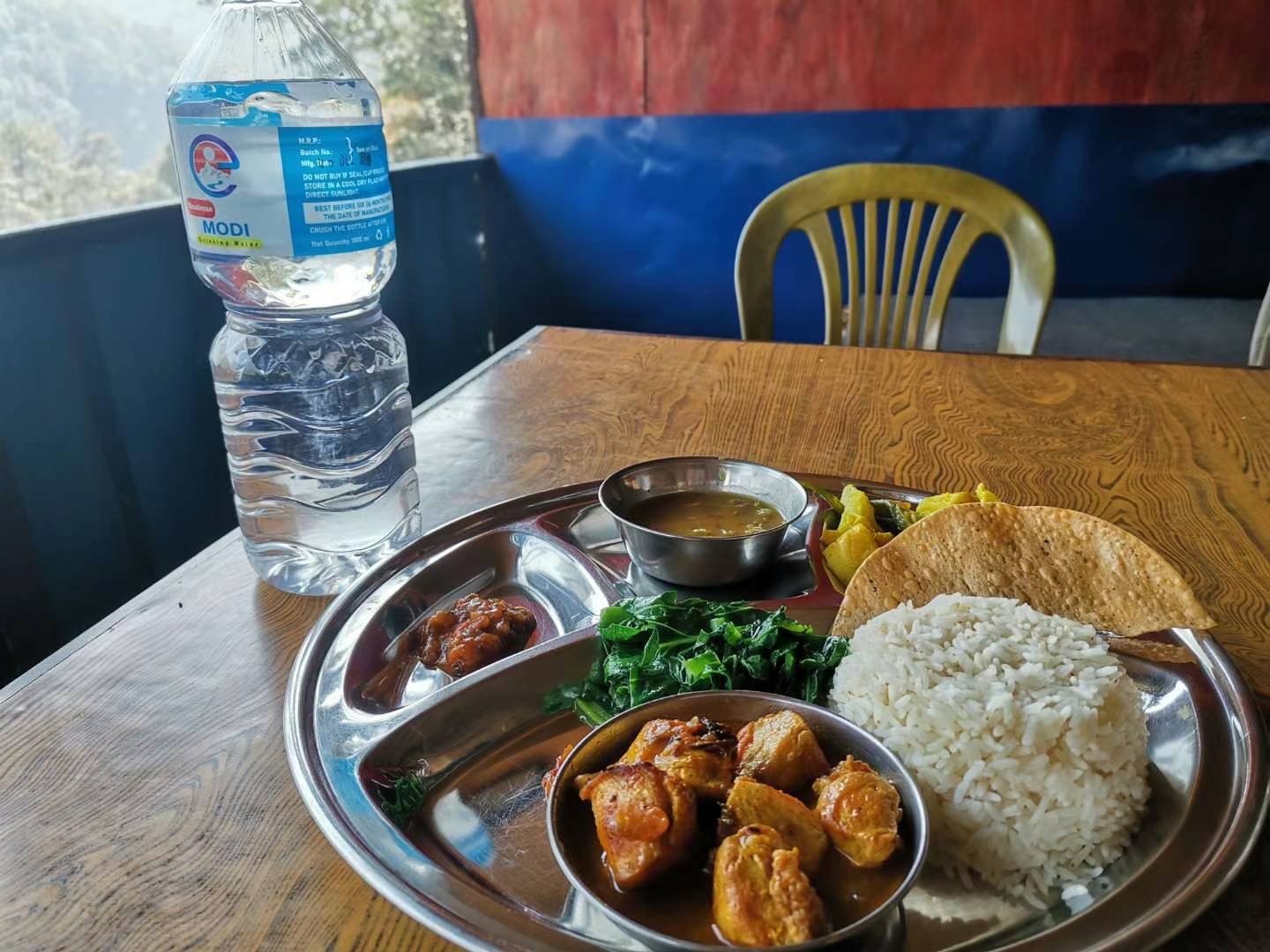
Speaking of food on Ghorepani Poon Hill Trek, the teahouses serve delicious and nutritious local food to keep you energized for the whole day’s trip.
Common Food Options:
- Dal Bhat: This traditional Nepali dish consists of lentil soup (dal) served with steamed rice (bhat). It’s a staple in most teahouses and provides the necessary carbohydrates and protein to keep you energized.
- Momo: These Nepali dumplings are filled with meat or vegetables and are perfect for a snack after a long day of trekking.
- Fried Rice: Another popular option for trekkers, fried rice is often paired with vegetables, eggs, or meat.
- Pasta and Noodles: For variety, you will also find basic pasta and noodle dishes that can be a good choice for lighter meals.
- Chapati: Flatbreads served alongside lentils or vegetables.
- Vegetarian and Non-Vegetarian Options: Most teahouses offer both vegetarian and meat-based dishes, though vegetarian food is more common due to the predominance of local farming.
Typical Meal Costs: Meals along the Ghorepani Poon Hill Trek route are fairly priced, though you may notice that costs tend to rise as you ascend to higher altitudes. Expect to pay around:
- Dal Bhat: NPR 400-1000
- Momo: NPR 450-800
- Pasta or Fried Rice: NPR 450-900
- Snacks and Drinks: Tea, coffee, and biscuits can cost around NPR 100-750.
It’s worth noting that prices tend to get higher the higher you go because of the challenge in logistics concerning the transportation of food and supplies. It’s a good idea to bring some extra cash for meals, as not all teahouses may accept card payments.
Tips for Staying Healthy During the Trek
Staying healthy and energized during the Ghorepani Poon Hill Trek is essential for having an enjoyable and successful journey. Below are some useful tips to maintain your health while trekking.
- Stay Hydrated: The trek can be physically demanding, so it’s important to drink plenty of water to stay hydrated. While bottled water is available at teahouses, it’s also a good idea to carry a reusable water bottle and purifying tablets to avoid relying on plastic bottles.
- Eat Balanced Meals: Make sure to eat a mix of carbohydrates, proteins, and fats to keep your energy levels stable. Stick to the hearty meals like dal bhat that are rich in nutrients, and consider having light snacks such as nuts or energy bars during breaks.
- Avoid Overeating: While the food is delicious, overeating, especially at high altitudes, can lead to discomfort or digestive issues. Eat in moderation to ensure your stomach stays settled, especially if you’re not used to trekking at altitude.
- Pack Snacks: While teahouses provide meals along the way, bringing along some snacks, such as trail mix or energy bars, can be a great way to keep your energy up between meal stops.
- Stay Warm and Rest Well: Ensure you’re dressed appropriately for the changing weather, especially as you gain altitude. Layers are key to maintaining warmth, and make sure you get enough rest each night to help your body recover from the day’s exertion.
- Avoid Alcohol: While it may be tempting to enjoy a drink after a day of trekking, alcohol can dehydrate you and impair your energy levels. It’s best to avoid alcohol to stay in good health during the trek.
- Altitude Awareness: As you ascend the trail, your body may start to feel the effects of higher altitudes, such as fatigue, headaches, or nausea. If you begin feeling symptoms of altitude sickness, it’s important to descend to a lower elevation and rest.
Cultural Insights Along the Trail
Ghorepani Poon Hill Trek is more than just beautifully changeable scenery; it’s about culture. While you make your way up through steep woods and field terracing, you come across very lively customs and the accommodating nature of locals. It goes right into the middle of the Annapurna area, where one feels completely acquainted with the unique cultures of the main inhabitants of the place: Gurungs and Magars.
Gurung and Magar Ethnic Groups
The indigenous ethnic groups from the Annapurna region are the Gurung and Magar, which belong to very deeply rooted traditions, shaping the culture and way of life in the Ghorepani area. Both these groups are noted for their rich history, pulsating customs, and warm hospitality. Ghorepani Poon Hill Trek presents an opportunity whereby trekkers relate to these communities, learn about their customs, and gain insights into the ways of livelihood.
- The Gurung People: The Gurungs are one of the most popular ethnic groups in Nepal. They are renowned for their bravery and contribution to the Nepalese army. The houses are mainly of stone and wood, with villages usually having traditional architecture. Their festivals and rituals are so colorful.
- The Magar People: Another ethnic group in the Annapurna region, rich in cultural heritage, are the Magars. The Magars are well known for their music, dance, and strong warrior tradition. The cultural tapestry of the region has a very unique flavor from the Magars.
Local Traditions and Festivals
Along the Ghorepani Poon Hill Trek, trekkers are exposed to a variety of local festivals and traditions that provide a glimpse into the life of the Gurung and Magar people.
- Tihar: It is one of the most popular festivals in the region. This festival is called the Festival of Lights. On this festival, houses are decorated with oil lamps, candles, and colorful rangolis.
- Dashain: It is the longest festival and the most important for the Gurung and Magar people. It is a festival of family reunions, feasting and some traditional rituals, symbolizing victory over evil.
- Local Ceremonies: In many villages along the trek, you might witness traditional rituals that mark important life events, such as weddings or religious ceremonies. The Ghorepani Poon Hill area is rich in ancient traditions, and trekkers often have the chance to observe or even take part in these ceremonies.
Responsible Tourism Practices
Taking responsible tourism practice on a hike through the scenic Ghorepani Poon Hill will be respectful of local culture and environment. This will ensure that such beauty and cultural heritage are kept intact for generations to come. Here’s how you can contribute:
- Respect Local Customs: Always seek permission before clicking pictures of any person or property. Dress appropriately according to the local customs like not entering the house or temples without proper clothes.
- Support Local Businesses: Purchasing handmade crafts, local produce, or staying in locally owned guesthouses helps support the communities along the trek. This allows you to enjoy authentic cultural experiences while contributing to the local economy.
- Minimize Environmental Impact: Stick to marked trails, avoid littering, and use eco-friendly products during your trek. Reducing your environmental footprint ensures that the natural beauty of the Ghorepani Poon Hill Trek remains intact for years to come.
Essential Tips for Ghorepani Poon Hill Trek
One of the most popular short treks in Nepal is the Ghorepani Poon Hill Trek, which offers one breathtaking mountain views, charming villages, and varied landscapes. It is very essential to prepare oneself before embarking on this trek so that you will not have any major problems during the journey. Therefore, here are some essential tips for trekking in Nepal, how to deal with altitude sickness, and budgeting for your Ghorepani Poon Hill Trek.
Best Practices for Trekking in Nepal
Choose the Right Season:
The best seasons for the Ghorepani Poon Hill Trek are during spring-from March to May, and autumn-from September to November. The weather is usually stable, and you will have clear skies for excellent views. Train Before You Trek: This Ghorepani Poon Hill Trek is not a very challenging one, but still, you need to prepare your body. Do some regular cardio and leg-strengthening exercises to build stamina and endurance.
Train Before You Trek:
Overpacking can weigh you down and generally slow you down on the move. Just make sure to carry a good trekking boot, waterproof jacketing, and some hats. It would also be wise to include in the list a lightweight sleeping bag and some basic hygiene items.
Pack Light but Smart:
Overpacking can slow you down and add unnecessary weight to your journey. Stick to essential items such as a good pair of trekking boots, a waterproof jacket, and a hat. A lightweight sleeping bag and basic hygiene items should also make it to your packing list.
Stay Hydrated and Nourished:
Keep your energy levels up by drinking enough water and eating local food along the trek. Nepali cuisine is both delicious and nutritious, with rice, dal (lentils), and vegetables providing great sustenance.
Respect Local Culture and Customs:
Nepal is home to diverse ethnic groups with unique traditions. Be respectful when passing through villages, and always ask for permission before taking photos of locals.
How to Deal with Altitude Sickness
As the height goes up to Poon Hill, lying at an altitude of 3,210 meters (10,531 feet above sea level), even altitude sickness may affect trekkers. Here are a few tips that will help in preventing and managing altitude sickness during the Ghorepani Poon Hill Trek: The first thing to bear in mind is to avoid ascending too rapidly. Plan rest days and gain elevation at a rate that will slowly help your body acclimate to the thin air.
Keep Your Body Hydrated:
- Ascend Slowly:
- It’s crucial to avoid rapid ascents. Plan for rest days and gradual elevation gain to help your body adjust to the thinner air.
- Stay Hydrated:
- Lack of water in the body can be one of the many factors that cause altitude sickness.
- Know the Symptoms:
- Some symptoms include dizziness, nausea, headache, and shortness of breath. The key is to act immediately by descending to a lower altitude.
- Rest and Acclimatize:
- If you are feeling unwell, stop and take a rest for at least a day or two at the same altitude. The key to reducing the risk of AMS is proper acclimatization.
- Consider Medication:
- Some trekkers use Diamox (acetazolamide) to prevent altitude sickness. It’s advisable to consult with a doctor before trekking if you’re considering this option.
Budgeting for the Trek (Cost Breakdown)
Budgeting for the Ghorepani Poon Hill Trek is important to ensure you can enjoy the trek without any financial worries. Here’s a general breakdown of the costs involved:
- Trekking Permit Fees:
- ACAP (Annapurna Conservation Area Permit): NPR 3,000 (approximately USD 25)
- TIMS (Trekkers’ Information Management System) Card: NPR 1,000 (approximately USD 8)
- These permits are mandatory for all trekkers and can be obtained at the ACAP office in Pokhara or Kathmandu.
Accommodation:
Tea houses along the Ghorepani Poon Hill Trek are basic but comfortable. Prices range from NPR 300-700 per night (USD 3-7) for a basic room with shared facilities. Prices may vary depending on the season and location.
Food and Drinks:
Food and beverages around NPR 1,500-2,500 per day – USD 12-20 is charged. For a fairly well selection of dishes from local as well as from the West, especially rice, noodles, soup, tea house has been reasonably good.
Guide and Porter Fees (Optional):
Hiring a guide or porter is highly recommended, especially for first-time trekkers.
Guide Fee: NPR 2,500-4,500 per day (USD 18-30)
- Porter Fee: NPR 2,500-3000 per day (USD 20-25)
- A guide will ensure you know the trail inside out, while a porter will help carry your luggage, making your trek a lot more comfortable.
Transport to Pokhara:
If you’re traveling from Kathmandu to Pokhara, budget for transport. A tourist bus will cost around NPR 100-5000 (USD 10-30) for a one-way trip. Private transport or flights will be more expensive.
Miscellaneous Expenses:
You will also have to pay extra money for souvenirs, snacks, hot showers, and phone recharge. Though ATMs are a few on the trek, it is always good to carry some cash.
Conclusion
Ghorepani Poon Hill Trek is an unforgettable adventure that merges fantastic natural beauty with a cultural experience. With these necessary tips, one can be assured of a successful and enjoyable trek that will remain safe and comfortable throughout.
Doing proper preparations will make the whole endeavor all the more worthwhile, including knowledge on how to deal with altitude sickness and maintaining one’s budget in order.
Frequently Asked Questions (FAQs)
Is Ghorepani Poon Hill Trek suitable for beginners?
Yes, the trek is considered moderate, with gradual ascents and well-established trails, making it perfect for beginners.
How long does it take to complete the Ghorepani Poon Hill Trek?
The trek usually takes 4-8 days, depending on your pace and the itinerary.
What is the altitude of Poon Hill?
Poon Hill stands at 3,210 meters, 10,531 feet above sea level.
What should I pack for the Ghorepani Poon Hill Trek?
Essentials include warm clothing, trekking shoes, water bottles, snacks, and a good camera for the views.
Do I need a guide or porter for the trek?
A guide is optional but highly recommended, especially if unfamiliar with the terrain. A porter can also help carry your gear, making the trek easier.
Quick Inquiry

Talk to an Expert
Mr. Samir Simkhada
Online Now


