Why Trekking in Nepal ?

Why Trekking in Nepal?  where do all wide-world travelers need to know or have already experienced about Nepal and the Himalayas Country.

Why Nepal from all the countries in the globe, where every place on earth is great to travel. Visiting each country to experience local cultures and the way of traditional life and daily activities. As well as a shopping spree of local genuine items and works of art or handicrafts. Where ever you travel certainly every place on this earth has its charm and beauty.

why trekking in Nepal? From sea, sand, and snow of varied landscapes with green hills and verdant valleys, including high snow peaks. Some people take a long journey traveling, in the comfort of a luxury cruise and linear, enjoying visiting every port of call. Some might enjoy the city’s bustling life with a touch of ancient history and cultures or spend time around the remote countryside.
Why trekking in Nepal
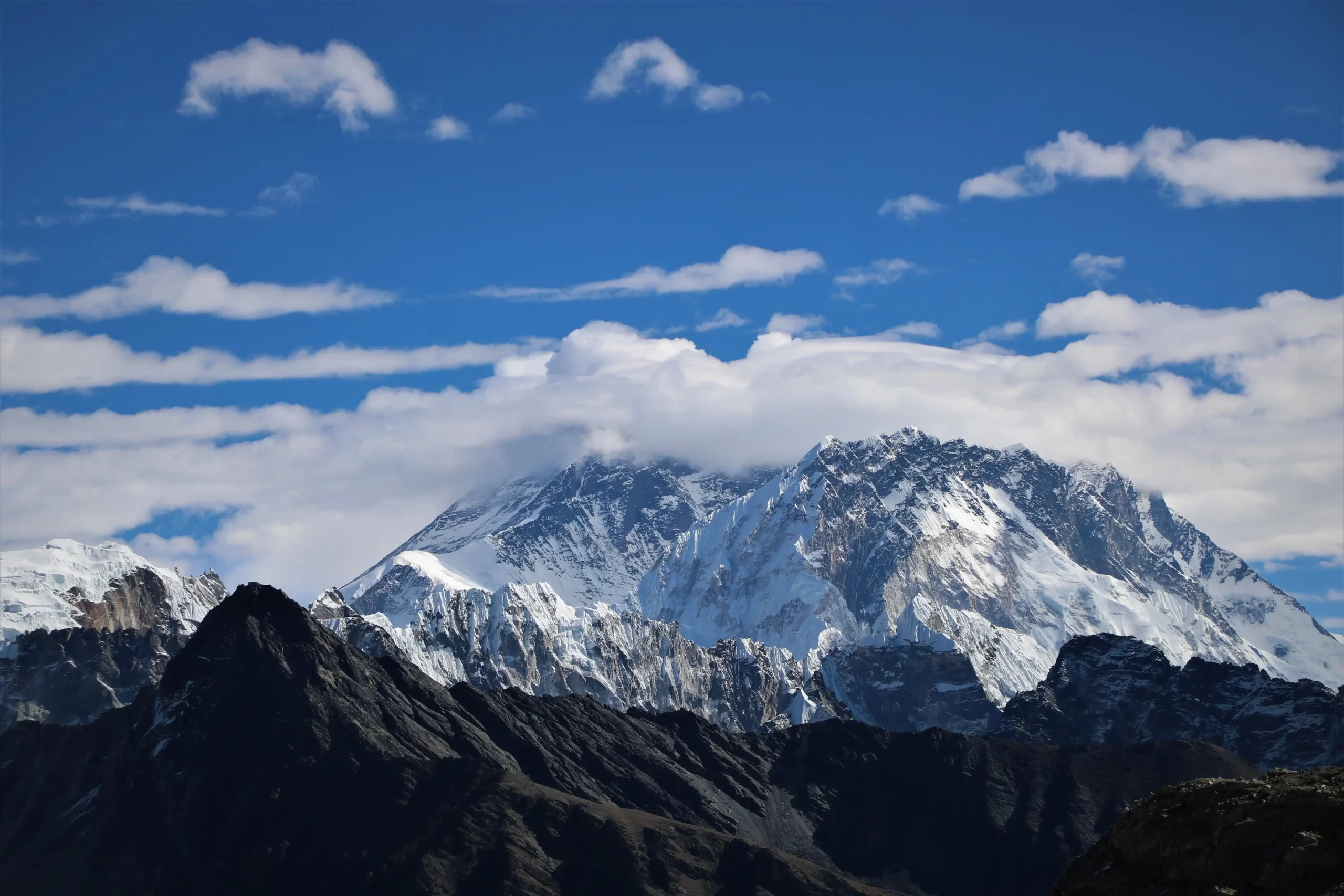
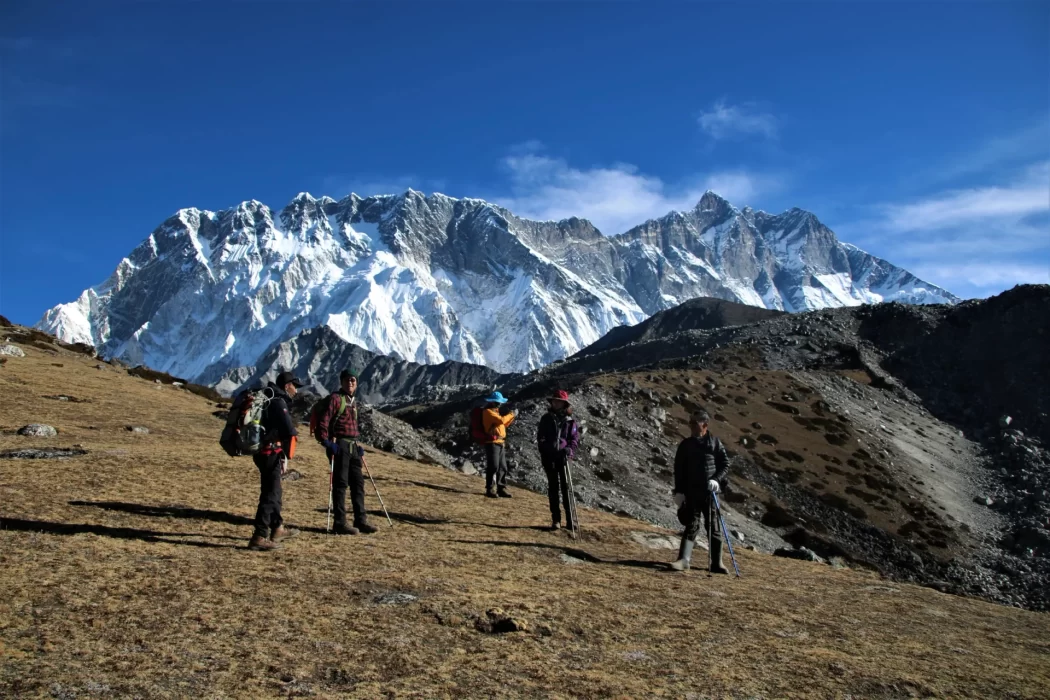
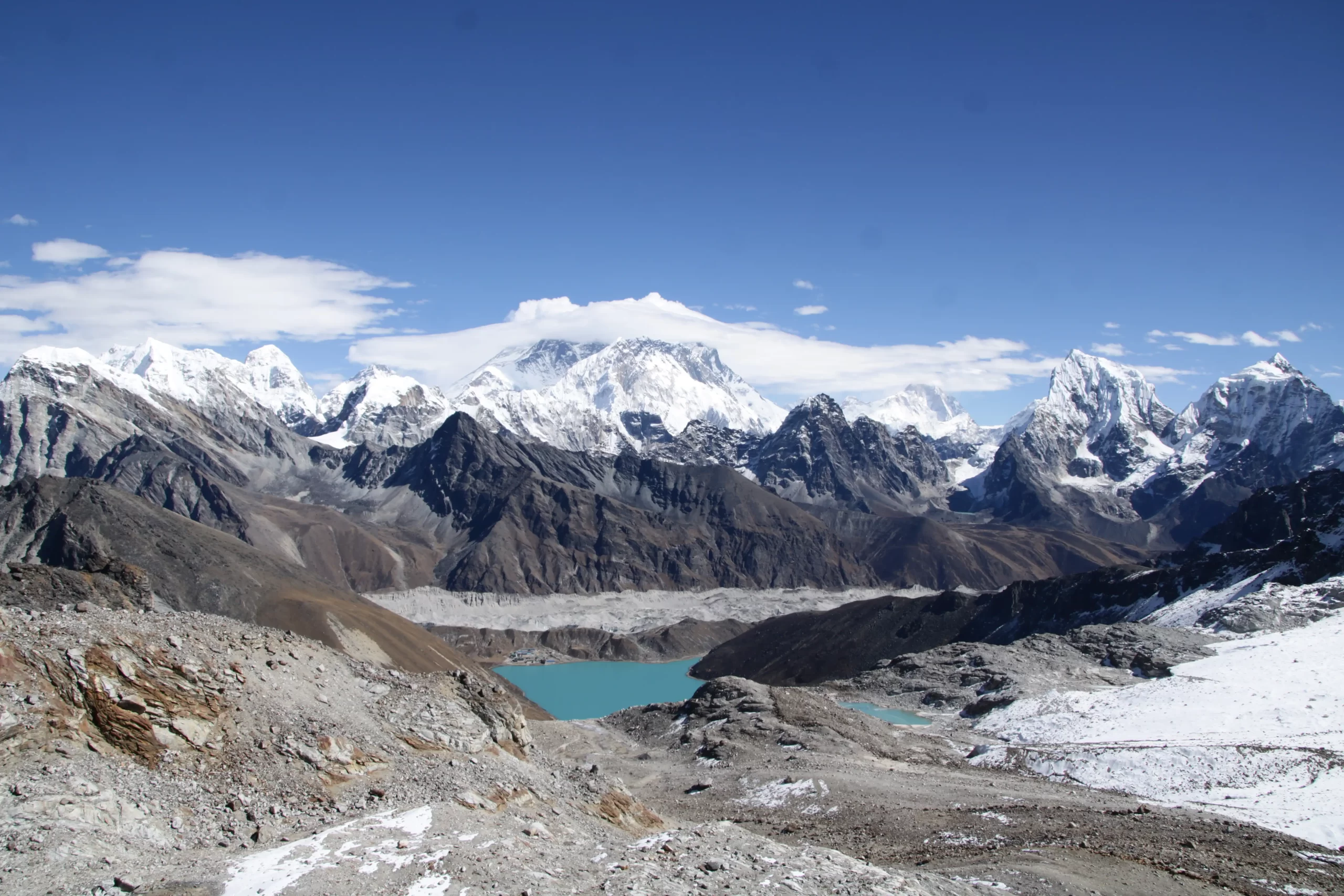
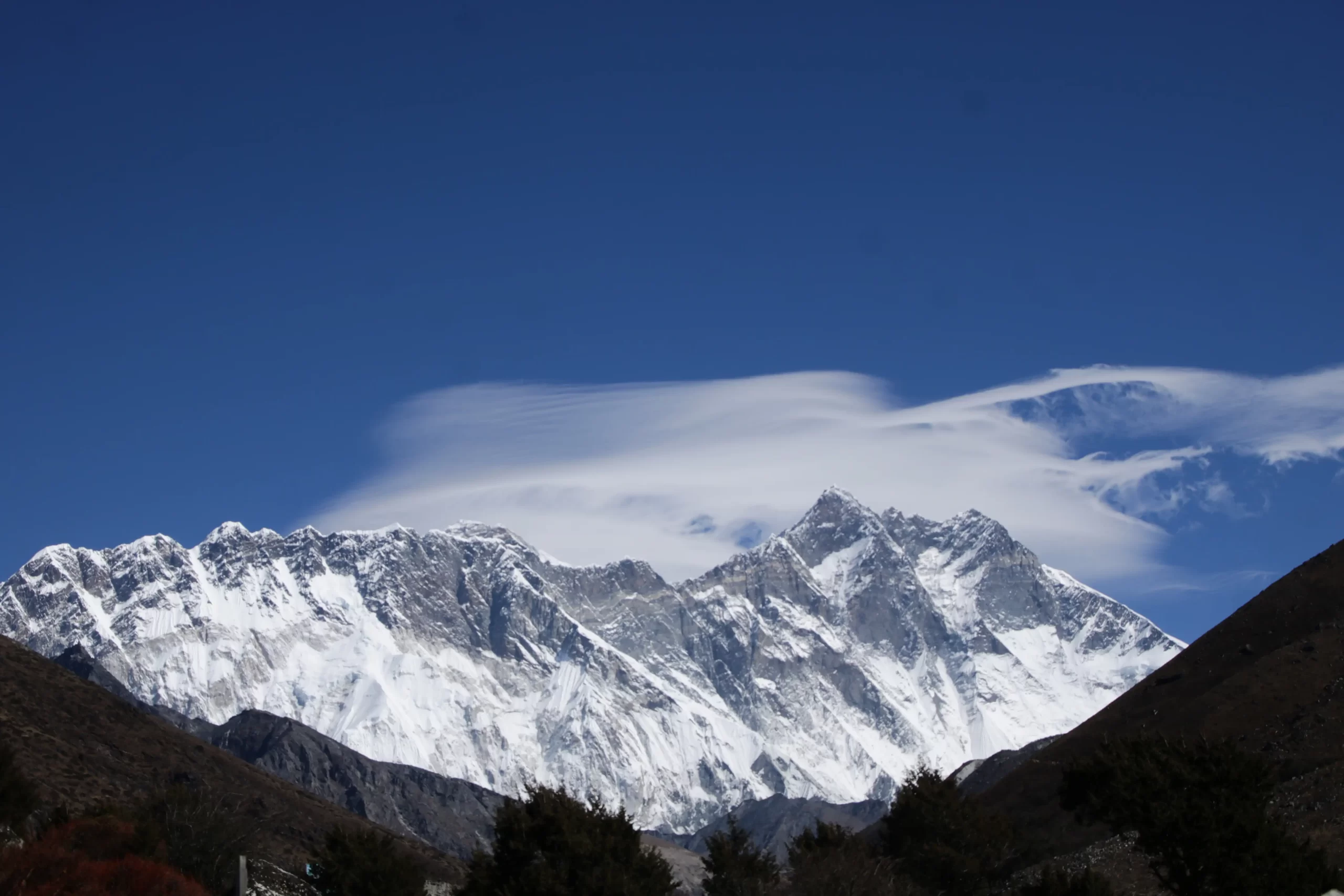
Everest and Lhotse Sar

why trekking in Nepal? For every folk with different aspects and taste, and in search of places for an exotic holiday destination. In a bigger country, it is quite difficult to travel from one place to another in beautiful spots.

But the right and exact place is Nepal, where travelers can experience all types of landscapes, climates, vegetation, and cultures. This makes Nepal one of the most sought-after destinations on this planet, a country of vast biodiversity.
Nepal is an amazing country from the low sub-tropical Terai belt to cooler green hills covered in lovely dense forest. Extending towards the colder arctic zone around the Himalayan range with the world’s highest mountain range, along with impressively varied cultures.

A small country for its size, stuffed with natural treasures of all species of flora and fauna. The country stretches from as low as 60 meters to as high as Mt. Everest at above 8,848.86 meters. Where travelers will be amazed by various changes in weather, terrains, and people just within a distance of 150 km. Nepal, is a country of dense sub-tropical green jungles, home to Royal Bengal Tiger, with high Himalayan Yak and Yeti Trails.

Why Trekking in Nepal?

why trekking in Nepal? Nepal is the country with the world’s tallest peaks, from all the 14th highest peaks in the world. Nepal with 8th highest above 8,000 m peaks, namely the first highest Mt. Everest, 3rd high Mt. Kanchenjunga.
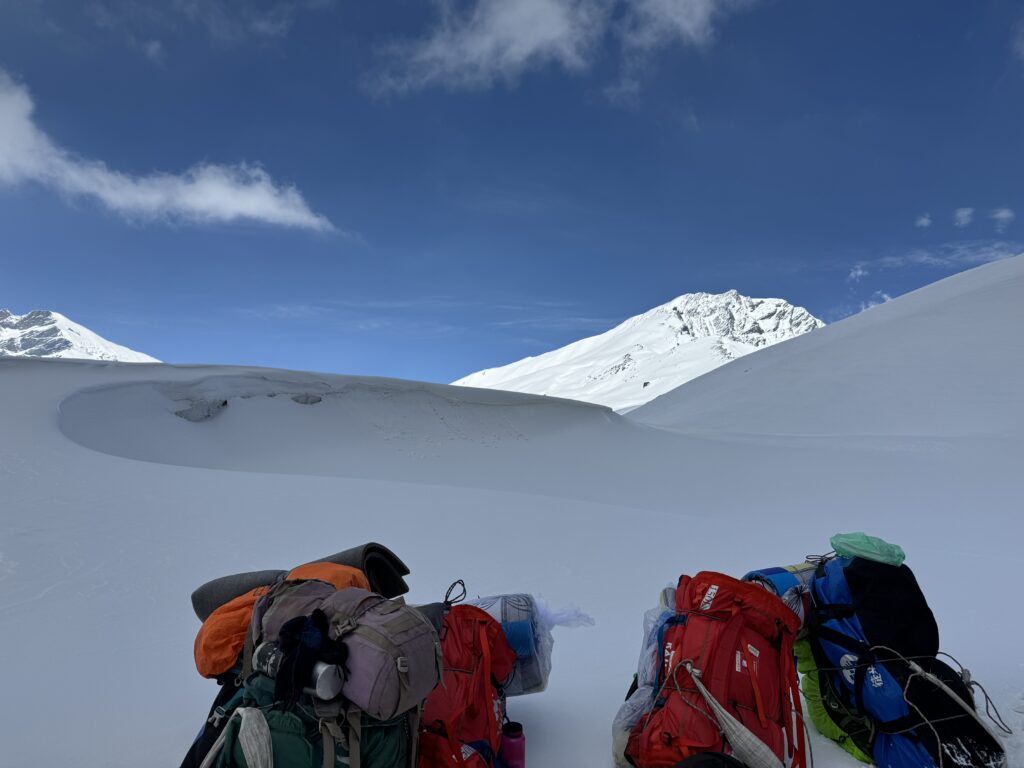
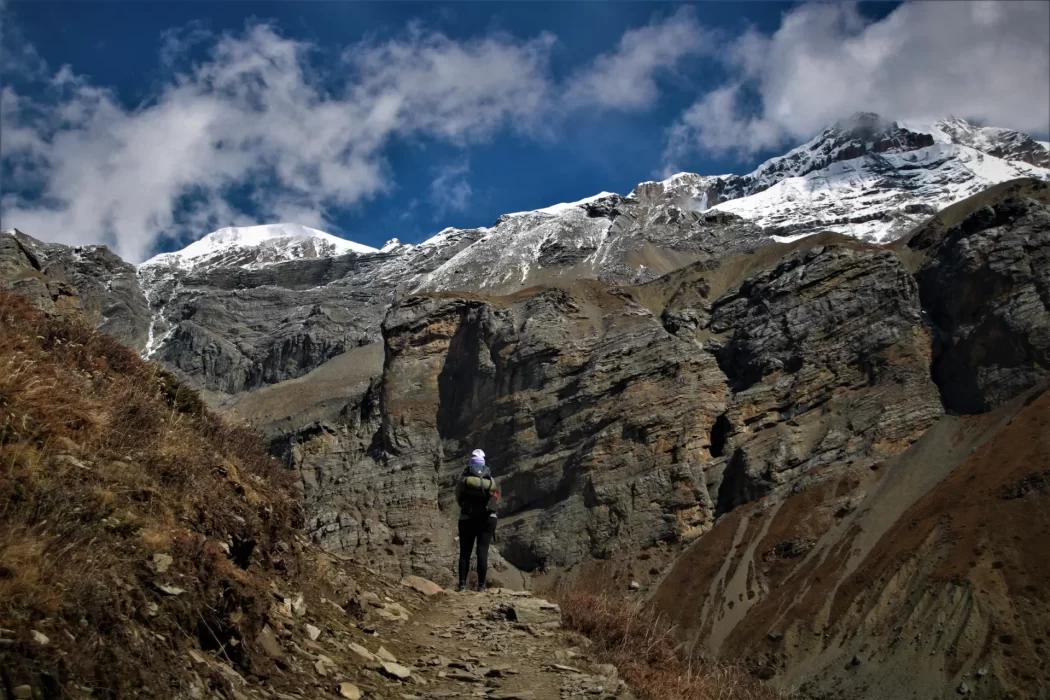
Dhaulagiri circuit trek view

The 4th highest Mt. Lhotse, 5th high Mt. Makalu, and 6th high Mt. Cho-Oyu with 7th tallest Mt. Dhaulagiri. Includes 8th highest Mt. Manaslu, and 10th high Mt. Annapurna with thousands of peaks from 7,000 m to above 5,600 meters.
Nepal with the world’s highest mountain ranges, which feed the wide networks of great rivers from its glacial source.

Certainly makes a premier country for all types of adventure sports activities from paragliding, mountain biking, rafting, and kayaking. As well as jungle and wildlife safari or leisure cultural, religious, historical, or scenic tours.

But the main flow of visitors is for trekking around Nepal Himalayas, besides mountaineering expeditions. Where thousands of foreign travelers visit every season of the year for various adventures across the Nepal Himalayas.

The country with the world’s major peaks, where trekkers can have a wide range of options for trekking destinations. Trekking to base camps of Mt. Everest, Mt. Kanchenjunga or Mt. Dhaulagiri, and Mt. Manaslu as well as Mt. Annapurna. Apart from base camp treks, travelers can enjoy crossing various high passes around the Nepal Himalayas. The country offers moderate to adventurous and challenging adventure trekking areas, from a few days’ hike to weeks or more.

Trekking in Nepal, for all types of people and age groups depending upon one physical fitness and good health. Besides its giant mountains, and trekking the Himalayan foothills to peak climbing, the country offers exciting places. Trekkers can enjoy an exciting tour before or after the major trips visiting World Heritage Sites. The best way to experience the local cultures of both Hinduism and Buddhism, which are the main religions of Nepal.
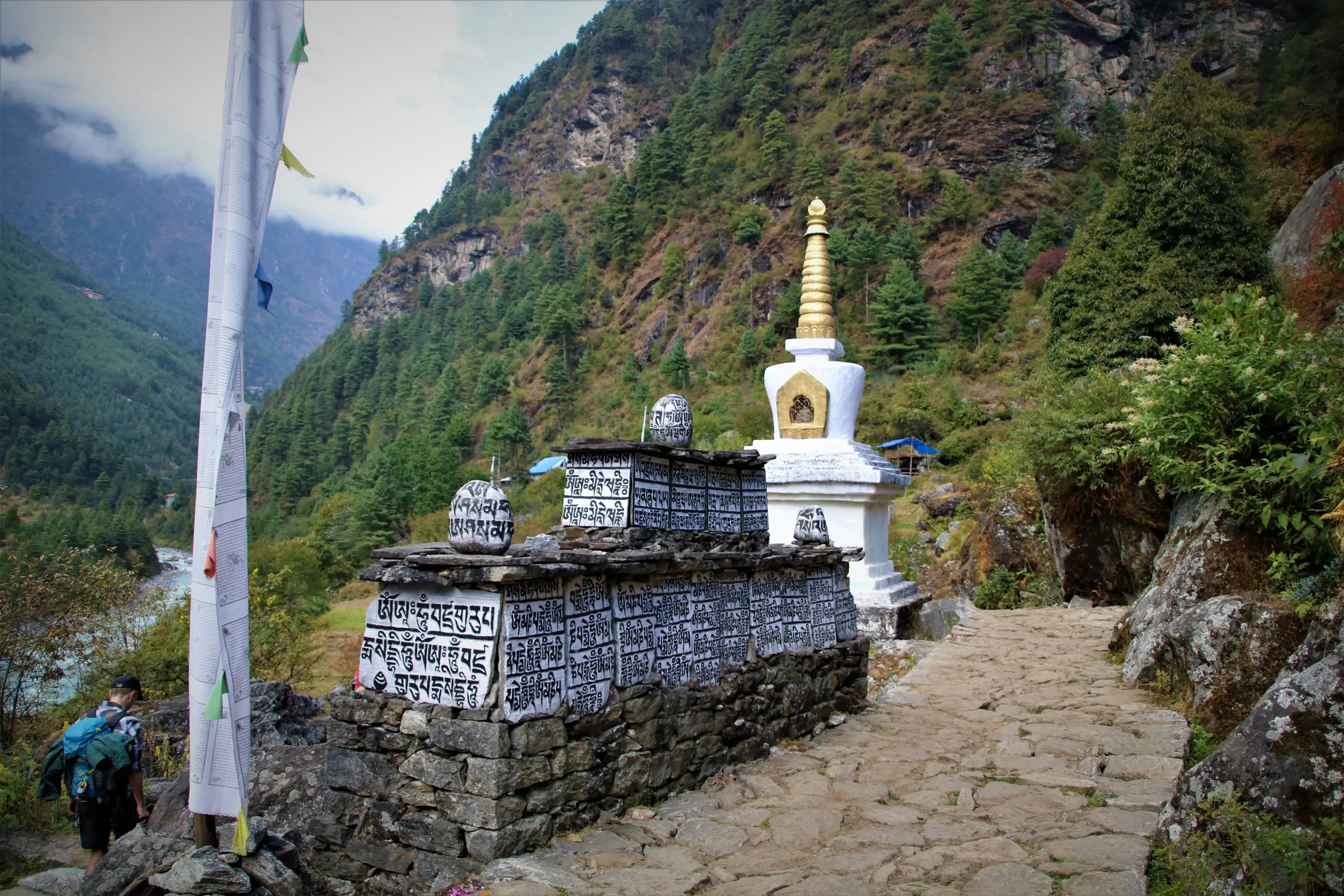
Why trekking in Nepal
Mani Wall and Stupa

A great introduction and insights into Nepalese cultures, religions, and way of traditional life are joining in for a sightseeing tour. Before departing for treks, it is best to know of local existing cultures and customs, as well dos and don’ts.

The best place in Nepal as well as the starting point to travel around the county starts from Kathmandu. The capital city and the commercial hub of the country, apart from being semi-modern, the city retains its age-old glorious.

Kathmandu is a fascinating city with a mixture of metropolitan and ancient historical backgrounds where one can have a pleasant time. Enjoying a tour of famous historical and religious sites with masterpiece works of art and architecture can be seen on tours.

What makes Nepal a famous and popular trekking destination?

Nepal although small in size, covering an area of 147, 181 sq. km, is one of the world’s richest countries. In terms of bio-diversity, due to its unique geographical position and altitude variation. From the lowest below 100 m to the highest 8,848.86 m top of Mt. Everest, makes Nepal an amazing country.

Nepal occupies only 0.03% of the earth, but it treasures the world with 02 % of all the flowering plants. Likewise 08 % of the world’s birds of more than 857 different species with 04 % of mammals on earth. As well as 11 of the world’s 15 families of butterflies; and 600 indigenous plant families; 319 species of exotic orchids.

In Nepal, trekkers can enjoy all types of options from hiking and trekking throughout the country. Where trekkers will come across more than 60 ethnic groups and 70 native spoken languages. Nepali is the national language, spoken in all parts of the country. For tourism, where all trekking guides and staff; can speak and understands English.

Trekkers of other nationalities can choose guides for all types of major foreign languages. Apart from English, can request French, German, Spanish, Italian, and Russian languages speaking trekking guides. Including Japanese, Chinese, Korean, or Hindi-speaking guides.
Cholatse Peak & CHola Tso Lake
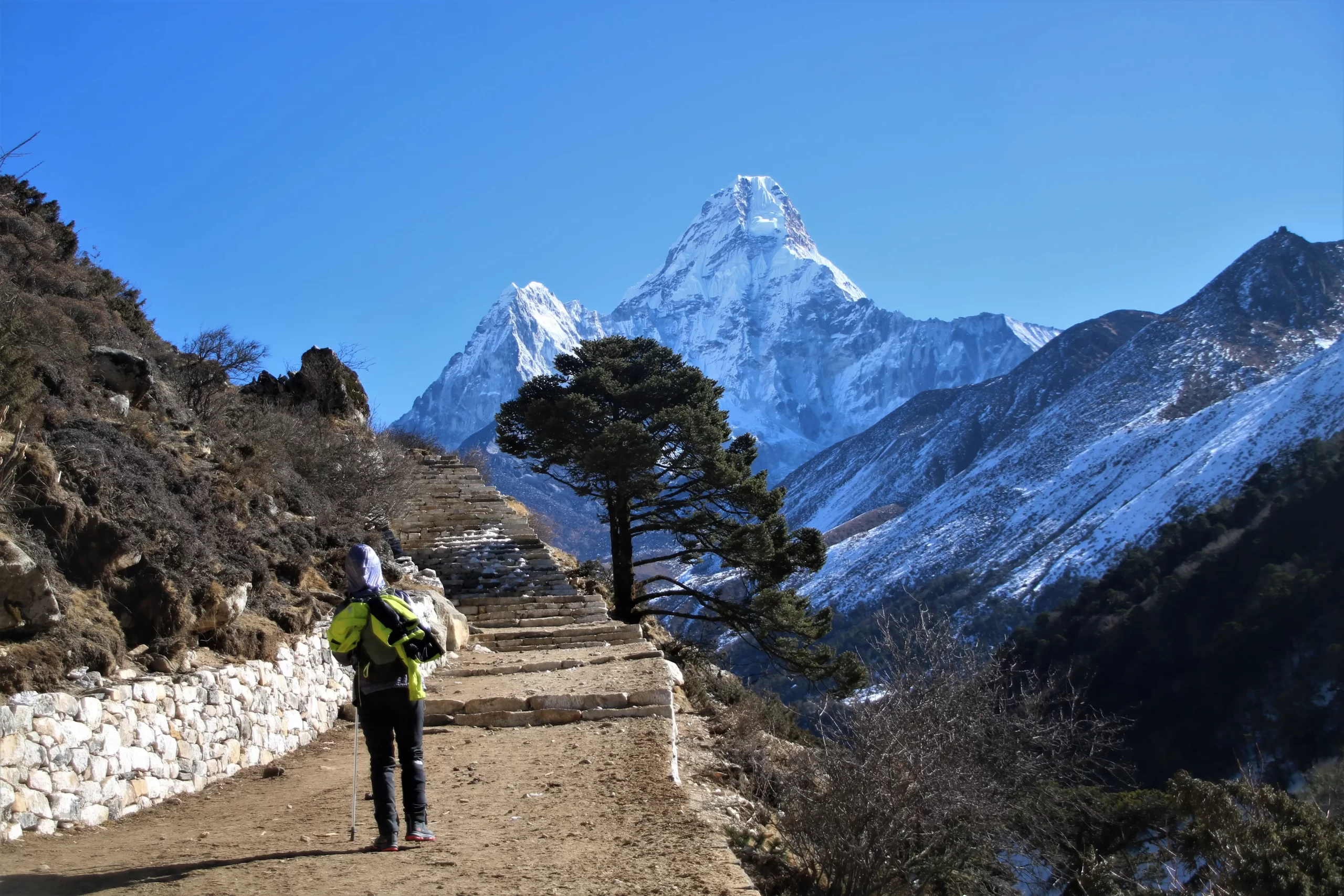
Mt. Amadablam 6812m

why trekking in Nepal? The other important trekking in Nepal that visitors will be delighted with is the warm hospitality and friendliness of the Nepalese.

This makes the trekkers comfortable and safe being in Nepal with ever-friendly villagers en-route trekking. More things that make Nepal an excellent and ideal country to enjoy all types of holidays. The other major things that trekkers can enjoy are the comfort of a nice bed and rooms with a view.

why trekking in Nepal? Most lodges and guest houses provide excellent food and accommodation from common toilets and baths too. Trekkers can enjoy the comfort of choosing the comfort from budget, standard to luxury lodges and resorts; in various mainstream trekking routes. These are the main essential needful things that trekkers can enjoy and take delight in trekking in Nepal.

why trekking in Nepal? Nepal with more than hundreds of trekking agencies to choose from and book for various adventure and leisure holidays. Where most trekking companies provide the same types of services as per the trip cost according to the size of a group.

why trekking in Nepal? All trekking and travel agencies are registered and approved by the Nepal Government and Tourism Department. Including TAAN (Trekking Agents Association of Nepal). The guides appointed by respective trekking companies are well-approved and authorized by the Tourism Department.

This assures all visitors of safe and enjoyable holidays, where all guides are well versed in Eco and Responsible Tourism. Taking care of the natural environment and supporting the preservation of the pristine surroundings, as well as respecting the local cultures.

why trekking in Nepal? Many more essential things, make Nepal one of the number one trekking destinations. Where trekkers feel safe and secure walking along from popular to remote corners of Nepal Himalayas.

The best seasons and important for trekking in Nepal:

Choosing the best seasons makes trekking in Nepal more enjoyable and memorable, the country with four main seasons. Namely, spring begins in March and ends in May, the summer season includes monsoon times of wet months. The summer season starts from June to August and autumn/fall begins in September till November. Including the cold winter season from December to February.
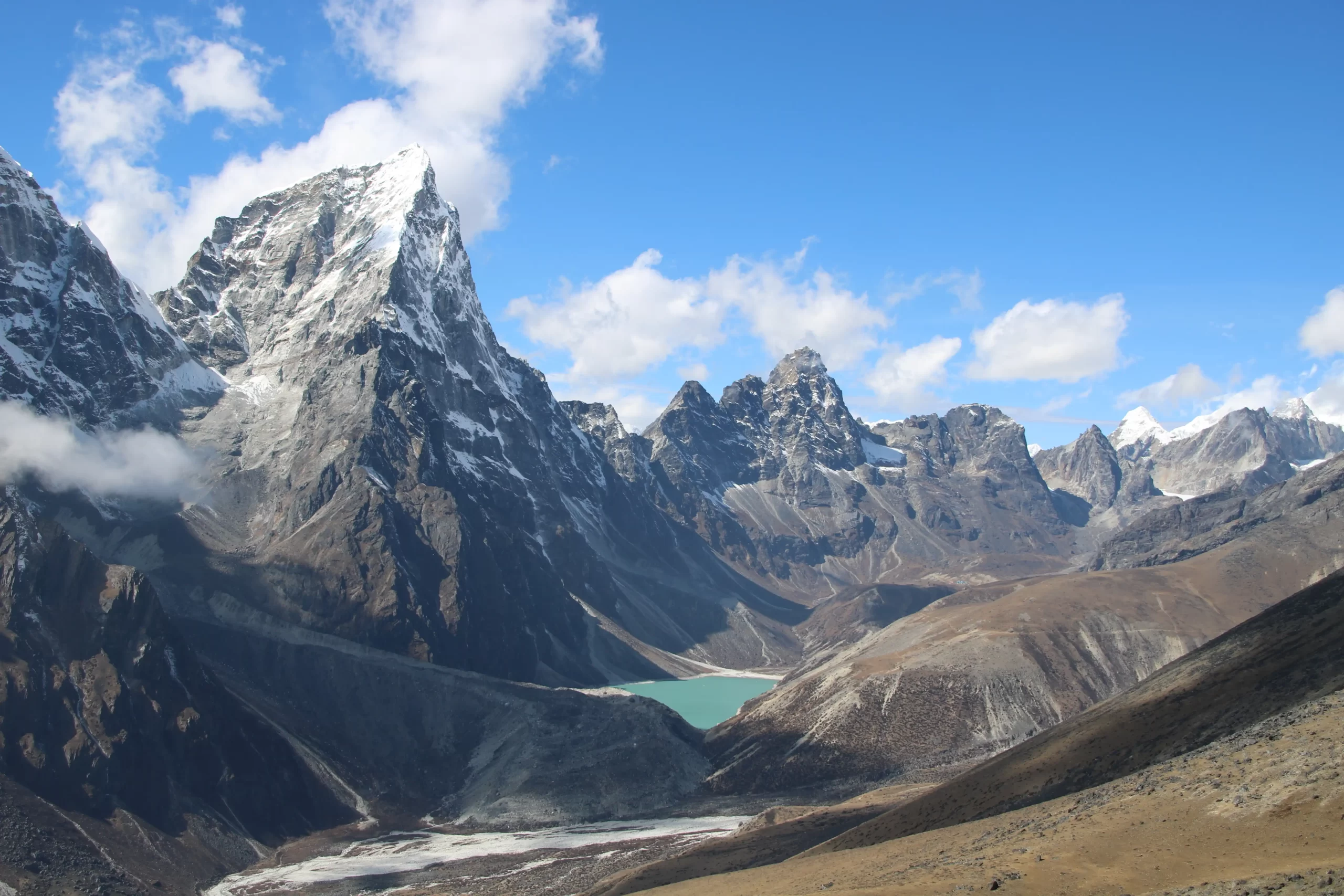
Why trekking in Nepal
Cholatse Peak & Chola Tso Lake

These are the four seasons similar to all parts of the world but can be quite different weather-wise.

The springtime of March to May is the best season for trekking in Nepal and around the Himalayas. When vegetation and wildflowers start growing and blooming, most days are clear with sunshine. Can get overcast in the late afternoon with the cold chill wind, cold morning and night time. Could get snow in higher areas with some rains around the mid-hills sometimes.

This is the time when most trekking and mountaineering get active around the Himalayas, as the day is quite long. Along with fair weather, springtime is the main peak season for trekking in the Nepal Himalayas.

The other best time is autumn/fall begins post-monsoon in September and lasts till November. Most days are crystal clear with blue sky, cold evenings, nights, and mornings, depending upon the altitude. Can get snowfall sometime around higher elevations from 2,500 m onwards, but shorter days due to limited sunlight hours.

why Trekking In Nepal? People visiting for short hikes and moderate treks of a few days to a week can enjoy themselves during the winter season. Starts from December till February, with cold morning and night times, but fairly clear days with sunshine. Can expect snow-falls sometimes, and days are much shorter as the sunsets earlier by late 5 p.m. The winter time of Christmas and New Year holidays will be enjoyed around the mid-hills. Where high passes are not involved, it an exciting time but the low season of trekking, however is an enjoyable season in winter also.


Want to learn more about Nepal, the land of the Himalayas? Here’s some of our recommended reading list.
Top 10 Things To Do In Nepal

25 Things You Need To Know When In Nepal 

Best seasons to travel in Nepal

The best Season to Travel in Nepal is an important factor to enjoy your holiday at chosen places and at the right time. Makes any travel to various designated destinations in Nepal, exciting, and memorable with enjoyable moments.

The country with various exotic destinations in Nepal for options, that one can choose from. Season to Travel in Nepal, around the best time makes worth visiting, Nepal like in any part of the world. Has four main seasons likewise; spring, summer/monsoon, autumn/fall, and winter.

Travelers can visit any place around Nepal during these four seasons, depending upon the areas of destinations. For cultural tours and sightseeing, visiting famous landmarks and heritage places can enjoy nearly all seasons of the year.

Season to travel in Nepal
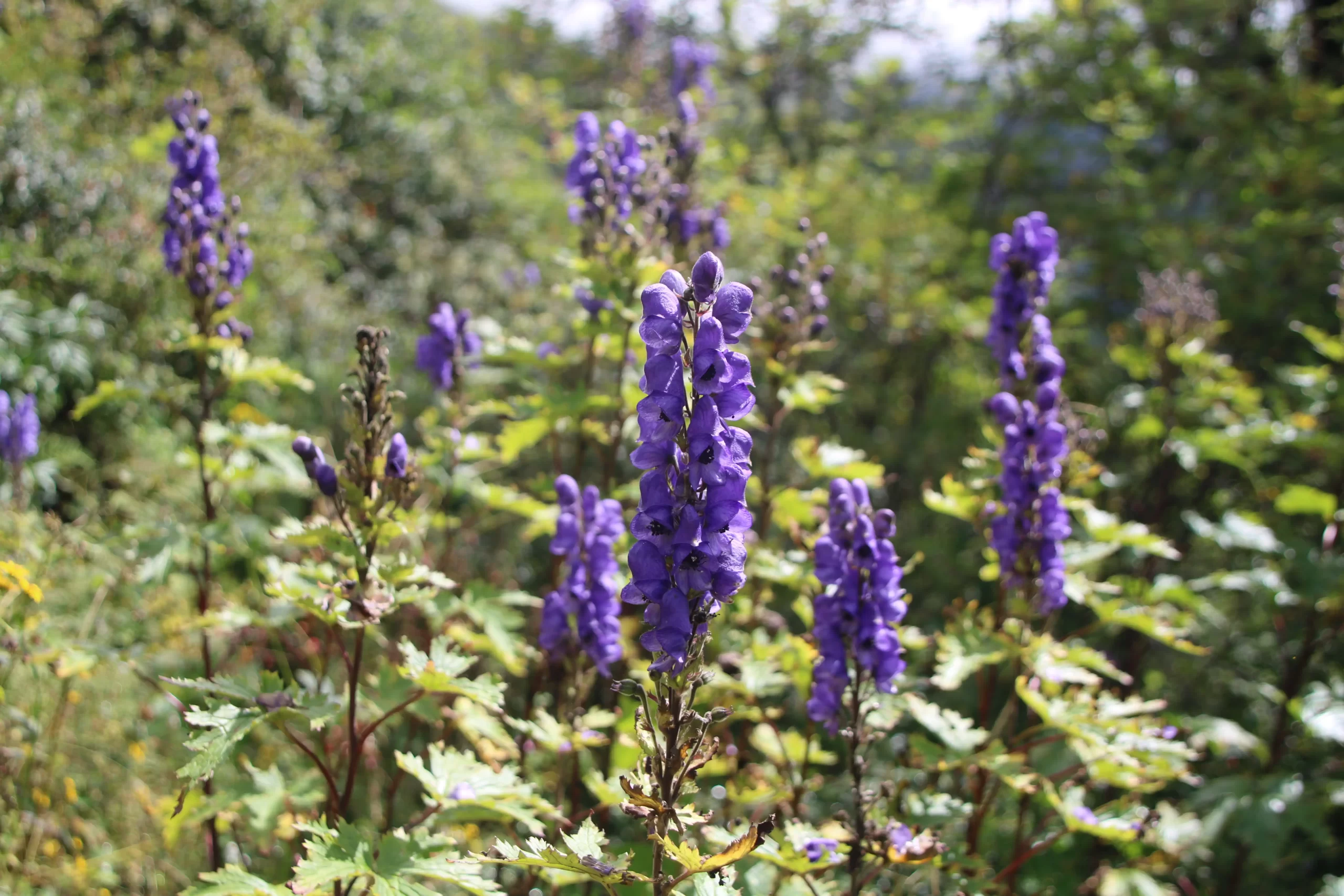
Wildflower in Khopra

As for hiking, country walks, and moderate trekking that does not involve higher passes altitude-wise. One can visit during all seasons of the year except for the monsoon and summertime from June to August. For longer treks and mountaineering expeditions and adventurous feats like lesser peaks climb and traverse over high passes. Spring from March to May is the best, as well as autumn/fall, which starts from September to November.

For short hikes and moderate trekking can visit during the time of winter also from December to February. Nature lovers and botanical students can enjoy during monsoon wet time of mid-June to August. Where mid hills and valleys as lower areas will be lush with very green vegetation throughout the country.

best Season to Travel in Nepal One can explore and enjoy the wildflowers exotic plants and wild animals, the best time for flora and fauna. Various seasons that one can travel in Nepal, for all types of visitors from trekkers to cultural and historical tours. Including major adventures long treks and mountaineering expeditions around the high Himalayas of Nepal from the Far East to the remote west.

Different Seasons to Travel in Nepal:

Nepal is a fantastic country and one of the world’s richest countries due to its dramatic bio-diversity. As well as a unique geographical position and various altitudes from the lowest of 60 m / 197 feet high. Extends to the highest point on earth, Mt. Everest at 8,848.86 m or 29,032 feet high, above sea level. Surprisingly within a distance of 150 km / 94 miles, which results in a great climatic change.

The Best Season to Travel in Nepal From warm sub-tropical temperatures around the low land and foothills of the Terai belt, the flatland of southern Nepal. Then gets cooler around high and mid-hills with an arctic cold climate around the mountains of the Himalayan region.

Such big changes in diverse climatic conditions, as per its different landscapes terrains from Terai, hills to the mountainous region. Makes Nepal a country for all seasons to visit and travel to designated destinations of one choice.

Season to travel in Nepal
Rhododendron Bloom Ghorepani Village

1: The Spring Season from March to May:

The best Season to Travel in Nepal, spring starts in March when all the wildlife and birds including flowering plants start blooming and getting active. After three months of winter cold, the vegetation slowly gets back to its original color in the springtime.

When days are bright and beautiful with much sunshine, the temperature rises to its warmth. From a minimum of 05° to a maximum of 20° Celsius and above, depending upon the areas of travel. Around low areas can be much warmer with a minimum of 10° to a maximum of 25° or up to 30° Celsius Centigrade.

The Best Season to Travel in Nepal The higher mountainous region can reach from a minimum of -0° to a maximum of 20° Celsius Centigrade. Can expect snowfall sometime during the springtime, when the afternoon time can get overcast with thick clouds. The wind-chill factor around the mountain zone can add more cold temperatures during the afternoon time. However, it is the peak and high times to visit Nepal and around the Himalayas, most days are fine with sunshine.

Cooler morning and in shade away from sunlight as well during the night time. But enjoyable time in the spring season for pleasant walks and scenic views of the beautiful surroundings of high snow-capped peaks. Spring seasons of March to May, when the main flows of trekkers, adventurers, and mountaineers enjoy the best time in Nepal. As well for cultural, historical, and scenic tours are equally fascinating during the spring seasons.

Trekkers will be amazed walking through hills covered in dense forest, as in spring the whole place will be bright. When wildflowers are in seasonal bloom, especially the Rhododendron of different colors and species ranging from tall trees to bush.

2: The Summer season from June to August:

The summer Season to Travel in Nepal from June to August is one of the low seasons around the Himalayas and in Nepal. The summer season is hot and warm around the low mid-hills and on the low land of the Terai belt. The temperatures can reach a maximum of 35° or up to 40° Celsius Centigrade around the low sub-tropical areas.

Warmer days as well around the hills and mountainous zone, where days are much longer with enough sunny days. But it is a low season for travelers to visit Nepal, as this time is wet with continuous rainfalls.

Seasonsto travel in Nepal
Everest covered in Clouds

All around the country from low to high hills and mountains are covered in dark thick clouds. But there are few places where one can visit during the summer season of monsoon times. The Upper Mustang, Upper Dolpo, and Limi Valleys, as these areas are always dry with very little rain. The region falls within a rain shadow, where monsoon black clouds are blocked by the Himalayas.

Visitors can venture to Upper Mustang trek, Upper Dolpo, and Limi Valley where landscapes are similar to Tibet. As this region is an extension of the South-West Tibetan Plateau, remains dry with low moisture, and can expect snowfall sometimes.

3: The Autumn season from September to November:

The autumn Season to Travel in Nepal starts from the post-monsoon of September to November, another peak and high time to visit Nepal. The main flow of visitors starts arriving in Nepal from September onwards for various adventures and exciting tours.

When most days are bright with crystal clear blue sky for spectacular views of Snow Mountains and pleasant walks. Autumn/fall is the best season when hills, towns, and cities get active with visitors from around the globe.

The days are pleasant not too hot or cold with a mild climate to enjoy visiting across Nepal. However cold morning, late afternoon, and night time as well in shades. The temperatures of a minimum of 5° or up to 24° Celsius Centigrade around high hills and the valley of Nepal Himalayas. On treks most days the views of mountains are clear, but days are short due to sunlight hours.

Around higher Himalayas can expect snowfall sometimes, although cooler morning and night times, the night is clear with bright stars.

The autumn season is perfect to visit and travel all around Nepal for tours, short hikes, and major adventures.

Season to travel in Nepal
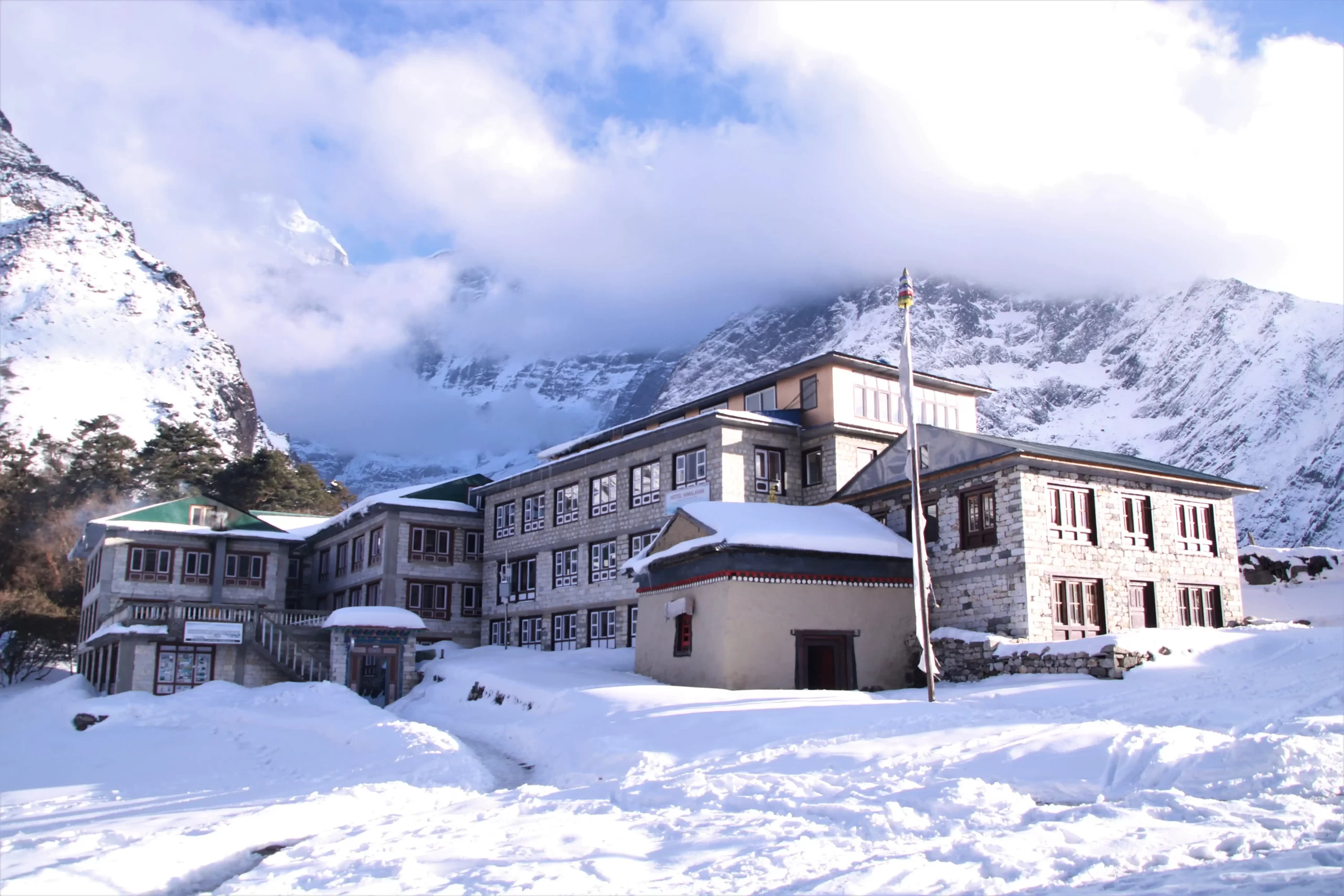
Snowfall in Tengboche

4: The Winter season from December to February:

The Best Season to Travel in Nepal The winter times December to February, are the coldest months around the high hills, and mountainous zone. The cold can be quite severe around low areas of Terai also, with a cold chill, especially the morning and night. But most days are clear with sunshine for views of high Himalayan peaks, a low season for treks and tours. Around the high mountains, nearly all villages will be closed, as the mountain people migrate to low warm areas. Escape the cold freezing winter and stay around lower places for a few months until the winter is over.

But for short hikes and moderate treks of some days to a week, one can enjoy them during winter time also. Although cold morning and nighttime, most days are fine, clear with sunny days. However, the days are much shorter during winter time as the sunlight hours are limited.

The temperatures around the hills will be a minimum of 5° or up to a maximum of 15 or 20° Celsius Centigrade. Around high mountainous areas the temperatures drop to the cold of minimum to -10° and a maximum of 15° Celsius Centigrade.

 Importance of Season to Travel in Nepal:

The best Season to Travel in Nepal It is very important to know about the different Seasons to travel in Nepal so that you can have all the important information regarding the diversity of climates and seasons. In this case will be beneficial for you to select the perfect destination for your next trip, allowing visitors to choose the right time to enjoy holidays around the Himalayas. As well as packing the right gear and clothing required for the season for treks or tours.

The other best reasons and information required to travel in Nepal season-wise is also to coincide with festivals. Nepal is full of colorful festivals, as the country is a blend of two major religions Hindu and Buddhism. Where visitors can enjoy picking the right time of the season to witness and be part of the festival.

The Best Season to Travel in Nepal Visitors can enjoy various exciting festivals held around all seasons of the year. From low land to mid-hills and around the high Himalayas, where trekkers and all travelers can enjoy the festival delights. Nepal with more than 60 ethnic tribes and different tribal languages, where festivals and religious ceremonies are held among the communities.

Travelers to Nepal can have the best holiday with time to enjoy being part of the festival. Held nearly all seasons of the year as per Hindu and Buddhist Lunar calendars. Season to travel in Nepal will be more enjoyable if one is interested in observing various festivals of Nepal.

Clothes for trekking in Nepal

Clothes for trekking in Nepal play an important role as well as the most essential items to enjoy Himalayan adventures in Nepal.

The inner and outer gear, are subject to the season for the treks in the Nepal Himalayas. As well as depends upon the length of a journey the grade of the trek, and choosing the itineraries.

Clothes for trekking in Nepal and the Himalayan region offer boundless trekking adventures from the Far East to the remote Western Himalayas. The most popular trekking destinations are around the Mid-East and Mid-West of Nepal, namely Annapurna, Everest, Langtang, and Manaslu region.

Clothes for trekking in Nepal right gear and clothing make the trip more enjoyable keeping you in comfort and warmth throughout the trekking holidays. Nepal has four main seasons to choose trekking around various Himalayan regions.

Clothes for trekking in Nepal
Trekking in Everest

The seasons are 01: Spring from March to May, 02: Summer also includes the wet monsoon times of June to August. The autumn/fall is from September to November with winter starting from December to February.

The most preferable and favored times for trekking in Nepal are spring and autumn/fall seasons. Where trekkers can carry the right gear and clothing season-wise, as well depending upon the trekking region.

Nepal is the number one country in the world for trekking and a premier place for all types of adventures. Where one can enjoy the trekking adventure by staying overnights in the comfort of a nice cozy mountain lodge. As well as tented camps around remote areas of Nepal, on the beaten trails away from the main trekking path.

When booking with Vertex Holiday in Nepal, the company will provide the necessary details and information related to chosen trekking itineraries. Includes all trekking gear and clothing list to pack or to buy in Kathmandu before the trek departures.

After collecting the right information about the packing list, then be prepared for the adventurous treks in Nepal.

The main influx of visitors in Nepal is for trekking. Regarded as the world’s best scenic adventure and cultural destination. Where one can trek for a few days to a month trekking in Nepal in the vicinity of towering snow-capped peaks.

As well in the nice comfort of Teahouse-Lodges or camping with great services of the locals or guides with friendly, warm hospitality. Makes trekking in Nepal fascinating, enjoyable, and mesmerizing.

What Clothes for Trekking in Nepal Should I Bring?

As per the season chosen, for example in the springtime of March to May, especially trekking; for a few days or more to a week.

The moderate trek does not involve much high altitude maximum of above 3,000 m / 10,000 feet. Cold morning, late afternoon to nighttime, and shades can be much cooler.

Clothing to carry and wear for the day treks.

Below 2,000 m are generally warm full of sunny days till mid-afternoon that is in springtime. Wear T-shirts and shorts but carry some warm gear like light fleece jackets, as well as good wind and rainproof suits. A hat or cap is necessary to keep the mid-afternoon sun off from sunburn.

A scarf or light mask against wind and dust during walks. On camp or in the lodge after the day trek wear woolen head gear or balaclava, and warm gloves. Wearing down-jackets and long trousers from evening till morning time till the walk begins.

Not forget to wear comfortable trekking boots, which can withstand the rough trails, and have the right pair of nice socks. Like woolen for nighttime and cotton for the day walks, as well as carrying extra socks in case gets wet; in wading streams or from sweat.

For Longer Adventures Trekking:

For longer adventurous trekking most trek destinations involve high passes except on Annapurna and Everest base camps. Where all trekkers require adequate clothing gear for all seasons around high altitudes. Reaching high above 3,000 m or 10,000 feet elevation, where the afternoon cold wind chill factor adds extra freezing temperatures.

Clothes for trekking in Nepal Wearing Down jackets, warm fleece, wind-rain proof suits, balaclava woolen caps, mittens as well long trousers. For evening and nighttime warm clothing is necessary whether staying indoors in a lodge or tented camps. For innerwear Thermal vests and stockings not forget to carry warm four seasonal sleeping bags with inner linear.

Clothes for trekking in Nepal
Everest Base Camp Trek

While crossing over high passes above 4,500 m to 5,500 meters, should be well dressed against cold wind. Wearing as much warm comfortable clothing, as the walk uphill can make you warm also. The right types of light and warm clothing will be the best for walks and climbing at higher altitudes.

Ladies in lower areas can wear long skirts or shorts, and for colder places wear warm woolen; or wind-proof trousers.

General Equipment & Clothing for trekking in Nepal:

Clothes for trekking in Nepal Well-fitting, comfortable boots/shoes are preferred with training shoes and easy wear of clothing is required. For lower warm areas or around high altitudes to freezing temperatures at night. Shorts, skirts, or lightweight trousers are ideal in the heat of the day along with a T-shirt for ladies. Including long-sleeved cotton shirts and sun hats. During the evening and the higher altitudes, warmer clothing will be needed.

Fiber Pile Jackets, Shorts, or Skirts (for ladies):

Clothes for trekking in Nepal Light cotton trousers, breeches /Tracksuit bottoms /Ultra Fleece Trousers, Duvet / Down Jackets: (Down feathers or synthetic (required in autumn/winter and early springtime), Wool Balaclava, Wool Mitts: (required in autumn/winter and early springtime).

Waterproofs: Jacket and trousers, sun hats and scarf either Silk/Nylon, useful for keeping the sun off the back of your neck.

Sunglasses / Goggles. Essential to get a pair that cuts out 100% UV rays
Sun Screen cream: High protection factor [20 or higher] or high altitude glacier cream due to thin air the U/V is stronger in the sun.

Lip Slave/ Labisan: Protection for the lips with sunscreen.
Water Bottle: 1-liter metal to keep warm while at night time. Including
Toilet Items as well Head Torches: Petzel (recommended) -spare batteries and bulbs. Small Knife. Swiss army style – has many uses not forgetting the safe and secure Money Belts.

Clothes for trekking in Nepal Optional:
THERMAREST: Or a similar self-inflating mattress, that gives decadent luxury.
WALKING STICKS / Trekking POLES: Useful for crossing rivers and in snow and ice areas.

Yoga Tour in Nepal

Yoga Tour in Nepal offers boundless beautiful areas to choose from; the mid-hills and as far as mountainous valleys. Including the high Himalayan ridges of Nepal from the Far East to further West, various exciting destinations. It is quite hard to pick one beautiful spot, as the country is steeped with amazing many picturesque places.

Where one can enjoy and practice the ancient arts of physical exercise of yoga in the close backdrop of the Himalayas. Yoga Tour in Nepal involves long and short exciting drives or scenic, pleasant hikes to adventure treks.

Depending upon the interest of Yoga students and instructors, either in and around Kathmandu Valley or beyond. There are various beautiful locations within the valley of Kathmandu around the scenic hills and ridges.

Yoga Tour in Nepal
Yoga Tour in Nepal

Yoga Tour in Nepal Yoga exercise and practice require a clean and pure environment which is seldom found in today’s world of metropolitans. Nepal provides boundless lovely and scenic areas, far from the hustle and bustle of city life. One can enjoy the serene surroundings being close to high snow peaks and in the pure refreshing cool mountain air. In this text, we would like to suggest exciting and best areas for all can enjoy Yoga exercises. The ancient form of physical fitness, for all types of students and age groups from young children to elderly people.

Yoga is an ancient art of physical exercise that keeps the body fit, agile, and in good health always. For Yoga practice and exercise along with Gurus and instructors, there is a strict discipline and routine to follow.

The timing is one of the important factors of Yoga with the flow of breathing exercises. As well checking eating habits, and having certain dietary with do’s and don’ts, are the first step in Yoga. Besides other various forms of exercise and posture as per interest, rules, and norms related to Yoga.

Yoga Tour in Nepal around Kathmandu, Pokhara there are many Yoga institutes where one can join and learn Yoga. From a short basic course of a week or longer to a month for a higher level. Depends upon the Yoga class either indoors or outside in a green field amidst tranquil surroundings.

Yoga Tour In And Around Kathmandu Valley:

Nagarjun Hill:

For a Yoga Tour in Nepal, one requires a peaceful spot Nagarjun Hill, is the best and perfect place. It is close to Kathmandu city, just a mere distance from the valley outskirt to reach Nagarjun Hill. Located at the height of 2,250 m / 7, 851 feet high, a lovely and peaceful surrounding for Yoga exercise.

A short drive west of Kathmandu Valley to the entrance of Nagarjun Hill, from the entry point. Start the climb uphill through a lovely forest path lined with tall rhododendrons and pine trees. Reaching an open grassy field facing the grand vista of Kathmandu city and the valley. An ideal spot for Yoga practice and exercise with the backdrop of beautiful landscape scenery.

After or before the Yoga exercise a short climb into dense woods to the top of Nagarjun. A place with a small monastery adorned with a statue of the 8th-century Buddhist saint Padmasambhava or Guru Rinpoche. Who reformed the Tibetan Buddhism called the Nyingma sect mediated in Kathmandu valley on his way to Tibet from India.

The Nagarjun Hill with an observation tower offers spectacular views of Kathmandu valley with rolling green hills. A morning hike with Yoga exercises of 3-4 hours, then heading back for a short drive back to your hotel.

Yoga Tour in Nepal
Yoga Tour in Nepal

Truly a great hike and climb of a few hours on a steep uphill, rewarded with a fabulous panorama of beautiful landscape scenery with distant Himalayan peaks in the cool shade of the lovely alpine forest.

Nagarjun Hill Hiking begins with a short drive of less than an hour to reach the suburb of the city limit near Balaju, a nice place with a water garden as the drive takes a little further to reach the park entrance of Nagarjun Hill.

Where our guide will obtain the ticket/pass to enter Nagarjun Park and then start the climb towards a steep path covered in thick vegetation with tall rhododendrons, magnolia, oaks, pine, and fir trees.

A steep climb leads to a few gradual sections to reach a near-level ridge where one can enjoy views facing Kathmandu Valley and the city, after a refreshing rest continue to walk for the last leg reaching Nagarjun Hilltop.

The highest point of Nagarjun hill offers breathtaking views of Kathmandu valley with majestic Himalayan peaks towards the north direction, the top surrounded by dense trees of pines and rhododendrons with a small Buddhist shrine.

Yoga Tour in Nepal
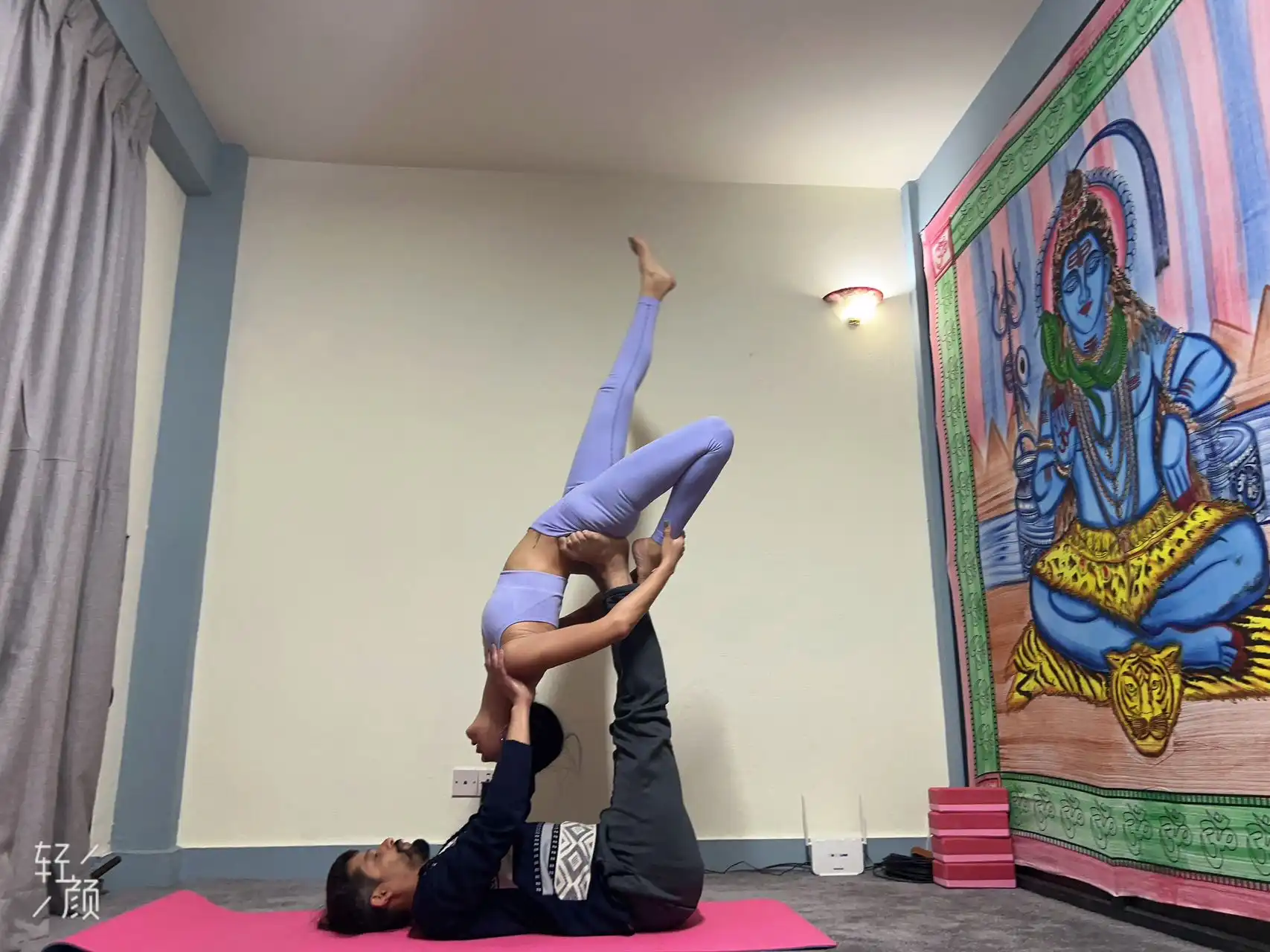
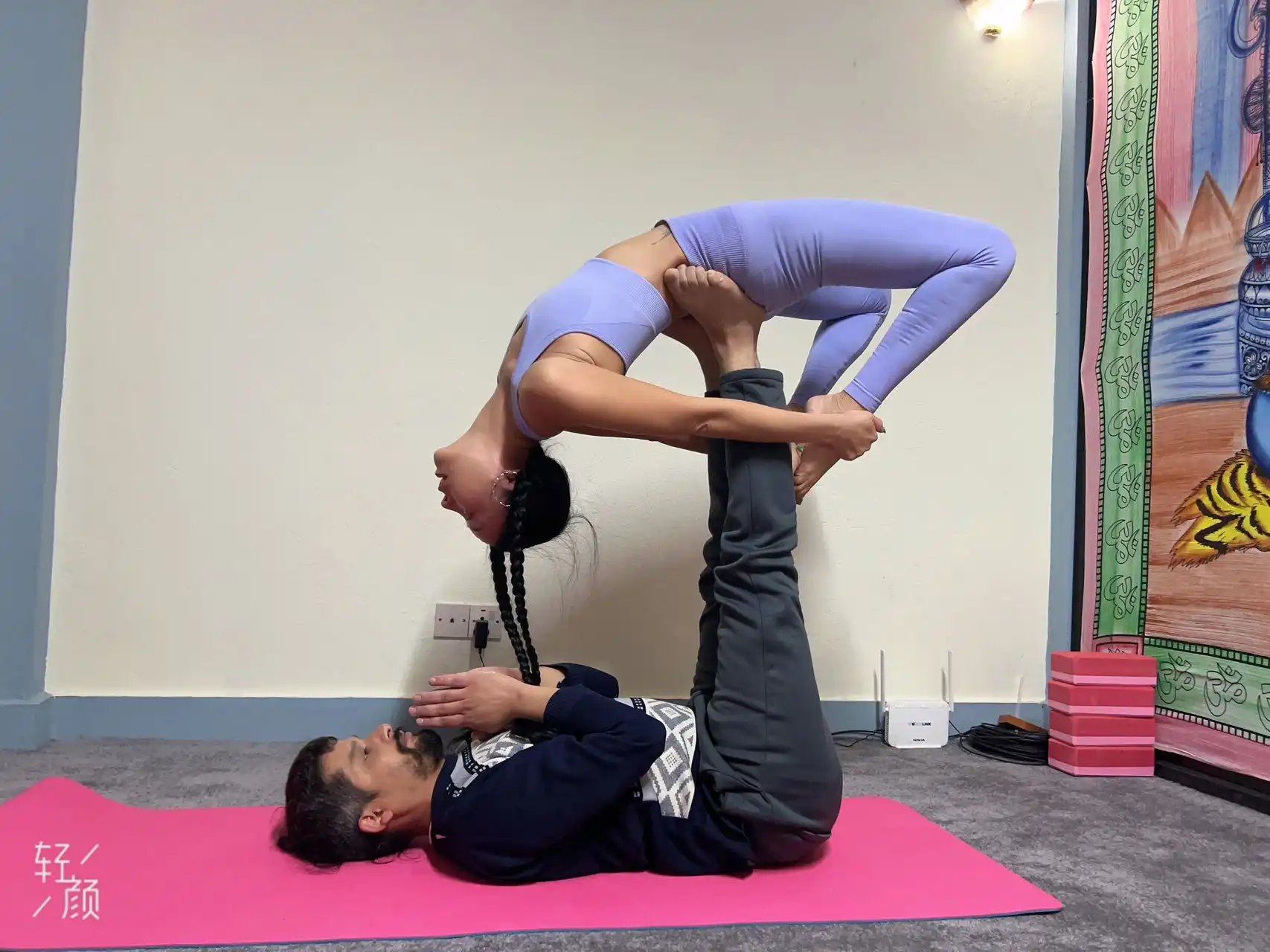
Yoga Pose

Inside the shrine, a small monastery with a statue of 6th Century Buddhist and tantric Guru Padamasamba or Guru Rinpoche on his journey en route Tibet stayed in Kathmandu for some years.

Australian Camp / Thulo Kharka Near Pokhara City:

Interested Yoga students and experts, can enjoy yoga exercises and practice in serene surroundings. Amidst the stunning panorama of Annapurna Himalaya snow peaks, at a lovely scenic place in Australian Camp or Thulo Kharka.

Located an hour’s drive from the beautiful city of Pokhara, and a few hour’s hike to Australian Camp. Drive leads to the small village of Kande, situated on the Beni-Baglung and Pokhara highways. From Kande, an hour’s hike uphill through the cool lovely forest to reach a scenic flat field at Australian Camp.

Yoga Tour in Nepal A picturesque spot with a few smaller nice lodges for travelers close to the Gurung villages of Dhampus and Potana. Enjoy the Yoga exercise early morning and catch the stunning sunrise views over an array of Annapurna peaks. Includes majestic Machhapuchare Himal the famed Fish-Tail that dominates the southern valleys of Pokhara.

Australian Camp is a summer pasture field for local domesticated cattle, surrounded by dense woods of pines and rhododendron trees. Truly, a perfect spot to stay for a few days enjoying the spectacular views of Himalayan peaks, along with Yoga exercise.

Besides, Australian Camp Pokhara offers several lovely scenic sites for a tour, short hikes, and Yoga practice. One can enjoy Yoga exercises near the shore of serene Phewa Lake or to another huge lake of Begnas. Located further east of Pokhara city, within a tranquil surrounding with close views of Annapurna Himalayan peaks.

The Best Seasons For Yoga Tour In Nepal:

Yoga Tour in Nepal Nearly all seasons of the year except for monsoon wet months of mid-June to August. The best time is in spring March to May and the autumn/fall season of September to November. Winter is also the best time but much cold morning and late afternoon till night time.

No more solo treks in Nepal- Guide Mandatory

Attention, attention, and attention to all foreign visitors in Nepal from upcoming April 2023 onwards. No more solo treks in Nepal are allowed, as per the recent notice, declared by the Nepal Government of Tourism Department.

This can be positive or bad news for foreign travelers visiting Nepal, especially young people. Who likes to trek on a low or a show-string budget by themself, as an individual trekker? As well as with a group of friends or family members, instead of using the local company and paying the standard price.

Around Nepal Himalayas, the country was opened to outside visitors as early as the late 1950s. Where trekkers, mountaineers, explorers, and adventurers trek on their own or using local guides and porters.

No more Solo treks in Nepal
Annapurna Circuit Solo Trek

The mode of trekking as an individual or solo carried on till the present, especially around the mainstream and popular areas. Except in Restricted Areas, where solo or individual trekkers were not allowed. The policy and compulsion were made, that one must join with a reputed Government Registered local company.

The news was declared recently from March 2023, regarding the restriction on individual travelers or FIT (Free individual trekkers).

For some reason, this can have a negative effect on young visitors and individual trekkers. But on the other hand, the local guides were least employed and out of work. The main reason for not allowing solo or individual trekkers is for the safety of all trekkers.

Positive Impacts of Solo Treks in Nepal :

The positive thing about “Free Individual Treks” or “Solo Treks in Nepal”  is that more travelers will visit Nepal. Uplifting the economy, as well one will have the freedom of choosing their own designated routes, and overnight stops.

Trekking solo as individual trekkers allows them to be on their own and can stay in any place. For a certain period at their own will and choice, and setting their itinerary days. This provides them much freedom in walking hours or reaching designated destinations, as well as mixing with the local villagers.

The best point of Solo Treks in Nepal without guides or porters is saving the cost apart from trekking permits; and national park or conservation fees. Additionally, this might give one the feeling of not being dependent on anyone for their desired trips.

This is a must for all trekkers whether for FIT or traveling with a group, joining with local agents. All local trekking companies have their norms and policies as well with standard prices as per the itineraries chosen.

Solo Treks in Nepal can give the freedom to trek far and wide around the Nepal Himalayas. Except in Restricted Areas like Upper Manaslu, Upper / Lower Dolpo, Limi Valley, Nar Phu, and Upper Mustang.

For longer or short treks and hikes, one could travel on their own or with a group of friends and family members. Over the years the Government of Nepal Tourism Department and related agencies like NTB (Nepal Tourism Board). TAAN (Trekking Agent Association of Nepal) allowed freedom for interested Solo and Individual trekkers. But at present, those freewheeling days have ended from upcoming April 2023 onwards, until further notice and authorization; from the respective Tourism Department.

In the past years, there was also a case and situation, where a few individual trekkers went missing. Some have been traced and found, and others remain out of touch as lost trekkers. To avoid such situations and conditions, the Government of Nepal Tourism Department came up with a solution. From this year 2023 onwards solo or individual trekkers are not allowed to travel on their own.

From the perspective of the Travel Agencies and the professionals working in the tourism industry, prohibiting solo treks in Nepal is indeed a positive decision. This will

Negative Aspects of Solo Treks in Nepal:

After the prohibition of Solo Treks in Nepal, there have been a lot of mixed reactions among foreign trekkers traveling to Nepal. Some of them have even managed to cancel their planned trips to Nepal. This is somehow understandable, as it can be hard and annoying for a group of young travelers in their mid-16 and 30 years of age.

Most young trekkers and hikers love and enjoy trekking on their own, without the support of a guide or porters giving them a sense of independence. However, the mountains are unpredictable and the risk for solo treks in Nepal should be considered as well. There have been different instances of devastating consequences for Solo trekkers going missing.

These types of incidents are in fact a serious issue in terms of the reputation of the trekking industry in Nepal. Therefore the underlying cause for the prohibition of Solo Treks in Nepal can be traced to the concern for the safety and security of travelers.

The Positive Aspects of Joining With Local Companies Compared to Solo Trekking in Nepal:

Some might wonder if is it for positive or just an extra expense joining with agencies and having guides to accompany them. For various reasons, it is the best way to enjoy the treks and adventures around the Nepal Himalayas.

In the first place, trekkers will be free from the hassle of paperwork, obtaining permits; and other necessary entrance fees. Where the local trekking agencies will assign good and government-registered registered authorized guides. This will make you feel safe and secure, with the assurance of the local company booked with.

No More Solo treks in Nepal
A Group on Everest Three Passes Trek with Vertex Holiday

Having a guide to show you the right direction, and choosing the best available lodges for overnight stay. As well as ordering and making sure of the hygiene and quality of meals that you order, from a comprehensive food menu.

The guide is always handy for any kind of service and queries that one might need regarding areas of trekking. The guide will help you to communicate with the villagers and people who manage the lodge and prepare your meals.

Trekking with a guide will be a great help and support, as he understands the language and local cultures. As well as dos and don’ts which are important in entering temples and monasteries, including places of worship around religious sites.

The guide can provide much information about the country, from history, local cultures and traditional way of farm life. The most important having a guide as a company will take care of all the trekkers. The guide can manage necessary arrangements in case of emergencies that can take place, anytime and anywhere.

Sometimes one can feel lonely, and where a guide can be a great comfort to share any type of topic and subject. Around the Himalayas from the main popular trail to the off-beaten path, anything can happen.

Sudden mishaps, accidents, or any type of misfortunes, like a landslide, rock falls, and avalanches. Where guide will be a great help and support in such conditions. The guide knows the best to avoid such situations, as he/she has the experience. Especially on longer and high-altitude treks, the company appoints the best and most veteran guides.

Most expert guides have led countless treks and various adventures and will be happy to share their knowledge and experience. For long and short treks, from moderate, and adventurous to challenging treks, the company booked with, will provide the best guides. As every local company always provides good services as per trip cost, to make every trip successful. So that the company will gain a high reputation with repeated clients joining for the treks around the Himalayas.

The guides are well-trained and educated with strict norms on Eco-Trekking and Responsible Tourism. Make the trekkers aware of the fragile environment and walk with care and save the beautiful surroundings.

The guides are well versed in basic medical know-how, having trained in First Aid for minor wounds and sickness. In case of critical conditions, the guide will do his best to handle the situation. Such as some clients may get sick from high altitude or AMS (Acute Mountain Sickness). Where a guide can take care of the sick person taking the patient down to safe heights. Depending upon the trekker’s sickness, the guide will arrange immediate rescue evacuation by any means of the fastest transportation.

Joining reliable and reputed companies will assure trekkers of safe travel and delightful holidays in Nepal. On choosing the right local companies, one can relax where a guide, staff, and management will take care of all necessary arrangements.

For all types of trekking and modes of transportation and accommodation in Kathmandu and on treks. Visitors need to confirm the standard of services to be provided as per the trip cost, from the chosen itinerary.

Before booking the trip one can request special dietary and inform of your medical history background, and experience in outdoor activities. As well as if it needs to be upgraded the standard of hotel accommodation in Kathmandu or any other cities for the trek.

Difference between Solo Trekking in Nepal and having Guides:

No more solo treks in Nepal
Annapurna Himalayas is one popular destination for solo treks in Nepal

No more solo treks in Nepal After the declaration from the Nepal Government of Tourism Department banning individual foreigners, trekking as solo travelers from April onwards.

The difference between trekking solo and having guides makes a huge difference in the country’s economy. As you will be employing the guide retaining his career and uplifting his profession, which is truly a blessing. On the other hand, some individual trekkers might not be happy due to the additional cost of having a guide.

Nevertheless, even though it can be quite expensive for budget travelers, one can feel safe and secure. Trekking with guides who know the areas like the back of their hands, showing you the wonders of Nepal.

Providing full information about the country that one might miss, on trekking solo. In the end, you feel glad that you have gained much knowledge of the areas, with the support of your guide.

We welcome this step of prohibiting Solo Treks in Nepal, as this is not beneficial for the agencies, trekking guides, porters as well as trekkers as well. Feel free to get in touch with Vertex Holiday if you have any feedback or comments for us, with which we can improve the content and services we provide.

Reason To Choose Manaslu Circuit Trek

Reason To Choose Manaslu Circuit Trek, by trekkers and adventurers, those who are interested in less visited trails. Manaslu Circuit Trek has its own charm and beauty beyond, in comparison to other scenic Himalayan destinations.

The Upper Manaslu region, at one time, remained a forbidden country, isolated and hidden from the rest of the world. Then it flung the door open in 1992 for foreign visitors to experience its glorious cultures of age-old heritage.

As well as to observe the traditional customs of the Upper Manaslu village of immense and impressive colorful cultures.

Reason To Choose Manaslu Circuit Trek Since the Upper Manaslu was allowed for outside travelers, it still remains a Restricted area of Nepal. Trekkers heading for Upper Manaslu, require a special permit and MCA, (Manaslu Conservation Area) similarly ACAP (Annapurna Conservation Area Project) entry fees.

Reason to choose Manaslu Circuit Trek
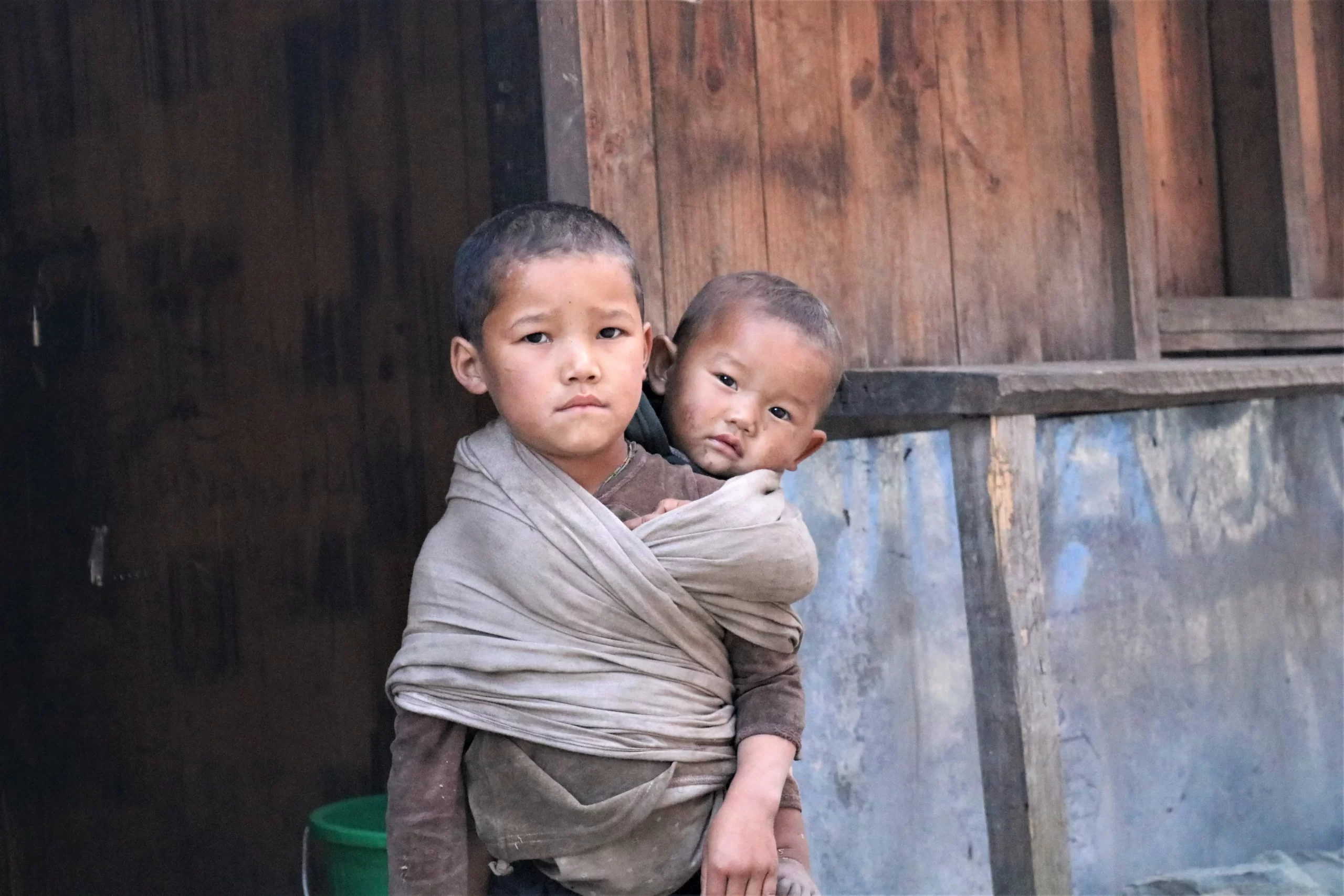
A child carrying his sibling

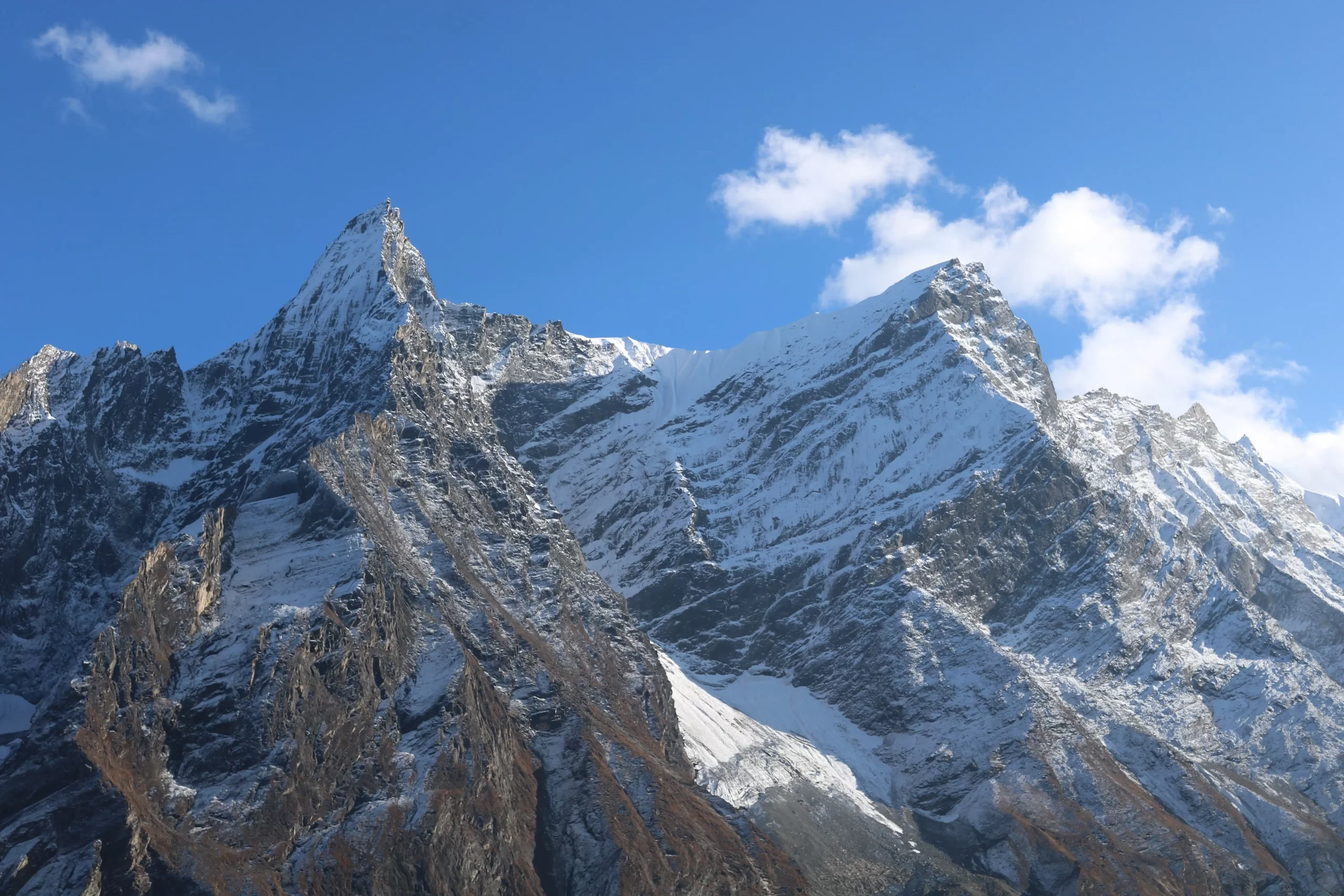
Mountain peaks in the Manaslu region. The reason is to safeguard its pristine natural environment and limit the mass flow of trekkers. As well as making the area quite special from other popular regions of Nepal Himalayas. The important reason is due to its close border with South West Tibet / China.

Reason To Choose Manaslu Circuit Trek, The Manaslu Upper region provides visitors exceptional views of the surrounding spectacular scenery of towering white peaks, and its scenic landscapes. Besides the picturesque vista, the local culture is equally fascinating making Manaslu Circuit Trek, the best choice for visitors.

The scenic landscapes and impressive cultures are the main reasons Reason To Choose Manaslu Circuit Trek.

Various Routes And Destinations to Enjoy Manaslu Circuit Trek:

Manaslu Circuit Trek, apart from the main straightforward route, there are several options for interested trekkers and explorers. One of the main reasons to choose the Manaslu Circuit Trek, trekkers can combine the Manaslu Circuit with the hidden Tsum Valley. Adding a week more to enjoy the blissful country of the upper remote corners of the Gorkha district.

An enjoyable and exciting walk to the Valley of Happiness as the Tsum area is known for its special cultures and glorious scenery.

The other route that one can explore is taking a drive to Barphak lovely village of Gurung hill tribes. Which is away from the main trail for a few days and then joining back on the route of the Manaslu Circuit.

The next alternative is an adventure from Rupina-la pass, where trekkers hardly venture. An exciting walk away from the main villages and human settlements for a week. Then reaching the main trail of Manaslu Circuit, after being in complete wilderness. Combining the Manaslu Circuit with the Rupina-La pass will be a great option for trekkers in search of pure mountain wilderness.

On Rupina-La route, trekkers can also visit Boudha Himal base camp one of the major peaks of Manaslu Himalaya range. The main straightforward route is taking a long drive from Kathmandu to Machha-Khola village. Located around a low warm valley, and as the walk progresses reaching cooler hills, and then heads towards Upper Manaslu Valley, a main Reason To Choose Manaslu Circuit Trek.

Reason To Choose Manaslu Circuit Trek One of the few treks around the Himalayas, which follows the great Budi-Gandaki River right up to its near glacial source. Which is close to Sama-Gaon en route to Mt. Manaslu Base Camp, where the glaciers feed the Budi-Gandaki River. The treks from Machha-Khola lead to several interesting low farm villages and towards the high hills at Jagat. The village and the main entrance to the Forbidden and Restricted Country of Upper Manaslu Valley.

The adventure leads toward strong Buddhist cultural settlements and villages, adorned with interesting religious monuments of prayer walls and flags. The walk leads higher through the lovely villages of Namrung, Lo-Gaon to enter scenic Manaslu Valley and then reach Sama-Gaon, which is one of the reasons To Choose Manaslu Circuit Trek

Located in the heart of Manaslu Valley, as well as on the route to the base camp of Mt. Manaslu. Staying in Sama-Gaon for acclimatization, where one can take a short or long hike to Manaslu base camp. As well as Pungyen Monastery and the famous Birendra Tal a glacial lake, enclosed amidst beautiful forest surroundings. The adventure continues heading past Samdo to Dharmasala or Phedi, at the base of the high Larke-La Pass. An early steep climb takes you to the top of Larke-La at 5,106 m /16,752 feet. On the highest point of the adventure, overlooking the breathtaking panorama of the Snow Mountains that surround Larke-La Pass.

The pass forms the boundary between Gorkha and Manang districts. Finally, the long walk ends, walk past Bhimthang to Dharapani village, where the great adventure Manaslu Circuit Trek completes.

The next morning an interesting drive leads to Kathmandu on a long exciting mountainous road. After a wonderful adventure on Manaslu Circuit Trek.

The Best Reason To Choose Manaslu Circuit Trek:

Besides various routes, and reasons to choose Manaslu Circuit Trek, after ending the walks at Dharapani village in Manang district. One can combine the trek with the popular Annapurna Circuit Trek, heading towards the main Manang village.

Reason to choose Manaslu Circuit Trek

Where adventure continues towards the high Thorang-La pass at 5,416 m to reach another beautiful area in the Mustang district. Then take a drive to scenic Pokhara or enjoy a short flight from Jomsom town to reach Pokhara.

The other option is to trek to Nar-Phu hidden valley, crossing Kang-La pass to reach the main picturesque Manang Valley. Trekkers can continue walking towards the world’s highest Tilicho Lake, and then over Thorang-La pass to Jomsom town.

Reason To Choose Manaslu Circuit Trek, Manaslu Circuit Trek offers various options to choose from before or after completing the trek, ending at Dharapani village in Manang. This is why one of the best reasons to choose Manaslu Circuit or an adventure ‘Around Manaslu’.

To cover Manaslu Circuit is approx. 177 km or 110 miles, which can differ from the itinerary chosen. The average day is about 12 nights and 13 days or less depending upon the fitness of the trekkers. The Manaslu Circuit Trek involves exciting long drives both ways to and from Kathmandu.

The other reason to choose Manaslu Circuit Trek is its immense culture of age-old heritage. Which is of strong Tibetan culture of Buddhism religion, where trekkers can observe along the walks through lovely villages.

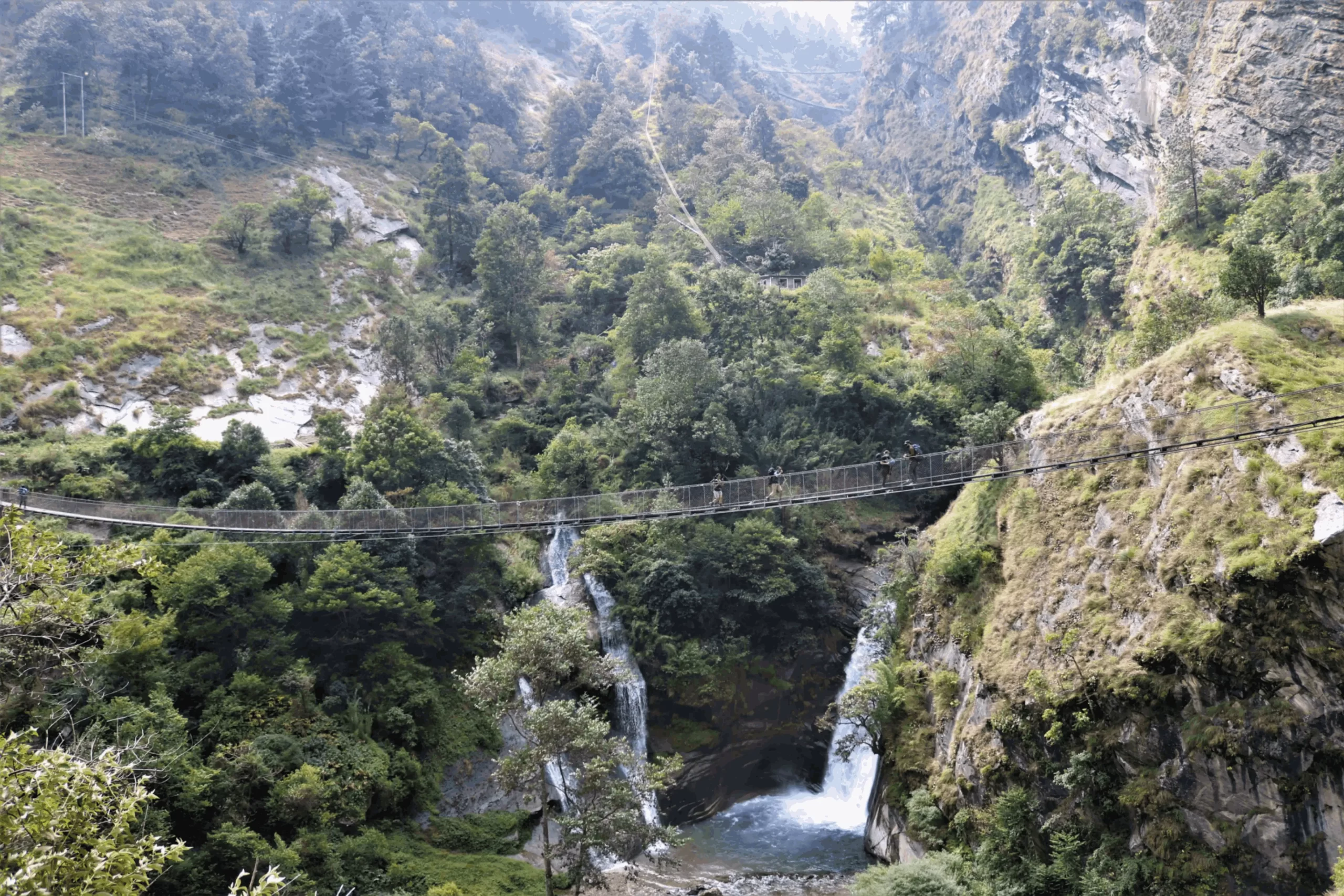
A suspension Bridge during the Manaslu Circuit Trek

The Culture & Religion Makes Manaslu Circuit One Of The Best Reasons.

Another Reason To Choose the Manaslu Circuit Trek is that trekkers can witness two different religions before and after the treks on the Manaslu Circuit, which makes the walk more interesting. The lower hills around the Gorkha district are mostly inhabited by mixed hill tribes, the Gurung, Magar, Chettries, and Bharamins. The Gurung and higher Manaslu Bhotias follow Buddhism, and the Magar, Chettries, and Bharamins are interwoven with the Hindu religion.

The adventure leads beyond Jagat village entering the Restricted Areas of Upper Manaslu fully dominated by Tibetan Buddhism. The tribes of Upper Manaslu Valley, who have migrated from southwest Tibet some centuries ago. The indigenous tribes of Upper Manaslu and Tsum Valley with strong Mongolic, and Tibetan features, can be seen till Dharapani village.

The name Manaslu, although comes from an ancient Sanskrit word which means ‘Manas’ the soul of mighty spirits or god. Similar to the holy Lake Manasarover, located in Far South West Tibet near Mt. Kailash, the native of Manaslu is called Kutang. Which means a flourishing land, yielding good harvests for high-altitude crops like wheat, buckwheat, and barley. As well for raising and breeding livestock of sheep, goats, and yaks, the country provides wide lovely grazing pastures.

On this trek Manaslu Circuit, trekkers will have the opportunity to enjoy exploring and visiting traditional villages. The best settlements are Lo and Sama Gaon for a tour of the monasteries, with religious monuments of prayer walls. Includes a series of spinning wheels, Stupas, and a huge Chaitiya with a traditional welcome gate, at the village entrance. Where all houses are festooned with Buddhist colorful prayer flags, and on top of high ridges including at Larke-La pass.

As per the local spiritual values, every high hilltop and pass is the abode of holy spirits, thus prayers and offerings are a means to respect gods and goddesses, which in turn is a fascinating Reason To Choose Manaslu Circuit Trek.

Fresh New Himalayan Destination Are The Reason To Choose:

Apart from various wide destinations around Nepal Himalaya region with the most popular treks of Annapurna, Everest, and Langtang range. Manaslu Circuit is slowly gaining popularity among trekkers in search of raw and fresh Himalayan destinations. Besides following the main trails of the Manaslu Circuit, trekkers can explore the hidden pockets of Manaslu Valley.

Reason To Choose Manaslu Circuit Trek There are more exciting scenic and amazing areas within Manaslu Valley yet to be ventured, into for interested travelers and explorers.

The History Of Manaslu Valley:

From ancient times of glory days, the Upper Manaslu Valley was the most important transit route to Tibet. Where Old Trans Himalayan Salt Trade Trail follows through Sama-Gaon and Samdo villages towards the frontier of Nepal and Tibet. Yaks and mules laden with goods from both sides passed through Manaslu Valley, and the trade with Tibet was nearly extinct. At present, only a few exchanges and bartering take place across the borders of Nepal and Tibet.

Reason To Choose Manaslu Circuit Trek Mt. Manaslu at 8,163 m or 26,781 feet stands as the world’s 8th-highest peak. The mountain was first conquered by the Japanese Expedition on May 9th, 1956 with the support of Nepalese Sherpa climbers. At present draws more wide-world mountaineers for the challenging feat to the summit of Mt. Manaslu.

Reason to Choose Manaslu Circuit Trek

The Best Seasons To Choose For Manaslu Circuit Trek:

Manaslu Circuit trek involves a high pass, traversing from one end of the Manaslu valley of the Gorkha district to reach the Manang areas. The best time of the season is much more important for trekkers to enjoy the Manaslu Circuit adventure. The clear and sunny weather of the region is probably the main reason to choose Manaslu Circuit Trek.

The best and most favorable season is from late spring of April to May or early month of June. Where days are much longer with sunlight hours and clear sunny days for walks and views. The forest around the mid-hills will be alive and bright with wildflowers in seasonal bloom, especially the rhododendron. Can be cold morning, late afternoon till nighttime with chances of snowfall around higher elevations.

The next best time is autumn/fall, which starts from September to November the right season for scenic walks. However, days are much shorter due to sunlight hours, but it is an enjoyable time from September till early November months. Cold morning, late afternoon, and nights, the chance of snowfall sometimes.

Trekkers need to trek before the beginning of November, as most villages’ lodges and guest houses will be closed for winter. The villagers migrate to lower warm areas to escape the cold winter months until mid-March.

Holiday Trip Difficulty levels

Holiday Trip Difficulty level or grades of treks, hikes, and tours depend upon the choice and options of interested travelers. Nepal is a Himalayan country with high hills, green valleys, and the world’s highest mountains, where trails lead to ups and downhill. But days are enjoyable, even though climbing steep ups for few hours, in the end, all will enjoy the sojourn.

The country offers a wide range and boundless exciting, scenic, and cultural destinations to choose from.

One can take a short holiday for a few days to a week or more; depending upon one fitness level and medical background. Nepal is an amazing country from the low warm land of the Southern Terai belt with a sub-tropical climate to cooler hills. Which extends to a higher mountainous region of arctic cold temperatures with the world’s highest mountain range.

Holiday Trip Difficulty Level For all treks, tours, or peak climbing, all visitors have to reach Kathmandu, the capital city of Nepal. Which is at the safe height of 1,324 m or 4,344 feet above sea level, located on a verdant valley. On arrival as booked with respective Travel / Trekking Agencies, staff, guide, and representative receive you with traditional greetings. Then get transferred to respective hotels in the heart of Kathmandu city, and check in to your nice rooms.

Holiday Trip Difficulty level After getting refreshed join with other members of the group for the trip chosen, where the guide or leaders; provide a briefing. Regarding the treks and tours booked with the local agents, in the following manner related to chosen destinations.

Tour Of Kathmandu And Valley Beyond:

For every tour or trek, the first topic and subject are the hotels that you stay. The guide or staff will brief regarding the facilities provided by the hotels like in every tourist standard hotel.

The first thing to be on the safe side and remain healthy while in Nepal is avoiding tap water. For drinking purposes, all rooms are provided with safe drinking water in a jar or flask. If not call the room service for any things required or missing in the rooms.

Holiday Trip Difficulty levels
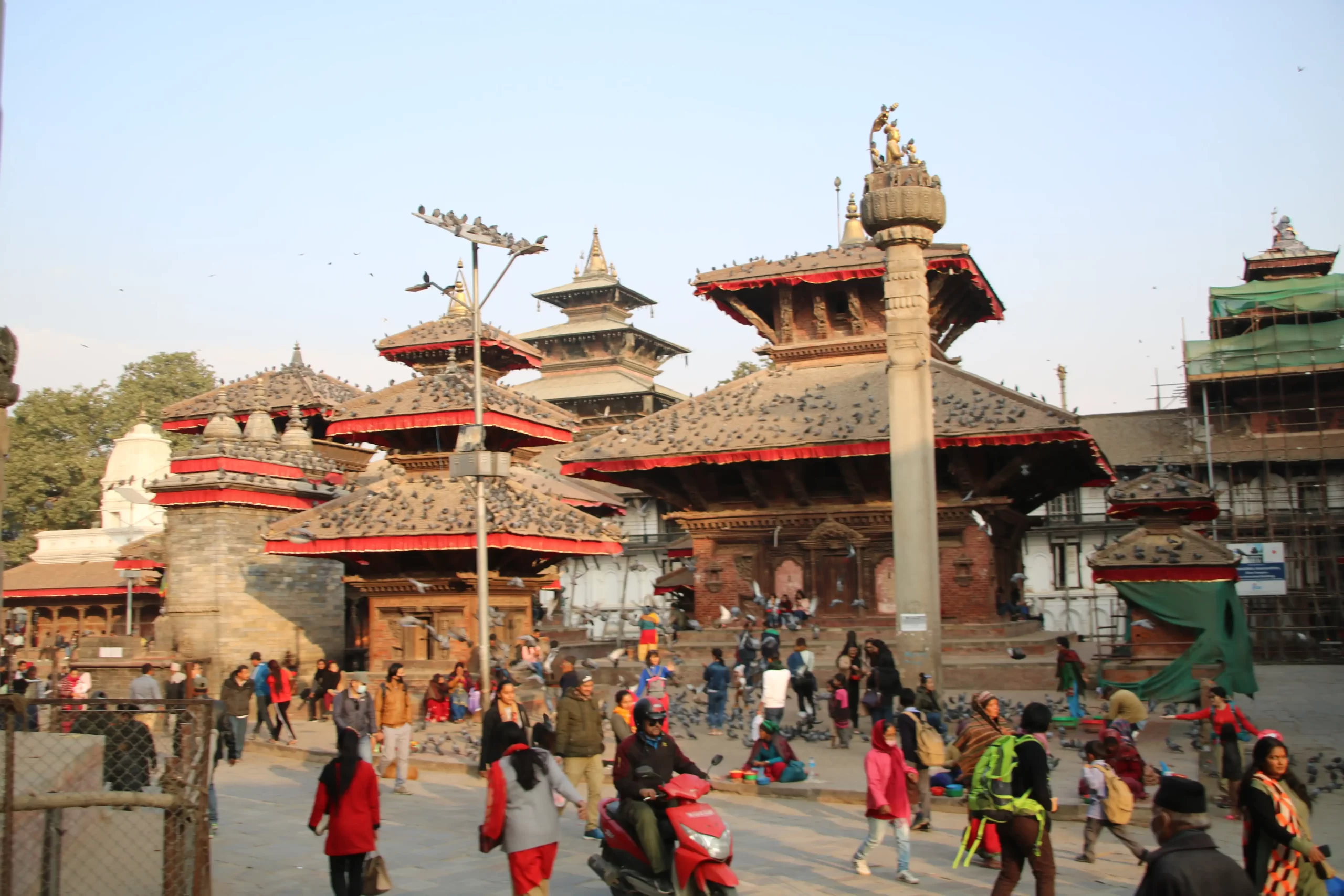
Kathmandu Durbar Square

The guide or leader will inform you about the time of your tour, and clothing as per the season wise. Includes the places to visit on tour from short history, religion, and cultures, as well as do’s and don’ts.

A guided tour with an expert guide shows you around interesting sites that Kathmandu has to offer. Visiting places of interest and famous landmarks of the country with temples and monasteries. Kathmandu is an amazing city, although a semi-modern and metropolitan hub, retains its old-time glorious.

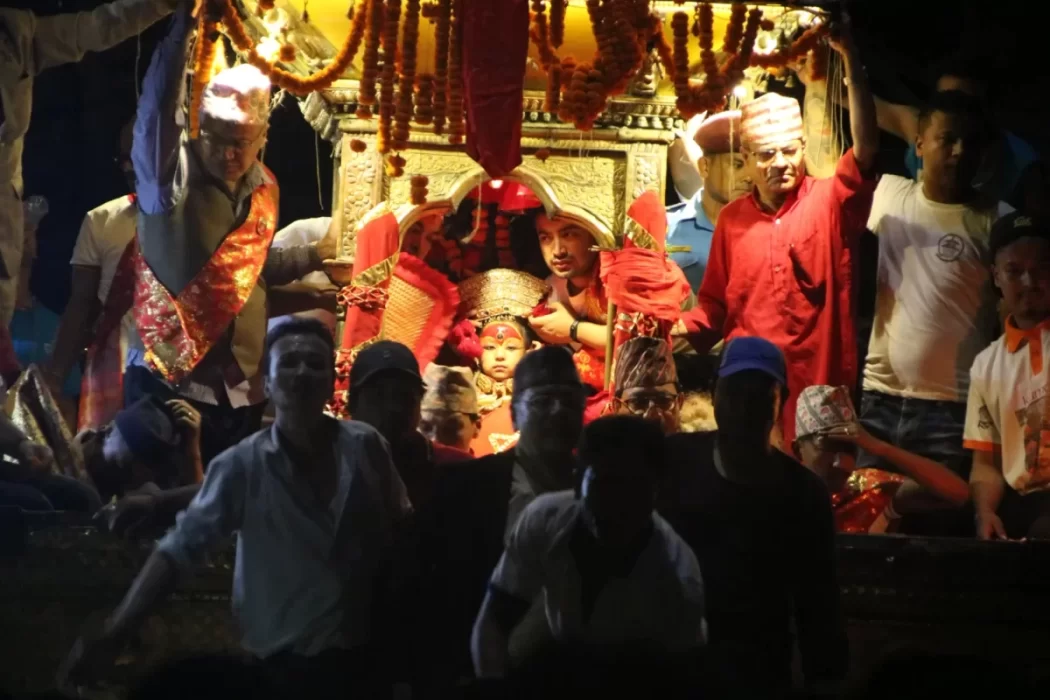
The tour includes Old Durbar Marg / Square, where old palaces from Malla to Shah Kingdom are located. Tour of ancient temples and palaces with a visit to Living Goddess the Kumari Residence. From Old Durbar, visit Swayambhunath Stupa, the oldest Buddhist Stupa a monument of more than 2,500 years old history.

The tour extends to the famous Hindu Temple of Pashupatinath and Bouddhanath a huge Stupa, the largest in Asia. An interesting and unique Buddhist monument, one of the charm and pride of the city.

The tour may include visiting adjoining cities of Patan / Lalitpur and Bhaktapur cities as booked with the local agents. Where all city tours and beyond as per the itinerary days set and requested by the clients.

Some tour also includes Everest or a Mountain Flight of an hour, facing the Himalayan range of white peaks. Overlooking the grand view of Mt. Everest, Lhotse, and Makalu on an hour’s flight in a spacious aircraft.

The tour of various options from a day to a week duration visiting the best tourist destinations. Likewise, scenic Pokhara city is blessed with the natural wonders of the Annapurna Himalayan range with serene lakes. Including a visit to Chitwan National Park for the exciting thrill of wildlife safari in the dense tropical jungles of Chitwan. Extending as far as Lumbini towards Nepal’s Far Mid-West where Lord Buddha was born.

Hiking Around Kathmandu And Pokhara Valley Rim:

Interested travelers to Nepal, can enjoy a day hike or more of a few days, of pleasant country walks. Within Kathmandu Valley several scenic and cultural hiking routes to choose from, without any problem of high altitude sickness.

The pleasure of hiking one will be refreshed amidst serene country air with views of Himalayan backdrops. The most famous and popular day hike or more is Chisapani to Nagarkot and Dhulikhel. Famous for stunning sunrise and sunsets along with the majestic panorama of the Himalayan chain of peaks.

The other best hiking for a day is Shivapuri Hill, the second highest among the hills that surround Kathmandu Valley. It is 2,732 m / 8, 964 feet a few hours’ steep climbs reward a tranquil environment with views of the Himalayas.

Holiday Trip Difficulty levels
Viewpoint during Shivapuri Day Hike

Next is Phulchowki the highest hill of the Kathmandu Valley rim, which towers high at 2, 791 m / 9,157 feet. Located southeast of Kathmandu Valley around Patan / Lalitpur district, above Godavari Botanical Garden. Famous for superb views from Annapurna, Manaslu, Ganesh, and Langtang Himal with Gaurishankar, as far as the Everest range of peaks.

The most beautiful and scenic is hiking above Pokhara city and the verdant valley, one can enjoy a day hike. As well as extend to a few more days facing constant views of Annapurna and Manaslu Himalayan range with Mt. Dhaulagiri.

Famous hike to Peace or Shanti Stupa situated south of Pokhara city above beautiful Phewa Lake. The hike across the lake with a few hours climb to a ridge where a Buddhist Shanti or Peace Stupa stands.

The other interesting hike for a day more is Panchase Hill at 2,500 m high for a stunning sunrise. Includes panorama of Himalayan range of peaks amidst beautiful forest surrounding. One can extend hiking further or return to Pokhara after getting refreshed with the mountain’s cool air.

The Trip Difficulty Level for Trekking as Per Grading :

The trip difficulty as per the grading of the level of various trekking destinations ranges from from Easy, Moderate, Difficult, or Adventurous. Different trekking and hiking destinations beyond Kathmandu Valley are graded according to the duration, altitude, steepness, and hours of walking per day. Every trekking company has its own form of grading. Vertex Holiday’s grading lines up with the majority of the agency’s and government’s guidelines.

Holiday Trip Difficulty level Moderate Grade:

Moderate-grade walk especially for a day hike or more to longer treks of a week duration. Where high altitude does not involve just above 2,500 m or a little higher but leads to steep ups and downhill. Moderate-grade trips can be enjoyed by all types of visitors, a great and best introduction to Nepalese landscapes.

Moderate Treks and Tour for all seasons, except for monsoon times of wet rainy months of July and August. An enjoyable walk for a few days or more in the harmony of a beautiful vista of Himalayan peaks. Exploring local village cultures and traditional farm life of age-old heritage customs.

Holiday Trip Difficulty level Moderate Grade Trips and Treks with boundless destinations to enjoy from a day hike or more. As well for trekking for a few days to a week without the hassle or problem of catching High Altitude Sickness.

The moderate grade does not involve high passes like on other longer treks of adventurous and challenging trips.

Moderate Grade trips where all age groups can enjoy holidays around Nepal Himalayas, in the best season of the year. But one has to be physically fit and able to cope with a few steep ups and down hills.

Holiday Trip Difficulty Level Adventures And Difficult Trips:

Holiday Trip Difficulty levels
Renjo La Pass Everest Three Passes Trek

Holiday Trip Difficulty Level Interested people joining for adventurous or difficult trips, must be aware that the treks involve longer walks and steep climbs. As well as traversing or crossing high passes above 5,000 m high on most adventurous trekking. But not as difficult as it sounds or looks landscapes-wise, it can be adventurous or strenuous.

The word difficult is not appropriate for any treks or climbing trips around the Himalayas. All Adventurous and Demanding trips can be more enjoyable and exciting if one is in sound health and physically fit. As well one should be able to face the unexpected and take things slowly as it comes.

For Adventurous or Difficulty trips the only tough part is to climb steep uphill on a narrow ridge line sometimes. As well walking on a deep snow path, makes the pace slower and more arduous to cover long-distance walks.
Joining for an adventurous trek, or peak climbing, all members should be in good health and physically fit, as the trip demands.

Good exercise is required before joining moderate and adventurous trips, taking a walk, jogging, and aerobics should be included. Practice walking up and down stairs, as the Nepal Himalayas involve much steep climb and descent.

Holiday Trip Difficulty Level All exercises should be done before or after booking the trips for adventurous and difficult treks. So that one can enjoy adventurous and challenging walks to overcome the difficulties.

The adventurous or difficult treks should be booked on the right seasons of the year, as they involve high passes. Where walks might lead on snowy and slippery paths sometimes, as well the trekkers need to be well equipped.

Packing the right gear is required for the treks season-wise, whereas spring is the favored time. Including the autumn/fall season also enjoy the clear views and pleasant walks around the Himalayas.

Wildlife Tour In Nepal

Wildlife Tour in Nepal As a country with many national parks and protected areas, a Wildlife Tour in Nepal is something one should explore once in their lifetime. Nepal is an amazing country full of natural wonders from the world’s higher peaks to low sub-tropical dense jungles. Truly makes Nepal one of the most fascinating and awesome places in the globe, with various exciting national parks. For wildlife safari, jungle activities, as well riding on elephants on the lookout for wild mammals and exotic bird life.

Wildlife Tour in Nepal offers several national parks around the lowland of the Terai belt, where deep green jungles are located. From a total of 12 National Parks with Wildlife Reserves and Conservation Areas in Nepal. For exciting wildlife safari thrills and tours, the most famous and popular parks and reserves are situated in the country’s southern areas.

Wildlife Tour in Nepal
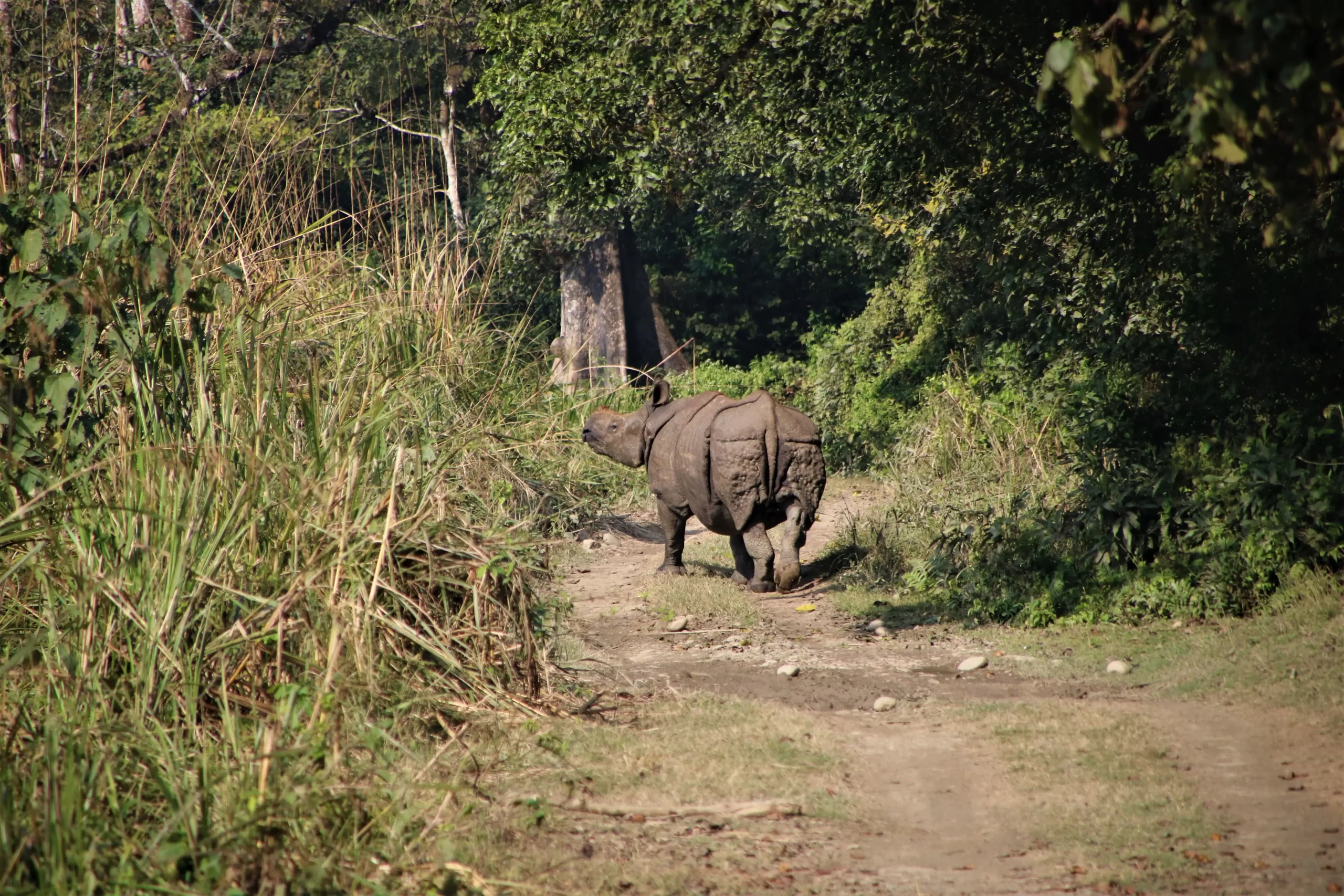
One Horned Rhinoceros

Namely, Bardiya National Park, Chitwan National Park, and Koshi Wildlife Reserves are mostly visited for a wildlife tour. All these parks are not only famous for wildlife safari and tours, but they also offer comforts in nice lodges and resorts. As it is located at a driving distance, where one can take a short scenic flight also.

The lodges and jungle resorts are all located outside the park premises, saving the environment to its pristineness. But on wildlife safari and tours, allowed to enter inside the park for certain hours, which allows much time; to enjoy the jungle activities. As well as great chances of spotting endangered rare wild mammals and various bird species of all colors.

Wildlife Tour in Nepal involves various flora and fauna, as the country occupies only 0.03 % of the earth. Treasures exotic vegetation, animals which are almost extinct on this planet of worlds 2 % of all the flowering plants. Includes about 8 % of the world’s population of birds (more than 857 species); and 4 % of mammals on earth. 11 of the world’s 15 families of butterflies, more than 500 species; and 600 indigenous plant families; 319 species of orchids.

Makes Nepal one of the world’s natural gardens, where visitors can enjoy and experience what the country has to offer.

Wildlife Tour in Nepal around the following destinations:

Wildlife Tour and Activities in Chitwan:

Chitwan National Park is located in Nepal Mid-South and from the capital Kathmandu 4-5 hours of drive. Distance of 180 k.m. / 112 miles, by air just 25 minutes, and an hour drive to respective lodges.

Wildlife Tour in Nepal Chitwan National Park is a famous and popular park in Nepal, as well as the best in Asia. Designated in World Heritage Sites for its unique location and wildlife, and for preserving its exotic flora and fauna making it the first choice for Wildlife Tour in Nepal.

The parks covered with 70 % of the park’s vegetation is covered by Sal forests. Other remaining includes 20 % of grassland, 7 % of riverine forest, and 3% of Sal with Chir-pine. The riverine forest with Khair, Sisso, and Simal or kapok (the silk cotton tree).

Chitwan National Park with more than 43 species of mammals including the endangered “Royal Bengal Tiger”. Including horned Rhinoceros, freshwater Ghariel, and Marsh Mugger Crocodiles, along with Gaur the Asian Bison.

As also home to wild elephants, four-horned antelopes, striped hyenas, pangolins, Gangetic dolphins, monitor lizards, and pythons.

The park is famous for over 450 different species of birds including migratory and residential Bengal Florican. The Giant Hornbill, Lesser Florican, with Black and White Storks, and the common birds and pheasants are Peafowl and red Jungle fowls.

As well as different species of Egrets, Herons, Kingfishers, Flycatchers, and Woodpeckers.

Chitwan National Park is a delightful holiday destination for wildlife safari and tour, enjoying for 2-3 days or more. As well as a tour of local Tharu villages the indigenous tribes of Terai and Chitwan, enriched with ancient heritage and cultures.

Wildlife tour in Nepal
Spotted Deer in Chitwan National Park

Wildlife Tour and Activities at Bardiya:

Wildlife Tour in Nepal Bardiya includes Morning Bird Watching Tour, Machan (Watch Tower) Tour, Jungle walks, nature walks, and elephant and jeep safari. Includes elephant safari with evening entertainment of local Tharu cultural programs.

Bardiya National Park: Located in Nepal’s Far Mid-West Terai belt, a driving distance of 376 km or 233 miles. Takes more than 6-7 hours on drives, but less than an hour by air to land at Nepalgunj City Airport.

From the airport involves a few hours’ drive on a 40 km road distance to reach the park entrance. Where all nice lodges and guest houses are situated just outside the entrance of Bardiya National Park.

Bardiya National Park, one of the largest and undisturbed areas of pristine wilderness, provides excellent habitats for endangered mammals.

Like the Indian one-horned rhinoceros, wild elephants, Royal Bengal Tiger, Swamp deer, and a herd of blackbucks. Includes Gangetic Ghariel and Marsh Mugger Crocodiles, with elusive and rare Gangetic Dolphins, as well as many bird species.

Likewise, Bengal and Lesser Florican, Silver-Eared Mesia, and Sarus Cranes are of more than 200 different birds. As well as 30 various species of mammals, and reptile includes snakes, lizards, and fish.

Morning Bird Watching Tour, Machan (Watch Tower) Tour, Jungle walks, nature walks, elephant and jeep safari. Includes elephant safari, and evening entertainment of local Tharu cultural programs.

Koshi Wildlife Reserves Tour:

Wildlife Tour in Nepal Koshi Tappu Wildlife Reserves is situated in Far South East Nepal around the Terai belt of Gangetic sub-tropical flood plains, a key destination for Wildlife Tour in Nepal. At Sapta Koshi Great River, where all main mighty 7 Rivers of the Himalayas join, hence the name Sapta Koshi.

Wildlife Tour in Nepal
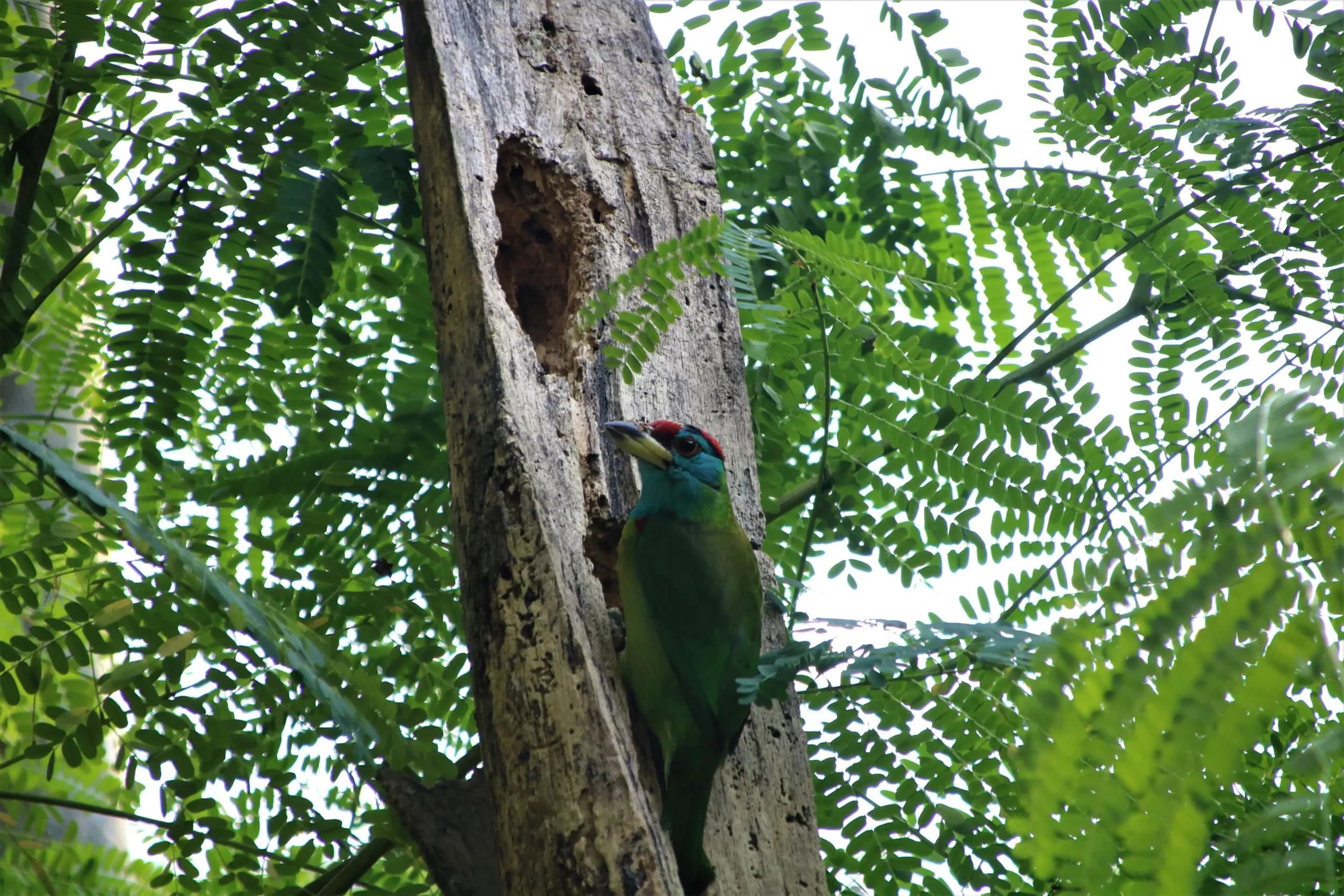
Blue Throated Barbet

A driving distance of approx. 340 km / 211 miles taking more than 6 to 7 hours overland journey. The fastest means is taking the 45-minute scenic sweeping flight to land at Industrial City in Biratnagar airport. Where few hours’ drive reaches the jungle lodge at Koshi Wildlife Reserves, an interesting location. Seldom visited by foreign visitors, except for keen ornithologists or interested bird watchers. Koshi Wildlife is the first and only Bird Sanctuary in Nepal, for more than 280 different species of birds. Includes 20 different species of ducks, two species of ibises, and many storks, egrets, and herons. As well as the endangered swamp partridge and Bengal Florican with wild animals.

The reserves are famous for wild buffalo or Arna having large herds of more than hundreds at present. The other mammals include hog deer, wild boar, spotted deer, and the blue bull, the tiger and leopard also exist.

Wildlife Tour in Nepal is a great way to experience the less explored wild areas of Koshi Wild Reserves; enjoying the wildlife tour for a few days or more.

Cultural Tour In Nepal

Cultural Tour in Nepal, where visitors can witness and experience different variations of traditions interwoven into ancient heritage. Blended with both Hinduism and Buddhism, probably the only country in the world; where two old great religions exist in perfect harmony.Cultural-Tours-in-Nepal

Cultural Tour in Nepal, an amazing country with various wide destinations to choose from for interested people. Nepal is enriched with immense cultural heritage due to its unique landscapes and altitude variation. Visitors can observe a wide range of traditional cultures, visiting the warm lowland of Terai to cooler hills.

It extends towards the higher region around the Himalayas, where one can visit famous pilgrimage holy sites. Nepal with more than 60 ethnic groups and 70 native spoken languages, makes a country of varied cultures and festivals.

The most important and famous historical and religious places are located within the Kathmandu valley, related to various cultures. Cultural Tour in Nepal involves visiting the cities with ancient heritage sites to traditional villages and towns.

Cultural Tour in Nepal around Kathmandu city, although a semi-modern and metropolitan commercial hub of the country, retains its old-time glories. Kathmandu is the first entry point where a mass flow of visitors arrives to enjoy the beauty of its ancient monuments.

The Cultural Tour in Nepal includes various places of interest from world heritage sites to rural villages. Kathmandu is also known as the city of thousands of gods and goddesses, at every step on the tour; one can witness small shrines and temples with stupas / Chaitiya.

The Cultural Tour in Nepal begins in Kathmandu city, mainly populated by the indigenous Newar tribes. The main inhabitants of Kathmandu Valley interwoven with both Hindu and Buddhist religions and colorful cultures celebrate many festivals. As per the season from religious, and social to cultural events and celebrating the good harvest. The cultural tour in Nepal begins in Kathmandu around its various exciting sites, steeped with age-old heritage cultures.

Kathmandu City Cultural Tour:

Kathmandu is the capital and major commercial hub of the country, the Kathmandu valley with three main cities; namely Kathmandu, Patan / Lalitpur, and Bhaktapur these are cities with seven UNESCO World heritage sites.

All these cities include ancient Durbar/palace squares with many historical, cultural, and religious landmarks. The cultural tour of Kathmandu and Nepal, related to its ancient heritage and history, is famous for its religious monuments. Likewise, various temples, monasteries, and stupas adorn the city’s charms and beauty, as well as stunning views of Himalayan peaks.

The most famous historical and cultural areas and monuments are religious sites like the Hindu Temple of Pashupatinath. Including, old palaces from Malla to the late Shah Kingdoms eras, all old buildings are designed with pagoda roofs.

The art, handicrafts, and architecture are all related to ancient Nepalese cultures and customs. Kathmandu is an ancient city with more than 1,000 years old history, exquisite architecture, of wood and stone carvings. Which have become the symbols of ancient Nepalese culture, where one can observe the three cities of Kathmandu Valley. Apart from the ancient roots of traditional culture practiced by the Nepalese to this present day of Hi-Fi modernization.Cultural-Tours-in-Nepal

The foods also interlink with the local cultures of various Nepalese tribes, the Newari people of Kathmandu. Has an authentic wide range of cuisines, but the main food and meals of all Nepalese. The famous and popular Dal-Bhat is a soup made from different lentils or bean species. Includes vegetables, meats, and pickles of wide varieties, which are hot, and spicy, the food makes an important part of Nepalese culture.

On a Cultural Tour in Nepal, especially in Kathmandu, visitors can experience both cultures and customs of the Hindu and Buddhist communities.

Although the history and background almost look similar to the Hindu and Buddhist religions, very different traditions.

Buddhism Culture Tour in Nepal:

The Bouddhanath Stupa and the areas, known as ‘Little Tibet’, due to mass population interwoven with Tibetan Buddhism. Which has its traditional way of life and culture, similar to Tibetan predecessors. Follows the customs and cultures related to Buddhist heritage, which exists around the high hills villages of the Himalayas. The Buddhist culture is spread far and wide across the country, from the Far North East to the Far Western Nepal Himalayas. Their religious events and festivals are related to its ancient cultures of traditional farming and raising livestock.

The places of interest to explore Buddhist cultures are around the Langtang Himal region, the land of the Tamang ethnic mountain tribes. As well as around the Helambu region not far from Kathmandu valley of few days to a week treks.

The most special area for mountain culture and Buddhism is around the Everest region, the home of Highlanders. The Sherpa people are famous as mountaineering guides and climbers, along with their age-old Buddhist religion and culture.

Cultural Tour in Nepal Where every village has monasteries and huge prayer monuments and celebrates lively colorful festivals, according to the Buddhist Lunar calendar.

Cultural-Tours-in-Nepal

Hindu Culture Tour in Nepal:

Within the city and Kathmandu valley, where visitors can witness various cultures of both Hinduism and Buddhism.

For a more exciting visit enjoy a tour of Tharu village around the low flatland, in southern parts of Nepal. The low warm sub-tropical climate is known as the Terai belt, home to another indigenous tribe the Tharu.

The Tharu communities although a nomad in the early days, but has settled permanently close to the dense tropical jungles. Tharu worship the Hindu religion, similar culture, but quite different in their ways of traditional life, custom, and cultures.

The next interesting Hindu cultures of Maithili and Bhojpuri communities settled on the low land of the Terai belt. Follows similar Hindu culture to its predecessors to Indians of Bihar and UP (Utter Pradesh); located close to the border of Nepal and India. Maithili originating from the Mithila region of Northern India follows the Hindu religion and culture with vibrant festivals. Having their cultural dress code and wearing precious ornaments, as a symbol of their community cultures.

Maithili people are mostly found in the mid-south around the states and cities of the Janakpur region.

Village Tour In Nepal

Village Tour in Nepal is one of the best ways to enjoy and observe the local traditional life of Nepalese. Villages in Nepal, are all around the country from the outskirts of main cities and towns. Located around the lowlands of Terai to cooler mid-hills and extends to higher mountainous terrains towards the giant Himalayan mountain range.

A village tour in Nepal leads to a fascinating visit to rural farm villages adorned with impressive traditional and simple farm life. The country is dotted with a group of villages and large settlements, around the high green hills and valleys. Visitors leave the cities for various adventurous activities or leisure holidays.

Village tour in Nepal
A traditional stone thatch roof House in Ghandruk

Where routes to various destinations lead to many rural villages with wide farm fields and terraces. The village tour in Nepal is an interesting way to explore the Nepalese culture of ancient heritage.

Most remote areas and villages are lively with farm life, especially during the harvest and festival times. It an exciting to witness and to immerse amidst during special events, where all visitors are cordially welcome to join in.

The villagers are mostly laid back, enjoying a simple and happy life, in the harmony of serene pristine natural surroundings. Mostly the villagers are engaged in farming, raising, and breeding livestock, as well as in religious ceremonies.

Where visitors can find temples and shrines of both Hinduism and Buddhism religions, making the tour worth the experience.

The Village Tour in Nepal, where visitors do not have to travel too far from where they stand. One can easily explore the Kathmandu Valley city outskirts, where one enjoys cool and refreshing mountain air. Most cities, and towns in Nepal are encircled by smaller and large villages within a mere distance from the busy cities.

Around Kathmandu Village Tour in Nepal:

Bungmati and Khokana, one-time rural farm villages, slowly developing into the size of small towns. Nevertheless, these settlements still retain their old-time glories and heritage ways of life. Located just a mere distance, south of the city of Lalitpur / Patan and Kathmandu. Bungmati is a Newar village and small town near to Bagmati River, the first recorded history of the Lichavi dynasty.

King Amshuverma was found in Bungmati, dated 605 AD. The early rulers of Kathmandu valley and some parts of Nepal, Bungmati is known as the birthplace of Rato Machindranath. The patron god of the valley, and the Shikara-designed temple, at one time, housed the deity.

It still stands in the main square, where visitors can enjoy the tour and witness the village’s simple life.

Khokana, the twin and adjoining sister village with Bungmati has been famous for the production of rich mustard oil since ancient times.

The word Khokana is derived from the Newari word “Khona” which means “narrating a story while weeping”. Enjoy the activities of Khokana village/town farm life and observe the traditional way of processing mustard oil.

Beyond Kathmandu village tour:

There are hundreds of exciting and impressive village tours in Nepal, we would like to mention a few. These are the most popular cultural and scenic wise among foreign and internal visitors, which can be reached by driving. As well as a short hike for a few days to reach the designated country villages around the hills of the Himalayas.

Mid-Western Himalayas around Pokhara region:

Another exciting village tour in Nepal is not far from the scenic city of Pokhara, taking an hour’s drive or more to the hill village of Siklis. Located at 1,980 m / 6, 496 feet high, a beautiful and large village inhabited by the Gurung. The hill tribes of Annapurna and Lamjung Himalaya range, the village perched beneath the towering whale-shaped Lamjung Himal.

This lovely village tour in Nepal allows visitors to observe its unique traditional culture.
The route to Siklis and Annapurna areas is managed and conserved by the Annapurna Conservation Area Project (ACAP). The village community and ACAP supports promoting tourism, travelers can experience the homely comfort and hospitality with its scenic surroundings.

Village tour in Nepal
Snow fall in Deurali

Ghandruk Village: Not far from the major city of Pokhara is another interesting large Ghandruk village. Populated by the famous hill tribes the Gurung, well known as brave Gorkha soldiers around the world. A picturesque typical mountain village in Kaski District falls on the main Annapurna Trekking Trail.

Ghandruk village at 2, 012 m / 6,601 feet high, where one can enjoy an exciting drive. Takes a few hours from Pokhara city to reach the hill village of Ghandruk, which has retained its old Gurung culture and traditions.

Ghale-Gaon: This is another popular scenic tourist destination, which is a suitable place for Educational tours in Nepal,  located on the laps of Lamjung Himal, and the Eastern Annapurna Himalaya range. The hill village of Ghale-Gaon is known for its immense and impressive local culture with the backdrop of scenic mountain views. Ghale-Gaon located at 2,100 m / 6,890 feet around Lamjung District, is famously known as Asia’s model tourism village.

Ghale Gaun, where visitors can experience its exotic pristine traditional cultural heritage, with a scenic unparalleled range of snow-capped mountains.

Gatlang village: Located northwest of Kathmandu, close in between Ganesh and Langtang Himal at 2,235 m / 7,333 feet high. Which is also an old and present Trans Himalaya Salt and Caravan route to Tibet / China.

Gatlang is a large village populated by Tamang, the ancient and oldest tribes of North, Mid-West / Eastern Nepal. A drive of 5-6 hours to Syabrubesi a small town, the gateways to various adventure and cultural destinations.

From Syabrubesi, the walk leads uphill through smaller farm areas and hamlets, entering a cool forest. The pleasant walk offers views of snow-clad peaks till Gatlang is reached. The villagers receive their guests with a warm traditional welcome, offering a silk scarf called Khada with a small ceremony.

At Gatlang visitors can enjoy homely types of local huts and cottages as an exciting village tour in Nepal, which serves as Home-Stay. Where one can explore the village and its old monastery, and observe homemade handicrafts of looms that they wear. A traditional Tamang dress, made from wool and cotton fabrics, enjoy a walk to scenic viewpoints. As well enjoy the local foods, prepared from village crop fields, a mixture of Nepali and Tibetan cuisines to experience.