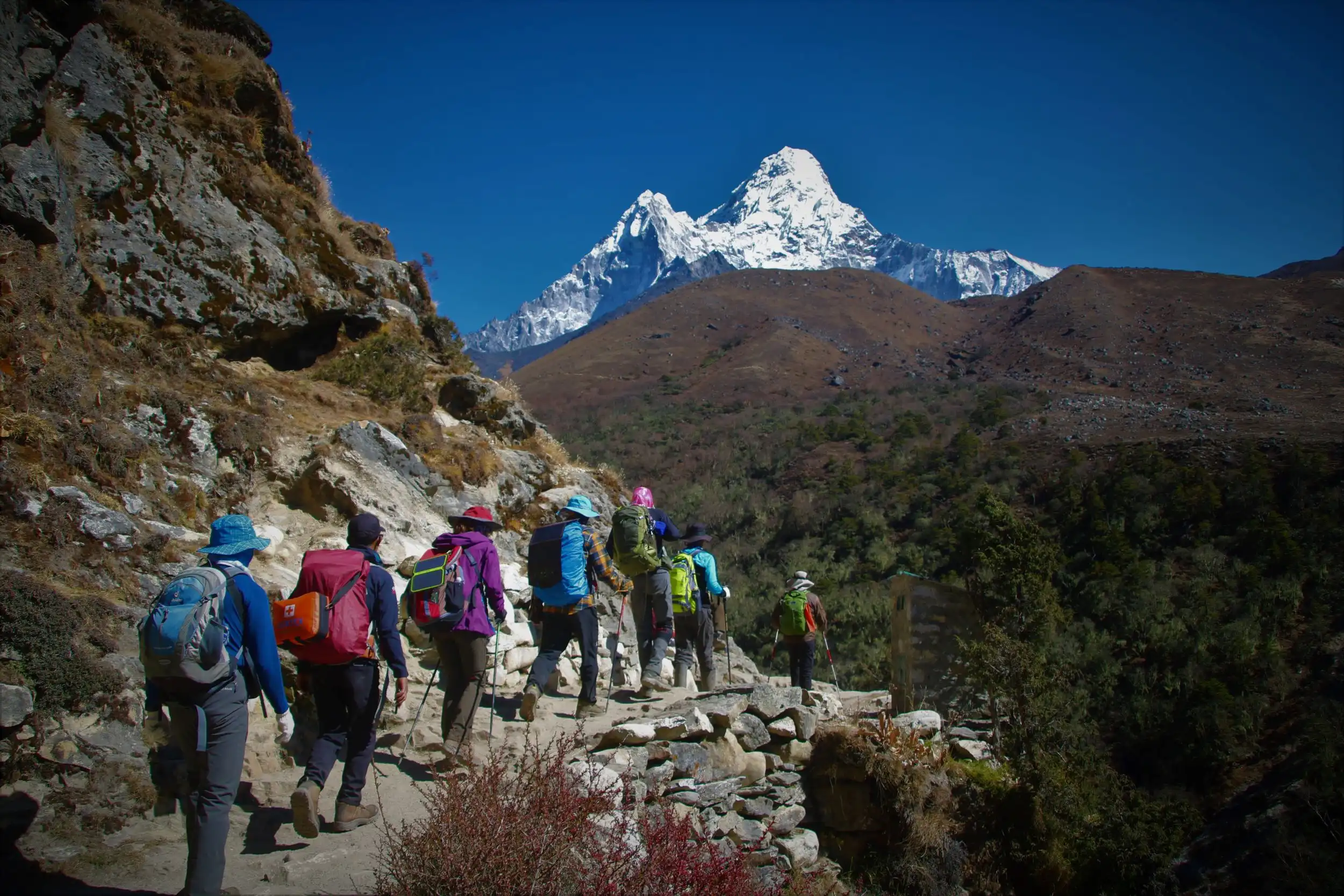
Trekking in Langtang Valley goes through Nepal’s first Himalayan National Park was established in 1971 AD. It is situated in the central Himalayan region encompassing Rasuwa, Nuwakot, and Sindhupalchowk districts. This park covers an area of 1710 sq meters and exceeds the elevation range of 6400 meters. The summit of the Langtang Lirung 7245 m is the highest point in the park. Apart from Langtang Lirung, there are other magnificent mountain peaks that are six thousand to seven thousand meters in range. This park is also famous for several smaller peaks. They are known as trekking peaks. These peaks are called so because one can summit these peaks with just a national park permit and are below the six thousand meters range.
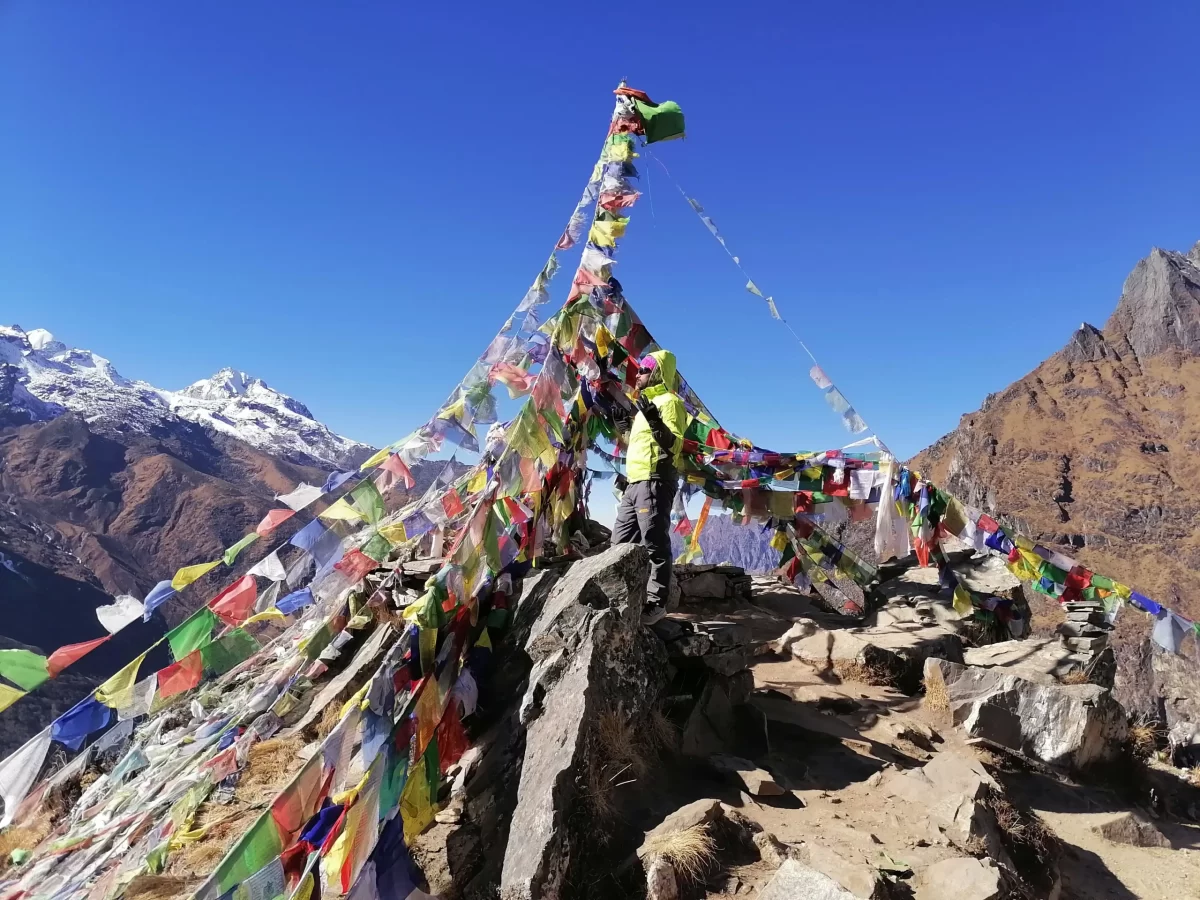
Prayer Flags in Langtang Valley
The southern part of receives monsoon rainfall whereas the northern part elevated above 3000 m receives snowfall. During other seasons, the region is mostly clear and sunny. The Langtang National park has 14 diverse vegetation types, from tropical forests to alpine shrubs. The diverse climatic region allows various types of vegetation like Sal, Rhododendron, Fir, Oak, larch, and others to thrive. We can find various species of wildlife including some endangered ones in this National Park including the Red Panda. The chance of encountering these shy creatures is very slim; however, some mammals like deer, rodents, and various species of birds are common. Other species found in this park are Himalayan black bear, snow leopard, wild dog, ghoral, serow, and more than 250 species of birds.
The Most Popular Activities in Nepal, an amazing country to visit and explore its beautiful landscapes adorn with the age-old culture of the past hundreds of centuries. Where 8th of eight thousand meters peaks from the 14th world’s tallest mountains are located in Nepal, including an array of peaks below 8,000 m, which makes Nepal a premier country for all kinds of adventure.
Nepal covers an area of 147, 181 sq. km. Borders between Tibet / China and India in the South, West, and East of the country. The country is famously known as the land of the high Himalayas and Mt.Everest, and the birthplace of Lord Buddha. Besides capturing the world’s highest peaks, Nepal is known for its friendly people where visitors will be amazed by the warm hospitality of the Nepalese. Nepal, in the past decades, was a Himalayan kingdom ruled by various monarchies, from Kirat, Lichavi, Malla, and the late Shah Kings. At present, the Federal Democratic Republic of Nepal in South East Asia is an interesting fact of Nepal.
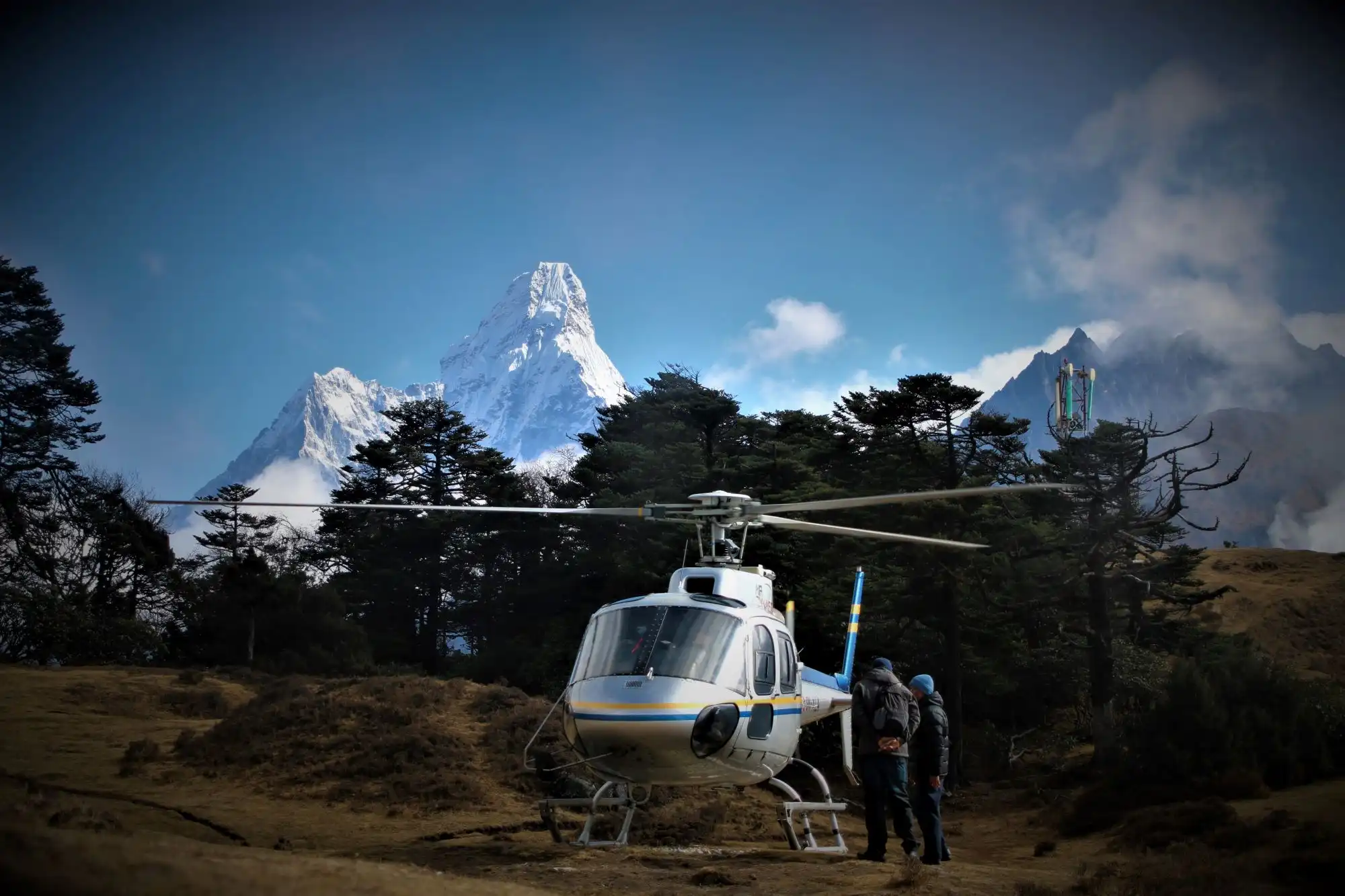
A heli tour in the Everest region
One of the few countries in the world that have always been an independent country. Never been ruled or governed by outside countries from past thousands of years till the present. Nepal is not only famous for the world’s highest mountain range but also includes parts of the Indo-Gangetic Plain. It is the world’s 49th largest by population and 93rd biggest country by area.
As well one of the world’s richest countries concerning great bio-diversity, with its unique geographical position and variation of altitude. Extends from 60 m above sea level to the highest point the top of Mt. Everest, 8,848 m. All within a distance of 150 km which results in various climate changes from sub-tropical-cooler hills to the arctic zone of ice and glaciers.
The country occupies only 0.03 % of the earth, enriched with 2 % of all the flowering plants in the world; 8 % of the world population of birds (more than 857 species); 4 % of mammals on earth; 11 of the world’s 15 families of butterflies (more than 500 species); 600 indigenous plant families; 319 species of exotic orchids. Certainly, a country of charm and beauty where travelers can get engaged in a wide range of adventure activities. From leisure tours, moderate to adventurous trekking, lesser peak climbing, and major mountaineering, including various adventure sports.
Likewise, paragliding, Zip-Flyer / Line, Ultra-Light flights, Bungee Jumping, Cannoning, white-water rafting, mountain biking, and short scenic hike to Sky Jump. Besides, another adventure Nepal is famous for Jungle and Wild-Life Safari, on the lookout for some rare Royal Bengal Tiger. Including other mammals and exotic bird life, all in the comfort of nice luxury resorts around the famous national parks of Chitwan and Bardiya.
Nepal with four main seasons, spring which starts from March to May, Summer-times from June to August, and autumn/fall season from September to November, with winter, which begins in December and till February. The country can be visited whole year-round for various holiday activities and adventure, exploration, research, and outdoor documentary shootings. Besides its high Himalayan peaks with adventure activities, the country is famous for festivals and small or bigger events. This takes place all around the year; Nepal is also famous for pilgrimage for both Hindu and Buddhism, the major religion of the country. Where one can witness Hindu Temples and Buddhist Monasteries close to each other, living in perfect harmony.
Some Glimpse of Nepal:
The Most Popular Activities in Nepal coordinates Latitude and Longitude 28.3949° N, 84.1240° E, the Capital and main commercial hub Kathmandu. Stands at 1,300 m high or more, situated on a valley floor with two major adjoining cities of Patan / Lalitpur and Bhaktapur. The country with a little more than 23 million population, the official and national language is Nepali, where travel-trade people can understand and speak English very well. Nepal with more than 60 ethnic groups and 70 native spoken languages, which makes the country more interesting to visit. As well as to immerse within various cultures and traditional customs of ancient heritage. The main economy is agriculture, with some livestock and farming. The second is tourism, one of the major boosts of the country. The main flow of tourism in Nepal is trekking and mountaineering expeditions due to its many world’s highest peaks concentrated within the country.
The Most Popular Activities in Nepal Guided sightseeing tour of its many famous historical and religious places, where most important and ancient monuments, listed in World Heritage Sites Tour begins from Kathmandu itself, the city steeped with old monuments that include religious temples and monasteries, stupas with the old royal palace. Sightseeing is one of the interesting phases and introduction to its various colorful culture and custom where one can admire the beauty of architectural wonders with intricate carving and works of masterpiece craftsmanship.
Most visitors are unaware that the pagoda style with tiers of roofs originated in Nepal and flourished in China and other Asian countries. Within Kathmandu valley with three great beautiful cities, Kathmandu-Patan / Lalitpur and Bhaktapur, where tour leads to its impressive sites of great cultural and historical interest. Where tour extends to its famous mountain resorts of Nagarkot, Dhulikhel, and Kakani, famous for stunning sunrise and sunset views.Which reflects on an array of Himalayan snow peaks.
Tour of various options beyond Kathmandu valley, one must visit scenic Pokhara located in Nepal Mid-West, a city of great charm and beauty. Blessed with natural wonders of the high Annapurna Himalaya range that reflects on its simmering Phewa and Begnas Lakes. Beyond Pokhara, one can reach further, far south, to Lumbini, the birthplace of Lord Buddha, known as the ‘Light of Asia’.
Trekking and Peak Climbing to Mountaineering Expeditions:
The major flow of tourism in Nepal is trekking, peak climbing, and Mountaineering Expeditions. The main popular region of trekking around Annapurna, Everest, and Langtang areas, due to its accessibility by drive and flight.
The region where most trekking heads towards its high base camps of Everest and Annapurna Himalaya, in the comfort of nice mountain lodges. Apart from the main popular trekking routes, there are many adventure destinations to choose from, that includes from the far-east to western Himalayas region of Nepal. After trekking, lesser peaks below 6,600 m are equally famous for adventurers and beginners in mountaineering climb.
Nepal offers more than 50 trekking peaks across the country, some are highly technical and less technical peaks to climb also. Next on the list is Mountaineering Expeditions, where one can aim for the world’s highest peaks like Mt. Everest and other famous mountains. Likewise, there are many below 8,000 m to less than 7,000 m mountains to choose from all around Nepal Himalayas.
Jungle Safari and Wild-Life Activities:
The Most Popular Activities in Nepal, with varied holiday destinations to enjoy, Jungle Safari, and wild-life activities are also famous. Where one can enjoy a safari on elephant backs and nature walks where you will walk in search of wildlife. Like the endangered Royal Bengal Tiger, One-horned Rhinoceros with many exciting wild animals and exotic bird life.
Famous Jungle Safari and Wild-Life Activities within Chitwan and Bardiya National Parks, around low flat land of Terai belt. Where deep, dense tropical jungles are located for exciting safari and bird-watching programs. Nepal is not the only country with high Himalayan peaks, with snow-dusted limestone peaks, green wide valleys, charming villages, and friendly people. Where one can feel the landscape that bears a kind of haunting beauty.
Mountains are only part of the story; there are also forests, plains, rivers, and wetlands. Travelers will be fascinated facing how mankind and nature co-exist together with an extraordinary landscape. Every turn of the corner reveals another sublime scene.
The Journey to Nepal is just as good as the destination, a blend of traditional and modern influence represented in everything from delicious cuisine to the arts. Where sunrise and sunsets bathe the Himalayan peaks in soft light, but once darkness falls, amazing starry nights display the sky. A great journey with a thousand miles begins with only one step, as all travelers are the same only the habit differ in choosing different trips to Amazing Nepal.
‘The festivals that unite all people of Nepal in merriments’ Dashain is also called Dashera, the biggest festival in Nepal for all Nepalese living all around the world. A festival full of rejoicing and happiness, meeting families, close relatives, and friends, and getting blessed by the elders.
A Bamboo swing during the festival of Dashain
The festival, although a religious event, at present is more of a national festival as a big celebration. Where families and relatives travel from far and wide to receive Tika and blessings from elders on the day of Dashain or Dashera.
The Dashain / Dashera is a celebration since ancient times when dates and years are not recorded in history. But it is known Dashain was celebrated all around the country, even in times when Nepal was not united.
This is the Time from Ghatasthapana onwards. The bright blue sky of autumn is filled with kites of all various colors. The festival is marked with firecrackers also, and the Dashain or Dashera event falls in the Autumn season according to the Hindu Lunar calendar.
The Autumn season is also known as the season of Nepalese Festivals like Dashain, Tihar, Chhat, and many other Hindu Festivals. During this season, travelers can have an excellent opportunity to explore Hindu cultures and traditions with the local people of Nepal.
Why Is Dashain Celebrated In Nepal?
Dashain is the biggest festival in Nepal. It is a significant occasion celebrated among families and close relatives. As well as having merriment gatherings with friends and neighbors.
The unification of Nepal in the 17th century by the great late King and conqueror Prithivi Shah brought more spirits and harmony among all Nepalese, and Dashain was also a victory over evils. Dashain / Dashera, the longest and most significant festival in Nepal, is an occasion for bringing close ones and relatives together. At these momentous events, young and old all in one family celebrate the important events.
A Hindu Goddess, Durga, and a ferocious warrior, created by all the principal Hindu gods. The evil demon was strong with a boon that could not be killed by a male. All the significant gods came up with a solution creating a woman warrior to fight and kill the demon.
Since then, a female Goddess in the form of Durga, the warrior, has fought and killed all the Demons. Then brought peace and harmony among the earthly people, getting blessed by Goddess Durga. From then on, the religious mythology of good over evil continued to this day, celebrated mainly by all Hindus.
How Many Days Is Dashain Celebrated?
The Dashain / Dashera is celebrated for fifteen days till the dawn of Full Moon Purnima. Each day from the start of Dashain is marked with religious and traditional events which begin from the day of Ghatasthapana.
Ghatasthapana:
Ghatasthapana, the beginning of Dashain or Dashera. The public holiday is given to all institutions, schools, and collage from this day. All far away family and relatives make a plan for travel to their home town and villages.
Ghatasthapana is celebrated and marks the beginning of Dashain. On this day, people plant young nursery seeds like barley and maize for Jamara. These seeds are placed in a Nepalese plate called Tapari (made of Saal leaves) and it is kept in the dark corner of the house, which is believed to turn out yellow color. As well as placing a metal brass or silver small water pot on the household shrine, representing Goddess Durga. These rituals continue until the seventh day.
Phulpati Saptami:
The seventh day of Phulpati is an important day for celebrating the festival, traditionally, on this day, royal Kalash, jamara, and sugar cane are tied with red cloth, and Banana stalks are brought by Magar peoples from Gorkha to offer goddess, Durga. People usually bathe with fresh water and don’t eat anything before worshipping the goddess Durga. In every household, people do worship themselves in their own homes. Many Government officials gathered together on the Tundikhel Ground to witness the Event. A long time ago, King used to observe the ceremony. After the Royal family was overthrown in 2008, the president took over the King’s social and religious role after the monarchy.
It is the time of preparing for Dashain from the time of Phulpati onwards till the primary fourth day of Tika when all family members and relatives get ready for the last big day, traveling from far and wide across the country.
The public and Government remain on holiday all around Nepal during these four main and significant events of Dashain.
Maha Ashtami :
The Eight Days Of Festivals Call Maha Asthami This Is the day when the most fierce of goddesses, Durga, magnification the bloodthirsty kali. On this day, people are appeased through the sacrifice of Goats, Buffalo, Hens, and ducks in temples throughout the nation.
This means worship of offering with flowers. On this day, domesticated animals and chickens are butchered, and the blood of the animals and chickens is presented to the shrine of Durga, the warrior Goddess.
Maha Navami:
The Ninth Day Of Dashain is Called Maha Navami. This is the Last Day of the Navaratri ceremony, and rituals reach a peak on this day. Every people in their house worship and sacrifices animals to goddess Durga as well as official military rituals and sacrifices are held in one of the Hanuman dhoka, the Kot courtyard. On this occasion, the state officers sacrificed buffalo and goats under the gunfire.
On Mahanavami, Durga, the mother goddess Devi, is worshipped as it is believed that all the things which help us in making a living should be kept happy. Workers, craftsmen, farmers, and mechanics offer animals and fresh blood to their tools.
Vijaya Dashami, Tika:
The primary day of Vijaya Dashami is also called Tika on the tenth day of Dashain or Dashera, a great occasion. To be on the Time of the significant and central day of Tika, bring all essential items. For the celebration, relatives and grown-up sons and daughters get new clothes for their parents.
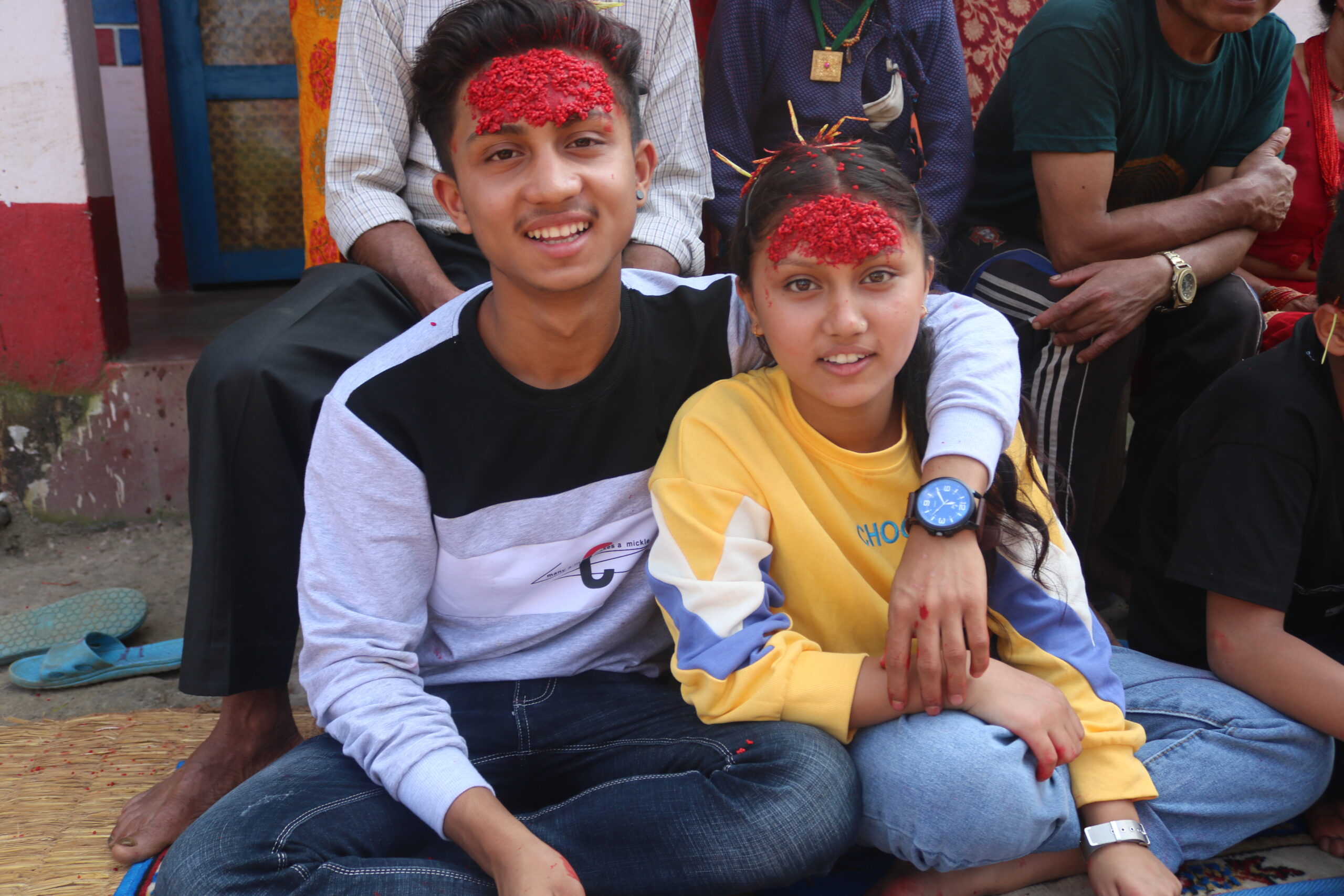
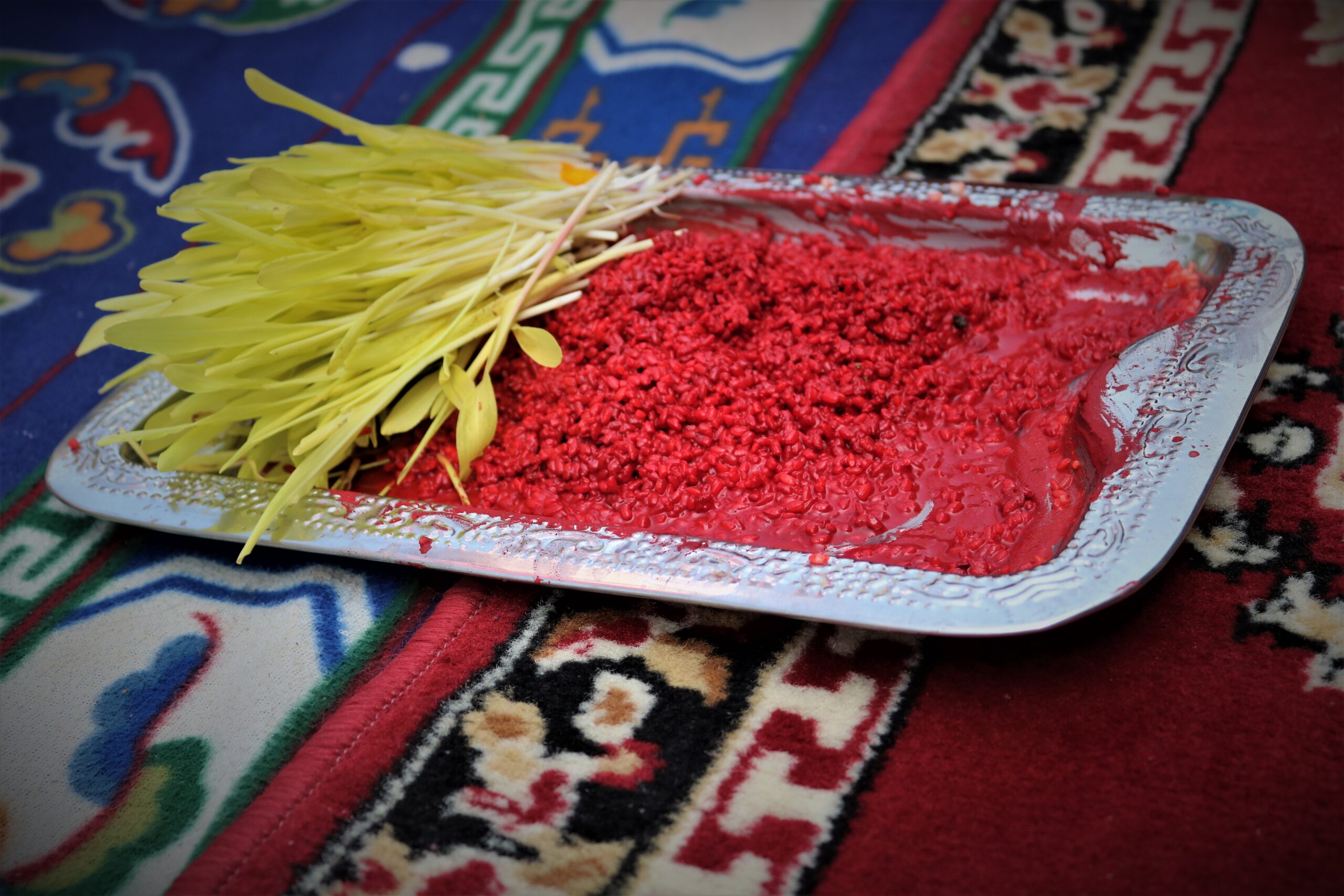
As per the Time predicted by the priest for an auspicious blessing, all family members and relatives gather around. They wear new dresses and brings gifts to the older adult in the house. As per the ritual, the most senior members get blessed first, then followed by the younger ones. The Tika of uncooked rice is made into a paste with curd, where vermillion red color is added.
Where an older person in the family blesses the young ones with Tika and Jamara, the young barley plant.
Dashain Tika
The older person of the family, along with blessing, offers cash to their sons, daughters, and family members until the fifteenth day of Purnima.
The Event Of Dashera Is The Biggest Festival Celebration:
The festivals in Nepal Dashain take place at the beginning of autumn, from the end of September or the first week of October. The Hindu Nepalese calendar is called Bikram Sambat, 56 years ahead of the Gregorian calendar. The Nepalese calendar is the official Government calendar of Nepal and is followed throughout Nepal. However, the Gregorian calendar is also used for tourism and foreign events.
Dashain / Dashera will be a great time to be in Nepal to observe the biggest festival in the country, where one can keep the merriment of Nepalese, especially the children flying kites and enjoying the swings.
Towns and villages have community swings and smaller ferry wheels made for the festival occasion; they bring joy and fun to the kids as well as the older generation also. The swing also helps to digest the food from the big celebration after consuming many foods and visiting from one elder family house to another for blessing and having a good joyful time. On the Dashain / Dashera, gambling also marks the events. Like local dice games and playing cards among family, friends, and neighbors, they make the Dashain more special and memorable.
Dashain Fesitaval in Nepal
Musical Program also takes place during the Dashain time, with cultural folk dancing and singing around the town and villages.
The whole event of Dashain / Dashera exchanging greetings among friends, relatives, and families getting blessed by the older person. The blessing from the most senior family member, followed by the next old members and all family circles. The festival ends on the last fifteenth day of a full moon, the Purnima. All Nepalese enjoy having merriment in pure spirits and a festive mood.
Biggest festival in Nepal / Dashain Festival Date in 2025
15 Day of Dashain (दशैंको दिन)
Name नाम
2025 Date दशैंको मिति
Day 1 / पहिलो दिन
Dashain Begins (दशैं सुरु)
Monday, 22 September 2025
Day 7 / सातौं दिन
Fulpati (फुलपाती)
Monday, 29 September 2025
Day 8 / आठौं दिन
Maha Ashtami (महाअष्टमी)
Tuesday, 30 September 2025
Day 9 / नवौं दिन
Maha Navami ( महा नवमी)
Wednesday, 1 October 2025
Day 10 / दसौं दिन
Vijaya Dashami (Dashami) विजया दशमी टिका
Thursday, 2 October 2025
Day 11 / एघारौं दिन
Ekadashi (एकादशी)
Friday, 3 October 2025
Day 12 / बाह्रौं दिन
Dwadashi (द्वादशी)
Saturday, 4 October 2025
Day 15 / पन्ध्रौं दिन
Kojagrat Purnima (कोजाग्रत पूर्णिमा)
Monday, 6 October 2025
Best Wishes For Dashain Festival !!!
On This Biggest festival of Dashain, We wish you good health, prosperity, and successful life.
‘country of joyful and colorful festivals nearly all year round. ‘Twelve major festivals of Nepal, for a small Himalayan country, is also one of the richest countries in the world. In terms of great amazing bio-diversity due to its unique geographical position and altitude variation. Where the altitude ranges from 60 m above sea level to the highest point Mt. Everest at 8,848.86 m.
All within a distance of 150 km resulting in climatic changes from Sub-tropical-alpine to the Arctic.
Where more than 60 different tribal groups and 70 native languages are spoken, a blend of both Hindu and Buddhism religions. This makes Nepal one of the unique countries. One can find temples and monasteries facing close side by side.
Although nearly 75 % is populated by Hinduism, with 20 % Buddhism and the rest with a minority of Christian, Islamic, and Jainism, the major festivals celebrated in Nepal are more of Hindu religion and culture. Followed by Buddhist religious festivals held around the high Himalayan hills and mountainous regions.
Twelve major festivals of Nepal, one of the joyous events for all Nepalese having public holidays for celebrations. Various occasions, festivals, and religious events are celebrated across the country, as per the community wise.
Most festivals are held around public hot spots, and some big events are celebrated among families and relatives. But all festivals are great occasions that extend from a day to a week, as per the Nepalese Lunar calendar.
Nepal has four main seasons spring from March to May, and autumn or fall starts from September to November. Winter begins from December to February when all 12 major festivals take nearly all seasons of the year.
Celebration of Indra Jatra
01: Indra Jatra:
Worship is dedicated to the god of rains for yielding good harvest, which is a week-long event during the Indra Jatra festival. It takes place in September months as per the Nepali and Hindu Lunar calendars). The main event of Indra Jatra, a major festival, takes place within the three main cities of Kathmandu valley.
The center of Kathmandu city begins by hoisting Lord Indri’s flag (Indra-Dhoj) at midnight, worship of Bhairava’s deities which are displayed in major public places.
Indra, the king of heaven and rains, at the end of wet monsoon times, farmers hope for a rich harvest. Where all Nepalese praise the god of rain for help and support to yield a good harvest of crops.
For a week, Kathmandu’s main Durbar Square / old palace courtyard is the main focus of the celebration. In honor of the “King of Heaven,” Indra-Dhoj, or flag, is hoisted on the first day. The belief is that, for hundreds of centuries, Indri’s mother needed special scented flowers. But could not find them in the garden of heaven. Then Indra discovered Parijat (gladiolus) flowers around Kathmandu Valley. He picked on his mother’s behalf, but he was caught and imprisoned by the Kathmandu valley people.
When Indri’s mother came searching for her son, the people regretted what they had done. So they released Indra and dedicated the festival in respect to appease Indri’s anger. Masks and statues representing Vishnu, Bhairab, and Shiva are shown to the public Goddess Kumari. The Living goddess observes the festival from her chariot, a lively event and occasion to observe.
02: Dashain / Dashera:
The main and major festivals of Nepal it is rather national occasions than religious events. Which lasts for more than a week till the dawn of Full Moon time, but the people get busy for a month time preparing for the big event of Dashain or Dashera.
All people stay at home with their families for the main big events of Dashain.
The perfect time when colorful Kites decorate the clear blue sky, and every shop and market is crowded, where farmers and villagers bring their goats, buffaloes, ducks, and chickens to sell.
The domestic animals are sacrificed on the night of ‘Kala Ratri’ in respect to goddess Durga celebrating the victory over evils.
On the main auspicious day of Dashain, everyone in new attire pays homage to the older person of the family members. The younger generations receive a blessing with ‘Tika’ uncooked rice mixed with curd makes a paste to stick on the foreheads. Where the elderly person of the family also presents with some cash along with the blessing.
In the following days of the Dashain, families, and friends unite and celebrate with large feasts. Gets blessing with gifts, a major occasion for Nepalese and the most beloved festival that ends in a full moon.
03: Tihar / Diwali (festival of lights):
Another major and important festival in Nepal, especially for Hindu worshippers, is held at the end of October or early November.
The Hindu Lunar calendar marks special auspicious occasions.
Tihar, or Diwali, is the second big and major festival for all Hindu Nepalese, which is also called the festival of lights. The night glitter with candle lights and oil lamps, as well as tinsel decorations and festive-colored sweets.
The three different days are celebrated offerings to animals and birds.
The first is crow day, the second a dog’s day, and the third main event is cows and oxen days.
On the night of the 3rd, the cow’s day is dedicated to Goddess Laxmi, where every house performs a prayer. The balcony and houses are decorated with garlands and bright lamps to welcome the goddess Laxmi for wealth and fortune.
At the same time, the native Newar of Kathmandu valley celebrates an event called Maha Puja, or New Year’s Day. Related to the Nepal Era, it also falls on the days of Tihar.
The last day of Tihar is celebrated with Bhai Tika, the brothers’ blessing day, which is the end of Tihar. The ritual of breaking wall-nuts, offering garlands by sisters to their brothers, a blessing against Evil and Bad omens.
The festival of Tihar is marked by boys and girls visiting every house in the neighborhood, singing, and dancing. In return receives cash and some food and fruits from marking the auspicious night of Tihar.
04: Maghe Sankranti:
Maghe Sankranti is celebrated during the cold winter month of mid-January as per the Hindu Lunar calendar. A celebration of the harvest festival, most Nepalese of the Hindu religion take a dip in the rivers and ponds. Worship of the Sun God, especially the holy dip and bathe, is to purify the self and bestow from sins.
Special puja is performed as thanksgiving for a good harvest where Nepalese consume underground edible plant roots.
05: Shivaratri:
Shiva Ratri is a celebration of Lord Shiva’s birth anniversary, which falls at the end of the winter months in mid-February. Sometimes takes place in the first week of March as per the Hindu calendar, a religious celebration for all Hindus.
The main event of Maha Shiva Ratri, or the night of Shiva, is known as the god of destruction. The worship and prayer are observed in the Hindu holy temple of Pashupatinath in Kathmandu as well as in other Shiva temples around the country, where a public holiday is observed.
Lord Shiva is one of the Hindu’s most popular gods. During Maha Shivaratri’s “Great Night.” Followers throughout the Indian sub-continent crowd the Pashupatinath temple for worship and blessings.
The devotees pray to Shiva’s image inside the temple at midnight and in long queues for all day to catch a glimpse of Lord Shiva’s image, which is a statue of a Phallus. Bonfires are lit around the neighborhood, where friends and relatives share food, and people enjoy two nights with music, song, and dances throughout the Pashupatinath complex and on the streets.
06: HOLI (Fagu Purnima) The festival of colors:
The Holi is the festival of colors, which is also to welcome the spring season after a cold winter. Held in March or April as per the Hindu calendar, marking the end of winter. To rejoice over the start of a fresh season of springtime, one of the best and perfect seasons to celebrate. Where all Nepalese play with different colored powder and water among each other, which is also making friends.
After being separated by wrongdoings and uniting all people of the neighborhood, friends, and families.
07: Nepali New Year A Day-Bikram Sambat around April months:
Nepalese New Year is unique to the Gregorian calendar. In Nepal, the New Year is observed in the middle of April, which is called Bikram Sambat, 57 years ahead of the Gregorian calendar, alongside Nepal Sambat. It is one of the two official calendars used in Nepal. A day is observed wonderfully with pomp and ceremony with public holidays. Musical and sports events are organized to mark the Nepalese New Year’s day of Nepal Sambat.
08: Ram Nawami / Chaite Dashain:
Celebrated the victory over evils, as per the epic story of Ramayana, who defeated Rawan. The celebration falls in April and is observed as a sacred day on which Lord Rama. Who incarnated on this earth to do away with the evils, devotees keep fasting and worship lord Rama. This is also the time of Nepalese Chaita Dashain in honor of good over evil. A long time ago, it was a major Dashain due to the wrong time of summer to celebrate. The Dashain was shifted to the autumn season, but still, Nepalese observed the festival events.
09: Buddha Jayanti:
Buddha Jayanti marks the birth anniversary of Lord Buddha, known as the ‘Light of Asia.’ Falls around May, the ever-benevolent Lord Buddha was born in Nepal.
Which is the day and night of the full moon; the Buddha’s birth, enlightenment, and salvation are celebrated throughout the country. The day with a public holiday to visit and pay homage to monasteries and religious sites of Buddha. Swayambhunath and Bouddhanath Stupas are prepared for the oncoming festivities several days in advance.
10: Janai Purnima & Ghai Jatra:
A great Ghai Jatra is celebrated among the Newar community of Kathmandu valley. Held in the monsoon time of August as per the Hindu calendar, a colorful religious procession of cows and people in weird attire dressed as clowns painted figures of cows with a procession around the marketplaces.
Relatives of the deceased send religious groups to join the procession. The ‘Ghai’ or cow is holy to Hindus. She represents Laxmi, the goddess of wealth, and guides the souls of the departed to the gates of Heaven / Paradise.
Ghai Jatra is also full of satire, jokes, fancy costumes, and colorful processions, which are the event of the day. The story and history recall that 18th-century king who rallied his people to cheer and bring a smile to his queen upon the death of their son.
The Janai Purnima celebration for all Hindu people is a change of holy threads where pilgrims and devotees visit holy sites. Especially around the Himalayas, glacial ponds are regarded as sacred. The most important holy site for Jani Purnima, or the full moon, is the Gosainkunda pond around the Langtang Himal range.
Thousands of pilgrims and devotees visit for a holy dip and a bath to cleanse the sin of a hundred lifetimes. At the same menfolk changes their holy threads into a new one, which is the restriction from wrongdoings.
11: Shree Krishna Janam Asthami:
A celebration of Lord Krishna’s birth anniversary, which falls in July or August as per the Hindu calendar. A public holiday to celebrate and visit the Hindu temple of Lord Krishna, especially in Patan / Lalitpur city. Stands a beautiful old 8th-century Krishna temple, where the crowd gathers for worship and blessing.
The Hindus observe it by remaining awake the whole night, performing religious dances, and singing in praise of Lord Krishna.
12: Teej – Festival For Women:
Although a Hindu festival, it is more important to Nepalese women and young teenage girls. Celebrated across the country for three days having a great feast and fasting at the end of the Teej day.
The event falls in August as per the Hindu calendar; Teej is the fasting festival of women in Nepal. Married women observe Teej by fasting in honor of Lord Shiva and for the long and healthy life of their husbands.
Unmarried girls also observe fast the day to get the right choice of husband. Traditional dances and songs make an important feature of Teej celebrations.
The red color is considered auspicious for women observing Teej and so most of them dress up in red or bridal clothes.
‘Nepal is a premier country for all types of adventure activities’20 best trekking in Nepal Himalayas, as well there are more exciting places. But in this text, we would like to describe the major and renowned region for travelers to enjoy the adventure.
Nepal is a country with the world’s highest peaks and mountain ranges which makes it one of the most sought adventure destinations, where world’s tallest 8th peaks are Nepal, namely Mt. Everest, Lhotse, Kanchenjunga, Makalu and Cho-Oyu, Dhaulagiri, Manaslu with Annapurna.
All these highest mountains are above 8,000 m, where trekkers can venture to the base camps. Besides 8,000 m base camps, the Himalayas offers great traverses crossing over high scenic passes. The beauty and charm of trekking around Nepal Himalayas is the warm hospitality of the local natives, where trekkers can find refuge in the best mountain lodges and tea houses, as well as having good food throughout the treks.The country offers various amazing trekking adventures suitable for all types of travelers and age groups. From short moderate-grade walks of a few days to a week, or enjoy adventurous to challenging treks.
Best Trekking in Nepal, Most popular mainstream trekking areas around Nepal Himalayas, where travelers can stay overnight in the comfort of nice, cozy lodges.
On off the beaten trails, away and beyond villages and main settlements.
Best Trekking in Nepal, Trekkers will be provided with full-tented camping facilities backed by separate kitchen units for cooks and kitchen staff.
Tented Camping trekking is mostly required on remote trekking destinations like around the Far East and Far Western Himalayan region as well as in some hidden areas where lodges are not available, where camping equipment needs to be carried.
Twenty Best Trekking Destinations around Nepal Himalayas allows travelers to choose various options, as per one interest and duration wise.
Annapurna Sanctuary
Annapurna Himalaya Region:
Annapurna Himalaya region one of the best trekking in Nepal with the view of towering mountain range around the Himalayas offers various exciting adventure destinations.
01: Ghorepani Poon Hill Trek:
Ghorepani poon hill trek is one of the most popular and favored short trekking of less than a week. A moderate trek of a few days walks starts and ends at beautiful Pokhara city, located in Nepal Mid-West around Annapurna Himalayas.
Involves a short drive to the starting point of the trek, then walking through low, warm farm villages. A steep climb leads to cooler hills and walks through a lovely rhododendron forest reaching Ghorepani village.
Best Trekking in Nepal, A scenic spot situated at the base of the famous Poon Hill view-point, the highest spot at 3,210 m.
An early morning hour hike to Poon Hill, on top, enjoy the stunning sunrise views. Includes panorama of the world’s three highest mountain ranges Mt. Dhaulagiri,
Mt. Annapurna and Mt. Manaslu with majestic Machhapuchare Himal.
After an enjoyable and exciting moment, either head downhill on the same route or take an alternative route. Where walk leads ups and down in the shade of beautiful rhododendron woods, reaching the large Ghandruk village.
Then concluding the trek taking an interesting drive back to Pokhara.
02: Mardi Himal Trekking:
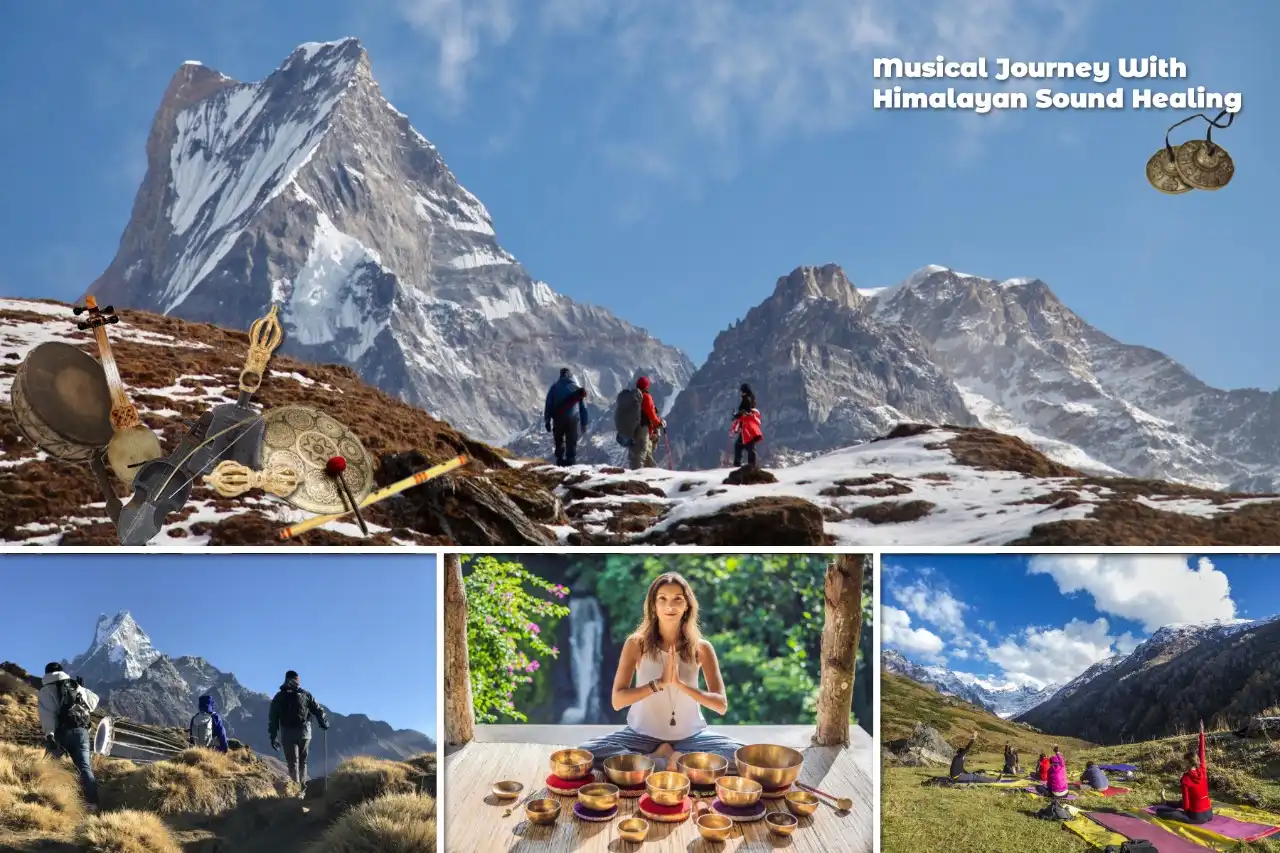
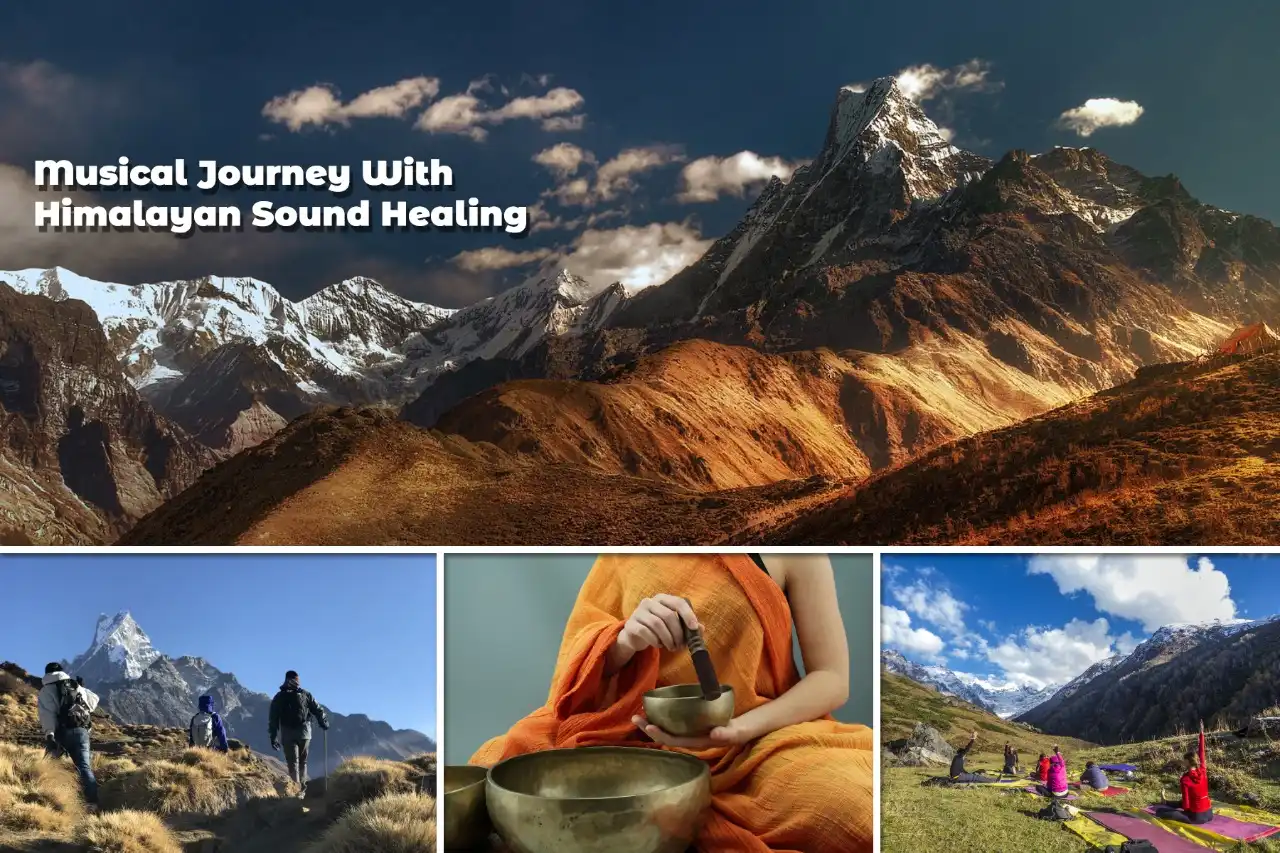
Best Trekking in Nepal, Mardi Himal Trekking & Musical journey with Himalayan sound healing, a lovely country walks of a week’s duration which is part of Annapurna Himalaya’s southern range. The trek starts and ends in scenic Pokhara, a leading tourist holiday destination. A short drive takes leads to the trekking point of the trek and then heads uphill into cooler green hills.
The walk leads past a few farm villages facing constant views of the Annapurna Himalayan range of peaks. The route leads beyond human settlements and villages through dense tree lines of firs, pine, and rhododendron. Finally, the climb leads to High Camp at 3,700 m for an overnight halt in a nice simple lodge.
Next day 3-4 hours of good hike to the top of Mardi Himal View-Point at 4,500 m / 14,850 feet. Enjoy the dramatic scenery of rolling green hills and valleys with a panorama of the Annapurna Himalayas. Overlooking the closest views of majestic Machhapuchare Himal, the famous Fish-Tail peak with Mardi Himal at 5,587 m high. After exciting views and adventurous walks, a long descent leads to the low, warm farm village of Siding, where a short, interesting drive brings you back to beautiful Pokhara after a great wonderful experience on the Mardi Himal Trek.
03: Annapurna Base Camp & Sanctuary Trekking:
Annapurna Base Camp & Sanctuary Trek is an amazing and scenic walk, as well as one of the shortest base camp adventures. A wonderful trek of a week duration, from Pokhara to Pokhara, with a short drive both ways.
Trek leads above low, warm fields and then climbs up to cooler hills with ever-present views of the Annapurna Himalayas. Walk through the large village of Chomrong and then enter a Modi River gorge amidst forest surroundings.
Where the walk follows the Modi River upstream right up to its glacial source at Annapurna Sanctuary and base camp.
Annapurna base camp trek is one of the safest treks in terms of high altitude, where elevation gains slowly at a gradual pace. Reaching the height of 4,130 m, the highest point of the adventure is a magnificent location. The only base camp trek in the whole Himalayas with facilities of a lodge in the heart of massif Annapurna Himalayas. Where you will be standing beneath the world’s 10th Highest Mt. Annapurna-I, which towers high at 8,091 m, Mt. Annapurna-I, was the first 8,000 m peaks ever climbed way back in 1950’s by French Expedition.
Which was three years ahead before Mt. Everest was summited by Tenzing & Hillary in 1953. After a grand moment enjoying the dramatic scenery of Annapurna’s massive peaks, return journey downhill and back to Pokhara.
04: Annapurna Circuit Trekking:
Best Trekking in Nepal, Annapurna circuit is one of the best trekking in Nepal with scenic and classic adventures around the Himalayan range. Listed as one of the world’s top ten adventure destinations due to its varied change in landscapes, vegetation, altitude, and cultures.
Where trail follows from low, warm sub-tropical to cooler hills and ends at an arctic zone of ice and glaciers, adventurous walks from north to south of the massif Annapurna Himalaya range of peaks, facing everlasting views of snow peaks.
Annapurna Circuit Trekking of two-week duration leads you towards the north of Annapurna Himalayas at beautiful Manang valley. Enjoy the fabulous ancient culture of Buddhism and its old monastery, where the trail is lined with prayer monuments. Walk follows to the lovely villages of Pisang, Hondre, Braga, and Manang, enclosed by towering snow peaks. Chulu’s towards the north with Annapurna Himalayas in the south, having time for acclimatization days at Manang 3,550 m high. From Manang, the adventure leads to crossing the high Thorang-La Pass at 5,416 m. The pass forms the boundary.
Between the districts of Manang & Mustang, after a tough climb, a long descent to the Mustang area at Muktinath. A holy Hindu temple and major pilgrimage site for Hindu followers, a scenic spot with a nice windblown village.
After Muktinath, head towards Kaligandaki River through Jomsom town and the charming villages of Marpha and Tukuche, the journey leads to the world’s deepest gorge Kaligandaki River, sandwiched between the giant peaks of Dhaulagiri and Annapurna. The walk leads to a low warm country at Tatopani, a lovely village with a natural hot spring.
The adventure continues heading uphill to a cooler region within a beautiful forest of rhododendron, reaching Ghorepani a famous village. Located beneath scenic Poon Hill, where the morning hike takes you on top for alluring views of the sunrise.
From Ghorepani and Poon Hill, a long descent to a roadhead for an exciting drive to beautiful Pokhara. A charming city blessed with natural wonders of snow peaks and lakes. A perfect place to enjoy after concluding the Annapurna Circuit Trek.
05: Tilicho Lake and Thorong La Pass Trekking:
Another beautiful adventure within Manang areas is a trek to a scenic turquoise-colored lake, following the same trail of Annapurna Circuit. From Manang village, the route to Tilicho Lake diverts, heading towards a wild hidden country beyond Manang valley. After a few days of good walks ups and down, reaching Tilicho Base Camp, a small settlement with few lodges.
Walk to Tilicho Lake, which holds the world’s highest lake at an altitude of 4,919 meters high. Enjoy the glorious vista of snow-capped peaks that surrounds the exciting scenic country of Tilicho Lake.
After an enjoyable moment, head back towards the main trail of Annapurna Circuit as the walk leads to the high Thorang-La Pass. A steep climb of a few hours, reaching on top the highest point of the adventure at 5,416 m. Enjoy the fabulous scenery of the Snow Mountains that surround the scenic Thorang-La Pass.
A long descent leads to the Mustang region at Muktinath, a village with a holy temple and an important pilgrimage site. For all Hindus, from Muktinath, a pleasant scenic walk down to Kaligandaki River valley. A walk takes you to a large Jomsom town, the headquarters of the Mustang district. From Jomsom, a swift short, and panoramic flight brings you to beautiful Pokhara, after a wonderful experience on Tilicho Lake & Semi Annapurna Circuit Trek.
Everest Region Trekking:
Best Trekking in Nepal, Everest Region is one of the best trekking destinations in Nepal Himalayas. Where trekkers can enjoy various types of adventures, from moderate to challenging treks and crossing high scenic passes. Everest region offers one of the best high-altitude trekking adventures in the harmony of immense local cultures.
Trekking in Everest Region
06: Everest Base Camp Trekking:
Everest base camp is the dream of millions of adventurers and trekkers to set foot beneath the world’s number one, Mt. Everest. One of the best high-altitude treks and adventures, where the walk leads on a scenic and straightforward trail.
Besides, the lovely views along the walk, one can enjoy the local immense cultures of the Sherpa people and the highlanders of Everest. The trail leads to lovely traditional villages through Phakding, Monjo, and Namche Bazaar the hub of Khumbu Sherpa.
Trek leads to beautiful places like Tengboche and its majestic monastery, and lush green rhododendron and pine forest. The walk continues heading higher terrain towards mountain wilderness, visiting nice settlements of Pangboche, Dingboche, and Lobuche. Then finally, to the main highlight at Everest Base Camp, which is at a height of 5,364 m. Enjoy the dramatic scenery of arctic landscapes of ice and glaciers with close views of massif Khumbu Ice-Fall.
After an enjoyable moment at Everest base camp, includes another adventure that is part of the journey. A steep climb up to the famous view-point hill of Kalapathar, the highest point of the adventure. Stand on top at 5,545 m high, facing the closest views of Mt. Everest with incredible scenery of giant peaks.
On completing the major highlights of exploring the world’s highest terrain, a long downhill walk leads you to Lukla where an exciting flight brings you back to Kathmandu, after a great experience on the Everest base camp trek.
07: Everest Gokyo Lake & Gokyo Ri Trekking:
Besides the favorite trek to Everest base camp, Gokyo valley and its scenic glacial lakes are quite exciting to experience. An adventure of more than a week takes you away from the main busy trail to the far north corners of Khumbu.
Gokyo Valley is a picturesque country enclosed by towering peaks where the walk takes you to high Gokyo-Ri at 5, 357 m. Rewards with a spectacular panorama of the world’s four highest peaks at one single glance, facing views of Mt. Everest.
Includes Lhotse, Makalu, and Cho-Oyu with scenic Gokyo valley and its serene lakes, as well as Nepal’s longest Ngozumpa glacier.
08: Everest base camp Trek With Cho-La Pass:
Another adventurous trek is where one can enjoy the scenic walk to Everest base camp trek with Gokyo valley and Chola Pass with beautiful glacial lakes. As well as reaching the high viewpoint of Kala Patthar Gokyo-Ri Everest base camp and Chola Pass. Crossing over the 5,420 m high Chola pass. A great combination and two scenic areas of Khumbu in one single trek. Covering both exciting destinations with a total duration of more than 2 weeks.
09: Everest Three High Passes Trek:
Everest Three High passes trek is a great adventure, a traverse from one beautiful area of Khumbu to another scenic valley. A complete trek covering all major highlights of the Everest region, from main trails to off-the-beaten tracks.
Crossing passes of above 5,000 m with a visit to Everest base camp, Kalapathar, and then towards Gokyo Valley. Finally ending at Thame village on the western side of the Khumbu and Everest region.
The passes involve being Kongma-La at 5,535 m, Cho-La Pass at 5,420 m, and Renjo-La at 5,360 m high. An adventure of more than 2 weeks long from Lukla to Lukla, the starting and ending point of trekking.
10: Tengboche Mt. Everest Panorama Trek:
Tengboche Mt. Everest panorama trek is a short, moderate adventure of a week duration, a perfect trek for all types of travelers. From families to elderly people walking leads to slow gain of altitude with ample time to get acclimatize. Have a rest day at the famous Namche Bazaar to explore the local culture, and then head towards scenic Tengboche.
A beautiful spot amidst lovely forest surrounding, facing a grand panorama of Everest and Lhotse with an array of giant peaks. At Tengboche, a tour of an impressive monastery of great religious and cultural interest.
Langtang Himal Region:
Langtang Himal Region is a great adventure destination as well as the nearest Himalaya range from the capital Kathmandu. Langtang Himal Region offers various scenic and cultural treks, which is one of the most popular trekking areas.
After Annapurna and Everest region, great country walks are suitable for all travelers and age groups.
11: Langtang Valley Trek:
Langtang Valley trek is a moderate adventure of week duration, scenic and cultural walks. Where altitude gains at a slow pace, which makes the trek interesting, reaching the highest spot at Kyanjin around Langtang Valley.
Reaching at the height of 749 m / 12,371 feet high within scenic Langtang valley at Kyanjin. The walk takes you through a lovely forest of rhododendron, pines, and oaks; during springtime, the wildflowers will be in full bloom. While at Kyanjin, one can explore the high viewpoint of Kyanjin-Ri and Tserko-Ri, which offers spectacular views of the whole Langtang Himal range. Includes drive both ways from Kathmandu to Syabrubesi village.
12: Langtang Valley & Gosainkunda Trek:
Langtang valley and Gosainkunda trek is an adventure that leads to both beautiful areas of the Langtang Himal region. A trek of two weeks covers the scenic Langtang Valley and then the holy glacial pond of Gosainkunda.
A sacred pilgrimage site for all Hindu followers where once a year, a great religious festival takes place. The month of August as per the Hindu Lunar calendar, falls within the full moon. From Gosainkunda, the adventure leads to a high pass above 4,609 m high, facing a grand vista. Includes views of Langtang and Central Himalayas as far as Ganesh, Manaslu, and Annapurna Himalaya range.
The walk leads towards the eastern rim of Kathmandu valley, where this beautiful trekking completes.
13: Tamang Heritage Trail Trekking:
Tamang heritage trail trekking is more than a week of scenic and cultural country walks, exploring the local immense Tamang cultures. One of the ancient indigenous mountain tribes of Nepal Himalayas, trekkers can witness amazing traditional heritage customs. As it were for the past thousands of centuries, visiting nice traditional villages and immersing with the local community.
The trek takes you from one Tamang village to another scenic location and crosses high Nagethali Hill at 3,165 m. From the top enjoy the grand panorama of the Langtang, Ganesh, and Manaslu Himalaya range of snow peaks.
Ganesh Himal And Manaslu Region:
Ganesh Himal & Manaslu Region, located Far Mid-West of Nepal Himalayas, is one of the least visited regions. A great adventure within Gorkha and Dhading districts as well the trek extends as far as the Manang area.
14: Ruby valley and Ganesh Himal Trek:
Ruby Valley and Ganesh Himal Trek of more than a week of adventure, walking towards the complete wilderness. Ruby valley trek explores the least explored areas of the central Himalayas and its beautiful scenic valley. The walk leads past human settlements and villages for some days in absolutely tranquil surroundings of lovely woods and high snow peaks.
15: Manaslu Circuit Trek:
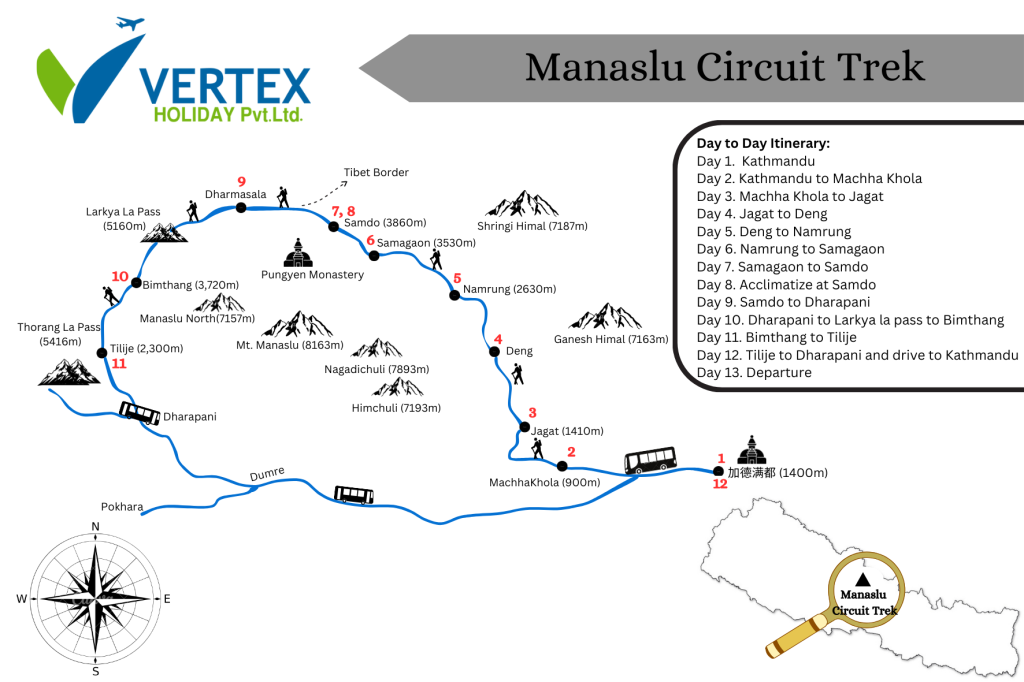
Manaslu Circuit Trek is located around Mid-Western Himalaya close to Annapurna and Ganesh Himal ranges. One of the restricted areas of Nepal, which was open for visitors from 1992 onwards. All outside visitors require special permits to enter the high Manaslu valley, a wonderful adventure destination where the walk leads around the world’s 8th highest Mt. Manaslu and crosses the high Larke-La pass at 5,106 m.
A mesmerizing and wonderful experience to achieve this marvelous adventure exploring local immense cultures and scenic landscapes. Manaslu circuit trek is An adventure of less than two-week treks that involves exciting drives both ways.
16: Tsum Valley Trek:
Tsum valley trek falls within a restricted area of Nepal, which was open to outside visitors from 2008 onwards. Where all trekkers need to obtain a special permit to enter the once-forbidden land. Tsum is the valley of happiness, a raw and virgin country well hidden from the rest of the world where trekkers can explore the remote, isolated villages and their impressive culture of ancient Buddhism heritage.
A trek of two weeks takes you as far as Mu Gompa at 3,700 m high, and visit Rachen Gompa. The walk takes you around traditional cultural villages in the shadow of high Manaslu and Ganesh Himal.
Far Estern Himalayas:
Far Eastern Himalayas, around Makalu and Kanchenjunga region, is one of the least explored areas. Due to its remote location, where the world’s 3rd and 5th highest peaks are located, a great adventure following the off-beaten tracks.
17: Makalu Base Camp Trekking:
Makalu base camp trekking leads you to the world’s 5th highest peak
Mt. Makalu rises to the height of 8,463 m. Located Nepal Far North East beyond Mt. Everest, a scenic and beautiful country to explore. The walk takes you from the low Arun valley to the high Barun valley, enriched with exotic flora and fauna. The adventure takes you beyond villages and human settlements for more than a week within pure mountain wilderness. Makalu base camp, due to its remoteness, involves flights both ways from Kathmandu to low, warm Tumlingtar airport.
18: Kanchenjunga base camp trek:
Kanchenjunga base camp trekking is an exclusive adventure towards the far eastern rim of the Nepal Himalayas. One of the longest-duration trekking adventures covers both North and South Base Camps. Walking from dense green forest to remorseless fields of ice and glaciers, the trek involves flight both ways.
Includes an exciting drive to start and end the trek of more than 3 weeks.
Far Western Himalayas:
19: Upper / Lower Dolpo Trekking.
Upper and Lower Dolpo Trekking fall within the restricted area of Nepal located far northwestern Himalayas. The Upper Dolpo of more than 3 weeks of adventure takes you to beautiful Phoksundo Lake. Then heading towards high and remote Shey Gompa, the crystal monastery. A perfect adventure for people interested in pure wilderness and off-the beaten tracks.
Similarly, Lower Dolpo takes you to scenic Phoksundo Lake and crosses high Baga-La, and Numa-La passes of above 5,000 m. An exciting walk exploring the lovely villages of Ringmo, Tokyu, and Tarakot. A trek of two-week duration involves flights both ways from Kathmandu to Jhupal via Nepalgunj airport.
20: Upper Mustang Trekking.
Upper Mustang trekking, once a forbidden country with its walled kingdom of Lo-Manthang. An ever-exciting and picturesque land, which is an extension of the Tibetan southwest plateau. Which is also the major Trans Himalaya Salt Trade Route between Nepal and Tibet / China. Where trade still exists through the Karo-La pass, which is beyond Lo-Manthang. A wild country steeped with high windblown canyons and eroded high cliffs and Snow Mountains. An exciting place to explore its beautiful villages and monasteries adorned with age-old heritage and ancient culture of Buddhism. Upper Mustang falls within Restricted Area opened for outside travelers in 1992; a special permit is required to enter Upper Mustang.
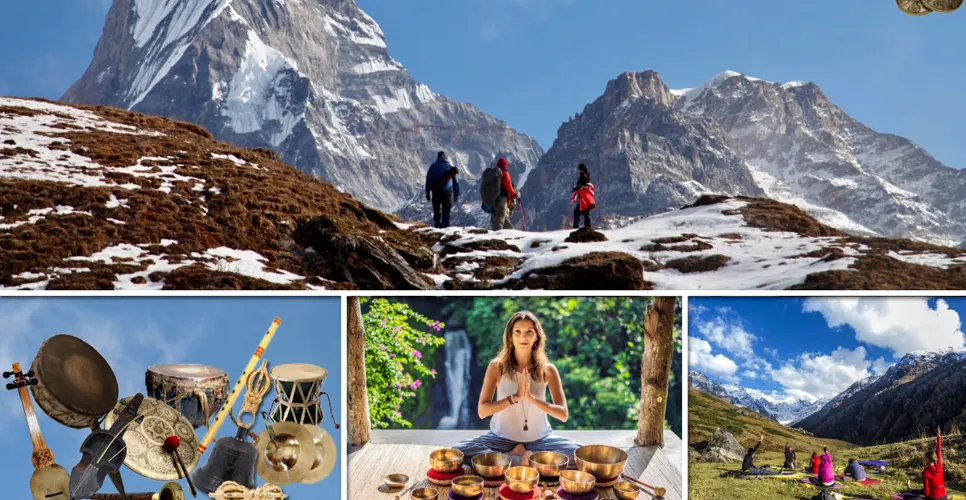
Typically, the benefits of Himalayan Sound Healing is that the music inspires people’s life from spiritual awareness, spiritual relaxation, and peace in a person’s life and feelings.
Therefore, Sound healing is an amazing ancient meditative practice to connect one’s inner self with calmness, pleasures, and peace by maintaining a physical and mental state by constantly seeking through the use variety of sacred musical instruments like vocals or objects like Gongs (Tuned at strategic frequencies), Tibetan singing bowls and tuning forks are used to create healing vibrations around the different parts of body and mind to bring in a meditative state.
Basically Sound, Healing refers to a state of an incident that enhances an individual’s mindset by relieving or removing one’s mind from stress, insomnia, anxiety, and depression from their life and also maintains unstable mental thoughts. It balances and brings the disturbed minds of an individual into a clear and creative mind by renewing their sense of humor and state of feelings in order to make a person well-being, calm, and joyful.
Although this service is used widely, people suffering from conditions like depression and trauma frequently use sound healing techniques as a form of therapy.
Why Sound Healing In the Himalayan Region?
While traveling through the clean, soothing, peaceful, and spiritual environment of the Himalayan Region, travelers themselves find it courageous to start their ongoing trek with the practice of sound healing therapy.
The main benefits of Himalayan Sound Healing is that it helps travelers to lower their pressure condition, maintain stability in their emotions and mood swings as well as improve sleep in time.
A person can develop a positive vision and creative, logical inventions in his mind to deal with difficulties and problems of their physical and mental status while trekking in the high Himalayas with the help of relaxing music and sound healing therapy.
People who frequently practice meditation while traveling are able to develop mental as well as emotional balance in them by finding patience within their minds, which is appropriate for an adventurous trek. Sound healing therapy can be done in the peaceful and wonderful environment of the Himalayan Region. While trekking in the mountains, music and sound healing therapy can be done in any situation, and simply doesn’t matter how we are. If you are interested in knowing the benefits of Himalayan Sound Healing trekking , then Vertex Holiday recommends you to explore it yourself.
Sound healing and music are essential aspects to connect a person’s inner self with peace, calmness, and a soothing mind. Music or sound can differ according to every religion, ethnic group, and cultural aspect of life.
Nepal is blessed with a unique diversity of natural scenic beauty and diverse cultural aspects, which can be found in art and music. From the top of the world to the deepest gorge and Mechi to Mahakali. This multi-dimensional cultural heritage encompasses within itself the cultural diversities of various ethnic, tribal, and social groups inhabiting different altitudes, and it manifests in various forms: music and dance; art and craft; folklore and folktales; languages and literature; philosophy and religion; festivals and celebrations; and foods and drinks.
Nepal has many musical genres, but Nepalese folk music holds great significance in the country. The local music of Nepal is played on various occasions, festivals, ceremonies, and rituals. These traditional songs are typically played for a particular community in Nepal. These ethnic folk songs are sung in local tunes, with or without musical instruments. Each folk songs express different stories of people regarding joy, love, tragedy, unity, and so on. In Nepal, different ethnic communities have folk songs according to their traditional and cultural backgrounds. Back in time, Nepal’s dominant music was found in its folk songs. Western cultures have greatly influenced Nepali music, like hip-hop, rock, jazz, blues, techno, etc., to introduce Nepal’s popular songs and tribal folk music to the world.
Local Musician presents a unique and joyful way of experiencing, listening to, and enjoying live Nepali traditional folk music and sound healing on the Himalayas. Various Nepali musical instruments like Sarangi, Madal, Tungna, Damphu, jhyali, bells, and bowls will be played by local musicians that will soothe your soul and cares for your heart. At the same time, you fill your lungs with fresh air and pleasure your eyes with the mind-blowing view of natural beauties on the mountains of Nepal. Despite being a small country, Nepal has a wide variety of folk and popular music. It isn’t easy to trace a unifying profile of Nepalese music.
The different ethnic dialects, practices, traditions, and singing styles define many “micro-cultures” in Nepal. Great opportunity to explore the Nepal Himalayas and learn about the great musical traditions of the people of this mystique land.
Singing Bowls sound healing has been utilized in various cultures for thousands of years as a tool for healing. Sound healing is also one of the essential parts of the music in Nepal. Shamans of Nepal practice meditation and healing people with sound in different parts of our country. Sound healing therapy treatment is both a passive and participatory experience. The passive aspect is that you become more relaxed by lying down and slowing your breath. By doing this, you can prepare yourself to become the receiver of sound. In this place of stillness, you participate by becoming more open and aware of each sound that comes in.
Himalayan Sound healing helps people to create the pathway to this place of stillness, the same as a mantra helps you to arrive at the still point of meditation. Local Musicians and gurus help trekkers during the trip for enjoyment and relaxation time to trance with the frequencies of their music. Sound of Nature is a healing instrument that is the incantation of powerful Vedic and Buddhist Mantras while meditating on the Himalayas that will bring relaxation to your body and mind. Awaken your spiritual energy, heal yourself, feel more connected to Mother Nature, experience peace of mind, and feel divine.
Why Music and sound healing in the Himalayas of Nepal?
Nepal is a beautiful scenic country for travelers around the world. Trekkers can enjoy the incredible mountain view, local music, and singing bowls that sound healing simultaneously in the Himalayan region of Nepal without wasting time. Music and sound healing therapy in the beautiful scenario of the Himalayan region inspire people to connect their mental and physical state of mind with spiritual awareness, relaxation, and peace in their state of life and feelings.
Therefore, Music and Sound healing therapy is the best way to maintain emotional balance and courage to overcome difficulties while traveling along the Himalayas of Nepal.
A clean, peaceful, soothing, and beautiful environment in the Himalayas is the best place for people to focus while doing sound healing therapy and Meditation. This calming therapy can be done anywhere and in any situation, no matter how and where we are.
The soothing and fantastic view of mountains in the Himalayan region brings exemplary courage to travelers to start their ongoing journey with meditation, yoga, music, and sound healing therapy.
Night life in Nepal is something you’d want to explore, especially in the main big cities, including the capital Kathmandu the central commercial hub of Nepal, and Pokhara. Compared to other Asian cities like Bangkok, Hong Kong, Singapore, or well-developed countries, Nepal is quite different and small compared to the size of the country.
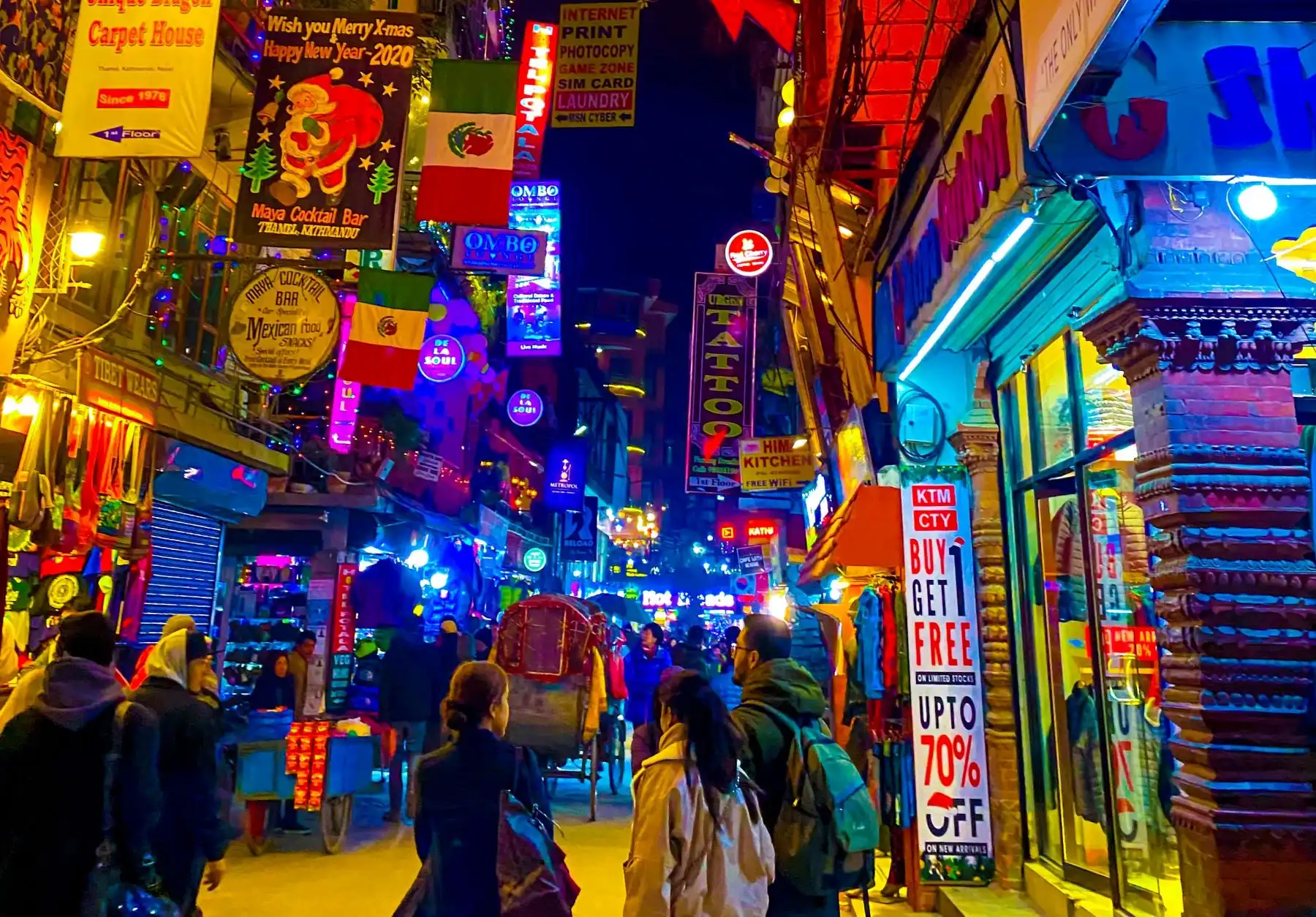
Street in Thamel Kathmandu
Kathmandu is a semi-modern metropolitan city with the backdrop of ancient glories ofhistorical and religious sites of Nepal as well as the main entrance to the country by international airlines. In contrast, Pokhara, a renowned tourist destination in Nepal and probably around the world, is located Mid-West Nepal, 220 km. Driving distance from Kathmandu.
Besides big cities, there are few places on route trekking destinations like Annapurna and Everest region, where one can explore nightlife for specific hours, depending upon one’s interest. Here the main flow of international travelers visits various exotic adventure destinations around Nepal Himalayas, Especially for trekking, mountaineering, cultural and scenic tours, or other adventure activities, as well as for business purposes.
For entertainment around Kathmandu city, there are several places where one can explore the nightlife in Nepal. The major nightlife spots in Kathmandu are pubs, bars, discotheques, and Dohori Saanjha (a typical folk duet singing and dancing). Bars, Night Clubs, and restaurants with live music, including western rock music, local traditional music, and folk instrumentals played by local bands, are common.
One can entertain themselves around these lively joints for a few hours or more, getting a taste of Night Life in Nepal, as well as making friends and interacting with the friendly Nepalese. It is also a way of knowing the inner depth of Nepal and the Nepalese. One can enjoy having parties in these respected places, where foods and drinks range from local to international standards.
In the fast era of the modern world, where worlds are getting connected through fast networks of modern technology, Nepal is slowly turning into a business sector, besides its adventure world of tourism, where nightlife has boomed. The nightclubs, pubs, world-class, elegant restaurants, and lounges have mushroomed over the past decades.
Where the flow of tourism, as well as business, has boomed, which makes Kathmandu and other cities lively in nightlife. The wide and large investment in the country has been well organized to make night entertainment much safe.
Visitors will be delighted while enjoying the grooves with the highest nightlife scenarios and various world-class entertainment places. The liveliest joints to visit for nightlife are around Thamel, located in the heart of Kathmandu city, where one can groove with semi-drinking adventures in the hub of tourist areas at Thamel and Durbar Marg.
Besides foreign visitors, most nightlife junctions target local businessmen, corporate executives, and young people, especially on weekend days, which is Friday, as Saturday is a public holiday in Nepal, an exciting way to enjoy the nightlife. Until it is closed by midnight hours, all nightclubs, bars, and casinos have security officials making all night-life places much safe and sound to enjoy the party having great pleasure with the night entertainment.
Night Life In Nepal Is Safe And Enjoyable:
In Nepal, all-night clubs, bars, discotheques, late-night restaurants, and pubs, including Casinos, are comparatively safer than most countries around the world’s big cities, where Nepal and Nepalese are known for their friendly and warm hospitality. Especially among foreign visitors and guests, it is a part of a culture of old heritage and traditions.
Nepali people are fond of music and dancing, soaking in varieties of local drinks, which all visitors welcome. Nepali are peaceful people. Drinking is just part of merriment and pleasure, which encourages dancing and singing. As well as joining friends and families, the other side of safety precaution is the government’s law and order.
Here most bars, pubs, or other nightlife entertainment joints are regulated by the law and must close by midnight, but Casinos are allowed to carry on where guests can try their last luck until dawn.
The best places to explore in Nepal for Nightlife:
The Thamel and Durbar Marg areas are the best nightlife destinations, with many places to hang around. Here major clubs, bars, and pubs are located, including elegant restaurants, with Live Music performed by local artists.
From Rock Music to Nepalese Folk, including Gazal, makes these places are most suitable for exploring at night. Various 4-5 star hotels are equipped with Casinos in the heart of Kathmandu, where one can spend the whole night at gambling tables. If you are fond of gambling, you might want to try your luck.
The other place popular for Nightlife is Pokhara, a city blessed with natural beauty, one of Nepal’s most desired tourist destinations. Pokhara is the gateway to the Annapurna Himalayas, especially for trekking, hiking, mountaineering, and other adventures.
After completing treks, climbing adventures, or tours in this beautiful city, one can spend quality time around the famous Phewa Lakeside, visiting nightclubs, lounges, pubs, and dancing Bars.
Major places to explore Nightlife in Nepal:
You can choose various spots like clubs, pubs, bars, and restaurants offering places to stomp your feet to the sound of live music with bands jamming to rock and roll as well as the DJ grooving you from techno to trance music, a great nightlife environment to get in.
In Kathmandu at Durbar Marg Location:
The King’s Lounge, Trisara, Hard Rock Café, London Pub, and Club Platinum.
club, Reggae Bar, Purple Haze, Shisha bar, Queen’s lounge, Beta bar, Fire club, and
the Ibiza club, Club OMG, Buddha bar, Playboy club, and Karma Bar.
At Patan / Lalitpur at Jhamel/ Jhamshekhel:
Evoke, Moksh bar, Tamarind Restaurant.
At Pokhara:
Busy bee, Oxygen club, Club Gravity, The Treasure lounge, The Roof
bar. Kings lounge
Nightlife around the hill villages:
The nightlife around the hill and mountains village takes place only on special occasions, weddings, anniversaries, birthdays, and festivals. In some bigger events, the celebration continues for a few days to a week till the next morning time. Special nightlife around the hills and mountainous region of Nepal Himalayas, booze is specially brewed for festive occasions.
In Mid-Western Nepal around the Annapurna Himalaya region, nightlife existed for many centuries for the Gurung and Magar people. The hill tribes of Annapurna Himalayas have their nightlife known as Rhodi-Ghar, where all visitors are welcomed. Young ladies and men have singing and dancing sessions teasing each other through the tune of music and songs.
For trekkers and adventurers, there is nightlife around Khumbu in the Everest region but in more minor ways. Especially at Lukla, after the trek, visiting the local pubs is a way to celebrate the successful completion of the trip. Besides, Namche bazaar is also equipped with luxurious pubs, bars, and restaurants giving off western vibes, where trekkers visit to relax as the next day is dedicated to acclimatization.
For further reading recommendations, check Nepal’s Various Cultural Heritages. For further queries and information, subscribe to our newsletter, and we will keep you updated.
Whenever you wish to make a planned trip, the Annapurna base camp trek comes to mind, and pick it up from the travel agents. In fact, this consists of lots of things to mesmerize by availing limited packages for your need and want.
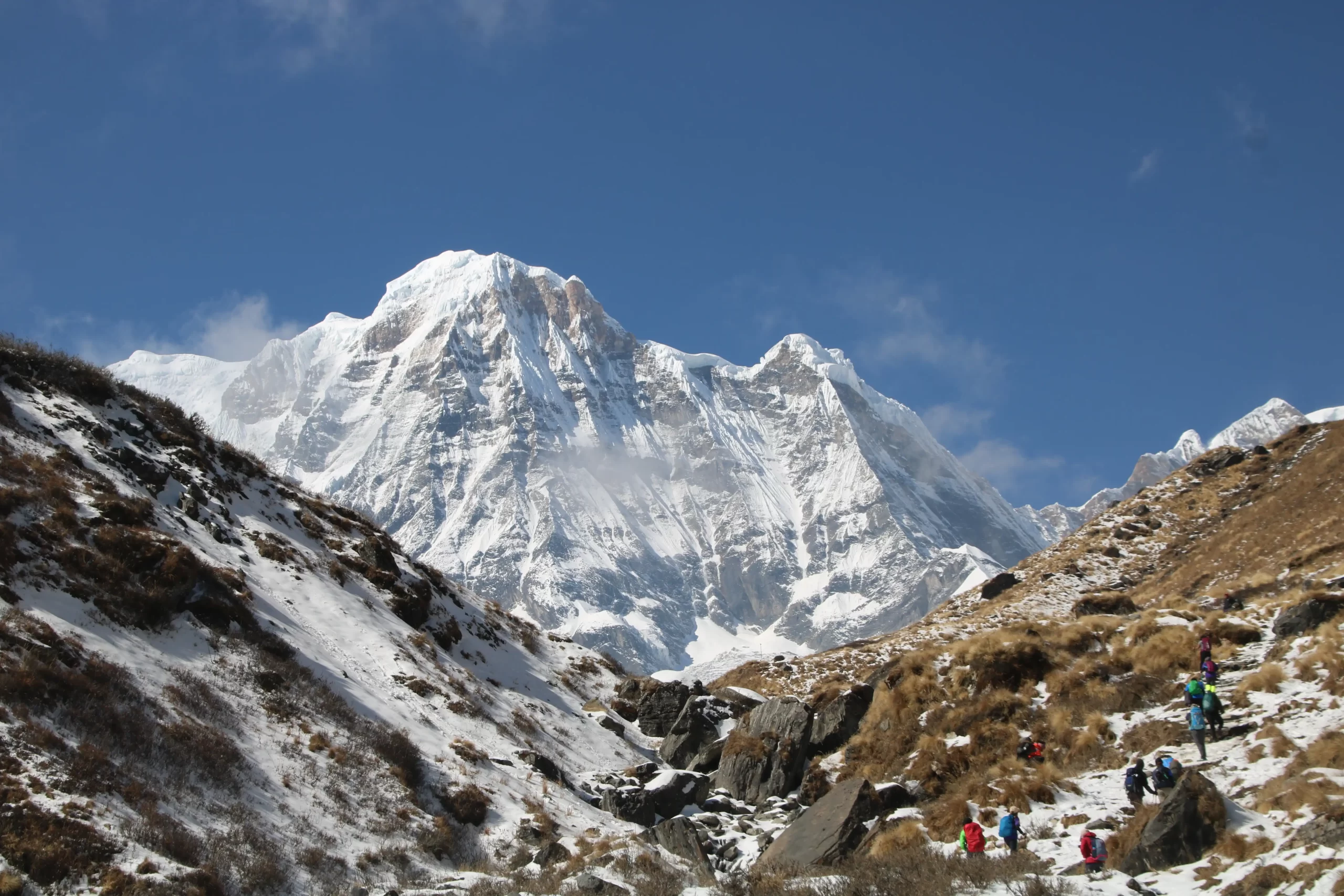
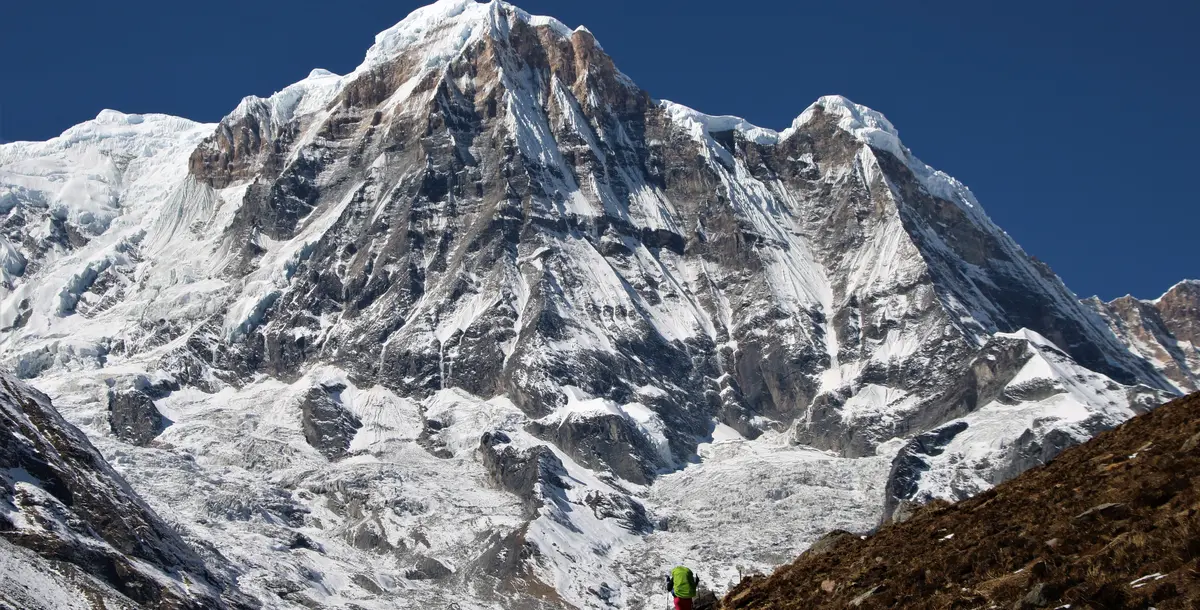
View of Annapurna South from Annapurna Base Camp
However, this, in fact, provides the right determination and walking through the villages at trekking. It gives nice journey to everyone who wishes to get attention on the adventure trekking destination forever. Therefore, this makes them achieve a right solution that consists of ethnic valleys on the roadside.
Of course, the Annapurna base camp trek gives the best solution to the people who wish to get the magnificent Himalayas and forests stone step to you. So, one should know to travel to the destination but in fact, gives them nice opportunity to visit the trek destination eagerly.
Attractive places to visit
On the other hand, most people plan and visit the Annapurna Base camp trek which gives them happiness and excitement on visiting the place. In fact, this consists of lots of things so that everyone pays attention to the best trekking trail forever. So, it must consist of different experiences in which you will get fewer pollution areas as the destination begins.
Moreover, this brings forth necessary attention to the imagination and hence gets a witness to the eye-catching places in the region. You have to spend time visiting the place eagerly and provides a good opportunity to increase life expectancy forever.
There are some lowland villages seen in the trekking that consists of the best viewpoint of enchanting mountains. It has to encircle the mesmerizing valleys and knows the natural hot spring bath at the spot. Therefore, each and everyone has to plan according to the top Himalayas region and consider different things that happen in life.
Admiring trekking experience
Trekking also provides a wonderful opportunity for people who wish to get attention to the wonderful theme of destination. However, this brings forth everything that bundles with Annapurna base camp encircles with lots of trekking activities forever.
It consists of different things that one should fix according to the requirements. Moreover, this includes a lifetime experience that consists of a familiar Tsum valley trek for everyone in the universe. Along with the professional guide, the customized plan will be given to the Annapurna treks and so many treks forever.
You can visit some of the familiar places that give wonderful experiences by treating everyone in mesmerizing activities. It consists of lots of places to consider and delivers excellent things to happen in life one time. You have to visit the place once in a lifetime and explore many things inside the Himalayas and others. You must plan well and view the attractive places to get nice adventure skills quickly.
Things To Know Before Manaslu Circuit Trekking, It is one of the most exciting adventures around the Himalayas, the mountain soars high as the world’s 8th highest peak.
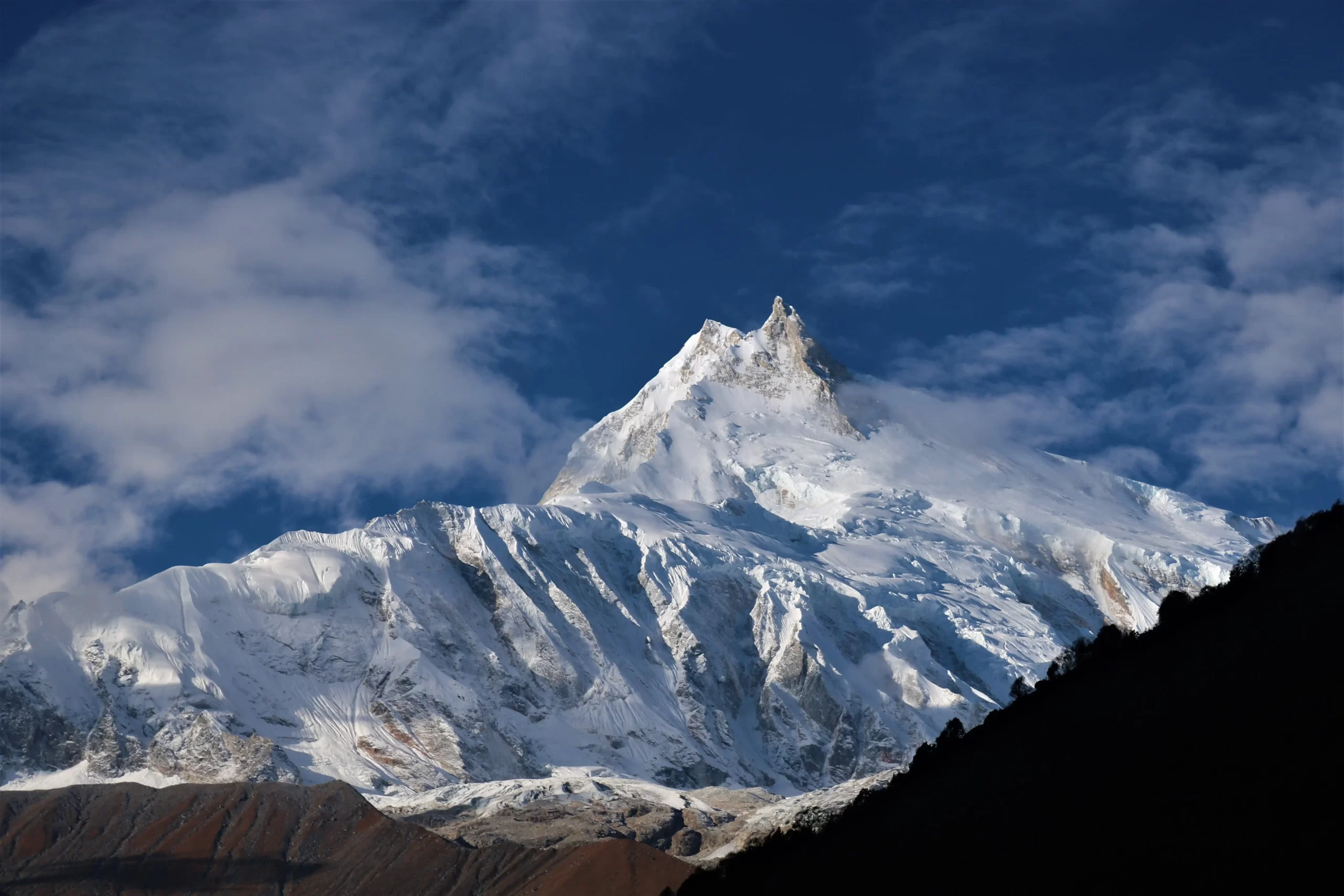
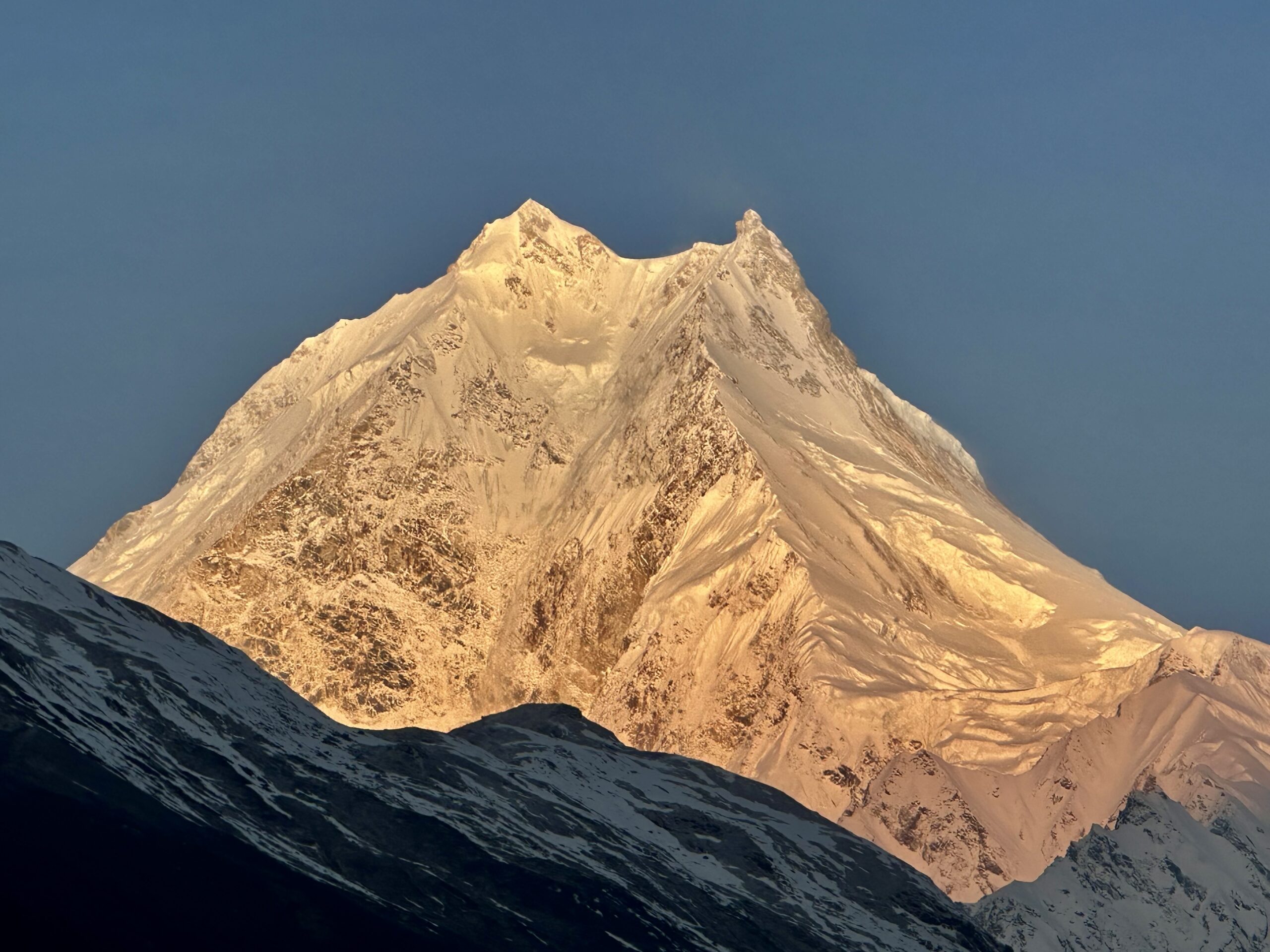
Mount Manaslu 8163m At a height of 8,163 m / 26,781 feet, located around the Mansri Himal range of Nepal’s North Mid-West Himalayas. East of massive Annapurna and Lamjung Himal and west of Ganesh Himal, Mt. Manaslu, with a group of ten peaks. Namely Ngadi Chuli, Himal Chuli, and Boudha, with many adjoining peaks that make up the Manaslu range.
The Upper Manaslu area was closed to outside visitors, which was opened from 1992 onwards. Where a special permit is required to enter the Upper Manaslu region from the village of Jagat, the other permits require MCAP (Manaslu Conservation Area Project) as well as ACAP (Annapurna Conservation Area Project).
Mt. Manaslu
The name Manaslu is derived from an ancient Sanskrit word that means the Soul or Mind of a god, like Lake Manasarover in Tibet. The local natives call Kutang of Tibetan origin language, which means a prosperous or flourishing land.
Although a high country can yield and harvest high-altitude crops, like barley, buckwheat, and common wheat. Besides other vegetables that are grown in good seasons of the year, the land is rich for cattle to graze, like yaks and normal domesticated cattle, a country of strong Buddhist heritage customs, and culture.
The upper Manaslu valley is also a vantage point for trade to Tibet; the border is near Nepal and Tibet. In the early days, the Old Trans Himalaya Salt Trade was very active, as well as other goods trade. Where caravans of mules and yaks passed through to and from Nepal and Tibet. Before Tibet was annexed by mainland China in the late 1950s to 60, trade still existed but in smaller ways.
Due to the close border with Tibet, the upper Manaslu remains a Restricted Area of Nepal. In the early days, when it was first opened for outside visitors, a Government Liaison Officer accompanied the trekkers. In the last few decades, Liaison Officer is not required, which makes the trip cost much less than it was before.
However special permit is still required for the Upper Manaslu Trekking, which is to control the main flow of trekkers also. Preserving and conserving its fragile environment from destruction is one reason why Manaslu Circuit trekking gets fewer visitors than other areas.
Best time for Manaslu Circuit Trekking:
The best time for Manaslu Circuit Trekking is the spring and autumn/fall seasons. March to May and September to November are favorable times for trekking. In the springtime, when days are much longer due to sun-light hours, most days are clear with enough sun shining. Where one can enjoy grand views of snow-capped peaks and have pleasant walks, but late afternoon can get overcast. It could get cloudy with light rains and snowfall around the higher region above 2,500 m. Cold in the morning, late afternoon, and nighttime with an extra wind-chill factor but one of the best times.
The next best time is autumn/fall begins from September to November, one of the finest seasons. For Manaslu Circuit Trekking as well as for other Himalayan regions to visit, most days are sunny and bright. But days are much shorter due to sunlight hours, as the sun reaches late morning and sets earlier by late afternoon.
However, the days are much more pleasant with crystal clear blue sky for views and walks. Much colder morning, late afternoon, and nighttime, chances of snowfall sometimes above 3,000 m and at Larke-La Pass.
Manaslu Circuit trek guide:
All trekkers must be accompanied by a government-registered and Licensed Guide for the Manaslu Circuit trek. From respective local Trekking Agencies in Kathmandu or Pokhara, the Trekking Company should be reliable and fully government-registered. As well recognized and approved by the Government and semi-government Tourism departments like TAAN (Trekking Agencies Associations of Nepal). As well as NMA (Nepal Mountaineering Agency), PAC (Porters Association Concern), and some other departments related to Tourism and Responsible Tourism.
Around Manaslu or any Restricted Areas of Nepal, solo or individual trekkers are not allowed; you must book with the company where an expert and authorized guide of the agency will lead the treks, which is much safer and enjoyable.
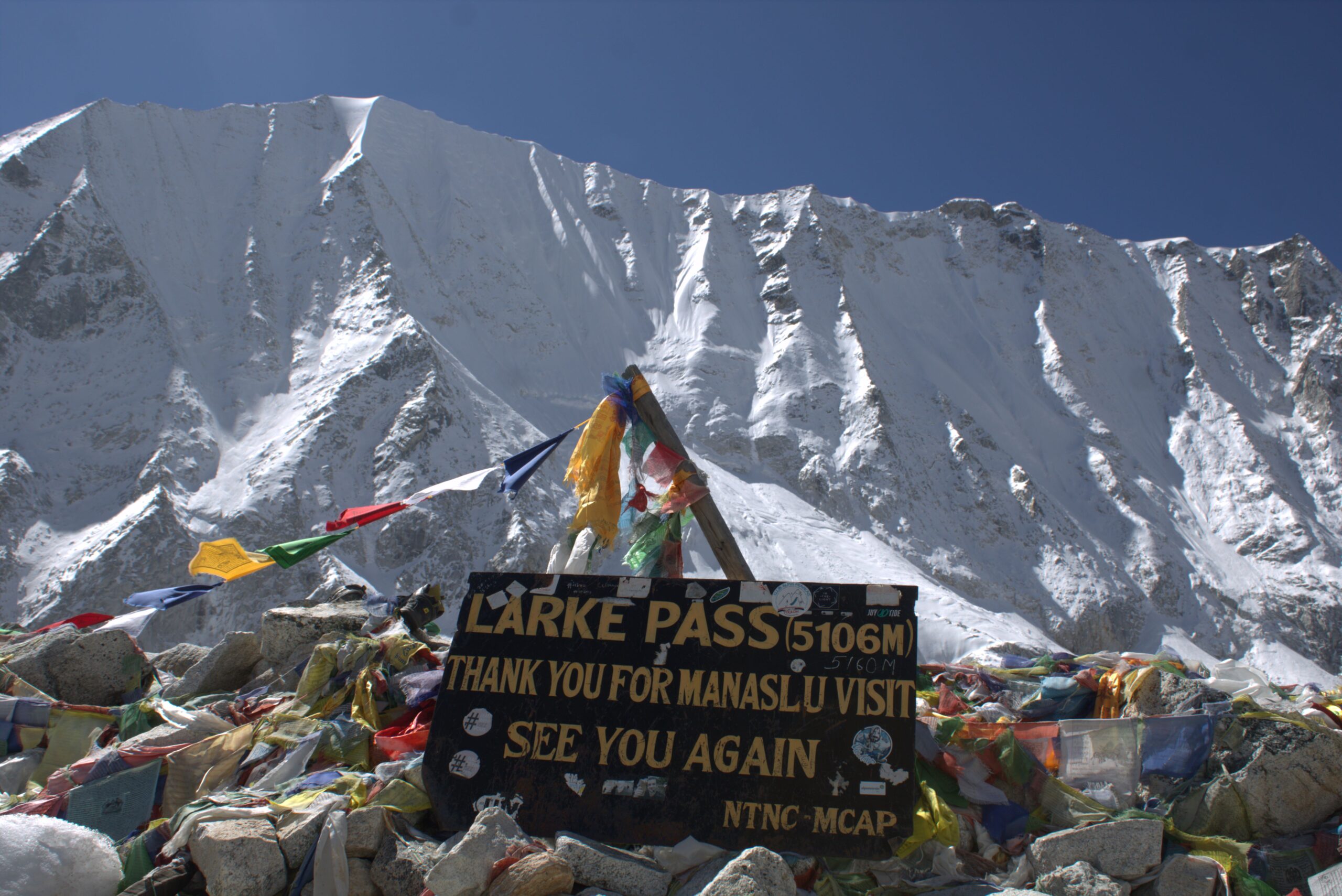
Larke pass
The guide will be a good companion, showing you the wonders of local places. It also takes care of you and the group throughout the trip and makes you feel secure to enjoy the trek. All guides are knowledgeable of the areas from culture, religion, history, flora/fauna, and the trekking routes.
The guides know every place and village on the route and choose the best available lodges for overnight and lunch stops. In emergencies, the guide can handle his experience of trekking, assuring the clients to the best of his knowledge.
Manaslu Circuit Trekking Difficulty:
Where all visitors are aware that Nepal is a Himalayan country with high hills and downhill, having less flat land, the area of trekking involves steep climbs for a few hours or less for some days.
It is normal to encounter steep uphill and downhill, where some trails can be wider or narrow. Taking slow with few stops in between will be the best, and take the advice of your guide and leaders.
The only major difficulty is climbing to Larke-La Pass at above 5,106 meters high, but it leads to exciting good walks. Having much rest and not being breathless is important in high-altitude trekking. Taking things slowly will overcome the difficulty.
The hardest sections of the adventure are the steep climb to Larke-La Pass and the long downhill after the pass. Taking slowly and steadily having short rest with an easy pace is the best way to tackle the high-altitude climb.
Depending upon the itinerary days, make the trekking enjoyable or tough and hard also. Where some have limited itinerary days, which makes the walk much longer to reach the designated overnight halt. To enjoy more of the Manaslu Circuit Trek without much difficulty is to have enough days on the itinerary.
Manaslu Circuit Trek vs. Annapurna Circuit Trek:
Comparing the Manaslu Circuit Trek vs. Annapurna Circuit Trek, the walk is quite similar as well with terrain and landscapes. Culture, trails, and climate are almost the same; the only difference is that Manaslu Circuit falls within a Restricted Area. Annapurna Circuit is not included as a restricted area where travelers can do solo or individual trekking. Not needing a special permit makes Annapurna Circuit more cost-effective to trek than Manaslu Circuit Trekking.
The other comparison is the Annapurna Circuit, with well-established trekking routes for many decades; the Manaslu Circuit was just opened in 1992, which makes much difference in the quality of lodges, guest houses, and food between Manaslu and Annapurna Circuit trekking.
Annapurna Circuit is much popular trekking region that is listed as the world’s top ten adventure destination Annapurna Circuit can be trekked in various ways depending upon one’s limited time in Nepal. Can do a semi-circuit and fly or drive from Jomsom town to Pokhara and then towards Kathmandu.
Manaslu Circuit with few choices for trekkers can trek a minimum of 2 weeks or less, as well as make it longer. Including Tsum Valley with Manaslu Circuit, which makes the trek more than three weeks. An interesting and exciting place to enjoy covering both scenic and cultural areas of the Manaslu and Gorkha districts. Manaslu Circuit trek ends at Dharapani village around Manang district, where Annapurna Circuit starts at the same spot at Dharapani.
The Manaslu trekking highest point is Larke-La at 5,106 m, the boundary between Gorkha and Manang districts. Likewise, the tallest spot on the Annapurna Circuit is crossing the high Thorang-La Pass at 5,416 m, which divides the areas of Manang and Mustang districts to reach the southern hills and valleys of Annapurna Himalayas.
Both Manaslu & Annapurna Circuit Trekking, located in Mid-West Nepal, provide excellent trekking adventures. But Annapurna Circuit with more options for trekkers making the itinerary days longer or shorter. As well, one can extend to beautiful Tilicho Lake and continue towards Mesokanto-La pass, reaching Jomsom town or via Thorang-La.
Annapurna Circuit Trek offers the best lodges, as the area has been well-established for more than four decades. While Manaslu Circuit, compared to Annapurna Circuit, is quite new, and the raw country opened just three decades ago.
Where Annapurna Circuit gets a greater volume of trekkers than Manaslu Circuit due to its restricted area, both regions of Manaslu & Annapurna are protected by MCAP & ACAP, where conservation entry fees are required.
Manaslu circuit trekking without a Guide:
Manaslu Circuit Trekking without a guide is impossible. All interested travelers need to join the Government Regisrated Company. The agency will provide a good guide to lead and accompany the trek. Requires a minimum of 2-3 people to run the Manaslu Circuit Trek as well as obtaining special permits for the restricted area.
Manaslu Circuit Trekking Map
Manaslu Circuit Trekking Price:
The cost of the Manaslu Circuit Trekking price is quite dear and more costly than other treks around Nepal Himalayas. Upper Manaslu from the village of Jagat is a restricted area of Nepal, where an extra special permit is required.
For the autumn/fall season from September to November, US $ 100 per person for the first seven days. An additional US$ 10 per day onwards from Jagat to Dharapani villages. December to August US $ 75 per person for the first seven days with an additional US $ 10 per person from the 8th day onwards till Dharapani village.
The additional MCAP entry fee is US$ 30 per person, as well as an extra ACAP entry fee of US$ 30 per person, on entering Manang areas to Dharapani after crossing Larke-La Pass on leaving Manaslu and the high Gorkha district.
The above cost is only for fees of special and conservation permits; the rest will be as the trip cost, where different local companies have slightly different prices as per the itinerary days. From US $ 60 to US $ 80 per day per person, including accommodation and meals throughout the treks. Accompanied by guides and porters, where their daily wages are included. Besides the daily charge, extra charges will be for types of transportation according to group size.
Hotels in Kathmandu depend upon the choice of accommodation, from standard tourist hotels to deluxe-star hotels. The other cost includes depending on the trip packages from Arrival to Final Departure transfer and sightseeing tour.