Trekking in Nepal
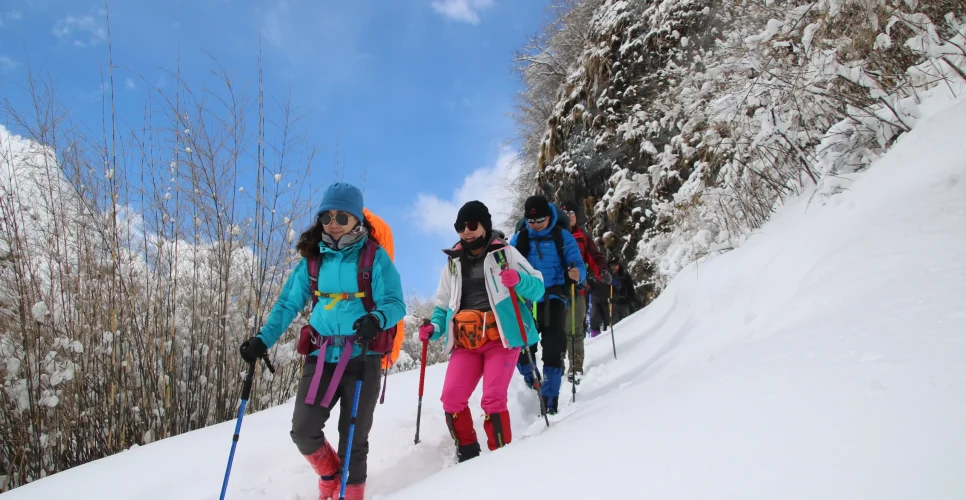
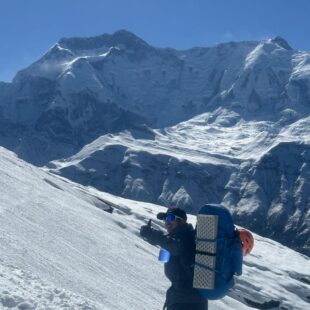
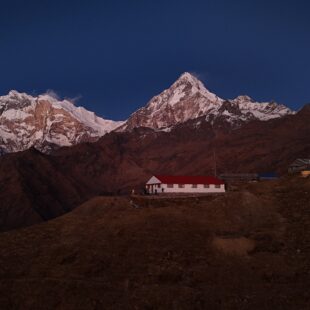
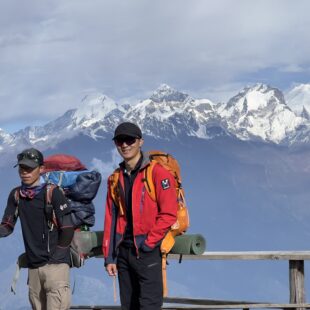
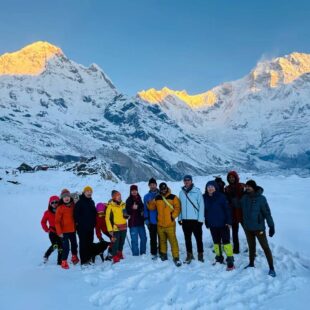
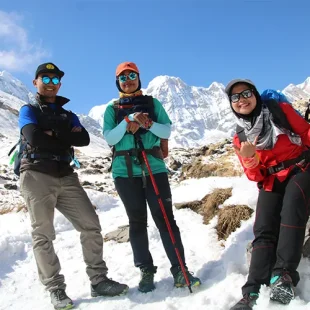
Annapurna Himalayas is one popular destination for solo treks in Nepal
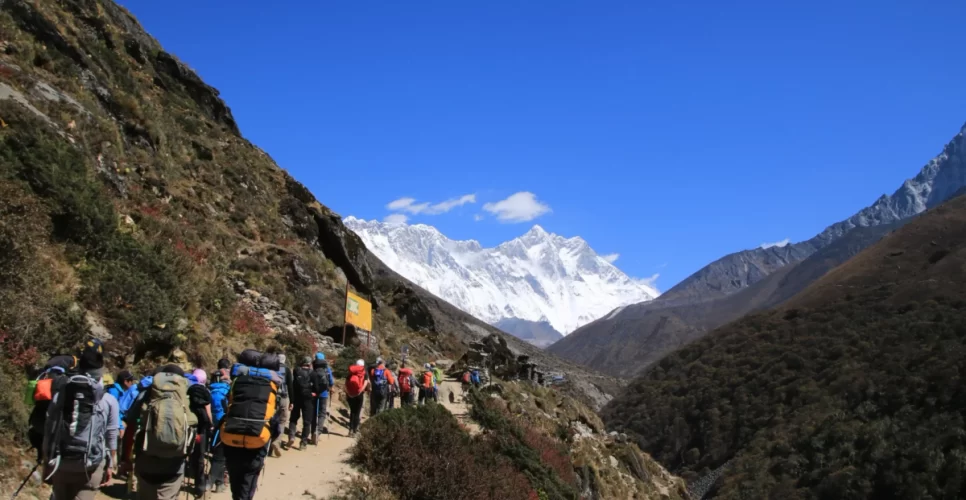
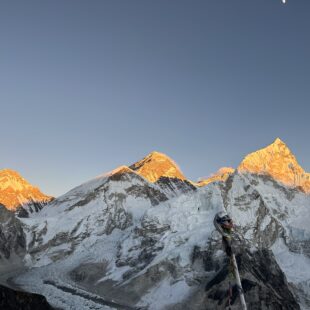
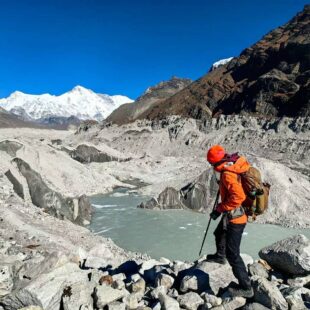
Everest Short Trek
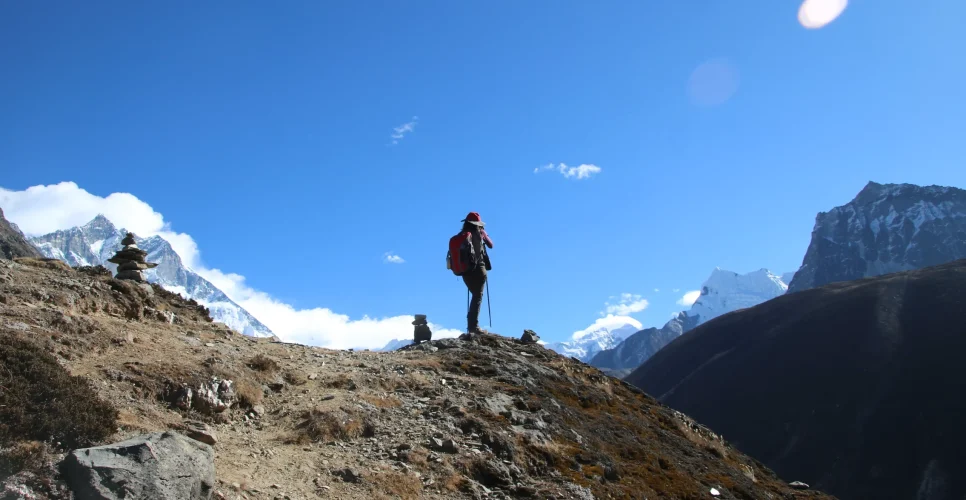
Trekking in nepal
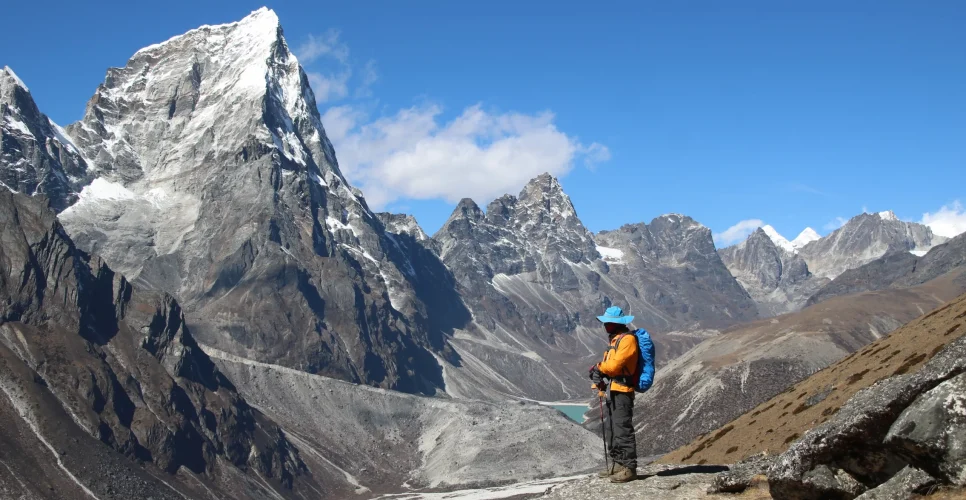
Trekking in nepal
Trekking in Nepal Packages

A Comprehensive Guide to Trekking in Nepal’s Himalayas
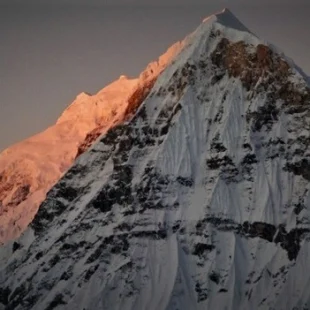
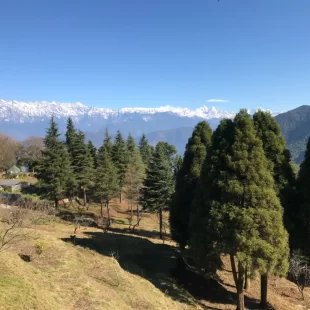
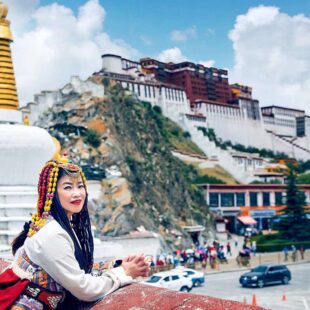
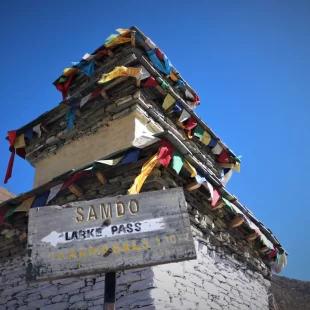
Nepal has majestic peaks, diverse topography, and rich ancient cultural heritage, offering a memorable trekking experience. Trekking in Nepal is a physical challenge and a spiritual journey that provides a glimpse into the diverse beautiful resilience of the human and natural world.
This comprehensive guide explores the various aspects of trekking in Nepal, including its definition, the difference between trekking and hiking, popular destinations, different regions, risks and preventions, advantages, and varieties of trekking.
What is Trekking?
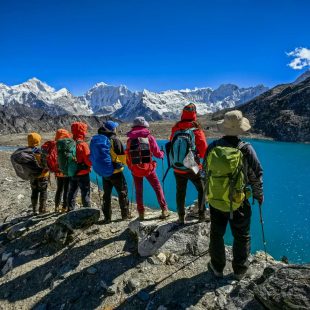
Trekking can be defined as an outdoor adventure activity that involves hiking or walking through rugged terrain or mountainous regions for an extended period. Unlike hiking, which usually takes a day, trekking requires carrying gear and supplies for several days or weeks.
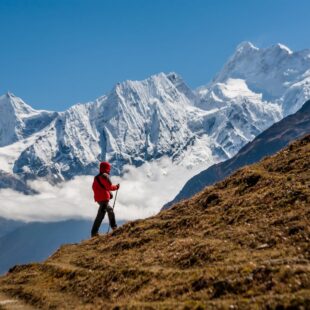
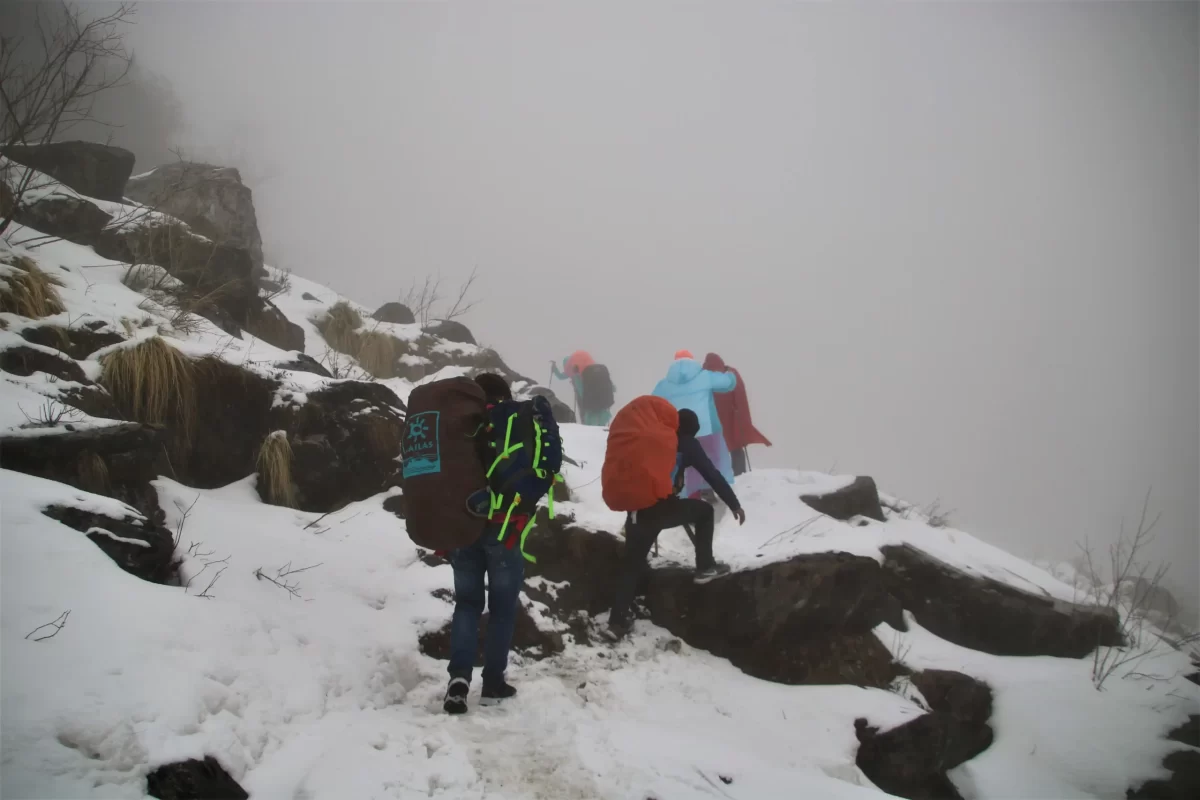
Trekking can take place on different terrains, including rocky trails, snowy slopes, dense forests, and high passes, and requires a certain level of physical fitness, endurance, and acclimatization.
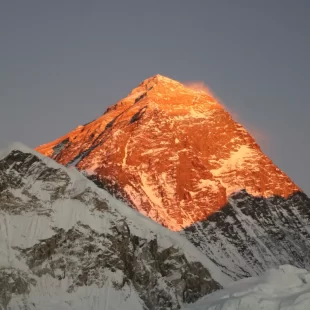
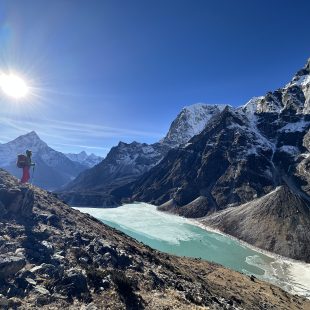
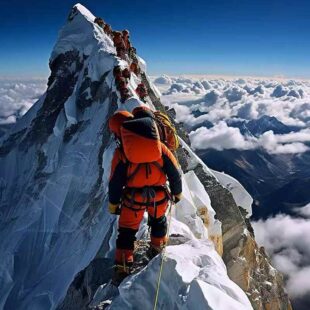
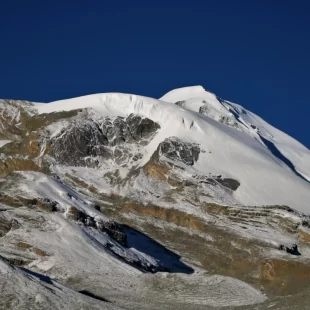
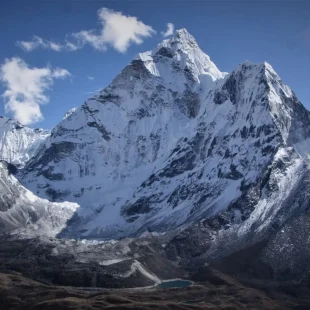
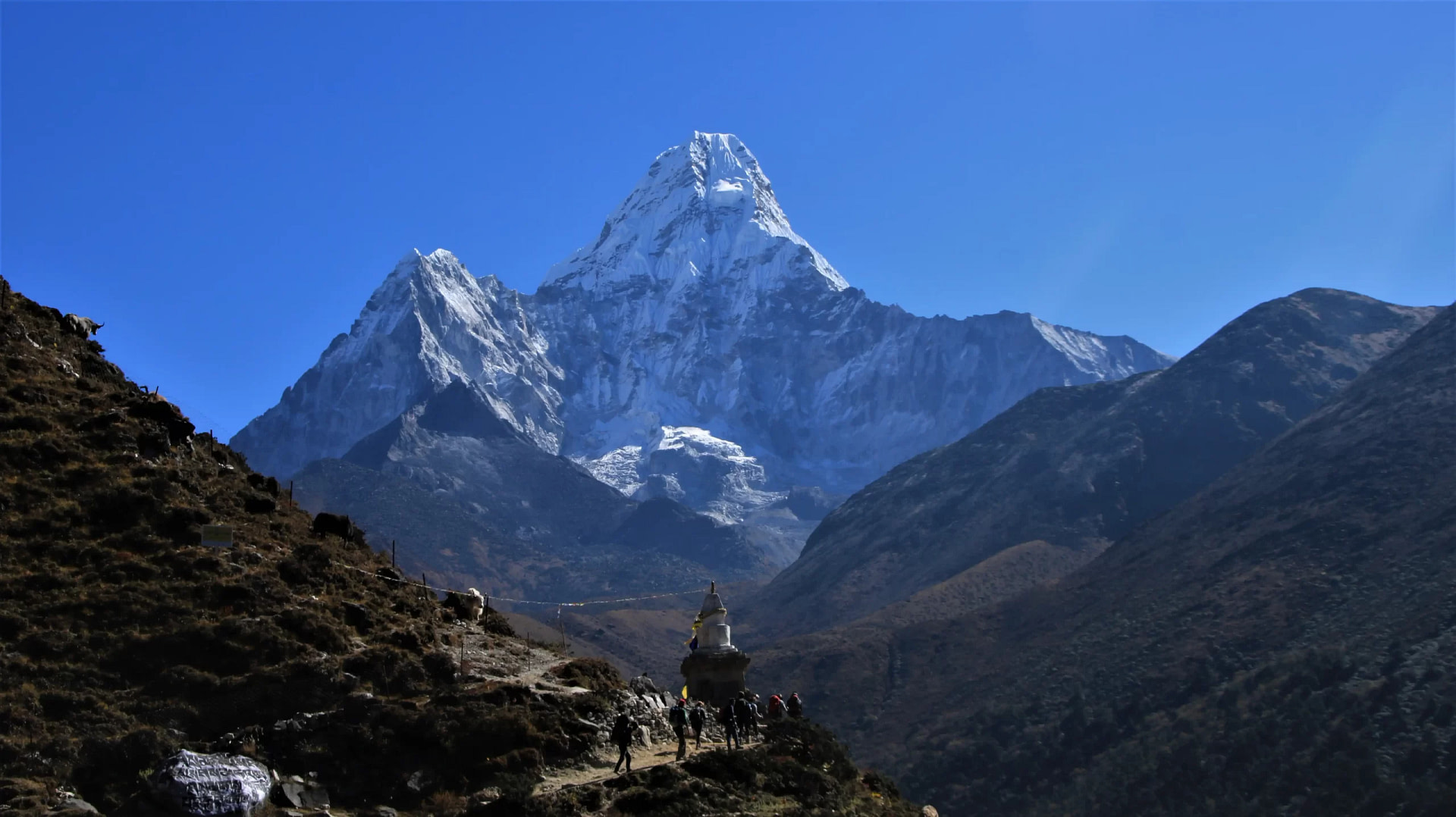
Trekking in Nepal is particularly renowned for the high mountain peaks including the world’s highest Mount Everest, rich biodiversity, and cultural heritage. Every year, thousands of visitors from around the world are drawn to explore the exciting trails, meet the locals, and witness the beauty of the Himalayas.
Difference between Trekking and Hiking
Trekking and hiking are both outdoor activities that involve walking in nature, but they differ in several ways. Hiking is usually a daily activity that can be done on various terrains, including hills, forests, and parks, with only a few essentials, such as comfortable shoes, water, and snacks.
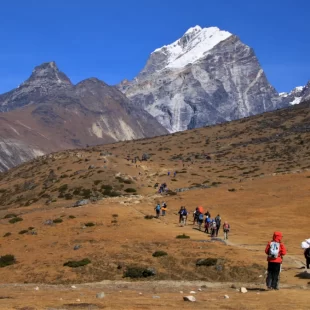
On the other hand, trekking is a multi-day, long-distance activity that usually takes place in remote and mountainous regions. It requires more physical fitness, endurance, and preparation, as well as specialized equipment such as trekking poles, backpacks, and hiking boots. Moreover, trekking often involves camping or staying in lodges, while hiking can be completed in a single day.
Different Regions for Trekking in Nepal
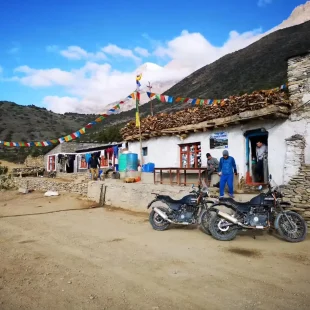
Trekking in Nepal is divided into different regions with distinct landscapes, cultures, and trekking routes specific to the most popular mountain peak in the region. Each region has its own unique features and challenges, making it ideal for different types of trekkers. The major trekking regions in Nepal are:
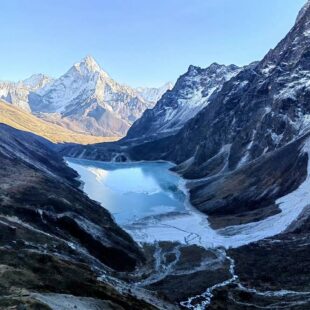
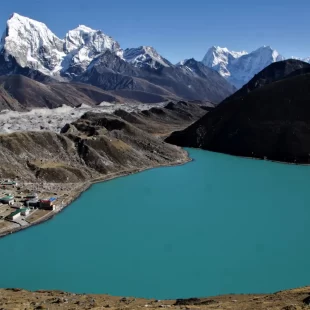
Everest Region – Identified as the home to the world’s highest Mount Everest, the Khumbu region, which is by far the most important trekking region in Nepal. The region is home to several trekking routes, including the iconic Everest Base Camp Trek, Gokyo Lakes Trek, Three Passes Trek, and so on.
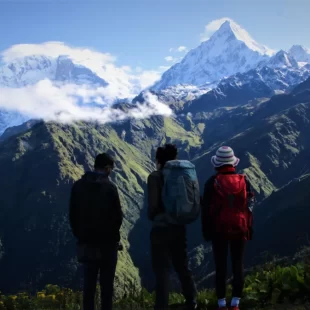
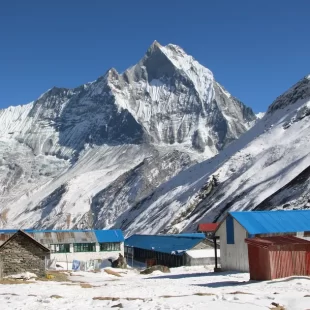
Annapurna Region – Named after the world’s 10th-highest mountain peak, the Annapurna region is a popular trekking destination in Nepal, known for its diverse landscapes consisting of green lush rhododendron forests to the high altitude cold deserts. Annapurna Circuit Trek, Annapurna Base Camp Trek, and Upper Mustang Trek are some of the main trekking trails in the region.
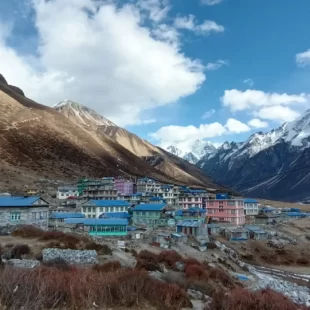
Langtang Region – Inside the world’s first Himalayan National Park, Langtang Region is a pristine scenic paradise inhabited by the descendants of the Tibetan Refugees. Langtang Valley Trek, Gosainkunda Trek, Helambu Trek, and Tamang Heritage Trails are the main destinations in Langtang.
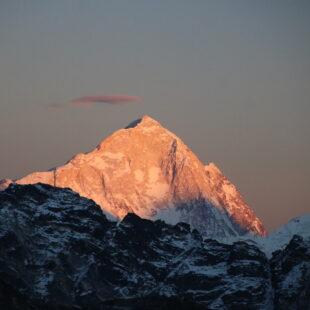
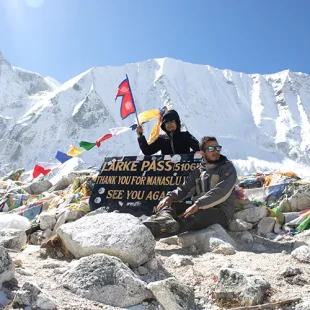
Manaslu Region – In between the Annapurna and the Langtang Region, lies the Manaslu Conservation Area, home to the diverse rugged terrain decorated with the views of the Manaslu peak. The region offers several trekking routes, including the Manaslu Circuit Trek, Tsum Valley Trek, and Ganesh Himal Trek.
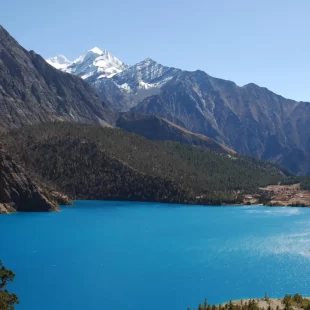
Dolpo Region – A restricted area in northwestern Nepal, Dolpo is a unique trekking destination mostly known for Shey Phoksundo Lake, its Tibetan-Buddhist culture, high-altitude deserts, and diverse Himalayan wildlife. The region offers several trekking routes, including the Upper Dolpo Trek, Shey Phoksundo Lake Trek, and Mustang to Dolpo Trek,
Popular Destinations for Trekking in Nepal
Nepal can be considered a trekker’s paradise, as this land offers a wide range of trekking routes ranging from easy, moderate, and challenging graded hikes, which are suitable for people with different levels of experience, and preferences. The most famous trekking destinations in Nepal are:
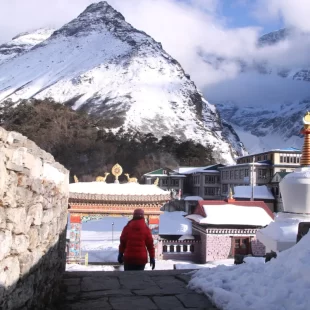
Everest Base Camp Trek – This is one of the most famous trekking routes in the world, offering a unique opportunity to witness the highest peak in the world, Mount Everest. The trek takes you through the Khumbu region, where you can experience the Sherpa culture, visit monasteries, and witness the breathtaking views of the Everest Himalayas.
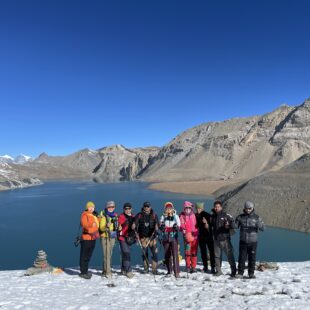
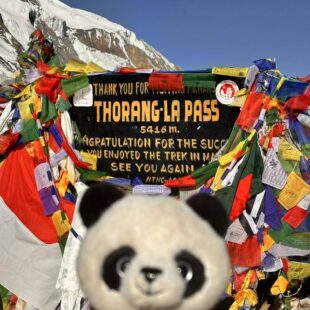
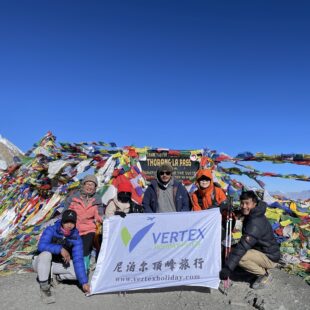
Annapurna Circuit Trek – Another popular trekking route in Nepal that encircles the Annapurna massif, where the trail crosses the high altitude Thorang La Mountain Pass 5416 m and the Tilicho Lake 4919m. The trek goes through green dense forests, rocky ice trails, and, crossing several diverse villages with diverse ethnocultural roots.
Langtang Valley Trek – A short and easy trek in the Langtang National Park, offering stunning views of the Langtang Lirung, Shisha Pangma, Dorje Lakpa, and other mountains, is indeed an underrated trekking trail. The trek also takes you through traditional Tamang and Sherpa villages, where you can experience the local culture and hospitality.
Manaslu Circuit Trek – This is a remote and challenging trek that takes you through the Manaslu Conservation Area, where you can witness the spectacular views of the Manaslu peak and other Himalayan giants. The trek also offers cultural insights into the diverse ethnic groups of the region, such as the Gurungs and the Tibetans.
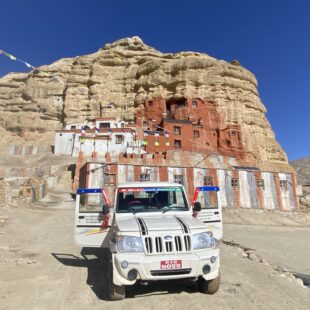
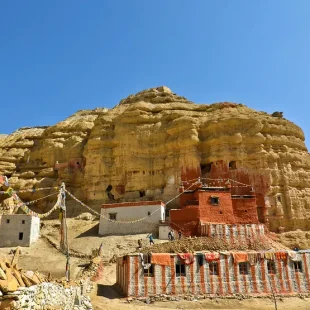
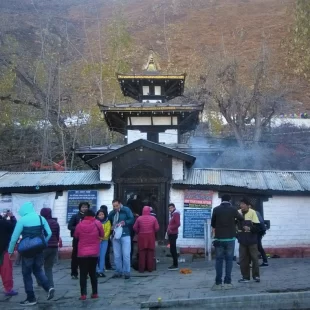
Upper Mustang Trek – Trek to the walled ancient kingdom of Lo Manthang in the Upper Mustang region is one of the most interesting trips in terms of remoteness and very traditional Tibetan traditions. Also known as the Forbidden Kingdom, a special permit is required to enter as it borders the Autonomous Tibet of China. It offers visitors the warm hospitality of Himalayan Tibetan Buddhism culture and a very distinct alpine desert landscape.
Advantages of Trekking in Nepal
Trekking in Nepal has several advantages that make it a popular adventure activity among travelers. Some of the advantages are:
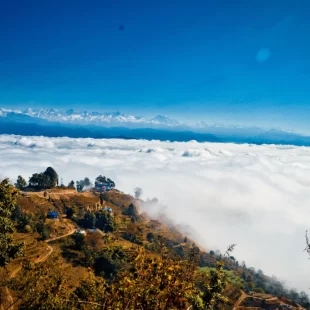
- Scenic Beauty: Nepal is known for its stunning natural beauty, and trekking is the best way to experience it. Trekking routes take you through diverse landscapes, from lush forests and meadows to snowy peaks and high-altitude deserts.
- Cultural Insights: Nepal is home to diverse ethnic groups, each with its own unique culture, language, and traditions. Trekking routes take you through remote villages and settlements, where you can experience the local culture, hospitality, and way of life.
- Physical Challenge: Trekking is a physical activity that challenges your endurance, strength, and fitness. It is a great way to stay active and improve your overall health.
- Spiritual Experience: Trekking in Nepal is not just a physical challenge but also a spiritual journey that offers a glimpse into the resilience and wisdom of the human and natural world. It is a chance to connect with nature, find inner peace, and gain a new perspective on life.
Types of Trekking in Nepal
Nepal offers different types of trekking routes, catering to different levels of experience, interest, and preference. Some of the common types of trekking in Nepal are:
Tea House Trekking: Tea House Trekking offers trekkers food and accommodation services at lodges and tea houses with a blend of traditional and modern facilities. It is a convenient and affordable way to trek, as you don’t have to carry your camping gear or food.
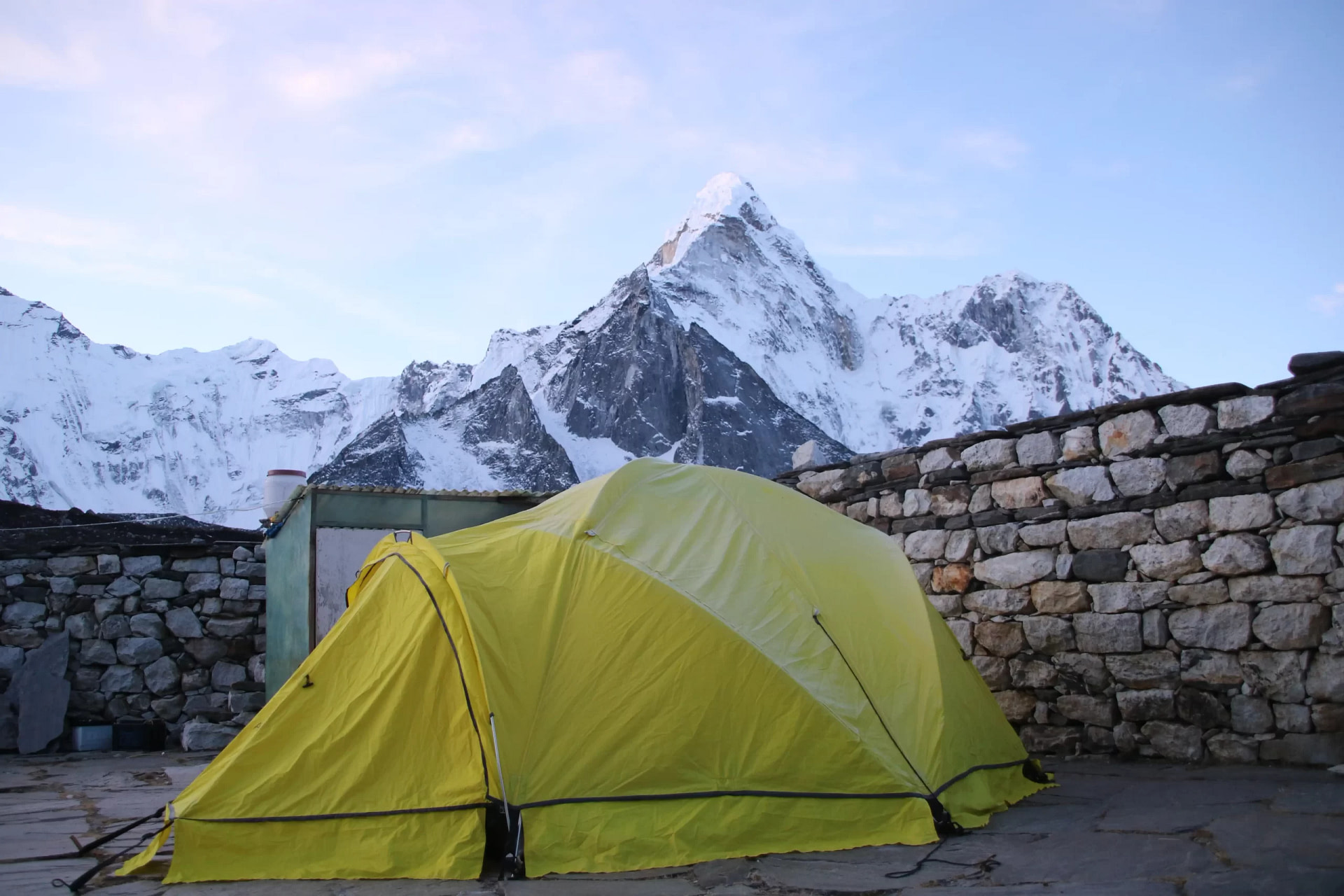
Camping Trekking: Camping Trekking is a type of trekking where you carry your camping gear, food, and supplies and camp in remote areas. It is a more adventurous and challenging way to trek, as you have to be self-sufficient and self-reliant.
Risks and Preventions during Trekking in Nepal
Trekking in Nepal can come with certain risks like Acute Mountain Sickness, extreme weather conditions, natural calamities, and accidents. However, those risks can be minimized by taking some preventive precautions while taking a trekking trip in Nepal.
• Acclimatization is an effective measure to avoid the risks related to altitude sickness, as it helps your body adapt to the newfound environment. After crossing 3000 meters of altitude it is advisable to spend a day for rest and exploring the local area.
• Staying properly hydrated with sufficient electrolytes is necessary. Dehydration can lead to altitude sickness and other health problems.
• Proper clothing in layers as the weather conditions are constantly changing and is essential to be prepared for all types of weather conditions.
• Carry a first-aid kit and necessary medications.
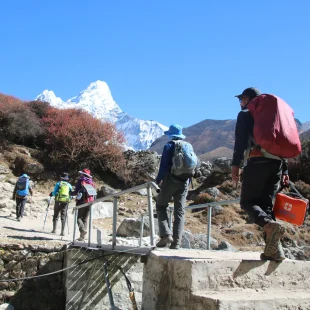
• Hire a professional guide and porter for assistance and support during the trek, as they will be a valuable support in navigation, and local cultural insights, and unburden you from your psychological and physical burden.
Laws and Regulations for Trekking in Nepal
Trekking in Nepal is subject to certain laws and regulations to ensure the safety and well-being of the trekkers and preserve the natural and cultural heritage of the country. Some of the laws and regulations that trekkers should be aware of are:
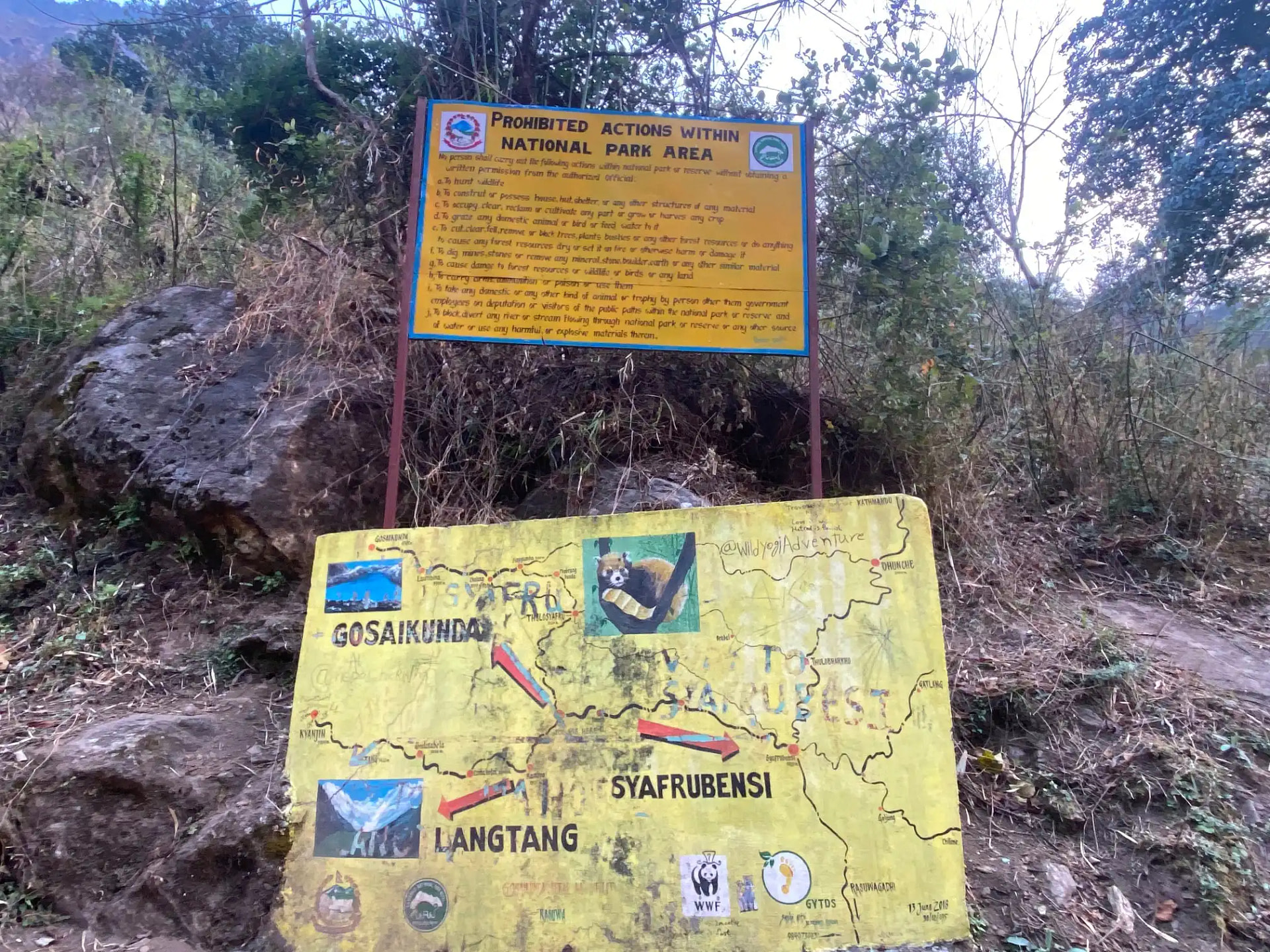
• Trekkers are required to obtain a Trekking Permit and a TIMS (Trekkers Information Management System) Card before embarking on any trekking route in Nepal.
• Trekkers are required to trek with a licensed guide and porter while trekking, as the government has made it mandatory for professional assistance after the 1st of April of 2023.
• Trekkers are not allowed to carry out any activities that are harmful to the natural and cultural heritage of the country, such as littering, defacing, or damaging historical monuments or natural resources.
• Trekkers are required to respect the local culture and traditions and behave responsibly towards the local people and environment.
What is the importance of professional assistance for trekking in Nepal?
Trekking in Nepal is a popular activity that attracts thousands of trekkers from all over the world every year. While trekking in Nepal can be a thrilling and rewarding experience, it also involves certain risks and challenges.
Therefore, it is highly recommended to hire professional assistance, such as a licensed guide and porter, for trekking in Nepal. In this section, we will discuss the importance of professional assistance for trekking in Nepal.
1. Safety
One of the most important reasons to hire a professional guide for trekking in Nepal is safety. A licensed guide has a thorough knowledge of the local geography, climate, and terrain and can provide valuable insights into the local lifestyle and history.
They can also ensure the safety and well-being of the trekkers by providing necessary assistance and support during the trek. For instance, they can help trekkers avoid dangerous areas, manage altitude sickness, and provide first aid in case of emergencies.
2. Navigation
Trekking in Nepal involves navigating through rugged terrain, remote areas, and sometimes harsh weather conditions. A professional guide can help trekkers navigate through these challenges and ensure that they stay on the right track. They can also provide information about the route, landmarks, and geographical features along the way.
3. Cultural Insights
Nepal is a country with a rich and diverse culture, and trekking in Nepal offers an opportunity to explore and experience this culture. A licensed guide can provide valuable insights into the local culture, traditions, and lifestyle of the people living in the trekking regions. They can also facilitate interactions with the local communities and help trekkers understand and appreciate the local customs and traditions.
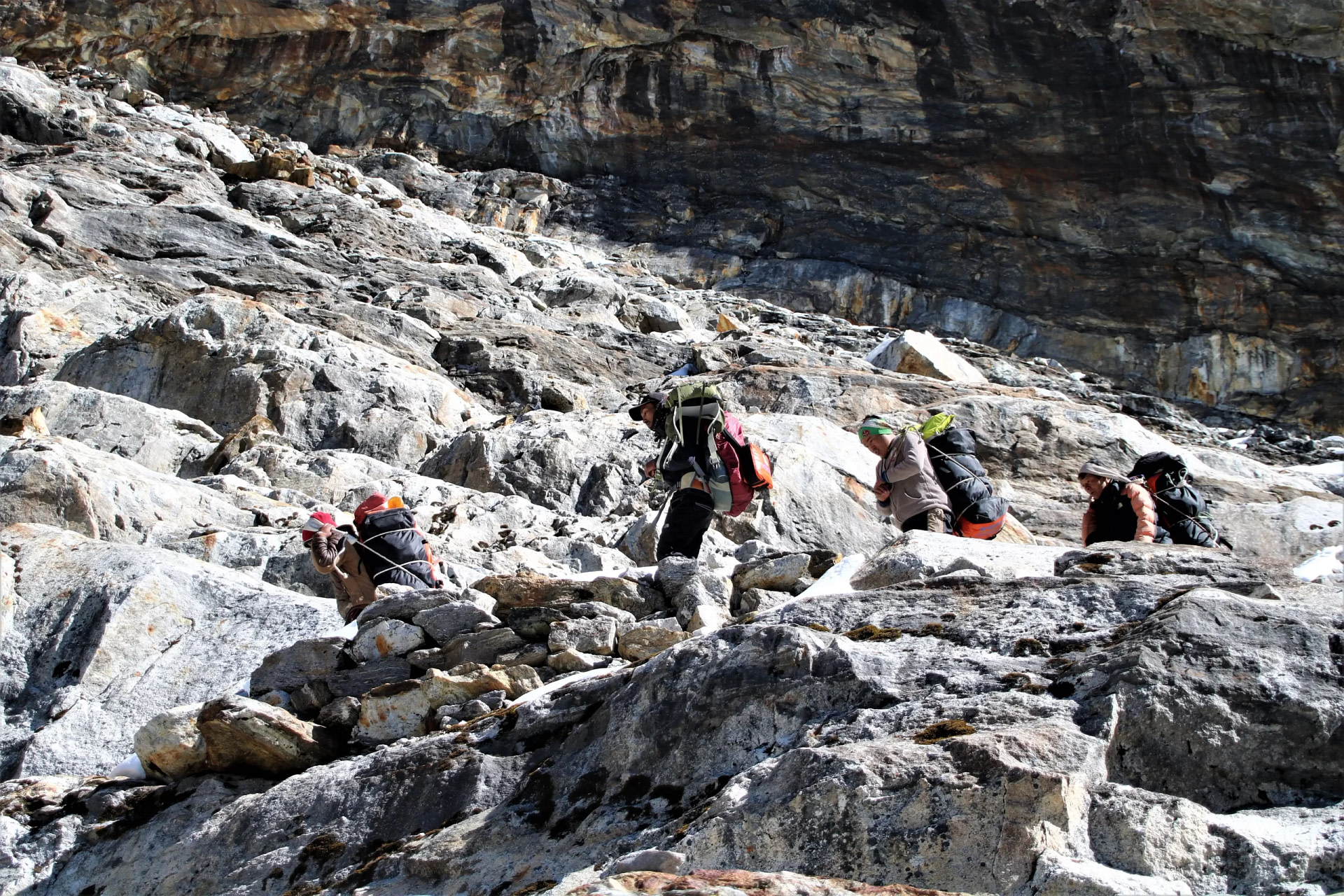
4. Physical Assistance
Trekking in Nepal can be physically demanding, especially at higher altitudes. A porter can carry heavy backpacks and ease the physical burden of the trekker, allowing them to focus on the trekking experience. This is particularly important for trekkers who are not used to carrying heavy loads or have physical limitations.
5. Environmental Responsibility
Trekking in Nepal involves passing through some of the most pristine and fragile ecosystems on the planet. It is essential to minimize the impact of trekking on the environment and preserve the natural beauty of the region. A licensed guide can help trekkers follow the principles of responsible trekking, such as not littering, minimizing the use of plastic, and respecting the local flora and fauna.
Best Season and Weather for Trekking in Nepal
The best season for trekking in Nepal is during the Spring and Autumn Seasons, however, the trekking trails are open for trekking during most times of the year.
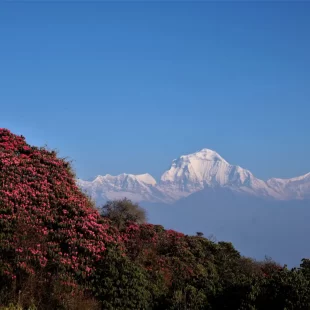
Spring Season: The best time of the year for trekking and hiking trips in Nepal falls during the month of March to May when the skies are clear and sunny. The views of the mountain panorama are at the best, and most tourists choose this time of the year. Furthermore, the bloom of wildflowers including the national flower of Nepal Rhododendron makes the trail more exciting.
Autumn Season: This season falls from September to November, which can be identified as the second spring, as there are different sets of flowers blooming. The weather is mostly clear and sunny, with great visibility. The temperatures are slightly lower and there is a chance of snowfall in higher altitudes.
Important Links:
Interested in knowing more about Nepal? You can check our articles and find relevant information about trekking in Nepal. You can also reach out to us directly if you have any specific queries.
Quick Inquiry

Talk to an Expert
Mr. Samir Simkhada
Online Now


