What makes Nepal a great Travel destination?

The great Travel destination located between the two giants China and India, the Himalayan country of Nepal is renowned worldwide mostly because of Mount Everest, the world’s highest mountain and the birthplace of Lord Gautam Buddha.

However, these aren’t the only reason anyone travels to this mysterious land. Instead, there is much more than that makes Nepal a great travel destination.

One’s lifetime isn’t enough to explore all the major attractions available in Nepal; however, you can choose destinations favorable to your preference.

Thus, the Vertex Holiday  list for “What makes Nepal a great Travel destination?” is a small effort to give you an answer to the questions “Why should I visit Nepal?” or “What are the major attractions for tourists in Nepal?”

1. World’s Highest Mountain Range

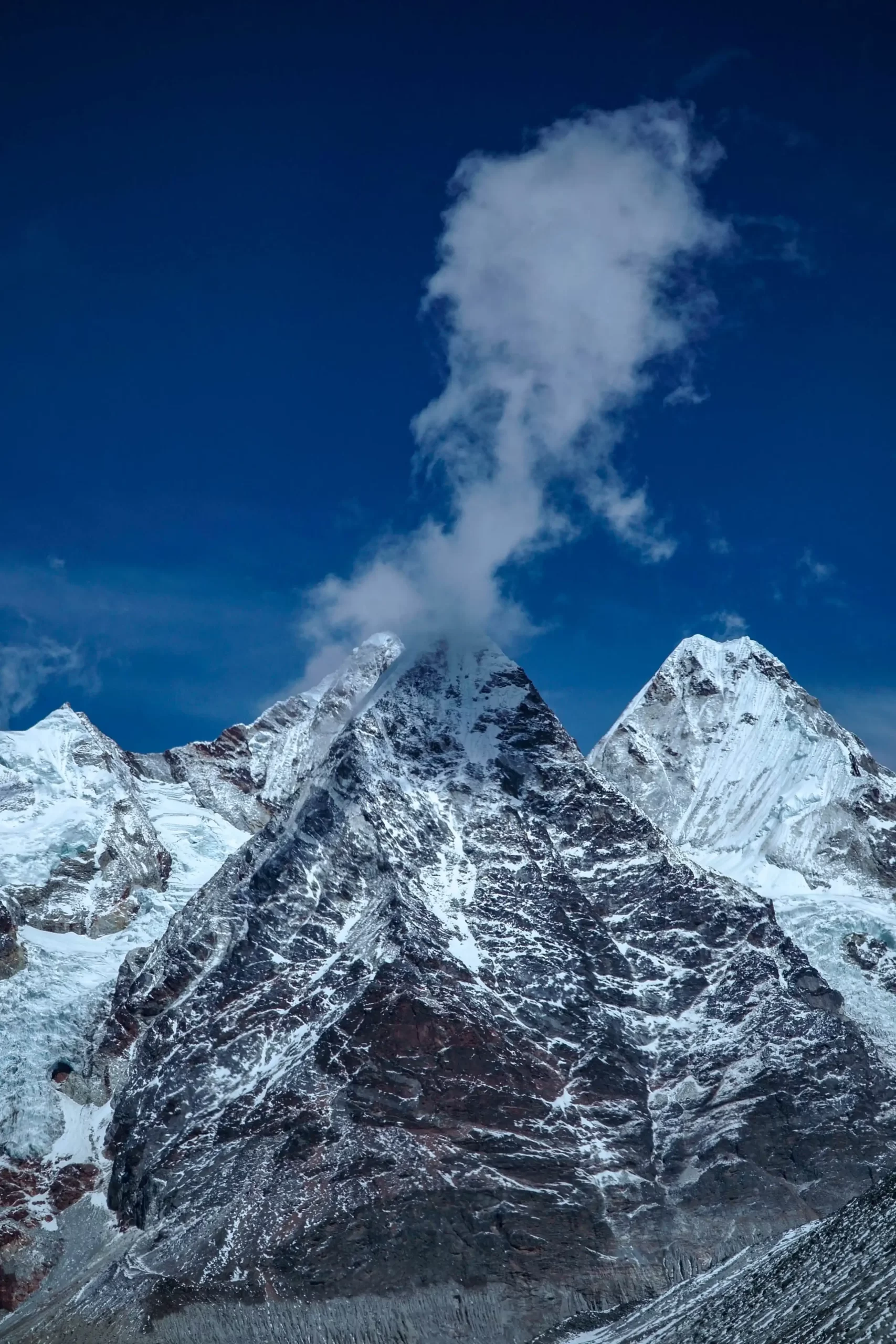
The primary attractions for the Himalayan country are indeed the towering snowcapped mountain peaks, including Mt.Everest: located in the Mahalangur mountain range in the Sagarmatha National Park of Solukhumbu district, the central-eastern region of Nepal.

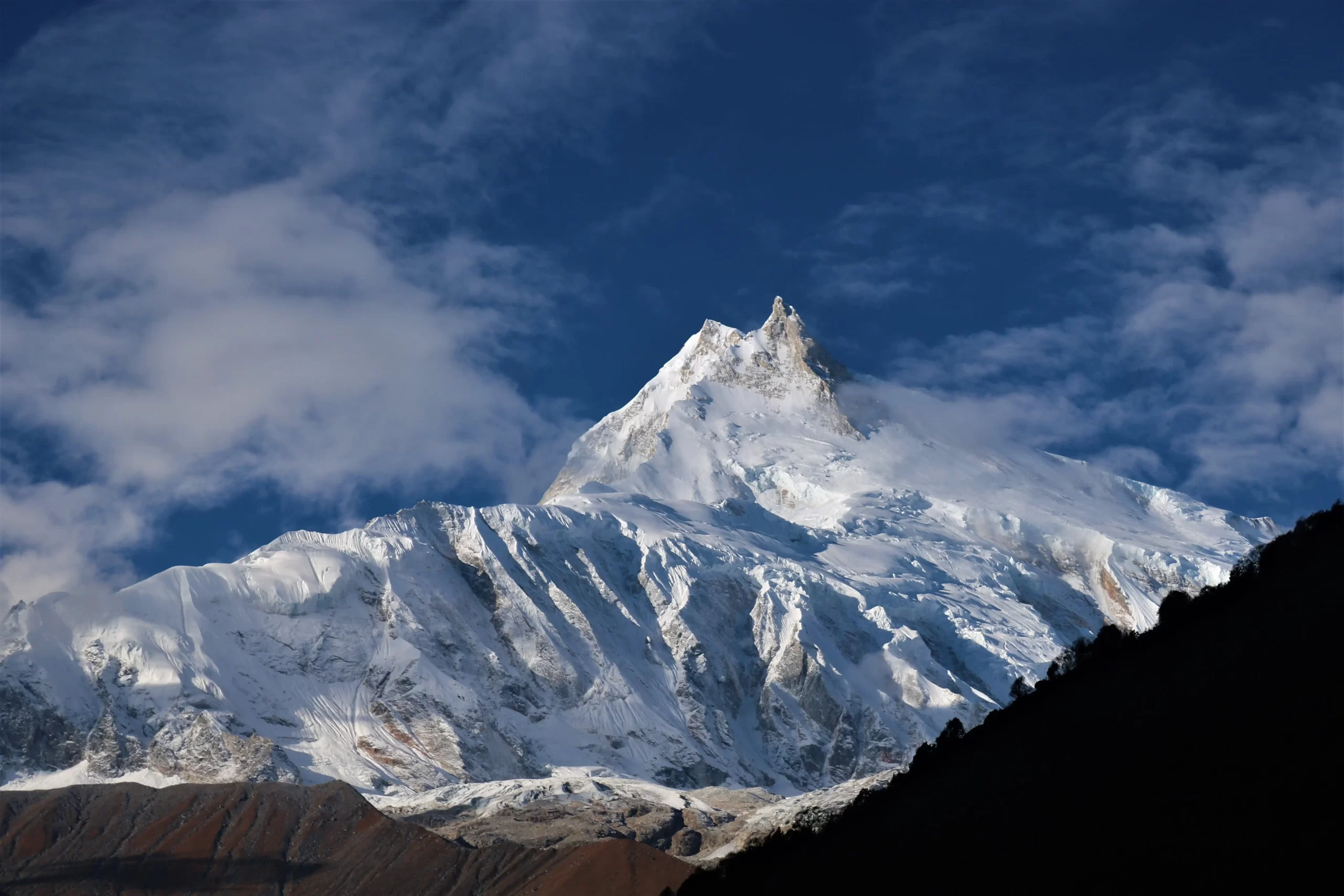
Himalayas is home to eight of the world’s highest mountain ranges in the world, namely Mt.Everest (8848m), Kanchenjunga (8586m), Lhotse (8516m), Makalu(8481m), Cho Oyu (8168m), Dhawalagiri I (8167m), Manaslu (8163m) and Annapurna I( 8091m).

According to Wikipedia, the number of mountain peaks higher than 6000 meters above sea level in Nepal is over 1300, out of which many are open for mountaineering expeditions.

Amadablam (6812m), Machapuchhre/Fishtail (6993), Annapurna South (7219m), Langtang Lirung (7234m), Island Peak/Imja Tse(6160m), Ganesh Himal (7422m), Mera Peak(6476m), and Dhampus Peak (6012m). Some of them are more popular among climbers from all over the world.

Furthermore, Nepal should be the world’s best destination for mountaineering and peak climbing. However, it isn’t as it should be. The main reasons might be lack of exposure, lack of proper infrastructure, political instability, and lack of enthusiasm among the youth of the country.

However, after the successful ascent of 14 summits, including the world’s highest mountain Everest, by Nirmal Puja (Nims Dai), the love for the sport has spread like wildfire as more people are showing their interest in climbing.
great travel destination
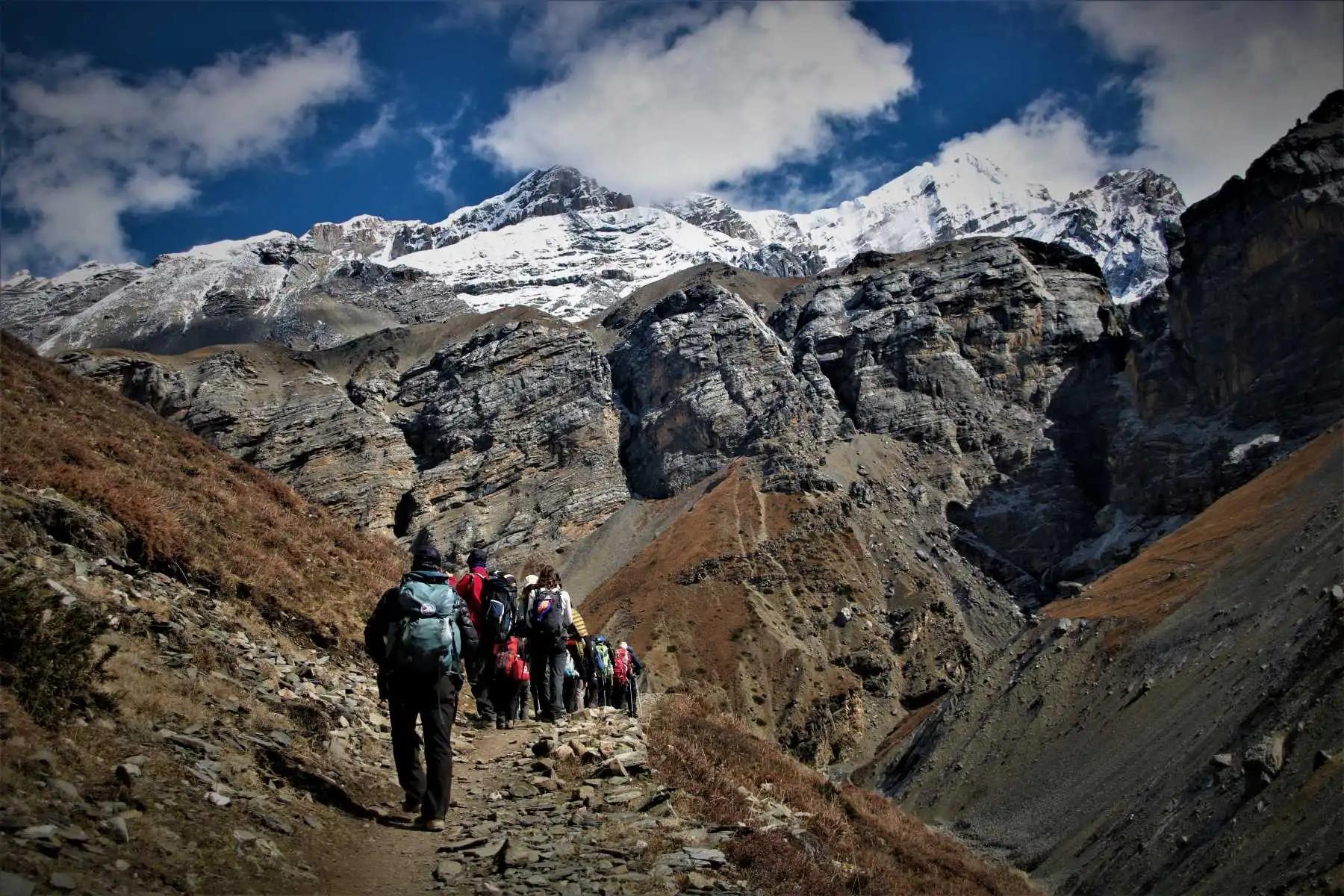
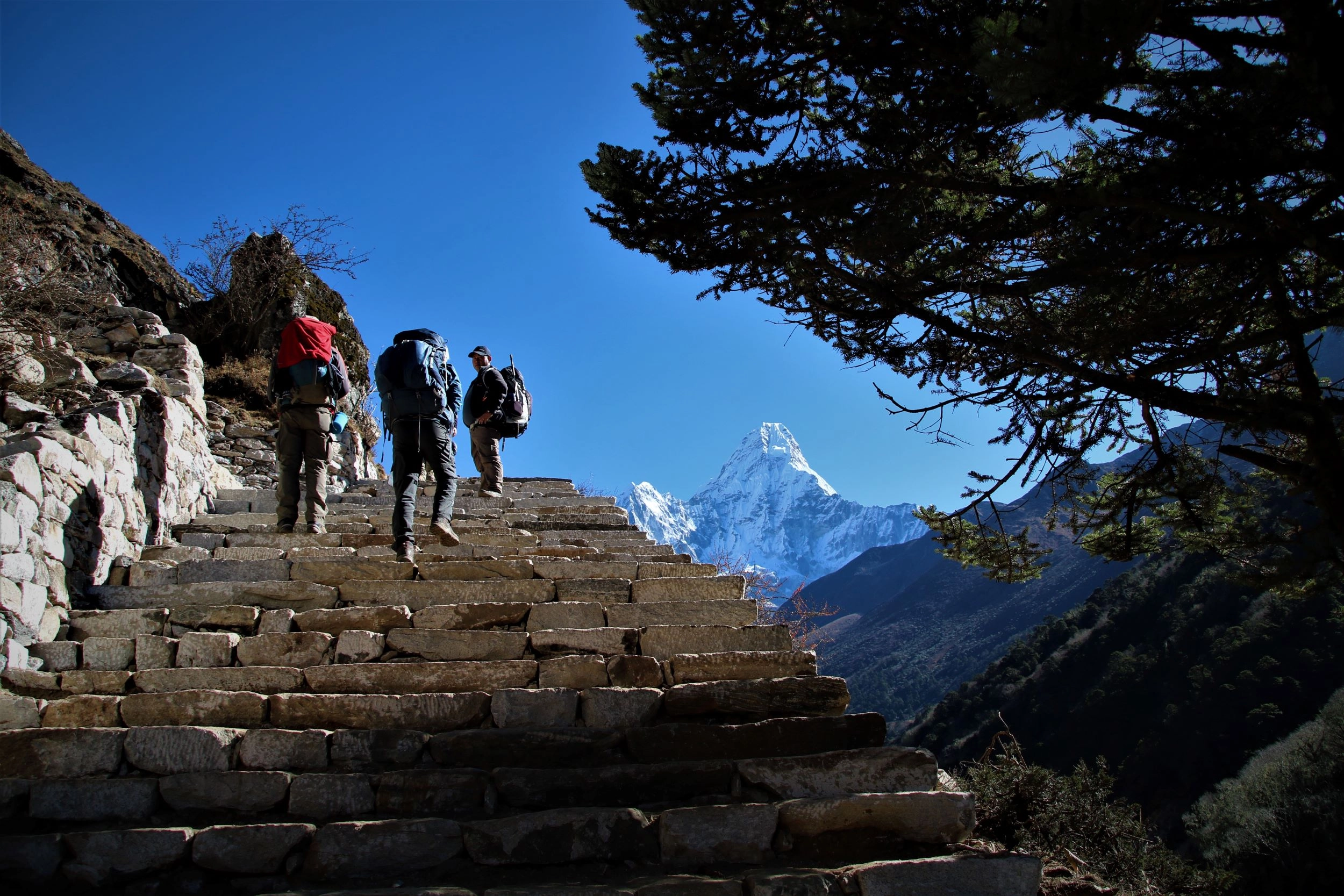
Hiking to Everest Base Camp

2. Best trekking /hiking trails

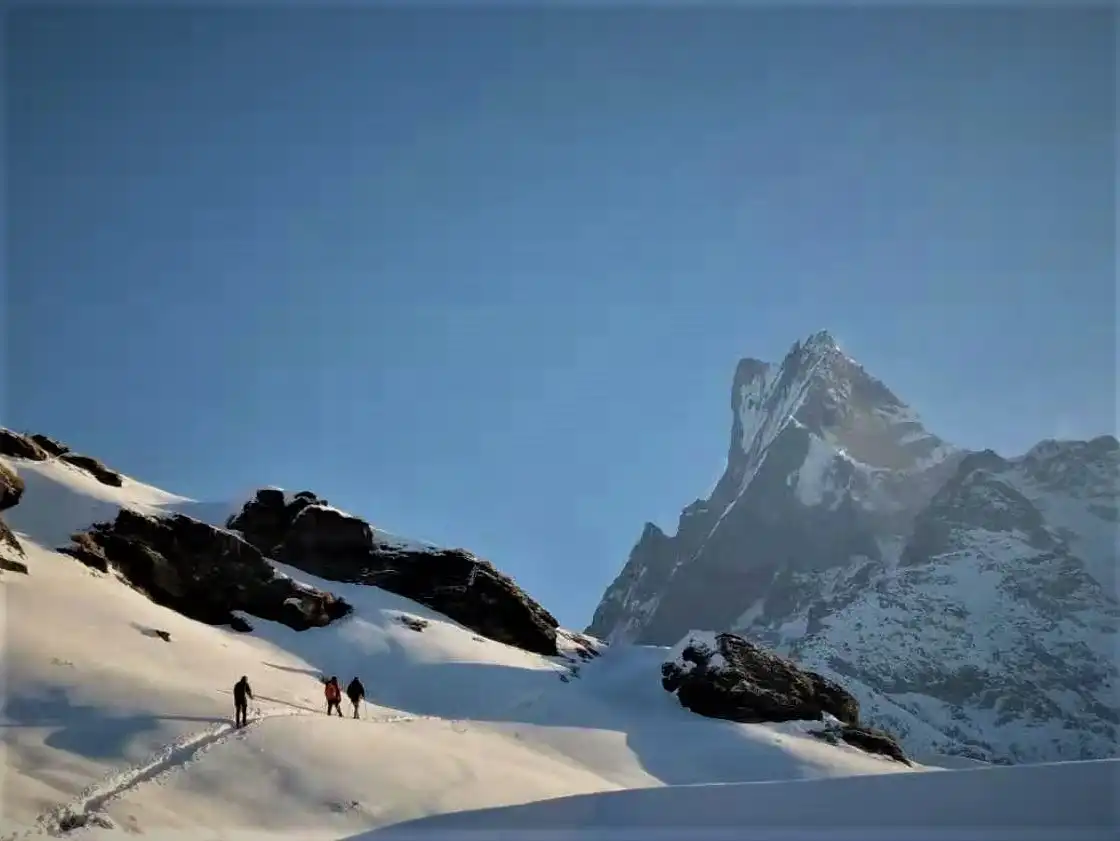
Trekking/Hiking is a major attraction of this Himalayan country, as most tourists and travelers visit Nepal solely for the purpose of exploring the mountainous topography along with the grand mountain vistas.

Not everybody has the time and resources to climb high mountain peaks. However, they can witness the majestic mountain ranges from a close distance. Besides, this activity allows travelers to explore other aspects like lifestyle, culture, biodiversity, and other interesting features of remote destinations in Nepal.

Everest Base Camp (featured in the ten best trekking trails list by Lonely Planet) along with Everest Three Passes trek, Annapurna Base Camp trek, Dhawalagiri Base Camp trek, Annapurna Circuit trek, Manaslu Circuit trek, Langtang Valley trek, Upper Mustang trek, Shey Phoksundo, Makalu Base Camp, Kanchenjunga Base Camp, Ghorepani Poonhill, Khopra Ridge Community, Tamang Heritage Trail, and Ruby Valley trek are some major trekking destinations in Nepal.

Besides, the current trend for sustainable tourism has motivated the local people of the mountains to organize community-based homestays, adding more destinations in the form of ecotourism.

Whether it is a trekking/hiking trip to the base camp of the world’s highest mountain peaks, circuit-styled trails, short hiking, or off-beaten path trails: Nepal has a wide range of destinations to choose from.

Basically, the Trans Himalayan region serves as a paradise for trekkers/hikers, offering them with once in a lifetime’s worth of holiday experience. The alluring nature of the Himalayas will make you fall in love with this land, and you will surely want to come back again, as suggested by the official slogan of the Nepal Tourism Board „Naturally, Nepal once is not enough.”

3. UNESCO-listed World Heritage Sites

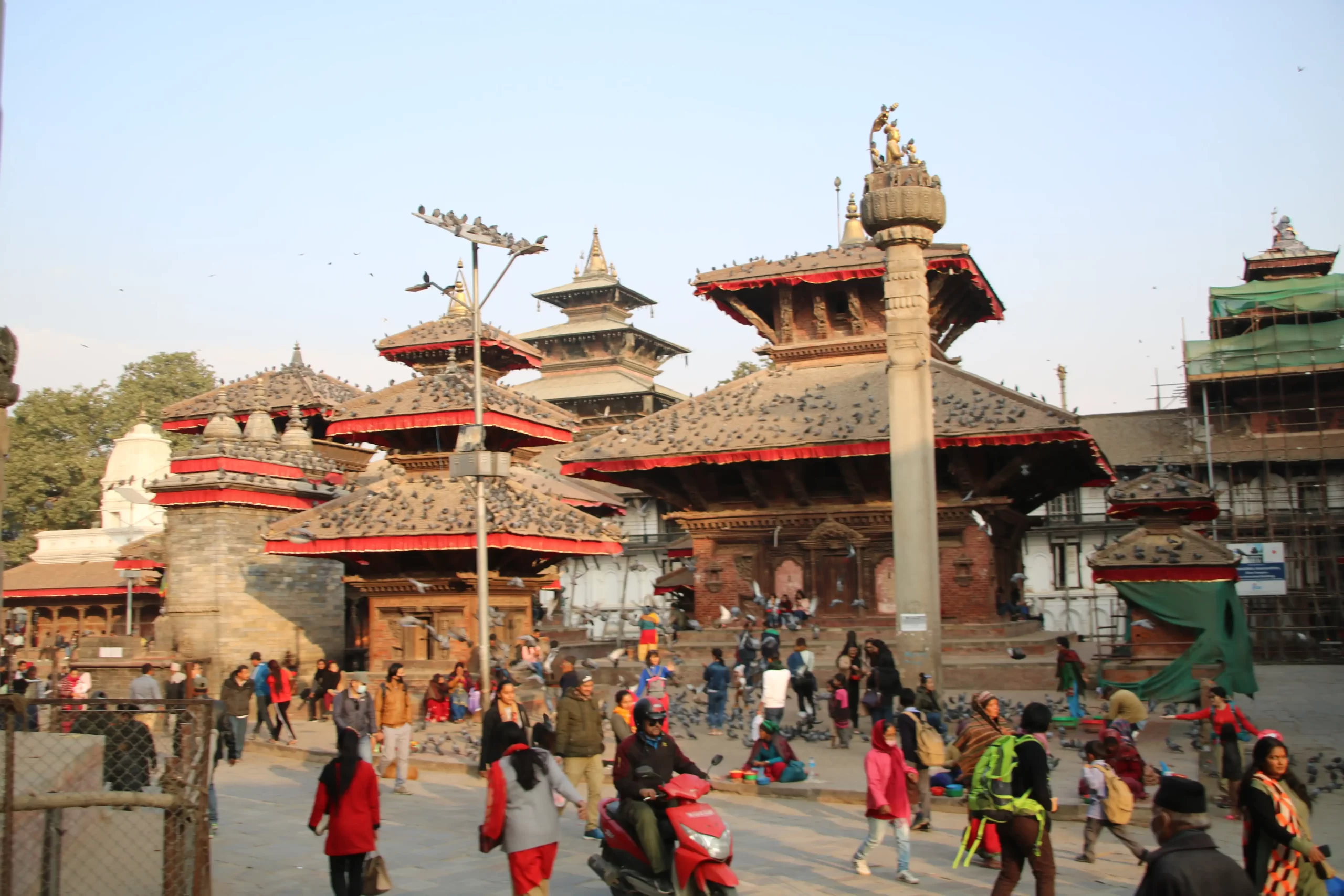
For tourists and travelers interested rather in the historical and cultural aspects, Nepal offers plenty of holiday packages where one can explore the ancient medieval art and architecture still intact amidst the modern concrete cities of Kathmandu, Lalitpur, and Bhaktapur.

These UNESCO enlisted heritage sites to showcase the engineering genius of artisans from the 6th century to 17th century AD, built during the reign of the Malla and Lichhavi kings, also known as the golden era of Nepal.

The monuments range from Palace/Durbar Squares, Courtyards, Temples, Stupas, Chaityas, Stone Pillars, and Stone water taps: decorated with intricate carvings and artistry.

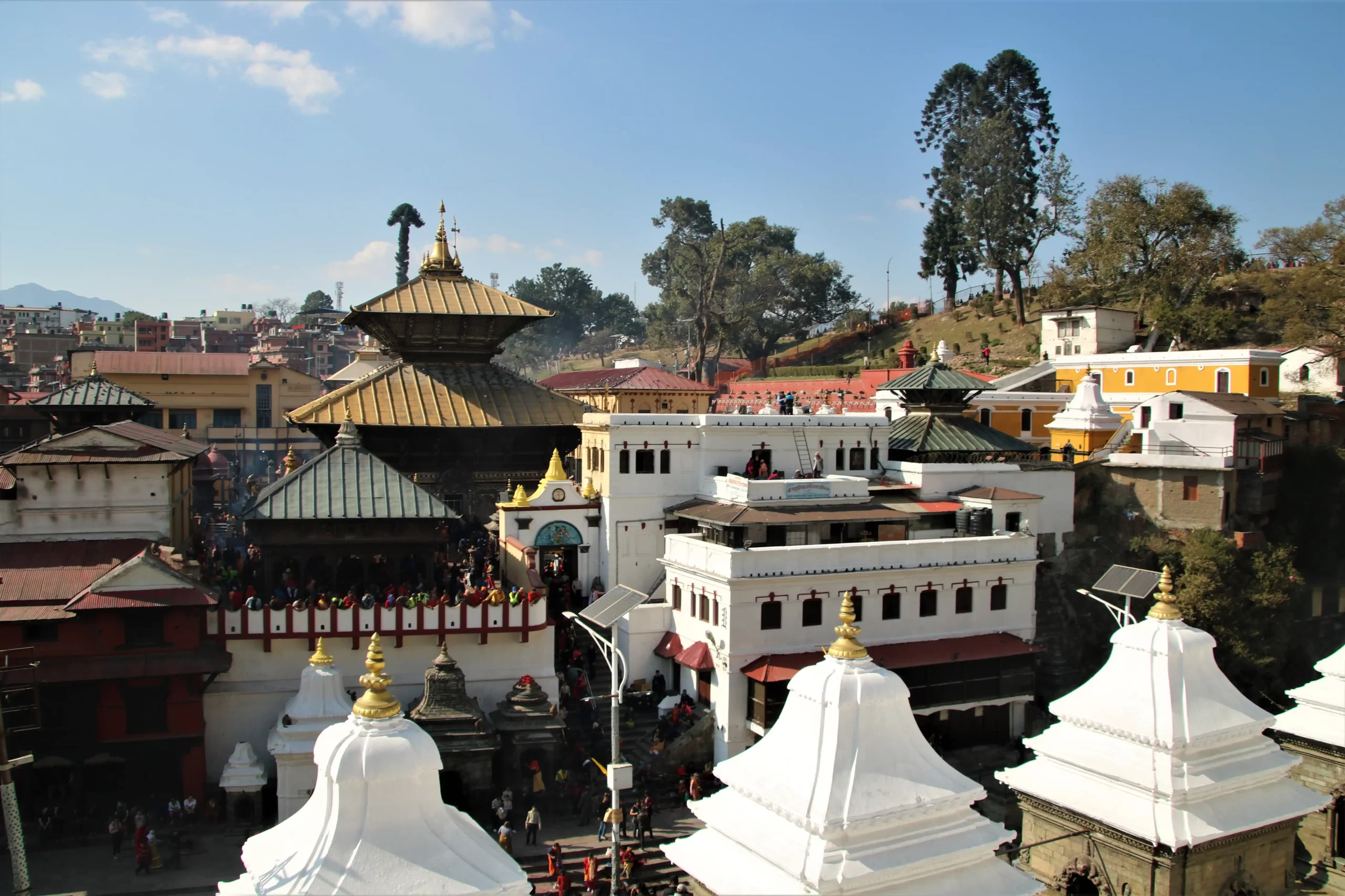
7 sites in the valley, Basantapur Durbar Square, Patan Durbar Square, Bhaktapur, Swoyambhunath (Monkey Temple), Pashupatinath Temple, Bouddhanath Stupa, and Changu Narayan Temple have been identified by UNESCO as World Heritage sites along with Sagarmatha National Park, Chitwan National Park, and Lumbini ” birthplace of Gautam Buddha. “

Sightseeing tours around these heritage sites must include activities in all types of holiday packages and enhances the travel experience. Tours around these sites provide deep insight into the Rich Ancient History of Nepal, ideal for travelers, including students interested in the archaeological sector.

Whether for solo or family tours, UNESCO world heritage sites are a major destination for tourists in Nepal, with an option for customized itinerary whether it is a single-day or a multi-day tour.

4. Ethnically and Culturally Diverse

Another great reason that makes Nepal a great travel destination is to witness the mysterious way of life of different ethnic groups of people living in perfect harmonious conditions. In Nepal, with a population of less than 30 million, the diversity in ethnicity and linguistics is a noteworthy feature for attracting western tourists and travelers.

More than 125 ethnic groups have been identified according to the official census of 2011, whereas there are more than 100 languages, including written, spoken, and mother tongues. During the reign of King Prithvi Narayan Shah, who started the unification campaign of Nepal, has said that Nepal is a garden of four castes and 36 sub-castes, which is a common term when defining the cultural aspect of Nepal.

Like most other countries worldwide have different classes, the demographics of this Himalayan country are divided into different castes based on occupation and profession. As per the Varna system from the Vedic culture, the four different castes(class) are Brahmins(Priests, Sages, and Educators), Chhetri ( Warrior and Administrative class), Vaishya( Merchants and Trader class), and Shudra (people of menial occupations).

Among these four main castes are sub-castes, with their own distinct identities varying in different aspects. Some major groups are Chhetri (16.6%) and Brahmin (12.11%).Magar (7.1%), Tharu (6.1%), Tamang (5.8%), Newar (5%), Kami (4.8%), Musalman(4.4%, Yadav(4%) and so on.

The major religious group, as per the 2011 census, are Hinduism (81.3%), Buddhism (9%), Islam (4.4%), Kirat (3.1%), Christianity(1.4%), Prakriti(0.5%), and others. The best thing about Nepal is these diverse spiritual groups reside in harmony, and there haven’t been any cases of religious clashes in between.

Moreover, people love to celebrate festivals, whether it is their own or of another religious group, depicting the fact that unity in diversity is the true strength of a nation.

However, the hierarchical caste system was a big issue in the past, seen as a big social problem in the process of being abolished with the availability of education and awareness.

This diverse cultural and ethnic feature is a major attraction for tourists and travelers, including those interested in anthropology. There is a lot to explore about this feature, and you can have an insight into it once you travel to different destinations in Nepal.

5. Rich in Biodiversity

When one seeks a reason that makes Nepal a great travel destination, the climate and weather are major subjects to put light on. High Himalayan peaks, including the world’s highest mountain on the northern belt, act as a barrier to precipitation coming from the Indian Ocean and the Arabian Sea, resulting in adequate rainfall during the monsoon season essential for diverse flora and fauna to flourish within.

These diverse factors drive the biodiversity of Nepal to become a unique feature, making it one essential reason for traveling to this wonderful land. Green cover is estimated to be around 40 to 45 percent of the total land area: comprising tropical, subtropical, temperate, and alpine vegetation.

Most of the forests are under the protection of some sort ranging from community-based to government-based organizations. Twelve National Parks, Ten Wetlands (Simsar), Six Conservation Areas, One wildlife Reserve, and One Hunting Reserve are major efforts to conserve and protect biodiversity.

Besides, these sites make for an amazing destination for tourists and travelers to take tours, including trekking, wildlife safari, birdwatching, canoeing, jungle walks, breeding center visit, or hunting trips.

Trekking and Mountaineering are popular in Himalayan National Parks and Conservation areas like (Everest) Sagarmatha National Park, Langtang National park, Annapurna Conservation Area, and Kanchanjunga National Park, whereas Chitwan National Park, Bardiya National park, Banke National Park, Koshi Tapu Wildlife Reserves are popular for wildlife safari and Elephant safari.

According to National Trust for Nature Conservation (NTNC), there are 208 mammals, 867 birds, 123 reptiles, 551 amphibians, 230 freshwater fish, and 651 butterfly species that inhabit the forests of Nepal. Diverse wildlife makes Nepal an important holiday destination, as well as a learning center for students of biodiversity and wildlife, as well as making Nepal a great travel destination.

Among the rare and endangered species make the significant amount, including Horned Rhinoceros, Red Panda, Bengal Tiger, Snow Leopard, Asiatic Elephant, Musk Deer, Four Horned Antelope, Ganges River Dolphin, Himalayan Lynx, Pangolin, Grey Wolf, Spiny Babbler, Crimson horned Pheasant, White Rumped Vulture, Asian Wooly Neck Stork, Gharials and so on.

6. Best Climate and Weather

Nepal, the land of the Himalayas, is a rich country when its natural resources are evaluated. Likewise, the diverse geographical elevation ranging from 60 meters to 8848 (world’s highest mountain, Everest) meters above sea level results in diverse climatic conditions: the hot, humid tropical climate in the southern belt, the cool subtropical climate in the mid-hills, and cold temperate alpine climate in the northern Himalayan belt.

The southern plains of Terai mostly have hot weather with high humidity during the summer season and receive a significant amount of rainfall during monsoon, followed by a cold wave during winter, whereas the spring season and autumn season is more pleasant.

The mid-hills are mostly cool with the regular monsoon, followed by colder winters with chances of snowfall in the higher hills. The spring and autumn season is the ideal time for traveling to Nepal, as the pleasant weather with clear blue skies along with seasonal wildflowers, including Rhododendron in bloom. Days are mostly sunny with clear views of the mountainous landscape along with green forested hills.

Whereas the Himalayan Mountainous region is icy cold throughout the year, accompanied by enough rainfall and snowfall during the monsoon season. Even though the weather in higher elevations can be unpredictable, the skies are mostly clear with enough sunlight days. Besides, the alpine meadows are decorated with exotic Himalayan wildflowers along with highly valued medicinal herbs.

Mostly throughout the year, the weather and climate of Nepal serve as the best time to travel to Nepal, adding significant value to the natural and cultural attractions for an amazing holiday experience. Mountaineering and Peak climbing trips are suitable during the spring season (April-May), as the risks of any climatic disasters are very low.

Whereas trekking, hiking, cultural tours, city tours, wildlife tours, mountain flights, helicopter tours, paragliding, rafting, mountain biking, and other adventure activities can be undertaken during any time of the year except for the monsoon season (June-August) as most regions receive rainfall on a daily basis and the views aren’t that clear. However, if you are a person who loves rainfall and daring nature, then Nepal is always open for travel.

7. Warm Hospitality and Friendly Approach

Nepal is called the land of Devas (Gods), and the Himalayas is the abode of Gods, as Lord Shiva is depicted meditating at the top of a mountain peak. Whether it is Hinduism (Sanatana Dharma) or Buddhism, this pristine land is known to be a land where great sages and saints have meditated and got enlightened.

It is widely accepted in this culture that the high elevated mountains, valleys, lakes, and spots help the consciousness of living beings to rise up. Thus, the people of this culture regard each and every entity of this entire creation as a form of divine consciousness; therefore, worship of animate and inanimate objects is popular.

This culture, therefore, has always had a slogan, “Atithi Debo Bhava,” which translates to “Guests are Gods,” which in turn fascinates the tourists and travelers visiting this diverse land. No matter what caste or creed you are from, no matter how rich or poor you are: this culture endorses treating guests with warm hospitality and a friendly approach. No matter which part of the country you’re traveling to, you will always find people smiling with their eyes lit up. Whenever a guest arrives home, whether known or unknown, it is a privilege for the homeowner to offer food and shelter.

As a matter of fact, this attitude towards visitors is indeed a major reason for tourists wanting to travel to Nepal again and again. As a matter of fact, the idea of guests being divine is true for everyone as they bring value with them: whether it is economical, cultural, or educational. In today’s economic-driven world, clients are a major part of the tourism industry, and helping the country’s economy so will help to uplift the living standard of local communities. Moreover, it’s not about belittling oneself but rather understanding the fact that travel is about exchange and guests should be treated with great reverence.

……………………………………………………………………………………………………………………………………………………..

Besides the reasons mentioned above, there are many other topics that make Nepal a wonderful travel destination. If you would like to be notified about our stories and articles, then please subscribe to our newsletter. If you have any specific queries about Nepal and Holiday packages in Nepal, then you can contact Vertex Holiday directly via mail: [email protected]

For recommended reading, please check Popular Souvenir to buy from Nepal.
Cultural Heritage in Nepal

Various Cultural Heritage in Nepal is a country enriched with colorful festivals and diverse cultures. Nepal’s various heritages of diverse cultures and age-old traditional customs are interwoven with its main two religions, Hinduism and Buddhism. A country enriched with colorful festivals and ancient heritage culture, from the low land of Terai to the high Himalayas’;

Cultural Heritage in Nepal, wherever visitors travel will witness a wide range of inherited traditions, religious monuments, temples, monasteries, and culture. Besides the range of recent activities of the modern world, Nepal retains its old-time glories preserving ancient cultural heritage.

Cultural Heritage of Nepal
Kathmandu Durbar Square

For all, Nepalese Heritage Culture is a tribal identity, values, and traditional customs, handed down by past generations to others. Various tribes of Nepal absorb a sense of heritage culture throughout their lives, observing and experiencing traditional daily life. Nepal is a unique and extraordinary destination, with religious and cultural harmony between various spiritual practices, including Hinduism and Buddhism.

Nepal is a country of more than 60 ethnic tribal groups with 70 native spoken languages within a population of about 27 million, making the Himalayan country rich in distinct cultures, as the ancient traditions and religious practices are still intact.

Nepal’s various cultural heritages depend upon the areas from low Terai and the green hills to a high mountainous zone, where each series of country landscapes has a diverse climate, people, and cultures that Nepali people have adapted.

At present, the country has been divided into seven major zones, which include the warm low southern plains, extending to rolling mid-hills all the way to the high mountainous country of the Himalayas range, with various climates, vegetation, and people resulting in various diversities of food, culture, and farming including cattle live-stocks.

Major cities are mostly located in the lowland of the Terai, mid-hills, and valleys. The Southern Terai belt runs from East to West, the most populated area of Nepal with mainly Hindu religion. Practice their own heritage cultures linked with Hinduism, celebrating many festivals and religious rites all year round.

The hilly areas with mixed tribes of both Hindu and Buddhism religions make the hill villages more interesting to experience. Whereas the higher regions around the mountainous region of the Himalayas, dominated by hardy highlanders of Tibetan origin with their own community cultures, interwoven with Himalayan Buddhism similar to their predecessors: the Tibetans, who migrated some past centuries ago.

The Low Land Terai Belt, Culture, and Customs:

The low and southern land of Nepal is known as the Terai belt of sub-tropical climate, which is close to the Indian border, where most people are dominated by Indian-origin Nepalese, mainly following the Hindu religion and culture, celebrating various colorful festivals.

Apart from a few hill tribes settled in Terai, the lowland is populated by the indigenous Tharu and Dhimal tribes. The flat southern region of Indian origin of Nepal and Terai are known as Madhesi people in the Nepalese language. The Terai extends from east to west of the country along the border of the Indian states of Bihar and Uttar Pradesh. As well West Bengal, around its east-southern rim, the Madhesi people make near 30 % of the country’s population.

Cultural Heritage in Nepal, The Terai culture and society are mainly based on agriculture farming, known as the breadbasket of the country. The Madhesh people also include Maithalis and Bhojpuri, besides Tharu and Dhimal, having their own heritage cultures.

An ancient tribe of India, due to its close border with Nepal, Maithili is one of the largest Maithili linguistic groups. The Province 02 of Nepal and the second-largest ethnolinguistic group in Province 01, the eastern states of Nepal.

With a strong Hindu culture among the Bihari languages of Bhojpuri, Maithili, and Magahi. Maithili is rich in ancient culture as well its famed Maithili arts and paintings are renowned. The capital city of Province-2 Janakpur is famous for Janaki Temple and the birthplace of Sita, the consort of Lord Rama.

The most famous festival of low land, Terai, displays its culture and customs Diwali (festival of lights). Chhath is an important festival observed in the Terai region and falls on the seventh day after Diwali. The wedding anniversary of Rama and Sita, including Maghe Sankranti, especially for the Tharu and Dhimal communities, is celebrated with great reverence.

The Mid-Hills & Valleys Cultural Heritage:

The most unique and typical Nepalese culture can be observed around the valleys and mid-hills of Nepal. The true side of the country is where visitors can experience the authentic Nepalese cultural heritage from one area to another.

The valleys around rolling green hills, steeped with various traditions of both Hinduism and Buddhism, religions enriched with fascinating cultures. An interesting region around the valleys and mid-hills of Nepal, where one can come across various tribes of people. This makes the hills alive and exciting with a blend of different cultures of Hindu and Buddhist followers.

The hills tribes are the indigenous people of Nepal; Nepali is the main mother tongue, besides their own tribal language. The hills are mostly dominated by Hindu Chettris, Brahmin, and Dalits tribes depending upon the region-wise.

Cultural Heritage in Nepal, Most hills are also populated by Kirats and Mongol tribes of people with their ancestral Mongol background. Most of the mixed tribes are interwoven with the Hindu religion, and some follow the path of Buddhism. The culture of mixed people in their own community, the Magar, Gurung, Tamang, and Rai-Kirats, make up the percentage of hill tribes.

Travelers will have delightful times experiencing various exciting traditions and age-old cultures in the close shade of massive Himalayan peaks. The hills tribe cultures are basically related to their way of life, like farming, raising live stocks as well hunting. One can enjoy the merriment of traditional folk songs and dancing, which is a part of the culture of hill villages.

Various traditional ways of showcasing the cultures of the hill villagers and also their way of life are fascinating for tourists. The hill tribes and valleys of Nepal stretch from East to West, where one can find various different immense cultures. A community based on each and every tribal village has its own culture and custom, as well as age-old heritage.

The main tribes of Mid-High Hills and valley:

There are more than 32 major Hills areas with cities, towns, and large villages. Like the famous scenic Pokhara city, the beautiful Nagarkot, Jomsom, and Kathmandu, the capital city and commercial hub of Nepal. Mid-hills and valleys inhabit the majority of Chettries, Bhaun / Bharamins of strong Hindu religion, interwoven to various major festivals and cultures.

The other tribe is Newar, mainly populated within Kathmandu valley, some in Pokhara and a few in other parts of Nepal. The Newar community has a strong devotion to their heritage culture and custom, as well as is famous for various types of foods. Newar people are interwoven with both Hindu and Buddhism religion cultures; visitors will be amazed to see many temples and shrines.

Where ever you travel around, the streets of Kathmandu and other towns and cities are inhabited by the Newar community. Where one can find temples and religious courtyards of Hinduism and Buddhism, there are farmers, craftsmen, and shopkeepers.

Newar enjoys merriment of religious and cultural activities with major festivals of their own Newar community. The next most populated ethnic tribe around the mid and high hills of the country is the Tamang of Tibeto-Burman origin. Tamang makes the 5th largest tribe, spread within Kathmandu valley hills to Mid-West and East of Nepal.

Tamang is mostly a farmer, raising livestock as well as a craftsman, following Buddhism similar to Tibetan culture and customs. Every village of the Tamang community celebrates various religious events related to Buddhism culture; Tamang is also interwoven with Bon.

Cultural Heritage in Nepal, An ancient sect of pre-Buddhism, worship of nature and mountain spirits where Tamang village has a Buddhist priest called Lama. Tamang being a Bon, also has Jyakri, a Shaman or Soothsayer, in every village to heal illness and wade evils.

Gurung indigenous people are mainly concentrated around Mid-West Nepal around Annapurna and Lamjung Himal ranges. Gurung, like Tamang, follows Buddhism as well Bon sect of age-old culture and celebrates their own community religious events and festivals.

Gurung culture is linked to farming and raising livestock as well as enjoying merriment called Rodi-Ghar: Nightlife of the Gurung community for entertainment, performing dance and folk songs showcasing the part of Gurung culture.

Magar tribe makes up the 3rd largest population of the country, a hill people largely spread around Western Nepal. Including East to Mid-West, a tribe heavily involved in agriculture, farming, and raising livestock, which is part of heritage culture. As well as a traditional way of life, Magar ethnic hill tribes have their own rich custom interwoven with the Hindu religion.

Some Magar people are inclined towards Buddhism, similar to the origin background Gurung and Tamang of Tibeto-Burman ethnic roots, while celebrating various exciting festivals of their own Magar community and ancestral links to their ancient cultural heritage.

The Mahashivratri festival in Nepal

Mahashivaratri Festival in Nepal
Pashupatinath Temple

Mahashivratri festival in Nepal

The Mahashivratri festival in Nepal Among the pantheon of the trinity Gods in Sanatana Dharma (Hinduism), Lord Shiva is a major God. He is depicted as a fierce figure with a garland of a Cobra around his neck, wearing tiger skin around his lower body, and carrying a trident and damaru. Also known as the God of Gods (Mahadev), goes by several other names like Bholenath, Shankar, Rudra, Bhairava, Nataraja, and many others. He is normally depicted meditating on the Kailash Mountain with his other half, Goddess Parvati. His role in the trinity pantheon is described to be of destruction, only to create a new creation.

The day before every new moon in each month of the Hindu Lunar calendar is dedicated to Lord Shiva as Shiva Ratri (the Night of Shiva); however, during the months of February and March, the day before the new moon is known as an auspicious day of Maha Shivaratri, where Maha refers to great. The word Shiva has a significant meaning to it, where “Shi” refers to “the Auspicious one, “whereas “Va” refers to “That which is not”, referring to the dark space where all of the matter and non-matter of the universe exists. Thus he is also known as Maha Kaala, where Kaala refers to darkness and time altogether.

History of Mahashivratri

The festival has its roots in ancient times, as suggested by the Skanda Purana, Padma Purana, and Linga Purana, estimated to be written as early as 700 to 1000 BCE. However, the exact date of the origin of the festival is unknown. According to Nepali folklore, Goddess Parvati took fasting and worshipped Lord Shiva with great reverence in order to fulfill her wish of being his wife.

It is said to be the night when her wish was fulfilled as he took her as his wife. However, there are many versions of the story according to different sects and regions. Among these, another famous legend is that this is the night when Nataraja (King of Dance) performed a cosmic dance for the destruction, creation, and preservation of existence. Thus, people can sing hymns and dance on this auspicious day.

In the Yogic culture, however, Shiva is referred to as Adiyogi (the first Yogi) and the first master of Yogic sciences. It is unknown where he came from and what he is, but he is known to be the source of Yoga. He is believed to have mastered all the possible ways for Humans to reach their ultimate selves and reach the point beyond liberation or Nirvana. His teachings include his 114 ways of reaching the divine self, whereas Lord Gautam Buddha is known just for one way. His teachings have been followed by great Yogic Masters like Sunita, Matsyendranath, Patanjali, and Gorakhnath and transferred to the reach of the rest of mankind.

Rituals and Celebration

Mahashivratri festival in Nepal, Hindus all over the world celebrate this festival with great reverence, especially in the UNESCO World Heritage Site listed Pashupatinath in Kathmandu and other temples dedicated to Lord Shiva. The deity is worshipped by chanting Om Namah Shivaya all night long without sleeping which is also called Jaagaran, which is supposed to help one gain victory over darkness and ignorance.

Devotees offer milk, sweets, leaves of stone apples, and cannabis as offering to the supreme lord as they are believed to be dear to him. Hundreds of thousands of pilgrims, including ascetics, visit the auspicious Pashupatinath Temple at this event. Besides worshipping Mahadev, devotees perform a rigorous dance to the hymns dedicated to the lord.

Shiva, the “Stoner” God

It might make the rest of the world after knowing that an intoxicant plant like Cannabis can be associated with a God. Also known as Somnath, where “Som” refers to intoxicants: Lord Shiva is often depicted smoking a joint on a chillum, and as a popular belief, people tend to follow the trend. He is supposed to have consumed even the deadly poison and venom of the cobra, thus turning his throat blue.

It is believed that smoking cannabis on this day helps one to reach near to the Lord himself. Thus a Hindu is supposed to consume this plant at least once during the Mahashivaraatri festival. Several ascetic Sadhus can be seen in the Pashupatinath temple smoking the stuff, where the general public can join them. However, for those who do not smoke, there are several other edibles, including sweets, porridge, or milk infused with cannabis.

Lingaa “The form.”

The most significant portrayal of the supreme God is the Lingaa, an ellipsoid mounted on a stone base. It is widely believed that the Lingaa is the depiction of energy just before the Big Bang referring to the energy for the new creation. There are several misconceptions and rough translations, where it is said to be the male genital inside the womb. However, according to the majority of different sects, like Shaivism and Yoga, it is otherwise.

The form is worshipped and bathed with oil, water, and milk so that the chances of cracks in the Lingaa are minimized. For people seeking yoga and meditation, Lingaa is supposed to provide assistance to meditate properly as the energy reverberating from the Form makes it easier to meditate. This portrayal is commonly found in Shiva temples all over the world and is dear to millions of devotees.

What can Travelers and Tourists expect from the Mahashivratri festival?

Mahashivratri festival in Nepal With a historical and religious value, the festival of Shivratri is one of the major festivals in Nepal. Besides the religious and spiritual value, the festival has great touristic significance. During this festival, tourists from all over the world come to Nepal just in order to experience the vivid cultural fest. The prayers, dances, and worship, along with the exploration of the Pashupatinath Temple, will inspire with awe. Ascetics and Sadhus are one of many attractions during this festival, where their lifestyle, outfit, and their rituals are interesting, including the Naga and Agora ascetics who live exposing their privates and perform stunts like lifting a stone tied with a thread with an erection.

Mahashivratri festival in Nepal If you are interested in knowing about the rich cultural and spiritual aspects of this Himalayan country Nepal, then you can subscribe to our newsletter. Or you can reach us via our mail at [email protected]. If you have any further queries, feel free to contact Vertex Holiday, as we are determined to provide an amazing holiday experience in Nepal.

Top 10 Short Trekking Trails in Nepal

Top 10 Short Easy Trekking Trails in Nepal

Short Trekking Trail in Nepal mountainous geographical feature of the Himalayan land of Nepal makes it an ideal adventure vacation destination for mountaineering, trekking, hiking, and other similar activities. The country is home to eight out of the fourteen world’s highest elevated mountain peaks, including the highest, Mount Everest (8848m), making Nepal a paradise for mountaineering and trekking adventures. One can choose from a wide range of trekking trips from beginners to advanced levels of difficulty.

Short trekking trail in Nepal
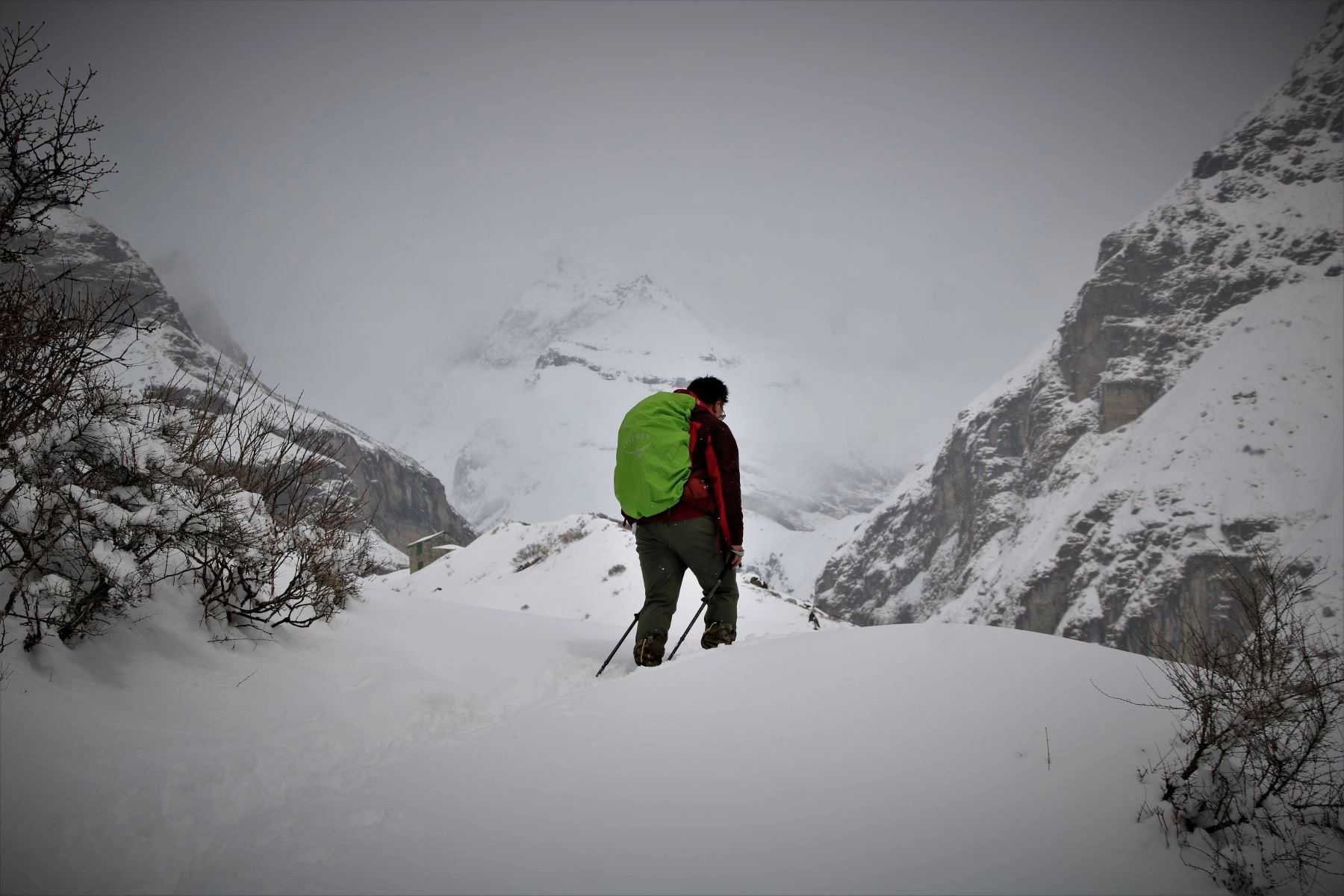
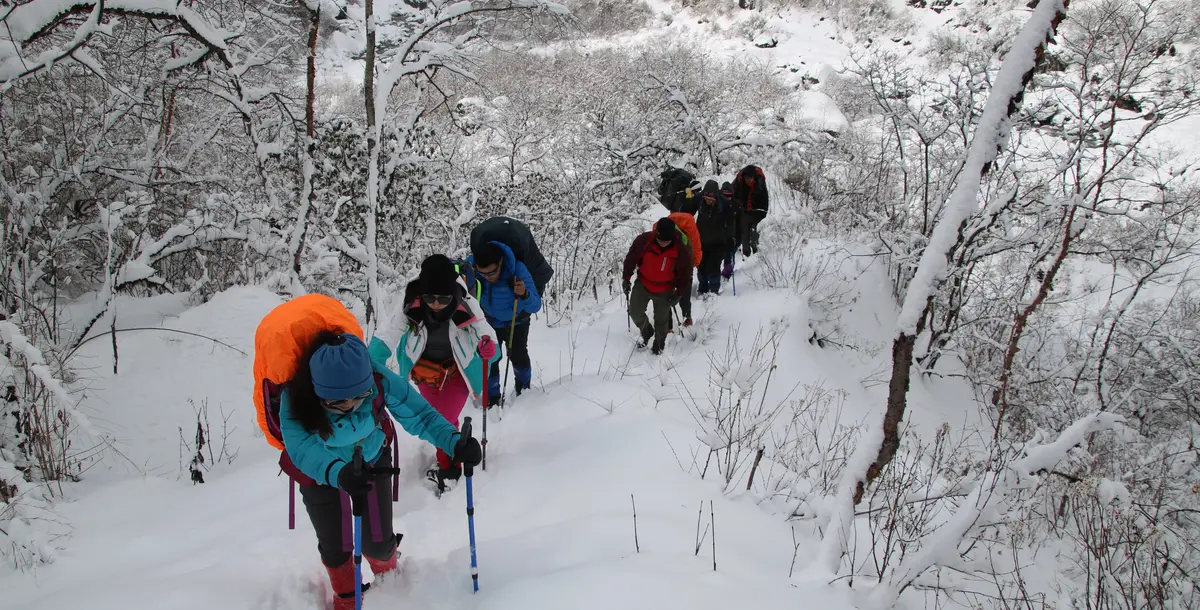
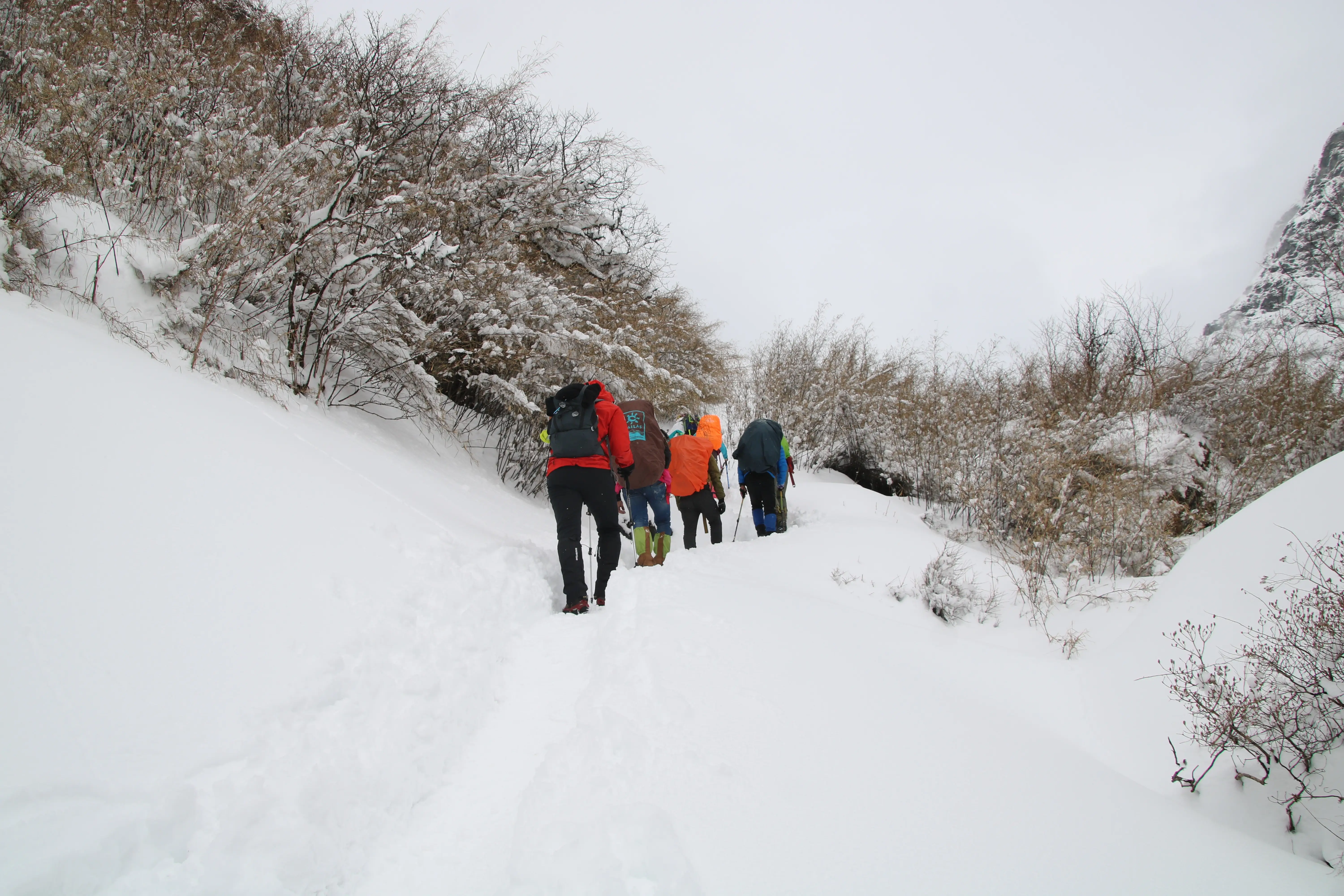
Hiking through Snow

For those trekkers seeking short hiking trips, there are many trekking trails that are customized for the best holiday adventure in the lower part of the Himalayas. These types of trekking trips are suitable for children and elderly people also, where they can witness the mesmerizing views of mountains without the need for a long and strenuous journey. Furthermore, these lower-altitude trekking trails minimize the risk of any potential health problems regarding Acute Mountain Sickness.

These short treks can also be categorized as “Budget Trekking Trips” as the costs and expenses required is relatively lower, including the facilities of Food, Transportation, and Accommodation. These types of trekking trips are popular among tourists with short vacations who are seeking to explore the mountainous life. There are plenty of short and easy treks in Nepal, and categorizing the best among them is a difficult task. However, the most popular short and beginner trekking routes that Vertex Holiday operates in Nepal are noted below.

Everest view Trek

Trip Duration: 10 Days

Trek Grade: Moderate

Highest Altitude: 3860m

Mount Everest region is most popular for various trekking trails, including the Everest Base Camp trek. Most of the trekking trips in the region require at least a couple of weeks’ time to complete and are graded as challenging. For those travelers and tourists seeking a short trip to explore the world’s highest peak Mount Everest (8848m), Everest View Trek can be an ideal choice. Firstly, this hiking trip is confined to the lower altitude zones of the Solukhumbu and thus is suitable for beginners and offers an exciting view of several other mountain peaks.

Everest View Trek begins with a dramatic flight to the Tenzing Hillary Airstrip at Lukla (2860m), overlooking the massive Himalayan Mountains peaks. After a steep climb into the forest and crossing several suspended bridges, you will reach the famous local market town of Namche Bazaar. Also known as the “Gateway to Everest,” this little hill station is the amalgamation of the traditional Sherpa Culture and the modern Culture. Monasteries and stupas are common in the region, reflecting the Buddhist culture.

A 35-minute flight takes you to the trailhead Lukla (2860m).

PikeyPeak Trek

Trip Duration: 10 days

Trip Grade: Moderate

Highest Elevation: 4065 meters

A recently opened off-the-beaten trekking trail in the Solukhumbu region, the Pikey Peak hiking trip is truly a gem for travelers looking for a short and lower altitude trekking in the Everest Himalayan region. Besides beautiful mountain vistas, the Pikey peak trek is known for its green hilly landscape along with terrace farms and scattered Sherpa villages.

Commencing from the small hilly town of Dhap, the trekking trail explores the unspoiled cultural and natural attractions. Mount Everest (8848m), Mount Makalu (8163m), and other smaller mountain peaks are visible during the hiking trip. Several viewpoints lie in different places of the trail from where beautiful sceneries of sunrise and sunset are visible.

Pikey peak trekking trail offers community-based homestays and organic produce for the food and accommodation facilities. It offers tourists to interact with the local indigenous community where they can explore the Himalayan way of life. Spiritually Himalayan Tibetan Buddhism is prevalent in the region, thus comprising Monasteries, Stupas, Gompas, and prayer wheels where a traveler can witness the Himalayan Sherpa culture. During the trekking journey, travelers can take part in the daily prayer rituals and special festivals in the Monasteries. In short, the Pikey Peak hiking trail is an ideal journey for tourists seeking to explore the lower parts of the Sherpa inhabited region.

A drive of around 6 to 7 hours takes you to the trailhead Dhap (2900m).

Annapurna Base Camp Short Trek

Trip Duration: 7 days

Highest Elevation: 4130m

Trip Grade: Moderate

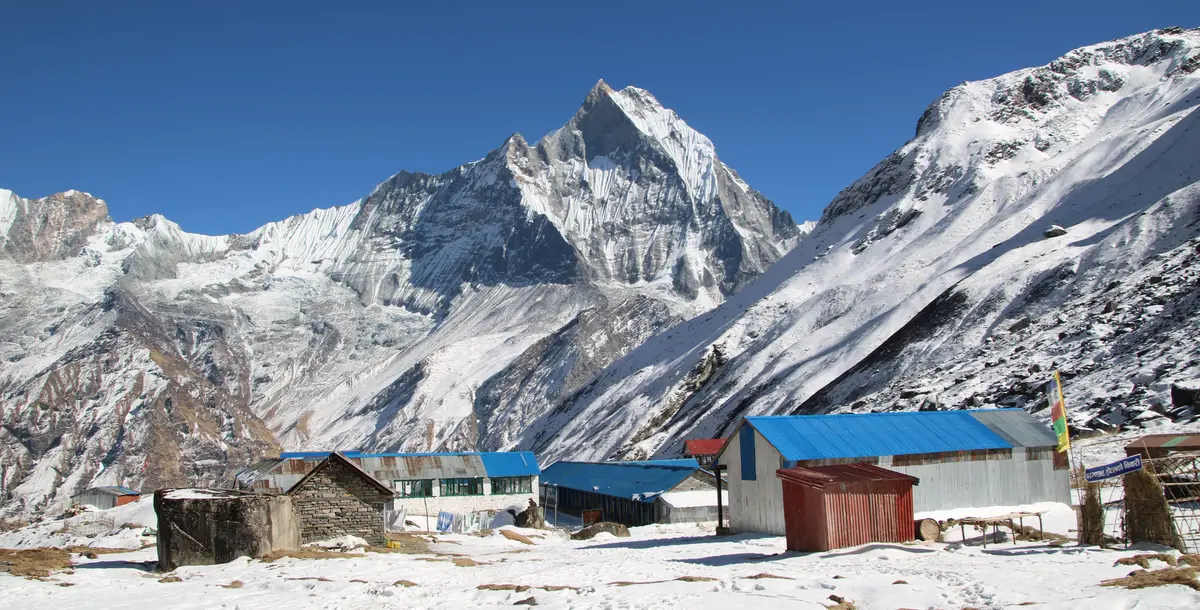
The short hiking trip to the base camp of the world’s 10th highest Annapurna mountain peak is one popular trekking trail in Nepal. Starting from Nayapul, a small town on the bank of the Modi River, Annapurna Base Camp’s short trek follows the stone-stepped trail to the green lush Rhododendron forests of the Annapurna region. The trail crosses via the ethnic villages inhabited by the majority of the Gurung communities, where the stone thatch-roofed houses showcase the traditional vibe along with the beautiful mountain peaks of the Annapurna range. During the trekking journey, the accommodation is mostly in cozy tea houses and lodges with amazing food and facilities.

Annapurna Base Camp (4130m) is a bowl-shaped hidden pocket surrounded by the Annapurna (8091m), Annapurna South (7219m), Fishtail (6993m), and Hiunchuli (6441m) mountain peaks and offers a panoramic viewpoint. During the winter, tourists choose ABC for skiing and snowboarding activities, and the trend is gaining hype in recent years. Various species of flora and fauna, including rare and endangered Red Panda and Snow Leopards, inhabit the tranquil landscape. Graded as a moderate trekking trip, the trail heads straight to the base camp gaining altitude, and retraces back. Near the end of the completion of the trip, one can enjoy a warm bath at a natural hot spring pool for relaxation and stress relief. In brief, the Annapurna Base Camp Short trek offers a wonderful experience in the Himalayas in a short period of time.

A drive of around one and a half hours from the Touristic city of Pokhara takes you to the trailhead.

Langtang Valley Trek

Trip Duration: 10 days

Highest Elevation: Tserko RI (4984m)

Trip Grade: Moderate

Located on the northern side of the capital city of Kathmandu, Langtang valley is a wonderful destination for hiking and trekking adventures. Enriched with natural and cultural attractions, a short hike to the Langtang region offers travelers to spend a quality vacation in the Himalayas. Starting from Syafru Besi, the hike follows the Langtang River through the pristine wilderness exploring the diverse flora and fauna including the rare endangered Red Panda. Tea houses and lodges provide excellent service with the warm hospitality of the Tamang ethnic people.

The majority of the inhabitants are descendants of Tibetan refugees who fled after the annexation of Tibet into China. Spiritually, Tibetan Himalayan Buddhism is practiced in the region and is decorated with prayer flags, Mani walls, Stupas, Monasteries, and Chhortens. Besides cultural attractions, the Langtang short trek is decorated with the beautiful mountain vistas of the Langtang Lirung (7,234 m), Langtang Ri(7,205m), Dorje Lakpa(6,966m), and Yala Peak(5520m). Trekking peaks like Kyanjin Ri (4775m) and Tserko Ri (4984m) serve as major viewpoints with an amazing views. The hiking trip concludes after retracing back to Syafru Besi where one can relax in the natural hot spring.

A drive of around 7 hours takes you to the trailhead: Syafru Besi.

Ghorepani Ghandruk Circuit Short Trek

Trip Duration: 8 days

Highest Elevation: 3210 meters

Trip Grade: Moderate

Located in the lower Himalayas of the Annapurna region, the Ghorepani Ghandruk Circuit trek is probably the most popular beginner-level trekking trail in Nepal. An ideal trekking trip for all types of people, including children and pensioners, this hiking trip offers travelers an amazing Himalayan experience, especially during the spring season. In the months of April and May, the colorful Rhododendron trees are in full bloom, making the trekking journey memorable.

Panoramic mountain vistas, lush green forests, pristine nature, and some of the best viewpoints are the major highlights of this trip. A side hike of around 45 minutes on the stone-stepped trail amidst the Rhododendron forest takes you to the viewpoint awarding with a breathtaking view. Poon Hill, elevated at 3210 meters above sea level, offers the best sunrise view during the trip. Mt.Dhawalagiri (8167m), Mt. Annapurna (8091m), and their neighboring mountain peaks.

A one and half hour’s drive from the tourist city of Pokhara takes you to the trailhead.

Mardi Himal Trek

Trip Duration: 6 days

Highest Elevation: 4500 meters

Trip Grade: Moderate

A rather new addition to the plethora of trekking and hiking trails of Nepal, the Mardi Himal trek is a short duration off-the-beaten trekking trip in the Annapurna region. Starting from the city of lakes Pokhara, Mardi Himal Trek goes through the terrace farms of Dhampus village, continuing through the dense forests with an amazing view of Annapurna, Dhawalagiri, and Machapuchhre mountain peaks. As the trail gains altitude, the tree line starts to fade, and alpine meadows with Yaks grazing can be seen. During the ascent, the trekking trail continues on a narrow ridge following the view of Mt.Fishtail (6993m).

Every year during the winter season, the higher region of the Mardi Himal trek receives snowfall covering everything around, making it feel like you are climbing a mountain peak. A warm and cozy teahouse waits every day for your accommodation with hygienic food sourced locally. As the skies are clear mostly throughout the night, star gazing and night sky photography can be enjoyed. The mornings are mostly chill with low clouds, which disappear as soon as the sun rises. The trekking trip follows along with some ethnic Gurung community villages and on the bank of the Seti Gandaki River. Finally, drive back to Pokhara, where you can enjoy a boat ride on Fewa Lake and walk around Lakeside.

A 45-minute drive takes you to the trailhead Kande.

Mohare Dada Poonhill Short Trek

Trip Duration: 8 days

Highest Elevation: 3300m

Trip Grade: Moderate

The Annapurna region is home to several short hiking trips that offer a wonderful view of the massive Himalayan Mountains. Mohare Dada trek is an off-the-beaten trekking trail serving as an alternative to the Ghorepani Ghandruk trek. It is an excursion through the isolated Magar ethnic villages decorated with the scenic mountain vistas of the Annapurna Mountain range. Dhawalagiri (8167m), Annapurna (8091m), Annapurna South (7219m), Nilgiri (7061m), Baraha Shikhar (7654m) are the major mountain peaks visible during the trekking journey.

The hike to Mohare Dada begins from Galeshowr Mahadev Temple, a popular pilgrimage site for Hindus on the bank of the Kaligandaki River. After crossing the suspension bridge, the trail heads uphill, exploring the pristine landscapes. Resting in comfy community homestays will help you recharge your energy for the next day’s adventure. After crossing the Baskharka, Ramche, and Naagi villages: the hike heads to Poonhill (3210m) for an amazing sunrise view. Finally, the hike descends to Tatopani (Hot Spring) where one can enjoy a warm bath at the pool and relax their strained muscles.

A drive of around 6 hours from Pokhara takes you to the trailhead.

Panchase Sunrise Trek

Trip Duration: 4 days

Highest Elevation: Panchaase 2500 meters

Trip Grade: Easy

Panchase Sunrise trek is an off-the-beaten-path trekking trail in the Annapurna region. Pokhara city is the gateway to this trek, along with Ghorepani Poonhill Trek and Annapurna Base Camp Trek. Mountain views of Annapurna South, Hiunchuli, and Machapuchhre, along with green forests, lakes, and rivers, are the main touristic highlights of Pokhara. Panchase hike commences after a boat ride on the Phewa Lake, hiking uphill through the forest with the possibility of encountering wild animals. At the top of the hill lies World Peace Pagoda or commonly known as Peace Stupa, a popular viewpoint ideal for viewing sunset or sunrise.

The hiking trail continues overlooking the Dhawalagiri and Annapurna mountain ranges, finally reaching Panchase. This hilly village is a homestay-based hiking destination where most of the foods are locally grown organic products. At an elevation of 2500 meters above sea level, Panchaase offers an enticing view of sunrise over Himalayan giants. Then the trek heads to Australian Camp (2400m), a popular touristic place ideal for camping. Overall, Panchaase Sunrise Trek offers travelers the to explore the local communities around Pokhara while enjoying a wonderful hiking experience.

A boat ride of around 20 minutes takes you to the trailhead.

Langtang Helambu Trek

Trip Duration: 7 days

Highest Elevation: Tharepati 3650 meters

Trip Grade: Easy

The Langtang Helambu hike is an amazing excursion to the lower part of the Langtang region, suitable for beginners. Starting from Sundarijal, the hike enters the lush forest of Shivapuri National Park, exploring diverse flora and fauna. Streams and waterfalls make this hiking trip more enticing with the chirping of birds. The journey crosses several mountain passes, terrace farmlands, and an excellent view of the Himalayas. Langtang (7,234m), Dorje Lakpa (6966m), Gaurishankar (7,134 m), Langshisa (6,427 m), and other smaller mountain peaks are visible during the trekking trip.

Tibetan Himalayan Buddhism-influenced villages decorated with prayer flags, stupas, Chhortens, and Mani walls provide an excellent opportunity for travelers to witness the unadulterated culture. Lodges and teahouses enriched with the warm hospitality of the local people add great value to the Langtang Helambu trek. It is an ideal trekking package for beginner trekkers, including children and pensioners, without the risk of any mountain sickness. Being close to the capital city of Kathmandu, this circuit-style hiking trip is mostly popular among travelers with a very limited amount of days for vacation.

A drive of around 30 minutes takes you to the trailhead.

Nagarkot Balthali Village Trek

Trip Duration: 4 days

Highest Elevation: 2300 m

Trip Grade: Easy

Short Trekking Trail in Nepal, Located on the northern hills of Kathmandu city, Nagarkot Balthali Village Trek is one of the easy beginner-level hiking trips. Beginning from UNESCO World Heritage Site: Changunarayan Temple, the trek ascends to the popular viewpoint of Nagarkot. Amazing view of sunrise and sunset on the Himalayan Mountain peaks including the Everest and Langtang mountain range. The journey goes through the lower green hills, exploring the diverse vegetation. Sightings of wildlife, including various species of birds, are a possibility.

This hiking trail explores the ethnic villages inhabited by the indigenous people. Showcasing the traditional arts and architecture, the village of Panauti is an ancient settlement of the Newar ethnic people, whereas Balthali is a picturesque village inhabited by Tamang people. The combination of terrace farmlands around the villages during the trekking journey is also an important attraction. Nagarkot Balthali short hike is an ideal vacation for travelers bound by time restrictions, including children and the elderly.

A drive of around 30 minutes takes you to the trailhead.

Besides the above-listed trekking trips, there are a plethora of destinations in Nepal that are worth exploring. For more information about exciting journeys in the Himalayas, subscribe to our newsletter.

Annapurna Region Peaceful Khopra Ridge Community Trek

Peaceful Khopra Ridge Community Trek

Peaceful and exciting adventure around the Annapurna region Khopra Ridge Community Trekking, a short and exciting adventure in one of the hidden pockets of Annapurna Himalaya. Very few groups of trekkers and adventurers seldom venture the isolated corners of Khopra Ridge.

Peaceful Khopra Ridge Community Trek
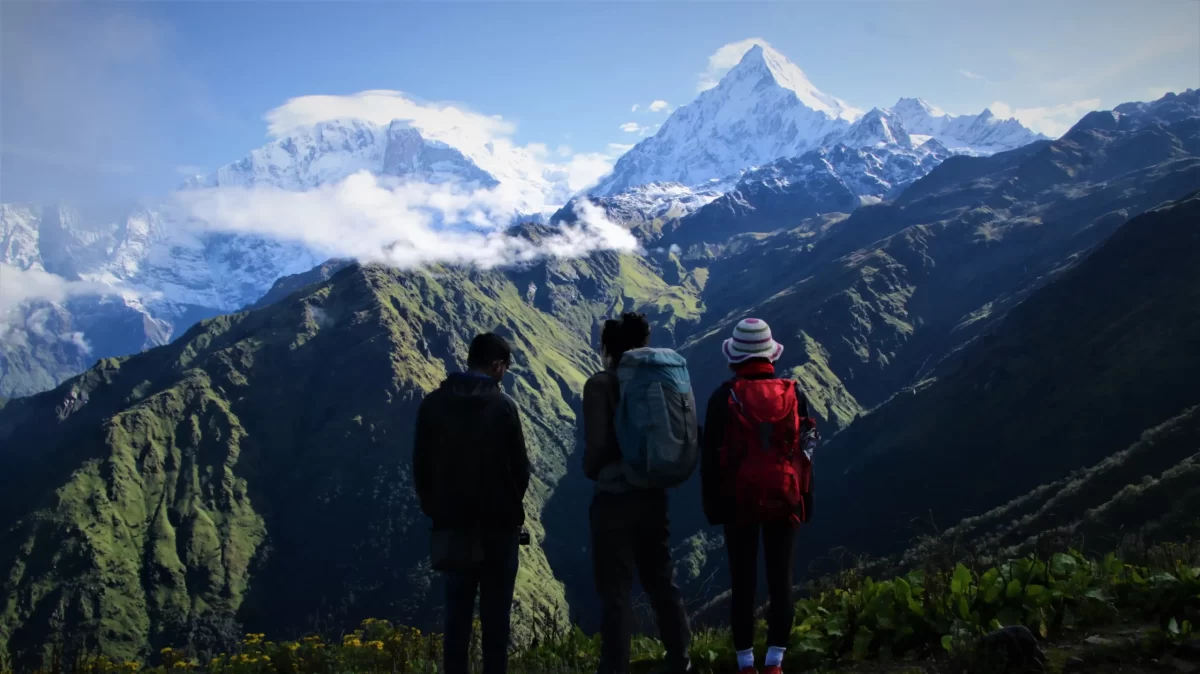
View of Annapurna Mountain Range

The highest point of the adventure is at Khopra Ridge; normally, most trekkers extend a day more visiting Khair Lake, which is further beyond Khopra ridge at the height of 4,247 m / 13 934 feet, regarded as the holy lake.

We have made the program shorter and best having an itinerary day of less than a week duration. Where interested people with limited time can enjoy and experience the differences between popular and off-the-beaten trekking trails.

An interesting adventurous walk starts from the famous renowned tourist city of Pokhara, blessed with naturally beautiful surroundings. Located on a valley encircled by green rolling hills and majestic Himalayan peaks of the Annapurna, Manaslu, and Lamjung ranges. Which reflects on its calm lakes of Phewa and Begnas, certainly a picturesque spot and the gateway to various adventures.

Khopra Ridge Community Trek begins on leaving Pokhara city and the valley towards the foothills of Annapurna Himalaya. The walk follows on ancient Trans Himalaya Salt Trade Route of Nepal to Tibet, extending beyond Ghorepani and Upper Mustang region.

The first part of the trekking on the famous main trail to Ghorepani village, populated by the Poon Magar tribes. An uphill walk past nice farm fields, villages with a steep climb to Ulleri, and then on a gradual path to Ghorepani. Situated beneath the scenic and famous view-point Poon Hill, a popular spot for a stunning sunrise over an array of Himalayan peaks. From Poon Hill panorama of the world’s three highest peaks, Dhaulagiri, Manaslu, and Annapurna range with magnificent Machhapuchare Himal, Fish-Tail peak.

Spending overnight at Ghorepani and a morning hike to Poon Hill for spectacular views and sunrise, the adventure continues to Khopra Ridge. Walk into a beautiful forest lined with rhododendron and pine trees as the route leaves behind the main trail. Heading towards hidden pockets of Annapurna Himalaya hills, walking past a few villages and into the complete mountain wilderness.

An exciting climb on leaving the last village of Sauta, as the walk follows a serene forested path. Slowly the tree lines fade for smaller alpine bushes on reaching our destination at scenic Khopra Ridge. On the highest spot of the adventure overlooking grand close views of the Dhaulagiri Himalayas with the Annapurna range.

Enjoy the glorious panorama of high snow peaks of Nilgiri, Annapurna Fang / Vara Shikar with Annapurna South. Spending an overnight in the comfort of a nice simple mountain lodge, the return journey on a long downhill. Taking an alternative route to the low, warm village of Tatopani, situated on the bank of the Kaligandaki River.

Tatopani means hot spring, which is close to this lovely large village one can enjoy refreshing hot bathing. As well as a dip in warm pools at Tatopani, our marvelous trek ends, taking an interesting drive back to Pokhara.

At Pokhara, for the last final overnight around the Annapurna region, then an exciting overland journey reaches Kathmandu to complete the trek after a glorious experience and adventure on Khopra Ridge Trekking.

Top 10 Best Trekking Trails in Nepal

About Top 10 Best Trekking Routes in Nepal

Best Trekking Trails in Nepal, Travelers find Nepal a paradise for a beautiful vacation in the mountains. Trekkers and hikers may find it difficult to choose a perfect destination for their adventure trip among the plethora of trekking trails abundant in the Himalayas. So in order to make it easier for adventure seekers to compare different hiking trails, here are the top 10 best trekking routes that Vertex Holiday operates.

Everest Three High Passes Trek

Best trekking trails in Nepal
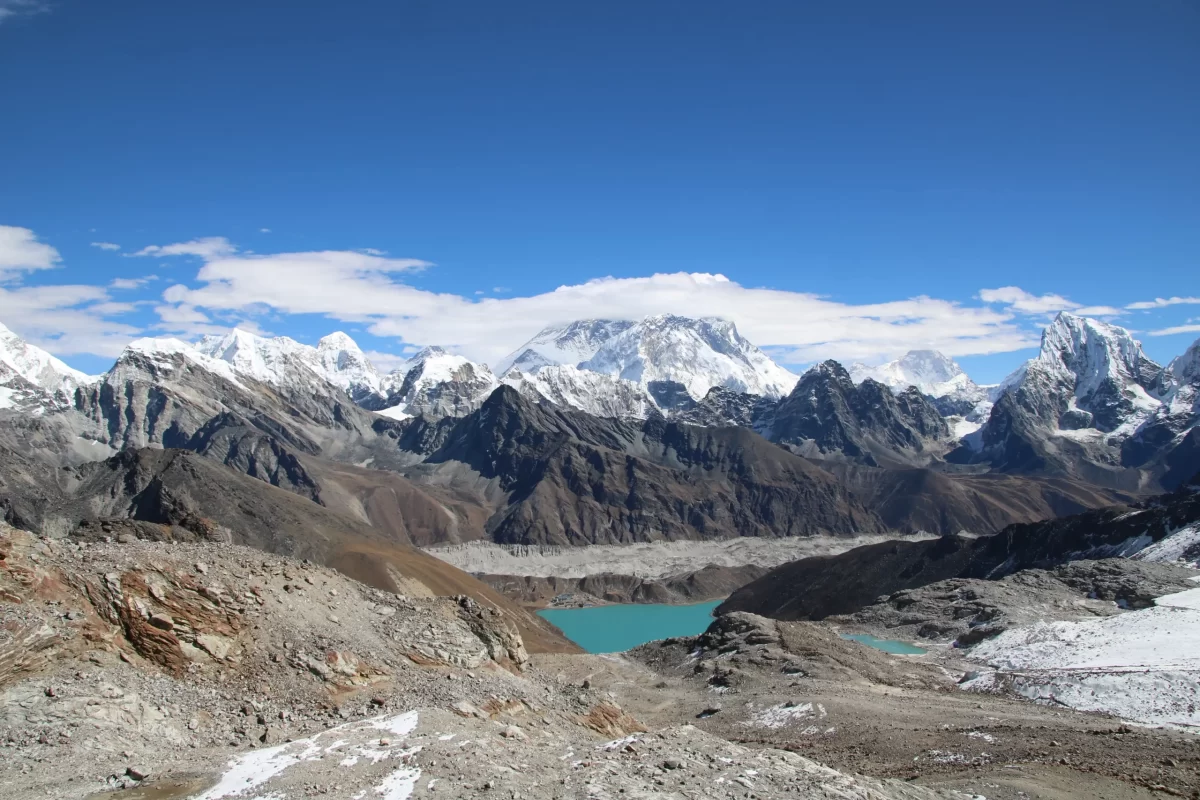
Everest mountain range with Gokyo Lake

Duration: 21 Days

Trek Grade: Challenging

Highest Altitude: 5550m Kalapathar

One of the Best Trekking Trails in Nepal, the Three Passes Trek is one of the toughest trekking trails probably in the whole world. This circuit-styled trek goes through three high mountain passes, namely Kong Ma La 5535m, Cho La 5420m, and Renjo La 5345m. The view of Snowclad Mountains, glaciers, glacial lakes, snow-fed rivers, diverse topography, and biodiversity makes this trail more alluring. The unforgiving terrain is home to some high-altitude flora and fauna that are fitted to survive this extreme environment.

For travelers seeking a vivid cultural experience, the Everest three passes trek offers glimpses of Himalayan Buddhism. The trail is decorated with Mani walls, prayer wheels, prayer flags, stupas, gompas, and monasteries. This trekking trip is basically an extension of the Everest Base Camp trek, but with more thrill and sceneries. This trekking route allows for the view of Mount Everest and other neighboring mountain peaks from various viewpoints and various angles.

A 30-minute flight to the Lukla Airport takes you to the trailhead.

Annapurna Circuit Trek

Annapurna Circuit Trek

Duration: 10-15 Days

Trek Grade: Moderate

Highest Altitude: Thorang La Pass 5416m

Another Best Trekking Trails in Nepal encircles the Annapurna massif, the Annapurna Circuit trek is one of the oldest and busiest trekking routes in the world. Trek around Annapurna is equipped with mountain vistas, river gorges, colorful biodiversity, and diverse topography; vivid ethnocultural villages are enough to entice travelers from all over the world. The hiking trail goes through the Thorang La mountain pass, elevated at 5416m which offers travelers a wonderful view of the snow-clad mountain peaks of the Himalayas.

Besides, the Tlicho Lake is also a major attraction of the region, elevated at 4919m above sea level. It was formerly known as the highest freshwater lake in the world until 2019, as the Kajin Sara Lake took over. Culturally, the hiking route passes through various Hindu and Buddhist villages whilst exploring various monasteries and temples. The major pilgrimage site is Muktinath, also known as the temple of liberation, where pilgrims take a bath on cold icy stone taps. This trek can be extended with the addition of various off-the-beaten paths like the Khopra Ridge Community trek, Ghorepani Poon Hill Trek, or the Annapurna Base Camp trekking.

A drive of around 7 hours takes you to the trailhead.

Everest Base Camp Trek

Best trekking trails in Nepal
On the way to Everest Base Camp

Duration: 12 Days

Trek Grade: Challenging

Highest Altitude: 5550m Kalapathar

Being the base camp of the world’s highest mountain peak, the Mount Everest Base Camp trek is one of the most popular treks in the whole world. Towering snowcapped mountain peaks, glaciers, glacial lakes, rough terrain, high-altitude Sherpa villages, green lush forests, perennial snow-fed rivers, and pristine Himalayan Buddhist culture are some of the major highlights of the EBC trekking trip. Thousands of visitors choose this exciting trekking trip as a once-in-a-lifetime worth of adventure, which makes it one of the Best Trekking Trails in Nepal.

Located in the Sagarmatha National Park, listed in the UNESCO world heritage sites list: this hiking trail invites thousands of adventure seekers for a once-in-a-lifetime worth of trip. A Sherpa museum in Khumjung, Everest view hotel, Tengboche Monastery, Namche Bazaar, and the Tenzing Hillary airstrip in Lukla are some major places you will get to explore. The Everest Base Camp trek can be extended by adding some side hikes like Gokyo Lakes, Amadablam Base camp, Island Base camp, and so on.

A 30-minute flight to Lukla takes you to the trailhead.

Upper Mustang Trek

Upper Mustang Trek
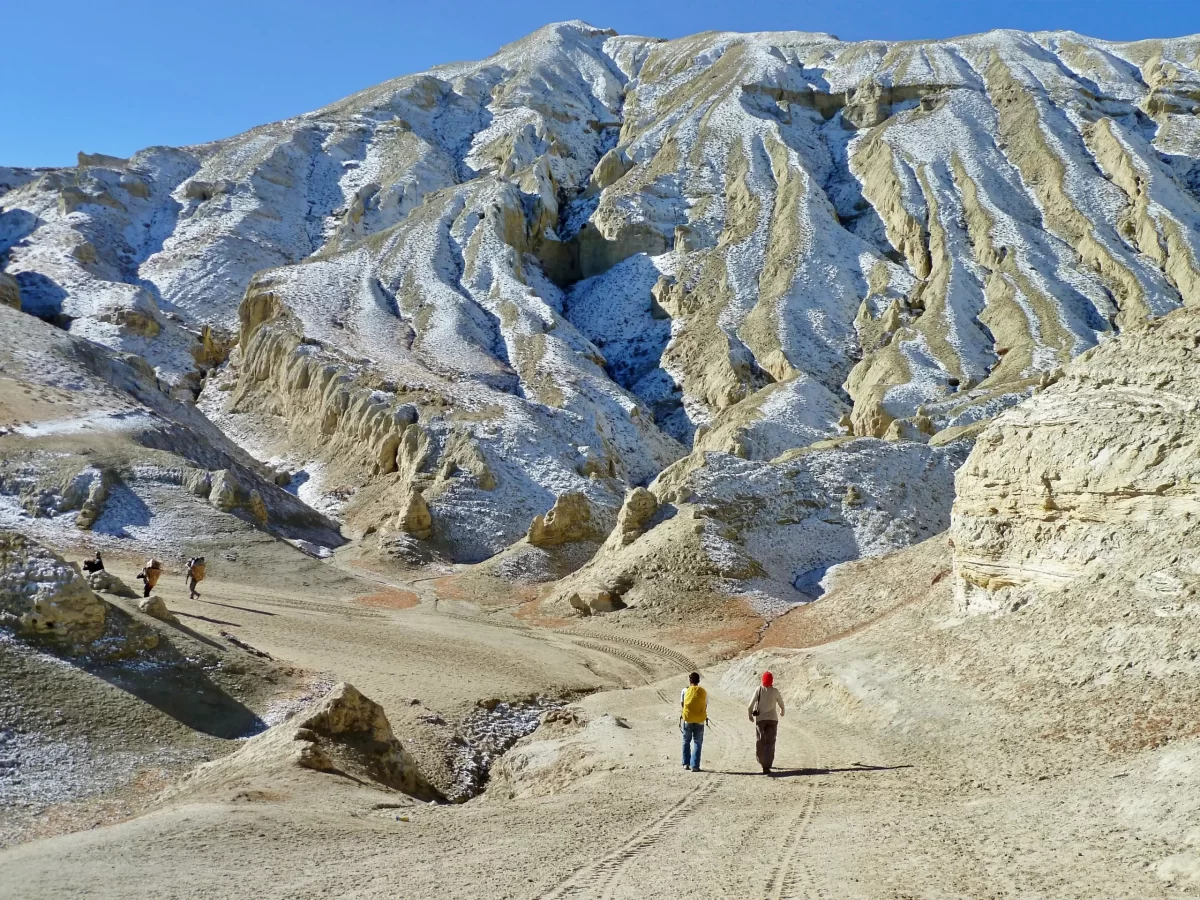
Hiking in the Cold Desert

Duration: 12 Days

Trek Grade: Moderate

Highest Altitude: 5550m

Also known as the Hidden kingdom, the Mustang region lies behind the Dhawalagiri and the Annapurna mountain ranges bordering the Tibetan Plateaus. The Upper region of Mustang falls under a sensitive zone and thus has been classified as a controlled area. However, a guided tour is possible with some high-cost permits. As the region falls under the rain shadow area, the terrain appears to be an alpine desert. However, the view of majestic Himalayan ranges will definitely comfort you.

Besides the harsh conditioned lifestyle, travelers are amazed by the smile on the face of the people. Himalayan Buddhism Culture can be explored in the Upper Mustang region. However, the people of this region are known for the Sky Burial practice. During the funeral ceremony, a deceased body is left to be eaten by the vultures. Several tomb caves dubbed as hanging tombs have increased the fame of the region, as the artifacts recovered show the connection of the region with the Silk Route. All of these highlights justifies Upper Mustang Trek as one the best trekking trails in Nepal.

A day’s drive to Pokhara and a flight to Jomsom will take you to the trailhead.

Annapurna Base Camp Trek

Short Annapurna Base Camp Trek
Hiking through snowy trail to ABC trek.

Duration: 14 Days

Trek Grade: Moderate

Highest Altitude: Annapurna Base Camp 4120m

The hike to the base camp of one of the “toughest mountain peaks to climb, “Mount Annapurna 8091m, is a unique experience in the Himalayas. This 10th highest peak was the first-ever 8000er, summited by the team of Maurice Herzog in 1950. Situated in the Annapurna Conservation Area, the ABC trek is enriched with beautiful panoramic mountain sceneries, dense rhododendron forests, stone-stepped trails, stone thatch-roofed villages, ethnic cultures, and vibrant biodiversity. The bowl-shaped base camp is one of the best trekking trails for travelers to explore.

Basically, this hiking trip is to, and back styled and goes through the Gurung ethnic villages. This hiking trip is suitable for people with a couple of weeks’ time. During the trip, the major attraction is the Ghandruk Village, known for its sheer beauty, and Annapurna and Fishtail mountains on the backdrop. The ABC trek is often connected with the Ghorepani Poon Hill trek and other off-the-beaten paths. The panoramic view of the mountains from the Annapurna Base Camp includes Annapurna, Machhapuchhre, Hiunchuli, Annapurna South, Ganga Purna, and some other lesser peaks. Ideal for intermediate trekkers, the Annapurna Base Camp trek can be extended with some off-the-beaten paths in the Annapurna Conservation Area.

A day of driving to Pokhara and two hours to Nayapul will take you to the trailhead.

Manaslu Circuit Trek

Manaslu Region Trek
Mount Manaslu 8163m

Duration: 15 Days

Trek Grade: Challenging

Highest Altitude: Larkya La Mountain Pass 5167m

Manaslu circuit trek is one of the most isolated and off-the-beaten hiking routes in Nepal, ideal for people seeking a trekking trip with less traffic of tourists. However, the Manaslu region is a natural marvel offering visitors natural and cultural attractions. Snowcapped mountains, glaciers, forest trails, alpine trails, and isolated Buddhist cultural villages are the major highlights of this incredible trekking trip. The hiking trail itself is a wonderful journey into the hidden pockets of the central Himalayas, exploring the pristine nature with the warm hospitality of the local people.

Circling the world’s seventh highest mountain Manaslu(8163m” from the lower hilly region, the hiking trail, follows through river gorges, terrace farm fields, ethnocultural villages, lush green forests, and then crosses the Larkya La mountain pass, making this one of the best trekking trails in Nepal. As the region is far from the modernization trend, it is a live representation of the 1980s and 1990s expedition vibe. Either teahouses or camping, the Manaslu circuit hiking trip will definitely inspire Travelers with awe. In recent years the Manaslu region has gained some popularity among explorers, especially the Tibetan culture-influenced Tsum Valley trekking.

A day of driving Arughat is all it takes to reach the trailhead.

Dolpa Shey Phoksundo Trek

Upper Dolpo and Shey Gomba Trekking
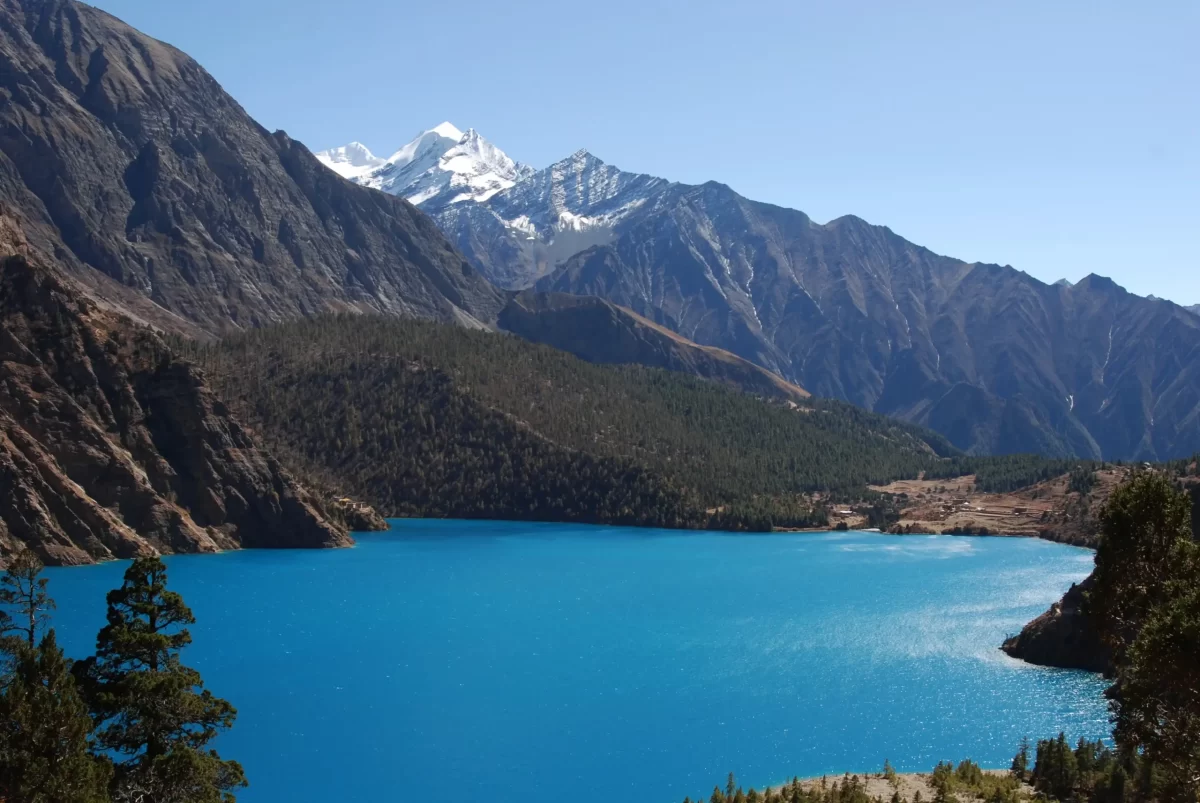
Shey Phoksundo Lake

Duration: 15 Days

Trek Grade: Challenging

Highest Altitude: Kang La Mountain Pass 5670m

Situated between the Tibetan Plateau and the Dhawalagiri Mountain range, the Dolpa Shey Phoksundo trekking trail is one of the most remote hiking trails in Nepal. The culture and tradition of the indigenous people of Bon Po and the Tibetan Himalayan Buddhists are still a topic of interest for tourists. As the region falls under restricted areas, the fees and permits are comparatively higher, so fewer tourists tend to visit this region. A special permit is required with a slightly higher cost as the Dolpo region is under the restricted area list by the Government of Nepal. However, the scenic mountain vistas, ethnic villages, mountain passes, and peaceful environment are the main features of this trekking trip.

The Shey Phoksundo Lake was made famous by the movie “The Himalaya”: Directed by Eric Valli and Michel Debits”.The story features the harsh lifestyle of the indigenous people of the Dolpo region. The Dolpo region is known for the Sky Burial practice, where the body of the deceased is fed to vultures. Shey Gompa is a major cultural landmark for pilgrims and tourists along with stupas, Chhortens Mani walls, and prayer flags along the trail. Besides, the waterfall plunging from the lake dam is a noteworthy attraction of the Shey Phoksundo National Park. A wide variety of flora and fauna, including some rare and endangered species, call this national park home, making it one of the best trekking trails in Nepal.

On the first day, a flight to Nepalgunj and the next day to Jhupal, accompanied by a couple of hours of driving, takes you to Dunai: trailhead to the mid-western Himalayan region.

Langtang Valley and Gosaikunda Trek

Langtang Valley and Gosainkunda Trek
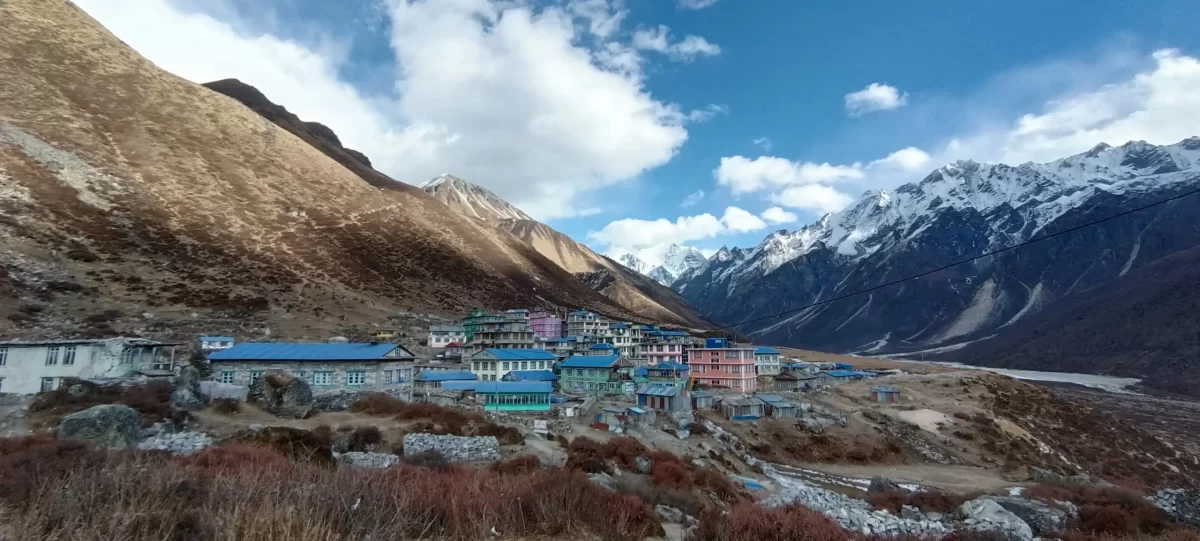
Kyanjin Gumba Village

Duration: 13 Days

Trek Grade: Moderate

Highest Altitude: Tserko Ri 4984m

A calmer and easier type of hiking route, but full of scenic views of the Langtang mountain range, alpine meadows for Yaks, green hills, stone steps, and many more. Tibetan culture influenced Langtang valley and the majority of inhabitants share ancestry to Tibet. Buddhism is prevalent in the region, and monuments like stupas, Mani walls, and prayer wheels/flags are visible throughout the hiking trip. Dorje Lakpa, 6998m, and Langtang Lirung, 7245m, are the major mountain peaks in the Langtang National Park. The Langtang valley offers several trekking peaks allowing trekkers the experience of climbing a peak without any technical knowledge. A side hike to Tserko Ri 4984 m offers the best view of the overall trekking trip.

The Langtang National Park is a protected site and houses various species of flora and fauna. Some rare/endangered species like Red Panda and Snow leopard barking deer, foxes, alpine pheasants, and some smaller birds are more likely to be seen. A high-altitude lake with significant religious value, Gosaikunda is situated at 4300m and is visited by thousands of pilgrims and tourists. Even though the Langtang valley is an underrated tourist destination, it is one of the best trekking trails in Nepal considering how beautiful it is. Cultural-wise, the people of the Langtang region are Tibetan Buddhism-oriented as most of the inhabitants are the descendants of Tibetan refugees.

A drive of around 7 hours takes you to the trailhead.

Gokyo Valley Trek

Everest Gokyo Lake and Gokyo Ri Trek
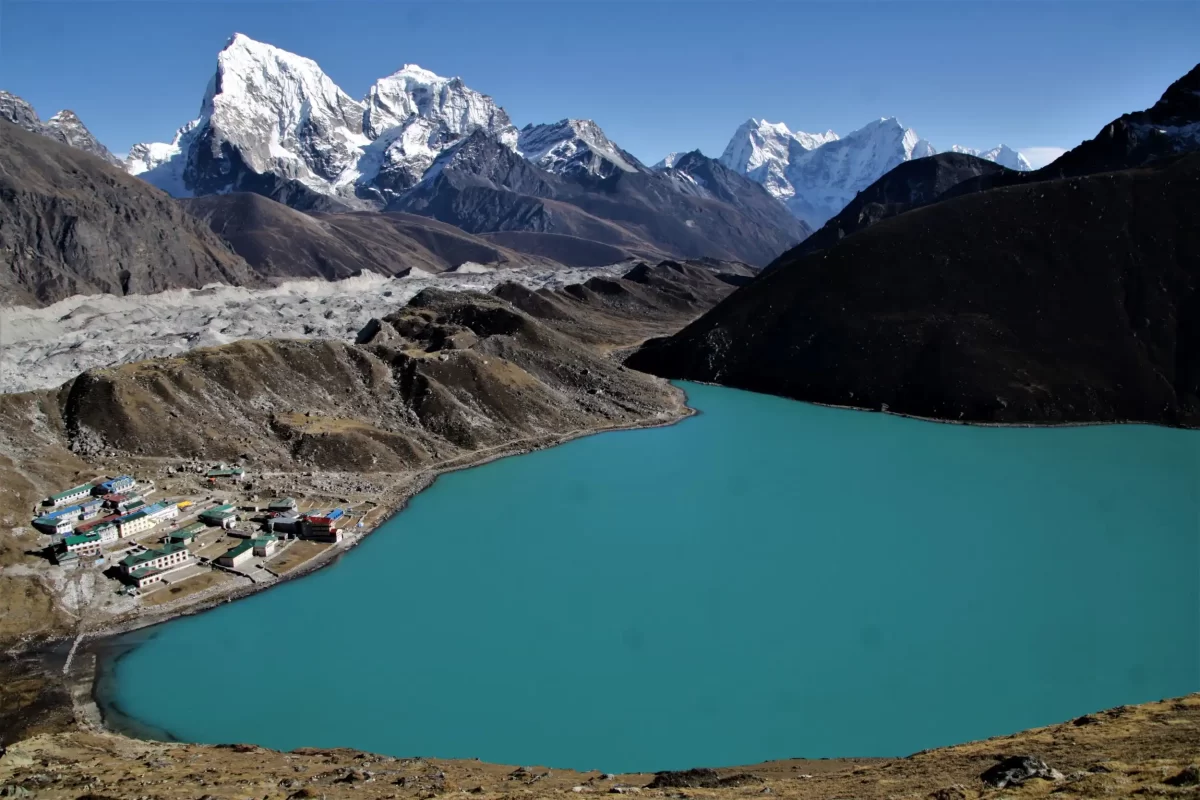
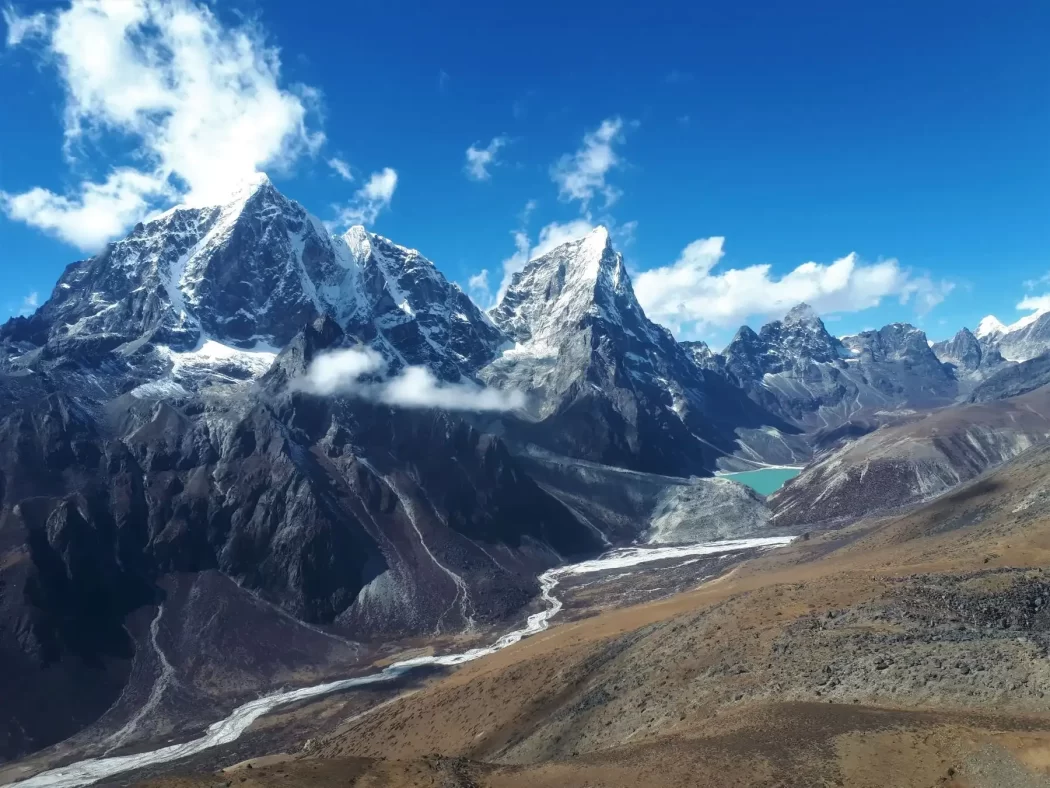
Gokyo Lake , Ngozumpa Glacier and Cholatse Mountain Range

Duration: 10 Days

Trek Grade: Challenging

Highest Altitude: Gokyo Ri 5435m

Located in the Sagarmatha National Park, Gokyo valley is another best trekking trails in Nepal. The Gokyo valley hiking trip follows the Dudh Koshi river gorge to the origin: Gokyo lakes. This oligotrophic freshwater lake system comprises 19 different glacial lakes and is a sacred pilgrimage site for both Hindus and Buddhists. Once a year, during the Janai Purnima festival, pilgrims visit Gokyo Lake, and some even take a bath in the cold icy water. However, when the lake is frozen, several other activities are optional, including ice skating and ice hockey, as they were both introduced in 2019. Besides, the teahouses provide excellent services of food and accommodation for travelers.

For tourists and travelers, the hiking trail is open throughout the year, and you can witness the limitless beauty of the Everest region. A side hike to the Gokyo Ri for sunrise/sunset offers a view of Mount Everest, Cho Oyu, Cholatse, Pumo Ri, Kangtega, and many other neighboring mountain peaks. Unlike the Everest Base Camp trek, this trekking trail is less crowded and probably has better views. Among the many lakes, Dudh Kunda is the major one and sits beside the world’s longest Himalayan glacier: the Ngojumba glacier. Gokyo valley is truly a trekking paradise enriched with natural and cultural beauty far beyond imagination.

A flight of half an hour takes you to the trailhead.

Dhaulagiri Circuit Trek

Dhaulagiri Circuit Trekking
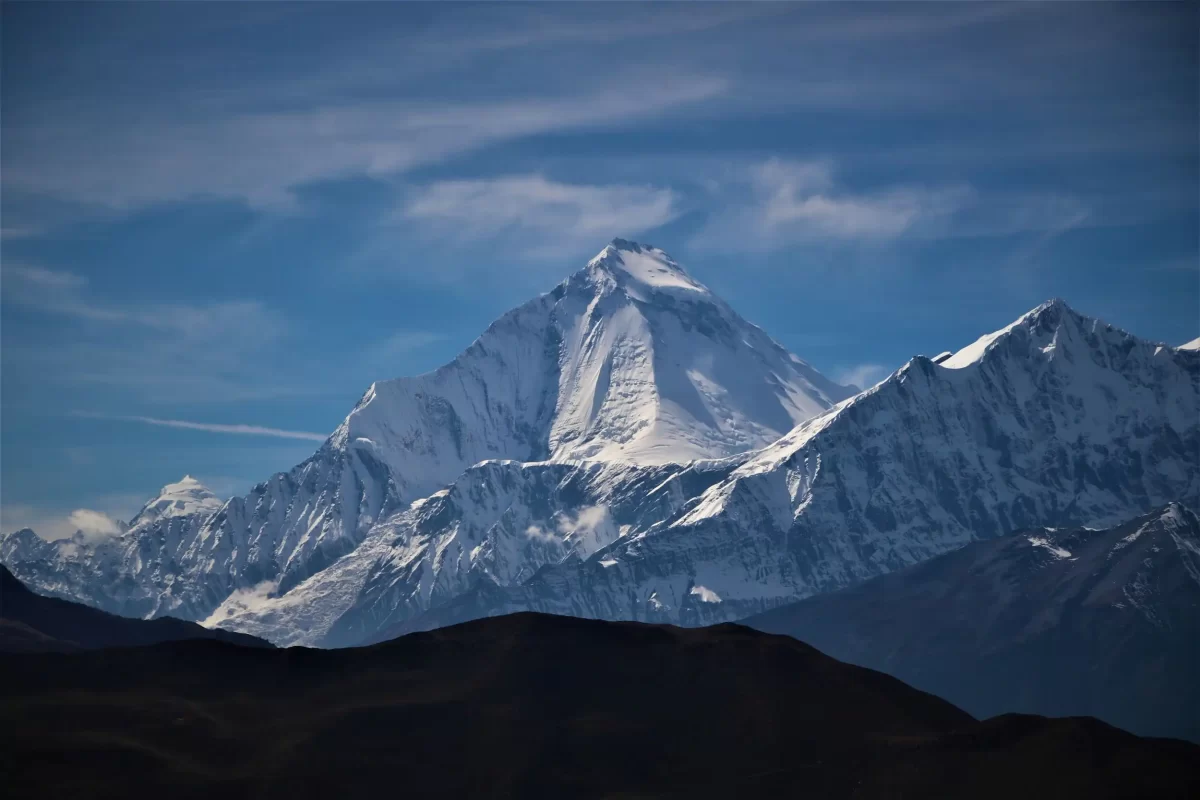
Mount Dhaulagiri as seen from Mustang

Duration: 19 Days

Trek Grade: Challenging

Highest Altitude: 5360m

Dhaulagiri Circuit is another best trekking trails in Nepal , encircles the world’s seventh highest mountain peak, Mount Dhawalagiri (8167m first summited by the team of climbers: Kurt Diemberger, Peter Diener, Ernest Forrer, Albin Schelbert, Nawang Dorje Lama, and Nima Lama. Dhawalagiri Circuit Trek is a classic high-altitude adventure trip, crossing the Italian Base Camp(3660m), Dhawalagiri Base Camp(4740m), French Col(5360m), and Dhampus Pass(5200m). From the lush green forests to the rocky moraines and glaciers, this hiking trail covers river gorges, glaciers, mountain passes, and beautiful mountain vistas. This circuit trail goes through hidden high-altitude valleys.

But with the extreme nature of the terrain and lack of infrastructure, it is a camping-based trek and still has the classic trekking vibe. However, the number of tea houses, lodges, and community homestays is increasing, and travelers can interact with the local people. For people seeking an adventure enriched with diverse ethnic communities with shamanic backgrounds and their vivid cultural practices, the Dhawalagiri Circuit trek is truly a thrill provider. However, the Dhawalagiri Circuit Trek is suitable for intermediate and advanced trekkers. The enticing alpine topography makes you feel like you are somewhere out of this world.

One and a half-day of driving takes you to the trailhead.

Here is our list of the top ten trekking routes in Nepal, considering the popularity, difficulty, and availability of different trekking routes. However, besides these trekking routes, there are a plethora of options to choose from. In case you want to know more about any of these or other destinations in Nepal, send your inquiry to Vertex Holiday. We will be more than happy to assist you.

Nepal among best travel destinations in the World

After two years of inactivity in the tourism industry due to the COVID situation, Nepal opened its borders for international travelers on the 24th of September. As world tourism is trying to bounce back from the devastating situation, the Himalayan country is following the footsteps of the worldwide trend. A recent article by Lonely Planet has listed Nepal among the best travel destinations in the world for 2025.

best travel destinations in the world
Trekking during winter

Nepal is known for the high mountain peaks including the world’s highest Mount Everest 8848m and hundreds of other lesser peaks. Snowcapped mountain peaks, green hills, glaciers, lakes, rivers, national parks, wetlands are among the major natural attractions. A country with a small land area, the elevation range of Nepal is from 60 meters to 8848 meters above sea level. This distinct geographical feature makes this land a unique travel destination, where a traveler can explore these diversities in a minimum time frame. The diverse climatic zones result in diverse biodiversity, making this Himalayan land home to a wide variety of flora and fauna including some rare and endangered species.

Trekking in Annapurna Region

Trekking in Annapurna region
Hiking on snowy trail to Annapurna Base Camp

Trekking in Annapurna Region, Annapurna Conservation Area Project (ACAP) is the biggest of its kind in the country as it covers an area of 7,629 sq. km. The project was launched in 1986. The area is home to a rich biodiversity where 1,226 species of flowering plants,105 mammals,508 birds, 40 reptiles, and 23 amphibians, according to the National Trust for Nature Conservation(NTNC).

The area is home to an ethical and culturally diverse population. More than 100,000 people are believed to reside in this region. The name of this project is derived from the famous Annapurna mountain peak, which is 8091m above sea level. This peak is believed to be one of the most difficult mountains to summit. There are many other fascinating features of this park. It has the world’s deepest gorge, the Andhra Galchhi, which is made by the Kaligandaki River. It is situated in between the Annapurna (8091) and Dhawalagiri (8167m).

Trkking in annapurna region, Tilicho lake situated at an elevation of 4919 m, was previously believed t be the world’s highest freshwater lake. This park has one of the world’s largest Rhododendron forests. This park allows the locals to reside and exercise their rights even inside a protected area.

The cultural and ethnic diversity of this region is also a significant reason for it to become an attraction for tourists. The main activity for tourists is obviously trekking, even though climbing is also highly preferred.

Trekking in annapurna region, The main trekking routes in this region are the Annapurna Circuit, Annapurna Sanctuary (Base camp & Poonhill), Upper Mustang, Khopra Ridge, and Mardi Himal trek. There are other smaller but extraordinary side treks in this region, like the Nar Phu Valley, Mohare dada, and others.

The Annapurna Circuit trek around Annapurna is one of the busiest treks in the country. It has been open for trekking since 1977. It used t take 21 t 23 days to complete this trek, but nowadays, the availability of road transport has made this trek accomplishable in just 10 to 12 days.

The elevation range of this trek varies from 600 m above sea level to Thorang La 5416 m above sea level. The trek offers a wide variety of natural and cultural diversity for one to witness. Mountain sceneries include the Manaslu, Annapurna, Dhawalagiri, Nilgiri, Tukuche, and several other peaks.

The Marshyangdi River and the Kali Gandaki river are the main rivers, whereas several other waterfalls and streams are available to witness. Tilicho Lake is also the main highlight f this trek. This trek has often been voted as the best long trek in the world.

Everest Region ” A true trekking Paradise”

The Everest Region A true trekking Paradise for travelers, it’s home to amazing mountainous landscapes and sceneries. It provides trekkers with a wide variety of trekking and climbing destinations. This region lies in the Sagarmatha National Park. Situated in the northeastern part of Nepal, covers an area of 1,148 sq km.

Trekking Paradise
Everest Region

The highest point in the world Mt.Everest (8848), makes this park world’s highest elevated national park. Besides Everest, there are 7 more peaks higher than 7000m. Everest 8850, Lhotse 8516, Makalu 8481, Cho Oyu 8188, Ama Dablam 6812m, and Thamserku 6623 are among the major peaks.

The Everest Region consists of three major passes above 5000 m above sea level, namely Kong Ma La 5535m, Cho La 5420m, and Renjo La 5345m. Except for these passes, there are several points that are higher than the 5000 mark, among which Kalapathhar is the highest, with an elevation of 5550m. Besides, the glaciers and the glacial lakes make this region even more tempting.

The longest Himalayan glacier Ngozumpa and the Khumbu glacier, are the major glaciers in this region. The park comprises mountains, glaciers, deep valleys, river basins, and lakes. Apart from the natural heritage, the cultural heritage of the Everest region is well intact. Most of the people, being Buddhists, have preserved and continued their traditions. There are abundant numbers of monasteries, stupas, and Chhortens all around the region. Mani walls and prayer flags are a frequent sight around the Sagarmatha National Park.

Sagarmatha, in the Nepali dialect, means the forehead of the sky. It was established as a National park in 1976 and in 1979 listed as a World Heritage site by UNESCO. The elevation of this region does allow only selective vegetation to grow. Junipers, rhododendron, and pine are among the major ones.

This Park is home to some endangered species, like the snow leopard and the red panda. Musk deer, Himalayan black bear, Himalayan Thar, langur monkeys, and other animals are found in this park. Birds like the Himalayan Monal and blood pheasant are among the important birds found in this area. Among them, the blood pheasant is the most significant as these birds will be encountered by everyone visiting this National Park Tourism in this region began in the 1960s, and currently, this region is among the most visited tourist destinations in Nepal.

Peak climbing or Mountaineering 

 For the fact that the world’s highest peak lies in this region, there are about 350 permits issued per year for climbing Everest only. Apart from Everest, there are hundreds of mountain peaks to choose from. This includes peaks ranging from above eight thousand to other smaller mountain peaks such as Island Peak, Amadablam, Thamserku, and others peaks. Everest region is also famous for smaller trekking peaks, which cost a lot less as the royalty for climbing these peaks is as low as trekking fees. This region is an ideal place for climbers, from novices to experts.

Trekking Around Everest Region:

Trekking is another major activity to undertake in this region. This region provides various options for breathtaking trekking routes. The rough high-altitude terrain makes this region a true hiking paradise.  No matter which corner of this National Park you are, from every corner, the majestic views of the snowcapped mountain peaks are certain. Mostly during the high season which is during Spring and Autumn, the weather is clear and sunny.

 Out of which the most famous routes are the Everest Base Camp (EBC ), The Everest Three Passes Trek, and Base Camp Via Gokyo.

Everest Base Camp:

Everest Base Camp, or the EBC, is the most favored trek in this region also call trekking paradise. Some adventure seekers even have this trek on their bucket list. This trek offers the experience of a lifetime in a minimum of 12 days. Those who are not willing to spend more than 2 weeks of their time in this National park opt to choose this trek. Another benefit of this trek is that it excludes the difficult and high passes of the region. This allows people to reach the Everest Base Camp with less chance of something going wrong. However, the highest altitude in this trek is the Kalapatthar (5550m), and the base camp is (5380m) above sea level.

Gokyo Lakes & Valley:

Gokyo Lakes is a major glacial lake system situated at an elevation of 4800m above sea level. It is one of the 19 lakes in the region which are formed due to the seepages of the glacier. To visit the entire lakes, one needs to extend the amount of time they want to spend in the mountains. However, if we add 3 more days to the same itinerary of the EBC trek, this lake can be explored. The lake is situated on the bank of the Ngozumpa glacier i.e. the longest Himalayan glacier in the World. Hike to Gokyo Ri (5360m) in the morning offers spectators a panoramic view of the Mahalangur Himalayan Range.

Trekking In Nepal full of Himalayas country

Nepal is a small Himalayas country situated between China and India. This Himalayan country is best known for its towering mountain peaks, including the highest peak in the world Mt.Everest.

The Himalayan region comprises thousands of peaks ranging from five thousand to eight thousand meters peaks. However, mountain peaks aren’t the only thing that a visitor might be interested in exploring. The mountains are the source of the thousands of glacial-fed perennial rivers flowing throughout the country such as Mahakali, Karnali, Seti, Bheri, Narayani, Koshi, and many more.

Himalayas Country
Mardi Himal trek during winter

The geographical diversity of this land makes Nepal an excellent place for trekking and hiking adventures. Trekking in Nepal is one of the major activities that can be undertaken in the Himalayas.

The pristine natural marvel of this land is supported by cultural diversity. There are more than a hundred ethnic groups and languages prevalent and have their own colorful traditions. Trekking in Nepal is an opportunity for people to explore the natural and cultural diversities of Nepal. Stretching from east to west, there are hundreds of major and minor trekking destinations, which are so diverse that choosing a destination is a hard one. However, the Everest region and Annapurna region are among the busiest trekking routes in Nepal.

Other includes Langtang, Makalu, Kanchanjunga, Dhawalagiri, and Far western region. Traditionally trekking trips used to be conducted on a camping basis, as there were little to no facilities in the mountains, but the trend is changing. Now the advancement of roads and infrastructures has allowed for the Tea House or Lodge trekking option to flourish. The people are becoming aware of the potential of the tourism industry in Nepal, thus, are starting to establish lodges and homestays in the remotest area. This is in fact beneficial for the locals and trekkers, as the need for carrying huge loads of commodities is going down. Nowadays, the reach of communication facilities has stretched far off to the remotest part of the country, thus contributing to safety as rescue activities can be executed conveniently and fast.

Best time for Trekking

Himalayas country The best time for trekking in Nepal is The months from March to June and September to January are considered to be the best seasons for trekking in Nepal. The weather is normally fine with clear skies allowing for the magnificent mountain peaks to be viewed. However, there are several trekking destinations that lie in the rain shadow region, thus allowing the possibility for trekking during the monsoon seasons.

Experience and Fitness

As there is a plethora of options to choose from, the trekking trails are categorized from beginner to challenging grades. This means we have trekking packages suited for all types of people, including children and pensioners. However, one should be mentally prepared for the challenge. Experience is not usually required, but a physically fit person is less likely to encounter any complications during the trek. As our staff is well-trained and knowledgeable regarding the complications that can arise in the mountains, they will be responsible for your safety.

Equipment and Supplies

Himalayas country ,the mountains are one of the unpredictable regions in Nepal. Therefore, it is necessary for you to be prepared. The requirement of equipment varies according to the destination you are trekking to. A pair of sturdy and comfortable hiking boots, a sleeping bag (depending on your accommodation), a daypack, and a few changes of clothes for the varying temperatures. For cold weather, hiking pants, thermals, gloves, neck warmer/scarf, beanie, a warm inner jacket, and a windproof/waterproof outer jacket are essential. It is very common for the local people to throw garbage in nature.

Please consider taking water purification supplies with you so that you don’t have to buy water in plastic bottles, as you don’t know what happens to empty bottles. Other items to bring include a hiking stick/pole or two, a waterproof case, fabric bandages such as moleskin, a headlamp, altitude sickness, other medication, a camera, and binoculars. If you are trekking in higher altitudes above four thousand meters, a pair of crampons is also a good idea.